Poultry Farming

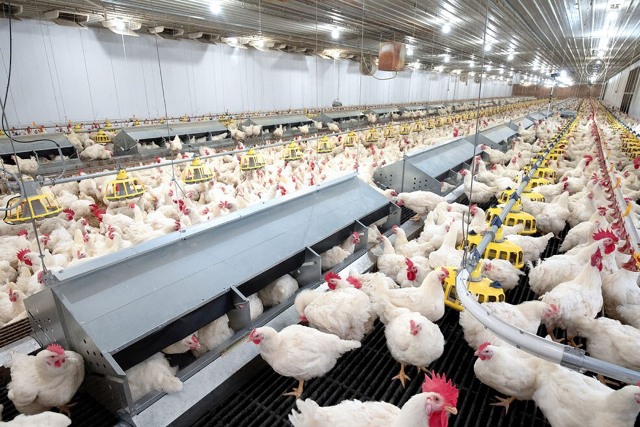
Poultry Farming involves the breeding, raising, and management of domesticated birds such as chickens, turkeys, ducks, and geese for the production of meat, eggs, and feathers. Professionals in this field focus on optimizing bird health, productivity, and welfare while ensuring profitability and compliance with biosecurity and food safety standards. This career is vital to addressing global food security by providing affordable protein sources and supporting agricultural economies. Poultry Farmers and related professionals play a pivotal role in meeting the growing demand for poultry products, leveraging trends such as sustainable farming practices, automation in poultry management, and consumer preference for organic and free-range products.
Share :
✨ Radial Mind Map - Poultry Farming
Nodes arranged in concentric circles

Loading radial mind map...

Overview

Poultry Farming involves the breeding, raising, and management of domesticated birds such as chickens, turkeys, ducks, and geese for the production of meat, eggs, and feathers. Professionals in this field focus on optimizing bird health, productivity, and welfare while ensuring profitability and compliance with biosecurity and food safety standards. This career is vital to addressing global food security by providing affordable protein sources and supporting agricultural economies. Poultry Farmers and related professionals play a pivotal role in meeting the growing demand for poultry products, leveraging trends such as sustainable farming practices, automation in poultry management, and consumer preference for organic and free-range products.

Poultry Farming professionals work in diverse settings such as small-scale farms, large commercial poultry units, hatcheries, and processing plants, often collaborating with veterinarians, feed suppliers, and regulatory bodies. Their roles include managing bird flocks, ensuring proper nutrition and housing, preventing disease outbreaks, and marketing poultry products. They face challenges like fluctuating feed costs, disease risks, and environmental sustainability concerns. By leveraging expertise in animal husbandry, biosecurity, and business management, Poultry Farming professionals contribute to efficient food production systems. As key contributors to the agricultural sector, they drive advancements through trends like precision poultry farming, antibiotic-free production, and vertical integration in the poultry supply chain.
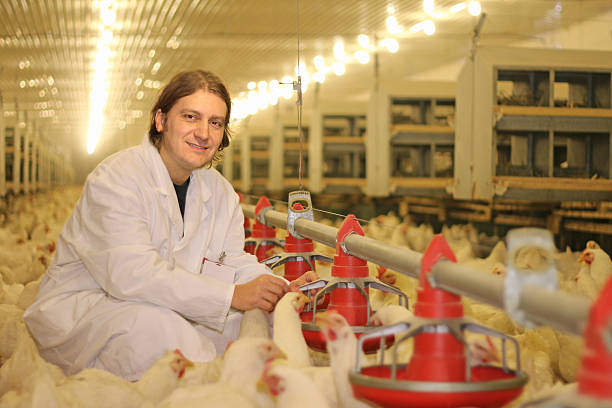
Roles and Responsibilities

💼
Poultry Farming
Roles and Responsibilities
Flock Management and Care
Oversee the daily care of poultry, including feeding, watering, and monitoring health.
Maintain optimal housing conditions with proper ventilation, lighting, and temperature.
Nutrition and Feed Management
Formulate or procure balanced feed to ensure bird growth and productivity.
Monitor feed quality and adjust diets based on age, breed, and production goals.
Disease Prevention and Biosecurity
Implement vaccination programs and biosecurity measures to prevent disease outbreaks.
Monitor flocks for signs of illness and coordinate with veterinarians for treatment.
Breeding and Hatchery Operations
Manage breeding programs to produce high-quality chicks for meat or egg production.
Operate hatcheries to ensure proper incubation and chick survival rates.
Production and Harvest Management
Plan production cycles for broilers (meat) or layers (eggs) to meet market demand.
Oversee harvesting, processing, and packaging of poultry products for sale.
Business and Financial Planning
Manage farm budgets, including costs for feed, labor, and equipment.
Negotiate contracts with suppliers, buyers, and distributors for poultry products.
Regulatory Compliance and Safety
Ensure adherence to animal welfare, food safety, and environmental regulations.
Maintain records for audits by government or certification agencies.
Marketing and Sales of Poultry Products
Promote and sell eggs, meat, or live birds through local markets or retail chains.
Build relationships with processors and consumers to expand market reach.

Roles and Responsibilities

  • Flock Management and Care
    • Oversee the daily care of poultry, including feeding, watering, and monitoring health.
    • Maintain optimal housing conditions with proper ventilation, lighting, and temperature.
  • Nutrition and Feed Management
    • Formulate or procure balanced feed to ensure bird growth and productivity.
    • Monitor feed quality and adjust diets based on age, breed, and production goals.
  • Disease Prevention and Biosecurity
    • Implement vaccination programs and biosecurity measures to prevent disease outbreaks.
    • Monitor flocks for signs of illness and coordinate with veterinarians for treatment.
  • Breeding and Hatchery Operations
    • Manage breeding programs to produce high-quality chicks for meat or egg production.
    • Operate hatcheries to ensure proper incubation and chick survival rates.
  • Production and Harvest Management
    • Plan production cycles for broilers (meat) or layers (eggs) to meet market demand.
    • Oversee harvesting, processing, and packaging of poultry products for sale.
  • Business and Financial Planning
    • Manage farm budgets, including costs for feed, labor, and equipment.
    • Negotiate contracts with suppliers, buyers, and distributors for poultry products.
  • Regulatory Compliance and Safety
    • Ensure adherence to animal welfare, food safety, and environmental regulations.
    • Maintain records for audits by government or certification agencies.
  • Marketing and Sales of Poultry Products
    • Promote and sell eggs, meat, or live birds through local markets or retail chains.
    • Build relationships with processors and consumers to expand market reach.


Study Route & Eligibility Criteria

Study Route & Eligibility Criteria
Poultry Farming
Undergraduate Degree
🎓
1
10+2 in Science or Agriculture with minimum 50-60% marks
🏛️
2
Pursue a B.Sc. in Poultry Science, Animal Husbandry, or Agriculture
3-4 years
💼
3
Gain practical exposure through internships on poultry farms or hatcheries
💼
4
Start as a Poultry Farm Assistant or Supervisor
Postgraduate Specialization
🏛️
1
Complete a Bachelor’s degree in Agriculture, Animal Science, or related field
🏛️
2
Pursue an M.Sc. in Poultry Science or Animal Husbandry
1-2 years
💼
3
Engage in research or fieldwork focused on poultry management
💼
4
Work as a Poultry Farm Manager or Consultant
Diploma/Certification for Entry-Level Roles
🎓
1
10+2 pass with minimum 45-50% marks in any stream
🎓
2
Complete a Diploma in Poultry Farming or Animal Husbandry
1-2 years
📚
3
Build skills through hands-on training on poultry farms
💼
4
Work in entry-level roles like Farm Worker or Hatchery Assistant
Short-Term Certifications with Practical Experience
💼
1
Hold a basic education or relevant farming experience
🏛️
2
Pursue short-term certifications in Poultry Farming or Biosecurity
3-6 months
📚
3
Learn through workshops or on-farm training programs
💼
4
Start as an Independent Poultry Farmer or join commercial units
Vocational Training and Apprenticeships
🎓
1
Basic education or interest in farming
📚
2
Enroll in vocational training programs or apprenticeships with poultry farmers
6-12 months
📚
3
Gain hands-on skills in poultry care and farm operations
💼
4
Work as a Small-Scale Poultry Farmer or Farm Technician
🎯 Poultry Farming - Professional

Significant Observations (Academic Related Points)

💡
Poultry Farming
Academic Related Points
1
Practical Knowledge:
Hands-on experience in poultry management is critical for success over formal education in many cases.
2
Animal Health Expertise:
Understanding poultry diseases and biosecurity is essential for flock productivity.
3
Certification Awareness:
Knowledge of food safety and animal welfare standards enhances credibility.
4
Business Acumen:
Skills in budgeting and marketing are necessary for running profitable poultry farms.
5
Sustainability Focus:
Commitment to eco-friendly practices drives modern poultry farming.
6
Continuous Learning:
Staying updated on poultry technologies and market trends is important for growth.
7
Market Insight:
Awareness of consumer demand for organic or free-range poultry aids business planning.
8
Physical Resilience:
Readiness for labor-intensive farm work is necessary for field roles.
9
Risk Management:
Skills to handle disease outbreaks or feed price volatility are key.
10
Networking Ability:
Connections with feed suppliers and buyers enhance opportunities.
11
Policy Knowledge:
Familiarity with government schemes for poultry farming supports funding and growth.

Internships & Practical Exposure

💼
Poultry Farming
Internships & Practical Experience
1
Internships on commercial poultry farms for experience in flock management and feeding.
2
Training with hatcheries to learn breeding and chick production techniques.
3
Rotations in poultry processing units for exposure to meat and egg handling.
4
Observerships with veterinary services to understand disease control and biosecurity.
5
Participation in poultry trade shows for practical marketing and industry insights.
6
Exposure to automated poultry systems during training for modern farming skills.
7
Workshops on poultry nutrition and welfare for technical knowledge.
8
Volunteer roles in rural poultry development projects to build professional networks.
9
Collaborative initiatives with poultry startups for real-world problem-solving experience.

Courses & Specializations to Enter the Field

📚
Poultry Farming
Courses & Specializations
📖
B.Sc. in Poultry Science or Animal Husbandry for foundational knowledge.
📖
M.Sc. in Poultry Science or Animal Nutrition for advanced expertise.
📖
Diploma in Poultry Farming or Animal Husbandry for entry-level practical skills.
📖
Specialization in Poultry Breeding, Nutrition, or Biosecurity Management.
📖
Short-term courses on Poultry Farm Management and Disease Prevention.
📖
Training in Organic and Free-Range Poultry Farming Practices.
📖
Workshops on Poultry Processing and Value-Added Products.
📖
Certifications in Animal Welfare and Food Safety Standards for Poultry.

Prominent Employers

🏢
Poultry Farming
🌟 Top Companies & Organizations
🇮🇳 India
🏛️
Venkateshwara Hatcheries (Venky’s), Pune
🏛️
Suguna Foods, Coimbatore
🏛️
Godrej Agrovet, Mumbai
🏛️
Skylark Hatcheries, Haryana
🏛️
Amrit Group, Kolkata
🏛️
IB Group, Chhattisgarh
🏛️
Sneha Farms, Hyderabad
🌍 International
🌐
Tyson Foods, USA
🌐
Cargill (Poultry Division), USA
🌐
JBS S.A. (Pilgrim’s Pride), Brazil
🌐
Perdue Farms, USA
🌐
Charoen Pokphand Foods, Thailand
🌐
Maple Leaf Foods, Canada
🌐
Bachoco, Mexico

Advice for Aspiring Poultry Farmings

💡
Poultry Farming
🌟 Tips for Students & Parents
1
Build hands-on experience by working on poultry farms to understand flock management.
2
Seek mentorship from experienced poultry farmers to learn practical techniques.
3
Enroll in short-term courses or certifications to grasp biosecurity and nutrition basics.
4
Develop resilience to handle the physical and financial challenges of poultry farming.
5
Stay updated on poultry industry trends by following resources like WPSA or PFI.
6
Engage in community projects to promote poultry farming and build local networks.
7
Join poultry associations or cooperatives for support, resources, and market access.
8
Work on business skills to manage farm finances and market poultry products.
9
Explore government schemes and subsidies for poultry farming to ease financial burdens.
10
Volunteer in rural poultry initiatives to gain exposure and build a professional profile.
11
Cultivate adaptability to handle disease risks, feed costs, and market fluctuations.
12
Focus on animal welfare and sustainability to meet modern consumer expectations.
🎓 Final Message
A career in Poultry Farming offers a unique opportunity to contribute to global food security by producing essential protein sources, fostering sustainable agricultural practices through innovative management, and empowering communities with every flock raised. Poultry Farmers are the backbone of the poultry industry, using their dedication and expertise to ensure food accessibility, meet market demands, and support economic growth across diverse sectors. This profession blends animal husbandry with entrepreneurship, providing pathways in farm management, breeding, nutrition, and consultancy. For those passionate about agriculture, driven by a desire to provide nutritious food through livestock, and eager to embrace the evolving landscape of poultry systems, becoming a Poultry Farming professional is a deeply rewarding journey. It empowers individuals to address critical global needs, maintain agricultural excellence, and advance public nutrition through the transformative power of poultry production.
Knowledge & Skills You Will Learn
1
Practical farming skills for poultry care and flock management
2
Technical knowledge of poultry nutrition and disease prevention
3
Problem-solving ability to address health or production challenges
4
Business acumen for managing farm finances and marketing products
5
Communication proficiency for coordinating with suppliers and buyers
6
Attention to detail for monitoring bird health and biosecurity measures
7
Project management to plan production cycles and farm operations
8
Adaptability to handle market fluctuations and disease risks
9
Teamwork for collaborating with farm staff, veterinarians, and processors
10
Technological aptitude for using automated systems in poultry farming
Poultry Farm Supervisor

Poultry Farm Supervisor

Early-to-mid-level individuals who oversee farm workers, manage feeding schedules, and ensure biosecurity protocols are followed. They report to...

0.0LPA
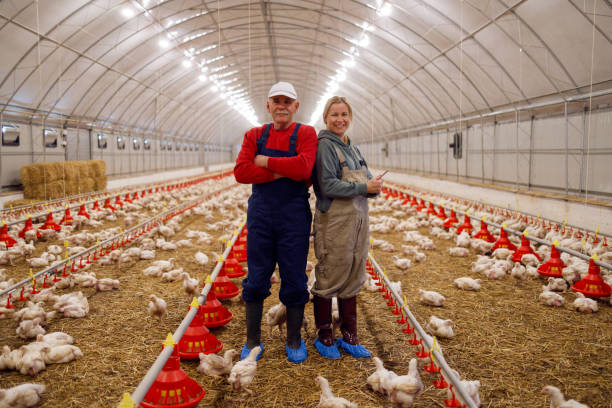
Poultry Farm Manager

Poultry Farm Manager

Mid-level experts who manage entire poultry farm operations, including budgeting, flock health, and product output. They make strategic decisions...

0.0LPA
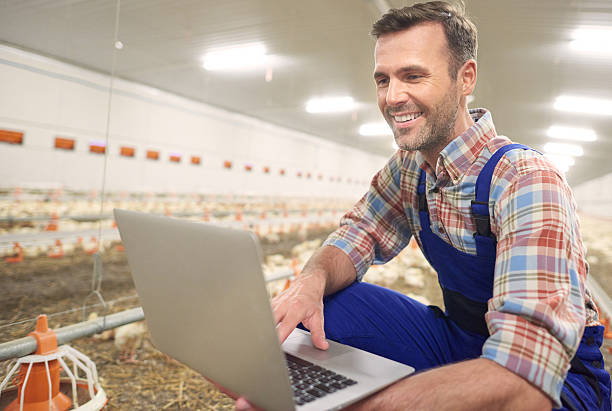
Regional Poultry Operations Manager

Regional Poultry Operations Manager

Experienced professionals who oversee multiple poultry farms or units in a region, ensuring consistent production and compliance. They develop...

0.0LPA

Interested in this career?

Take the next step and explore more about Poultry Farming.