Ag-FinTech Product Manager
Junior Ag-FinTech Product Manager
Explore Career
Organic Farming is an agricultural practice that emphasizes the use of natural inputs and processes to cultivate crops and raise livestock, avoiding synthetic pesticides, fertilizers, and genetically modified organisms (GMOs). Professionals in this field focus on sustainable farming methods to promote soil health, biodiversity, and environmental conservation while producing safe, chemical-free food. This career is vital to addressing global challenges like food safety, climate change, and ecological balance through eco-friendly agricultural systems. Organic Farmers and related professionals play a pivotal role in meeting the growing demand for organic products, leveraging trends such as regenerative agriculture, local food systems, and consumer awareness of health and sustainability.
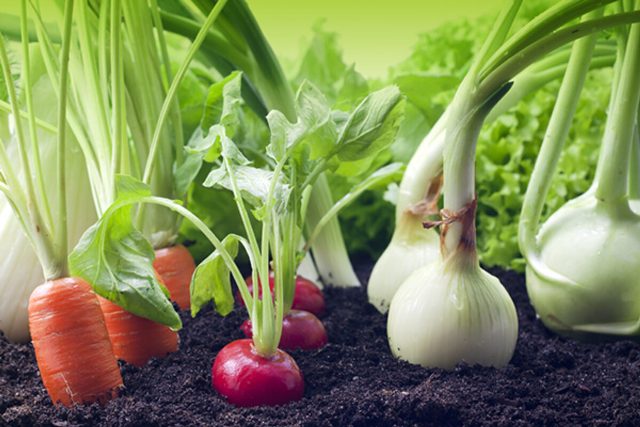
Organic Farming professionals work in diverse settings such as small-scale farms, organic cooperatives, certification agencies, and agribusiness firms, often collaborating with farmers, environmentalists, and policymakers. Their roles include cultivating organic crops, managing livestock naturally, ensuring certification compliance, and educating communities about sustainable practices. They face challenges like lower initial yields, high certification costs, and market competition. By leveraging expertise in natural farming techniques, soil management, and ecological principles, Organic Farming professionals contribute to healthier ecosystems and food systems. As key contributors to sustainable agriculture, they drive advancements through trends like permaculture, organic certification standards, and direct-to-consumer sales models.
| Route | Steps |
| Route 1: Undergraduate Degree |
1. 10+2 in Science (Physics, Chemistry, Biology) or Agriculture with minimum 50-60% marks 2. Pursue a B.Sc. in Agriculture, Organic Farming, or Horticulture (3-4 years) 3. Gain practical exposure through internships on organic farms or projects 4. Start as an Organic Farm Assistant or Field Coordinator |
| Route 2: Postgraduate Specialization |
1. Complete a Bachelor’s degree in Agriculture, Environmental Science, or related field 2. Pursue an M.Sc. in Organic Farming, Sustainable Agriculture, or Agroecology (1-2 years) 3. Engage in research or fieldwork focused on organic practices 4. Work as an Organic Farming Consultant or Farm Manager |
| Route 3: Diploma/Certification for Entry-Level Roles |
1. 10+2 pass with minimum 45-50% marks in any stream 2. Complete a Diploma in Organic Farming or Sustainable Agriculture (1-2 years) 3. Build skills through hands-on training on organic farms 4. Work in entry-level roles like Farm Worker or Organic Input Supplier |
| Route 4: Short-Term Certifications with Practical Experience |
1. Hold a basic education (10th/12th pass) or relevant farming experience 2. Pursue short-term certifications in Organic Farming or Biodynamic Agriculture (3-6 months) 3. Learn through workshops or on-farm training programs 4. Start as an Independent Organic Farmer or join cooperatives |
| Route 5: Vocational Training and Apprenticeships |
1. Basic education (10th pass) or interest in farming 2. Enroll in vocational training programs or apprenticeships with organic farmers (6-12 months) 3. Gain hands-on skills in organic techniques and farm management 4. Work as a Small-Scale Organic Farmer or Farm Technician |
| Institute | Course/Program | Official Link |
| National Centre of Organic Farming (NCOF), Ghaziabad | Training and Certification in Organic Farming | https://ncof.dacnet.nic.in/ |
| University of Agricultural Sciences, Bangalore | B.Sc./M.Sc. in Agriculture (Organic Focus) | https://www.uasbangalore.edu.in/ |
| Tamil Nadu Agricultural University, Coimbatore | B.Sc. Agriculture, Organic Farming Courses | https://www.tnau.ac.in/ |
| Punjab Agricultural University, Ludhiana | B.Sc./M.Sc. Agriculture (Sustainable Practices) | https://www.pau.edu/ |
| Anand Agricultural University, Gujarat | B.Sc. Agriculture, Organic Farming Training | https://www.aau.in/ |
| Chaudhary Charan Singh Haryana Agricultural University, Hisar | B.Sc./M.Sc. Agriculture (Organic Modules) | https://www.hau.ac.in/ |
| Banaras Hindu University, Institute of Agricultural Sciences, Varanasi | B.Sc./M.Sc. Agriculture (Organic Focus) | https://www.bhu.ac.in/ |
| Indira Gandhi Krishi Vishwavidyalaya, Raipur | B.Sc. Agriculture, Organic Farming Programs | https://www.igau.edu.in/ |
| Kerala Agricultural University, Thrissur | B.Sc. Agriculture, Organic Farming Courses | https://www.kau.in/ |
| Navsari Agricultural University, Gujarat | B.Sc. Agriculture, Organic Farming Training | https://nau.in/ |
| Institution | Course | Country | Official Link |
| Cornell University, College of Agriculture and Life Sciences | BS/MS in Sustainable Agriculture | USA | https://www.cornell.edu/ |
| University of California, Davis, Sustainable Agriculture Program | BS/MS in Agroecology | USA | https://www.ucdavis.edu/ |
| Wageningen University & Research, Organic Agriculture Program | MSc in Organic Agriculture | Netherlands | https://www.wur.nl/ |
| University of Reading, School of Agriculture, Policy and Development | MSc in Sustainable Agriculture | UK | https://www.reading.ac.uk/ |
| University of Melbourne, School of Agriculture and Food | Master of Agricultural Science (Organic) | Australia | https://www.unimelb.edu.au/ |
| Purdue University, College of Agriculture | BS/MS in Sustainable Food Systems | USA | https://www.purdue.edu/ |
| University of Saskatchewan, College of Agriculture and Bioresources | BSc/MSc in Sustainable Agriculture | Canada | https://www.usask.ca/ |
| Massey University, School of Agriculture and Environment | Bachelor/Master of Sustainable Agriculture | New Zealand | https://www.massey.ac.nz/ |
| Technical University of Munich, School of Life Sciences | MSc in Sustainable Resource Management | Germany | https://www.tum.de/en/ |
| University of Copenhagen, Department of Plant and Environmental Sciences | MSc in Organic Agriculture | Denmark | https://www.ku.dk/english/ |
India:
International:
Organic Farm Assistant → Organic Farm Manager → Organic Farming Consultant → Regional Organic Farming Coordinator → Director of Sustainable Agriculture
| India | International |
| Navdanya, Dehradun | Soil Association, UK |
| Organic India, Lucknow | Organic Trade Association, USA |
| Jaivik Bharat (FSSAI Organic Division), Delhi | IFOAM - Organics International, Germany |
| Suminter India Organics, Mumbai | Rodale Institute, USA |
| Morarka Organic Foods, Jaipur | Demeter International, Germany |
| Conscious Food, Mumbai | FiBL (Research Institute of Organic Agriculture), Switzerland |
| 24 Mantra Organic, Hyderabad | California Certified Organic Farmers (CCOF), USA |
| Pros | Cons |
| High societal impact through sustainable and safe food production | Lower initial yields compared to conventional farming |
| Growing demand for organic products globally | High costs and time for organic certification process |
| Positive environmental impact through eco-friendly practices | Labor-intensive work requiring physical endurance |
| Opportunity to contribute to biodiversity and soil health | Limited access to organic inputs in some regions |
| Strong community focus and farmer empowerment | Market competition and price volatility for organic goods |
| Career Level | India (₹ per annum) | International (USD per annum) |
| Organic Farm Assistant (Early Career) | 1,50,000 - 3,00,000 | 15,000 - 25,000 |
| Organic Farm Manager (Mid-Career) | 3,00,000 - 5,00,000 | 25,000 - 40,000 |
| Organic Farming Consultant | 5,00,000 - 8,00,000 | 40,000 - 60,000 |
| Regional Organic Farming Coordinator | 8,00,000 - 12,00,000 | 60,000 - 80,000 |
| Director of Sustainable Agriculture | 12,00,000+ | 80,000 - 120,000+ |
| Note: Salaries may vary based on employer, location, experience, and scale of operations. Many organic farmers also earn through direct sales, which can vary widely. |
A career in Organic Farming offers a unique opportunity to nurture the earth by producing safe and sustainable food, fostering ecological balance through natural practices, and empowering communities with every harvest. Organic Farmers are the stewards of sustainable agriculture, using their dedication and knowledge to protect the environment, ensure food safety, and meet the rising demand for chemical-free products across diverse sectors. This profession blends tradition with innovation, providing pathways in farm management, certification, education, and consultancy. For those passionate about sustainability, driven by a desire to heal the planet through agriculture, and eager to embrace the evolving landscape of organic systems, becoming an Organic Farming professional is a deeply rewarding journey. It empowers individuals to address critical global challenges, maintain ecological harmony, and advance human health through the transformative power of organic agriculture.

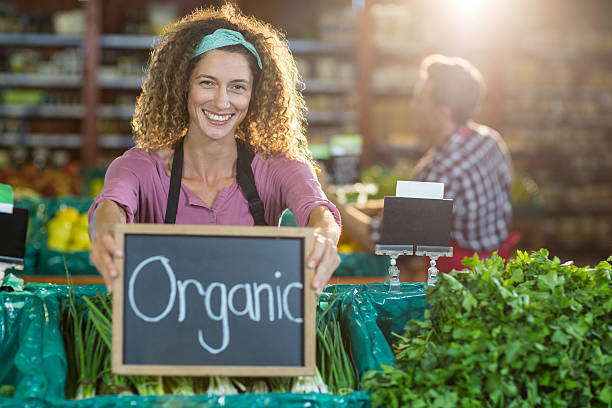
Early-to-mid-level individuals who oversee organic farm operations, manage labor, and ensure compliance with certification standards. They plan...
0.0LPA
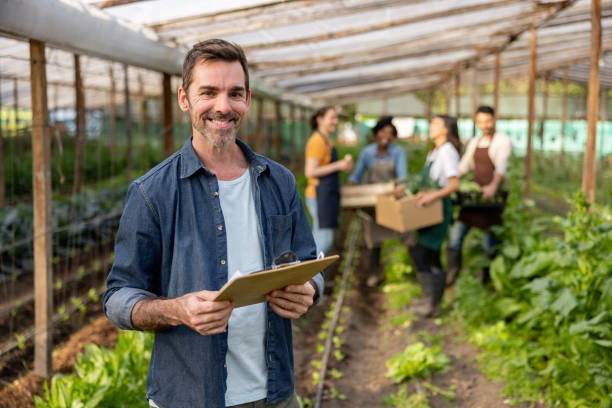
Mid-level experts who advise farmers on transitioning to or improving organic practices, including certification and sustainability. They provide...
0.0LPA

Experienced professionals who manage organic farming initiatives across multiple farms or regions, often with cooperatives or NGOs. They develop...
0.0LPA
Take the next step and explore more about Organic Farming.
Explore similar career paths that might interest you