Food Technology

Food Technology is a multidisciplinary field that applies scientific and engineering principles to the production, processing, preservation, packaging, and distribution of food products. Professionals in this domain work to ensure food safety, enhance nutritional value, improve taste and texture, and extend shelf life while meeting consumer demands and regulatory standards. This career is vital to addressing global challenges like food security, sustainability, and health through innovation in food systems. Food Technologists play a pivotal role in transforming raw agricultural materials into safe, convenient, and appealing food products, leveraging trends such as functional foods, plant-based alternatives, and advanced processing technologies.
Share :
Career tree mind map (horizontal) — Food Technology
Colored branches, hub circles, and underlined topics — same style as counselor course classic (types 18–19 in admin).
Loading mind map…

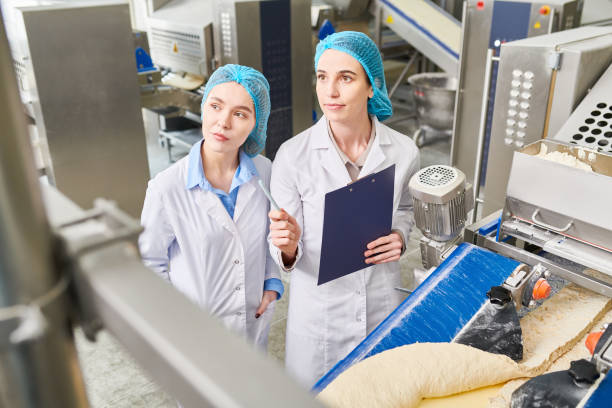
Food Technology professionals work in diverse settings such as food manufacturing plants, research laboratories, quality control units, and regulatory bodies, often collaborating with scientists, engineers, chefs, and policymakers. Their roles include developing new food products, optimizing production processes, ensuring compliance with safety standards, and innovating sustainable packaging solutions. They face challenges like adapting to changing consumer preferences, managing supply chain disruptions, and addressing environmental impacts of food production. By leveraging expertise in chemistry, microbiology, and engineering, Food Technologists enhance food quality and accessibility. As key contributors to the food industry, they drive advancements through trends like clean-label products, personalized nutrition, and automation in food processing.

  • Product Development and Innovation
    • Design and develop new food products to meet market trends and consumer needs.
    • Experiment with ingredients, flavors, and textures to improve product appeal.
  • Quality Assurance and Control
    • Monitor food production processes to ensure compliance with safety and quality standards.
    • Conduct tests for contaminants, nutritional content, and shelf-life stability.
  • Process Optimization and Engineering
    • Develop and refine food processing techniques to enhance efficiency and reduce waste.
    • Implement automation and technology for large-scale production consistency.
  • Food Safety and Regulatory Compliance
    • Ensure adherence to local and international food safety regulations and standards.
    • Prepare documentation for certifications like HACCP, ISO, or FSSAI.
  • Packaging and Preservation Technology
    • Innovate sustainable packaging solutions to extend shelf life and reduce environmental impact.
    • Test preservation methods like canning, freezing, or dehydration for product longevity.
  • Research and Development (R&D)
    • Conduct research on food ingredients, additives, and processing methods for innovation.
    • Collaborate with nutritionists to develop functional or fortified food products.
  • Supply Chain and Production Management
    • Oversee sourcing of raw materials and manage inventory for food production.
    • Coordinate with suppliers and distributors to ensure timely delivery of safe products.
  • Consumer and Market Analysis
    • Analyze consumer feedback and market trends to guide product improvements.
    • Work with marketing teams to align products with dietary trends and preferences.

Route Steps
Route 1: Undergraduate Degree

1. 10+2 in Science (Physics, Chemistry, Biology/Mathematics) with minimum 50-60% marks

2. Pursue a B.Tech. or B.Sc. in Food Technology, Food Science, or related field (3-4 years)

3. Gain practical exposure through internships in food processing units or labs

4. Start as a Junior Food Technologist or Quality Control Assistant

Route 2: Postgraduate Specialization

1. Complete a Bachelor’s degree in Food Technology, Food Science, or related field

2. Pursue an M.Tech. or M.Sc. in Food Technology, Food Engineering, or Food Safety (1-2 years)

3. Engage in research projects or industry internships for advanced skills

4. Work as a Food Technologist, R&D Specialist, or Quality Manager

Route 3: Diploma/Certification for Entry-Level Roles

1. 10+2 pass with minimum 45-50% marks in Science stream

2. Complete a Diploma in Food Technology or Food Processing (1-2 years)

3. Build skills through hands-on training in food industries

4. Work in entry-level roles like Production Assistant or Lab Technician

Route 4: Integrated Programs

1. 10+2 in Science with minimum 50-60% marks

2. Enroll in integrated programs like B.Tech. + M.Tech. in Food Technology (5 years) offered by select universities

3. Gain combined technical and advanced skills through coursework and internships

4. Start in mid-level roles like Process Engineer or Product Developer

Route 5: Professional Certifications with Experience

1. Hold a Bachelor’s degree or relevant work experience in food science/technology

2. Pursue short-term certifications in Food Safety, HACCP, or Packaging Technology (3-6 months)

3. Leverage field experience to transition into specialized roles

4. Work as a Consultant or Specialist in areas like food safety or sustainable packaging

  • Internships with food manufacturing companies for experience in production and quality control.
  • Training in research labs to learn food analysis and product formulation techniques.
  • Rotations in food processing plants for exposure to large-scale operations.
  • Observerships with regulatory bodies to understand compliance and safety standards.
  • Participation in food expos or innovation challenges for practical industry insights.
  • Exposure to packaging technology during training for sustainable design skills.
  • Workshops on food safety and quality management for certification preparation.
  • Volunteer roles in community nutrition programs to build professional networks.
  • Collaborative projects with food startups for real-world problem-solving experience.

  • B.Tech. or B.Sc. in Food Technology or Food Science for foundational knowledge.
  • M.Tech. or M.Sc. in Food Technology, Food Engineering, or Food Safety for advanced expertise.
  • Diploma in Food Technology or Food Processing for entry-level technical roles.
  • Specialization in Food Safety and Quality Management, Food Packaging, or Dairy Technology.
  • Short-term courses on HACCP, ISO Standards, and Food Preservation Techniques.
  • Training in Functional Foods and Nutraceuticals Development.
  • Workshops on Sustainable Packaging and Waste Reduction in Food Industry.
  • Certifications in Sensory Evaluation and Flavor Chemistry for product innovation.

Institute Course/Program Official Link
Indian Institute of Technology (IIT), Kharagpur B.Tech./M.Tech. in Food Process Engineering https://www.iitkgp.ac.in/
National Institute of Food Technology Entrepreneurship and Management (NIFTEM), Kundli B.Tech./M.Tech. in Food Technology https://www.niftem.ac.in/
Central Food Technological Research Institute (CFTRI), Mysore M.Sc. in Food Technology, Short Courses https://www.cftri.res.in/
Anna University, Chennai B.Tech./M.Tech. in Food Technology https://www.annauniv.edu/
Institute of Chemical Technology (ICT), Mumbai B.Tech./M.Tech. in Food Engineering https://www.ictmumbai.edu.in/
Punjab Agricultural University, Ludhiana B.Tech. in Food Technology, M.Sc. Food Science https://www.pau.edu/
Tamil Nadu Agricultural University, Coimbatore B.Tech. in Food Process Engineering https://www.tnau.ac.in/
Guru Nanak Dev University, Amritsar B.Tech./M.Sc. in Food Technology https://online.gndu.ac.in/
University of Delhi, Institute of Home Economics B.Sc./M.Sc. in Food and Nutrition https://www.ihe.du.ac.in/
Harcourt Butler Technical University (HBTU), Kanpur B.Tech. in Food Technology https://hbtu.ac.in/

Institution Course Country Official Link
Cornell University, Department of Food Science BS/MS in Food Science and Technology USA https://www.cornell.edu/
University of California, Davis, Department of Food Science and Technology BS/MS in Food Science USA https://www.ucdavis.edu/
Wageningen University & Research, Food Technology Program MSc in Food Technology Netherlands https://www.wur.nl/
University of Reading, Department of Food and Nutritional Sciences MSc in Food Technology UK https://www.reading.ac.uk/
University of Melbourne, School of Agriculture and Food Master of Food Science Australia https://www.unimelb.edu.au/
Purdue University, Department of Food Science BS/MS in Food Science USA https://www.purdue.edu/
University of British Columbia, Faculty of Land and Food Systems BSc/MSc in Food Science Canada https://www.ubc.ca/
Massey University, Institute of Food, Nutrition and Human Health Bachelor/Master of Food Technology New Zealand https://www.massey.ac.nz/
Technical University of Denmark (DTU), National Food Institute MSc in Food Technology Denmark https://www.dtu.dk/english
ETH Zurich, Department of Health Sciences and Technology MSc in Food Science Switzerland https://ethz.ch/en.html

India:

  • JEE Main (Joint Entrance Examination): For admission to B.Tech. programs in Food Technology at IITs and other engineering institutes.
  • ICAR AIEEA (All India Entrance Examination for Admission): For admission to B.Sc./M.Sc. programs in Food Science at agricultural universities.
  • GATE (Graduate Aptitude Test in Engineering): For M.Tech. programs in Food Technology or Food Engineering at top institutes.
  • CFTRI Entrance Exam: Conducted by Central Food Technological Research Institute for M.Sc. in Food Technology.
  • University-Specific Tests: Institutions like NIFTEM or state universities may conduct their own entrance exams or interviews.


International:

  • IELTS (International English Language Testing System): Minimum score of 6.5-7.0 for non-native speakers applying to programs in the UK, Canada, etc.
  • TOEFL (Test of English as a Foreign Language): Minimum score of 90-100 for programs in English-speaking countries like the USA.
  • SAT (Scholastic Assessment Test): Required for undergraduate food science programs in the USA at universities like Cornell.
  • GRE (Graduate Record Examination): Needed for postgraduate programs (MSc/MS) in countries like the USA or Canada.
  • Program-Specific Assessments: Some universities may require essays, portfolios, or interviews for food technology programs.

Junior Food Technologist → Food Quality Analyst → Food Technologist → R&D Manager (Food Technology) → Director of Food Innovation

  • Food manufacturing companies for product development and quality assurance roles.
  • Research and development labs for innovation in food processing and preservation.
  • Regulatory agencies for ensuring compliance with food safety standards.
  • Food packaging industries for designing sustainable and protective solutions.
  • Retail and hospitality sectors for quality control and menu innovation.
  • Agri-food startups for developing niche or health-focused food products.
  • Academic and government institutes for research and policy formulation in food science.

India International
Nestlé India, Gurgaon Nestlé, Switzerland
Hindustan Unilever Limited (HUL), Mumbai Unilever, UK/Netherlands
ITC Foods, Kolkata Mondelez International, USA
Britannia Industries, Bangalore PepsiCo, USA
Amul (GCMMF), Anand Coca-Cola, USA
Parle Products, Mumbai Danone, France
Mother Dairy, Noida Kraft Heinz, USA

Pros Cons
High societal impact through safe and innovative food solutions High pressure to meet strict regulatory and safety standards
Growing demand due to focus on health and convenience foods Long working hours during product development or crisis management
Diverse career paths in R&D, quality control, and packaging Exposure to potential health risks in lab or production environments
Opportunity to innovate with functional and sustainable foods Constant need to adapt to rapidly changing consumer trends
Contribution to global food security and nutrition Competitive field requiring continuous skill upgradation

Career Level India (₹ per annum) International (USD per annum)
Junior Food Technologist (Early Career) 2,50,000 - 4,50,000 25,000 - 40,000
Food Quality Analyst (Mid-Career) 4,50,000 - 7,00,000 40,000 - 55,000
Food Technologist 7,00,000 - 10,00,000 55,000 - 75,000
R&D Manager (Food Technology) 10,00,000 - 15,00,000 75,000 - 100,000
Director of Food Innovation 15,00,000+ 100,000 - 150,000+
Note: Salaries may vary based on employer, location, experience, and industry sector.    

  • Food Safety Management Software (e.g., Safefood 360) for compliance tracking.
  • Product Development Tools for recipe formulation and nutritional analysis.
  • Quality Control Systems for monitoring production parameters and defects.
  • Packaging Design Software for creating sustainable and functional packaging.
  • Data Analytics Platforms (e.g., SPSS) for sensory and market research analysis.
  • ERP Systems for integrating supply chain and production processes.
  • Traceability Software (e.g., FoodLogiQ) for tracking ingredients and products.

  • Association of Food Scientists and Technologists India (AFSTI), India.
  • Institute of Food Technologists (IFT), USA.
  • Food Safety and Standards Authority of India (FSSAI), India.
  • International Union of Food Science and Technology (IUFoST), Global.
  • Indian Dairy Association (IDA), India.
  • European Federation of Food Science and Technology (EFFoST), Europe.
  • Codex Alimentarius Commission, Global.

  • Dr.Verghese Kurien (India, 1921-2012): Known as the "Father of the White Revolution," transformed dairy processing in India through Amul, pioneering food technology in cooperatives. His vision scaled production. His impact fed millions.
     
  • Dr. Norman Borlaug (USA, 1914-2009): Agronomist behind the Green Revolution, whose work on high-yield crops influenced food processing and technology globally. His research boosted supply. His impact saved lives.
     
  • Indra Nooyi (India/USA, 1955-): Former CEO of PepsiCo, drove innovation in food technology with healthier product lines and sustainable practices. Her leadership reshaped portfolios. Her impact promoted wellness.
     
  • Dr. R.K. Gupta (India, 1940s-): Former Director of CFTRI, Mysore, contributed to food processing technologies and policies in India. His work advanced techniques. His impact modernized industries.
     
  • James L. Kraft (Canada/USA, 1874-1953): Founder of Kraft Foods, revolutionized food technology with processed cheese, shaping modern food preservation. His innovation changed markets. His impact standardized products.
     
  • Clarence Birdseye (USA, 1886-1956): Pioneer of frozen food technology, developed quick-freezing methods that transformed food preservation globally. His invention preserved quality. His impact expanded access.
     
  • Dr. Mary Engle Pennington (USA, 1872-1952): Early food technologist who advanced refrigeration techniques and food safety standards in the USA. Her research protected consumers. Her impact set benchmarks.
     
  • Dr. John Harvey Kellogg (USA, 1852-1943): Co-inventor of breakfast cereals, influenced food technology with ready-to-eat, health-focused products. His ideas pioneered convenience. His impact shaped diets.
     
  • Dr.Anu Aga (India, 1942-): Chairperson of Thermax, supported food technology through CSR initiatives in nutrition and sustainable processing. Her efforts uplifted communities. Her impact fostered innovation.
     
  • Patricia Woertz (USA, 1953-): Former CEO of Archer Daniels Midland (ADM), led advancements in food processing and ingredient technologies globally. Her direction expanded solutions. Her impact fed nations.
     

  • Build a strong foundation in science subjects like chemistry and microbiology for food technology expertise.
  • Seek early exposure through internships in food labs or processing units to confirm interest.
  • Prepare thoroughly for entrance exams like JEE Main or ICAR AIEEA for top programs.
  • Develop analytical skills for quality testing, formulation, and sensory evaluation.
  • Stay updated on food industry trends by following resources like IFT or FSSAI publications.
  • Engage in R&D projects focused on sustainable or health-oriented food products for experience.
  • Join professional associations like AFSTI or IUFoST for networking and resources.
  • Work on creativity to innovate new food products that meet consumer demands.
  • Explore international opportunities for exposure to global food safety and technology standards.
  • Volunteer in food safety or community nutrition programs to build a professional portfolio.
  • Cultivate adaptability to handle evolving regulations, technologies, and market preferences.
  • Focus on learning food safety certifications like HACCP to enhance employability.


A career in Food Technology offers a unique opportunity to shape the future of food by ensuring safety and quality, fostering innovation through scientific advancements, and enhancing global nutrition with every product developed. Food Technologists are the guardians of food systems, using their technical expertise and creativity to improve food accessibility, meet health needs, and drive sustainability across diverse industries. This profession blends science with service, providing pathways in product development, quality assurance, research, and regulatory compliance. For those passionate about food science, driven by a desire to innovate in nutrition and safety, and eager to embrace the evolving landscape of food technology, becoming a Food Technologist is a deeply rewarding journey. It empowers individuals to address critical global challenges, maintain food excellence, and advance public health through the transformative power of food innovation.

Knowledge & Skills You Will Learn
1
Food Safety Technologies:Use of blockchain for traceability and contamination prevention.
2
Waste Reduction Strategies:Innovations in upcycling food by-products for sustainability.
Food Quality Analyst

Food Quality Analyst

Early-career individuals who focus on testing food samples for safety, nutritional value, and regulatory standards. They analyze contaminants and...

0.0LPA
Food Technologist

Food Technologist

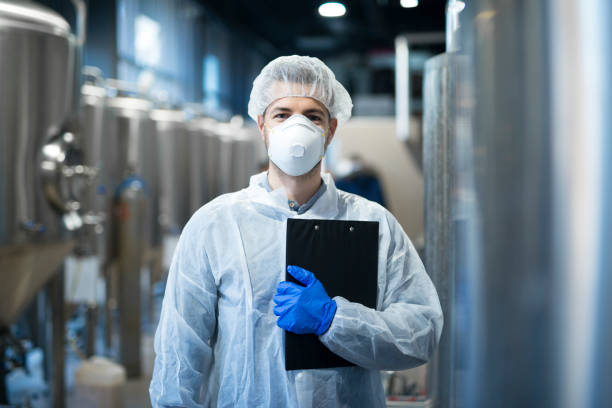
Mid-level experts who develop new food products, optimize processes, and oversee production lines in food industries. They balance innovation with...

0.0LPA
R&D Manager (Food Technology)

R&D Manager (Food Technology)

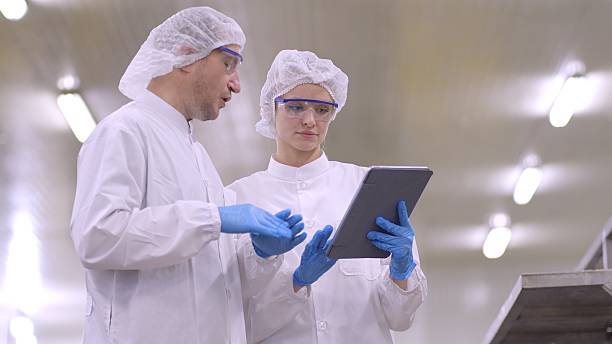
Experienced professionals who lead research teams to innovate food products, improve recipes, and explore sustainable methods. They manage...

0.0LPA

Interested in this career?

Take the next step and explore more about Food Technology.