Mechatronics Engineer
Junior Mechatronics Technician
Explore CareerA Power Engineer is a specialized professional in the field of engineering who designs, operates, maintains, and manages systems for the generation, transmission, and distribution of electrical power. They work in industries such as energy production, utilities, manufacturing, and renewable energy sectors, collaborating with electrical engineers, technicians, and regulatory bodies. Power Engineers play a crucial role in ensuring a stable and efficient supply of electricity, supporting modern infrastructure and sustainable energy solutions in a field driven by technological innovation, environmental concerns, and energy demand.
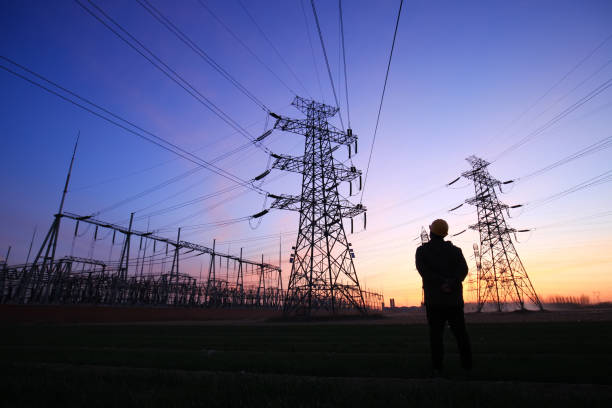
A Power Engineer is a specialized professional in the field of engineering who designs, operates, maintains, and manages systems for the generation, transmission, and distribution of electrical power. They work in industries such as energy production, utilities, manufacturing, and renewable energy sectors, collaborating with electrical engineers, technicians, and regulatory bodies. Power Engineers play a crucial role in ensuring a stable and efficient supply of electricity, supporting modern infrastructure and sustainable energy solutions in a field driven by technological innovation, environmental concerns, and energy demand.
Power Engineers are analytical and technically skilled individuals who operate in diverse environments such as power plants, control rooms, renewable energy facilities, or corporate offices, using tools like simulation software, diagnostic equipment, and energy management systems. Their role involves designing power systems, troubleshooting equipment failures, and ensuring compliance with safety standards, often facing challenges like grid instability or transitioning to green energy. They combine expertise in electrical systems, energy efficiency, and regulatory frameworks to deliver reliable power solutions. As key contributors to energy security and sustainability, they help shape the future of electricity generation, smart grids, and renewable integration in a sector increasingly driven by automation, digitalization, and climate goals.
Roles and Responsibilities
Study Route & Eligibility Criteria
| Route | Steps |
| Route 1 | 1. 10+2 in Science (Physics, Chemistry, Mathematics) 2. Certificate/Diploma in Electrical or Power Engineering (6 months-2 years) 3. Internship at power plants or utilities 4. Practice as Junior Power Technician |
| Route 2 | 1. 10+2 in Science (Physics, Chemistry, Mathematics) 2. Bachelor’s degree in Electrical Engineering or Power Engineering (4 years) 3. Internship or entry-level role in energy firms 4. Work as Power Engineer |
| Route 3 | 1. 10+2 in Science (Physics, Chemistry, Mathematics) 2. Bachelor’s degree in Electrical/Power Engineering (4 years) 3. Master’s degree in Power Systems or Energy Engineering (2 years) 4. Gain experience in specialized roles 5. Work as Senior Power Engineer or Project Manager |
| Route 4 | 1. 10+2 in Science (Physics, Chemistry, Mathematics) 2. Bachelor’s degree in Electrical/Power Engineering (4 years) 3. Master’s degree in Power Engineering (2 years) 4. Ph.D. in Power Systems or Renewable Energy (3-5 years) 5. Practice as Power Engineering Consultant or Academic Lead |
Significant Observations (Academic Related Points)
Internships & Practical Exposure
Courses & Specializations to Enter the Field
Top Institutes for Power Engineering Education (India)
| Institute | Course/Program | Official Link |
| Indian Institute of Technology (IIT), Delhi | B.Tech/M.Tech in Electrical Engineering (Power Systems) | https://home.iitd.ac.in/ |
| Indian Institute of Technology (IIT), Bombay | B.Tech/M.Tech in Electrical Engineering (Power) | https://www.iitb.ac.in/ |
| Indian Institute of Technology (IIT), Kanpur | B.Tech/M.Tech in Electrical Engineering | https://www.iitk.ac.in/ |
| National Institute of Technology (NIT), Trichy | B.Tech/M.Tech in Electrical & Electronics (Power Systems) | https://www.nitt.edu/ |
| Indian Institute of Technology (IIT), Kharagpur | B.Tech/M.Tech in Electrical Engineering (Power) | https://www.iitkgp.ac.in/ |
| Delhi Technological University (DTU), Delhi | B.Tech/M.Tech in Electrical Engineering | https://dtu.ac.in/ |
| VIT University, Vellore | B.Tech/M.Tech in Electrical & Electronics (Power) | https://vit.ac.in/ |
| Anna University, Chennai | B.E./M.E. in Electrical Engineering (Power Systems) | https://www.annauniv.edu/ |
| Jadavpur University, Kolkata | B.E./M.E. in Electrical Engineering | https://www.jaduniv.edu.in/ |
| Birla Institute of Technology and Science (BITS), Pilani | B.E./M.E. in Electrical & Electronics Engineering | https://www.bits-pilani.ac.in/ |
Top International Institutes
| Institution | Course | Country | Official Link |
| Massachusetts Institute of Technology (MIT), Department of Electrical Engineering | MS/PhD in Electrical Engineering (Power Systems) | USA | https://www.eecs.mit.edu/ |
| Stanford University, Department of Electrical Engineering | MS/PhD in Electrical Engineering (Energy Systems) | USA | https://ee.stanford.edu/ |
| University of Cambridge, Department of Engineering | MPhil/PhD in Electrical Power Engineering | UK | https://www.eng.cam.ac.uk/ |
| ETH Zurich, Department of Information Technology and Electrical Engineering | MSc in Electrical Engineering and IT (Power) | Switzerland | https://ee.ethz.ch/ |
| National University of Singapore (NUS), Department of Electrical Engineering | MEng/PhD in Electrical Engineering (Power Systems) | Singapore | https://www.eng.nus.edu.sg/ece/ |
| University of California, Berkeley, Department of Electrical Engineering | MS/PhD in Electrical Engineering (Energy Systems) | USA | https://eecs.berkeley.edu/ |
| University of Toronto, Department of Electrical & Computer Engineering | MASc/PhD in Electrical Engineering (Power) | Canada | https://www.ece.utoronto.ca/ |
| Imperial College London, Department of Electrical Engineering | MSc/PhD in Electrical Power Systems | UK | https://www.imperial.ac.uk/electrical-engineering/ |
| Technical University of Munich (TUM), Department of Electrical Engineering | MSc in Electrical Engineering (Power Systems) | Germany | https://www.ei.tum.de/en/ |
| University of Queensland, School of Electrical Engineering | MEng in Electrical Engineering (Power) | Australia | https://itee.uq.edu.au/ |
Entrance Tests Required
India:
International:
Ideal Progressing Career Path
Junior Power Technician → Power Engineer → Senior Power Engineer → Power Systems Project Manager → Power Plant Manager → Regional Energy Systems Head → National Power Grid Director → Chief Power Engineering Officer → Power Engineering Consultant → Power Systems Professor
Major Areas of Employment
Prominent Employers
| India | International |
| NTPC Limited, Multiple Locations | Siemens Energy, Global |
| Power Grid Corporation of India (PGCIL), Multiple Locations | General Electric (GE) Renewable Energy, Global |
| Tata Power, Multiple Locations | Schneider Electric, Global |
| Adani Power, Multiple Locations | ABB, Global |
| Reliance Power, Multiple Locations | Vestas Wind Systems, Denmark |
| Bharat Heavy Electricals Limited (BHEL), Multiple Locations | NextEra Energy, USA |
| NHPC Limited, Multiple Locations | Enel Green Power, Italy |
| SJVN Limited, Multiple Locations | Ørsted, Denmark |
| Torrent Power, Multiple Locations | Duke Energy, USA |
| JSW Energy, Multiple Locations | Iberdrola, Spain |
Pros and Cons of the Profession
| Pros | Cons |
| Opportunity to contribute to critical energy infrastructure | Often involves working in high-risk environments like power plants |
| High personal satisfaction in ensuring power reliability | Can face stress from managing outages or system failures |
| Rewarding role in a technology-driven and evolving industry | May require long or irregular hours during emergencies |
| Diverse career paths across utilities, renewables, and research | Risk of physical hazards like electrical shocks or equipment issues |
| Strong potential for growth with increasing energy demands | Uncertainty in adapting to rapidly changing energy policies |
Industry Trends and Future Outlook
Salary Expectations
| Career Level | India (₹ per annum) | International (USD per annum) |
| Junior Power Technician (Early Career) | 3,00,000 - 6,00,000 | 30,000 - 45,000 |
| Power Engineer (Mid-Career) | 6,00,000 - 12,00,000 | 45,000 - 65,000 |
| Senior Power Engineer/Project Manager | 12,00,000 - 20,00,000 | 65,000 - 90,000 |
| Power Plant Manager/Regional Head | 20,00,000 - 30,00,000 | 90,000 - 120,000 |
| Chief Power Engineering Officer/Consultant | 30,00,000+ | 120,000+ |
| Note: Salaries may vary based on location, employer, experience, and specialization. |
Key Software Tools
Professional Organizations and Networks
Notable Power Engineering Professionals and Industry Leaders (Top 10)
Advice for Aspiring Power Engineers
A career in Power Engineering offers a profound opportunity to energize societies, driving progress through innovative systems and reliable power, fostering development with every connection. Power Engineers are the architects of energy infrastructure, using their skills to empower industries, address energy demands, and promote sustainability across diverse settings. This profession blends technical precision with societal impact, providing pathways in utilities, renewables, research, and beyond. For those passionate about technology and energy security, driven by a desire to innovate solutions, and eager to embrace the evolving landscape of digital grids and renewable integration, becoming a Power Engineer is a deeply rewarding journey. It empowers individuals to shape energy futures, address critical power needs, and advance human progress through the transformative power of electricity.


Entry-level individuals who assist in operating and maintaining power equipment under supervision. They gain initial experience with electrical...
0.0LPA
Early-career professionals who independently design, operate, and maintain power systems under guidance. They focus on specific areas like...
0.0LPA
Mid-level professionals who lead complex power system designs, oversee maintenance, and mentor junior staff. They handle diverse projects and...
0.0LPA
Take the next step and explore more about Power Engineer.
Explore similar career paths that might interest you