
Aerospace Engineer
Junior Aerospace Engineer (Entry to Mid-Level)
Explore Career
The Merchant Navy refers to the commercial fleet of ships that transport goods, passengers, and resources across the world’s oceans, and the professionals who operate these vessels. Merchant Navy personnel are responsible for the safe and efficient operation of cargo ships, tankers, container ships, cruise liners, and other vessels, working in roles such as deck officers, engineers, and ratings. They operate in a global industry that forms the backbone of international trade, ensuring the movement of over 90% of the world’s goods. This career is vital to the global economy, connecting nations through maritime logistics, and demands resilience, technical expertise, and adaptability to life at sea amidst evolving challenges like automation and environmental regulations.
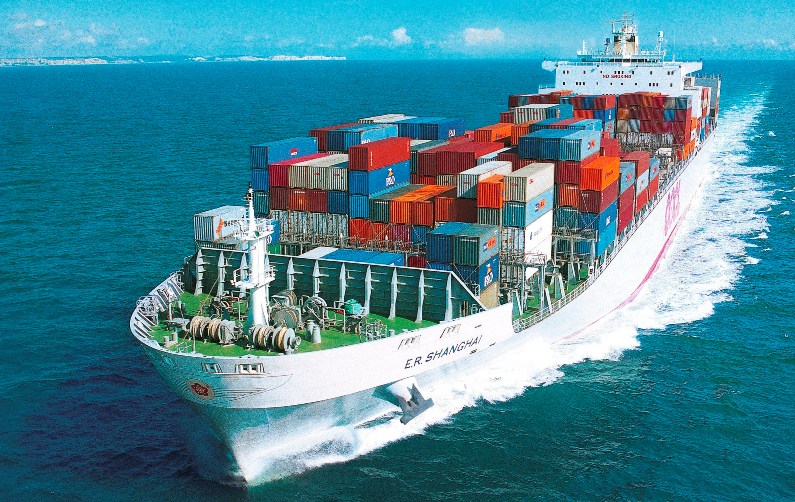
Merchant Navy professionals are disciplined and skilled individuals who work in demanding environments aboard ships, often spending months away from home in challenging conditions such as rough seas, extreme weather, and confined spaces. Their roles involve navigating vessels, maintaining machinery, ensuring cargo safety, and complying with international maritime laws. They face challenges like long periods of isolation, physical and mental stress, and the need to stay updated with technological advancements in shipping. By combining navigational, engineering, and operational skills, Merchant Navy personnel ensure the uninterrupted flow of global trade. As key contributors to maritime logistics, they support economies, supply chains, and passenger transport in a field shaped by trends like green shipping, digitalization, and enhanced safety protocols.
| Route | Steps |
| Route 1: Deck Officer (Navigational Cadet) |
1. 10+2 in Science (Physics, Chemistry, Mathematics) with minimum 60% marks 2. Pursue a Diploma in Nautical Science (1 year) or B.Sc. in Nautical Science (3 years) 3. Complete mandatory pre-sea training and shipboard training (18-36 months) 4. Pass Certificate of Competency (CoC) exams by Directorate General of Shipping (DGS) 5. Work as Third Officer/Deck Cadet |
| Route 2: Marine Engineer |
1. 10+2 in Science (Physics, Chemistry, Mathematics) with minimum 60% marks 2. Pursue B.E./B.Tech in Marine Engineering (4 years) or Diploma in Marine Engineering (3 years) 3. Complete mandatory pre-sea training and shipboard training (6-12 months) 4. Pass CoC exams by DGS 5. Work as Junior Engineer/Fifth Engineer |
| Route 3: Ratings (Crew/Support Staff) |
1. 10th or 12th pass with minimum 40-50% marks 2. Complete a GP Rating course (6 months) approved by DGS 3. Undergo pre-sea training and obtain STCW certification 4. Work as Deck Rating or Engine Room Rating |
| Institution | Course | Country | Official Link |
| Warsash Maritime School, Southampton Solent University | Maritime Science, Navigation, Engineering | UK | https://www.solent.ac.uk/ |
| Australian Maritime College (AMC), Tasmania | Bachelor of Applied Science (Nautical Science) | Australia | https://www.utas.edu.au/amc |
| Massachusetts Maritime Academy | BS in Marine Transportation/Engineering | USA | https://www.maritime.edu/ |
| Singapore Maritime Academy (SMA) | Diploma in Nautical Studies/Marine Engineering | Singapore | https://www.sp.edu.sg/sma |
| Netherlands Maritime University College | Maritime Technology, Navigation | Netherlands | https://www.nmuc.eu/ |
| Dalhousie University - Marine Affairs Program | Marine Management and Navigation | Canada | https://www.dal.ca/ |
| California State University Maritime Academy | BS in Marine Transportation/Engineering | USA | https://www.csum.edu/ |
| Maine Maritime Academy | BS in Marine Engineering/Transportation | USA | https://mainemaritime.edu/ |
| Liverpool John Moores University - Maritime Studies | Maritime Business, Navigation, Engineering | UK | https://www.ljmu.ac.uk/ |
| University of Strathclyde - Naval Architecture & Marine Engineering | BEng/MEng in Marine Engineering | UK | https://www.strath.ac.uk/ |
India:
International:
Deck Cadet → Third Officer → Second Officer → Chief Officer → Captain (Deck Side)
OR
Junior Engineer → Fifth Engineer → Fourth Engineer → Third Engineer → Second Engineer → Chief Engineer (Engine Side)
| India | International |
| Shipping Corporation of India (SCI), Mumbai | Maersk Line, Denmark |
| Great Eastern Shipping Company, Mumbai | Mediterranean Shipping Company (MSC), Switzerland |
| Essar Shipping, Multiple Locations | CMA CGM, France |
| Mercator Limited, Mumbai | COSCO Shipping, China |
| Chowgule Steamships, Goa | Hapag-Lloyd, Germany |
| Tolani Shipping, Mumbai | Evergreen Marine, Taiwan |
| Anglo-Eastern Ship Management, Mumbai | NYK Line, Japan |
| Pros | Cons |
| High earning potential with tax-free income in many countries | Long periods away from family, often 6-9 months at sea |
| Opportunity to travel the world and experience diverse cultures | Physically and mentally demanding due to isolation and harsh conditions |
| Structured career progression with clear ranks and certifications | Risk of accidents, piracy, or health issues in remote locations |
| Job security due to constant demand for global trade transport | Limited social life and connectivity while at sea |
| Access to advanced training and international certifications | Strict medical and fitness requirements can be a barrier |
| Career Level | India (₹ per annum) | International (USD per annum) |
| Deck Cadet/Junior Engineer (Early Career) | 3,00,000 - 6,00,000 | 10,000 - 20,000 |
| Third Officer/Fifth Engineer (Mid-Career) | 6,00,000 - 12,00,000 | 20,000 - 40,000 |
| Second Officer/Fourth Engineer | 12,00,000 - 18,00,000 | 40,000 - 60,000 |
| Chief Officer/Third Engineer | 18,00,000 - 25,00,000 | 60,000 - 80,000 |
| Captain/Chief Engineer | 25,00,000+ | 80,000 - 120,000+ |
| Note: Salaries may vary based on vessel type, employer, experience, and contract duration. Many salaries are tax-free for international waters. |
A career in the Merchant Navy offers a unique opportunity to explore the world while contributing to the backbone of global trade, ensuring the movement of goods and resources across oceans through skilled navigation, engineering, and operational expertise, fostering economic progress with every voyage completed. Merchant Navy professionals are the stewards of the seas, using their resilience and skills to maintain vessel safety, deliver cargo, and support international commerce across diverse maritime sectors. This profession blends adventure with high responsibility, providing pathways in cargo shipping, passenger transport, offshore industries, and logistics. For those passionate about the ocean and travel, driven by a desire to serve in dynamic and challenging environments, and eager to embrace the evolving landscape of maritime technology and sustainability, becoming a Merchant Navy professional is a deeply rewarding journey. It empowers individuals to address critical trade needs, maintain operational excellence, and advance global connectivity through the transformative power of maritime service.

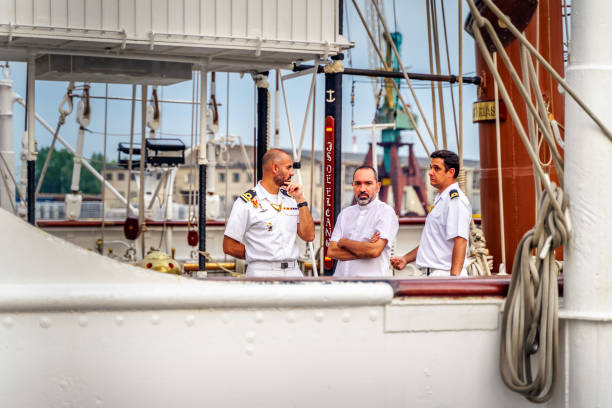
Entry-level roles learning navigation or engine operations under senior officers. They assist in basic tasks like chart plotting or machinery...
0.0LPA
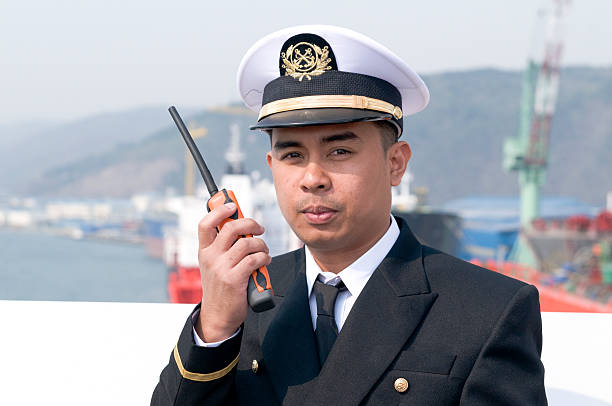
Early-career professionals responsible for specific navigational watches or minor engine maintenance. They ensure safety protocols during their...
0.0LPA
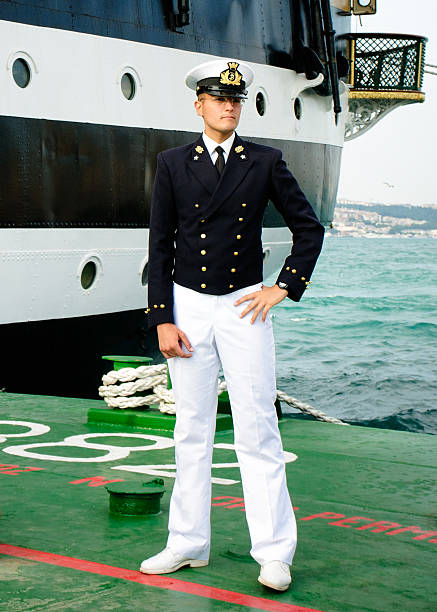
Mid-level roles with increased responsibility in navigation planning or engine room supervision. They manage critical operations like route...
0.0LPA
Take the next step and explore more about Merchant Navy.
Explore similar career paths that might interest you