Mechatronics Engineer
Junior Mechatronics Technician
Explore CareerA Nuclear Engineer specializes in the research, design, development, and application of nuclear energy and radiation processes. They work on the safe and efficient use of nuclear materials for power generation, medical applications, industrial uses, and national defence. Nuclear Engineers play a vital role in advancing nuclear technology while ensuring safety and regulatory compliance.
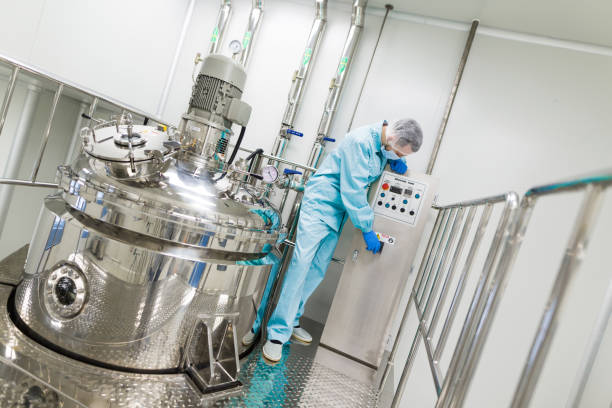
A Nuclear Engineer specializes in the research, design, development, and application of nuclear energy and radiation processes. They work on the safe and efficient use of nuclear materials for power generation, medical applications, industrial uses, and national defence. Nuclear Engineers play a vital role in advancing nuclear technology while ensuring safety and regulatory compliance.
Nuclear Engineers develop and oversee processes, instruments, and systems that harness nuclear energy and radiation. Their work includes designing nuclear reactors, improving radiation safety protocols, managing nuclear waste, and developing nuclear propulsion systems. They collaborate with physicists, health physicists, and regulatory agencies to ensure safe operations. Nuclear Engineers contribute to energy production, medical imaging and therapy, industrial radiography, and nuclear weapons development. The field demands a strong understanding of nuclear physics, thermodynamics, materials science, and safety engineering.
Roles and Responsibilities
Study Route & Eligibility Criteria
Alternate Routes
| Route | Steps |
|---|---|
| Route 1: Bachelor’s in Nuclear Engineering / Engineering Physics | 1. Complete 10+2 with Physics, Chemistry, and Mathematics. 2. Pursue a Bachelor’s degree in Nuclear Engineering or related fields. 3. Gain internships or research experience in nuclear facilities. 4. Seek employment or pursue higher studies (M.Tech, MS, PhD). |
| Route 2: Mechanical / Electrical / Chemical Engineering + Specialization | 1. Complete an engineering degree in Mechanical, Electrical, or Chemical Engineering. 2. Specialize in nuclear-related subjects through electives or postgraduate studies. 3. Gain practical experience in nuclear projects or labs. 4. Transition into nuclear engineering roles. |
| Route 3: Physics Degree + Nuclear Engineering Training | 1. Obtain a Bachelor’s degree in Physics. 2. Pursue postgraduate specialization in Nuclear Engineering or Nuclear Physics. 3. Engage in research or internships in nuclear technology. 4. Enter nuclear engineering positions in research or industry. |
| Route 4: Diploma + On-the-Job Training | 1. Complete a diploma in Nuclear Engineering or related technical fields. 2. Gain on-the-job training in nuclear power plants or research centers. 3. Progress through technical and supervisory roles. 4. Pursue further education for advancement. |
Significant Observations
Internships & Practical Exposure
Courses & Specializations to Enter the Field
Top Institutes for Nuclear Engineering Education and Research
In India
| Institute | Course / Program | Official Link |
|---|---|---|
| Bhabha Atomic Research Centre (BARC), Mumbai | Training and Research in Nuclear Science | https://www.barc.gov.in/ |
| Indian Institute of Technology (IIT) Bombay | Nuclear Engineering | https://www.iitb.ac.in/ |
| Indian Institute of Technology (IIT) Kharagpur | Nuclear Engineering | https://www.iitkgp.ac.in/ |
| Homi Bhabha National Institute (HBNI) | Integrated Nuclear Science Programs | https://www.hbni.ac.in/ |
| University of Mumbai | M.Tech Nuclear Engineering | https://www.mu.ac.in/ |
| Punjab Engineering College (PEC), Chandigarh | Nuclear Engineering | https://www.pec.ac.in/ |
| Institute of Nuclear Medicine and Allied Sciences (INMAS), Delhi | Nuclear Medicine and Engineering | https://www.inmas.drdo.in/ |
International
| Institution | Course | Country | Official Link |
|---|---|---|---|
| Massachusetts Institute of Technology (MIT) | Nuclear Science and Engineering | USA | https://mit.edu/ |
| University of California, Berkeley | Nuclear Engineering | USA | https://www.berkeley.edu/ |
| University of Cambridge | Nuclear Energy | UK | https://www.cam.ac.uk/ |
| École Polytechnique Fédérale de Lausanne (EPFL) | Nuclear Engineering | Switzerland | https://www.epfl.ch/ |
| Delft University of Technology | Nuclear Engineering | Netherlands | https://www.tudelft.nl/ |
| National University of Singapore | Nuclear Engineering | Singapore | https://www.nus.edu.sg/ |
| Technical University of Munich (TUM) | Nuclear Engineering | Germany | https://www.tum.de/ |
| Tokyo Institute of Technology | Nuclear Engineering | Japan | https://www.titech.ac.jp/ |
| KTH Royal Institute of Technology | Nuclear Engineering | Sweden | https://www.kth.se/ |
| Seoul National University | Nuclear Engineering | South Korea | https://en.snu.ac.kr/ |
Entrance Tests Required
India
International
Ideal Progressing Career Path
Undergraduate Student → Graduate Student (M.Tech / MS / PhD) → Junior Nuclear Engineer → Nuclear Engineer → Senior Nuclear Engineer → Project Manager / Safety Officer → Nuclear Engineering Consultant → Research Scientist / Academic Professor
Major Areas of Employment
Prominent Employers
| India | International |
|---|---|
| Bhabha Atomic Research Centre (BARC) | Westinghouse Electric Company |
| Nuclear Power Corporation of India Limited (NPCIL) | General Electric (GE) Nuclear |
| Larsen & Toubro (L&T) – Nuclear Division | Areva / Orano |
| Indian Space Research Organisation (ISRO) | Rolls-Royce Nuclear |
| Defence Research and Development Organisation (DRDO) | EDF Energy |
| Tata Power Strategic Engineering Division | Rosatom |
| Indian Institute of Science (IISc) | Framatome |
| Homi Bhabha National Institute (HBNI) | Korea Hydro & Nuclear Power (KHNP) |
| Indian Nuclear Society | International Atomic Energy Agency (IAEA) |
| Nuclear Fuel Complex (NFC) | US Department of Energy (DOE) |
Pros and Cons of the Profession
| Pros | Cons |
|---|---|
| Opportunity to work on cutting-edge nuclear technology with societal impact | High responsibility with strict regulatory oversight |
| Contribution to clean energy and national security | Work environments can be hazardous if safety protocols lapse |
| Competitive salary and career growth prospects | Requires continuous education and certification |
| Diverse roles in energy, healthcare, defence, and research | Public perception and political issues around nuclear energy |
| International career opportunities and collaboration | Complex problem-solving under high-pressure situations |
| Involvement in sustainable energy and environmental protection | Long training and qualification process |
Industry Trends and Future Outlook
Salary Expectations
| Career Level | India (₹ per annum) | International (US$ per annum) |
|---|---|---|
| Entry-Level Nuclear Engineer | 5,00,000 - 10,00,000 | $70,000 - $90,000 |
| Mid-Level Nuclear Engineer | 10,00,000 - 20,00,000 | $90,000 - $130,000 |
| Senior Nuclear Engineer / Project Manager | 20,00,000 - 40,00,000 | $130,000 - $180,000 |
| Lead Engineer / Consultant / Research Scientist | 40,00,000+ | $180,000 - $250,000+ |
Key Software Tools
Professional Organizations and Networks
Notable Nuclear Engineers and Their Contributions
Advice for Aspiring Nuclear Engineers
A career as a Nuclear Engineer offers the chance to contribute to some of the most critical and innovative technologies in energy, healthcare, and defence. It combines deep scientific knowledge with practical engineering skills to develop safe, efficient, and sustainable nuclear solutions. For those passionate about science, technology, and making a global impact, nuclear engineering provides a challenging, rewarding, and dynamic career path with strong future prospects.


• : Specializes in the design, operation, and maintenance of nuclear reactors. They ensure reactor safety, efficiency, and compliance with...
0.0LPA
• : Focuses on protecting workers, the public, and the environment from harmful effects of radiation. They develop safety protocols, monitor...
0.0LPA
• : Responsible for assessing and mitigating risks associated with nuclear facilities. They conduct safety analyses, emergency preparedness...
0.0LPA
Take the next step and explore more about Nuclear Engineer.
Explore similar career paths that might interest you