Mechatronics Engineer

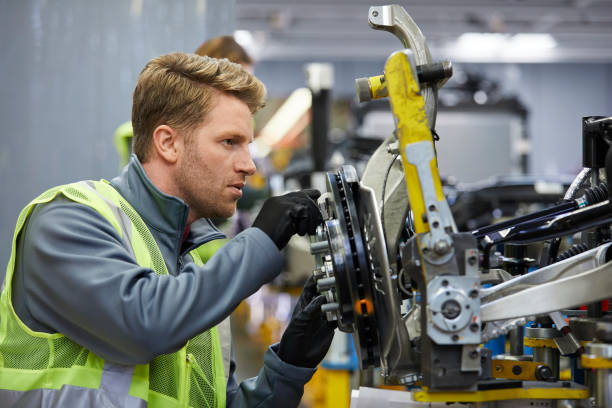
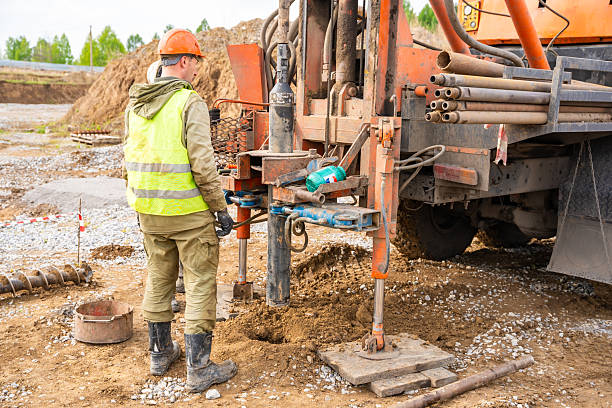
A Mechatronics Engineer is a specialized professional who integrates mechanical engineering, electronics, computer science, and control systems to design, develop, and maintain automated systems and smart products. They work in industries such as robotics, automotive, manufacturing, and aerospace, collaborating with mechanical engineers, software developers, and project managers. Mechatronics Engineers play a crucial role in advancing automation, creating intelligent machines, and enhancing efficiency in a field driven by technological innovation, Industry 4.0, and the demand for smart solutions.
Share :
✨ Radial Mind Map - Mechatronics Engineer
Nodes arranged in concentric circles

Loading radial mind map...

Overview

A Mechatronics Engineer is a specialized professional who integrates mechanical engineering, electronics, computer science, and control systems to design, develop, and maintain automated systems and smart products. They work in industries such as robotics, automotive, manufacturing, and aerospace, collaborating with mechanical engineers, software developers, and project managers. Mechatronics Engineers play a crucial role in advancing automation, creating intelligent machines, and enhancing efficiency in a field driven by technological innovation, Industry 4.0, and the demand for smart solutions.

Mechatronics Engineers are versatile and innovative individuals who operate in diverse environments such as research labs, manufacturing plants, design offices, or testing facilities, using tools like CAD software, simulation programs, and programmable logic controllers (PLCs). Their role involves designing robotic systems, integrating sensors and actuators, and troubleshooting automated processes, often facing challenges like ensuring system compatibility or optimizing performance under constraints. They combine expertise in mechanics, electronics, and programming to deliver cutting-edge solutions. As key contributors to industrial automation and smart technology, they help shape the future of robotics, IoT (Internet of Things), and intelligent manufacturing in a sector increasingly driven by AI, machine learning, and digital transformation.

Roles and Responsibilities

💼
Mechatronics Engineer
Roles and Responsibilities
System Design and Integration
Design mechatronic systems by integrating mechanical components, electronics, and software.
Ensure seamless interaction between sensors, actuators, and control systems for optimal performance.
Automation and Robotics Development
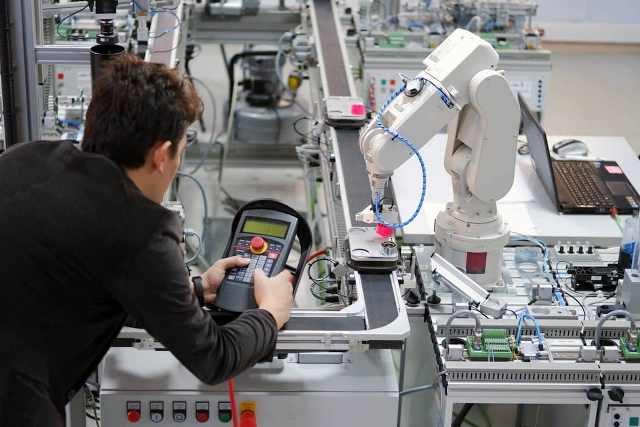
Develop robotic systems for industrial automation, medical applications, or consumer products.
Program and test robots to perform precise tasks in dynamic environments.
Control Systems Engineering
Design and implement control algorithms for automated machinery and processes.
Optimize system stability and response using feedback control techniques.
Prototyping and Testing
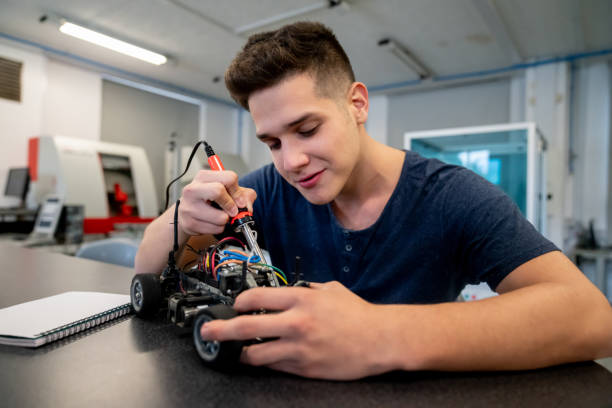
Build prototypes of mechatronic devices and conduct rigorous testing for functionality.
Analyze test data to refine designs and improve system reliability.
Maintenance and Troubleshooting
Diagnose and repair issues in automated systems, ensuring minimal downtime.
Perform regular maintenance on mechatronic equipment to prevent failures.
Software and Hardware Integration
Write and debug code for embedded systems and microcontrollers in mechatronic devices.
Integrate hardware components like motors and sensors with software for real-time control.
Project Management and Collaboration
Manage interdisciplinary projects involving engineers from multiple domains.
Coordinate with manufacturers and clients to meet project specifications and deadlines.
Research and Innovation
Conduct research on emerging technologies like AI, IoT, or advanced robotics.
Innovate new solutions to enhance automation efficiency and adaptability.
Safety and Compliance
Ensure designs comply with industry standards and safety regulations.
Conduct risk assessments to mitigate hazards in automated systems.

Roles and Responsibilities

  • System Design and Integration
    • Design mechatronic systems by integrating mechanical components, electronics, and software.
    • Ensure seamless interaction between sensors, actuators, and control systems for optimal performance.
  • Automation and Robotics Development
    • Develop robotic systems for industrial automation, medical applications, or consumer products.
    • Program and test robots to perform precise tasks in dynamic environments.
  • Control Systems Engineering
    • Design and implement control algorithms for automated machinery and processes.
    • Optimize system stability and response using feedback control techniques.
  • Prototyping and Testing
    • Build prototypes of mechatronic devices and conduct rigorous testing for functionality.
    • Analyze test data to refine designs and improve system reliability.
  • Maintenance and Troubleshooting
    • Diagnose and repair issues in automated systems, ensuring minimal downtime.
    • Perform regular maintenance on mechatronic equipment to prevent failures.
  • Software and Hardware Integration
    • Write and debug code for embedded systems and microcontrollers in mechatronic devices.
    • Integrate hardware components like motors and sensors with software for real-time control.
  • Project Management and Collaboration
    • Manage interdisciplinary projects involving engineers from multiple domains.
    • Coordinate with manufacturers and clients to meet project specifications and deadlines.
  • Research and Innovation
    • Conduct research on emerging technologies like AI, IoT, or advanced robotics.
    • Innovate new solutions to enhance automation efficiency and adaptability.
  • Safety and Compliance
    • Ensure designs comply with industry standards and safety regulations.
    • Conduct risk assessments to mitigate hazards in automated systems.


Study Route & Eligibility Criteria

Study Route & Eligibility Criteria
Mechatronics Engineer
Route 1
🎓
1
10+2 in Science
🎓
2
Certificate/Diploma in Mechatronics or Robotics
💼
3
Internship at manufacturing or automation firms
💼
4
Practice as Junior Mechatronics Technician
Route 2
🎓
1
10+2 in Science
🏛️
2
Bachelor’s degree in Mechatronics Engineering or related field
4 years
💼
3
Internship or entry-level role in automation industries
💼
4
Work as Mechatronics Engineer
Route 3
🎓
1
10+2 in Science
🏛️
2
Bachelor’s degree in Mechatronics Engineering or related field
4 years
🏛️
3
Master’s degree in Mechatronics or Robotics
2 years
💼
4
Gain experience in specialized roles
💼
5
Work as Senior Mechatronics Engineer or Project Manager
Route 4
🎓
1
10+2 in Science
🏛️
2
Bachelor’s degree in Mechatronics Engineering or related field
4 years
🏛️
3
Master’s degree in Mechatronics or Robotics
2 years
💼
4
Ph.D. in Mechatronics or Automation
3-5 years
💼
5
Practice as Mechatronics Consultant or Academic Lead
🎯 Mechatronics Engineer - Professional

Significant Observations (Academic Related Points)

💡
Mechatronics Engineer
Academic Related Points
1
Foundational Knowledge:
Strong understanding of mechanics, electronics, and programming is essential for practice.
2
Practical Skills:
Training in system integration, robotics, and control systems develops core competencies.
3
Specialized Training:
Certifications in PLC programming or IoT are critical for modern roles.
4
Technology Proficiency:
Familiarity with CAD, simulation software, and embedded systems is vital for current trends.
5
Interdisciplinary Knowledge:
Understanding AI, data science, and industrial processes enhances automation solutions.
6
Certification Importance:
Recognized credentials like Certified Automation Professional (CAP) boost professional credibility.
7
Continuing Education:
Regular updates on automation technologies and industry standards are necessary to stay relevant.
8
Global Standards:
Familiarity with international standards like ISO or IEC enhances opportunities for global roles.
9
Attention to Detail:
Precision in system design and integration is critical for reliable automation.
10
Entrance Examination Success:
Competitive exams may be required for admission to top engineering programs.
11
International Testing Requirements:
Language proficiency tests like IELTS may be needed for global opportunities.

Internships & Practical Exposure

💼
Mechatronics Engineer
Internships & Practical Experience
1
Mandatory internships during degree programs at manufacturing plants or robotics firms for real-world experience.
2
Rotations in system design, programming, and automation testing for hands-on exposure to diverse tasks.
3
Internships under experienced mechatronics engineers for training in integration and troubleshooting.
4
Observerships at automation facilities or R&D labs for applied insights into smart systems.
5
Participation in mock robotics projects or automation simulations for skill development in innovation.
6
Training in control software through real-world projects like assembly line automation.
7
Exposure to live industrial environments during internships for skills in system deployment and safety.
8
Volunteer roles in tech innovation hubs or maker spaces to build a portfolio.
9
Community engagement projects for promoting automation in small-scale industries or education.
10
International mechatronics attachments for global exposure to advanced automation technologies.

Courses & Specializations to Enter the Field

📚
Mechatronics Engineer
Courses & Specializations
📖
Certificate in Mechatronics Technology or Industrial Automation.
📖
Diploma in Mechatronics or Robotics Engineering.
📖
Bachelor’s in Mechatronics Engineering, Mechanical Engineering, or Electronics Engineering.
📖
Master’s in Mechatronics, Robotics, or Control Systems Engineering.
📖
Specialization in Industrial Automation, Autonomous Systems, or IoT Integration.
📖
Workshops on PLC Programming or Embedded Systems Design.
📖
Training in Robotics Simulation or Sensor Technology.
📖
Specialization in Artificial Intelligence for Automation or Smart Manufacturing.
📖
Certification in Industrial Robotics or Automation Software.
📖
Short courses in Machine Learning for Mechatronics or Cyber-Physical Systems.

Prominent Employers

🏢
Mechatronics Engineer
🌟 Top Companies & Organizations
🇮🇳 India
🏛️
Tata Motors, Multiple Locations
🏛️
Bosch India, Multiple Locations
🏛️
Larsen & Toubro (L&T), Multiple Locations
🏛️
Mahindra & Mahindra, Multiple Locations
🏛️
Siemens India, Multiple Locations
🏛️
Honeywell India, Multiple Locations
🏛️
Wipro (Automation Division), Multiple Locations
🏛️
HCL Technologies (Engineering Services), Multiple Locations
🏛️
Bharat Heavy Electricals Limited (BHEL), Multiple Locations
🏛️
Ashok Leyland, Multiple Locations
🌍 International
🌐
Siemens, Global
🌐
Bosch, Global
🌐
ABB, Global
🌐
Fanuc Corporation, Japan/Global
🌐
KUKA Robotics, Germany/Global
🌐
Honeywell International, Global
🌐
Mitsubishi Electric, Japan/Global
🌐
Rockwell Automation, USA/Global
🌐
Schneider Electric, Global
🌐
Yaskawa Electric Corporation, Japan/Global

Advice for Aspiring Mechatronics Engineers

💡
Mechatronics Engineer
🌟 Tips for Students & Parents
1
Build a strong foundation in mechanics, electronics, and programming to navigate interdisciplinary challenges.
2
Seek early exposure to mechatronics roles through internships to confirm interest in automation technology.
3
Prepare thoroughly for entrance exams like JEE or GATE with focused study plans.
4
Pursue short courses in robotics or IoT to gain expertise in modern tools.
5
Stay updated on automation trends by following resources like IEEE or ISA reports.
6
Develop hands-on skills in system design and integration through practical projects.
7
Engage in internships at manufacturing or robotics firms for real-world exposure.
8
Join professional associations like ISA or IEEE for networking and resources.
9
Work on precision in system integration and testing to ensure reliable automation.
10
Explore international opportunities for exposure to global automation standards and innovations.
11
Volunteer in tech innovation projects to understand diverse automation needs.
12
Cultivate adaptability to handle evolving technologies and industrial requirements.
13
Attend continuing education programs to stay abreast of mechatronics tools and standards.
14
Build a network with engineers, developers, and industry leaders for collaborative growth.
15
Develop resilience to manage the high-stakes and technical demands of automation work.
16
Balance technical expertise with creativity to adapt to evolving industrial challenges.
🎓 Final Message
A career in Mechatronics Engineering offers a profound opportunity to innovate and automate, driving progress through intelligent systems and smart technology, fostering efficiency with every solution. Mechatronics Engineers are the architects of automation, using their skills to empower industries, address technological demands, and promote cutting-edge solutions across diverse settings. This profession blends technical precision with transformative impact, providing pathways in robotics, manufacturing, automotive, and beyond. For those passionate about technology and innovation, driven by a desire to create intelligent machines, and eager to embrace the evolving landscape of AI and IoT, becoming a Mechatronics Engineer is a deeply rewarding journey. It empowers individuals to shape smarter futures, address critical automation needs, and advance human progress through the transformative power of integrated engineering.
Knowledge & Skills You Will Learn
1
Rising Demand:Growing need for professionals skilled in robotics and IoT integration.
2
Global Market Needs:Development of automation solutions for emerging markets and sustainability.
3
Skill Development Needs:Growing necessity for training in cybersecurity for connected systems.
4
Sustainability Focus:Increased efforts to create energy-efficient and eco-friendly automation.
Junior Mechatronics Technician

Junior Mechatronics Technician

Entry-level individuals who assist in assembling and testing mechatronic systems under supervision. They gain initial experience with hardware and...

0.0LPA
Mechatronics Engineer

Mechatronics Engineer

Early-career professionals who independently design and maintain mechatronic systems under guidance. They focus on specific areas like robotics or...

0.0LPA
Senior Mechatronics Engineer

Senior Mechatronics Engineer

Mid-level professionals who lead complex system designs, oversee automation projects, and mentor junior staff. They handle diverse challenges and...

0.0LPA

Interested in this career?

Take the next step and explore more about Mechatronics Engineer.