Geologist

Geology is a fascinating and essential field within the Engineering and Technology career cluster that focuses on the study of the Earthโ€™s physical structure, composition, and processes to understand natural resources, geological hazards, and environmental impacts through scientific and technological approaches. In India, Geology is a significant career path, driven by the countryโ€™s vast mineral resources, infrastructure development needs, and increasing focus on disaster management and sustainability. With advancements in geospatial technologies, remote sensing, and data analysis, this career plays a crucial role in resource exploration and environmental protection. Geologists are vital for identifying mineral deposits, assessing geological risks, and supporting sustainable development. This profession contributes to industry progress through trends like digital geological mapping, renewable energy exploration, and climate change impact studies.
Share :
โœจ Radial Mind Map - Geologist
Nodes arranged in concentric circles

Loading radial mind map...

Overview

Geology is a fascinating and essential field within the Engineering and Technology career cluster that focuses on the study of the Earthโ€™s physical structure, composition, and processes to understand natural resources, geological hazards, and environmental impacts through scientific and technological approaches. In India, Geology is a significant career path, driven by the countryโ€™s vast mineral resources, infrastructure development needs, and increasing focus on disaster management and sustainability. With advancements in geospatial technologies, remote sensing, and data analysis, this career plays a crucial role in resource exploration and environmental protection. Geologists are vital for identifying mineral deposits, assessing geological risks, and supporting sustainable development. This profession contributes to industry progress through trends like digital geological mapping, renewable energy exploration, and climate change impact studies.

Geologists work in diverse environments such as mining sites, research institutions, government agencies, or environmental consultancies, often collaborating with engineers, environmental scientists, hydrologists, and urban planners. Their responsibilities include conducting field surveys, analyzing rock and soil samples, and mapping geological formations to inform resource extraction or hazard mitigation. They face challenges like navigating Indiaโ€™s complex geological terrains, managing limited exploration budgets, and addressing environmental concerns during resource exploitation. By applying expertise in mineralogy, geophysics, and geospatial analysis, they uncover insights into the Earthโ€™s history and resources. As key contributors to Indiaโ€™s resource and technology sectors, they drive advancements through trends like seismic risk assessment, groundwater mapping, and sustainable mining practices.

Roles and Responsibilities

๐Ÿ’ผ
Geologist
Roles and Responsibilities
Field Surveys and Data Collection
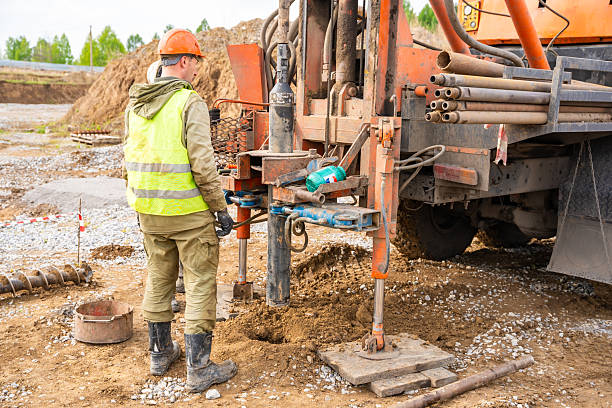
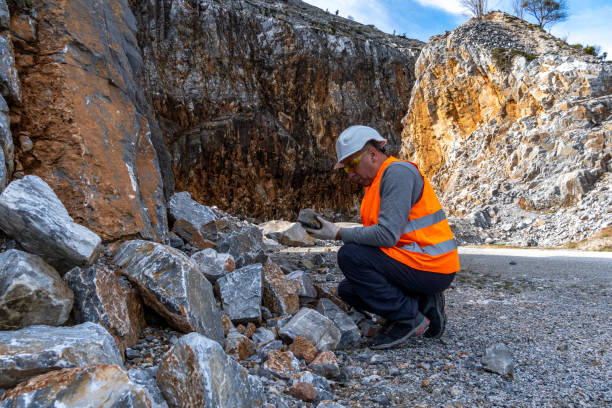
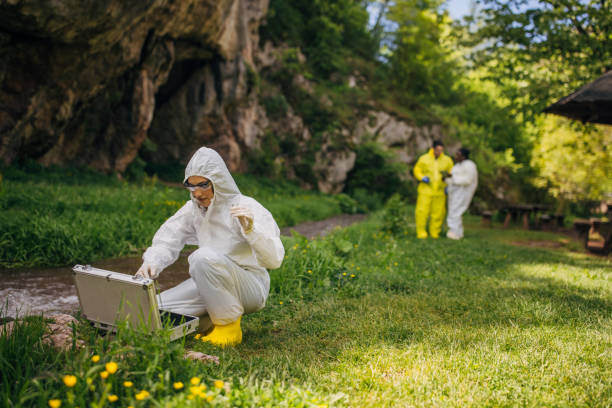
Conduct geological fieldwork to collect rock, soil, and water samples from diverse terrains for analysis.
Map geological formations and structures to identify resource deposits or potential hazards.
Resource Exploration and Assessment
Identify and evaluate mineral, oil, or gas deposits for extraction feasibility and economic viability.
Use geophysical and geochemical techniques to locate underground resources with precision.
Geological Hazard Analysis
Assess risks of natural disasters like earthquakes, landslides, or volcanic activity in vulnerable regions.
Provide recommendations for infrastructure safety and disaster preparedness based on geological data.
Environmental Impact Studies
Evaluate the environmental impact of mining, drilling, or construction projects on ecosystems and groundwater.
Develop mitigation strategies to minimize ecological damage during resource extraction.
Geotechnical Support for Engineering
Analyze soil and rock stability to support foundation design for infrastructure like dams, roads, or buildings.
Advise on safe construction practices in geologically sensitive areas to prevent structural failures.
Data Analysis and Modeling
Use software to analyze geological data and create 3D models of subsurface structures or resource zones.
Interpret seismic, magnetic, or gravitational data to understand Earthโ€™s internal processes.
Research and Reporting
Conduct research on geological phenomena, tectonic movements, or climate change impacts on landscapes.
Prepare detailed reports and maps for stakeholders, policymakers, or industrial applications.
Policy and Resource Management
Collaborate with government bodies to formulate policies for sustainable mining and resource conservation.
Monitor and manage groundwater resources to ensure long-term availability and prevent over-extraction.

Roles and Responsibilities

  • Field Surveys and Data Collection
    • Conduct geological fieldwork to collect rock, soil, and water samples from diverse terrains for analysis.
    • Map geological formations and structures to identify resource deposits or potential hazards.
  • Resource Exploration and Assessment
    • Identify and evaluate mineral, oil, or gas deposits for extraction feasibility and economic viability.
    • Use geophysical and geochemical techniques to locate underground resources with precision.
  • Geological Hazard Analysis
    • Assess risks of natural disasters like earthquakes, landslides, or volcanic activity in vulnerable regions.
    • Provide recommendations for infrastructure safety and disaster preparedness based on geological data.
  • Environmental Impact Studies
    • Evaluate the environmental impact of mining, drilling, or construction projects on ecosystems and groundwater.
    • Develop mitigation strategies to minimize ecological damage during resource extraction.
  • Geotechnical Support for Engineering
    • Analyze soil and rock stability to support foundation design for infrastructure like dams, roads, or buildings.
    • Advise on safe construction practices in geologically sensitive areas to prevent structural failures.
  • Data Analysis and Modeling
    • Use software to analyze geological data and create 3D models of subsurface structures or resource zones.
    • Interpret seismic, magnetic, or gravitational data to understand Earthโ€™s internal processes.
  • Research and Reporting
    • Conduct research on geological phenomena, tectonic movements, or climate change impacts on landscapes.
    • Prepare detailed reports and maps for stakeholders, policymakers, or industrial applications.
  • Policy and Resource Management
    • Collaborate with government bodies to formulate policies for sustainable mining and resource conservation.
    • Monitor and manage groundwater resources to ensure long-term availability and prevent over-extraction.

ย 

Study Route & Eligibility Criteria

Study Route & Eligibility Criteria
Geologist
Bachelorโ€™s in Geology - Direct Entry
๐ŸŽ“
1
Complete 10+2 in Science stream with minimum 60% marks.
๐Ÿ›๏ธ
2
Pursue B.Sc. in Geology via university admissions or entrance exams.
3 years
๐Ÿ’ผ
3
Gain experience in geological surveys or mining through entry roles.
๐Ÿ’ผ
4
Progress to Geologist with skills or higher studies.
Bachelorโ€™s to Masterโ€™s Pathway
๐ŸŽ“
1
Complete 10+2 and enroll in B.Sc. in Geology.
๐Ÿ“š
2
Pursue M.Sc. in Geology or Applied Geology via entrance exams.
๐Ÿ’ผ
3
Build expertise through advanced fieldwork or research.
๐Ÿ“š
4
Join specialized roles in industry or R&D with advanced qualifications.
Masterโ€™s to Ph.D. Specialization
๐Ÿ›๏ธ
1
Complete Bachelorโ€™s and Masterโ€™s in Geology.
๐Ÿ“š
2
Pursue Ph.D. in Geology via entrance exams like UGC-NET or CSIR-NET.
๐Ÿ“š
3
Conduct research on geological processes or resources.
๐Ÿ’ผ
4
Join senior roles in academia, R&D, or leading organizations.
International Education Path
๐ŸŽ“
1
Complete 10+2 and clear relevant entrance exams or language tests .
๐Ÿ›๏ธ
2
Pursue degrees in Geology from international universities .
๐Ÿ’ผ
3
Gain global exposure through international projects or internships.
๐Ÿ’ผ
4
Return to India or work internationally in geology roles.
Integrated Degree Pathway
๐ŸŽ“
1
Complete 10+2 and enroll in integrated B.Sc.-M.Sc. programs in Geology at select institutes.
5 years
๐Ÿ’ผ
2
Gain practical experience through field projects during studies.
๐Ÿ’ผ
3
Work in assistant roles for hands-on learning.
๐Ÿ’ผ
4
Build expertise to secure geologist positions with experience.
๐ŸŽฏ Geologist - Professional

Significant Observations (Academic Related Points)

๐Ÿ’ก
Geologist
Academic Related Points
1
Eligibility Criteria
10+2 in Science stream (Physics, Chemistry, Mathematics/Biology) is generally required for undergraduate programs; a relevant bachelorโ€™s degree is needed for postgraduate studies with an interest in Earth sciences and exploration.
2
Competitive Examinations
Entrance exams like university-specific tests, IIT JAM (for M.Sc.), or state-level exams are required for premier institutes in India; international programs may require IELTS, TOEFL, or GRE.
3
Practical Skills
Hands-on experience in field mapping, sample analysis, and geophysical surveys is critical for industry readiness.
4
Physical Standards
Not typically mandatory, though physical fitness is beneficial for extensive fieldwork in rugged terrains.
5
Technical Knowledge
Proficiency in geological software, remote sensing tools, and data interpretation is essential.
6
Continuous Training
Workshops on geospatial technologies, seismic analysis, and environmental geology are crucial for staying relevant.
7
Field Readiness
Exposure to real-world geological expeditions, mining sites, and hazard zones builds practical competence.
8
Cultural Awareness
Understanding global geological standards and local resource needs aids in effective exploration and management.
9
Analytical and Observational Thinking
Combining data analysis with keen observation is key to interpreting geological phenomena.
10
Ethical Commitment
Adherence to environmental sustainability, safety, and resource conservation builds professional credibility.
11
Networking Ability
Building relationships with geoscientists, mining engineers, and government officials is crucial for career growth.

Courses & Specializations to Enter the Field

๐Ÿ“š
Geologist
Courses & Specializations
๐Ÿ“–
Bachelor of Science (B.Sc.) in Geology for foundational skills in Earth sciences and mineral exploration.
๐Ÿ“–
Master of Science (M.Sc.) in Geology or Applied Geology for advanced expertise in geological analysis and research.
๐Ÿ“–
Integrated B.Sc.-M.Sc. in Geology for a comprehensive academic pathway combining undergraduate and postgraduate studies.
๐Ÿ“–
Ph.D. in Geology for cutting-edge research and leadership roles in geoscientific innovation.
๐Ÿ“–
Specialization in Hydrogeology, Petroleum Geology, Engineering Geology, or Environmental Geology.
๐Ÿ“–
Short-term courses on Remote Sensing, GIS for Geology, and Seismic Data Interpretation.
๐Ÿ“–
Certifications in Geospatial Analysis, Geological Mapping, and Certified Professional Geologist (CPG) for professional credibility.

Prominent Employers

๐Ÿข
Geologist
๐ŸŒŸ Top Companies & Organizations
๐Ÿ‡ฎ๐Ÿ‡ณ India
๐ŸŒ International

Advice for Aspiring Geologists

๐Ÿ’ก
Geologist
๐ŸŒŸ Tips for Students & Parents
1
Build a strong foundation in Earth sciences, physics, and chemistry to excel in understanding geological processes and resources.
2
Pursue early exposure through field trips, internships, or geological surveys to grasp real-world exploration and hazard challenges.
3
Create a portfolio showcasing field reports, geological maps, or research projects to demonstrate your capabilities to potential employers.
4
Stay updated on geological technologies, environmental regulations, and resource trends through continuous learning and professional events.
5
Develop proficiency in geospatial software, field mapping techniques, and data analysis tools for a competitive edge.
6
Join reputed institutes like IITs or international programs for high-quality education and valuable industry connections.
7
Work on resilience to manage physically demanding fieldwork, remote expeditions, and project uncertainties effectively.
8
Explore opportunities in smaller geological firms or government surveys to gain hands-on experience if larger roles are initially out of reach.
9
Network with geoscientists, mining professionals, and environmental experts at conferences to expand career prospects.
10
Cultivate adaptability to handle diverse geological environments, technological advancements, and evolving resource demands with confidence.
11
Focus on societal impact by uncovering resources, mitigating hazards, and promoting sustainable practices that benefit communities and ecosystems.
๐ŸŽ“ Final Message
A career in Geology presents an extraordinary chance to explore the Earthโ€™s mysteries by mastering scientific inquiry and cutting-edge technologies, contributing to societal progress through resource discovery and hazard prevention, and preserving our planetโ€™s legacy with every geological insight gained. Geologists emerge as the dedicated stewards of Indiaโ€™s natural wealth, employing their analytical prowess and curiosity to reveal the Earthโ€™s hidden treasures and safeguard against its dangers. This discipline merges rigorous science with a passion for discovery, offering opportunities in mineral exploration, environmental protection, petroleum geology, and disaster management. For individuals captivated by the quest to understand the Earth through scientific expertise, motivated by the potential to impact resource sustainability and safety, and ready to embrace the demanding challenges of fieldwork and geological analysis, a career as a Geologist delivers a profoundly fulfilling path. It empowers one to address critical natural resource needs, protect vulnerable regions, and contribute to global knowledge through the remarkable pursuit of geological science.
Knowledge & Skills You Will Learn
1
Urban Geotechnical Challenges: Rising need for geological expertise in infrastructure development amid rapid urbanization.
Geologist (Entry to Mid-Level)

Geologist (Entry to Mid-Level)

Geologists conduct field surveys and analyze geological samples to identify resources or hazards in regions like Rajasthan or Jharkhand. They map...

0.0LPA

Senior Geologist (Mid-Level)

Senior Geologist (Mid-Level)

Senior Geologists lead exploration projects and interpret complex geological data in hubs like Kolkata or Hyderabad, mentoring junior staff. They...

0.0LPA
Geological Project Manager (Senior Level)

Geological Project Manager (Senior Level)

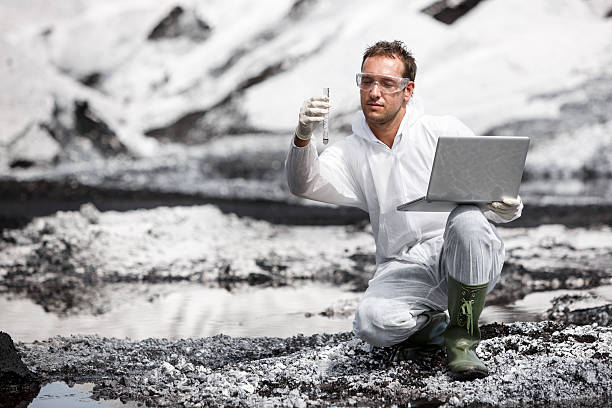
Geological Project Managers oversee large-scale exploration or hazard mitigation projects in cities like Delhi or Mumbai, managing budgets,...

0.0LPA

Interested in this career?

Take the next step and explore more about Geologist.