
Forest Officer

A Forest Officer, often referred to as a Range Forest Officer (RFO) or Forest Range Officer in many regions, is a professional responsible for the management, protection, and conservation of forest resources and wildlife. They work under government forest departments or environmental agencies to ensure sustainable use of forest ecosystems, prevent illegal activities like poaching and deforestation, and promote biodiversity. This career is crucial to combating climate change, preserving natural habitats, and supporting rural livelihoods dependent on forest resources. Forest Officers play a pivotal role in balancing ecological conservation with developmental needs, addressing challenges like habitat loss and human-wildlife conflict in an era shaped by environmental policies and global sustainability goals.

Share :
✨ Radial Mind Map - Forest Officer
Nodes arranged in concentric circles

Loading radial mind map...

Overview

A Forest Officer, often referred to as a Range Forest Officer (RFO) or Forest Range Officer in many regions, is a professional responsible for the management, protection, and conservation of forest resources and wildlife. They work under government forest departments or environmental agencies to ensure sustainable use of forest ecosystems, prevent illegal activities like poaching and deforestation, and promote biodiversity. This career is crucial to combating climate change, preserving natural habitats, and supporting rural livelihoods dependent on forest resources. Forest Officers play a pivotal role in balancing ecological conservation with developmental needs, addressing challenges like habitat loss and human-wildlife conflict in an era shaped by environmental policies and global sustainability goals.

Forest Officers operate in diverse and often challenging environments such as dense forests, wildlife sanctuaries, and national parks, collaborating with local communities, government officials, and conservationists. Their roles include monitoring forest health, enforcing environmental laws, managing wildlife protection, and implementing afforestation programs. They face challenges like working in remote areas, dealing with illegal logging or poaching, and resolving conflicts between human needs and conservation goals. By leveraging expertise in forestry, ecology, and law enforcement, Forest Officers safeguard natural resources and biodiversity. As key contributors to environmental protection, they drive conservation efforts amidst trends like climate adaptation, community-based forestry, and technological integration in monitoring systems.

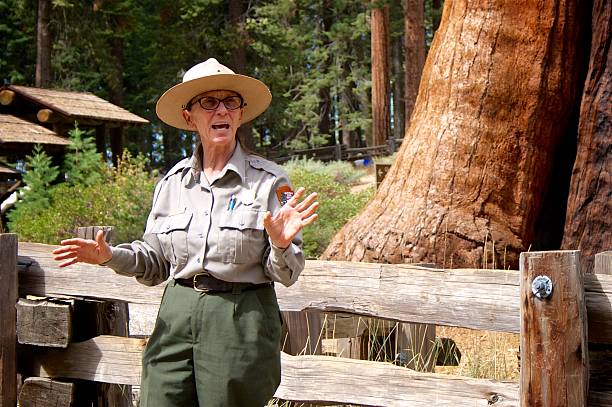
Roles and Responsibilities

💼
Forest Officer
Roles and Responsibilities
Forest Resource Management
Oversee the sustainable use of timber, non-timber products, and other forest resources.
Plan and implement afforestation and reforestation projects to restore degraded areas.
Wildlife Protection and Monitoring
Protect wildlife from poaching and illegal trade through patrols and surveillance.
Monitor animal populations and habitats to assess conservation needs.
Law Enforcement and Regulation
Enforce forest and wildlife protection laws to prevent illegal activities like logging or hunting.
Investigate and report violations, coordinating with legal authorities for action.
Community Engagement and Education
Work with local communities to promote sustainable livelihoods and reduce forest dependency.
Conduct awareness programs on conservation and environmental protection.
Disaster and Risk Management
Manage forest fires through prevention strategies and emergency response coordination.
Mitigate risks from natural disasters like floods or landslides in forest areas.
Biodiversity Conservation
Develop and implement plans to protect endangered species and maintain ecosystem balance.
Restore degraded habitats through scientific interventions and monitoring.
Data Collection and Reporting
Conduct surveys on forest cover, wildlife populations, and ecological health.
Prepare detailed reports for government policies and conservation strategies.
Infrastructure and Project Oversight
Supervise the development of forest trails, check posts, and eco-tourism facilities.
Manage budgets and resources for conservation and development projects.

Roles and Responsibilities

  • Forest Resource Management
    • Oversee the sustainable use of timber, non-timber products, and other forest resources.
    • Plan and implement afforestation and reforestation projects to restore degraded areas.
  • Wildlife Protection and Monitoring
    • Protect wildlife from poaching and illegal trade through patrols and surveillance.
    • Monitor animal populations and habitats to assess conservation needs.
  • Law Enforcement and Regulation
    • Enforce forest and wildlife protection laws to prevent illegal activities like logging or hunting.
    • Investigate and report violations, coordinating with legal authorities for action.
  • Community Engagement and Education
    • Work with local communities to promote sustainable livelihoods and reduce forest dependency.
    • Conduct awareness programs on conservation and environmental protection.
  • Disaster and Risk Management
    • Manage forest fires through prevention strategies and emergency response coordination.
    • Mitigate risks from natural disasters like floods or landslides in forest areas.
  • Biodiversity Conservation
    • Develop and implement plans to protect endangered species and maintain ecosystem balance.
    • Restore degraded habitats through scientific interventions and monitoring.
  • Data Collection and Reporting
    • Conduct surveys on forest cover, wildlife populations, and ecological health.
    • Prepare detailed reports for government policies and conservation strategies.
  • Infrastructure and Project Oversight
    • Supervise the development of forest trails, check posts, and eco-tourism facilities.
    • Manage budgets and resources for conservation and development projects.


Study Route & Eligibility Criteria

Study Route & Eligibility Criteria
Forest Officer
Undergraduate Degree (Direct Entry)
🎓
1
10+2 in Science with minimum 50-60% marks
🏛️
2
Pursue a B.Sc. in Forestry, Environmental Science, or related field
3 years
📚
3
Apply for Forest Officer exams like State Forest Service or Indian Forest Service
💼
4
Undergo training at forestry academies post-selection
🌍
5
Start as a Range Forest Officer or Assistant Conservator of Forests
Postgraduate Specialization
🏛️
1
Complete a Bachelor’s degree in Forestry, Agriculture, or related Science field
🏛️
2
Pursue M.Sc. in Forestry, Wildlife Management, or Environmental Science
2 years
📚
3
Appear for competitive exams like IFS or SFS for higher entry levels
💼
4
Work as a Forest Officer or in specialized conservation roles
Diploma/Certification for Support Roles
🎓
1
10+2 pass with minimum 45-50% marks in any stream
🎓
2
Complete a Diploma in Forestry or Wildlife Conservation
1-2 years
💼
3
Gain field experience through internships or entry-level positions
💼
4
Work as Forest Guard or support staff, with potential to rise through experience
🎯 Forest Officer - Professional

Significant Observations (Academic Related Points)

💡
Forest Officer
Academic Related Points
1
Scientific Foundation:
Strong knowledge of biology, ecology, and environmental science is essential for forest management.
2
Practical Training:
Hands-on field experience during academic programs is critical for real-world skills.
3
Physical Fitness:
High stamina and fitness are necessary due to demanding fieldwork in rugged terrains.
4
Technical Proficiency:
Familiarity with GIS, remote sensing, and wildlife tracking tools is increasingly important.
5
Regulatory Knowledge:
Understanding of forest and wildlife laws (e.g., Wildlife Protection Act, 1972 in India) is crucial.
6
Analytical Skills:
Ability to assess ecological data and plan conservation strategies is vital.
7
Continuous Learning:
Keeping up with evolving conservation techniques and policies is necessary for career growth.
8
Community Interaction:
Skills in engaging with local populations for sustainable forestry are important.
9
Attention to Detail:
Precision in surveys and reporting ensures accurate conservation outcomes.
10
Entrance Examination Success:
Competitive exams like IFS or SFS require rigorous preparation.
11
Risk Management:
Training in handling emergencies like forest fires or wildlife conflicts is essential.

Internships & Practical Exposure

💼
Forest Officer
Internships & Practical Experience
1
Internships with state forest departments for experience in field surveys and patrols.
2
Training under wildlife conservation NGOs to learn about habitat protection and species monitoring.
3
Rotations in national parks or sanctuaries for exposure to wildlife management.
4
Observerships with government agencies to understand forest policy and enforcement.
5
Participation in afforestation drives or wildlife census for practical conservation skills.
6
Exposure to live fieldwork during training for expertise in forest mapping and resource assessment.
7
Workshops on GIS and remote sensing for technological skills in monitoring forests.
8
Volunteer roles in environmental campaigns or community forestry projects to build networks.
9
Collaborative projects with research institutes for hands-on ecological studies.

Courses & Specializations to Enter the Field

📚
Forest Officer
Courses & Specializations
📖
B.Sc. in Forestry or Environmental Science for foundational knowledge in forest management.
📖
M.Sc. in Forestry, Wildlife Science, or Agroforestry for advanced expertise.
📖
Diploma in Forestry or Wildlife Conservation for entry-level technical roles.
📖
Specialization in Wildlife Management, Forest Ecology, or Sustainable Resource Use.
📖
Short-term courses on GIS and Remote Sensing for Forest Monitoring.
📖
Training in Forest Law Enforcement and Wildlife Protection.
📖
Workshops on Community-Based Forest Management and Eco-Tourism.
📖
Certifications in Disaster Management for handling forest emergencies.

Prominent Employers

🏢
Forest Officer
🌟 Top Companies & Organizations
🇮🇳 India
🏛️
Ministry of Environment, Forest and Climate Change (MoEFCC), New Delhi
🏛️
State Forest Departments (e.g., Maharashtra, Karnataka, Uttarakhand)
🏛️
Wildlife Institute of India (WII), Dehradun
🏛️
Forest Survey of India (FSI), Dehradun
🏛️
National Afforestation and Eco-Development Board, New Delhi
🏛️
Indian Council of Forestry Research and Education (ICFRE), Dehradun
🏛️
Project Tiger/National Tiger Conservation Authority (NTCA), New Delhi
🌍 International
🌐
World Wildlife Fund (WWF), Global
🌐
International Union for Conservation of Nature (IUCN), Global
🌐
United Nations Environment Programme (UNEP), Global
🌐
Greenpeace International, Global
🌐
Conservation International, USA
🌐
The Nature Conservancy, USA
🌐
Fauna & Flora International, UK

Advice for Aspiring Forest Officers

💡
Forest Officer
🌟 Tips for Students & Parents
1
Build a strong foundation in science subjects like biology and environmental studies for forestry knowledge.
2
Seek early exposure through internships or volunteer work with forest departments to confirm interest.
3
Prepare thoroughly for competitive exams like IFS or SFS with focused study plans.
4
Maintain physical fitness to meet the demanding requirements of fieldwork in forests.
5
Stay updated on conservation trends by following resources like IUCN or WWF publications.
6
Develop hands-on skills in wildlife monitoring and forest surveys through practical training.
7
Engage in community outreach programs to learn conflict resolution and sustainable practices.
8
Join professional associations like SIF or local forestry groups for networking and resources.
9
Work on resilience to handle remote postings and challenging environmental conditions.
10
Explore international conservation opportunities for exposure to global forestry practices.
11
Volunteer in wildlife rescue or afforestation drives to build a professional portfolio.
12
Cultivate adaptability to address evolving ecological challenges and policy changes.
🎓 Final Message
A career as a Forest Officer offers a unique opportunity to protect the planet’s natural heritage by safeguarding forests and wildlife, fostering ecological balance through dedicated conservation, and ensuring sustainable resource use with every initiative undertaken. Forest Officers are the guardians of nature, using their scientific knowledge and field skills to preserve biodiversity, combat environmental degradation, and support community livelihoods across diverse ecosystems. This profession blends passion for nature with public service, providing pathways in forest management, wildlife protection, policy-making, and research. For those passionate about the environment, driven by a desire to conserve natural resources, and eager to embrace the evolving landscape of ecological sustainability, becoming a Forest Officer is a deeply rewarding journey. It empowers individuals to address critical environmental challenges, maintain ecosystem health, and advance global conservation through the transformative power of dedicated service.
Knowledge & Skills You Will Learn
1
Crisis management to handle emergencies like forest fires or poaching incidents
2
Technical expertise in forestry, ecology, and wildlife management
3
Physical endurance for extensive fieldwork in challenging environments
4
Problem-solving ability to address conservation and community issues
5
Leadership skills to manage teams and enforce regulations effectively
6
Communication proficiency for engaging with communities and authorities
7
Attention to detail for accurate surveys, reporting, and legal documentation
8
Time management to handle multiple conservation projects and deadlines
9
Adaptability to cope with unpredictable situations like natural disasters
10
Teamwork for collaboration with forest staff, NGOs, and local stakeholders
Forest Guard

Forest Guard

Entry-level professionals who patrol forests, monitor wildlife, and report illegal activities. They assist senior officers in basic conservation...

0.0LPA
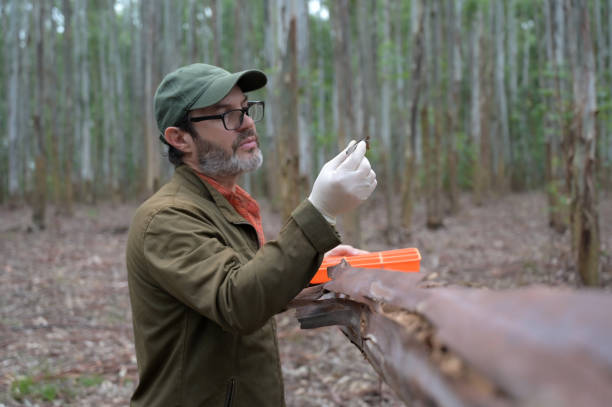
Range Forest Officer (RFO)

Range Forest Officer (RFO)

Early-career officers who manage specific forest ranges, oversee staff, and enforce laws. They handle local conservation projects, community...

0.0LPA

Assistant Conservator of Forests (ACF)

Assistant Conservator of Forests (ACF)

Mid-level experts who supervise multiple ranges, plan conservation strategies, and coordinate with state authorities. They manage budgets,...

0.0LPA

Interested in this career?

Take the next step and explore more about Forest Officer.