Environmental Engineer

Environmental Engineering is a critical and forward-thinking field within engineering that focuses on designing and implementing solutions to protect and improve the environment, addressing challenges like pollution, waste management, and sustainable resource use through technological innovation. In India, Environmental Engineering is an increasingly vital career path, driven by the countryโ€™s rapid industrialization, urbanization, and pressing need for environmental conservation. With advancements in green technologies, renewable energy, and climate adaptation strategies, this career plays a central role in fostering sustainable development. Environmental Engineers are essential for creating systems that minimize ecological impact and ensure public health and safety. This profession contributes to industry progress through trends like circular economy practices, water recycling technologies, and carbon footprint reduction.

Share :
โœจ Radial Mind Map - Environmental Engineer
Nodes arranged in concentric circles

Loading radial mind map...

Overview

Environmental Engineering is a critical and forward-thinking field within engineering that focuses on designing and implementing solutions to protect and improve the environment, addressing challenges like pollution, waste management, and sustainable resource use through technological innovation. In India, Environmental Engineering is an increasingly vital career path, driven by the countryโ€™s rapid industrialization, urbanization, and pressing need for environmental conservation. With advancements in green technologies, renewable energy, and climate adaptation strategies, this career plays a central role in fostering sustainable development. Environmental Engineers are essential for creating systems that minimize ecological impact and ensure public health and safety. This profession contributes to industry progress through trends like circular economy practices, water recycling technologies, and carbon footprint reduction.

Environmental Engineers work in diverse settings such as government agencies, consulting firms, industrial sectors, or research institutions, often collaborating with civil engineers, chemists, policy makers, and urban planners. Their responsibilities include designing waste treatment systems, assessing environmental impact, and developing strategies to mitigate pollution and resource depletion. They face challenges like addressing Indiaโ€™s severe air and water pollution, balancing industrial growth with ecological preservation, and implementing solutions under regulatory and budgetary constraints. By applying expertise in environmental science, water resource management, and pollution control, they safeguard natural ecosystems. As key contributors to Indiaโ€™s sustainability and technology sectors, they drive advancements through trends like sustainable urban planning, renewable energy integration, and eco-friendly industrial processes.


Roles and Responsibilities

๐Ÿ’ผ
Environmental Engineer
Roles and Responsibilities
Environmental Impact Assessment
Conduct studies to evaluate the environmental impact of industrial, construction, or urban development projects.
Prepare reports and recommend mitigation measures to minimize ecological damage.
Waste Management System Design
Design systems for solid waste, wastewater, and hazardous material treatment and disposal.
Develop recycling and waste-to-energy solutions to reduce landfill dependency.
Pollution Control and Monitoring
Implement technologies to control air, water, and soil pollution from industrial or urban sources.
Monitor environmental parameters like air quality or water contamination to ensure compliance with standards.
Water Resource Management
Design and manage systems for sustainable water supply, treatment, and conservation.
Develop solutions for flood control, irrigation, and groundwater recharge in diverse terrains.
Renewable Energy and Sustainability Projects
Integrate renewable energy systems like solar or biogas into environmental projects for reduced carbon emissions.
Promote sustainable practices in industries through energy audits and green certifications.
Regulatory Compliance and Policy Support
Ensure projects adhere to environmental laws and guidelines set by bodies like the CPCB or MoEFCC in India.
Assist in drafting policies or standards for pollution control and resource management.
Remediation and Restoration
Plan and execute remediation projects to clean up contaminated sites or restore degraded ecosystems.
Use bioremediation or phytoremediation techniques to rehabilitate polluted areas.
Project Management and Community Engagement
Manage environmental projects, ensuring timelines, budgets, and stakeholder expectations are met.
Engage with communities and organizations to promote environmental awareness and sustainable practices.

Roles and Responsibilities

  • Environmental Impact Assessment
    • Conduct studies to evaluate the environmental impact of industrial, construction, or urban development projects.
    • Prepare reports and recommend mitigation measures to minimize ecological damage.
  • Waste Management System Design
    • Design systems for solid waste, wastewater, and hazardous material treatment and disposal.
    • Develop recycling and waste-to-energy solutions to reduce landfill dependency.
  • Pollution Control and Monitoring
    • Implement technologies to control air, water, and soil pollution from industrial or urban sources.
    • Monitor environmental parameters like air quality or water contamination to ensure compliance with standards.
  • Water Resource Management
    • Design and manage systems for sustainable water supply, treatment, and conservation.
    • Develop solutions for flood control, irrigation, and groundwater recharge in diverse terrains.
  • Renewable Energy and Sustainability Projects
    • Integrate renewable energy systems like solar or biogas into environmental projects for reduced carbon emissions.
    • Promote sustainable practices in industries through energy audits and green certifications.
  • Regulatory Compliance and Policy Support
    • Ensure projects adhere to environmental laws and guidelines set by bodies like the CPCB or MoEFCC in India.
    • Assist in drafting policies or standards for pollution control and resource management.
  • Remediation and Restoration
    • Plan and execute remediation projects to clean up contaminated sites or restore degraded ecosystems.
    • Use bioremediation or phytoremediation techniques to rehabilitate polluted areas.
  • Project Management and Community Engagement
    • Manage environmental projects, ensuring timelines, budgets, and stakeholder expectations are met.
    • Engage with communities and organizations to promote environmental awareness and sustainable practices.

ย 

Study Route & Eligibility Criteria

Study Route & Eligibility Criteria
Environmental Engineer
Bachelorโ€™s in Environmental Engineering - Direct Entry
๐ŸŽ“
1
Complete 10+2 in Science stream with minimum 60% marks.
๐Ÿ“š
2
Pursue B.Tech/B.E. in Environmental Engineering via entrance exams.
4 years
๐Ÿ’ผ
3
Gain experience in environmental firms or government roles through entry positions.
๐Ÿ’ผ
4
Progress to Environmental Engineer with skills or higher studies.
Bachelorโ€™s to Masterโ€™s Pathway
๐ŸŽ“
1
Complete 10+2 and enroll in B.Tech/B.E. in Environmental or related Engineering.
๐Ÿ“š
2
Pursue M.Tech/M.E. in Environmental Engineering via entrance exams.
๐Ÿ“š
3
Build expertise through advanced projects or research.
๐Ÿ“š
4
Join specialized roles in industry or R&D with advanced qualifications.
Masterโ€™s to Ph.D. Specialization
๐Ÿ›๏ธ
1
Complete Bachelorโ€™s and Masterโ€™s in Environmental Engineering.
๐Ÿ“š
2
Pursue Ph.D. in Environmental Engineering via entrance exams like UGC-NET or GATE.
๐Ÿ“š
3
Conduct research on environmental technologies or sustainability.
๐Ÿ’ผ
4
Join senior roles in academia, R&D, or leading organizations.
International Education Path
๐ŸŽ“
1
Complete 10+2 and clear relevant entrance exams or language tests .
๐Ÿ›๏ธ
2
Pursue degrees in Environmental Engineering from international universities .
๐Ÿ’ผ
3
Gain global exposure through international projects or internships.
๐Ÿ’ผ
4
Return to India or work internationally in environmental engineering roles.
Diploma to Degree Pathway
๐ŸŽ“
1
Complete 10th standard and enroll in Diploma in Environmental Engineering .
3 years
๐Ÿ“š
2
Transition to B.Tech/B.E. via lateral entry programs.
๐Ÿ’ผ
3
Work in assistant roles for practical learning.
๐Ÿ’ผ
4
Build expertise and network to secure engineer positions with experience.
๐ŸŽฏ Environmental Engineer - Professional

Significant Observations (Academic Related Points)

๐Ÿ’ก
Environmental Engineer
Academic Related Points
1
Eligibility Criteria
10+2 in Science stream (Physics, Chemistry, Mathematics/Biology) is generally required for undergraduate programs; a relevant bachelorโ€™s degree is needed for postgraduate studies with an interest in sustainability and environmental science.
2
Competitive Examinations
Entrance exams like JEE Main, JEE Advanced, or state-level exams are required for premier institutes in India; international programs may require IELTS, TOEFL, or GRE.
3
Practical Skills
Hands-on experience in environmental assessments, water treatment, and pollution control systems is critical for industry readiness.
4
Physical Standards
Not typically mandatory, though good health may be beneficial for fieldwork in diverse environmental conditions.
5
Technical Knowledge
Proficiency in environmental modeling software, data analysis tools, and waste management systems is essential.
6
Continuous Training
Workshops on climate change mitigation, renewable energy, and environmental laws are crucial for staying relevant.
7
Field Readiness
Exposure to real-world environmental projects, site assessments, and remediation efforts builds practical competence.
8
Cultural Awareness
Understanding global sustainability goals and local environmental challenges aids in designing impactful solutions.
9
Analytical and Sustainable Thinking
Combining data-driven analysis with a focus on long-term ecological balance is key to success.
10
Ethical Commitment
Adherence to environmental regulations, safety standards, and ethical practices builds professional credibility.
11
Networking Ability
Building relationships with environmental scientists, policymakers, and industry leaders is crucial for career growth.

Courses & Specializations to Enter the Field

๐Ÿ“š
Environmental Engineer
Courses & Specializations
๐Ÿ“–
Bachelor of Technology (B.Tech) in Environmental Engineering for foundational skills in pollution control and sustainability.
๐Ÿ“–
Bachelor of Engineering (B.E.) in Environmental Engineering for a focus on engineering solutions for environmental challenges.
๐Ÿ“–
Master of Technology (M.Tech) in Environmental Engineering for advanced expertise in specialized environmental domains.
๐Ÿ“–
Master of Science (M.Sc.) in Environmental Engineering for research-oriented skills in ecological systems and technologies.
๐Ÿ“–
Ph.D. in Environmental Engineering for cutting-edge research and leadership roles in sustainability innovation.
๐Ÿ“–
Specialization in Water Resource Management, Waste Management, Air Quality Control, or Renewable Energy Systems.
๐Ÿ“–
Short-term courses on Environmental Impact Assessment, Green Building Design, and Climate Change Mitigation.
๐Ÿ“–
Certifications in LEED (Leadership in Energy and Environmental Design), ISO 14001, and GIS for Environmental Applications for professional credibility.

Prominent Employers

๐Ÿข
Environmental Engineer
๐ŸŒŸ Top Companies & Organizations
๐Ÿ‡ฎ๐Ÿ‡ณ India
๐ŸŒ International

Advice for Aspiring Environmental Engineers

๐Ÿ’ก
Environmental Engineer
๐ŸŒŸ Tips for Students & Parents
1
Build a strong foundation in environmental science, chemistry, and engineering principles to excel in designing sustainable solutions.
2
Pursue early exposure through field surveys, internships, or community projects to understand real-world environmental challenges.
3
Create a portfolio showcasing impact assessments, waste management designs, or sustainability projects to demonstrate your capabilities to employers.
4
Stay updated on environmental laws, global sustainability goals, and technological advancements through ongoing education and seminars.
5
Develop proficiency in environmental modeling software, data analysis tools, and green technologies for a competitive advantage.
6
Join reputed institutes like IITs or international programs for high-quality education and valuable professional connections.
7
Work on resilience to manage demanding fieldwork, regulatory hurdles, and urgent environmental issues effectively.
8
Explore opportunities in smaller environmental firms or NGOs to gain practical experience if larger roles are initially inaccessible.
9
Network with environmental scientists, policymakers, and sustainability experts at conferences to broaden career prospects.
10
Cultivate adaptability to handle evolving environmental challenges, policy shifts, and diverse project demands with confidence.
11
Focus on societal impact by creating solutions that protect ecosystems, improve public health, and promote sustainable living for future generations.
๐ŸŽ“ Final Message
A career in Environmental Engineering offers a profound opportunity to safeguard the planet by mastering sustainable design and innovative technologies, advancing ecological balance through impactful solutions, and building a resilient future with every project dedicated to conservation. Environmental Engineers stand as the committed guardians of Indiaโ€™s natural heritage, leveraging their analytical expertise and passion to devise strategies that preserve resources and mitigate environmental harm. This field integrates technical precision with a commitment to sustainability, unlocking pathways in pollution control, water management, renewable energy, and policy advocacy. For those driven to protect the environment through engineering ingenuity, inspired by the prospect of creating a greener world, and equipped to navigate the intricate challenges of ecological preservation and industrial needs, a career as an Environmental Engineer presents a deeply meaningful journey. It enables individuals to confront pressing planetary issues, enhance living conditions, and contribute to global sustainability through the extraordinary application of environmental engineering skills.
Knowledge & Skills You Will Learn
1
Indiaโ€™s Sustainability Push: Expanding opportunities due to policies like Swachh Bharat and National Clean Air Programme.
Environmental Engineer (Entry to Mid-Level)

Environmental Engineer (Entry to Mid-Level)

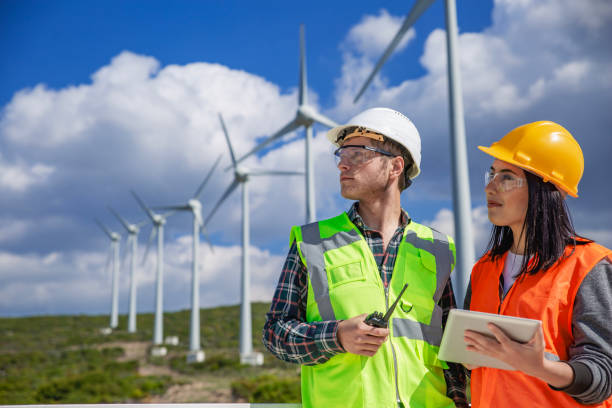
Environmental Engineers assess and design solutions for pollution control and waste management in cities like Delhi and Bangalore. They conduct...

0.0LPA
Senior Environmental Engineer (Mid-Level)

Senior Environmental Engineer (Mid-Level)

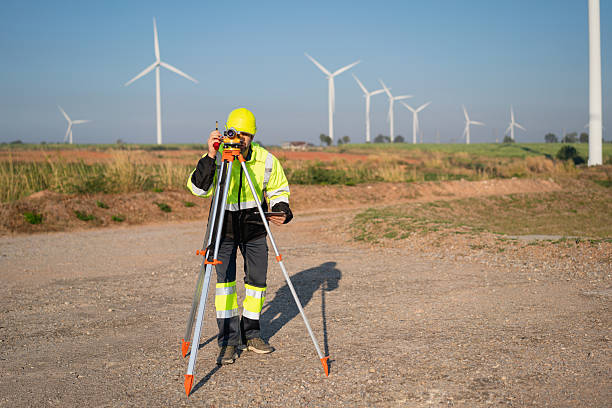
Senior Environmental Engineers lead complex projects, such as industrial waste treatment or urban sustainability plans, in hubs like Mumbai or...

0.0LPA
Environmental Project Manager (Senior Level)

Environmental Project Manager (Senior Level)

Environmental Project Managers oversee large-scale environmental initiatives in metro cities like Kolkata or Hyderabad, managing budgets,...

0.0LPA

Interested in this career?

Take the next step and explore more about Environmental Engineer.