
Civil Engineer

Civil Engineering is a foundational and impactful field within engineering that focuses on the planning, design, construction, and maintenance of infrastructure projects such as buildings, roads, bridges, dams, and water systems, leveraging technology to ensure safety, functionality, and sustainability. In India, Civil Engineering is a cornerstone career path, driven by the countryโ€™s rapid urbanization, infrastructure development initiatives, and the need for resilient urban planning. With advancements in smart construction, green building technologies, and disaster-resistant designs, this career plays a pivotal role in shaping modern societies. Civil Engineers are crucial for creating durable, efficient, and environmentally conscious infrastructure that supports economic growth. This profession contributes to industry progress through trends like sustainable construction, digital modeling, and innovative material use.

Share :
โœจ Radial Mind Map - Civil Engineer
Nodes arranged in concentric circles

Loading radial mind map...

Overview

Civil Engineering is a foundational and impactful field within engineering that focuses on the planning, design, construction, and maintenance of infrastructure projects such as buildings, roads, bridges, dams, and water systems, leveraging technology to ensure safety, functionality, and sustainability. In India, Civil Engineering is a cornerstone career path, driven by the countryโ€™s rapid urbanization, infrastructure development initiatives, and the need for resilient urban planning. With advancements in smart construction, green building technologies, and disaster-resistant designs, this career plays a pivotal role in shaping modern societies. Civil Engineers are crucial for creating durable, efficient, and environmentally conscious infrastructure that supports economic growth. This profession contributes to industry progress through trends like sustainable construction, digital modeling, and innovative material use.

Civil Engineers operate in diverse settings such as construction sites, design offices, government agencies, or consulting firms, often collaborating with architects, urban planners, environmental engineers, and contractors. Their responsibilities include designing structural frameworks, overseeing construction projects, and ensuring compliance with safety and environmental standards. They face challenges like managing large-scale projects under budget constraints, adapting to Indiaโ€™s diverse geographical conditions, and addressing urbanization pressures while maintaining quality. By applying expertise in structural analysis, geotechnical engineering, and project management, they build the backbone of modern civilization. As essential contributors to Indiaโ€™s infrastructure and technology sectors, they drive advancements through trends like Building Information Modelling (BIM), smart cities, and eco-friendly construction practices.

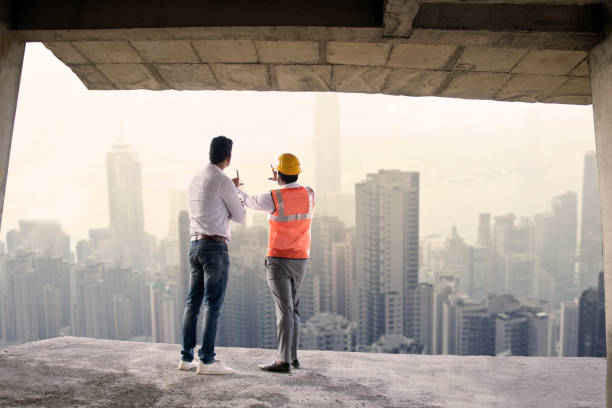
Roles and Responsibilities

๐Ÿ’ผ
Civil Engineer
Roles and Responsibilities
Infrastructure Design and Planning
Create detailed designs for infrastructure projects like roads, bridges, and buildings using engineering software.
Plan layouts and systems to ensure functionality, safety, and compliance with local regulations.
Structural Analysis and Testing
Analyze structural integrity of designs to withstand loads, natural disasters, and environmental stresses.
Conduct tests on materials and structures to ensure durability and safety during construction.
Project Management and Supervision
Oversee construction projects, managing timelines, budgets, and resources to meet project goals.
Supervise on-site activities, ensuring adherence to design specifications and safety protocols.
Geotechnical and Site Assessment
Evaluate soil, rock, and groundwater conditions to determine foundation stability for construction projects.
Recommend suitable construction methods based on site-specific geotechnical challenges.
Environmental and Sustainability Focus
Integrate sustainable practices into designs to minimize environmental impact and resource consumption.
Ensure compliance with environmental regulations and develop solutions for waste and water management.
Construction Technology Integration
Utilize advanced tools like BIM and drones for precise planning, monitoring, and execution of projects.
Implement smart construction technologies to improve efficiency and reduce project delays.
Maintenance and Rehabilitation
Assess existing infrastructure for repairs, upgrades, or retrofitting to extend service life.
Develop maintenance plans to prevent structural failures and ensure public safety.
Regulatory and Safety Compliance
Prepare documentation and reports to meet government and industry standards for construction projects.
Conduct safety audits and risk assessments to mitigate hazards during design and construction phases.

Roles and Responsibilities

  • Infrastructure Design and Planning
    • Create detailed designs for infrastructure projects like roads, bridges, and buildings using engineering software.
    • Plan layouts and systems to ensure functionality, safety, and compliance with local regulations.
  • Structural Analysis and Testing
    • Analyze structural integrity of designs to withstand loads, natural disasters, and environmental stresses.
    • Conduct tests on materials and structures to ensure durability and safety during construction.
  • Project Management and Supervision
    • Oversee construction projects, managing timelines, budgets, and resources to meet project goals.
    • Supervise on-site activities, ensuring adherence to design specifications and safety protocols.
  • Geotechnical and Site Assessment
    • Evaluate soil, rock, and groundwater conditions to determine foundation stability for construction projects.
    • Recommend suitable construction methods based on site-specific geotechnical challenges.
  • Environmental and Sustainability Focus
    • Integrate sustainable practices into designs to minimize environmental impact and resource consumption.
    • Ensure compliance with environmental regulations and develop solutions for waste and water management.
  • Construction Technology Integration
    • Utilize advanced tools like BIM and drones for precise planning, monitoring, and execution of projects.
    • Implement smart construction technologies to improve efficiency and reduce project delays.
  • Maintenance and Rehabilitation
    • Assess existing infrastructure for repairs, upgrades, or retrofitting to extend service life.
    • Develop maintenance plans to prevent structural failures and ensure public safety.
  • Regulatory and Safety Compliance
    • Prepare documentation and reports to meet government and industry standards for construction projects.
    • Conduct safety audits and risk assessments to mitigate hazards during design and construction phases.

ย 

Study Route & Eligibility Criteria

Study Route & Eligibility Criteria
Civil Engineer
Bachelorโ€™s in Civil Engineering - Direct Entry
๐ŸŽ“
1
Complete 10+2 in Science stream with minimum 60% marks.
๐Ÿ“š
2
Pursue B.Tech/B.E. in Civil Engineering via entrance exams.
4 years
๐Ÿ’ผ
3
Gain experience in construction or design firms through entry roles.
๐Ÿ’ผ
4
Progress to Civil Engineer with skills or higher studies.
Bachelorโ€™s to Masterโ€™s Pathway
๐ŸŽ“
1
Complete 10+2 and enroll in B.Tech/B.E. in Civil Engineering.
๐Ÿ“š
2
Pursue M.Tech/M.E. in Civil Engineering or specialization via entrance exams.
๐Ÿ“š
3
Build expertise through advanced projects or research.
๐Ÿ“š
4
Join specialized roles in industry or R&D with advanced qualifications.
Masterโ€™s to Ph.D. Specialization
๐Ÿ›๏ธ
1
Complete Bachelorโ€™s and Masterโ€™s in Civil Engineering.
๐Ÿ“š
2
Pursue Ph.D. in Civil Engineering via entrance exams like UGC-NET or GATE.
๐Ÿ“š
3
Conduct research on infrastructure technologies or materials.
๐Ÿ’ผ
4
Join senior roles in academia, R&D, or leading organizations.
International Education Path
๐ŸŽ“
1
Complete 10+2 and clear relevant entrance exams or language tests .
๐Ÿ›๏ธ
2
Pursue degrees in Civil Engineering from international universities .
๐Ÿ’ผ
3
Gain global exposure through international projects or internships.
๐Ÿ’ผ
4
Return to India or work internationally in civil engineering roles.
Diploma to Degree Pathway
๐ŸŽ“
1
Complete 10th standard and enroll in Diploma in Civil Engineering .
3 years
๐Ÿ“š
2
Transition to B.Tech/B.E. via lateral entry programs.
๐Ÿ’ผ
3
Work in assistant roles for practical learning.
๐Ÿ’ผ
4
Build expertise and network to secure engineer positions with experience.
๐ŸŽฏ Civil Engineer - Professional

Significant Observations (Academic Related Points)

๐Ÿ’ก
Civil Engineer
Academic Related Points
1
Eligibility Criteria
10+2 in Science stream (Physics, Chemistry, Mathematics) is generally required for undergraduate programs; a relevant bachelorโ€™s degree is needed for postgraduate studies with an interest in infrastructure and design.
2
Competitive Examinations
Entrance exams like JEE Main, JEE Advanced, or state-level exams are required for premier institutes in India; international programs may require IELTS, TOEFL, or GRE.
3
Practical Skills
Hands-on experience in structural design, site management, and construction practices is critical for industry readiness.
4
Physical Standards
Not typically mandatory, though physical fitness may be beneficial for on-site roles in challenging environments.
5
Technical Knowledge
Proficiency in design software, structural analysis tools, and construction management systems is essential.
6
Continuous Training
Workshops on sustainable construction, BIM, and disaster management are crucial for staying relevant.
7
Field Readiness
Exposure to real-world construction sites, geotechnical surveys, and project challenges builds practical competence.
8
Cultural Awareness
Understanding local building practices and global construction standards aids in effective project execution.
9
Analytical and Practical Thinking
Combining technical analysis with on-ground problem-solving is key to successful infrastructure projects.
10
Ethical Commitment
Adherence to safety, environmental, and quality standards builds professional credibility.
11
Networking Ability
Building relationships with architects, contractors, and government officials is crucial for career growth.

Courses & Specializations to Enter the Field

๐Ÿ“š
Civil Engineer
Courses & Specializations
๐Ÿ“–
Bachelor of Technology (B.Tech) in Civil Engineering for foundational skills in infrastructure design and construction.
๐Ÿ“–
Bachelor of Engineering (B.E.) in Civil Engineering for a focus on engineering principles in building and urban projects.
๐Ÿ“–
Master of Technology (M.Tech) in Civil Engineering for advanced expertise in specialized infrastructure domains.
๐Ÿ“–
Master of Science (M.Sc.) in Civil Engineering for research-oriented skills in structural or environmental engineering.
๐Ÿ“–
Ph.D. in Civil Engineering for cutting-edge research and leadership roles in infrastructure innovation.
๐Ÿ“–
Specialization in Structural Engineering, Geotechnical Engineering, Transportation Engineering, or Environmental Engineering.
๐Ÿ“–
Short-term courses on Building Information Modeling (BIM), Sustainable Construction, and Disaster-Resistant Design.
๐Ÿ“–
Certifications in AutoCAD, STAAD.Pro, and Project Management Professional (PMP) for professional credibility.

Prominent Employers

๐Ÿข
Civil Engineer
๐ŸŒŸ Top Companies & Organizations
๐Ÿ‡ฎ๐Ÿ‡ณ India
๐ŸŒ International

Advice for Aspiring Civil Engineers

๐Ÿ’ก
Civil Engineer
๐ŸŒŸ Tips for Students & Parents
1
Build a strong foundation in mathematics, physics, and engineering principles to excel in infrastructure design and analysis.
2
Pursue early exposure through site visits, internships, or project-based learning to understand real-world construction challenges.
3
Create a portfolio showcasing structural designs, project plans, or innovative solutions to highlight your skills to potential employers.
4
Stay updated on construction standards, safety regulations, and technological advancements through continuous learning and industry seminars.
5
Develop proficiency in design software, project management tools, and sustainable construction practices for a competitive advantage.
6
Join reputed institutes like IITs or international programs for high-quality education and valuable professional networking.
7
Work on resilience to manage demanding site conditions, tight deadlines, and complex project requirements effectively.
8
Explore opportunities in smaller construction firms or local projects to gain hands-on experience if larger roles are initially inaccessible.
9
Network with architects, contractors, and industry leaders at professional events to broaden career prospects.
10
Cultivate adaptability to handle evolving technologies, environmental challenges, and diverse project demands with confidence.
11
Focus on societal impact by designing safe, sustainable, and accessible infrastructure that enhances community well-being.
๐ŸŽ“ Final Message
A career in Civil Engineering offers a unique opportunity to construct the framework of modern life by mastering design and technology, pushing forward societal development with robust infrastructure, and leaving a lasting mark on the world through enduring projects. Civil Engineers emerge as the dedicated builders of Indiaโ€™s growth story, applying their technical acumen and vision to create vital structures that support millions. This discipline blends analytical rigor with a passion for creation, opening doors to roles in structural design, urban planning, environmental solutions, and project leadership. For those eager to shape the physical world through engineering brilliance, motivated by the chance to craft resilient and sustainable infrastructure, and prepared to meet the intricate challenges of construction and urban needs, a career as a Civil Engineer delivers a deeply fulfilling path. It empowers individuals to solve critical societal demands, enhance living environments, and contribute to global progress through the exceptional craft of civil engineering.
Knowledge & Skills You Will Learn
1
Structural Design Proficiency for creating safe and efficient designs for buildings, bridges, and other infrastructure
2
Geotechnical Analysis Expertise to evaluate soil and rock conditions for stable foundation design
3
Construction Management Skills to oversee project execution, resources, and timelines on-site
4
Environmental Engineering Knowledge to integrate sustainable practices and comply with ecological standards
5
Software Mastery for using tools like AutoCAD, STAAD.Pro, and BIM for design and project planning
6
Problem-Solving Abilities to address technical challenges in design, construction, or site conditions
7
Project Planning and Coordination to manage budgets, schedules, and multidisciplinary teams effectively
8
Risk Assessment and Safety Management to identify hazards and ensure compliance with safety regulations
9
Communication and Stakeholder Engagement to liaise with clients, contractors, and government bodies for project alignment
10
Adaptability to keep pace with evolving construction technologies, environmental laws, and urban demands
Structural Engineer (Entry to Mid-Level)

Structural Engineer (Entry to Mid-Level)

Structural Engineers design and analyze the structural components of buildings, bridges, and other infrastructure in cities like Mumbai and Delhi....

0.0LPA
Senior Civil Engineer (Mid-Level)

Senior Civil Engineer (Mid-Level)

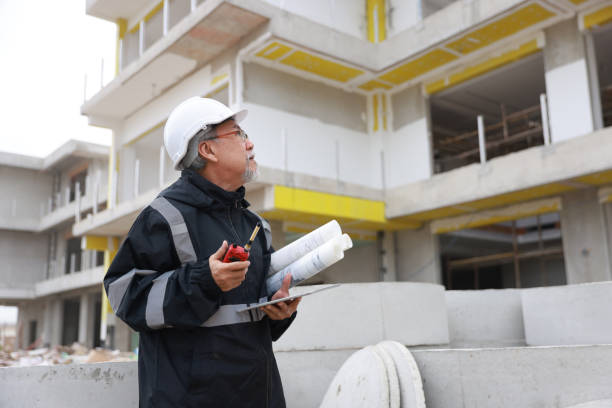
Senior Civil Engineers oversee complex infrastructure projects in hubs like Bangalore or Chennai, managing design, construction, and quality...

0.0LPA

Project Manager (Civil) (Senior Level)

Project Manager (Civil) (Senior Level)

Project Managers in Civil Engineering lead large-scale construction projects in metro cities like Kolkata or Hyderabad, coordinating teams,...

0.0LPA

Interested in this career?

Take the next step and explore more about Civil Engineer.