Air-Traffic Controller

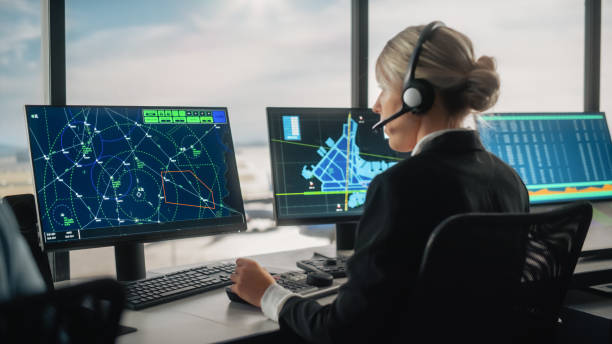
Air Traffic Control is a critical and high-stakes field within the aviation sector that focuses on managing the safe and efficient movement of aircraft in the skies and at airports, ensuring the prevention of collisions and maintaining orderly traffic flow. In India, Air Traffic Control is a vital career path, driven by the countryโ€™s expanding aviation industry, increasing air traffic, and the need for robust safety protocols. With advancements in radar technology, automation, and air traffic management systems, this career plays an essential role in supporting global connectivity and aviation safety. Air Traffic Controllers are indispensable for coordinating aircraft movements, providing real-time guidance to pilots, and managing emergency situations. This profession contributes to industry progress through trends like digital air traffic systems, satellite-based navigation, and enhanced safety protocols.
Share :
โœจ Radial Mind Map - Air-Traffic Controller
Nodes arranged in concentric circles

Loading radial mind map...

Overview

Air Traffic Control is a critical and high-stakes field within the aviation sector that focuses on managing the safe and efficient movement of aircraft in the skies and at airports, ensuring the prevention of collisions and maintaining orderly traffic flow. In India, Air Traffic Control is a vital career path, driven by the countryโ€™s expanding aviation industry, increasing air traffic, and the need for robust safety protocols. With advancements in radar technology, automation, and air traffic management systems, this career plays an essential role in supporting global connectivity and aviation safety. Air Traffic Controllers are indispensable for coordinating aircraft movements, providing real-time guidance to pilots, and managing emergency situations. This profession contributes to industry progress through trends like digital air traffic systems, satellite-based navigation, and enhanced safety protocols.

Air Traffic Controllers work in high-pressure environments such as airport control towers, area control centers, or approach control facilities, often collaborating with pilots, airline dispatchers, meteorologists, and other aviation professionals. Their responsibilities include monitoring aircraft via radar, issuing takeoff and landing clearances, and ensuring safe separation between aircraft during flight. They face challenges like handling peak traffic volumes, responding to adverse weather conditions, and maintaining intense focus in a role where errors can have catastrophic consequences, especially in Indiaโ€™s busy airspace. By leveraging expertise in communication, radar systems, and aviation regulations, they ensure the safety of millions of passengers. As key contributors to Indiaโ€™s aviation and transportation sectors, they drive progress through trends like NextGen air traffic control systems, automation in traffic management, and real-time data integration.


Roles and Responsibilities

๐Ÿ’ผ
Air-Traffic Controller
Roles and Responsibilities
Aircraft Movement Coordination
Monitor and direct the movement of aircraft on the ground and in the air using radar and communication systems.
Ensure safe separation distances between aircraft to prevent collisions during takeoff, landing, and en-route phases.
Issuance of Clearances and Instructions
Provide pilots with takeoff, landing, and taxiing clearances based on traffic and weather conditions.
Issue precise instructions for altitude, speed, and route adjustments to maintain orderly flow in congested airspace.
Weather Monitoring and Reporting
Analyze weather data and updates to inform pilots of turbulence, storms, or visibility issues that could impact flights.
Coordinate with meteorological teams to ensure accurate and timely weather advisories for safe operations.
Emergency Response and Management
Respond swiftly to in-flight emergencies, such as mechanical failures or medical issues, by prioritizing affected aircraft.
Coordinate with emergency services and other controllers to manage diversions or emergency landings effectively.
Traffic Flow Optimization
Manage high volumes of air traffic to minimize delays while maintaining safety and efficiency in busy airports.
Implement traffic sequencing and spacing techniques to optimize runway usage during peak hours.
Communication with Aviation Stakeholders
Maintain constant communication with pilots, ground crew, and other controllers to ensure seamless operations.
Relay critical information regarding flight plans, airspace restrictions, or operational changes to relevant parties.
Use of Technology and Radar Systems
Operate advanced radar, navigation, and communication systems to track aircraft positions in real-time.
Utilize automation tools and software to predict traffic patterns and enhance decision-making accuracy.
Compliance with Aviation Regulations
Adhere to national and international aviation regulations, such as those set by the DGCA (India) and ICAO, to ensure safety.
Document and report incidents, deviations, or irregularities for regulatory review and operational improvement.

Roles and Responsibilities

  • Aircraft Movement Coordination
    • Monitor and direct the movement of aircraft on the ground and in the air using radar and communication systems.
    • Ensure safe separation distances between aircraft to prevent collisions during takeoff, landing, and en-route phases.
  • Issuance of Clearances and Instructions
    • Provide pilots with takeoff, landing, and taxiing clearances based on traffic and weather conditions.
    • Issue precise instructions for altitude, speed, and route adjustments to maintain orderly flow in congested airspace.
  • Weather Monitoring and Reporting
    • Analyze weather data and updates to inform pilots of turbulence, storms, or visibility issues that could impact flights.
    • Coordinate with meteorological teams to ensure accurate and timely weather advisories for safe operations.
  • Emergency Response and Management
    • Respond swiftly to in-flight emergencies, such as mechanical failures or medical issues, by prioritizing affected aircraft.
    • Coordinate with emergency services and other controllers to manage diversions or emergency landings effectively.
  • Traffic Flow Optimization
    • Manage high volumes of air traffic to minimize delays while maintaining safety and efficiency in busy airports.
    • Implement traffic sequencing and spacing techniques to optimize runway usage during peak hours.
  • Communication with Aviation Stakeholders
    • Maintain constant communication with pilots, ground crew, and other controllers to ensure seamless operations.
    • Relay critical information regarding flight plans, airspace restrictions, or operational changes to relevant parties.
  • Use of Technology and Radar Systems
    • Operate advanced radar, navigation, and communication systems to track aircraft positions in real-time.
    • Utilize automation tools and software to predict traffic patterns and enhance decision-making accuracy.
  • Compliance with Aviation Regulations
    • Adhere to national and international aviation regulations, such as those set by the DGCA (India) and ICAO, to ensure safety.
    • Document and report incidents, deviations, or irregularities for regulatory review and operational improvement.

ย 

Study Route & Eligibility Criteria

Study Route & Eligibility Criteria
Air-Traffic Controller
Diploma/Certificate in Air Traffic Control - Direct Entry
๐ŸŽ“
1
Complete 10+2 in Science stream with minimum 60% marks.
๐ŸŽ“
2
Enroll in a DGCA-approved Air Traffic Control training program or diploma .
1-2 years
๐Ÿ“š
3
Clear required licensing exams and medical tests.
๐Ÿ’ผ
4
Join as a Trainee Controller with organizations like AAI.
Bachelorโ€™s Degree Pathway
๐ŸŽ“
1
Complete 10+2 in Science stream and pursue B.Sc. in Aviation or B.Tech in related fields .
3-4 years
๐Ÿ›๏ธ
2
Enroll in specialized ATC training programs post-degree.
๐Ÿ“š
3
Obtain ATC license through DGCA exams and training.
๐Ÿ’ผ
4
Start as a Junior Controller and progress with experience.
International Training Path
๐ŸŽ“
1
Complete 10+2 and clear language tests for international programs.
๐ŸŒ
2
Pursue ATC training from globally recognized institutes .
๐Ÿ“š
3
Gain international certification and return to India for licensing.
๐ŸŒ
4
Join aviation authorities or private firms with global exposure.
Government Recruitment via AAI
๐ŸŽ“
1
Complete 10+2 and a degree/diploma in Science/Engineering.
๐Ÿ“š
2
Apply for Air Traffic Controller positions through Airports Authority of India recruitment exams.
๐Ÿ“š
3
Undergo AAI-provided training and licensing process.
๐Ÿ’ผ
4
Start career as Junior Executive in Indian airports.
Military to Civilian Transition
๐ŸŽ“
1
Serve in military aviation roles with air traffic control training.
๐Ÿ’ผ
2
Transition to civilian ATC roles post-service with relevant experience.
๐Ÿ“š
3
Obtain DGCA licensing through additional exams if required.
๐Ÿ’ผ
4
Join civilian airports or control centers with military expertise.
๐ŸŽฏ Air-Traffic Controller - Professional

Significant Observations (Academic Related Points)

๐Ÿ’ก
Air-Traffic Controller
Academic Related Points
1
Eligibility Criteria
10+2 in Science stream (Physics, Mathematics) is generally required for training programs; a degree in aviation or engineering is preferred for advanced roles. Age limits (usually under 27-30 years for entry-level in India) and medical fitness (Class 3 medical certification) are mandatory.
2
Competitive Examinations
DGCA licensing exams, AAI Junior Executive (ATC) recruitment tests, or institute-specific entrance exams are required in India; international programs may require IELTS or TOEFL.
3
Practical Skills
Hands-on training in radar operation, communication protocols, and simulation exercises is critical for operational readiness.
4
Physical Standards
Strict medical standards, including excellent vision, hearing, and mental health, are mandatory due to the high-stress nature of the job.
5
Technical Knowledge
Proficiency in air traffic management systems, radar technology, and aviation software is essential.
6
Continuous Training
Regular refresher courses on safety protocols, new technologies, and emergency procedures are crucial for maintaining certification.
7
Field Readiness
Exposure to simulated and real-world air traffic scenarios builds competence for handling live operations.
8
Cultural Awareness
Understanding diverse communication styles and international aviation protocols aids in managing global air traffic.
9
Stress Management and Focus
Maintaining composure under pressure and making quick decisions are key to success in this role.
10
Ethical Commitment
Adherence to safety regulations and unbiased decision-making builds professional credibility and trust.
11
Networking Ability
Building relationships with aviation professionals, pilots, and regulatory bodies is crucial for career growth.

Courses & Specializations to Enter the Field

๐Ÿ“š
Air-Traffic Controller
Courses & Specializations
๐Ÿ“–
Diploma in Air Traffic Control for foundational training in aircraft coordination and radar operation.
๐Ÿ“–
Certificate in Air Traffic Management for focused skills in managing airspace and traffic flow.
๐Ÿ“–
Bachelor of Science (B.Sc.) in Aviation for broader knowledge of aviation operations with an ATC focus.
๐Ÿ“–
Bachelor of Technology (B.Tech) in Electronics or Communication Engineering for technical grounding relevant to ATC systems.
๐Ÿ“–
Advanced Training Programs in Air Traffic Control from DGCA-approved or international institutes for licensing and certification.
๐Ÿ“–
Specialization in Tower Control, Approach Control, En-Route Control, or Oceanic Control for specific operational domains.
๐Ÿ“–
Short-term courses on Aviation Safety, Radar Technology, and Emergency Response in Air Traffic Management.
๐Ÿ“–
Certifications in Air Traffic Controller License (DGCA/ICAO), Aviation English Proficiency, and Stress Management for professional credibility.

Prominent Employers

๐Ÿข
Air-Traffic Controller
๐ŸŒŸ Top Companies & Organizations
๐Ÿ‡ฎ๐Ÿ‡ณ India
๐ŸŒ International

Advice for Aspiring Air-Traffic Controllers

๐Ÿ’ก
Air-Traffic Controller
๐ŸŒŸ Tips for Students & Parents
1
Build a strong foundation in mathematics, physics, and communication skills for a solid skill set in managing air traffic.
2
Pursue early exposure through aviation workshops, simulation training, or mentorship to understand real-world ATC challenges.
3
Create a portfolio or record of training achievements, certifications, or simulated scenarios to demonstrate readiness for roles.
4
Stay updated on aviation regulations, safety protocols, and technological advancements through continuous learning and industry events.
5
Develop proficiency in radar systems, communication tools, and stress management techniques for a competitive edge in operations.
6
Join reputed training institutes like CATC or international programs for quality education and professional networking.
7
Work on resilience to handle high-pressure environments, long shifts, and critical decision-making scenarios.
8
Explore opportunities in smaller airports or regional centers to gain experience if larger roles are initially unavailable.
9
Network with aviation professionals, pilots, and regulatory officials at industry forums to expand professional connections.
10
Cultivate adaptability to manage evolving technologies, increasing air traffic, and unexpected operational challenges.
11
Focus on societal impact by prioritizing safety, efficiency, and reliability in air traffic management for public welfare.
๐ŸŽ“ Final Message
A career in Air Traffic Control offers a unique opportunity to safeguard the skies by mastering precision coordination and cutting-edge technology, advancing aviation safety through meticulous traffic management, and protecting countless lives with every critical decision. Air Traffic Controllers stand as the vigilant guardians of Indiaโ€™s airspace, employing their sharp focus and expertise to ensure seamless air travel across diverse regions. This field combines intense responsibility with a passion for aviation, unlocking pathways in tower control, en-route management, emergency response, and technological innovation. For those driven to excel in high-stakes environments through unwavering vigilance, inspired by the chance to innovate with air traffic solutions, and prepared to tackle the demanding challenges of aviation safety and efficiency, a career as an Air Traffic Controller presents a profoundly impactful journey. It empowers individuals to address vital safety and operational needs, enhance aviation frameworks, and contribute to global connectivity through the exceptional application of air traffic expertise.
Knowledge & Skills You Will Learn
1
Sustainability in Aviation: Focus on optimizing flight paths to reduce fuel consumption and carbon emissions.
Junior Air Traffic Controller (Mid-Level)

Junior Air Traffic Controller (Mid-Level)

Junior Air Traffic Controllers are licensed professionals who independently manage air traffic in less complex sectors or smaller airports across...

0.0LPA

Senior Air Traffic Controller (Senior Level)

Senior Air Traffic Controller (Senior Level)

Senior Air Traffic Controllers are experienced professionals who handle high-traffic airports or critical en-route sectors in metro hubs like...

0.0LPA
Air Traffic Control Supervisor (Top Tier)

Air Traffic Control Supervisor (Top Tier)

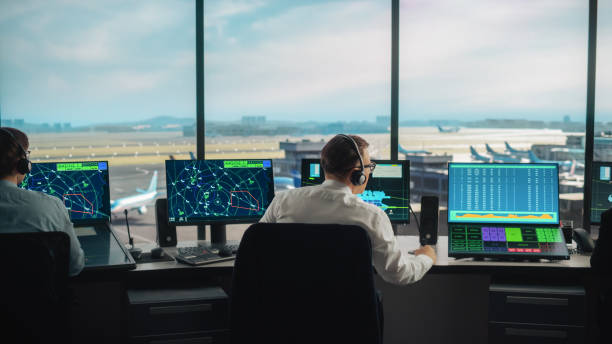
Air Traffic Control Supervisors oversee operations at major control towers or regional centers in cities like Kolkata or Hyderabad, ensuring...

0.0LPA

Interested in this career?

Take the next step and explore more about Air-Traffic Controller.