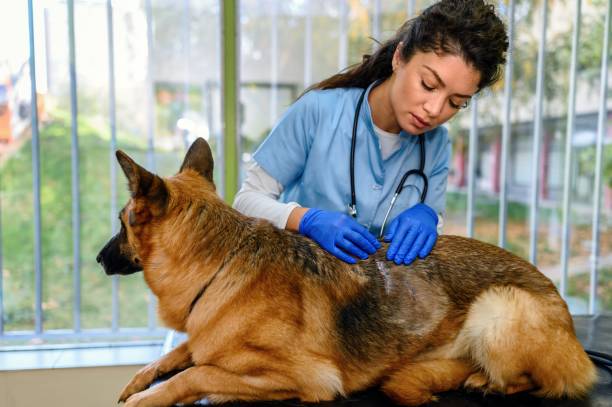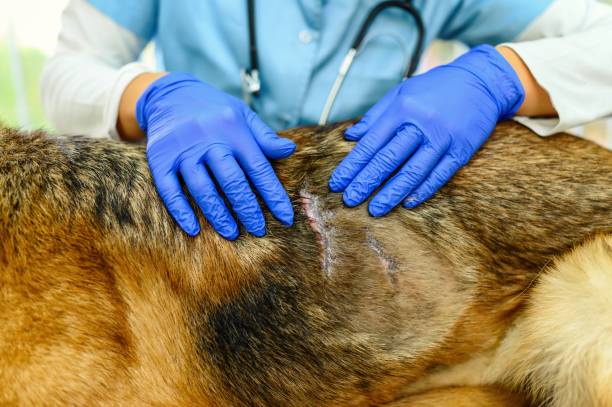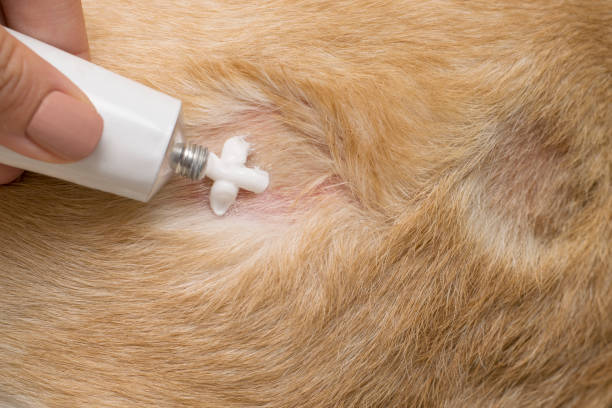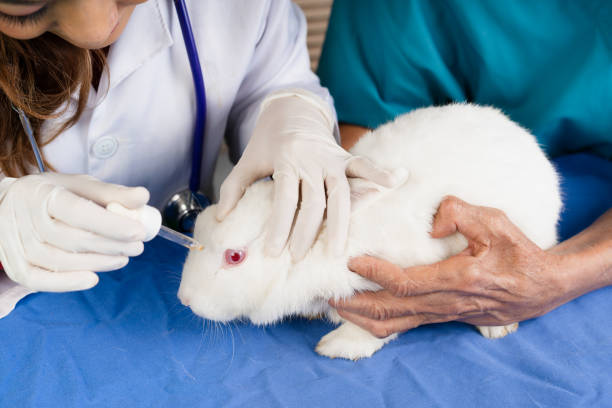
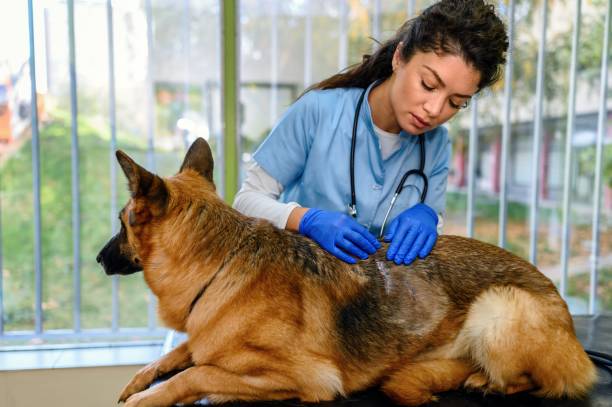
Veterinary Dermatologists are expert clinicians who focus on a wide spectrum of skin-related disorders in animals, employing diagnostic techniques and treatments such as allergy testing, biopsies, and medicated therapies to manage conditions like dermatitis, infections, or autoimmune diseases. Their responsibilities include performing detailed skin assessments, prescribing tailored treatment plans, and guiding animal owners on long-term care to prevent recurrence of dermatological problems. Operating in clinical settings or referral centers, they blend a deep concern for animal health with advanced expertise in dermatology to resolve complex skin challenges. As integral members of the Veterinary & Fishery Sciences career cluster, Veterinary Dermatologists elevate animal care standards in a context where holistic health practices for animals are gaining prominence, addressing both aesthetic and medical needs for improved quality of life.
- Skin Condition Diagnosis and Evaluation:
- Conduct comprehensive skin examinations using tools like microscopes, skin scrapings, and allergy tests to identify conditions such as eczema, mange, or fungal infections.
- Assess the impact of dermatological issues on overall health, determining underlying causes like parasites, allergies, or systemic diseases.
- Treatment and Management Plans:
- Develop and administer treatment protocols, including topical medications, systemic drugs, or dietary adjustments, to address skin disorders effectively.
- Perform minor procedures like biopsies or intradermal injections to diagnose or treat persistent dermatological conditions with precision.
- Allergy Testing and Immunotherapy:
- Conduct allergy testing through skin prick tests or blood assays to pinpoint environmental or food allergens affecting animals.
- Design immunotherapy plans, such as allergy shots or sublingual treatments, to desensitize animals and reduce allergic reactions over time.
- Client Education and Preventive Strategies:
- Educate animal owners on the causes of skin conditions, treatment options, and home care practices to manage or prevent flare-ups.
- Recommend preventive measures, including grooming routines, parasite control, or environmental modifications, to maintain skin health.
- Collaboration with Veterinary Teams:
- Partner with general veterinarians and other specialists to integrate dermatological care into broader health management plans for animals.
- Refer cases with systemic implications to internal medicine experts or coordinate multi-disciplinary treatments for comprehensive care.
- Specialized Care Across Species:
- Provide dermatological care customized to various species, including companion animals, livestock, and exotics, adapting approaches to unique skin needs.
- Address specific skin challenges in working animals like horses or zoo animals, contributing to their functionality and well-being.
- Research and Professional Growth:
- Stay updated on advancements in veterinary dermatology through continuous education, adopting new diagnostic tools or therapeutic methods.
- Contribute to research on animal skin health, publishing studies to enhance understanding and treatment options in the field.
- Compliance and Ethical Practices:
- Follow veterinary regulations and animal welfare standards, ensuring ethical care in all dermatological treatments and interactions.
- Maintain accurate medical records of diagnoses, treatments, and client communications for transparency and legal compliance.
| Route | Steps |
| Route 1 | 1. 10+2 in Science stream (Physics, Chemistry, Biology mandatory) |
| 2. Bachelor of Veterinary Science and Animal Husbandry (BVSc & AH) (5-5.5 years, including internship) | |
| 3. Gain experience as a general veterinarian with a focus on skin cases after licensing | |
| 4. Work as a Veterinary Dermatologist in clinics or hospitals with on-the-job specialization | |
| Route 2 | 1. 10+2 in Science stream (Physics, Chemistry, Biology mandatory) |
| 2. Bachelor of Veterinary Science and Animal Husbandry (BVSc & AH) (5-5.5 years, including internship) | |
| 3. Master of Veterinary Science (MVSc) in Veterinary Medicine or Pathology with a focus on dermatology (2 years) | |
| 4. Pursue additional certification or training in Veterinary Dermatology | |
| 5. Establish as a Veterinary Dermatologist in specialized practices | |
| Route 3 | 1. 10+2 in Science stream (Physics, Chemistry, Biology mandatory) |
| 2. Bachelor of Veterinary Science and Animal Husbandry (BVSc & AH) (5-5.5 years, including internship) | |
| 3. Master of Veterinary Science (MVSc) in Veterinary Medicine or Pathology (2 years) | |
| 4. Ph.D. in Veterinary Dermatology or related specialization (3-5 years) for research or academic roles | |
| 5. Serve as a Veterinary Dermatologist or Academician in advanced skin care | |
| Route 4 | 1. 10+2 in Science stream (Physics, Chemistry, Biology mandatory) |
| 2. Bachelor of Veterinary Science and Animal Husbandry (BVSc & AH) (5-5.5 years, including internship) | |
| 3. Postgraduate Diploma or Certification in Veterinary Dermatology (1-2 years) from recognized bodies | |
| 4. Gain hands-on experience in dermatological cases through clinical practice | |
| 5. Build a career as a Veterinary Dermatologist in specialty hospitals or private practice |
- Participation in mandatory internships during BVSc & AH programs at veterinary clinics or hospitals for initial exposure to animal skin conditions.
- Involvement in university-affiliated veterinary centers to observe and assist in dermatological cases under supervision during academic training.
- Assisting experienced veterinarians or specialists in private practices to learn advanced diagnostic and therapeutic approaches for skin disorders.
- Observerships at wildlife sanctuaries or equine centers for exposure to dermatological needs of exotic or large animals with unique skin challenges.
- Participation in veterinary dermatology workshops or continuing education programs for skill enhancement and networking with professionals.
- Training through collaborative projects like community animal health camps to address skin issues in field conditions.
- Exposure to industry-standard practices such as using dermatoscopes or performing allergy tests during clinical rotations.
- Project-based learning in specialized areas like allergic dermatitis or parasitic skin diseases for focused expertise.
- Community veterinary service initiatives to apply dermatological skills in practical settings like shelters or rural animal care programs.
- International veterinary volunteering or online courses for exposure to global dermatological care standards and innovative practices in animal health.
- Bachelor of Veterinary Science and Animal Husbandry (BVSc & AH).
- Master of Veterinary Science (MVSc) in Veterinary Medicine or Pathology with a focus on Dermatology.
- Ph.D. in Veterinary Dermatology or related fields for research and academic roles.
- Postgraduate Diploma or Certification in Veterinary Dermatology.
- Specialization in Small Animal Dermatology, Equine Skin Care, or Exotic Animal Dermatological Conditions.
- Certification in Veterinary Allergy Testing and Immunotherapy.
- Training in Dermatological Diagnostics and Imaging.
- Workshops on Advanced Management of Skin Infections in Animals.
- Short Courses in Veterinary Dermatopathology.
- Advanced Training in Autoimmune Skin Disorders in Animals.
| Institute | Course/Program | Official Link |
| Indian Veterinary Research Institute (IVRI), Izatnagar | BVSc & AH, MVSc in Veterinary Medicine | https://www.ivri.nic.in/ |
| Guru Angad Dev Veterinary and Animal Sciences University (GADVASU), Ludhiana | BVSc & AH, MVSc in Medicine | https://www.gadvasu.in/ |
| Tamil Nadu Veterinary and Animal Sciences University (TANUVAS), Chennai | BVSc & AH, MVSc in Medicine | https://www.tanuvas.ac.in/ |
| Maharashtra Animal and Fishery Sciences University (MAFSU), Nagpur | BVSc & AH, MVSc in Medicine | https://www.mafsu.in/ |
| West Bengal University of Animal and Fishery Sciences (WBUAFS), Kolkata | BVSc & AH, MVSc in Medicine | https://wbuafscl.ac.in/ |
| Rajasthan University of Veterinary and Animal Sciences (RAJUVAS), Bikaner | BVSc & AH, MVSc in Medicine | https://rajuvas.org/ |
| Kerala Veterinary and Animal Sciences University (KVASU), Pookode | BVSc & AH, MVSc in Medicine | https://www.kvasu.ac.in/ |
| Assam Agricultural University (AAU), Jorhat | BVSc & AH, MVSc in Veterinary Medicine | https://www.aau.ac.in/ |
| Lala Lajpat Rai University of Veterinary and Animal Sciences (LUVAS), Hisar | BVSc & AH, MVSc in Medicine | https://www.luvas.edu.in/ |
| Karnataka Veterinary, Animal and Fisheries Sciences University (KVAFSU), Bidar | BVSc & AH, MVSc in Medicine | https://www.kvafsu.edu.in/ |
| Institution | Course | Country | Official Link |
| Royal Veterinary College (RVC), London | BVetMed, MVetMed in Veterinary Medicine/Dermatology | UK | https://www.rvc.ac.uk/ |
| Cornell University College of Veterinary Medicine, Ithaca | DVM, MS in Veterinary Medicine/Dermatology | USA | https://www.vet.cornell.edu/ |
| University of California, Davis School of Veterinary Medicine | DVM, MS in Medicine/Dermatology | USA | https://www.vetmed.ucdavis.edu/ |
| University of Melbourne, School of Veterinary Science | DVM, MVSc in Medicine/Dermatology | Australia | https://www.unimelb.edu.au/ |
| University of Guelph, Ontario Veterinary College | DVM, DVSc in Veterinary Medicine/Dermatology | Canada | https://www.uoguelph.ca/ovc/ |
| Utrecht University, Faculty of Veterinary Medicine | DVM, MS in Medicine/Dermatology | Netherlands | https://www.uu.nl/en |
| University of Edinburgh, Royal (Dick) School of Veterinary Studies | BVMS, MVM in Medicine/Dermatology | UK | https://www.ed.ac.uk/vet |
| Massey University, School of Veterinary Medicine, Palmerston North | BVSc, MVSc in Medicine/Dermatology | New Zealand | https://www.massey.ac.nz/ |
| University of Pretoria, Faculty of Veterinary Science, Onderstepoort | BVSc, MMedVet in Medicine/Dermatology | South Africa | https://www.up.ac.za/ |
| Ludwig-Maximilians-Universität München, Veterinary Faculty | DVM, Specialization in Medicine/Dermatology | Germany | https://www.en.vetmed.uni-muenchen.de/ |
India:
- NEET (National Eligibility cum Entrance Test): Mandatory for admission to BVSc & AH programs at most veterinary colleges in India.
- AIPVT (All India Pre-Veterinary Test): Previously used, now integrated with NEET for undergraduate veterinary admissions.
- State-Level Veterinary Entrance Exams: Some states like Tamil Nadu or Kerala conduct separate exams or counseling based on NEET scores.
- ICAR AIEEA (All India Entrance Examination for Admission): For admission to central universities or specific veterinary programs under ICAR.
- University-Specific Exams: Certain institutes like IVRI or GADVASU may have additional tests or interviews for postgraduate programs.
International:
- SAT (Scholastic Assessment Test): Required for undergraduate admissions in the USA and some other countries for pre-veterinary programs.
- ACT (American College Testing): Alternative to SAT for undergraduate admissions in the USA.
- GRE (Graduate Record Examination): Required for postgraduate veterinary programs or specializations in dermatology globally.
- TOEFL (Test of English as a Foreign Language): Minimum score of 80-100 required for non-native speakers applying to programs in English-speaking countries.
- IELTS (International English Language Testing System): Minimum score of 6.5-7.0 required for admission to universities in the UK, Australia, and other English-speaking regions.
Veterinary Dermatologist → Specialized Veterinary Dermatologist → Senior Veterinary Dermatologist → Veterinary Dermatology Consultant → Veterinary Dermatology Research Leader
- Private veterinary clinics for providing dermatological care to pets and companion animals.
- Specialty veterinary hospitals for managing advanced skin condition cases and referrals.
- Government veterinary services for skin health programs targeting livestock or public animal welfare.
- Zoos and wildlife centers for addressing dermatological issues in exotic and wild animals.
- Research institutions for studying and improving veterinary dermatological treatments and diagnostics.
- Academic institutions for teaching veterinary dermatology and mentoring future professionals.
- Animal welfare organizations for offering skin care to rescued or stray animals.
- Equine facilities for specialized dermatological care of horses, often related to performance or environmental factors.
- Pet care industries for consulting on dermatological products like shampoos or anti-allergy supplements for animals.
- International animal health organizations for contributing to global veterinary dermatology standards and initiatives.
| India | International |
| Indian Veterinary Research Institute (IVRI), Izatnagar | World Organisation for Animal Health (OIE), France |
| Animal Husbandry Departments (State Governments), Multiple Locations | American Veterinary Medical Association (AVMA), USA |
| Guru Angad Dev Veterinary and Animal Sciences University (GADVASU), Ludhiana | Royal College of Veterinary Surgeons (RCVS), UK |
| Tamil Nadu Veterinary and Animal Sciences University (TANUVAS), Chennai | Zoetis, USA |
| Blue Cross of India, Chennai | IDEXX Laboratories, USA |
| People for Animals (PFA), Multiple Locations | Banfield Pet Hospital, USA |
| Bombay Veterinary College, Mumbai | VCA Animal Hospitals, USA |
| Karnataka Veterinary, Animal and Fisheries Sciences University (KVAFSU), Bidar | RSPCA (Royal Society for the Prevention of Cruelty to Animals), UK |
| Wildlife SOS, Multiple Locations | World Wildlife Fund (WWF), Global |
| PETA India, Multiple Locations | International Fund for Animal Welfare (IFAW), Global |
| Pros | Cons |
| Opportunity to enhance animal comfort by addressing painful or chronic skin conditions | Emotionally challenging due to seeing animals suffer from persistent or severe skin issues |
| Potential for significant impact by improving overall health through targeted skin care | Physically taxing with long hours, often requiring detailed and repetitive diagnostic work |
| Rewarding career through alleviating animal distress and strengthening owner-animal relationships | High stress from managing chronic cases with slow progress or recurring dermatological problems |
| Diverse opportunities across private practice, specialty care, wildlife, and research sectors | Limited recognition or demand for veterinary dermatology in some areas, impacting career growth |
| Growing demand driven by rising pet ownership and awareness of skin health in animal care | High educational costs and lengthy training to achieve specialization in dermatology |
- Increasing use of advanced diagnostic tools like dermatoscopy and molecular testing for precise identification of skin conditions in animals.
- Growing demand for Veterinary Dermatologists due to heightened awareness of pet skin health among owners worldwide.
- Advancements in immunotherapy and biologics, offering targeted treatments for allergic and autoimmune skin disorders in animals.
- Rising focus on dermatological care for exotic and working animals, driven by specialized needs in conservation and agriculture.
- Expansion of pet insurance, covering dermatological treatments, which increases demand for professional skin care services.
- Development of veterinary dermatological products, such as hypoallergenic shampoos, creating consulting opportunities with pet care industries.
- Heightened emphasis on preventive skin care to address dermatological issues before they lead to systemic complications.
- Enhanced collaboration between Veterinary Dermatologists and pharmaceutical companies for innovation in skin health solutions.
- Growing need for dermatology education in veterinary training, expanding opportunities in academic and mentorship roles.
- Focus on global animal welfare programs, with Veterinary Dermatologists contributing to international health and rescue efforts.
(Figures are approximate and based on latest available data as of 2026, subject to change. Salaries vary based on location, experience, specialization, and type of employment.)
| Career Level | India (₹ per annum) | International (USD per annum) |
| Veterinary Dermatologist (Early to Mid-Career) | 6,00,000 - 12,00,000 | 55,000 - 85,000 |
| Specialized Veterinary Dermatologist (Mid-Career) | 12,00,000 - 20,00,000 | 85,000 - 130,000 |
| Senior Veterinary Dermatologist (Established) | 20,00,000 - 30,00,000 | 130,000 - 170,000 |
| Veterinary Dermatology Consultant | 30,00,000 - 45,00,000 | 170,000 - 220,000 |
| Veterinary Dermatology Research Leader | 45,00,000+ | 220,000+ |
- Veterinary Practice Management Software like ezyVet for scheduling dermatology appointments and managing patient records.
- Diagnostic Imaging Software like VetBlue for analyzing skin-related images or histopathology results.
- Electronic Medical Record (EMR) Systems like Cornerstone for documenting dermatological diagnoses and treatments.
- Allergy Testing Software like Heska ALLERCEPT for processing and interpreting allergy test results in animals.
- Telemedicine Platforms like Vetster for remote consultations with pet owners regarding skin concerns.
- Data Analysis Tools like SPSS for research-focused Veterinary Dermatologists studying skin condition trends.
- Client Communication Apps like PetDesk for updating owners on treatment plans and preventive skin care.
- Inventory Management Software like VetInventory for tracking dermatological supplies and medications.
- Dermatological Record Software for maintaining detailed skin charts and treatment histories.
- Collaboration Tools like Microsoft Teams for coordinating with veterinary teams on dermatological cases.
- Indian Veterinary Association (IVA), India.
- World Veterinary Association (WVA), Global.
- Veterinary Council of India (VCI), India.
- American College of Veterinary Dermatology (ACVD), USA.
- Association of Veterinary Surgeons of India (AVSI), India.
- European College of Veterinary Dermatology (ECVD), Europe.
- British Veterinary Dermatology Study Group (BVDSG), UK.
- Australian Veterinary Dermatology Group (AVDG), Australia.
- Federation of Veterinarians of Europe (FVE), Europe.
- International Society of Veterinary Dermatopathology (ISVD), Global.
- Dr. A. K. Sharma (India, Contemporary): A distinguished Veterinary Dermatologist since the 1990s, affiliated with IVRI, he has advanced skin care practices for livestock and pets in India through clinical expertise and teaching.
- Dr. N. S. Parihar (India, Contemporary): A respected Veterinary Dermatologist since the 2000s, based at GADVASU, he specializes in small animal skin conditions and mentors aspiring veterinarians in India.
- Dr. R. S. Chauhan (India, Contemporary): A leading figure since the 1980s, associated with veterinary universities, he focuses on dermatological research for companion animals in India.
- Dr. T. A. Shafi (India, Contemporary): A notable Veterinary Dermatologist since the 1990s, working with TANUVAS, he contributes to skin health techniques for diverse species across India.
- Dr. K. P. Singh (India, Contemporary): A dedicated Veterinary Dermatologist since the 2000s, associated with RAJUVAS, he promotes dermatological care for rural livestock and pets in India.
- Dr. Ralf S. Mueller (Germany, Contemporary): A renowned Veterinary Dermatologist since the 1990s, based at Ludwig-Maximilians-Universität München, he is known for research in canine atopic dermatitis and global education.
- Dr. Linda Medleau (USA, Historical/Contemporary): A pioneering Veterinary Dermatologist since the 1980s, she contributed extensively to small animal dermatology until her passing in 2009, leaving a lasting impact in the USA.
- Dr. Sheila Torres (USA, Contemporary): A leading Veterinary Dermatologist since the 1990s, affiliated with the University of Minnesota, she specializes in allergic skin diseases and clinical research internationally.
- Dr. Thierry Olivry (France/USA, Contemporary): A prominent Veterinary Dermatologist since the 1990s, known for groundbreaking work on canine allergies and autoimmune skin disorders, influencing global veterinary practices.
- Dr. Mandy Burrows (Australia, Contemporary): A distinguished Veterinary Dermatologist since the 2000s, based at Murdoch University, she focuses on small animal dermatology and education across Australia and beyond.
- Establish a strong foundation in biological sciences and veterinary medicine to excel in animal skin care.
- Seek early clinical exposure through internships or volunteer roles at veterinary facilities to develop practical dermatological skills.
- Prepare thoroughly for entrance exams like NEET to secure admission into leading veterinary programs.
- Pursue specialized training in veterinary dermatology to gain a competitive advantage in this niche field.
- Stay updated on skin health advancements by attending conferences and following research in animal dermatology.
- Build hands-on expertise by assisting in real-world dermatological cases or community pet health drives.
- Engage in university clinics or animal shelters to apply dermatological knowledge in diverse environments.
- Join professional networks like ACVD or IVA for connections and access to key veterinary dermatology resources.
- Cultivate emotional strength to manage the challenges of treating chronic skin conditions while staying professional.
- Explore international opportunities or exotic animal dermatology to understand varied skin health requirements.
- Volunteer at local pet care events or rural clinics to gain experience in skin treatments for different populations.
- Sharpen diagnostic and therapeutic skills to address complex skin disorders with precision and care.
- Participate in ongoing education to keep pace with innovations in dermatological tools and treatment methods.
- Build relationships with veterinary colleagues and pet owners to foster trust and collaborative progress in care.
- Maintain determination to navigate the specialized and sometimes underappreciated landscape of veterinary dermatology.
- Balance academic learning with extensive clinical practice to adapt to the evolving needs of animal skin healthcare.
Stepping into a career as a Veterinary Dermatologist presents a distinctive and enriching opportunity to protect animal health by concentrating on skin wellness, delivering expert care that enhances their comfort and vitality. From resolving persistent skin irritations in cherished pets to improving conditions for livestock and exotic creatures, Veterinary Dermatologists play a pivotal role in advancing holistic animal care. This vocation unites a heartfelt commitment to animals, precise scientific preparation, and a focused specialization in dermatology, paving the way for impactful positions in clinical practice, research, and species-specific treatment. For those driven by the aspiration to alleviate animal discomfort through skin health solutions, prepared to master cutting-edge dermatological approaches, and eager to make a meaningful contribution to veterinary science, a career as a Veterinary Dermatologist provides a deeply satisfying and significant professional journey, holding the promise to reshape how animal skin care is understood and prioritized in the years to come.