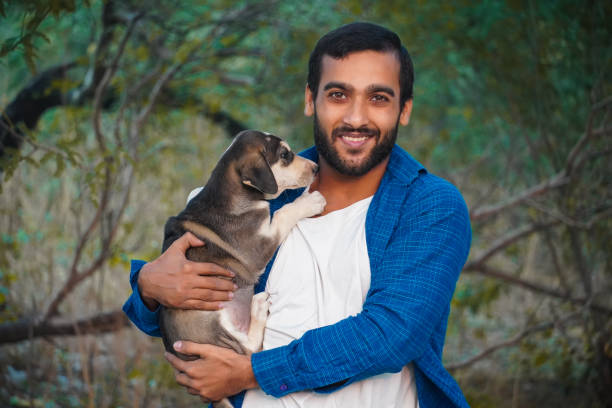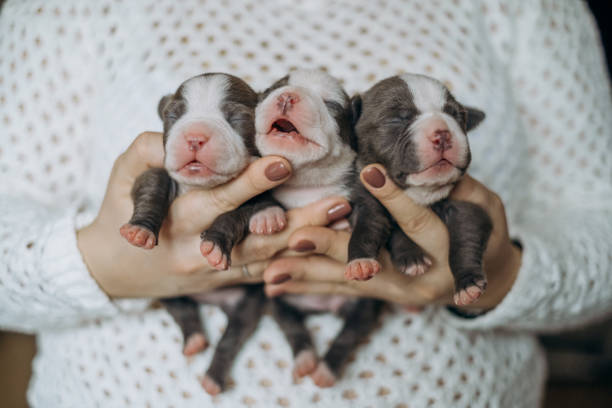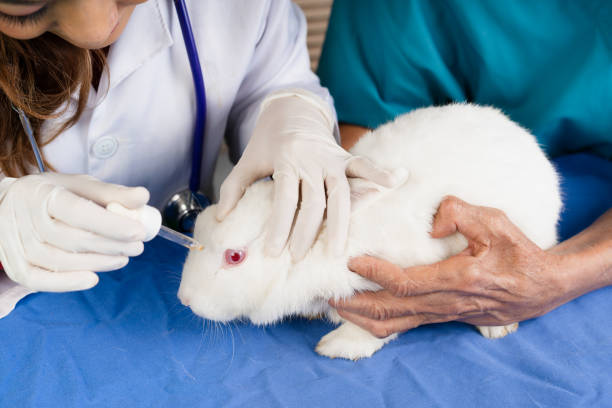
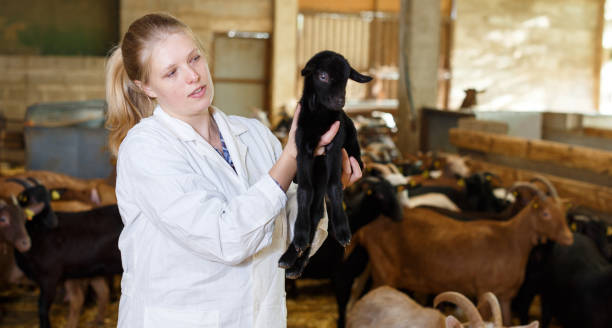
Animal Breeders are dedicated experts who plan and manage breeding programs to improve traits like milk yield in dairy cattle, disease resistance in poultry, temperament in dogs, or aesthetic features in ornamental fish. Their work involves selecting suitable mating pairs based on genetic data, monitoring reproduction processes, and ensuring the health and welfare of both parent animals and offspring. Operating in rural farms, urban kennels, or laboratory settings, they combine a passion for animals with scientific knowledge of genetics and reproductive technologies to tackle challenges in breeding outcomes and population improvement. As key contributors to the Veterinary & Fishery Sciences career cluster, Animal Breeders meet the rising demand for high-quality livestock, superior companion animals, and conserved species, supporting agricultural economies, pet industries, and environmental goals through strategic breeding practices.
- Breeding Program Design and Management:
- Develop breeding plans by analyzing genetic traits, pedigrees, and performance records to achieve desired characteristics in offspring.
- Select mating pairs or use artificial insemination techniques to optimize genetic outcomes while avoiding inbreeding issues.
- Reproduction Monitoring and Assistance:
- Oversee mating processes, track pregnancy cycles, and assist during birthing to ensure the safety of parent animals and newborns.
- Maintain detailed records of breeding activities, including mating dates, health status, and offspring traits for future reference.
- Health and Welfare Oversight:
- Monitor the health of breeding animals, ensuring proper nutrition, housing, and veterinary care to maximize reproductive success.
- Identify and address potential health or genetic issues in offspring, collaborating with veterinarians for early intervention.
- Genetic Research and Technology Application:
- Utilize genetic testing and data analysis to predict breeding outcomes and introduce beneficial traits into animal populations.
- Apply advanced reproductive technologies like embryo transfer or cryopreservation to enhance breeding efficiency and preserve valuable genetics.
- Client and Market Interaction:
- Work with farmers, pet owners, or industry buyers to understand breeding needs, such as specific traits for livestock productivity or pet aesthetics.
- Market and sell bred animals, ensuring compliance with breed standards, certifications, or legal requirements for trade.
- Regulatory and Ethical Compliance:
- Adhere to animal welfare laws and breeding regulations, ensuring ethical practices in all reproductive and care activities.
- Maintain biosecurity measures to prevent disease spread within breeding populations, protecting both animals and business interests.
- Specialized Breeding for Conservation or Industry:
- Breed endangered species or rare breeds for conservation programs, contributing to biodiversity and species survival.
- Focus on niche markets like breeding show animals, working dogs, or high-value aquaculture species for specific industries.
- Education and Advisory Services:
- Educate clients or farmers on best breeding practices, genetic selection, and animal husbandry to improve their own operations.
- Provide consultancy on breeding strategies, helping others achieve goals in productivity, quality, or genetic diversity.
| Route | Steps |
| Route 1 | 1. 10th or 12th pass (Science with Biology preferred) |
| 2. Short-term Certificate or Diploma in Animal Husbandry or Breeding (3-12 months) from a recognized institute | |
| 3. Gain hands-on experience through apprenticeships or working on farms/kennels | |
| 4. Work as an Animal Breeder in livestock farms, kennels, or aquaculture units | |
| Route 2 | 1. 10th or 12th pass (Science with Biology preferred) |
| 2. Bachelor’s Degree in Veterinary Science and Animal Husbandry (BVSc & AH) (5-5.5 years) or Animal Science (3-4 years) | |
| 3. Pursue additional short courses or certifications in Animal Breeding or Genetics (3-6 months) | |
| 4. Build experience through internships or roles in breeding facilities | |
| 5. Establish as an Animal Breeder specializing in livestock, pets, or conservation | |
| Route 3 | 1. 10th or 12th pass (Science with Biology mandatory) |
| 2. Bachelor’s Degree in Veterinary Science and Animal Husbandry (BVSc & AH) (5-5.5 years) or Animal Science (3-4 years) | |
| 3. Master’s Degree in Animal Breeding and Genetics or Veterinary Science (2 years) | |
| 4. Gain practical experience in breeding programs or research settings | |
| 5. Serve as an Animal Breeder with a focus on advanced genetics or research | |
| Route 4 | 1. 10th or 12th pass (any stream, Science preferred) |
| 2. On-the-job training with experienced Animal Breeders at farms, kennels, or aquaculture facilities (no formal education required) | |
| 3. Attend workshops or online courses on Animal Breeding and Husbandry (1-2 weeks) | |
| 4. Build a portfolio of breeding work through practical roles or family-run operations | |
| 5. Work as an Animal Breeder independently or in established breeding businesses |
- Participation in internships or apprenticeships at livestock farms, kennels, or aquaculture facilities for hands-on experience in breeding and animal care.
- Involvement in government or university-affiliated animal husbandry programs to assist with breeding projects under supervision during training.
- Assisting experienced Animal Breeders in private operations to learn selection techniques, mating management, and offspring care.
- Observerships at wildlife conservation centers or zoos for exposure to breeding programs for endangered or rare species.
- Participation in breeding workshops or short-term training programs for skill enhancement and networking with industry professionals.
- Training through collaborative projects like community livestock improvement initiatives to apply breeding techniques in real-world settings.
- Exposure to genetic research labs or artificial insemination centers by shadowing professionals to understand advanced reproductive technologies.
- Project-based learning in specialized areas like breeding for specific traits (e.g., dairy yield, pet temperament) for focused expertise.
- Community service initiatives at local farms or shelters to support breeding of rescued or stray animals, gaining diverse experience.
- Online tutorials or virtual mentorships for exposure to global breeding trends, genetic tools, and innovative husbandry practices.
- Certificate in Animal Husbandry and Breeding.
- Diploma in Animal Breeding and Genetics.
- Bachelor’s in Veterinary Science and Animal Husbandry (BVSc & AH).
- Bachelor’s in Animal Science or Dairy Science.
- Master’s in Animal Breeding and Genetics.
- Specialization in Livestock Breeding (e.g., cattle, poultry).
- Specialization in Companion Animal Breeding (e.g., dogs, cats).
- Specialization in Aquaculture Breeding (e.g., fish, shrimp).
- Workshops on Artificial Insemination and Embryo Transfer.
- Short Courses in Genetic Selection and Pedigree Analysis.
| Institute | Course/Program | Official Link |
| Indian Veterinary Research Institute (IVRI), Izatnagar | BVSc & AH, MVSc in Animal Breeding & Genetics | https://www.ivri.nic.in/ |
| Guru Angad Dev Veterinary and Animal Sciences University (GADVASU), Ludhiana | BVSc & AH, MVSc in Animal Breeding | https://www.gadvasu.in/ |
| Tamil Nadu Veterinary and Animal Sciences University (TANUVAS), Chennai | BVSc & AH, MVSc in Animal Breeding | https://www.tanuvas.ac.in/ |
| Maharashtra Animal and Fishery Sciences University (MAFSU), Nagpur | BVSc & AH, MVSc in Animal Breeding | https://www.mafsu.in/ |
| West Bengal University of Animal and Fishery Sciences (WBUAFS), Kolkata | BVSc & AH, MVSc in Animal Breeding | https://wbuafscl.ac.in/ |
| Rajasthan University of Veterinary and Animal Sciences (RAJUVAS), Bikaner | BVSc & AH, MVSc in Animal Breeding | https://rajuvas.org/ |
| Kerala Veterinary and Animal Sciences University (KVASU), Pookode | BVSc & AH, MVSc in Animal Breeding | https://www.kvasu.ac.in/ |
| Assam Agricultural University (AAU), Jorhat | BVSc & AH, MVSc in Animal Breeding | https://www.aau.ac.in/ |
| Lala Lajpat Rai University of Veterinary and Animal Sciences (LUVAS), Hisar | BVSc & AH, MVSc in Animal Breeding | https://www.luvas.edu.in/ |
| National Dairy Research Institute (NDRI), Karnal | BSc/MSc in Dairy Science & Animal Breeding | https://ndri.res.in/ |
| Institution | Course | Country | Official Link |
| Iowa State University, Department of Animal Science | BS/MS in Animal Science & Breeding | USA | https://www.ans.iastate.edu/ |
| University of California, Davis, Department of Animal Science | BS/MS in Animal Science & Breeding | USA | https://animalscience.ucdavis.edu/ |
| Wageningen University & Research, Animal Breeding and Genomics | MSc in Animal Breeding & Genetics | Netherlands | https://www.wur.nl/ |
| University of Melbourne, School of Veterinary Science | DVM, MVSc in Animal Breeding | Australia | https://www.unimelb.edu.au/ |
| University of Guelph, Ontario Veterinary College | BSc/MSc in Animal Science & Breeding | Canada | https://www.uoguelph.ca/ovc/ |
| Royal Veterinary College (RVC), London | BVetMed, MVetMed in Animal Breeding | UK | https://www.rvc.ac.uk/ |
| Swedish University of Agricultural Sciences (SLU), Uppsala | MSc in Animal Science & Breeding | Sweden | https://www.slu.se/ |
| University of Edinburgh, Royal (Dick) School of Veterinary Studies | BVMS, MSc in Animal Breeding | UK | https://www.ed.ac.uk/vet |
| Massey University, School of Veterinary Medicine, Palmerston North | BVSc, MVSc in Animal Breeding | New Zealand | https://www.massey.ac.nz/ |
| University of Pretoria, Faculty of Veterinary Science, Onderstepoort | BVSc, MMedVet in Animal Breeding | South Africa | https://www.up.ac.za/ |
India:
- NEET (National Eligibility cum Entrance Test): Mandatory for admission to BVSc & AH programs at most veterinary colleges in India.
- AIPVT (All India Pre-Veterinary Test): Previously used, now integrated with NEET for undergraduate veterinary admissions.
- State-Level Veterinary Entrance Exams: Some states like Tamil Nadu or Kerala conduct separate exams or counseling based on NEET scores.
- ICAR AIEEA (All India Entrance Examination for Admission): For admission to central universities or specific veterinary programs under ICAR.
- University-Specific Exams: Certain institutes like IVRI or GADVASU may have additional tests or interviews for postgraduate programs.
International:
- SAT (Scholastic Assessment Test): Required for undergraduate admissions in the USA and some other countries for animal science programs.
- ACT (American College Testing): Alternative to SAT for undergraduate admissions in the USA.
- GRE (Graduate Record Examination): Required for postgraduate programs in animal breeding or related fields globally.
- TOEFL (Test of English as a Foreign Language): Minimum score of 80-100 required for non-native speakers applying to programs in English-speaking countries.
- IELTS (International English Language Testing System): Minimum score of 6.5-7.0 required for admission to universities in the UK, Australia, and other English-speaking regions.
Animal Breeder → Senior Animal Breeder → Breeding Program Manager → Animal Genetics Specialist → Breeding Consultancy Owner
- Livestock farms for breeding cattle, sheep, goats, or poultry to enhance productivity traits like milk, meat, or egg yield.
- Kennels and catteries for breeding companion animals like dogs and cats with specific temperaments or physical standards.
- Aquaculture facilities for breeding fish, shrimp, or other aquatic species to improve growth rates or disease resistance.
- Government agricultural departments for managing breeding programs to support food security and rural economies.
- Zoos and wildlife conservation centers for breeding endangered species or rare breeds to preserve biodiversity.
- Research institutions for studying genetics and developing improved breeding techniques or technologies.
- Private breeding operations for catering to niche markets like show animals, racehorses, or ornamental pets.
- Dairy and poultry industries for focusing on high-yield or resilient breeds to meet commercial demands.
- Pet industry for breeding designer or purebred animals to meet consumer preferences for specific traits.
- International breeding organizations for contributing to global genetic improvement programs and species conservation.
| India | International |
| National Dairy Development Board (NDDB), Anand | World Organisation for Animal Health (OIE), France |
| Indian Veterinary Research Institute (IVRI), Izatnagar | Tyson Foods, USA |
| Amul (Gujarat Cooperative Milk Marketing Federation), Multiple Locations | Cargill, USA |
| Animal Husbandry Departments (State Governments), Multiple Locations | JBS S.A., Brazil |
| Guru Angad Dev Veterinary and Animal Sciences University (GADVASU), Ludhiana | Smithfield Foods, USA |
| Tamil Nadu Veterinary and Animal Sciences University (TANUVAS), Chennai | Zoetis, USA |
| Karnataka Veterinary, Animal and Fisheries Sciences University (KVAFSU), Bidar | Genus PLC, UK |
| Mother Dairy, Multiple Locations | Hendrix Genetics, Netherlands |
| Venkateshwara Hatcheries Pvt. Ltd., Multiple Locations | Cobb-Vantress, USA |
| Suguna Foods, Multiple Locations | World Wildlife Fund (WWF), Global |
| Pros | Cons |
| Opportunity to improve animal populations by producing healthier, more productive, or aesthetically pleasing offspring | Physically demanding with long hours, often in rural or outdoor settings, and exposure to weather or animal-related risks |
| Potential for significant impact on agriculture, pet industries, and conservation through strategic breeding outcomes | Emotionally challenging when dealing with breeding failures, health issues in offspring, or ethical dilemmas in selective breeding |
| Rewarding career with tangible results, seeing generations of animals reflect desired traits or contribute to food security | Risk of financial loss due to unsuccessful breeding, disease outbreaks, or market fluctuations in animal value |
| Diverse opportunities across livestock, companion animals, aquaculture, and wildlife conservation sectors | Regulatory and ethical scrutiny, requiring strict adherence to welfare laws and managing public criticism of breeding practices |
| Growing demand driven by increasing needs for high-quality livestock, designer pets, and species preservation globally | High initial investment for facilities, genetic testing, or technology, especially in specialized or independent breeding operations |
- Increasing demand for Animal Breeders due to rising global food needs, driving focus on high-yield livestock and aquaculture species.
- Growing adoption of genetic technologies, such as CRISPR and genomic selection, for precise trait enhancement in breeding programs.
- Advancements in reproductive technologies like in-vitro fertilization, improving breeding success rates and genetic diversity.
- Rising focus on sustainable breeding practices to develop disease-resistant or climate-adapted breeds for environmental resilience.
- Expansion of conservation breeding programs for endangered species, boosting roles in zoos and wildlife preservation initiatives.
- Development of designer pet breeding, catering to consumer demand for specific traits or hypoallergenic breeds in companion animals.
- Heightened emphasis on animal welfare in breeding, pushing breeders to adopt ethical standards and transparent practices.
- Enhanced collaboration between Animal Breeders and biotech firms for innovations in genetic testing and cloning technologies.
- Growing need for breeder education, creating opportunities for experienced professionals to offer training or consultancy services.
- Focus on global genetic exchange programs, with breeders contributing to international livestock improvement and biodiversity efforts.
(Figures are approximate and based on latest available data as of 2026, subject to change. Salaries vary based on location, experience, specialization, and type of employment.)
| Career Level | India (₹ per annum) | International (USD per annum) |
| Animal Breeder (Early to Mid-Career) | 3,00,000 - 6,00,000 | 35,000 - 50,000 |
| Senior Animal Breeder (Mid-Career) | 6,00,000 - 10,00,000 | 50,000 - 70,000 |
| Breeding Program Manager (Established) | 10,00,000 - 15,00,000 | 70,000 - 90,000 |
| Animal Genetics Specialist | 15,00,000 - 20,00,000 | 90,000 - 120,000 |
| Breeding Consultancy Owner | 20,00,000+ | 120,000+ |
- Breeding Management Software like Breedmate for tracking pedigrees, mating records, and genetic traits.
- Genetic Analysis Tools like Gencove for interpreting DNA data and predicting breeding outcomes.
- Farm Management Software like AgriWebb for monitoring livestock health, reproduction, and productivity.
- Client Relationship Management (CRM) Software like HubSpot for managing buyer interactions and sales of bred animals.
- Data Analysis Tools like SPSS for research-focused breeders studying genetic trends or breeding efficacy.
- Inventory Management Software for tracking feed, medical supplies, or breeding equipment in facilities.
- Communication Platforms like Slack for coordinating with veterinary teams, farmers, or conservationists.
- Teleconsultation Platforms like Vetster for remote consultations with veterinarians on breeding-related health concerns.
- Social Media Management Tools like Hootsuite for marketing bred animals or promoting breeding services.
- Record-Keeping Apps for documenting breeding cycles, offspring details, and health records digitally.
- Indian Veterinary Association (IVA), India.
- World Veterinary Association (WVA), Global.
- Indian Society for Animal Genetics and Breeding (ISAGB), India.
- American Breeder’s Association (ABA), USA.
- International Society for Animal Genetics (ISAG), Global.
- European Forum of Farm Animal Breeders (EFFAB), Europe.
- British Cattle Breeders Club (BCBC), UK.
- Australian Livestock Breeders Association (ALBA), Australia.
- Canadian Livestock Genetics Association (CLGA), Canada.
- World Aquaculture Society (WAS), Global.
- Dr. M. S. Swaminathan (India, Historical/Contemporary): A legendary figure since the 1960s, known as the “Father of the Green Revolution,” he influenced livestock breeding for agricultural improvement in India through research.
- Dr.VergheseKurien (India, Historical/Contemporary): A pioneer since the 1950s, known as the “Milkman of India,” he revolutionized dairy cattle breeding through Amul and NDDB initiatives in India.
- Dr. B. K. Joshi (India, Contemporary): A prominent Animal Breeder since the 1980s, associated with IVRI, he has advanced livestock genetics and indigenous breed conservation in India.
- Dr. A. K. Misra (India, Contemporary): A leading figure since the 1990s, based at NDRI Karnal, he specializes in dairy cattle breeding and reproductive technologies in India.
- Dr. S. P. S. Ahlawat (India, Contemporary): A dedicated Animal Breeder since the 1980s, associated with GADVASU, he focuses on poultry and livestock breeding improvements in India.
- Robert Bakewell (UK, Historical): A historic Animal Breeder from the 18th century, known as the father of modern livestock breeding, he pioneered selective breeding techniques globally.
- Dr. Temple Grandin (USA, Contemporary): A renowned figure since the 1970s, known for livestock behavior and welfare, she has influenced ethical breeding practices worldwide.
- Dr. Jack C. M. Dekkers (Netherlands/USA, Contemporary): A leading Animal Breeder since the 1990s, based at Iowa State University, he specializes in livestock genomics and breeding strategies globally.
- Dr. Alison Van Eenennaam (USA, Contemporary): A prominent breeder since the 2000s, at UC Davis, she focuses on genetic engineering and biotechnology in animal breeding internationally.
- Dr. Brian Kinghorn (Australia, Contemporary): A notable Animal Breeder since the 1980s, affiliated with the University of New England, he contributes to livestock genetic selection tools globally.
- Build a foundation in animal science or husbandry to understand reproduction, genetics, and care needs for effective breeding.
- Seek early practical experience through farm work or internships to develop hands-on skills in mating and offspring management.
- Enroll in relevant courses or certifications to gain professional knowledge of breeding techniques and genetic selection.
- Pursue specialized training in areas like livestock or aquaculture to cater to specific industry demands and expand career options.
- Stay updated on genetic advancements by attending workshops, following research, or joining breeding-focused communities.
- Develop expertise by assisting in real-world breeding programs or community agricultural initiatives for diverse exposure.
- Engage in conservation or research projects to apply skills in unique settings and gain visibility in niche fields.
- Join professional networks like ISAGB or ISAG for connections, resources, and opportunities to enhance your reputation.
- Cultivate patience and analytical skills to manage breeding challenges and achieve long-term genetic improvement goals.
- Explore entrepreneurial roles or international projects to understand varied breeding needs across regions and species.
- Volunteer at local farms or shelters to support breeding efforts, gaining experience while contributing to community welfare.
- Sharpen observational and record-keeping skills to track breeding outcomes and adapt strategies for optimal results.
- Participate in continuous learning to master new reproductive technologies, welfare standards, and market trends.
- Build relationships with farmers, pet owners, and industry stakeholders to foster trust and grow a client or project base.
- Maintain dedication to navigate the labor-intensive but impactful landscape of animal breeding.
- Balance practical experience with scientific knowledge to adapt to the evolving demands of animal genetics and care.
Venturing into a career as an Animal Breeder unveils a profound and forward-thinking opportunity to shape the future of animal populations, enhancing their traits to meet the needs of agriculture, companionship, and conservation. From cultivating superior livestock for sustainable food systems to preserving rare species for biodiversity, Animal Breeders stand as vital stewards of genetic progress across diverse domains. This profession fuses a deep-rooted passion for animals, a mastery of scientific breeding principles, and an unwavering dedication to welfare, paving the way for meaningful impact in farming, pet industries, and environmental preservation. For those fueled by the vision of improving animal lineages through strategic breeding, ready to harness cutting-edge genetic tools and ethical practices, and committed to leaving a transformative imprint on global animal resources, a career as an Animal Breeder delivers an exceptionally rewarding and pioneering professional odyssey, with the capacity to redefine how we sustain and value animal diversity for generations ahead.