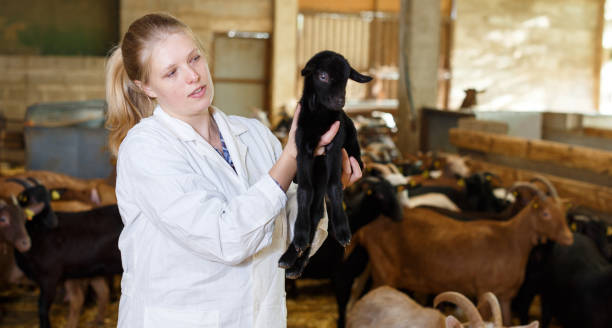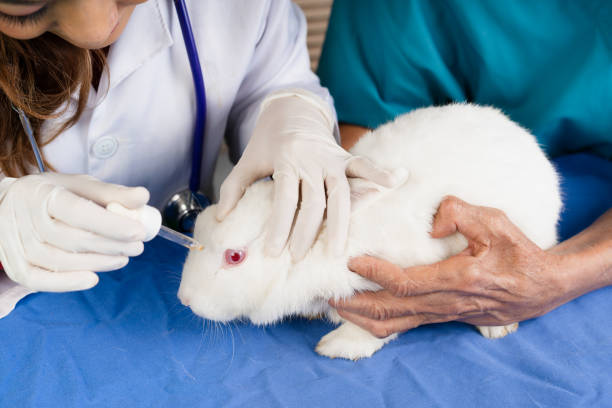
Animal Hospital Administrators are strategic leaders who manage the day-to-day operations of animal healthcare facilities, overseeing staffing, budgeting, facility maintenance, and client relations while ensuring high standards of veterinary care. Their work involves balancing administrative duties with a commitment to animal welfare, addressing challenges such as resource allocation, regulatory adherence, and staff coordination to create a seamless environment for medical services. Operating primarily in office settings within hospitals or clinics, they combine business acumen with an understanding of veterinary needs to enhance operational workflows and patient outcomes. As key contributors to the Veterinary & Fishery Sciences career cluster, Animal Hospital Administrators meet the growing demand for professional management in animal healthcare, driven by rising pet ownership, advanced veterinary treatments, and the need for organized, sustainable facilities.
- Operational Management:
- Oversee daily operations of the animal hospital, ensuring smooth functioning of clinical, administrative, and support services.
- Manage schedules for veterinarians, technicians, and support staff to optimize workflow and minimize patient wait times.
- Financial Oversight:
- Develop and monitor budgets, track expenses, and ensure financial sustainability through effective revenue management and cost control.
- Handle billing, insurance claims, and payment systems, ensuring transparency and accuracy in financial transactions with clients.
- Staff Supervision and Development:
- Recruit, train, and supervise hospital staff, fostering a collaborative and professional work environment focused on animal care.
- Implement staff development programs, performance evaluations, and conflict resolution to maintain high morale and productivity.
- Facility and Equipment Maintenance:
- Ensure the hospital is well-maintained, clean, and equipped with up-to-date medical tools and technology for effective care delivery.
- Coordinate repairs, upgrades, or procurement of veterinary equipment, adhering to safety and quality standards.
- Regulatory and Ethical Compliance:
- Ensure compliance with veterinary laws, animal welfare regulations, and health safety standards at local, state, and national levels.
- Maintain proper documentation for licensing, inspections, and controlled substances used in treatments.
- Client Relations and Community Engagement:
- Address client inquiries, complaints, and feedback, ensuring a positive experience and building long-term trust with pet owners.
- Organize community outreach programs, such as pet health workshops or adoption drives, to promote the hospital’s services and mission.
- Strategic Planning and Growth:
- Develop long-term plans for hospital expansion, service diversification (e.g., emergency care, grooming), or partnerships with other facilities.
- Analyze market trends and client needs to implement marketing strategies that enhance the hospital’s visibility and client base.
- Crisis and Risk Management:
- Prepare contingency plans for emergencies, such as disease outbreaks or natural disasters, ensuring continuity of care for animals.
- Implement risk management protocols to protect staff, patients, and the facility from potential hazards or legal issues.
| Route | Steps |
| Route 1 | 1. 10+2 in any stream (Science with Biology or Business Studies preferred) |
| 2. Bachelor’s Degree in Business Administration, Healthcare Management, or Veterinary Science (3-5.5 years) | |
| 3. Gain experience through internships or administrative roles in veterinary clinics or hospitals | |
| 4. Work as an Animal Hospital Administrator in small to medium veterinary facilities | |
| Route 2 | 1. 10+2 in any stream (Science with Biology or Business Studies preferred) |
| 2. Bachelor’s Degree in Business Administration, Veterinary Science, or Animal Science (3-5.5 years) | |
| 3. Master’s Degree in Business Administration (MBA) with a focus on Healthcare or Hospital Management (2 years) | |
| 4. Build experience in healthcare or veterinary administration through practical roles | |
| 5. Establish as an Animal Hospital Administrator in larger hospitals or chains | |
| Route 3 | 1. 10+2 in any stream (Science with Biology preferred) |
| 2. Bachelor’s Degree in Veterinary Science and Animal Husbandry (BVSc & AH) (5-5.5 years) or related field | |
| 3. Certificate or Diploma in Hospital or Healthcare Management (6 months-1 year) | |
| 4. Gain hands-on experience in veterinary settings with administrative duties | |
| 5. Serve as an Animal Hospital Administrator with a clinical and management focus | |
| Route 4 | 1. 10+2 in any stream |
| 2. On-the-job training in veterinary clinics or hospitals with administrative roles (no formal education required) | |
| 3. Attend short courses or workshops on Veterinary Hospital Management or Business Skills (1-3 months) | |
| 4. Build a career through progressive administrative roles in animal healthcare settings | |
| 5. Work as an Animal Hospital Administrator in smaller clinics or shelters |
- Participation in internships at veterinary clinics or hospitals to gain hands-on experience in administrative tasks like scheduling and billing.
- Involvement in animal shelters or rescue organizations to assist with facility management, staff coordination, and resource allocation under supervision.
- Assisting in private veterinary practices to learn operational workflows, client interactions, and inventory management from experienced administrators.
- Observerships at multi-branch veterinary chains or zoos to understand large-scale facility management and strategic planning in animal care settings.
- Participation in workshops or short-term programs on healthcare administration for skill enhancement and networking with industry professionals.
- Training through collaborative projects like community pet health initiatives to manage logistics, budgets, and outreach for veterinary services.
- Exposure to hospital management software or financial systems by shadowing administrators in busy veterinary facilities to grasp technological needs.
- Project-based learning in specialized areas like emergency facility planning or marketing veterinary services to build focused expertise.
- Community service initiatives with local veterinary bodies to support event organization or free clinics, gaining practical management experience.
- Online tutorials or virtual mentorships for exposure to global veterinary management trends, innovative operational strategies, and leadership skills.
- Bachelor’s in Business Administration (BBA) with a focus on Healthcare Management.
- Bachelor of Veterinary Science and Animal Husbandry (BVSc & AH).
- Master’s in Business Administration (MBA) in Healthcare or Hospital Management.
- Diploma or Certificate in Hospital Administration or Veterinary Management.
- Bachelor’s in Animal Science or related field with administrative electives.
- Specialization in Veterinary Hospital Operations and Management.
- Specialization in Financial Management for Healthcare Facilities.
- Specialization in Human Resources for Veterinary Staff Coordination.
- Workshops on Veterinary Practice Marketing and Client Relations.
- Short Courses in Regulatory Compliance and Animal Welfare Standards for Facilities.
| Institute | Course/Program | Official Link |
| Indian Institute of Management (IIM), Multiple Locations | MBA in Healthcare Management | (example) |
| Symbiosis Institute of Health Sciences (SIHS), Pune | MBA in Hospital & Healthcare Management | https://www.sihspune.org/ |
| Tata Institute of Social Sciences (TISS), Mumbai | MA in Hospital Administration | https://www.tiss.edu/ |
| Indian Veterinary Research Institute (IVRI), Izatnagar | BVSc & AH, Management Short Courses | https://www.ivri.nic.in/ |
| Guru Angad Dev Veterinary and Animal Sciences University (GADVASU), Ludhiana | BVSc & AH, Veterinary Management Courses | https://www.gadvasu.in/ |
| Tamil Nadu Veterinary and Animal Sciences University (TANUVAS), Chennai | BVSc & AH, Administrative Training | https://www.tanuvas.ac.in/ |
| Apollo Institute of Hospital Management and Allied Sciences, Chennai | MBA in Hospital Management | https://www.apollohospitals.com/ |
| Manipal Academy of Higher Education (MAHE), Manipal | MBA in Healthcare Management | https://manipal.edu/ |
| Amity University, Noida | MBA in Hospital Administration | https://www.amity.edu/ |
| National Institute of Health and Family Welfare (NIHFW), Delhi | Diploma in Hospital Management | https://www.nihfw.org/ |
| Institution | Course | Country | Official Link |
| Johns Hopkins University, Bloomberg School of Public Health, Baltimore | MHA (Master of Health Administration) | USA | https://www.jhsph.edu/ |
| Harvard University, School of Public Health, Boston | MPH with Healthcare Management | USA | https://www.hsph.harvard.edu/ |
| University of Birmingham, School of Social Policy, Birmingham | MSc in Health Services Management | UK | https://www.birmingham.ac.uk/ |
| University of Melbourne, School of Population and Global Health, Melbourne | Master of Health Administration | Australia | https://www.unimelb.edu.au/ |
| University of Toronto, Institute of Health Policy, Management and Evaluation, Toronto | MHSc in Health Administration | Canada | https://www.utoronto.ca/ |
| Erasmus University Rotterdam, Institute of Health Policy & Management, Rotterdam | MSc in Health Care Management | Netherlands | https://www.eur.nl/en |
| University of Auckland, Faculty of Medical and Health Sciences, Auckland | Master of Health Leadership | New Zealand | https://www.auckland.ac.nz/ |
| London School of Hygiene & Tropical Medicine, London | MSc in Health Policy, Planning & Financing | UK | https://www.lshtm.ac.uk/ |
| University of Cape Town, School of Public Health, Cape Town | Master of Public Health (Health Systems) | South Africa | https://www.uct.ac.za/ |
| National University of Singapore, Saw Swee Hock School of Public Health, Singapore | Master of Public Health (Management) | Singapore | https://www.nus.edu.sg/ |
India:
- CAT (Common Admission Test): Required for admission to MBA programs in healthcare or hospital management at top institutes like IIMs.
- MAT (Management Aptitude Test): Alternative to CAT for MBA admissions in management institutes across India.
- NEET (National Eligibility cum Entrance Test): Mandatory for admission to BVSc & AH programs at veterinary colleges in India.
- State-Level Entrance Exams: Some states or universities conduct separate exams for management or veterinary undergraduate programs.
- Institute-Specific Tests: Certain universities like TISS or Symbiosis may have their own entrance exams (e.g., TISSNET, SNAP) for management courses.
International:
- GMAT (Graduate Management Admission Test): Required for MBA or MHA programs in healthcare management globally, especially in the USA and Europe.
- GRE (Graduate Record Examination): Sometimes accepted for postgraduate programs in health administration or related fields internationally.
- SAT (Scholastic Assessment Test): Required for undergraduate admissions in the USA and some other countries for pre-veterinary or business programs.
- TOEFL (Test of English as a Foreign Language): Minimum score of 80-100 required for non-native speakers applying to programs in English-speaking countries.
- IELTS (International English Language Testing System): Minimum score of 6.5-7.0 required for admission to universities in the UK, Australia, and other English-speaking regions.
Animal Hospital Administrator → Senior Animal Hospital Administrator → Regional Veterinary Operations Manager → Director of Veterinary Services → Chief Executive Officer (Veterinary Healthcare Network)
- Private veterinary hospitals and clinics for managing operations, staff, and client services focused on companion animal care.
- Animal shelters with medical facilities for overseeing healthcare operations, adoption processes, and resource allocation for rescued animals.
- Multi-branch veterinary chains for coordinating operations, branding, and quality control across multiple locations.
- Zoos and wildlife rehabilitation centers for managing medical facilities and ensuring care for exotic or injured wild animals.
- Research institutions with veterinary units for overseeing animal care operations and compliance with experimental and ethical standards.
- Government veterinary hospitals for managing public animal health services, disease control programs, or livestock care facilities.
- Emergency veterinary centers for leading operations during critical care scenarios and ensuring 24/7 service availability.
- Corporate veterinary service providers for managing large-scale operations, partnerships, and client networks in animal healthcare.
- Non-profit animal welfare organizations for administering medical facilities and community outreach programs for stray or abused animals.
- Educational veterinary facilities for managing teaching hospitals associated with universities, balancing education and clinical service operations.
| India | International |
| Blue Cross of India, Chennai | Banfield Pet Hospital, USA |
| People for Animals (PFA), Multiple Locations | VCA Animal Hospitals, USA |
| Wildlife SOS, Multiple Locations | BluePearl Veterinary Partners, USA |
| Pawsitive Pet Care, Bangalore | VetPartners, UK |
| Happy Paws Veterinary Clinic, Delhi | Greencross Vets, Australia |
| Indian Veterinary Research Institute (IVRI), Izatnagar | MedVet, USA |
| Guru Angad Dev Veterinary and Animal Sciences University (GADVASU), Ludhiana | AniCura, Europe |
| Tamil Nadu Veterinary and Animal Sciences University (TANUVAS), Chennai | PetVet Care Centers, USA |
| Bombay Society for the Prevention of Cruelty to Animals (BSPCA), Mumbai | RSPCA (Royal Society for the Prevention of Cruelty to Animals), UK |
| Animal Husbandry Departments (State Governments), Multiple Locations | Mars Veterinary Health, Global |
| Pros | Cons |
| Opportunity to impact animal healthcare by ensuring efficient operations and high-quality care in veterinary facilities | High stress from managing multiple responsibilities, including staff conflicts, financial pressures, and client complaints |
| Potential for significant influence by shaping policies, improving services, and expanding access to animal medical care | Emotionally challenging when dealing with critical cases or making tough decisions about resource allocation or patient care |
| Rewarding career through creating environments where animals receive optimal treatment and staff thrive professionally | Risk of burnout due to long hours, especially in understaffed facilities or during emergencies requiring immediate oversight |
| Diverse opportunities across private clinics, shelters, zoos, and corporate chains, with potential for regional or national roles | Balancing clinical needs with business goals can lead to ethical dilemmas or dissatisfaction among veterinary staff |
| Growing demand driven by increasing pet ownership, advanced veterinary services, and the need for professional management globally | Regulatory and legal complexities, requiring constant attention to compliance with veterinary laws and safety standards |
- Increasing demand for Animal Hospital Administrators due to the expansion of veterinary services and rising pet ownership worldwide.
- Growing adoption of technology, such as practice management software and telemedicine, requiring administrators to oversee digital integration.
- Advancements in veterinary care complexity, driving the need for skilled administrators to manage specialized services like oncology or surgery.
- Rising focus on client experience, with administrators implementing strategies for better communication, accessibility, and satisfaction in facilities.
- Expansion of multi-branch veterinary chains, creating opportunities for administrators to oversee regional or national operations.
- Development of emergency and 24/7 care centers, necessitating administrators to manage high-pressure, round-the-clock operational demands.
- Heightened emphasis on regulatory compliance and animal welfare, pushing administrators to prioritize ethical standards and legal adherence.
- Enhanced collaboration between Animal Hospital Administrators and corporate entities for streamlined operations and scalable healthcare models.
- Growing need for administrative training, creating opportunities for experienced professionals to mentor or develop management programs.
- Focus on sustainable veterinary practices, with administrators contributing to eco-friendly facility operations and community health initiatives.
(Figures are approximate and based on latest available data as of 2026, subject to change. Salaries vary based on location, experience, specialization, and type of employment.)
| Career Level | India (₹ per annum) | International (USD per annum) |
| Animal Hospital Administrator (Early to Mid-Career) | 5,00,000 - 10,00,000 | 50,000 - 75,000 |
| Senior Animal Hospital Administrator (Mid-Career) | 10,00,000 - 15,00,000 | 75,000 - 100,000 |
| Regional Veterinary Operations Manager (Established) | 15,00,000 - 20,00,000 | 100,000 - 130,000 |
| Director of Veterinary Services | 20,00,000 - 30,00,000 | 130,000 - 160,000 |
| Chief Executive Officer (Veterinary Healthcare Network) | 30,00,000+ | 160,000+ |
- Veterinary Practice Management Software like ezyVet for managing appointments, patient records, and billing processes.
- Financial Management Software like QuickBooks for budgeting, expense tracking, and financial reporting in hospital operations.
- Human Resources Software like BambooHR for staff scheduling, payroll, and performance management in veterinary facilities.
- Client Relationship Management (CRM) Tools like HubSpot for tracking client interactions and improving service satisfaction.
- Inventory Management Software like VetInventory for monitoring medical supplies, medications, and equipment stock levels.
- Telemedicine Platforms like Vetster for facilitating remote consultations and integrating virtual care into hospital services.
- Data Analysis Tools like Tableau for evaluating operational metrics, client trends, and financial performance for strategic decisions.
- Communication Platforms like Slack for coordinating with veterinary teams, staff, and external partners efficiently.
- Marketing Tools like Hootsuite for promoting hospital services, community events, or health campaigns via social media.
- Compliance Software for tracking regulatory requirements, licensing, and safety audits to ensure legal and ethical standards.
- Indian Veterinary Association (IVA), India.
- World Veterinary Association (WVA), Global.
- Veterinary Council of India (VCI), India.
- Veterinary Hospital Managers Association (VHMA), USA.
- British Veterinary Association (BVA), UK.
- Australian Veterinary Association (AVA), Australia.
- Canadian Veterinary Medical Association (CVMA), Canada.
- European Veterinary Federation (FVE), Europe.
- New Zealand Veterinary Association (NZVA), New Zealand.
- International Veterinary Officers Council (IVOC), Global.
- Dr. Sanjay Kumar (India, Contemporary): A respected leader since the 1990s, associated with IVRI, he has managed veterinary facilities and trained administrators in India.
- Meera Gupta (India, Contemporary): A prominent administrator since the 2000s, based in Delhi with Happy Paws, she oversees multi-clinic operations in India.
- Rohan Desai (India, Contemporary): A dedicated professional since the 2010s, affiliated with Pawsitive Pet Care in Bangalore, he focuses on innovative hospital management in India.
- Dr.Priya Sharma (India, Contemporary): A notable figure since the 2000s, working with Blue Cross of India in Chennai, she manages shelter hospitals and community programs.
- Vikrant Mehta (India, Contemporary): A leading administrator since the 1990s, associated with Wildlife SOS in multiple locations, he oversees wildlife medical facilities in India.
- Mark Cushing (USA, Contemporary): A renowned leader since the 1990s, co-founder of the Animal Policy Group, he influences veterinary hospital management and policy in the USA.
- Bash Halow (USA, Contemporary): A prominent Veterinary Hospital Administrator since the 2000s, known for VHMA leadership and consulting on practice management globally.
- Debbie Boone (UK, Contemporary): A leading figure since the 1990s, associated with VetPartners, she shapes veterinary facility management strategies across Europe.
- Dr. Andrew Maccabe (Canada/USA, Contemporary): A notable administrator since the 2000s, CEO of AAVMC, he oversees veterinary education and hospital operations internationally.
- Christine Jenkins (Australia, Contemporary): A distinguished leader since the 2000s, with Greencross Vets, she manages large veterinary networks and innovations in Australia.
- Build a foundation in business management or veterinary science to understand both operational and clinical aspects of animal healthcare facilities.
- Seek early practical experience through internships in veterinary clinics to develop skills in administration, staffing, and client relations.
- Enroll in management or healthcare administration programs to gain professional knowledge of budgeting, operations, and strategic planning.
- Pursue specialized training in veterinary hospital management to address unique challenges and enhance career opportunities in the field.
- Stay updated on industry trends by attending seminars, following veterinary management news, or joining professional administrative communities.
- Develop expertise by assisting in real-world hospital operations or community animal care projects for diverse exposure to facility needs.
- Engage in multi-branch or corporate veterinary settings to apply skills in large-scale management and build a robust professional portfolio.
- Join professional networks like VHMA or IVA for connections, resources, and opportunities to elevate your standing in the industry.
- Cultivate leadership and problem-solving skills to manage staff dynamics and operational crises with confidence and efficiency.
- Explore roles in regional or international veterinary networks to understand varied operational demands across different markets and regions.
- Volunteer at local shelters or clinics to support administrative tasks, gaining experience while contributing to animal welfare initiatives.
- Sharpen financial and technological skills to oversee budgets and implement modern management systems for streamlined operations.
- Participate in continuous learning to master new regulatory standards, digital tools, and leadership strategies in veterinary management.
- Build relationships with veterinarians, staff, and community stakeholders to foster trust and create a collaborative professional environment.
- Maintain dedication to navigate the demanding but impactful landscape of managing animal healthcare facilities.
- Balance business acumen with a passion for animal welfare to adapt to the evolving needs of veterinary service delivery.
Embarking on a career as an Animal Hospital Administrator presents a dynamic and influential opportunity to shape the backbone of animal healthcare, ensuring that facilities operate seamlessly to deliver exceptional care to creatures in need. From steering the operational success of veterinary clinics to fostering environments where medical teams thrive, Animal Hospital Administrators serve as pivotal orchestrators of efficiency and compassion in animal-focused settings. This profession integrates a keen sense of business strategy, a deep appreciation for veterinary services, and an unwavering resolve to enhance animal well-being, unlocking pathways for significant impact in private practices, shelters, and corporate networks. For those driven by the ambition to elevate animal care through adept management, prepared to harness innovative operational tools and leadership approaches, and committed to leaving an enduring imprint on the veterinary healthcare landscape, a career as an Animal Hospital Administrator offers a profoundly satisfying and forward-thinking professional endeavor, carrying the potential to redefine how animal medical services are delivered and valued in the future.