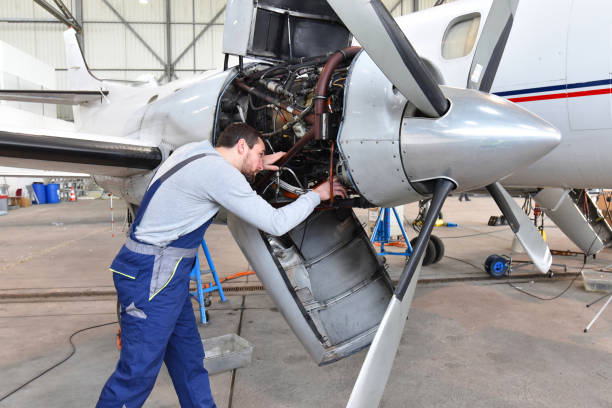
Aerospace Engineer
Junior Aerospace Engineer (Entry to Mid-Level)
Explore Career
An Oceanographer is a scientist who studies the physical, chemical, biological, and geological aspects of the ocean. They analyze ocean currents, marine ecosystems, seabed geology, and the impact of human activities on marine environments. Oceanographers contribute to understanding climate change, marine biodiversity, resource management, and environmental protection.
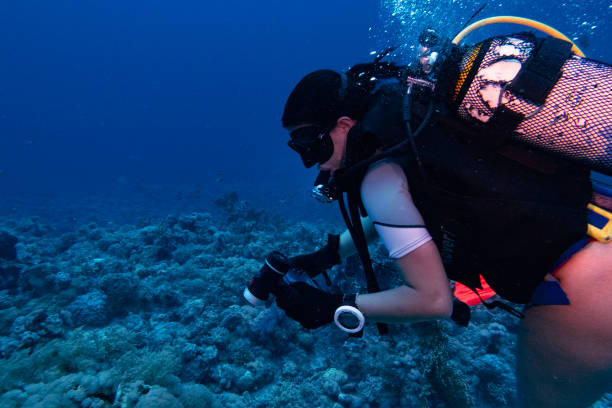
Oceanographers conduct research to explore and understand the ocean’s complex systems. They collect and analyze data from ships, satellites, and underwater instruments to study ocean circulation, marine life, chemical composition, and seabed structures. Their work supports marine conservation, fisheries management, coastal protection, and climate science. Oceanographers collaborate with environmental agencies, academic institutions, and industry to address challenges such as pollution, overfishing, and sea-level rise. Their expertise helps inform policy decisions and sustainable ocean resource use.
| Route | Steps |
|---|---|
| Route 1: Bachelor’s in Oceanography / Marine Science | 1. Complete 10+2 with Physics, Chemistry, and Biology/Mathematics. 2. Pursue a Bachelor’s degree in Oceanography, Marine Science, or related fields. 3. Gain internships or research experience in marine institutes. 4. Pursue higher studies (M.Sc, PhD) for specialized research roles. |
| Route 2: Bachelor’s in Earth Sciences / Environmental Science + Specialization | 1. Complete undergraduate degree in Earth Sciences, Environmental Science, or Geology. 2. Specialize in marine or oceanographic studies through postgraduate programs. 3. Engage in fieldwork and laboratory research. 4. Enter oceanographic research or consultancy roles. |
| Route 3: Bachelor’s in Physics / Chemistry / Biology + Marine Science Training | 1. Obtain a Bachelor’s degree in a fundamental science discipline. 2. Acquire specialized training or certification in marine sciences. 3. Participate in oceanographic expeditions and research projects. 4. Build a career in interdisciplinary oceanography. |
| Route 4: Diploma / Certificate + Practical Experience | 1. Complete diploma or certificate courses in marine technology or oceanography. 2. Gain practical experience through internships or technician roles. 3. Progress to research assistant or junior scientist positions. 4. Pursue further education for advancement. |
| Institute | Course / Program | Official Link |
|---|---|---|
| National Institute of Oceanography (NIO), Goa | M.Sc and PhD in Oceanography | https://www.nio.org/ |
| Indian Institute of Technology (IIT) Madras – Centre for Ocean Research | Ocean Engineering and Science | https://www.iitm.ac.in/ |
| Central Marine Fisheries Research Institute (CMFRI), Kochi | Marine Science and Fisheries | https://www.cmfri.org.in/ |
| Cochin University of Science and Technology (CUSAT) | M.Sc in Marine Biology and Oceanography | https://www.cusat.ac.in/ |
| Andhra University – Department of Marine Sciences | M.Sc and PhD in Marine Sciences | https://www.andhrauniversity.edu.in/ |
| University of Mumbai – Department of Oceanography | M.Sc in Oceanography | https://www.mu.ac.in/ |
| Goa University – Department of Marine Science | M.Sc in Marine Science | https://www.unigoa.ac.in/ |
International
| Institution | Course | Country | Official Link |
|---|---|---|---|
| Woods Hole Oceanographic Institution | Oceanography Research | USA | https://www.whoi.edu/ |
| Scripps Institution of Oceanography | Marine Science Graduate Programs | USA | https://scripps.ucsd.edu/ |
| University of Southampton | Ocean and Earth Science | UK | https://www.southampton.ac.uk/ |
| University of British Columbia | Oceanography and Marine Biology | Canada | https://www.ubc.ca/ |
| University of Tasmania | Marine and Antarctic Studies | Australia | https://www.utas.edu.au/ |
| Dalhousie University | Oceanography and Marine Biology | Canada | https://www.dal.ca/ |
| University of Cape Town | Marine Science | South Africa | https://www.uct.ac.za/ |
| University of Tokyo | Ocean Science and Technology | Japan | https://www.u-tokyo.ac.jp/ |
| University of Auckland | Marine Science | New Zealand | https://www.auckland.ac.nz/ |
| University of Plymouth | Marine Biology and Oceanography | UK | https://www.plymouth.ac.uk/ |
India
International
Undergraduate Student → Graduate Student (M.Sc / M.Tech / PhD) → Research Assistant → Oceanographer → Senior Scientist / Marine Consultant → Project Leader → Academic Professor / Policy Advisor → Senior Researcher / Director of Marine Programs
| India | International |
|---|---|
| National Institute of Oceanography (NIO) | Woods Hole Oceanographic Institution |
| Indian National Centre for Ocean Information Services (INCOIS) | Scripps Institution of Oceanography |
| Ministry of Earth Sciences (MoES) | National Oceanic and Atmospheric Administration (NOAA) |
| Central Marine Fisheries Research Institute (CMFRI) | European Marine Board |
| Indian Space Research Organisation (ISRO) | Marine Conservation Institute |
| Cochin University of Science and Technology (CUSAT) | Ocean Conservancy |
| National Centre for Coastal Research (NCCR) | United Nations Environment Programme (UNEP) |
| Geological Survey of India (Marine Division) | International Oceanographic Commission (IOC) |
| Ministry of Environment, Forest and Climate Change | Greenpeace Marine Program |
| Tata Institute of Fundamental Research (TIFR) | The Ocean Cleanup |
| Pros | Cons |
|---|---|
| Opportunity to explore and understand vital marine ecosystems | Fieldwork can be physically demanding and weather-dependent |
| Contribution to environmental conservation and climate science | Work may involve long periods away from home on research vessels |
| Interdisciplinary and intellectually stimulating work | Funding for research projects can be competitive and limited |
| Use of advanced technology and innovative research methods | Requires strong adaptability to varied and sometimes harsh environments |
| Opportunities for international collaboration and travel | Data collection and analysis can be time-consuming and complex |
| Growing global importance due to climate change and marine sustainability | Academic and research positions may require advanced degrees and long training |
| Career Level | India (₹ per annum) | International (US$ per annum) |
|---|---|---|
| Entry-Level Oceanographer / Research Assistant | 3,00,000 - 6,00,000 | $50,000 - $70,000 |
| Mid-Level Oceanographer / Scientist | 6,00,000 - 12,00,000 | $70,000 - $100,000 |
| Senior Scientist / Project Leader | 12,00,000 - 25,00,000 | $100,000 - $140,000 |
| Principal Scientist / Director | 25,00,000+ | $140,000+ |
A career as an Oceanographer offers the opportunity to explore and understand the vast and dynamic marine environment, contributing to science, conservation, and sustainable use of ocean resources. It combines field research, laboratory analysis, and advanced technology to address some of the most pressing environmental challenges of our time. For those passionate about the ocean and environmental science, oceanography provides a rewarding, diverse, and impactful career path with global relevance.
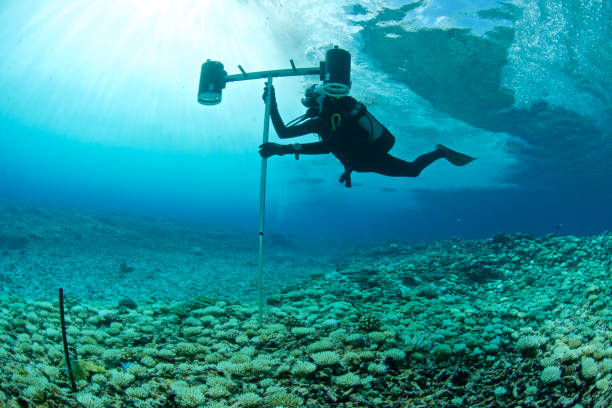
Physical Oceanographers specialize in studying the physical properties and dynamic processes of the ocean. Their work involves analyzing ocean...
0.0LPA

Chemical Oceanographers focus on the chemical composition and processes within the ocean. They study the cycles of nutrients, gases (like carbon...
0.0LPA
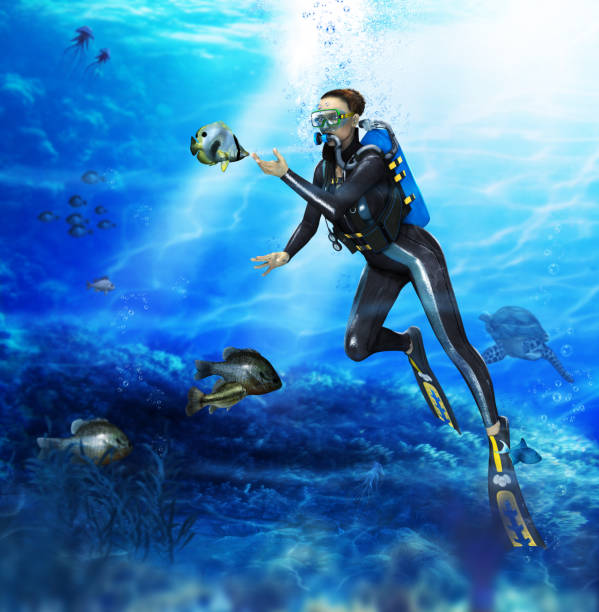
Biological Oceanographers investigate marine life and ecosystems, from microscopic plankton to large marine mammals. They study species...
0.0LPA
Take the next step and explore more about Oceanographer.
Explore similar career paths that might interest you