Aerospace Engineer
Junior Aerospace Engineer (Entry to Mid-Level)
Explore Career
Meteorology is a critical and scientifically advanced field within the Engineering and Technology career cluster that focuses on the study of atmospheric phenomena, weather patterns, and climate systems using technological tools and data analysis to predict and mitigate environmental impacts. In India, Meteorology is an essential career path, driven by the country’s vulnerability to extreme weather events, agricultural dependence on seasonal forecasts, and growing need for climate adaptation strategies. With advancements in satellite technology, numerical weather modeling, and big data analytics, this career plays a pivotal role in disaster preparedness and resource management. Meteorologists are vital for providing accurate weather forecasts, studying climate change, and supporting sectors like agriculture, aviation, and disaster response. This profession contributes to industry progress through trends like AI-driven forecasting, remote sensing innovations, and climate resilience planning.
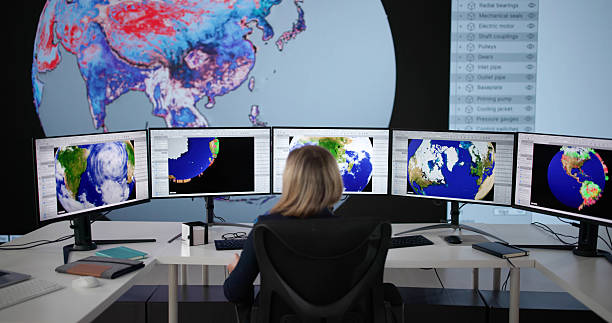
Meteorologists work in diverse settings such as government weather agencies, research institutions, private forecasting firms, or media organizations, often collaborating with environmental scientists, data analysts, hydrologists, and emergency response teams. Their responsibilities include analyzing atmospheric data, predicting weather events, and issuing warnings for natural disasters like cyclones or floods. They face challenges like addressing India’s complex monsoon systems, improving prediction accuracy with limited real-time data, and communicating risks under time constraints. By applying expertise in atmospheric physics, computer modelling, and remote sensing, they safeguard lives and livelihoods. As key contributors to India’s environmental and technology sectors, they drive advancements through trends like high-resolution weather modelling, climate impact assessments, and real-time disaster alerts.
| Route | Steps |
| Route 1: Bachelor’s in Meteorology or Related Fields - Direct Entry | 1. Complete 10+2 in Science stream (Physics, Chemistry, Mathematics) with minimum 60% marks. 2. Pursue B.Sc. in Meteorology or related fields like Physics (3 years) via university admissions. 3. Gain experience in weather agencies or research through entry roles. 4. Progress to Meteorologist with skills or higher studies. |
| Route 2: Bachelor’s to Master’s Pathway | 1. Complete 10+2 and enroll in B.Sc. in Meteorology or related fields. 2. Pursue M.Sc. in Meteorology or Atmospheric Sciences via entrance exams. 3. Build expertise through advanced research or projects. 4. Join specialized roles in forecasting or R&D with advanced qualifications. |
| Route 3: Master’s to Ph.D. Specialization | 1. Complete Bachelor’s and Master’s in Meteorology or Atmospheric Sciences. 2. Pursue Ph.D. in Meteorology via entrance exams like UGC-NET or CSIR-NET. 3. Conduct research on weather systems or climate change. 4. Join senior roles in academia, R&D, or leading organizations. |
| Route 4: International Education Path | 1. Complete 10+2 and clear relevant entrance exams or language tests (e.g., IELTS, TOEFL). 2. Pursue degrees in Meteorology from international universities (e.g., USA, UK). 3. Gain global exposure through international projects or internships. 4. Return to India or work internationally in meteorology roles. |
| Route 5: Engineering to Meteorology Pathway | 1. Complete 10+2 and enroll in B.Tech in related fields like Environmental Engineering. 2. Pursue M.Sc. or certifications in Meteorology or Atmospheric Sciences. 3. Work in technical roles for weather data analysis. 4. Build expertise to transition into meteorologist positions with experience. |
| Institute | Course/Program | Official Link |
| Indian Institute of Tropical Meteorology (IITM), Pune | M.Sc./Ph.D. in Atmospheric Sciences | https://www.tropmet.res.in/ |
| University of Pune (Savitribai Phule Pune University), Pune | M.Sc. in Atmospheric Sciences | https://www.unipune.ac.in/ |
| Andhra University, Visakhapatnam | M.Sc. in Meteorology | https://www.andhrauniversity.edu.in/ |
| Cochin University of Science and Technology (CUSAT), Kochi | M.Sc. in Meteorology | https://www.cusat.ac.in/ |
| University of Calcutta, Kolkata | M.Sc. in Atmospheric Science | https://www.caluniv.ac.in/ |
| Banaras Hindu University (BHU), Varanasi | M.Sc. in Environmental Science with Meteorology focus | https://www.bhu.ac.in/ |
| University of Delhi, Delhi | M.Sc. in Environmental Studies with Meteorology | https://www.du.ac.in/ |
| Anna University, Chennai | M.Sc. in Environmental Science with Meteorology | https://www.annauniv.edu/ |
| Jadavpur University, Kolkata | M.Sc. in Environmental Science with Meteorology focus | https://www.jaduniv.edu.in/ |
| Shivaji University, Kolhapur | M.Sc. in Environmental Science with Meteorology | https://www.unishivaji.ac.in/ |
| Institution | Course | Country | Official Link |
| University of Oklahoma, Norman | B.S./M.S./Ph.D. in Meteorology | USA | https://www.ou.edu/ |
| University of Reading, Reading | B.Sc./M.Sc./Ph.D. in Meteorology | UK | https://www.reading.ac.uk/ |
| Pennsylvania State University, University Park | B.S./M.S./Ph.D. in Meteorology | USA | https://www.psu.edu/ |
| University of Melbourne, Melbourne | B.Sc./M.Sc./Ph.D. in Atmospheric Science | Australia | https://www.unimelb.edu.au/ |
| University of British Columbia, Vancouver | B.Sc./M.Sc./Ph.D. in Atmospheric Science | Canada | https://www.ubc.ca/ |
| ETH Zurich, Zurich | B.Sc./M.Sc./Ph.D. in Atmospheric and Climate Science | Switzerland | https://www.ethz.ch/ |
| National University of Singapore (NUS), Singapore | B.Sc./M.Sc./Ph.D. in Environmental Science with Meteorology | Singapore | https://www.nus.edu.sg/ |
| University of Tokyo, Tokyo | B.Sc./M.Sc./Ph.D. in Atmospheric Science | Japan | https://www.u-tokyo.ac.jp/ |
| University of Manchester, Manchester | B.Sc./M.Sc./Ph.D. in Earth and Environmental Sciences | UK | https://www.manchester.ac.uk/ |
| Stockholm University, Stockholm | B.Sc./M.Sc./Ph.D. in Atmospheric Science | Sweden | https://www.su.se/ |
India:
International (for Relevant Studies or Exposure):
Meteorologist → Senior Meteorologist → Chief Meteorologist → Director of Meteorological Services → Climate Research Director
| Indian Organizations | International Organizations |
| India Meteorological Department (IMD), Delhi | National Oceanic and Atmospheric Administration (NOAA), USA |
| Indian Institute of Tropical Meteorology (IITM), Pune | World Meteorological Organization (WMO), Switzerland |
| National Centre for Medium Range Weather Forecasting (NCMRWF), Noida | European Centre for Medium-Range Weather Forecasts (ECMWF), UK |
| Indian Space Research Organisation (ISRO), Bangalore | Met Office, UK |
| Ministry of Earth Sciences (MoES), Delhi | Japan Meteorological Agency (JMA), Japan |
| National Disaster Management Authority (NDMA), Delhi | Australian Bureau of Meteorology (BoM), Australia |
| Indian National Centre for Ocean Information Services (INCOIS), Hyderabad | Environment and Climate Change Canada, Canada |
| Central Water Commission (CWC), Delhi | Deutscher Wetterdienst (DWD), Germany |
| Agricultural Meteorology Division (IMD), Pune | Météo-France, France |
| Space Applications Centre (SAC), Ahmedabad | National Weather Service (NWS), USA |
| Pros | Cons |
| High impact through protecting lives and property with accurate forecasts | High pressure due to the critical nature of timely and accurate predictions |
| Opportunity to work on vital issues like climate change and disaster preparedness | Long hours during severe weather events or emergency response situations |
| Key role in supporting agriculture, aviation, and public safety globally | Challenges in predicting complex weather systems with limited data accuracy |
| Growing demand in India’s focus on climate adaptation and monsoon forecasting | Stress from public scrutiny and accountability during forecast inaccuracies |
| Potential for recognition through life-saving warnings or climate research | Need for continuous learning to adapt to rapidly evolving forecasting tech |
| Career Level (Private/Public Sector Example) | India (₹ per annum) | International (USD per annum, Tentative) |
| Meteorologist (Entry to Mid-Level) | 3,00,000 - 6,00,000 | 30,000 - 50,000 |
| Senior Meteorologist (Mid-Level) | 6,00,000 - 10,00,000 | 50,000 - 75,000 |
| Chief Meteorologist (Senior Level) | 10,00,000 - 18,00,000 | 75,000 - 100,000 |
| Director of Meteorological Services (Top Tier) | 18,00,000 - 30,00,000 | 100,000 - 130,000 |
| Climate Research Director (Elite Level) | 30,00,000 - 45,00,000+ | 130,000 - 160,000+ |
| Broadcast Meteorologist (Specialized Role) | 4,00,000 - 8,00,000 | 35,000 - 60,000 |
| Aviation Meteorologist (Specialized Role) | 5,00,000 - 9,00,000 | 40,000 - 65,000 |
| Climate Scientist (Specialized Role) | 5,50,000 - 10,00,000 | 45,000 - 70,000 |
Note: Salaries are indicative and vary based on location (metro vs. non-metro for India; country/region for international roles), organization type, and specialization. Figures for India are updated estimates based on industry trends as of 2025, reflecting market growth, demand for meteorological expertise, and data from sources like Glassdoor and industry reports. International figures are approximate averages based on global meteorology trends in countries like the USA, UK, or Australia, sourced from recent job portals and market analyses.
A career in Meteorology offers a remarkable chance to decode the language of the skies by harnessing scientific precision and cutting-edge technology, safeguarding societies through vital weather predictions and climate insights, and fostering a safer world with every forecast delivered. Meteorologists emerge as the vigilant sentinels of India’s atmospheric frontier, utilizing their analytical expertise and dedication to anticipate nature’s patterns and mitigate its extremes for the greater good. This field merges rigorous data science with a commitment to public welfare, unlocking opportunities in forecasting, climate research, disaster management, and sectoral support like aviation or agriculture. For those captivated by the dynamic interplay of weather and climate through scientific inquiry, motivated by the potential to protect lives and resources with timely alerts, and prepared to confront the intense demands of atmospheric analysis and emergency response, a career as a Meteorologist provides a profoundly meaningful odyssey. It enables individuals to address critical environmental uncertainties, strengthen community resilience, and contribute to global sustainability through the extraordinary impact of meteorological expertise.
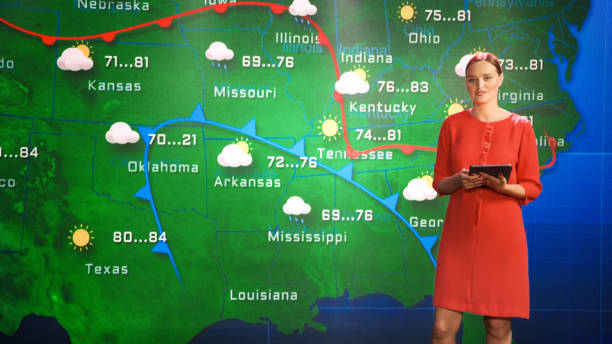
Meteorologists analyze weather data and issue forecasts for public or specific sectors in cities like Pune or Delhi. They work in weather stations...
0.0LPA
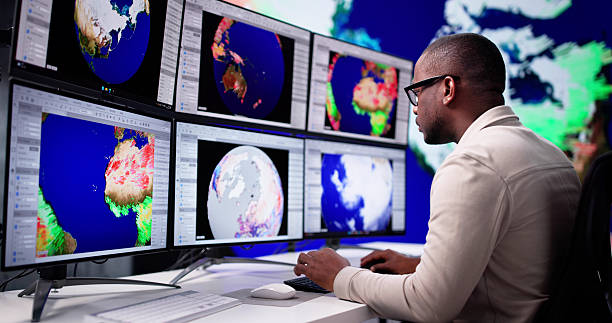
Senior Meteorologists lead forecasting teams and develop advanced models in hubs like Mumbai or Chennai, mentoring junior staff. They handle...
0.0LPA
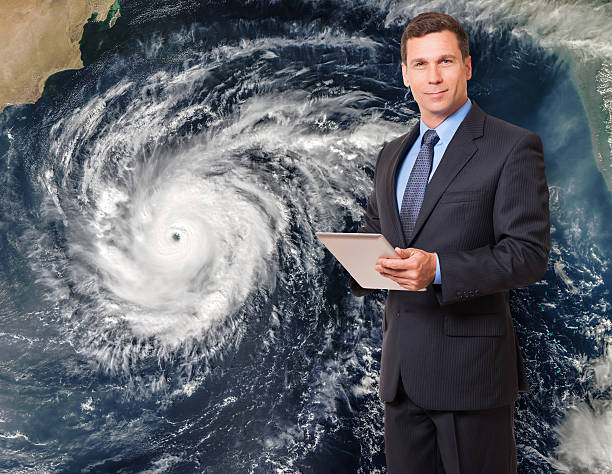
Chief Meteorologists oversee meteorological operations in major centers like Kolkata or Hyderabad, managing teams and public communications. They...
0.0LPA
Take the next step and explore more about Meteorologist.
Explore similar career paths that might interest you