Forest Conservation Specialist

A Forest Conservation Specialist is a professional dedicated to protecting and preserving forest ecosystems, biodiversity, and natural resources through research, management, and advocacy to ensure sustainable forestry and ecological balance. They work in government agencies, forest departments, non-profit organizations, research institutions, and environmental consultancies, collaborating with ecologists, policymakers, and local communities. Forest Conservation Specialists play a critical role in combating deforestation, promoting reforestation, and addressing climate change impacts in a world increasingly focused on sustainable land use, carbon sequestration, and biodiversity preservation.
Share :
✨ Radial Mind Map - Forest Conservation Specialist
Nodes arranged in concentric circles

Loading radial mind map...

Overview

A Forest Conservation Specialist is a professional dedicated to protecting and preserving forest ecosystems, biodiversity, and natural resources through research, management, and advocacy to ensure sustainable forestry and ecological balance. They work in government agencies, forest departments, non-profit organizations, research institutions, and environmental consultancies, collaborating with ecologists, policymakers, and local communities. Forest Conservation Specialists play a critical role in combating deforestation, promoting reforestation, and addressing climate change impacts in a world increasingly focused on sustainable land use, carbon sequestration, and biodiversity preservation.

Forest Conservation Specialists are experts in forestry and environmental science, responsible for monitoring forest health, managing natural resources, and implementing conservation programs to protect forest ecosystems from degradation. Their role involves conducting field surveys, developing sustainable forest management plans, and advocating for protective policies, often working in diverse settings such as dense forests, national parks, or conservation offices. They combine expertise in ecology, silviculture, and community engagement to address issues like illegal logging, forest fires, and habitat loss. As key contributors to environmental sustainability, they help maintain forest ecosystem health in an era prioritizing green initiatives, climate resilience, and global conservation efforts.

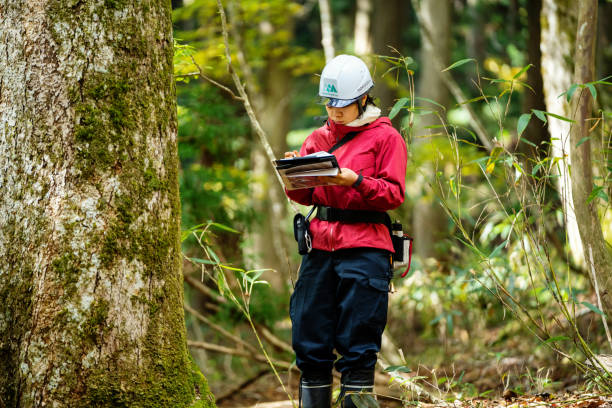
Roles and Responsibilities

💼
Forest Conservation Specialist
Roles and Responsibilities
Forest Health Monitoring
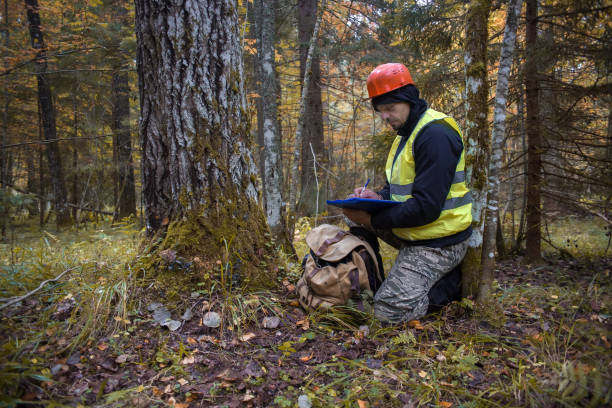
Conduct field surveys to assess forest conditions, biodiversity, and tree health.
Use technologies like remote sensing and GIS to monitor deforestation and forest cover changes.
Habitat Protection and Restoration
Evaluate forest habitats to identify threats such as logging, encroachment, or invasive species.
Implement restoration projects like afforestation, reforestation, and soil conservation to revive degraded areas.
Conservation Strategy Development
Design and execute conservation plans for forest ecosystems, including wildlife corridors and protected areas.
Develop strategies to mitigate human-forest conflicts in fringe areas.
Policy Advocacy and Compliance
Advocate for forest protection legislation and sustainable forestry policies.
Ensure compliance with national and international forest conservation laws like the Forest Conservation Act in India.
Community Engagement and Education
Work with local communities to promote sustainable forest use and reduce dependence on destructive practices.
Educate the public and stakeholders on the importance of forests through outreach programs.
Research and Data Analysis
Analyze data on forest trends to predict future conservation needs and assess intervention impacts.
Publish research findings to contribute to global forestry knowledge.
Forest Fire and Disaster Management
Collaborate with authorities to prevent and manage forest fires through early warning systems and response plans.
Address natural disasters like landslides affecting forest areas through mitigation measures.
Sustainable Resource Management
Support sustainable timber and non-timber forest product harvesting to balance economic and ecological needs.
Monitor and regulate forest resource extraction to prevent overexploitation.

Roles and Responsibilities

  • Forest Health Monitoring
    • Conduct field surveys to assess forest conditions, biodiversity, and tree health.
    • Use technologies like remote sensing and GIS to monitor deforestation and forest cover changes.
  • Habitat Protection and Restoration
    • Evaluate forest habitats to identify threats such as logging, encroachment, or invasive species.
    • Implement restoration projects like afforestation, reforestation, and soil conservation to revive degraded areas.
  • Conservation Strategy Development
    • Design and execute conservation plans for forest ecosystems, including wildlife corridors and protected areas.
    • Develop strategies to mitigate human-forest conflicts in fringe areas.
  • Policy Advocacy and Compliance
    • Advocate for forest protection legislation and sustainable forestry policies.
    • Ensure compliance with national and international forest conservation laws like the Forest Conservation Act in India.
  • Community Engagement and Education
    • Work with local communities to promote sustainable forest use and reduce dependence on destructive practices.
    • Educate the public and stakeholders on the importance of forests through outreach programs.
  • Research and Data Analysis
    • Analyze data on forest trends to predict future conservation needs and assess intervention impacts.
    • Publish research findings to contribute to global forestry knowledge.
  • Forest Fire and Disaster Management
    • Collaborate with authorities to prevent and manage forest fires through early warning systems and response plans.
    • Address natural disasters like landslides affecting forest areas through mitigation measures.
  • Sustainable Resource Management
    • Support sustainable timber and non-timber forest product harvesting to balance economic and ecological needs.
    • Monitor and regulate forest resource extraction to prevent overexploitation.


Study Route & Eligibility Criteria

Study Route & Eligibility Criteria
Forest Conservation Specialist
Route 1
🎓
1
10+2 with Physics, Chemistry, Biology or Mathematics .
🏛️
2
Bachelor’s degree in Forestry, Environmental Science, or Botany .
3-4 years
💼
3
Gain practical experience through internships or field training in forest conservation organizations .
3-6 months
💼
4
Pursue entry-level roles like Forest Survey Assistant or Field Technician .
1-2 years
Route 2
🎓
1
10+2 with PCB or PCM.
🏛️
2
Bachelor’s degree in Environmental Studies, Agriculture, or Ecology .
3-4 years
🏛️
3
Master’s degree in Forestry, Forest Management, or Environmental Science .
💼
4
Work in forest monitoring or restoration roles to gain experience .
1-2 years
🌍
5
Transition to Forest Conservation Specialist roles with enhanced skills and knowledge.
Route 3
🎓
1
10+2 with PCB or PCM.
🏛️
2
Bachelor’s degree in Forestry, Environmental Science, or related field .
3-4 years
🌍
3
Pursue professional certifications like Certified Forester or Forest Conservation Specialist .
1-2 years
💼
4
Gain hands-on experience through roles in forest surveys or reserve management .
1-2 years
🌍
5
Establish a career as a Forest Conservation Specialist in government agencies or NGOs.
Route 4
🎓
1
10+2 with PCB or PCM.
🏛️
2
Bachelor’s degree from India in Forestry, Environmental Science, or related field .
3-4 years
🏛️
3
Pursue international forestry certifications or advanced degrees abroad .
1-2 years
🌍
4
Gain exposure through roles in global forest conservation projects or international organizations .
1-2 years
💼
5
Work as a Forest Conservation Specialist in international markets or global NGOs.
🎯 Forest Conservation Specialist - Professional

Significant Observations (Academic Related Points)

💡
Forest Conservation Specialist
Academic Related Points
1
Scientific Foundation
Strong knowledge of forestry, ecology, and environmental science is essential for understanding forest ecosystems.
2
Fieldwork Skills
Practical training in forest surveys and habitat management builds core competencies in conservation.
3
Specialized Certifications
Credentials in forestry or sustainable resource management enhance professional credibility.
4
Research Expertise
Proficiency in data collection and analysis tools is crucial for studying forest trends.
5
Policy Knowledge
Familiarity with forest protection laws and international agreements ensures effective advocacy.
6
Certification Relevance
Some positions may mandate specific certifications from recognized forestry bodies.
7
Continuous Learning
Regular training is needed to keep up with evolving forest conservation techniques and threats.
8
Global Awareness
Understanding international forestry protocols opens opportunities for cross-border projects.
9
Precision Focus
Attention to detail is vital for accurate forest health assessments and resource evaluations.
10
Entrance Exam Preparation
Admission to certain programs may require clearing competitive entrance tests.
11
International Standards
For global roles, qualifications or certifications from international forestry organizations may be required.

Internships & Practical Exposure

💼
Forest Conservation Specialist
Internships & Practical Experience
1
Mandatory field training during degree programs in forest reserves or national parks.
2
Rotations in forest conservation NGOs for hands-on experience in tree planting and habitat monitoring.
3
Internships under senior forest conservationists for exposure to real-time forest management and fire prevention projects.
4
Observerships in government forest departments for insights into policy enforcement and anti-deforestation measures.
5
Participation in forest census and biodiversity assessments for practical skill development.
6
Training in silvicultural techniques through real-world field engagements.
7
Exposure to tools like GIS mapping, remote sensing, and dendrometers during internships.
8
Field projects on forest restoration or human-forest conflict mitigation during training.
9
Community outreach programs to educate locals on sustainable forestry and conservation practices.
10
International forest conservation attachments for global exposure to diverse forest ecosystems and strategies.

Courses & Specializations to Enter the Field

📚
Forest Conservation Specialist
Courses & Specializations
📖
Certificate in Forest Conservation and Management
📖
Bachelor’s in Forestry, Environmental Science, or Botany
📖
Master’s in Forest Management, Environmental Science, or Silviculture
📖
Ph.D. in Forest Ecology or Conservation Science
📖
Specialization in Forest Restoration and Afforestation
📖
Certification in Sustainable Forest Management
📖
Workshops on Forest Fire Prevention and Control
📖
Training in Community-Based Forest Conservation
📖
Specialization in Non-Timber Forest Products Management
📖
Certification in Forest Biodiversity Assessment

Prominent Employers

🏢
Forest Conservation Specialist
🌟 Top Companies & Organizations
🇮🇳 India
🏛️
Ministry of Environment, Forest and Climate Change (MoEFCC)
🏛️
Forest Survey of India (FSI)
🏛️
Indian Forest Service (IFS)
🏛️
Forest Research Institute (FRI), Dehradun
🏛️
National Afforestation and Eco-Development Board (NAEB)
🏛️
WWF-India (Forest Program)
🏛️
Wildlife Trust of India (WTI) - Forest Division
🏛️
Indian Institute of Forest Management (IIFM), Bhopal
🏛️
Centre for Science and Environment (CSE), New Delhi
🏛️
State Forest Departments (e.g., Uttarakhand, Madhya Pradesh)
🌍 International
🌐
World Wildlife Fund (WWF), Global
🌐
International Union for Conservation of Nature (IUCN), Global
🌐
Rainforest Foundation, Global
🌐
Forest Stewardship Council (FSC), Global
🌐
Conservation International, USA
🌐
Greenpeace International, Global
🌐
World Resources Institute (WRI), Global
🌐
The Nature Conservancy, USA
🌐
Rainforest Alliance, USA
🌐
Global Forest Watch, Global

Advice for Aspiring Forest Conservation Specialists

💡
Forest Conservation Specialist
🌟 Tips for Students & Parents
1
Build a strong foundation in forestry, ecology, and environmental science to understand forest ecosystems.
2
Seek early exposure to forest fieldwork or reserve volunteering through internships to confirm interest in the field.
3
Prepare thoroughly for entrance exams or certification requirements specific to your chosen program or region.
4
Pursue certifications in sustainable forestry, forest management, or conservation techniques to gain expertise.
5
Stay updated on advancements in forest protection strategies by attending industry conferences and workshops.
6
Develop hands-on skills in forest surveys, habitat assessment, and data collection through practical training.
7
Engage in forest conservation research or on-ground protection projects to build real-world experience.
8
Join professional associations like the Indian Council of Forestry Research and Education (ICFRE) for networking and resources.
9
Work on precision and strategic planning to ensure accurate forest assessments and sustainable management practices.
10
Explore international forest conservation projects for exposure to diverse forest ecosystems and global challenges.
11
Volunteer in community forest protection or awareness programs to understand local conservation needs.
12
Cultivate adaptability to handle physical and logistical challenges in diverse forest settings.
13
Attend continuing education programs to stay abreast of evolving forest threats and solutions.
14
Build a network with forestry experts, policymakers, and community leaders for collaborative efforts.
15
Develop resilience to manage the physical and emotional pressures of forest conservation work.
16
Balance scientific skills with community engagement to adapt to rapid changes in forest conservation priorities.
🎓 Final Message
A career as a Forest Conservation Specialist offers a unique opportunity to contribute to environmental protection and global sustainability by safeguarding forest ecosystems and their biodiversity across various landscapes. From monitoring forest health to shaping protective forestry policies, Forest Conservation Specialists play a pivotal role in modern environmental stewardship and ecological balance. This field combines scientific research, fieldwork dedication, and a commitment to ecological and societal well-being, offering diverse paths in research, policy, and on-ground conservation. For those passionate about protecting forests, adapting to global environmental challenges, and addressing critical conservation needs in an era of increasing ecological urgency, a career as a Forest Conservation Specialist provides an intellectually stimulating and professionally rewarding journey with the potential to make significant contributions to society by enhancing ecosystem health and forest sustainability worldwide.
Knowledge & Skills You Will Learn
1
Technological Integration: Adoption of drones, AI, and satellite imagery for forest monitoring and illegal logging prevention, creating new skill demands.
2
Skill Development Needs: Demand for training in advanced monitoring technologies and interdisciplinary forest management approaches.
Forest Survey Assistant

Forest Survey Assistant

Entry-level professionals assist in field surveys, data collection on forest cover, and biodiversity assessments under supervision in...

0.0LPA
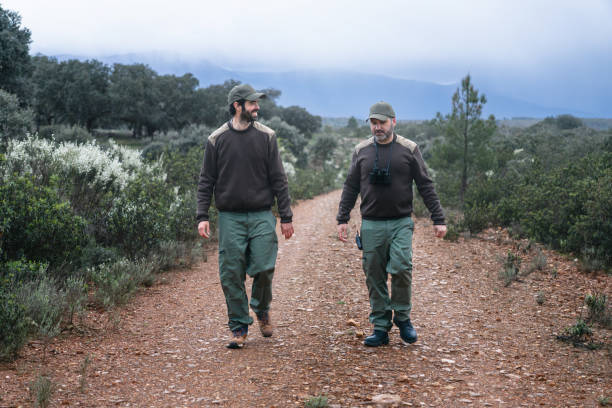
Forest Conservation Officer

Forest Conservation Officer

Mid-level specialists oversee conservation activities, including reforestation and habitat protection, in entities like the Indian Forest Service...

0.0LPA
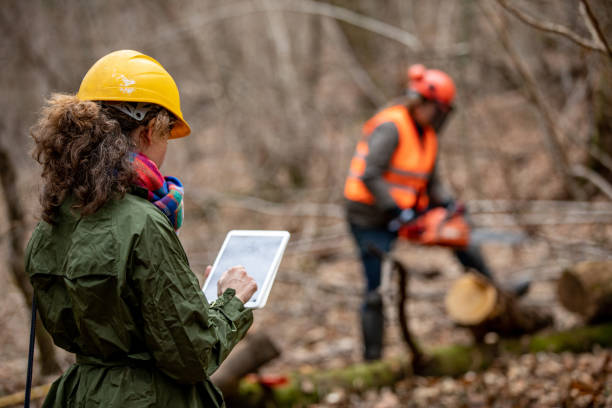
Forest Project Coordinator

Forest Project Coordinator

Professionals manage specific conservation projects, such as afforestation drives or forest fire prevention, for organizations like the National...

0.0LPA

Interested in this career?

Take the next step and explore more about Forest Conservation Specialist.