Food Production Manager

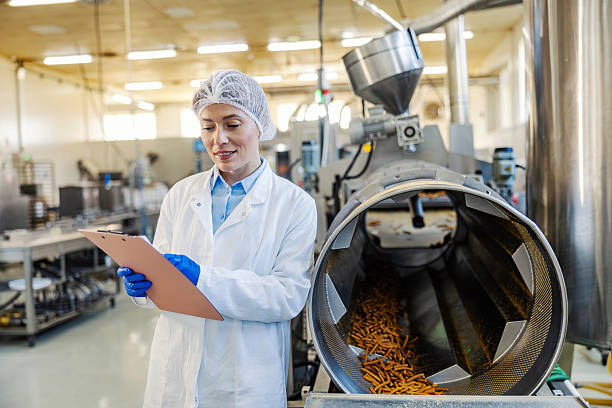
A Food Production Manager is a professional dedicated to overseeing the production processes in food manufacturing or processing facilities, ensuring efficiency, quality, and safety of food products while meeting regulatory and consumer standards. They work in food processing industries, agricultural cooperatives, catering services, and multinational food corporations, collaborating with quality control teams, supply chain managers, and regulatory bodies. Food Production Managers play a critical role in maintaining food supply chains, optimizing production, and ensuring product consistency in a world increasingly focused on food security, sustainability, and consumer satisfaction.
Share :
✨ Radial Mind Map - Food Production Manager
Nodes arranged in concentric circles

Loading radial mind map...

Overview

A Food Production Manager is a professional dedicated to overseeing the production processes in food manufacturing or processing facilities, ensuring efficiency, quality, and safety of food products while meeting regulatory and consumer standards. They work in food processing industries, agricultural cooperatives, catering services, and multinational food corporations, collaborating with quality control teams, supply chain managers, and regulatory bodies. Food Production Managers play a critical role in maintaining food supply chains, optimizing production, and ensuring product consistency in a world increasingly focused on food security, sustainability, and consumer satisfaction.

Food Production Managers are experts in food technology and operations management, responsible for planning, coordinating, and supervising the production of food products to ensure they meet quality, safety, and efficiency standards. Their role involves managing production schedules, overseeing staff, and implementing process improvements, often working in diverse settings such as food processing plants, bakeries, dairy units, or corporate offices. They combine expertise in food science, industrial processes, and regulatory compliance to address issues like production delays, quality deviations, and resource wastage. As key contributors to the food industry, they help ensure consistent food supply in an era prioritizing scalability, safety, and sustainable production practices.

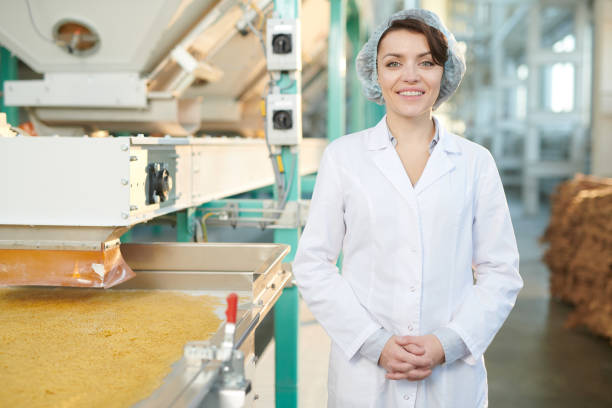
Roles and Responsibilities

💼
Food Production Manager
Roles and Responsibilities
Production Planning and Scheduling
Develop production schedules to meet demand while optimizing resource use and minimizing downtime.
Plan raw material procurement and inventory levels to ensure uninterrupted production.
Quality Control Oversight
Monitor production processes to ensure food products meet quality, safety, and consistency standards.
Collaborate with quality assurance teams to implement and maintain quality control protocols.
Staff Management and Training
Supervise production staff, assign tasks, and ensure adherence to safety and hygiene protocols.
Train employees on equipment operation, safety standards, and production techniques.
Process Optimization
Identify inefficiencies in production processes and implement improvements to enhance productivity.
Introduce automation or technology to streamline operations and reduce costs.
Regulatory Compliance
Ensure production processes comply with national and international food safety regulations, such as FSSAI standards in India.
Prepare for and manage audits by regulatory bodies or certification agencies.
Budget and Cost Management
Manage production budgets, control operational costs, and reduce wastage without compromising quality.
Negotiate with suppliers for cost-effective raw material procurement.
Equipment and Facility Maintenance
Oversee maintenance of production equipment to prevent breakdowns and ensure operational safety.
Ensure cleanliness and hygiene of production facilities to meet sanitation standards.
Supply Chain Coordination
Coordinate with suppliers, logistics teams, and distributors to ensure timely delivery of raw materials and finished products.
Address supply chain disruptions to maintain production continuity.

Roles and Responsibilities

  • Production Planning and Scheduling
    • Develop production schedules to meet demand while optimizing resource use and minimizing downtime.
    • Plan raw material procurement and inventory levels to ensure uninterrupted production.
  • Quality Control Oversight
    • Monitor production processes to ensure food products meet quality, safety, and consistency standards.
    • Collaborate with quality assurance teams to implement and maintain quality control protocols.
  • Staff Management and Training
    • Supervise production staff, assign tasks, and ensure adherence to safety and hygiene protocols.
    • Train employees on equipment operation, safety standards, and production techniques.
  • Process Optimization
    • Identify inefficiencies in production processes and implement improvements to enhance productivity.
    • Introduce automation or technology to streamline operations and reduce costs.
  • Regulatory Compliance
    • Ensure production processes comply with national and international food safety regulations, such as FSSAI standards in India.
    • Prepare for and manage audits by regulatory bodies or certification agencies.
  • Budget and Cost Management
    • Manage production budgets, control operational costs, and reduce wastage without compromising quality.
    • Negotiate with suppliers for cost-effective raw material procurement.
  • Equipment and Facility Maintenance
    • Oversee maintenance of production equipment to prevent breakdowns and ensure operational safety.
    • Ensure cleanliness and hygiene of production facilities to meet sanitation standards.
  • Supply Chain Coordination
    • Coordinate with suppliers, logistics teams, and distributors to ensure timely delivery of raw materials and finished products.
    • Address supply chain disruptions to maintain production continuity.


Study Route & Eligibility Criteria

Study Route & Eligibility Criteria
Food Production Manager
Route 1
🎓
1
10+2 with Physics, Chemistry, Biology or Mathematics .
🏛️
2
Bachelor’s degree in Food Technology, Food Science, or Industrial Engineering .
3-4 years
💼
3
Gain practical experience through internships or training in food production facilities .
3-6 months
💼
4
Pursue entry-level roles like Production Supervisor or Quality Control Assistant .
1-2 years
Route 2
🎓
1
10+2 with PCB or PCM.
🏛️
2
Bachelor’s degree in Agricultural Engineering, Biotechnology, or Food Processing .
3-4 years
🏛️
3
Master’s degree in Food Technology, Operations Management, or MBA in Agribusiness .
💼
4
Work in food production or operations roles to gain experience .
1-2 years
🌍
5
Transition to Food Production Manager roles with enhanced skills and knowledge.
Route 3
🎓
1
10+2 with PCB or PCM.
🏛️
2
Bachelor’s degree in Food Science, Food Technology, or related field .
3-4 years
🌍
3
Pursue professional certifications like Certified Food Production Manager or Lean Six Sigma in Manufacturing .
1-2 years
💼
4
Gain hands-on experience through roles in food manufacturing or process optimization .
1-2 years
🌍
5
Establish a career as a Food Production Manager in food industries or cooperatives.
Route 4
🎓
1
10+2 with PCB or PCM.
🏛️
2
Bachelor’s degree from India in Food Technology, Food Science, or related field .
3-4 years
🏛️
3
Pursue international certifications or advanced degrees in food production management abroad .
1-2 years
🌍
4
Gain exposure through roles in global food production projects or multinational companies .
1-2 years
💼
5
Work as a Food Production Manager in international markets or global food corporations.
🎯 Food Production Manager - Professional

Significant Observations (Academic Related Points)

💡
Food Production Manager
Academic Related Points
1
Scientific Foundation
Strong knowledge of food science, technology, and engineering is essential for managing production processes.
2
Practical Skills
Hands-on training in food manufacturing and quality control builds core competencies in operations.
3
Specialized Certifications
Credentials in production management or food safety enhance professional credibility.
4
Regulatory Expertise
Familiarity with food safety and industry standards is crucial for compliance and quality assurance.
5
Management Knowledge
Understanding operations and supply chain management ensures efficient production workflows.
6
Certification Relevance
Some positions may mandate specific certifications from recognized industry bodies.
7
Continuous Learning
Regular training is needed to keep up with evolving food production technologies and regulations.
8
Global Awareness
Knowledge of international food production standards opens opportunities for cross-border roles.
9
Precision Focus
Attention to detail is vital for maintaining product quality and operational efficiency.
10
Entrance Exam Preparation
Admission to certain programs or competitive roles may require clearing entrance tests.
11
International Standards
For global roles, qualifications or certifications from international food industry organizations may be required.

Internships & Practical Exposure

💼
Food Production Manager
Internships & Practical Experience
1
Mandatory practical training during degree programs in food processing plants or manufacturing units.
2
Rotations in food production companies for hands-on experience in production line management.
3
Internships under senior production managers for exposure to real-time scheduling and quality control projects.
4
Observerships in food regulatory or quality assurance departments for insights into compliance requirements.
5
Participation in production simulations and process optimization exercises for practical skill development.
6
Training in food manufacturing equipment operation through real-world engagements.
7
Exposure to tools like ERP systems, quality testing equipment, and production software during internships.
8
Field projects on production efficiency or waste reduction during training.
9
Industry outreach programs to understand supply chain coordination with farmers or suppliers.
10
International food production attachments for global exposure to advanced manufacturing practices and standards.

Courses & Specializations to Enter the Field

📚
Food Production Manager
Courses & Specializations
📖
Certificate in Food Production Management
📖
Bachelor’s in Food Technology, Food Science, or Industrial Engineering
📖
Master’s in Food Technology, Food Process Engineering, or Operations Management
📖
Ph.D. in Food Production or Food Engineering
📖
Specialization in Food Manufacturing Process Optimization
📖
Certification in Lean Six Sigma for Food Industry
📖
Workshops on Food Safety and Quality in Production
📖
Training in Supply Chain Management for Food Production
📖
Specialization in Sustainable Food Production Systems
📖
Certification in ERP Systems for Food Manufacturing

Prominent Employers

🏢
Food Production Manager
🌟 Top Companies & Organizations
🇮🇳 India
🏛️
Nestlé India
🏛️
Hindustan Unilever Limited (HUL)
🏛️
Amul (Gujarat Cooperative Milk Marketing Federation)
🏛️
ITC Limited (Foods Division)
🏛️
Mother Dairy
🏛️
Parle Agro
🏛️
Britannia Industries
🏛️
PepsiCo India
🏛️
Dabur India
🏛️
Godrej Agrovet
🌍 International
🌐
Nestlé, Global
🌐
Unilever, Global
🌐
Mondelez International, USA
🌐
PepsiCo, Global
🌐
Coca-Cola Company, Global
🌐
Kraft Heinz, USA
🌐
Danone, France
🌐
General Mills, USA
🌐
Mars, Incorporated, USA
🌐
Archer Daniels Midland (ADM), USA

Advice for Aspiring Food Production Managers

💡
Food Production Manager
🌟 Tips for Students & Parents
1
Build a strong foundation in food technology, engineering, and operations management to understand production dynamics.
2
Seek early exposure to food manufacturing or processing units through internships to confirm interest in the field.
3
Prepare thoroughly for entrance exams or certification requirements specific to your chosen program or industry role.
4
Pursue certifications in production management, Lean Six Sigma, or food safety to gain expertise in operations.
5
Stay updated on advancements in food production technologies by attending industry conferences and workshops.
6
Develop hands-on skills in production scheduling, quality control, and process optimization through practical training.
7
Engage in food production or supply chain projects to build real-world experience in managing operations.
8
Join professional associations like the Association of Food Scientists and Technologists India (AFSTI) for resources and networking.
9
Work on precision and strategic planning to ensure consistent product quality and operational efficiency.
10
Explore international food production projects for exposure to global manufacturing standards and challenges.
11
Volunteer in food industry initiatives or cooperatives to understand local production and supply chain needs.
12
Cultivate adaptability to handle diverse food products, market fluctuations, and technological shifts.
13
Attend continuing education programs to stay abreast of new production technologies and industry regulations.
14
Build a network with food industry experts, suppliers, and quality assurance professionals for collaborative efforts.
15
Develop resilience to manage the high-pressure demands and operational challenges of food production work.
16
Balance technical production skills with leadership to manage teams and adapt to rapid changes in industry priorities.
🎓 Final Message
A career as a Food Production Manager offers a unique opportunity to contribute to food security and consumer satisfaction by overseeing efficient and high-quality food manufacturing across diverse production environments. From managing production lines to shaping scalable food systems, Food Production Managers play a pivotal role in modern food industry operations and supply chain stability. This field combines technical expertise, operational management, and a commitment to societal well-being, offering diverse paths in industry, consultancy, operations, and research. For those passionate about optimizing food production, adapting to global industry challenges, and addressing critical operational needs in an era of increasing food demand, a career as a Food Production Manager provides an intellectually stimulating and professionally rewarding journey with the potential to make significant contributions to society by enhancing food supply and quality standards worldwide.
Knowledge & Skills You Will Learn
1
Automation in Production: Growing adoption of automation and IoT in food manufacturing for precision and efficiency, creating new skill demands.
2
Sustainability Focus: Rising emphasis on sustainable production practices, like reducing waste and energy use in food processing plants.
3
Skill Development Needs: Demand for training in advanced food processing technologies and sustainable production management.
Production Supervisor

Production Supervisor

Entry-level professionals oversee specific production lines or shifts under guidance in companies like Amul or Nestlé India, managing day-to-day...

0.0LPA
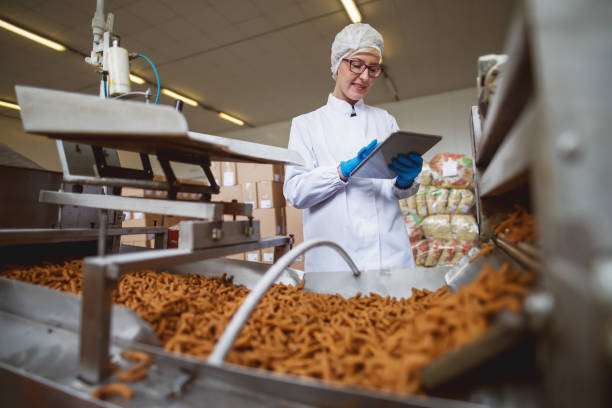
Assistant Food Production Manager

Assistant Food Production Manager

Mid-level specialists assist in planning production schedules, monitoring quality, and managing staff in organizations like ITC Foods or Hindustan...

0.0LPA
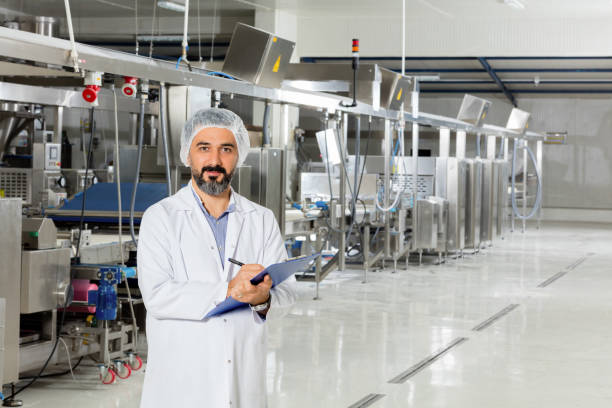
Food Production Manager

Food Production Manager

Professionals manage entire production processes, ensuring quality and efficiency, working in entities like Mother Dairy or Parle Agro. They...

0.0LPA

Interested in this career?

Take the next step and explore more about Food Production Manager.