Food Process Engineer

Summary

A Food Process Engineer is a professional who applies engineering principles to design, develop, and optimize processes and equipment for the production, packaging, and distribution of food products.

Share :
✨ Radial Mind Map - Food Process Engineer
Nodes arranged in concentric circles

Loading radial mind map...

Overview

A Food Process Engineer is a professional who applies engineering principles to design, develop, and optimize processes and equipment for the production, packaging, and distribution of food products. They work in food manufacturing companies, research institutions, government agencies, and consulting firms, collaborating with food scientists, quality assurance teams, and production managers. Food Process Engineers play a crucial role in the food industry by ensuring efficient, safe, and sustainable food production to meet consumer demands in a sector focused on innovation, safety, and environmental responsibility.
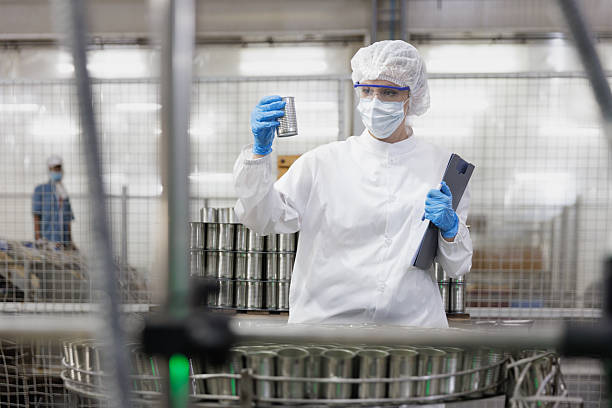
Food Process Engineers are technical experts responsible for creating and improving processes involved in transforming raw ingredients into safe, high-quality food products such as canned goods, frozen meals, and beverages. Their role involves designing equipment, optimizing production lines, ensuring compliance with safety regulations, and often working in manufacturing plants, laboratories, or office environments. They combine engineering skills with knowledge of food science to address challenges like cost efficiency, waste reduction, and scalability. As key contributors to the food sector, they help shape sustainable and innovative practices in an industry increasingly focused on health, technology, and global supply chains.

Roles and Responsibilities

💼
Food Process Engineer
Roles and Responsibilities
Process Design and Optimization
Develop and improve food processing techniques to enhance efficiency and product quality
Design systems for large-scale production of food items with consistent standards
Equipment Development and Maintenance
Create and test machinery for food processing, packaging, and preservation
Ensure equipment operates safely and meets production demands through regular maintenance
Quality and Safety Assurance
Implement processes to comply with food safety regulations and standards like HACCP
Monitor production to prevent contamination and ensure nutritional integrity
Cost and Waste Management
Analyze production costs and implement strategies to reduce expenses without compromising quality
Develop methods to minimize food waste and repurpose by-products
Research and Innovation
Conduct experiments to develop new processing technologies or improve existing ones
Collaborate with food scientists to create innovative food products or packaging solutions
Sustainability Initiatives
Design energy-efficient processes to reduce the environmental impact of food production
Incorporate sustainable materials and practices into packaging and processing systems
Production Oversight
Supervise production lines to ensure smooth operation and troubleshoot technical issues
Coordinate with supply chain teams to ensure raw material availability and timely delivery
Regulatory Compliance and Documentation
Ensure all processes adhere to local and international food safety and labelling laws
Maintain detailed records of production processes, equipment specifications, and safety audits
Engineering Foundation
: Strong knowledge of chemical, mechanical, and food engineering principles is essential for process design.
Practical Skills
: Hands-on training in food processing plants develops core competencies in equipment operation.
Specialized Training
: Certifications in food safety or process automation offer niche expertise.
Technology Proficiency
: Mastery of process simulation software and automation tools is vital for optimization.
Interdisciplinary Knowledge
: Understanding food chemistry, microbiology, and sustainability improves process strategies.
Certification Importance
: Some roles may require certifications like HACCP or ISO for credibility in safety assurance.
Continuing Education
: Regular workshops are necessary to stay updated on food processing technologies and regulations.
Global Standards
: Familiarity with international food safety protocols enhances opportunities for global markets.
Attention to Detail
: Precision in process design and safety checks is critical for product consistency.
Entrance Examination Success
: Certain programs may require entrance tests for admission.
International Testing Requirements
: For global roles, certifications or qualifications from recognized food engineering bodies may be needed.
JEE Main (Joint Entrance Examination)
: For admission to B.Tech programs in food process engineering at IITs and other institutes.
JEE Advanced
: For admission to IITs after qualifying JEE Main.
State-Level Entrance Exams
: Various states conduct exams for admission to food technology programs in state universities.
TOEFL (Test of English as a Foreign Language)
: Minimum score of 80-100 required for non-native speakers applying to programs in English-speaking countries.
IELTS (International English Language Testing System)
: Minimum score of 6.0-7.0 required for admission to universities in the UK, Australia, and other English-speaking regions.
PTE Academic (Pearson Test of English Academic)
: Accepted by many international institutes as an alternative to TOEFL or IELTS for English proficiency.
Duolingo English Test
: Accepted by some institutions as a convenient alternative for English language proficiency testing.
Automation Integration
: Growing use of robotics, IoT, and AI for monitoring and controlling food production processes, enhancing efficiency.
Rising Demand
: Increasing need for food process engineers due to global population growth and demand for processed foods.
Sustainable Processing
: Advancements in energy-efficient systems and waste reduction techniques to minimize environmental impact.
Smart Packaging
: Focus on developing active and intelligent packaging to extend shelf life and ensure food safety.
Plant-Based Foods
: Expansion of processing technologies for vegan and alternative protein products to meet dietary trends.
Digital Tools Development
: Emergence of data analytics and simulation software for real-time process optimization and predictive maintenance.
Regulatory Emphasis
: Stricter food safety and sustainability regulations driving innovation in processing methods.
Global Supply Chains
: Enhanced focus on scalable processes to support international food trade and distribution networks.
Skill Development Needs
: Growing necessity for training in automation and green technologies to address modern industry challenges.
Consumer Health Focus
: Increased efforts to develop processes for healthier food options with reduced additives and preservatives.
Dr. C. Anandharamakrishnan (Contemporary, India)
: Director of IIFPT, known for advancements in food processing technologies. His work shapes modern food engineering. His contributions impact India’s food sector.
Dr. John Floros (Contemporary, USA)
: Former IFT President, expert in food safety and processing innovation. His research drives industry standards. His impact influences global food safety.
Dr. Dennis Heldman (Contemporary, USA)
: Renowned for food engineering textbooks and thermal processing research. His teachings shape engineering education. His contributions advance processing techniques.
Dr. V. Prakash (Contemporary, India)
: Former Director of CFTRI, known for food technology innovations. His leadership fosters research growth. His impact bolsters India’s food industry.
Dr. Barbara Rasco (Contemporary, USA)
: Expert in food safety engineering and non-thermal processing. Her innovations improve food preservation. Her efforts impact global food systems.
Dr.AshimDatta (Contemporary, USA)
: Cornell professor known for computational food process modeling. His work enhances process efficiency. His contributions drive technological advancements.
Dr. R. Paul Singh (Contemporary, USA)
: Pioneer in food engineering and heat transfer studies. His research optimizes food processing. His impact shapes international standards.
Dr.HosahalliRamaswamy (Contemporary, Canada)
: McGill University researcher focusing on thermal processing innovations. His studies improve food safety. His efforts influence global practices.
Dr. K.P. Sandeep (Contemporary, USA)
: Expert in fluid flow and heat transfer in food processing. His work enhances equipment design. His contributions impact industry efficiency.
Dr.SudhirSastry (Contemporary, USA)
: Ohio State University professor known for ohmic heating research. His innovations transform food processing. His impact drives sustainable methods.

Roles and Responsibilities

  • Process Design and Optimization
    • Develop and improve food processing techniques to enhance efficiency and product quality
    • Design systems for large-scale production of food items with consistent standards
  • Equipment Development and Maintenance
    • Create and test machinery for food processing, packaging, and preservation
    • Ensure equipment operates safely and meets production demands through regular maintenance
  • Quality and Safety Assurance
    • Implement processes to comply with food safety regulations and standards like HACCP
    • Monitor production to prevent contamination and ensure nutritional integrity
  • Cost and Waste Management
    • Analyze production costs and implement strategies to reduce expenses without compromising quality
    • Develop methods to minimize food waste and repurpose by-products
  • Research and Innovation
    • Conduct experiments to develop new processing technologies or improve existing ones
    • Collaborate with food scientists to create innovative food products or packaging solutions
  • Sustainability Initiatives
    • Design energy-efficient processes to reduce the environmental impact of food production
    • Incorporate sustainable materials and practices into packaging and processing systems
  • Production Oversight
    • Supervise production lines to ensure smooth operation and troubleshoot technical issues
    • Coordinate with supply chain teams to ensure raw material availability and timely delivery
  • Regulatory Compliance and Documentation
    • Ensure all processes adhere to local and international food safety and labelling laws
    • Maintain detailed records of production processes, equipment specifications, and safety audits


Study Route & Eligibility Criteria

RouteSteps
Route 1

1. 10+2 with Physics, Chemistry, Mathematics (PCM) or Biology (PCB) 

2. Bachelor’s degree in Food Process Engineering or Food Technology (3-4 years) 

3. Internship or industrial training (3-6 months) 

4. Practice as Junior Food Process Engineer

Route 2

1. 10+2 with PCM or PCB 

2. Bachelor’s degree in Food Engineering or Chemical Engineering (3-4 years) 

3. Master’s degree in Food Process Engineering or Food Technology (2 years) 

4. Work as Food Process Engineer

Route 3

1. 10+2 with PCM or PCB 

2. Bachelor’s degree in Food Technology or Agricultural Engineering (3-4 years) 

3. Master’s degree in Food Process Engineering (2 years) 

4. Ph.D. in Food Engineering or related field (3-5 years)

 5. Practice as Senior Researcher or Academic

Route 4

1. 10+2 with PCM or PCB 

2. Advanced international training or certification in Food Process Engineering (1-2 years) 

3. Master’s or Ph.D. as per country requirements 

4. Practice abroad or in India


Significant Observations (Academic Related Points)

  • Engineering Foundation: Strong knowledge of chemical, mechanical, and food engineering principles is essential for process design.
  • Practical Skills: Hands-on training in food processing plants develops core competencies in equipment operation.
  • Specialized Training: Certifications in food safety or process automation offer niche expertise.
  • Technology Proficiency: Mastery of process simulation software and automation tools is vital for optimization.
  • Interdisciplinary Knowledge: Understanding food chemistry, microbiology, and sustainability improves process strategies.
  • Certification Importance: Some roles may require certifications like HACCP or ISO for credibility in safety assurance.
  • Continuing Education: Regular workshops are necessary to stay updated on food processing technologies and regulations.
  • Global Standards: Familiarity with international food safety protocols enhances opportunities for global markets.
  • Attention to Detail: Precision in process design and safety checks is critical for product consistency.
  • Entrance Examination Success: Certain programs may require entrance tests for admission.
  • International Testing Requirements: For global roles, certifications or qualifications from recognized food engineering bodies may be needed.


Internships & Practical Exposure

  • Mandatory industrial training during degree programs in food processing facilities
  • Rotations in food manufacturing plants for hands-on experience with production lines
  • Internships under senior engineers for exposure to real-time process optimization projects
  • Observerships in quality control labs for experience in safety and compliance testing
  • Participation in mock process design activities for practical skill development
  • Training in food supply chains through real-world production and distribution projects
  • Exposure to sustainable processing protocols during internships
  • Field projects on new equipment design or efficiency testing during training
  • Community engagement initiatives for promoting food safety in local programs
  • International food industry attachments for global exposure to processing practices


Courses & Specializations to Enter the Field

  • Certificate in Food Process Engineering or Food Safety Management
  • Bachelor’s in Food Process Engineering, Food Technology, or Chemical Engineering
  • Master’s in Food Process Engineering, Food Science, or Industrial Engineering
  • Ph.D. in Food Engineering or Food Technology
  • Specialization in Food Packaging Technology
  • Certification in Hazard Analysis and Critical Control Points (HACCP)
  • Workshops on Sustainable Food Processing
  • Training in Quality Assurance for Food Production
  • Specialization in Food Preservation Techniques
  • Certification in Process Automation for Food Industry


Top Institutes for Food Process Engineer Education (India)

InstituteCourse/ProgramOfficial Link
Indian Institute of Technology (IIT), KharagpurB.Tech/M.Tech in Agricultural & Food Engineeringhttps://www.iitkgp.ac.in/
National Institute of Food Technology Entrepreneurship and Management (NIFTEM), KundliB.Tech/M.Tech in Food Technologyhttps://www.niftem.ac.in/
Indian Institute of Technology (IIT), GuwahatiB.Tech/M.Tech in Chemical Engineeringhttps://www.iitg.ac.in/
Anna University, ChennaiB.E./M.E. in Food Technologyhttps://www.annauniv.edu/
Tamil Nadu Agricultural University (TNAU), CoimbatoreB.Tech/M.Tech in Food Process Engineeringhttps://www.tnau.ac.in/
University of Agricultural Sciences (UAS), BangaloreB.Tech/M.Tech in Food Technologyhttps://www.uasbangalore.edu.in/
Punjab Agricultural University (PAU), LudhianaB.Tech/M.Tech in Food Technologyhttps://www.pau.edu/
Anand Agricultural University (AAU), GujaratB.Tech/M.Tech in Food Processing Technologyhttps://www.aau.in/
Amity University, NoidaB.Tech/M.Tech in Food Technologyhttps://www.amity.edu/
Lovely Professional University (LPU), PunjabB.Tech/M.Tech in Food Technologyhttps://www.lpu.in/


Top International Institutes

InstitutionCourseCountryOfficial Link
Massachusetts Institute of Technology (MIT)Chemical Engineering and Food Processing ProgramsUSAhttps://www.mit.edu/
University of California, DavisFood Science and Engineering ProgramsUSAhttps://www.ucdavis.edu/
Wageningen University & ResearchFood Technology and Process Engineering ProgramsNetherlandshttps://www.wur.nl/
Cornell UniversityFood Science and Engineering ProgramsUSAhttps://www.cornell.edu/
University of Illinois at Urbana-ChampaignFood Science and Agricultural Engineering ProgramsUSAhttps://www.illinois.edu/
University of GuelphFood Science and Engineering ProgramsCanadahttps://www.uoguelph.ca/
University of QueenslandFood Science and Technology ProgramsAustraliahttps://www.uq.edu.au/
ETH ZurichFood Science and Engineering ProgramsSwitzerlandhttps://www.ethz.ch/
University of CopenhagenFood Science and Technology ProgramsDenmarkhttps://www.ku.dk/
Swedish University of Agricultural Sciences (SLU)Food Technology ProgramsSwedenhttps://www.slu.se/


Entrance Tests Required

India:

  • JEE Main (Joint Entrance Examination): For admission to B.Tech programs in food process engineering at IITs and other institutes.
  • JEE Advanced: For admission to IITs after qualifying JEE Main.
  • State-Level Entrance Exams: Various states conduct exams for admission to food technology programs in state universities.


International:

  • TOEFL (Test of English as a Foreign Language): Minimum score of 80-100 required for non-native speakers applying to programs in English-speaking countries.
  • IELTS (International English Language Testing System): Minimum score of 6.0-7.0 required for admission to universities in the UK, Australia, and other English-speaking regions.
  • PTE Academic (Pearson Test of English Academic): Accepted by many international institutes as an alternative to TOEFL or IELTS for English proficiency.
  • Duolingo English Test: Accepted by some institutions as a convenient alternative for English language proficiency testing.


Ideal Progressing Career Path 

Trainee → Junior Food Process Engineer → Senior Food Process Engineer → Process Design Lead → Production Manager → Food Technology Specialist → Research and Development Head → Food Industry Consultant


Major Areas of Employment

  • Food manufacturing companies for process design and production oversight
  • Research and development centers for food technology innovation
  • Quality assurance departments for safety and compliance in food production
  • Government food agencies for policy and regulatory oversight
  • Packaging companies for developing food-safe and sustainable solutions
  • Beverage industries for optimizing liquid processing systems
  • Consulting firms for advising on food process improvements
  • Agricultural processing units for transforming raw produce into finished goods
  • Sustainability organizations for eco-friendly food production strategies
  • Equipment manufacturing firms for designing food processing machinery


Prominent Employers

IndiaInternational
Nestlé India Ltd.Nestlé, Global
Hindustan Unilever Limited (HUL)Unilever, Global
Britannia Industries Ltd.Mondelez International, USA
ITC Limited (Foods Division)PepsiCo, USA
Parle Agro Pvt. Ltd.Coca-Cola Company, USA
Amul (Gujarat Cooperative Milk Marketing Federation)Danone, France
Mother Dairy, DelhiKraft Heinz, USA
Dabur India Ltd.General Mills, USA
Patanjali Ayurved Ltd.Archer Daniels Midland (ADM), USA
Haldiram’sCargill, USA


Pros and Cons of the Profession

ProsCons
Opportunity to innovate in a critical industry ensuring food security and safetyHigh pressure to meet strict food safety and regulatory standards
High demand for engineers due to growing global food production needsLong working hours during production crises or equipment failures
Rewarding impact on consumer health through efficient and safe food processesRisk of production delays due to supply chain or technical issues
Diverse career paths across manufacturing, research, and consultingIntense competition in a technology-driven and fast-paced industry
Strong potential for growth with increasing focus on sustainable processingDependency on fluctuating raw material costs and market demands


Industry Trends and Future Outlook

  • Automation Integration: Growing use of robotics, IoT, and AI for monitoring and controlling food production processes, enhancing efficiency.
  • Rising Demand: Increasing need for food process engineers due to global population growth and demand for processed foods.
  • Sustainable Processing: Advancements in energy-efficient systems and waste reduction techniques to minimize environmental impact.
  • Smart Packaging: Focus on developing active and intelligent packaging to extend shelf life and ensure food safety.
  • Plant-Based Foods: Expansion of processing technologies for vegan and alternative protein products to meet dietary trends.
  • Digital Tools Development: Emergence of data analytics and simulation software for real-time process optimization and predictive maintenance.
  • Regulatory Emphasis: Stricter food safety and sustainability regulations driving innovation in processing methods.
  • Global Supply Chains: Enhanced focus on scalable processes to support international food trade and distribution networks.
  • Skill Development Needs: Growing necessity for training in automation and green technologies to address modern industry challenges.
  • Consumer Health Focus: Increased efforts to develop processes for healthier food options with reduced additives and preservatives.


Salary Expectations

Career LevelIndia (₹ per annum)International (USD per annum)
Trainee/Junior Food Process Engineer (Early Career)3,00,000 - 5,00,00035,000 - 50,000
Senior Food Process Engineer (Mid-Career)5,00,000 - 8,00,00050,000 - 75,000
Process Design Lead8,00,000 - 12,00,00075,000 - 100,000
Production Manager/Food Technology Specialist12,00,000 - 18,00,000100,000 - 130,000
Research and Development Head/Food Industry Consultant18,00,000+130,000+
Note: Salaries may vary based on location, employer, experience, and specialization.  


Key Software Tools

  • Process Simulation Software (e.g., Aspen Plus) for designing and optimizing food processes
  • Computer-Aided Design (CAD) Tools for creating equipment and plant layouts
  • Quality Control Software for monitoring safety and compliance standards
  • Enterprise Resource Planning (ERP) Systems for production and inventory management
  • Data Analytics Tools for forecasting demand and process efficiency
  • Teleconferencing tools like Zoom for team coordination and client meetings
  • Programmable Logic Controller (PLC) Software for automating production lines
  • Microsoft Office Suite for documentation and report preparation
  • Supply Chain Management Tools for optimizing raw material sourcing
  • Food Safety Management Software for tracking regulatory compliance


Professional Organizations and Networks

  • Institute of Food Technologists (IFT)
  • Indian Institute of Food Processing Technology (IIFPT)
  • All India Food Processors’ Association (AIFPA)
  • American Society of Agricultural and Biological Engineers (ASABE)
  • Food Industry Association (FIA)
  • International Society of Food Engineering (ISFE)
  • Association of Food Scientists & Technologists (India) (AFSTI)
  • Society of Food Engineering (SoFE)
  • Global Food Safety Initiative (GFSI)
  • World Food Programme (WFP)


Notable Food Process Engineers and Industry Leaders (Top 10)

  • Dr. C. Anandharamakrishnan (Contemporary, India): Director of IIFPT, known for advancements in food processing technologies. His work shapes modern food engineering. His contributions impact India’s food sector.
     
  • Dr. John Floros (Contemporary, USA): Former IFT President, expert in food safety and processing innovation. His research drives industry standards. His impact influences global food safety.
     
  • Dr. Dennis Heldman (Contemporary, USA): Renowned for food engineering textbooks and thermal processing research. His teachings shape engineering education. His contributions advance processing techniques.
     
  • Dr. V. Prakash (Contemporary, India): Former Director of CFTRI, known for food technology innovations. His leadership fosters research growth. His impact bolsters India’s food industry.
     
  • Dr. Barbara Rasco (Contemporary, USA): Expert in food safety engineering and non-thermal processing. Her innovations improve food preservation. Her efforts impact global food systems.
     
  • Dr.AshimDatta (Contemporary, USA): Cornell professor known for computational food process modeling. His work enhances process efficiency. His contributions drive technological advancements.
     
  • Dr. R. Paul Singh (Contemporary, USA): Pioneer in food engineering and heat transfer studies. His research optimizes food processing. His impact shapes international standards.
     
  • Dr.HosahalliRamaswamy (Contemporary, Canada): McGill University researcher focusing on thermal processing innovations. His studies improve food safety. His efforts influence global practices.
     
  • Dr. K.P. Sandeep (Contemporary, USA): Expert in fluid flow and heat transfer in food processing. His work enhances equipment design. His contributions impact industry efficiency.
     
  • Dr.SudhirSastry (Contemporary, USA): Ohio State University professor known for ohmic heating research. His innovations transform food processing. His impact drives sustainable methods.


Advice for Aspiring Food Process Engineers

  • Build a strong foundation in engineering, food science, and process design to understand food systems.
  • Seek early exposure to food processing plants through internships to confirm interest in the field.
  • Prepare thoroughly for entrance exams or certification requirements specific to your chosen program or region.
  • Pursue advanced certifications in food safety or automation to gain expertise.
  • Stay updated on advancements in food processing technology by attending industry conferences and seminars.
  • Develop hands-on skills in equipment operation through practical training in production settings.
  • Engage in process optimization projects or safety audits to build real-world experience.
  • Join professional associations like the Institute of Food Technologists (IFT) for networking and resources.
  • Work on precision and problem-solving to ensure accurate process designs and production outcomes.
  • Explore international food markets for exposure to diverse processing practices and safety standards.
  • Volunteer in food industry NGOs or startups to understand supply chain challenges and build experience.
  • Cultivate adaptability to handle fluctuating production demands and technological constraints.
  • Attend continuing education programs to stay abreast of evolving food engineering methods and sustainability trends.
  • Build a network with food scientists, manufacturers, and engineers for collaborative efforts.
  • Develop resilience to manage the technical and regulatory pressures of food processing work.
  • Balance engineering skills with food safety knowledge to adapt to rapid advancements in food industry dynamics.


A career as a Food Process Engineer offers a unique opportunity to contribute to the food industry by designing and optimizing processes that ensure the safe, efficient, and sustainable production of food for global consumption. From improving production lines to innovating eco-friendly packaging, Food Process Engineers play a pivotal role in modern food manufacturing and technology development. This field combines engineering expertise, practical application, and a commitment to safety, offering diverse paths in production, research, and consulting. For those passionate about shaping food trends, adapting to global supply challenges, and addressing critical sustainability needs in an era of evolving consumer demands, a career as a Food Process Engineer provides an intellectually stimulating and professionally rewarding journey with the potential to make significant contributions to society by enhancing the quality of food production and industry standards worldwide.

 

Study Route & Eligibility Criteria

Study Route & Eligibility Criteria
Food Process Engineer
Route 1
🎓
1
10+2 with Physics, Chemistry, Mathematics or Biology
🏛️
2
Bachelor’s degree in Food Process Engineering or Food Technology
3-4 years
💼
3
Internship or industrial training
3-6 months
💼
4
Practice as Junior Food Process Engineer
Route 2
🎓
1
10+2 with PCM or PCB
🏛️
2
Bachelor’s degree in Food Engineering or Chemical Engineering
3-4 years
🏛️
3
Master’s degree in Food Process Engineering or Food Technology
2 years
💼
4
Work as Food Process Engineer
Route 3
🎓
1
10+2 with PCM or PCB
🏛️
2
Bachelor’s degree in Food Technology or Agricultural Engineering
3-4 years
🏛️
3
Master’s degree in Food Process Engineering
2 years
💼
4
Ph.D. in Food Engineering or related field
3-5 years
💼
5
Practice as Senior Researcher or Academic
Route 4
🎓
1
10+2 with PCM or PCB
🏛️
2
Advanced international training or certification in Food Process Engineering
1-2 years
🎓
3
Master’s or Ph.D. as per country requirements
💼
4
Practice abroad or in India
🎯 Food Process Engineer - Professional

Significant Observations (Academic Related Points)

💡
Food Process Engineer
Academic Related Points
1
Engineering Foundation
Strong knowledge of chemical, mechanical, and food engineering principles is essential for process design.
2
Practical Skills
Hands-on training in food processing plants develops core competencies in equipment operation.
3
Specialized Training
Certifications in food safety or process automation offer niche expertise.
4
Technology Proficiency
Mastery of process simulation software and automation tools is vital for optimization.
5
Interdisciplinary Knowledge
Understanding food chemistry, microbiology, and sustainability improves process strategies.
6
Certification Importance
Some roles may require certifications like HACCP or ISO for credibility in safety assurance.
7
Continuing Education
Regular workshops are necessary to stay updated on food processing technologies and regulations.
8
Global Standards
Familiarity with international food safety protocols enhances opportunities for global markets.
9
Attention to Detail
Precision in process design and safety checks is critical for product consistency.
10
Entrance Examination Success
Certain programs may require entrance tests for admission.
11
International Testing Requirements
For global roles, certifications or qualifications from recognized food engineering bodies may be needed.
12
JEE Main (Joint Entrance Examination)
For admission to B.Tech programs in food process engineering at IITs and other institutes.
13
JEE Advanced
For admission to IITs after qualifying JEE Main.
14
State-Level Entrance Exams
Various states conduct exams for admission to food technology programs in state universities.
15
TOEFL (Test of English as a Foreign Language)
Minimum score of 80-100 required for non-native speakers applying to programs in English-speaking countries.
16
IELTS (International English Language Testing System)
Minimum score of 6.0-7.0 required for admission to universities in the UK, Australia, and other English-speaking regions.
17
PTE Academic (Pearson Test of English Academic)
Accepted by many international institutes as an alternative to TOEFL or IELTS for English proficiency.
18
Duolingo English Test
Accepted by some institutions as a convenient alternative for English language proficiency testing.
19
Automation Integration
Growing use of robotics, IoT, and AI for monitoring and controlling food production processes, enhancing efficiency.
20
Rising Demand
Increasing need for food process engineers due to global population growth and demand for processed foods.
21
Sustainable Processing
Advancements in energy-efficient systems and waste reduction techniques to minimize environmental impact.
22
Smart Packaging
Focus on developing active and intelligent packaging to extend shelf life and ensure food safety.
23
Plant-Based Foods
Expansion of processing technologies for vegan and alternative protein products to meet dietary trends.
24
Digital Tools Development
Emergence of data analytics and simulation software for real-time process optimization and predictive maintenance.
25
Regulatory Emphasis
Stricter food safety and sustainability regulations driving innovation in processing methods.
26
Global Supply Chains
Enhanced focus on scalable processes to support international food trade and distribution networks.
27
Skill Development Needs
Growing necessity for training in automation and green technologies to address modern industry challenges.
28
Consumer Health Focus
Increased efforts to develop processes for healthier food options with reduced additives and preservatives.
29
Dr. C. Anandharamakrishnan (Contemporary, India)
Director of IIFPT, known for advancements in food processing technologies. His work shapes modern food engineering. His contributions impact India’s food sector.
30
Dr. John Floros (Contemporary, USA)
Former IFT President, expert in food safety and processing innovation. His research drives industry standards. His impact influences global food safety.
31
Dr. Dennis Heldman (Contemporary, USA)
Renowned for food engineering textbooks and thermal processing research. His teachings shape engineering education. His contributions advance processing techniques.
32
Dr. V. Prakash (Contemporary, India)
Former Director of CFTRI, known for food technology innovations. His leadership fosters research growth. His impact bolsters India’s food industry.
33
Dr. Barbara Rasco (Contemporary, USA)
Expert in food safety engineering and non-thermal processing. Her innovations improve food preservation. Her efforts impact global food systems.
34
Dr.AshimDatta (Contemporary, USA)
Cornell professor known for computational food process modeling. His work enhances process efficiency. His contributions drive technological advancements.
35
Dr. R. Paul Singh (Contemporary, USA)
Pioneer in food engineering and heat transfer studies. His research optimizes food processing. His impact shapes international standards.
36
Dr.HosahalliRamaswamy (Contemporary, Canada)
McGill University researcher focusing on thermal processing innovations. His studies improve food safety. His efforts influence global practices.
37
Dr. K.P. Sandeep (Contemporary, USA)
Expert in fluid flow and heat transfer in food processing. His work enhances equipment design. His contributions impact industry efficiency.
38
Dr.SudhirSastry (Contemporary, USA)
Ohio State University professor known for ohmic heating research. His innovations transform food processing. His impact drives sustainable methods.

Internships & Practical Exposure

💼
Food Process Engineer
Internships & Practical Experience
1
Mandatory industrial training during degree programs in food processing facilities
2
Rotations in food manufacturing plants for hands-on experience with production lines
3
Internships under senior engineers for exposure to real-time process optimization projects
4
Observerships in quality control labs for experience in safety and compliance testing
5
Participation in mock process design activities for practical skill development
6
Training in food supply chains through real-world production and distribution projects
7
Exposure to sustainable processing protocols during internships
8
Field projects on new equipment design or efficiency testing during training
9
Community engagement initiatives for promoting food safety in local programs
10
International food industry attachments for global exposure to processing practices
11
Certificate in Food Process Engineering or Food Safety Management
12
Bachelor’s in Food Process Engineering, Food Technology, or Chemical Engineering
13
Master’s in Food Process Engineering, Food Science, or Industrial Engineering
14
Ph.D. in Food Engineering or Food Technology
15
Specialization in Food Packaging Technology
16
Certification in Hazard Analysis and Critical Control Points (HACCP)
17
Workshops on Sustainable Food Processing
18
Training in Quality Assurance for Food Production
19
Specialization in Food Preservation Techniques
20
Certification in Process Automation for Food Industry
21
JEE Main (Joint Entrance Examination): For admission to B.Tech programs in food process engineering at IITs and other institutes.
22
JEE Advanced: For admission to IITs after qualifying JEE Main.
23
State-Level Entrance Exams: Various states conduct exams for admission to food technology programs in state universities.
24
TOEFL (Test of English as a Foreign Language): Minimum score of 80-100 required for non-native speakers applying to programs in English-speaking countries.
25
IELTS (International English Language Testing System): Minimum score of 6.0-7.0 required for admission to universities in the UK, Australia, and other English-speaking regions.
26
PTE Academic (Pearson Test of English Academic): Accepted by many international institutes as an alternative to TOEFL or IELTS for English proficiency.
27
Duolingo English Test: Accepted by some institutions as a convenient alternative for English language proficiency testing.
28
Food manufacturing companies for process design and production oversight
29
Research and development centers for food technology innovation
30
Quality assurance departments for safety and compliance in food production
31
Government food agencies for policy and regulatory oversight
32
Packaging companies for developing food-safe and sustainable solutions
33
Beverage industries for optimizing liquid processing systems
34
Consulting firms for advising on food process improvements
35
Agricultural processing units for transforming raw produce into finished goods
36
Sustainability organizations for eco-friendly food production strategies
37
Equipment manufacturing firms for designing food processing machinery
38
Automation Integration: Growing use of robotics, IoT, and AI for monitoring and controlling food production processes, enhancing efficiency.
39
Rising Demand: Increasing need for food process engineers due to global population growth and demand for processed foods.
40
Sustainable Processing: Advancements in energy-efficient systems and waste reduction techniques to minimize environmental impact.
41
Smart Packaging: Focus on developing active and intelligent packaging to extend shelf life and ensure food safety.
42
Plant-Based Foods: Expansion of processing technologies for vegan and alternative protein products to meet dietary trends.
43
Digital Tools Development: Emergence of data analytics and simulation software for real-time process optimization and predictive maintenance.
44
Regulatory Emphasis: Stricter food safety and sustainability regulations driving innovation in processing methods.
45
Global Supply Chains: Enhanced focus on scalable processes to support international food trade and distribution networks.
46
Skill Development Needs: Growing necessity for training in automation and green technologies to address modern industry challenges.
47
Consumer Health Focus: Increased efforts to develop processes for healthier food options with reduced additives and preservatives.
48
Process Simulation Software (e.g., Aspen Plus) for designing and optimizing food processes
49
Computer-Aided Design (CAD) Tools for creating equipment and plant layouts
50
Quality Control Software for monitoring safety and compliance standards
51
Enterprise Resource Planning (ERP) Systems for production and inventory management
52
Data Analytics Tools for forecasting demand and process efficiency
53
Teleconferencing tools like Zoom for team coordination and client meetings
54
Programmable Logic Controller (PLC) Software for automating production lines
55
Microsoft Office Suite for documentation and report preparation
56
Supply Chain Management Tools for optimizing raw material sourcing
57
Food Safety Management Software for tracking regulatory compliance
58
Institute of Food Technologists (IFT)
59
Indian Institute of Food Processing Technology (IIFPT)
60
All India Food Processors’ Association (AIFPA)
61
American Society of Agricultural and Biological Engineers (ASABE)
62
Food Industry Association (FIA)
63
International Society of Food Engineering (ISFE)
64
Association of Food Scientists & Technologists (India) (AFSTI)
65
Society of Food Engineering (SoFE)
66
Global Food Safety Initiative (GFSI)
67
World Food Programme (WFP)
68
Dr. C. Anandharamakrishnan (Contemporary, India): Director of IIFPT, known for advancements in food processing technologies. His work shapes modern food engineering. His contributions impact India’s food sector.
69
Dr. John Floros (Contemporary, USA): Former IFT President, expert in food safety and processing innovation. His research drives industry standards. His impact influences global food safety.
70
Dr. Dennis Heldman (Contemporary, USA): Renowned for food engineering textbooks and thermal processing research. His teachings shape engineering education. His contributions advance processing techniques.
71
Dr. V. Prakash (Contemporary, India): Former Director of CFTRI, known for food technology innovations. His leadership fosters research growth. His impact bolsters India’s food industry.
72
Dr. Barbara Rasco (Contemporary, USA): Expert in food safety engineering and non-thermal processing. Her innovations improve food preservation. Her efforts impact global food systems.
73
Dr.AshimDatta (Contemporary, USA): Cornell professor known for computational food process modeling. His work enhances process efficiency. His contributions drive technological advancements.
74
Dr. R. Paul Singh (Contemporary, USA): Pioneer in food engineering and heat transfer studies. His research optimizes food processing. His impact shapes international standards.
75
Dr.HosahalliRamaswamy (Contemporary, Canada): McGill University researcher focusing on thermal processing innovations. His studies improve food safety. His efforts influence global practices.
76
Dr. K.P. Sandeep (Contemporary, USA): Expert in fluid flow and heat transfer in food processing. His work enhances equipment design. His contributions impact industry efficiency.
77
Dr.SudhirSastry (Contemporary, USA): Ohio State University professor known for ohmic heating research. His innovations transform food processing. His impact drives sustainable methods.
78
Build a strong foundation in engineering, food science, and process design to understand food systems.
79
Seek early exposure to food processing plants through internships to confirm interest in the field.
80
Prepare thoroughly for entrance exams or certification requirements specific to your chosen program or region.
81
Pursue advanced certifications in food safety or automation to gain expertise.
82
Stay updated on advancements in food processing technology by attending industry conferences and seminars.
83
Develop hands-on skills in equipment operation through practical training in production settings.
84
Engage in process optimization projects or safety audits to build real-world experience.
85
Join professional associations like the Institute of Food Technologists (IFT) for networking and resources.
86
Work on precision and problem-solving to ensure accurate process designs and production outcomes.
87
Explore international food markets for exposure to diverse processing practices and safety standards.
88
Volunteer in food industry NGOs or startups to understand supply chain challenges and build experience.
89
Cultivate adaptability to handle fluctuating production demands and technological constraints.
90
Attend continuing education programs to stay abreast of evolving food engineering methods and sustainability trends.
91
Build a network with food scientists, manufacturers, and engineers for collaborative efforts.
92
Develop resilience to manage the technical and regulatory pressures of food processing work.
93
Balance engineering skills with food safety knowledge to adapt to rapid advancements in food industry dynamics.

Courses & Specializations to Enter the Field

📚
Food Process Engineer
Courses & Specializations
📖
Certificate in Food Process Engineering or Food Safety Management
📖
Bachelor’s in Food Process Engineering, Food Technology, or Chemical Engineering
📖
Master’s in Food Process Engineering, Food Science, or Industrial Engineering
📖
Ph.D. in Food Engineering or Food Technology
📖
Specialization in Food Packaging Technology
📖
Certification in Hazard Analysis and Critical Control Points (HACCP)
📖
Workshops on Sustainable Food Processing
📖
Training in Quality Assurance for Food Production
📖
Specialization in Food Preservation Techniques
📖
Certification in Process Automation for Food Industry
📖
JEE Main (Joint Entrance Examination): For admission to B.Tech programs in food process engineering at IITs and other institutes.
📖
JEE Advanced: For admission to IITs after qualifying JEE Main.
📖
State-Level Entrance Exams: Various states conduct exams for admission to food technology programs in state universities.
📖
TOEFL (Test of English as a Foreign Language): Minimum score of 80-100 required for non-native speakers applying to programs in English-speaking countries.
📖
IELTS (International English Language Testing System): Minimum score of 6.0-7.0 required for admission to universities in the UK, Australia, and other English-speaking regions.
📖
PTE Academic (Pearson Test of English Academic): Accepted by many international institutes as an alternative to TOEFL or IELTS for English proficiency.
📖
Duolingo English Test: Accepted by some institutions as a convenient alternative for English language proficiency testing.
📖
Food manufacturing companies for process design and production oversight
📖
Research and development centers for food technology innovation
📖
Quality assurance departments for safety and compliance in food production
📖
Government food agencies for policy and regulatory oversight
📖
Packaging companies for developing food-safe and sustainable solutions
📖
Beverage industries for optimizing liquid processing systems
📖
Consulting firms for advising on food process improvements
📖
Agricultural processing units for transforming raw produce into finished goods
📖
Sustainability organizations for eco-friendly food production strategies
📖
Equipment manufacturing firms for designing food processing machinery
📖
Automation Integration: Growing use of robotics, IoT, and AI for monitoring and controlling food production processes, enhancing efficiency.
📖
Rising Demand: Increasing need for food process engineers due to global population growth and demand for processed foods.
📖
Sustainable Processing: Advancements in energy-efficient systems and waste reduction techniques to minimize environmental impact.
📖
Smart Packaging: Focus on developing active and intelligent packaging to extend shelf life and ensure food safety.
📖
Plant-Based Foods: Expansion of processing technologies for vegan and alternative protein products to meet dietary trends.
📖
Digital Tools Development: Emergence of data analytics and simulation software for real-time process optimization and predictive maintenance.
📖
Regulatory Emphasis: Stricter food safety and sustainability regulations driving innovation in processing methods.
📖
Global Supply Chains: Enhanced focus on scalable processes to support international food trade and distribution networks.
📖
Skill Development Needs: Growing necessity for training in automation and green technologies to address modern industry challenges.
📖
Consumer Health Focus: Increased efforts to develop processes for healthier food options with reduced additives and preservatives.
📖
Process Simulation Software (e.g., Aspen Plus) for designing and optimizing food processes
📖
Computer-Aided Design (CAD) Tools for creating equipment and plant layouts
📖
Quality Control Software for monitoring safety and compliance standards
📖
Enterprise Resource Planning (ERP) Systems for production and inventory management
📖
Data Analytics Tools for forecasting demand and process efficiency
📖
Teleconferencing tools like Zoom for team coordination and client meetings
📖
Programmable Logic Controller (PLC) Software for automating production lines
📖
Microsoft Office Suite for documentation and report preparation
📖
Supply Chain Management Tools for optimizing raw material sourcing
📖
Food Safety Management Software for tracking regulatory compliance
📖
Institute of Food Technologists (IFT)
📖
Indian Institute of Food Processing Technology (IIFPT)
📖
All India Food Processors’ Association (AIFPA)
📖
American Society of Agricultural and Biological Engineers (ASABE)
📖
Food Industry Association (FIA)
📖
International Society of Food Engineering (ISFE)
📖
Association of Food Scientists & Technologists (India) (AFSTI)
📖
Society of Food Engineering (SoFE)
📖
Global Food Safety Initiative (GFSI)
📖
World Food Programme (WFP)
📖
Dr. C. Anandharamakrishnan (Contemporary, India): Director of IIFPT, known for advancements in food processing technologies. His work shapes modern food engineering. His contributions impact India’s food sector.
📖
Dr. John Floros (Contemporary, USA): Former IFT President, expert in food safety and processing innovation. His research drives industry standards. His impact influences global food safety.
📖
Dr. Dennis Heldman (Contemporary, USA): Renowned for food engineering textbooks and thermal processing research. His teachings shape engineering education. His contributions advance processing techniques.
📖
Dr. V. Prakash (Contemporary, India): Former Director of CFTRI, known for food technology innovations. His leadership fosters research growth. His impact bolsters India’s food industry.
📖
Dr. Barbara Rasco (Contemporary, USA): Expert in food safety engineering and non-thermal processing. Her innovations improve food preservation. Her efforts impact global food systems.
📖
Dr.AshimDatta (Contemporary, USA): Cornell professor known for computational food process modeling. His work enhances process efficiency. His contributions drive technological advancements.
📖
Dr. R. Paul Singh (Contemporary, USA): Pioneer in food engineering and heat transfer studies. His research optimizes food processing. His impact shapes international standards.
📖
Dr.HosahalliRamaswamy (Contemporary, Canada): McGill University researcher focusing on thermal processing innovations. His studies improve food safety. His efforts influence global practices.
📖
Dr. K.P. Sandeep (Contemporary, USA): Expert in fluid flow and heat transfer in food processing. His work enhances equipment design. His contributions impact industry efficiency.
📖
Dr.SudhirSastry (Contemporary, USA): Ohio State University professor known for ohmic heating research. His innovations transform food processing. His impact drives sustainable methods.
📖
Build a strong foundation in engineering, food science, and process design to understand food systems.
📖
Seek early exposure to food processing plants through internships to confirm interest in the field.
📖
Prepare thoroughly for entrance exams or certification requirements specific to your chosen program or region.
📖
Pursue advanced certifications in food safety or automation to gain expertise.
📖
Stay updated on advancements in food processing technology by attending industry conferences and seminars.
📖
Develop hands-on skills in equipment operation through practical training in production settings.
📖
Engage in process optimization projects or safety audits to build real-world experience.
📖
Join professional associations like the Institute of Food Technologists (IFT) for networking and resources.
📖
Work on precision and problem-solving to ensure accurate process designs and production outcomes.
📖
Explore international food markets for exposure to diverse processing practices and safety standards.
📖
Volunteer in food industry NGOs or startups to understand supply chain challenges and build experience.
📖
Cultivate adaptability to handle fluctuating production demands and technological constraints.
📖
Attend continuing education programs to stay abreast of evolving food engineering methods and sustainability trends.
📖
Build a network with food scientists, manufacturers, and engineers for collaborative efforts.
📖
Develop resilience to manage the technical and regulatory pressures of food processing work.
📖
Balance engineering skills with food safety knowledge to adapt to rapid advancements in food industry dynamics.

Prominent Employers

🏢
Food Process Engineer
🌟 Top Companies & Organizations
🇮🇳 India
🏛️
Nestlé India Ltd.
🏛️
Hindustan Unilever Limited (HUL)
🏛️
Britannia Industries Ltd.
🏛️
ITC Limited (Foods Division)
🏛️
Parle Agro Pvt. Ltd.
🏛️
Amul (Gujarat Cooperative Milk Marketing Federation)
🏛️
Mother Dairy, Delhi
🏛️
Dabur India Ltd.
🏛️
Patanjali Ayurved Ltd.
🏛️
Haldiram’s
🌍 International
🌐
Nestlé, Global
🌐
Unilever, Global
🌐
Mondelez International, USA
🌐
PepsiCo, USA
🌐
Coca-Cola Company, USA
🌐
Danone, France
🌐
Kraft Heinz, USA
🌐
General Mills, USA
🌐
Archer Daniels Midland (ADM), USA
🌐
Cargill, USA

Advice for Aspiring Food Process Engineers

💡
Food Process Engineer
🌟 Tips for Students & Parents
1
Build a strong foundation in engineering, food science, and process design to understand food systems.
2
Seek early exposure to food processing plants through internships to confirm interest in the field.
3
Prepare thoroughly for entrance exams or certification requirements specific to your chosen program or region.
4
Pursue advanced certifications in food safety or automation to gain expertise.
5
Stay updated on advancements in food processing technology by attending industry conferences and seminars.
6
Develop hands-on skills in equipment operation through practical training in production settings.
7
Engage in process optimization projects or safety audits to build real-world experience.
8
Join professional associations like the Institute of Food Technologists (IFT) for networking and resources.
9
Work on precision and problem-solving to ensure accurate process designs and production outcomes.
10
Explore international food markets for exposure to diverse processing practices and safety standards.
11
Volunteer in food industry NGOs or startups to understand supply chain challenges and build experience.
12
Cultivate adaptability to handle fluctuating production demands and technological constraints.
13
Attend continuing education programs to stay abreast of evolving food engineering methods and sustainability trends.
14
Build a network with food scientists, manufacturers, and engineers for collaborative efforts.
15
Develop resilience to manage the technical and regulatory pressures of food processing work.
16
Balance engineering skills with food safety knowledge to adapt to rapid advancements in food industry dynamics.
🎓 Final Message
A career as a Food Process Engineer offers a unique opportunity to contribute to the food industry by designing and optimizing processes that ensure the safe, efficient, and sustainable production of food for global consumption. From improving production lines to innovating eco-friendly packaging, Food Process Engineers play a pivotal role in modern food manufacturing and technology development. This field combines engineering expertise, practical application, and a commitment to safety, offering diverse paths in production, research, and consulting. For those passionate about shaping food trends, adapting to global supply challenges, and addressing critical sustainability needs in an era of evolving consumer demands, a career as a Food Process Engineer provides an intellectually stimulating and professionally rewarding journey with the potential to make significant contributions to society by enhancing the quality of food production and industry standards worldwide.
Knowledge & Skills You Will Learn
1
Regulatory Emphasis: Stricter food safety and sustainability regulations driving innovation in processing methods.
2
Skill Development Needs: Growing necessity for training in automation and green technologies to address modern industry challenges.
3
Pursue advanced certifications in food safety or automation to gain expertise.
4
Develop hands-on skills in equipment operation through practical training in production settings.
5
Cultivate adaptability to handle fluctuating production demands and technological constraints.
6
Attend continuing education programs to stay abreast of evolving food engineering methods and sustainability trends.
7
Balance engineering skills with food safety knowledge to adapt to rapid advancements in food industry dynamics.
Junior Food Process Engineer

Junior Food Process Engineer

Early-career professionals handle basic process coordination with increasing autonomy. They hone skills in equipment operation and process...

0.0LPA
Senior Food Process Engineer

Senior Food Process Engineer

Experienced professionals manage complex production processes with high accuracy, using engineering insights. They offer technical expertise in...

0.0LPA
Process Design Lead

Process Design Lead

Specialists oversee large-scale process design programs with exceptional competence. They integrate deep engineering knowledge with expertise in...

0.0LPA

Interested in this career?

Take the next step and explore more about Food Process Engineer.