Floriculturist

Summary

A Floriculturist is a professional who specializes in the cultivation, management, and study of flowering and ornamental plants for aesthetic, commercial, and environmental purposes.

Share :
✨ Radial Mind Map - Floriculturist
Nodes arranged in concentric circles

Loading radial mind map...

Overview

A Floriculturist is a professional who specializes in the cultivation, management, and study of flowering and ornamental plants for aesthetic, commercial, and environmental purposes. They work in nurseries, greenhouses, botanical gardens, floral design firms, and agricultural research institutions, collaborating with landscapers, horticulturists, and business owners. Floriculturists play a vital role in the horticulture industry by enhancing the beauty of spaces, supporting biodiversity, and meeting market demands for flowers and decorative plants in a sector focused on sustainability and innovation.
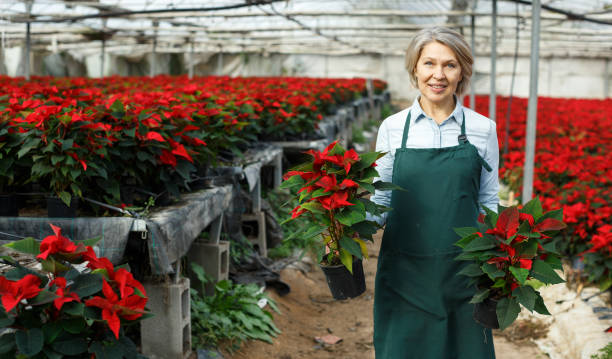
Floriculturists are skilled experts responsible for growing, breeding, and maintaining flowering plants such as roses, tulips, orchids, and lilies, as well as ornamental foliage for various uses including landscaping, events, and retail. Their role involves soil management, pest control, plant propagation, and often working in outdoor fields, greenhouses, or design studios. They combine scientific knowledge of plant biology with practical skills in cultivation to produce high-quality blooms and greenery. As key contributors to the floral industry, they help address challenges like climate adaptability, sustainable practices, and consumer preferences in a field increasingly focused on eco-friendly and aesthetic solutions.

Roles and Responsibilities

💼
Floriculturist
Roles and Responsibilities
Plant Cultivation and Propagation
Grow flowering and ornamental plants using seeds, cuttings, or grafting techniques
Manage greenhouse environments to optimize temperature, humidity, and light for plant growth
Soil and Nutrient Management
Test and amend soil to ensure optimal conditions for specific flower varieties
Apply fertilizers and nutrients to enhance plant health and bloom quality
Pest and Disease Control
Identify and manage pests, weeds, and diseases affecting floral crops
Implement integrated pest management (IPM) strategies to minimize chemical use
Breeding and Hybridization
Develop new flower varieties with unique colors, shapes, or resilience through crossbreeding
Conduct experiments to improve plant traits like longevity or fragrance
Floral Design and Arrangement
Create aesthetic arrangements for events, retail, or decorative purposes
Advise clients on flower selection and care for specific occasions or settings
Market Analysis and Sales
Study market trends to grow in-demand flower species for commercial success
Collaborate with florists and retailers to supply fresh, high-quality products
Sustainability Practices
Adopt water conservation and organic farming methods to reduce environmental impact
Promote biodiversity by cultivating native or pollinator-friendly plants
Education and Outreach
Train farmers or gardeners in modern floriculture techniques
Conduct workshops or demonstrations on floral care and design for the public
Botanical Foundation
: Strong knowledge of plant physiology, taxonomy, and ecology is essential for floriculture work.
Practical Skills
: Hands-on training in greenhouses develops core competencies in plant cultivation.
Specialized Training
: Certifications in floral design or pest management offer niche expertise.
Technology Proficiency
: Mastery of greenhouse automation tools and irrigation systems is vital for production.
Interdisciplinary Knowledge
: Understanding aesthetics, market trends, and sustainability improves floral strategies.
Certification Importance
: Some roles may require certifications from horticultural bodies for credibility.
Continuing Education
: Regular workshops are necessary to stay updated on floriculture techniques and climate adaptation.
Global Standards
: Familiarity with international floral trade protocols enhances opportunities for export markets.
Attention to Detail
: Precision in plant care and design is critical for high-quality floral output.
Entrance Examination Success
: Certain programs may require entrance tests for admission.
International Testing Requirements
: For global practice, certifications or qualifications from recognized horticultural bodies may be needed.
ICAR AIEEA (All India Entrance Examination for Admission)
: Conducted by the Indian Council of Agricultural Research for admissions in horticulture and floriculture programs.
JEE Main (Joint Entrance Examination)
: For admission to B.Tech programs related to agriculture at certain institutes.
State-Level Entrance Exams
: Various states conduct exams for admission to horticulture programs in state universities.
TOEFL (Test of English as a Foreign Language)
: Minimum score of 80-100 required for non-native speakers applying to programs in English-speaking countries.
IELTS (International English Language Testing System)
: Minimum score of 6.0-7.0 required for admission to universities in the UK, Australia, and other English-speaking regions.
PTE Academic (Pearson Test of English Academic)
: Accepted by many international institutes as an alternative to TOEFL or IELTS for English proficiency.
Duolingo English Test
: Accepted by some institutions as a convenient alternative for English language proficiency testing.
Technological Integration
: Growing use of greenhouse automation, drip irrigation, and IoT for precise monitoring of floral growth conditions, enhancing cultivation efficiency.
Rising Demand
: Increasing need for floriculturists due to expanding markets for weddings, corporate events, and urban landscaping.
Sustainable Floriculture
: Advancements in organic farming and biodegradable packaging to reduce environmental impact in floral production.
Hybrid Varieties
: Focus on developing resilient and unique flower hybrids to meet aesthetic and climatic demands.
Urban Gardening
: Expansion of rooftop and vertical gardens driving demand for ornamental plants in urban areas.
Digital Tools Development
: Emergence of e-commerce platforms for direct-to-consumer floral sales and virtual design consultations.
Training Emphasis
: Increased focus on specialized training programs for floriculturists to address modern challenges like climate change adaptability.
Interdisciplinary Collaboration
: Enhanced partnerships between floriculturists, landscape architects, and environmentalists to integrate greenery into urban planning.
Skill Development Needs
: Growing necessity for continuous education in emerging fields like floral biotechnology and sustainable design.
Global Trade Alignment
: Focus on aligning floral production with international quality standards to boost export opportunities.
Dr. M.S. Swaminathan (Historical, India)
: Renowned for agricultural advancements, indirectly supporting floriculture through sustainable practices. His work shaped modern horticulture. His contributions impact biodiversity globally.
Dr. B.P. Pal (Historical, India)
: Pioneer in plant breeding, known for developing ornamental varieties. His research enhanced floral diversity. His legacy influences Indian floriculture.
Paula Pryke (Contemporary, UK)
: Celebrated floral designer known for innovative arrangements. Her designs redefine floral aesthetics. Her impact shapes global floral trends.
Jeff Leatham (Contemporary, USA)
: Internationally acclaimed floral artist for luxury events. His creativity elevates floral design standards. His contributions influence high-end floriculture.
Dr. R.L. Misra (Contemporary, India)
: Expert in floriculture research at IARI, focusing on ornamental breeding. His studies improve floral varieties. His impact strengthens India’s floral sector.
GregorLersch (Contemporary, Germany)
: Renowned floral designer and educator in structural design. His techniques inspire modern floristry. His efforts advance global design education.
Dr. K.V. Peter (Contemporary, India)
: Horticulture scientist known for promoting floriculture in tropical regions. His advocacy boosts regional cultivation. His contributions enhance local floral markets.
Jane Packer (Historical, UK)
: Iconic florist known for modern floral styling. Her innovations shaped contemporary floristry. Her legacy impacts global floral aesthetics.
NicFaitos (Contemporary, USA)
: Founder of Starbright Floral Design, known for corporate floral solutions. His business model drives floral commerce. His impact influences American floriculture.
Hitomi Gilliam (Contemporary, Canada)
: Award-winning floral artist and educator blending cultural styles. Her work promotes floral artistry. Her contributions inspire international florists.

Roles and Responsibilities

  • Plant Cultivation and Propagation
    • Grow flowering and ornamental plants using seeds, cuttings, or grafting techniques
    • Manage greenhouse environments to optimize temperature, humidity, and light for plant growth
  • Soil and Nutrient Management
    • Test and amend soil to ensure optimal conditions for specific flower varieties
    • Apply fertilizers and nutrients to enhance plant health and bloom quality
  • Pest and Disease Control
    • Identify and manage pests, weeds, and diseases affecting floral crops
    • Implement integrated pest management (IPM) strategies to minimize chemical use
  • Breeding and Hybridization
    • Develop new flower varieties with unique colors, shapes, or resilience through crossbreeding
    • Conduct experiments to improve plant traits like longevity or fragrance
  • Floral Design and Arrangement
    • Create aesthetic arrangements for events, retail, or decorative purposes
    • Advise clients on flower selection and care for specific occasions or settings
  • Market Analysis and Sales
    • Study market trends to grow in-demand flower species for commercial success
    • Collaborate with florists and retailers to supply fresh, high-quality products
  • Sustainability Practices
    • Adopt water conservation and organic farming methods to reduce environmental impact
    • Promote biodiversity by cultivating native or pollinator-friendly plants
  • Education and Outreach
    • Train farmers or gardeners in modern floriculture techniques
    • Conduct workshops or demonstrations on floral care and design for the public


Study Route & Eligibility Criteria

RouteSteps
Route 1

1. 10+2 with Physics, Chemistry, Biology (PCB) or Agriculture 

2. Bachelor’s degree in Horticulture or Floriculture (3-4 years) 

3. Internship or practical training (3-6 months) 

4. Practice as Junior Floriculturist

Route 2

1. 10+2 with PCB or Agriculture 

2. Bachelor’s degree in Horticulture or Agriculture (3-4 years) 

3. Master’s degree in Floriculture or Ornamental Horticulture (2 years) 

4. Work as Floriculturist

Route 3

1. 10+2 with PCB or Agriculture 

2. Bachelor’s degree in Horticulture or Botany (3-4 years) 

3. Master’s degree in Floriculture (2 years) 

4. Ph.D. in Floriculture or Horticulture (3-5 years)

 5. Practice as Senior Researcher or Academic

Route 4

1. 10+2 with PCB or Agriculture 

2. Advanced international training or certification in Floriculture (1-2 years) 

3. Master’s or Ph.D. as per country requirements 

4. Practice abroad or in India


Significant Observations (Academic Related Points)

  • Botanical Foundation: Strong knowledge of plant physiology, taxonomy, and ecology is essential for floriculture work.
  • Practical Skills: Hands-on training in greenhouses develops core competencies in plant cultivation.
  • Specialized Training: Certifications in floral design or pest management offer niche expertise.
  • Technology Proficiency: Mastery of greenhouse automation tools and irrigation systems is vital for production.
  • Interdisciplinary Knowledge: Understanding aesthetics, market trends, and sustainability improves floral strategies.
  • Certification Importance: Some roles may require certifications from horticultural bodies for credibility.
  • Continuing Education: Regular workshops are necessary to stay updated on floriculture techniques and climate adaptation.
  • Global Standards: Familiarity with international floral trade protocols enhances opportunities for export markets.
  • Attention to Detail: Precision in plant care and design is critical for high-quality floral output.
  • Entrance Examination Success: Certain programs may require entrance tests for admission.
  • International Testing Requirements: For global practice, certifications or qualifications from recognized horticultural bodies may be needed.


Internships & Practical Exposure

  • Mandatory field training during degree programs in nurseries or greenhouses
  • Rotations in floral farms for hands-on experience with cultivation techniques
  • Internships under senior floriculturists for exposure to real-time plant management projects
  • Observerships in botanical gardens for experience in ornamental plant care
  • Participation in mock floral design activities for practical skill development
  • Training in pest control through real-world application in floral fields
  • Exposure to sustainable cultivation protocols during internships
  • Field projects on flower hybridization or market-driven cultivation during training
  • Community gardening initiatives for assisting in local floral programs
  • International floriculture attachments for global exposure to cultivation practices


Courses & Specializations to Enter the Field

  • Certificate in Floriculture or Floral Design
  • Bachelor’s in Horticulture, Agriculture, or Botany
  • Master’s in Floriculture, Ornamental Horticulture, or Plant Science
  • Ph.D. in Floriculture or Horticulture
  • Specialization in Greenhouse Management
  • Certification in Integrated Pest Management (IPM) for Floriculture
  • Workshops on Sustainable Floriculture Practices
  • Training in Floral Arrangement Techniques
  • Specialization in Ornamental Plant Breeding
  • Certification in Landscape Horticulture


Top Institutes for Floriculturist Education (India)

InstituteCourse/ProgramOfficial Link
Indian Agricultural Research Institute (IARI), New DelhiM.Sc./Ph.D. in Floriculturehttps://www.iari.res.in/
University of Agricultural Sciences (UAS), BangaloreB.Sc./M.Sc. in Horticulturehttps://www.uasbangalore.edu.in/
Tamil Nadu Agricultural University (TNAU), CoimbatoreB.Sc./M.Sc. in Horticulturehttps://www.tnau.ac.in/
Punjab Agricultural University (PAU), LudhianaB.Sc./M.Sc. in Horticulturehttps://www.pau.edu/
Anand Agricultural University (AAU), GujaratB.Sc./M.Sc. in Horticulturehttps://www.aau.in/
Dr. Y.S. Parmar University of Horticulture and Forestry, SolanB.Sc./M.Sc. in Floriculturehttps://www.yspuniversity.ac.in/
Kerala Agricultural University (KAU), ThrissurB.Sc./M.Sc. in Horticulturehttps://www.kau.in/
Banaras Hindu University (BHU), VaranasiB.Sc./M.Sc. in Agriculture/Horticulturehttps://www.bhu.ac.in/
Bidhan Chandra Krishi Viswavidyalaya (BCKV), West BengalB.Sc./M.Sc. in Horticulturehttps://www.bckv.edu.in/
Amity University, NoidaB.Sc./M.Sc. in Horticulturehttps://www.amity.edu/


Top International Institutes

InstitutionCourseCountryOfficial Link
Wageningen University & ResearchHorticulture and Floriculture ProgramsNetherlandshttps://www.wur.nl/
Cornell UniversityHorticulture and Plant Science ProgramsUSAhttps://www.cornell.edu/
University of California, DavisHorticulture and Floriculture ProgramsUSAhttps://www.ucdavis.edu/
Royal Horticultural Society (RHS), LondonFloriculture and Horticulture ProgramsUKhttps://www.rhs.org.uk/
University of ReadingHorticulture and Plant Science ProgramsUKhttps://www.reading.ac.uk/
Massey UniversityHorticulture and Floriculture ProgramsNew Zealandhttps://www.massey.ac.nz/
University of GuelphHorticulture and Plant Science ProgramsCanadahttps://www.uoguelph.ca/
Swedish University of Agricultural Sciences (SLU)Horticulture ProgramsSwedenhttps://www.slu.se/
University of QueenslandHorticulture and Plant Science ProgramsAustraliahttps://www.uq.edu.au/
ETH ZurichPlant Science and Horticulture ProgramsSwitzerlandhttps://www.ethz.ch/


Entrance Tests RequiredIndia:

  • ICAR AIEEA (All India Entrance Examination for Admission): Conducted by the Indian Council of Agricultural Research for admissions in horticulture and floriculture programs.
  • JEE Main (Joint Entrance Examination): For admission to B.Tech programs related to agriculture at certain institutes.
  • State-Level Entrance Exams: Various states conduct exams for admission to horticulture programs in state universities.


International:

  • TOEFL (Test of English as a Foreign Language): Minimum score of 80-100 required for non-native speakers applying to programs in English-speaking countries.
  • IELTS (International English Language Testing System): Minimum score of 6.0-7.0 required for admission to universities in the UK, Australia, and other English-speaking regions.
  • PTE Academic (Pearson Test of English Academic): Accepted by many international institutes as an alternative to TOEFL or IELTS for English proficiency.
  • Duolingo English Test: Accepted by some institutions as a convenient alternative for English language proficiency testing.


Ideal Progressing Career Path 

Trainee → Junior Floriculturist → Senior Floriculturist → Floral Production Manager → Plant Breeder → Landscape Designer → Floriculture Research Lead → Horticulture Consultant


Major Areas of Employment

  • Nurseries and greenhouses for floral cultivation and production
  • Botanical gardens for ornamental plant research and display
  • Floral design firms for event and retail arrangements
  • Landscaping companies for garden and public space design
  • Agricultural research institutions for floriculture innovation
  • Government agriculture departments for policy and extension services
  • Flower export companies for international trade and quality control
  • Retail chains for floral product merchandising and sales
  • Event management firms for floral decor and planning
  • Community gardening projects for local beautification and education


Prominent Employers

IndiaInternational
National Horticulture Board (NHB), IndiaRoyal FloraHolland, Netherlands
Indian Council of Agricultural Research (ICAR)Dümmen Orange, Netherlands
State Horticulture DepartmentsSyngenta Flowers, Switzerland
Ferns N Petals (FNP)Ball Horticultural Company, USA
NurseryliveSakata Seed Corporation, Japan
Green DecorFlorensis, Netherlands
Puspak Agri TechSelecta One, Germany
Rose BazaarPanAmerican Seed, USA
UgaooTakii Seed, Japan
MyFlowerTreeBeekenkamp Plants, Netherlands


Pros and Cons of the Profession

ProsCons
Opportunity to contribute to environmental beauty and biodiversity through flowersPhysically demanding work with exposure to outdoor conditions
High demand for floral products due to events, landscaping, and gifting cultureSeasonal fluctuations in demand affecting income stability
Rewarding impact on aesthetics and emotional well-being through floral designsRisk of crop loss due to pests, diseases, or adverse weather
Diverse career paths across cultivation, design, and researchLimited public recognition compared to other agricultural fields
Strong potential for growth with increasing focus on sustainable and organic practicesDependency on market trends and consumer preferences


Industry Trends and Future Outlook

  • Technological Integration: Growing use of greenhouse automation, drip irrigation, and IoT for precise monitoring of floral growth conditions, enhancing cultivation efficiency.
  • Rising Demand: Increasing need for floriculturists due to expanding markets for weddings, corporate events, and urban landscaping.
  • Sustainable Floriculture: Advancements in organic farming and biodegradable packaging to reduce environmental impact in floral production.
  • Hybrid Varieties: Focus on developing resilient and unique flower hybrids to meet aesthetic and climatic demands.
  • Urban Gardening: Expansion of rooftop and vertical gardens driving demand for ornamental plants in urban areas.
  • Digital Tools Development: Emergence of e-commerce platforms for direct-to-consumer floral sales and virtual design consultations.
  • Training Emphasis: Increased focus on specialized training programs for floriculturists to address modern challenges like climate change adaptability.
  • Interdisciplinary Collaboration: Enhanced partnerships between floriculturists, landscape architects, and environmentalists to integrate greenery into urban planning.
  • Skill Development Needs: Growing necessity for continuous education in emerging fields like floral biotechnology and sustainable design.
  • Global Trade Alignment: Focus on aligning floral production with international quality standards to boost export opportunities.


Salary Expectations

Career LevelIndia (₹ per annum)International (USD per annum)
Trainee/Junior Floriculturist (Early Career)2,00,000 - 4,00,00020,000 - 35,000
Senior Floriculturist (Mid-Career)4,00,000 - 6,00,00035,000 - 50,000
Floral Production Manager6,00,000 - 9,00,00050,000 - 65,000
Plant Breeder/Landscape Designer9,00,000 - 12,00,00065,000 - 80,000
Floriculture Research Lead/Horticulture Consultant12,00,000+80,000+
Note: Salaries may vary based on location, employer, experience, and specialization.  


Key Software Tools

  • Greenhouse Management Software for controlling environmental conditions
  • Plant Breeding Software for tracking hybridization and genetic data
  • Pest Management Tools for monitoring and controlling floral crop threats
  • Floral Design Software for creating virtual arrangements and layouts
  • Irrigation Control Systems for optimizing water usage in cultivation
  • Teleconferencing tools like Zoom for client consultations and training
  • E-commerce Platforms for online floral sales and marketing
  • Microsoft Office Suite for documentation and business planning
  • Project Management Tools for coordinating floral production and events
  • Data Analytics Tools for market trend analysis and demand forecasting


Professional Organizations and Networks

  • Indian Society of Ornamental Horticulture (ISOH)
  • International Society for Horticultural Science (ISHS)
  • National Horticulture Board (NHB), India
  • Royal Horticultural Society (RHS), UK
  • American Horticultural Society (AHS)
  • Association of Floral Importers of India (AFII)
  • World Flower Council (WFC)
  • Society of American Florists (SAF)
  • Indian Floriculture Association (IFA)
  • Global Floral Network (GFN)


Notable Floriculturists and Industry Leaders (Top 10)

  • Dr. M.S. Swaminathan (Historical, India): Renowned for agricultural advancements, indirectly supporting floriculture through sustainable practices. His work shaped modern horticulture. His contributions impact biodiversity globally.
     
  • Dr. B.P. Pal (Historical, India): Pioneer in plant breeding, known for developing ornamental varieties. His research enhanced floral diversity. His legacy influences Indian floriculture.
     
  • Paula Pryke (Contemporary, UK): Celebrated floral designer known for innovative arrangements. Her designs redefine floral aesthetics. Her impact shapes global floral trends.
     
  • Jeff Leatham (Contemporary, USA): Internationally acclaimed floral artist for luxury events. His creativity elevates floral design standards. His contributions influence high-end floriculture.
     
  • Dr. R.L. Misra (Contemporary, India): Expert in floriculture research at IARI, focusing on ornamental breeding. His studies improve floral varieties. His impact strengthens India’s floral sector.
     
  • GregorLersch (Contemporary, Germany): Renowned floral designer and educator in structural design. His techniques inspire modern floristry. His efforts advance global design education.
     
  • Dr. K.V. Peter (Contemporary, India): Horticulture scientist known for promoting floriculture in tropical regions. His advocacy boosts regional cultivation. His contributions enhance local floral markets.
     
  • Jane Packer (Historical, UK): Iconic florist known for modern floral styling. Her innovations shaped contemporary floristry. Her legacy impacts global floral aesthetics.
     
  • NicFaitos (Contemporary, USA): Founder of Starbright Floral Design, known for corporate floral solutions. His business model drives floral commerce. His impact influences American floriculture.
     
  • Hitomi Gilliam (Contemporary, Canada): Award-winning floral artist and educator blending cultural styles. Her work promotes floral artistry. Her contributions inspire international florists.


Advice for Aspiring Floriculturists

  • Build a strong foundation in horticulture, botany, and plant care to understand floral systems.
  • Seek early exposure to floral cultivation through nursery or greenhouse internships to confirm interest in the field.
  • Prepare thoroughly for entrance exams or certification requirements specific to your chosen program or region.
  • Pursue advanced certifications in floral design or sustainable cultivation to gain expertise.
  • Stay updated on advancements in floriculture technology by attending industry expos and workshops.
  • Develop hands-on skills in plant propagation through practical training in cultivation settings.
  • Engage in floral design projects or landscaping initiatives to build real-world experience.
  • Join professional associations like the Indian Society of Ornamental Horticulture (ISOH) for networking and resources.
  • Work on precision and creativity to ensure high-quality blooms and appealing designs.
  • Explore international floral markets for exposure to diverse cultivation practices and design trends.
  • Volunteer in community gardens or floral NGOs to understand cultivation challenges and build experience.
  • Cultivate adaptability to handle seasonal demands and environmental constraints.
  • Attend continuing education programs to stay abreast of evolving floriculture methods and sustainability trends.
  • Build a network with florists, landscapers, and horticulturists for collaborative efforts.
  • Develop resilience to manage the physical and market-driven demands of floriculture work.
  • Balance cultivation expertise with design skills to adapt to rapid advancements in floral aesthetics and technology.


A career as a Floriculturist offers a unique opportunity to contribute to the horticulture industry by cultivating and designing with flowering and ornamental plants that enhance beauty, support biodiversity, and meet market needs. From growing vibrant blooms to creating stunning arrangements, Floriculturists play a pivotal role in modern aesthetics and environmental enhancement. This field combines scientific rigor, practical application, and a commitment to creativity, offering diverse paths in cultivation, design, and research. For those passionate about shaping floral trends, adapting to global environmental challenges, and addressing critical sustainability needs in an era of evolving aesthetic demands, a career as a Floriculturist provides an intellectually stimulating and professionally rewarding journey with the potential to make significant contributions to society by enhancing the quality of natural beauty and floral industry standards worldwide.
 

Study Route & Eligibility Criteria

Study Route & Eligibility Criteria
Floriculturist
Route 1
🎓
1
10+2 with Physics, Chemistry, Biology or Agriculture
🏛️
2
Bachelor’s degree in Horticulture or Floriculture
3-4 years
💼
3
Internship or practical training
3-6 months
💼
4
Practice as Junior Floriculturist
Route 2
🎓
1
10+2 with PCB or Agriculture
🏛️
2
Bachelor’s degree in Horticulture or Agriculture
3-4 years
🏛️
3
Master’s degree in Floriculture or Ornamental Horticulture
2 years
💼
4
Work as Floriculturist
Route 3
🎓
1
10+2 with PCB or Agriculture
🏛️
2
Bachelor’s degree in Horticulture or Botany
3-4 years
🏛️
3
Master’s degree in Floriculture
2 years
💼
4
Ph.D. in Floriculture or Horticulture
3-5 years
💼
5
Practice as Senior Researcher or Academic
Route 4
🎓
1
10+2 with PCB or Agriculture
🏛️
2
Advanced international training or certification in Floriculture
1-2 years
🎓
3
Master’s or Ph.D. as per country requirements
💼
4
Practice abroad or in India
🎯 Floriculturist - Professional

Significant Observations (Academic Related Points)

💡
Floriculturist
Academic Related Points
1
Botanical Foundation
Strong knowledge of plant physiology, taxonomy, and ecology is essential for floriculture work.
2
Practical Skills
Hands-on training in greenhouses develops core competencies in plant cultivation.
3
Specialized Training
Certifications in floral design or pest management offer niche expertise.
4
Technology Proficiency
Mastery of greenhouse automation tools and irrigation systems is vital for production.
5
Interdisciplinary Knowledge
Understanding aesthetics, market trends, and sustainability improves floral strategies.
6
Certification Importance
Some roles may require certifications from horticultural bodies for credibility.
7
Continuing Education
Regular workshops are necessary to stay updated on floriculture techniques and climate adaptation.
8
Global Standards
Familiarity with international floral trade protocols enhances opportunities for export markets.
9
Attention to Detail
Precision in plant care and design is critical for high-quality floral output.
10
Entrance Examination Success
Certain programs may require entrance tests for admission.
11
International Testing Requirements
For global practice, certifications or qualifications from recognized horticultural bodies may be needed.
12
ICAR AIEEA (All India Entrance Examination for Admission)
Conducted by the Indian Council of Agricultural Research for admissions in horticulture and floriculture programs.
13
JEE Main (Joint Entrance Examination)
For admission to B.Tech programs related to agriculture at certain institutes.
14
State-Level Entrance Exams
Various states conduct exams for admission to horticulture programs in state universities.
15
TOEFL (Test of English as a Foreign Language)
Minimum score of 80-100 required for non-native speakers applying to programs in English-speaking countries.
16
IELTS (International English Language Testing System)
Minimum score of 6.0-7.0 required for admission to universities in the UK, Australia, and other English-speaking regions.
17
PTE Academic (Pearson Test of English Academic)
Accepted by many international institutes as an alternative to TOEFL or IELTS for English proficiency.
18
Duolingo English Test
Accepted by some institutions as a convenient alternative for English language proficiency testing.
19
Technological Integration
Growing use of greenhouse automation, drip irrigation, and IoT for precise monitoring of floral growth conditions, enhancing cultivation efficiency.
20
Rising Demand
Increasing need for floriculturists due to expanding markets for weddings, corporate events, and urban landscaping.
21
Sustainable Floriculture
Advancements in organic farming and biodegradable packaging to reduce environmental impact in floral production.
22
Hybrid Varieties
Focus on developing resilient and unique flower hybrids to meet aesthetic and climatic demands.
23
Urban Gardening
Expansion of rooftop and vertical gardens driving demand for ornamental plants in urban areas.
24
Digital Tools Development
Emergence of e-commerce platforms for direct-to-consumer floral sales and virtual design consultations.
25
Training Emphasis
Increased focus on specialized training programs for floriculturists to address modern challenges like climate change adaptability.
26
Interdisciplinary Collaboration
Enhanced partnerships between floriculturists, landscape architects, and environmentalists to integrate greenery into urban planning.
27
Skill Development Needs
Growing necessity for continuous education in emerging fields like floral biotechnology and sustainable design.
28
Global Trade Alignment
Focus on aligning floral production with international quality standards to boost export opportunities.
29
Dr. M.S. Swaminathan (Historical, India)
Renowned for agricultural advancements, indirectly supporting floriculture through sustainable practices. His work shaped modern horticulture. His contributions impact biodiversity globally.
30
Dr. B.P. Pal (Historical, India)
Pioneer in plant breeding, known for developing ornamental varieties. His research enhanced floral diversity. His legacy influences Indian floriculture.
31
Paula Pryke (Contemporary, UK)
Celebrated floral designer known for innovative arrangements. Her designs redefine floral aesthetics. Her impact shapes global floral trends.
32
Jeff Leatham (Contemporary, USA)
Internationally acclaimed floral artist for luxury events. His creativity elevates floral design standards. His contributions influence high-end floriculture.
33
Dr. R.L. Misra (Contemporary, India)
Expert in floriculture research at IARI, focusing on ornamental breeding. His studies improve floral varieties. His impact strengthens India’s floral sector.
34
GregorLersch (Contemporary, Germany)
Renowned floral designer and educator in structural design. His techniques inspire modern floristry. His efforts advance global design education.
35
Dr. K.V. Peter (Contemporary, India)
Horticulture scientist known for promoting floriculture in tropical regions. His advocacy boosts regional cultivation. His contributions enhance local floral markets.
36
Jane Packer (Historical, UK)
Iconic florist known for modern floral styling. Her innovations shaped contemporary floristry. Her legacy impacts global floral aesthetics.
37
NicFaitos (Contemporary, USA)
Founder of Starbright Floral Design, known for corporate floral solutions. His business model drives floral commerce. His impact influences American floriculture.
38
Hitomi Gilliam (Contemporary, Canada)
Award-winning floral artist and educator blending cultural styles. Her work promotes floral artistry. Her contributions inspire international florists.

Internships & Practical Exposure

💼
Floriculturist
Internships & Practical Experience
1
Mandatory field training during degree programs in nurseries or greenhouses
2
Rotations in floral farms for hands-on experience with cultivation techniques
3
Internships under senior floriculturists for exposure to real-time plant management projects
4
Observerships in botanical gardens for experience in ornamental plant care
5
Participation in mock floral design activities for practical skill development
6
Training in pest control through real-world application in floral fields
7
Exposure to sustainable cultivation protocols during internships
8
Field projects on flower hybridization or market-driven cultivation during training
9
Community gardening initiatives for assisting in local floral programs
10
International floriculture attachments for global exposure to cultivation practices
11
Certificate in Floriculture or Floral Design
12
Bachelor’s in Horticulture, Agriculture, or Botany
13
Master’s in Floriculture, Ornamental Horticulture, or Plant Science
14
Ph.D. in Floriculture or Horticulture
15
Specialization in Greenhouse Management
16
Certification in Integrated Pest Management (IPM) for Floriculture
17
Workshops on Sustainable Floriculture Practices
18
Training in Floral Arrangement Techniques
19
Specialization in Ornamental Plant Breeding
20
Certification in Landscape Horticulture
21
ICAR AIEEA (All India Entrance Examination for Admission): Conducted by the Indian Council of Agricultural Research for admissions in horticulture and floriculture programs.
22
JEE Main (Joint Entrance Examination): For admission to B.Tech programs related to agriculture at certain institutes.
23
State-Level Entrance Exams: Various states conduct exams for admission to horticulture programs in state universities.
24
TOEFL (Test of English as a Foreign Language): Minimum score of 80-100 required for non-native speakers applying to programs in English-speaking countries.
25
IELTS (International English Language Testing System): Minimum score of 6.0-7.0 required for admission to universities in the UK, Australia, and other English-speaking regions.
26
PTE Academic (Pearson Test of English Academic): Accepted by many international institutes as an alternative to TOEFL or IELTS for English proficiency.
27
Duolingo English Test: Accepted by some institutions as a convenient alternative for English language proficiency testing.
28
Nurseries and greenhouses for floral cultivation and production
29
Botanical gardens for ornamental plant research and display
30
Floral design firms for event and retail arrangements
31
Landscaping companies for garden and public space design
32
Agricultural research institutions for floriculture innovation
33
Government agriculture departments for policy and extension services
34
Flower export companies for international trade and quality control
35
Retail chains for floral product merchandising and sales
36
Event management firms for floral decor and planning
37
Community gardening projects for local beautification and education
38
Technological Integration: Growing use of greenhouse automation, drip irrigation, and IoT for precise monitoring of floral growth conditions, enhancing cultivation efficiency.
39
Rising Demand: Increasing need for floriculturists due to expanding markets for weddings, corporate events, and urban landscaping.
40
Sustainable Floriculture: Advancements in organic farming and biodegradable packaging to reduce environmental impact in floral production.
41
Hybrid Varieties: Focus on developing resilient and unique flower hybrids to meet aesthetic and climatic demands.
42
Urban Gardening: Expansion of rooftop and vertical gardens driving demand for ornamental plants in urban areas.
43
Digital Tools Development: Emergence of e-commerce platforms for direct-to-consumer floral sales and virtual design consultations.
44
Training Emphasis: Increased focus on specialized training programs for floriculturists to address modern challenges like climate change adaptability.
45
Interdisciplinary Collaboration: Enhanced partnerships between floriculturists, landscape architects, and environmentalists to integrate greenery into urban planning.
46
Skill Development Needs: Growing necessity for continuous education in emerging fields like floral biotechnology and sustainable design.
47
Global Trade Alignment: Focus on aligning floral production with international quality standards to boost export opportunities.
48
Greenhouse Management Software for controlling environmental conditions
49
Plant Breeding Software for tracking hybridization and genetic data
50
Pest Management Tools for monitoring and controlling floral crop threats
51
Floral Design Software for creating virtual arrangements and layouts
52
Irrigation Control Systems for optimizing water usage in cultivation
53
Teleconferencing tools like Zoom for client consultations and training
54
E-commerce Platforms for online floral sales and marketing
55
Microsoft Office Suite for documentation and business planning
56
Project Management Tools for coordinating floral production and events
57
Data Analytics Tools for market trend analysis and demand forecasting
58
Indian Society of Ornamental Horticulture (ISOH)
59
International Society for Horticultural Science (ISHS)
60
National Horticulture Board (NHB), India
61
Royal Horticultural Society (RHS), UK
62
American Horticultural Society (AHS)
63
Association of Floral Importers of India (AFII)
64
World Flower Council (WFC)
65
Society of American Florists (SAF)
66
Indian Floriculture Association (IFA)
67
Global Floral Network (GFN)
68
Dr. M.S. Swaminathan (Historical, India): Renowned for agricultural advancements, indirectly supporting floriculture through sustainable practices. His work shaped modern horticulture. His contributions impact biodiversity globally.
69
Dr. B.P. Pal (Historical, India): Pioneer in plant breeding, known for developing ornamental varieties. His research enhanced floral diversity. His legacy influences Indian floriculture.
70
Paula Pryke (Contemporary, UK): Celebrated floral designer known for innovative arrangements. Her designs redefine floral aesthetics. Her impact shapes global floral trends.
71
Jeff Leatham (Contemporary, USA): Internationally acclaimed floral artist for luxury events. His creativity elevates floral design standards. His contributions influence high-end floriculture.
72
Dr. R.L. Misra (Contemporary, India): Expert in floriculture research at IARI, focusing on ornamental breeding. His studies improve floral varieties. His impact strengthens India’s floral sector.
73
GregorLersch (Contemporary, Germany): Renowned floral designer and educator in structural design. His techniques inspire modern floristry. His efforts advance global design education.
74
Dr. K.V. Peter (Contemporary, India): Horticulture scientist known for promoting floriculture in tropical regions. His advocacy boosts regional cultivation. His contributions enhance local floral markets.
75
Jane Packer (Historical, UK): Iconic florist known for modern floral styling. Her innovations shaped contemporary floristry. Her legacy impacts global floral aesthetics.
76
NicFaitos (Contemporary, USA): Founder of Starbright Floral Design, known for corporate floral solutions. His business model drives floral commerce. His impact influences American floriculture.
77
Hitomi Gilliam (Contemporary, Canada): Award-winning floral artist and educator blending cultural styles. Her work promotes floral artistry. Her contributions inspire international florists.
78
Build a strong foundation in horticulture, botany, and plant care to understand floral systems.
79
Seek early exposure to floral cultivation through nursery or greenhouse internships to confirm interest in the field.
80
Prepare thoroughly for entrance exams or certification requirements specific to your chosen program or region.
81
Pursue advanced certifications in floral design or sustainable cultivation to gain expertise.
82
Stay updated on advancements in floriculture technology by attending industry expos and workshops.
83
Develop hands-on skills in plant propagation through practical training in cultivation settings.
84
Engage in floral design projects or landscaping initiatives to build real-world experience.
85
Join professional associations like the Indian Society of Ornamental Horticulture (ISOH) for networking and resources.
86
Work on precision and creativity to ensure high-quality blooms and appealing designs.
87
Explore international floral markets for exposure to diverse cultivation practices and design trends.
88
Volunteer in community gardens or floral NGOs to understand cultivation challenges and build experience.
89
Cultivate adaptability to handle seasonal demands and environmental constraints.
90
Attend continuing education programs to stay abreast of evolving floriculture methods and sustainability trends.
91
Build a network with florists, landscapers, and horticulturists for collaborative efforts.
92
Develop resilience to manage the physical and market-driven demands of floriculture work.
93
Balance cultivation expertise with design skills to adapt to rapid advancements in floral aesthetics and technology.

Courses & Specializations to Enter the Field

📚
Floriculturist
Courses & Specializations
📖
Certificate in Floriculture or Floral Design
📖
Bachelor’s in Horticulture, Agriculture, or Botany
📖
Master’s in Floriculture, Ornamental Horticulture, or Plant Science
📖
Ph.D. in Floriculture or Horticulture
📖
Specialization in Greenhouse Management
📖
Certification in Integrated Pest Management (IPM) for Floriculture
📖
Workshops on Sustainable Floriculture Practices
📖
Training in Floral Arrangement Techniques
📖
Specialization in Ornamental Plant Breeding
📖
Certification in Landscape Horticulture
📖
ICAR AIEEA (All India Entrance Examination for Admission): Conducted by the Indian Council of Agricultural Research for admissions in horticulture and floriculture programs.
📖
JEE Main (Joint Entrance Examination): For admission to B.Tech programs related to agriculture at certain institutes.
📖
State-Level Entrance Exams: Various states conduct exams for admission to horticulture programs in state universities.
📖
TOEFL (Test of English as a Foreign Language): Minimum score of 80-100 required for non-native speakers applying to programs in English-speaking countries.
📖
IELTS (International English Language Testing System): Minimum score of 6.0-7.0 required for admission to universities in the UK, Australia, and other English-speaking regions.
📖
PTE Academic (Pearson Test of English Academic): Accepted by many international institutes as an alternative to TOEFL or IELTS for English proficiency.
📖
Duolingo English Test: Accepted by some institutions as a convenient alternative for English language proficiency testing.
📖
Nurseries and greenhouses for floral cultivation and production
📖
Botanical gardens for ornamental plant research and display
📖
Floral design firms for event and retail arrangements
📖
Landscaping companies for garden and public space design
📖
Agricultural research institutions for floriculture innovation
📖
Government agriculture departments for policy and extension services
📖
Flower export companies for international trade and quality control
📖
Retail chains for floral product merchandising and sales
📖
Event management firms for floral decor and planning
📖
Community gardening projects for local beautification and education
📖
Technological Integration: Growing use of greenhouse automation, drip irrigation, and IoT for precise monitoring of floral growth conditions, enhancing cultivation efficiency.
📖
Rising Demand: Increasing need for floriculturists due to expanding markets for weddings, corporate events, and urban landscaping.
📖
Sustainable Floriculture: Advancements in organic farming and biodegradable packaging to reduce environmental impact in floral production.
📖
Hybrid Varieties: Focus on developing resilient and unique flower hybrids to meet aesthetic and climatic demands.
📖
Urban Gardening: Expansion of rooftop and vertical gardens driving demand for ornamental plants in urban areas.
📖
Digital Tools Development: Emergence of e-commerce platforms for direct-to-consumer floral sales and virtual design consultations.
📖
Training Emphasis: Increased focus on specialized training programs for floriculturists to address modern challenges like climate change adaptability.
📖
Interdisciplinary Collaboration: Enhanced partnerships between floriculturists, landscape architects, and environmentalists to integrate greenery into urban planning.
📖
Skill Development Needs: Growing necessity for continuous education in emerging fields like floral biotechnology and sustainable design.
📖
Global Trade Alignment: Focus on aligning floral production with international quality standards to boost export opportunities.
📖
Greenhouse Management Software for controlling environmental conditions
📖
Plant Breeding Software for tracking hybridization and genetic data
📖
Pest Management Tools for monitoring and controlling floral crop threats
📖
Floral Design Software for creating virtual arrangements and layouts
📖
Irrigation Control Systems for optimizing water usage in cultivation
📖
Teleconferencing tools like Zoom for client consultations and training
📖
E-commerce Platforms for online floral sales and marketing
📖
Microsoft Office Suite for documentation and business planning
📖
Project Management Tools for coordinating floral production and events
📖
Data Analytics Tools for market trend analysis and demand forecasting
📖
Indian Society of Ornamental Horticulture (ISOH)
📖
International Society for Horticultural Science (ISHS)
📖
National Horticulture Board (NHB), India
📖
Royal Horticultural Society (RHS), UK
📖
American Horticultural Society (AHS)
📖
Association of Floral Importers of India (AFII)
📖
World Flower Council (WFC)
📖
Society of American Florists (SAF)
📖
Indian Floriculture Association (IFA)
📖
Global Floral Network (GFN)
📖
Dr. M.S. Swaminathan (Historical, India): Renowned for agricultural advancements, indirectly supporting floriculture through sustainable practices. His work shaped modern horticulture. His contributions impact biodiversity globally.
📖
Dr. B.P. Pal (Historical, India): Pioneer in plant breeding, known for developing ornamental varieties. His research enhanced floral diversity. His legacy influences Indian floriculture.
📖
Paula Pryke (Contemporary, UK): Celebrated floral designer known for innovative arrangements. Her designs redefine floral aesthetics. Her impact shapes global floral trends.
📖
Jeff Leatham (Contemporary, USA): Internationally acclaimed floral artist for luxury events. His creativity elevates floral design standards. His contributions influence high-end floriculture.
📖
Dr. R.L. Misra (Contemporary, India): Expert in floriculture research at IARI, focusing on ornamental breeding. His studies improve floral varieties. His impact strengthens India’s floral sector.
📖
GregorLersch (Contemporary, Germany): Renowned floral designer and educator in structural design. His techniques inspire modern floristry. His efforts advance global design education.
📖
Dr. K.V. Peter (Contemporary, India): Horticulture scientist known for promoting floriculture in tropical regions. His advocacy boosts regional cultivation. His contributions enhance local floral markets.
📖
Jane Packer (Historical, UK): Iconic florist known for modern floral styling. Her innovations shaped contemporary floristry. Her legacy impacts global floral aesthetics.
📖
NicFaitos (Contemporary, USA): Founder of Starbright Floral Design, known for corporate floral solutions. His business model drives floral commerce. His impact influences American floriculture.
📖
Hitomi Gilliam (Contemporary, Canada): Award-winning floral artist and educator blending cultural styles. Her work promotes floral artistry. Her contributions inspire international florists.
📖
Build a strong foundation in horticulture, botany, and plant care to understand floral systems.
📖
Seek early exposure to floral cultivation through nursery or greenhouse internships to confirm interest in the field.
📖
Prepare thoroughly for entrance exams or certification requirements specific to your chosen program or region.
📖
Pursue advanced certifications in floral design or sustainable cultivation to gain expertise.
📖
Stay updated on advancements in floriculture technology by attending industry expos and workshops.
📖
Develop hands-on skills in plant propagation through practical training in cultivation settings.
📖
Engage in floral design projects or landscaping initiatives to build real-world experience.
📖
Join professional associations like the Indian Society of Ornamental Horticulture (ISOH) for networking and resources.
📖
Work on precision and creativity to ensure high-quality blooms and appealing designs.
📖
Explore international floral markets for exposure to diverse cultivation practices and design trends.
📖
Volunteer in community gardens or floral NGOs to understand cultivation challenges and build experience.
📖
Cultivate adaptability to handle seasonal demands and environmental constraints.
📖
Attend continuing education programs to stay abreast of evolving floriculture methods and sustainability trends.
📖
Build a network with florists, landscapers, and horticulturists for collaborative efforts.
📖
Develop resilience to manage the physical and market-driven demands of floriculture work.
📖
Balance cultivation expertise with design skills to adapt to rapid advancements in floral aesthetics and technology.

Prominent Employers

🏢
Floriculturist
🌟 Top Companies & Organizations
🇮🇳 India
🏛️
National Horticulture Board (NHB), India
🏛️
Indian Council of Agricultural Research (ICAR)
🏛️
State Horticulture Departments
🏛️
Ferns N Petals (FNP)
🏛️
Nurserylive
🏛️
Green Decor
🏛️
Puspak Agri Tech
🏛️
Rose Bazaar
🏛️
Ugaoo
🏛️
MyFlowerTree
🌍 International
🌐
Royal FloraHolland, Netherlands
🌐
Dümmen Orange, Netherlands
🌐
Syngenta Flowers, Switzerland
🌐
Ball Horticultural Company, USA
🌐
Sakata Seed Corporation, Japan
🌐
Florensis, Netherlands
🌐
Selecta One, Germany
🌐
PanAmerican Seed, USA
🌐
Takii Seed, Japan
🌐
Beekenkamp Plants, Netherlands

Advice for Aspiring Floriculturists

💡
Floriculturist
🌟 Tips for Students & Parents
1
Build a strong foundation in horticulture, botany, and plant care to understand floral systems.
2
Seek early exposure to floral cultivation through nursery or greenhouse internships to confirm interest in the field.
3
Prepare thoroughly for entrance exams or certification requirements specific to your chosen program or region.
4
Pursue advanced certifications in floral design or sustainable cultivation to gain expertise.
5
Stay updated on advancements in floriculture technology by attending industry expos and workshops.
6
Develop hands-on skills in plant propagation through practical training in cultivation settings.
7
Engage in floral design projects or landscaping initiatives to build real-world experience.
8
Join professional associations like the Indian Society of Ornamental Horticulture (ISOH) for networking and resources.
9
Work on precision and creativity to ensure high-quality blooms and appealing designs.
10
Explore international floral markets for exposure to diverse cultivation practices and design trends.
11
Volunteer in community gardens or floral NGOs to understand cultivation challenges and build experience.
12
Cultivate adaptability to handle seasonal demands and environmental constraints.
13
Attend continuing education programs to stay abreast of evolving floriculture methods and sustainability trends.
14
Build a network with florists, landscapers, and horticulturists for collaborative efforts.
15
Develop resilience to manage the physical and market-driven demands of floriculture work.
16
Balance cultivation expertise with design skills to adapt to rapid advancements in floral aesthetics and technology.
🎓 Final Message
A career as a Floriculturist offers a unique opportunity to contribute to the horticulture industry by cultivating and designing with flowering and ornamental plants that enhance beauty, support biodiversity, and meet market needs. From growing vibrant blooms to creating stunning arrangements, Floriculturists play a pivotal role in modern aesthetics and environmental enhancement. This field combines scientific rigor, practical application, and a commitment to creativity, offering diverse paths in cultivation, design, and research. For those passionate about shaping floral trends, adapting to global environmental challenges, and addressing critical sustainability needs in an era of evolving aesthetic demands, a career as a Floriculturist provides an intellectually stimulating and professionally rewarding journey with the potential to make significant contributions to society by enhancing the quality of natural beauty and floral industry standards worldwide.
Knowledge & Skills You Will Learn
1
Training Emphasis: Increased focus on specialized training programs for floriculturists to address modern challenges like climate change adaptability.
2
Skill Development Needs: Growing necessity for continuous education in emerging fields like floral biotechnology and sustainable design.
3
Pursue advanced certifications in floral design or sustainable cultivation to gain expertise.
4
Develop hands-on skills in plant propagation through practical training in cultivation settings.
5
Cultivate adaptability to handle seasonal demands and environmental constraints.
6
Attend continuing education programs to stay abreast of evolving floriculture methods and sustainability trends.
7
Balance cultivation expertise with design skills to adapt to rapid advancements in floral aesthetics and technology.
Junior Floriculturist

Junior Floriculturist

Early-career professionals handle basic plant care with increasing autonomy. They hone skills in propagation and pest control while ensuring plant...

0.0LPA
Senior Floriculturist

Senior Floriculturist

Experienced professionals manage complex floral production with high accuracy, using advanced techniques. They offer technical expertise in...

0.0LPA

Floral Production Manager

Floral Production Manager

Specialists oversee large-scale floral cultivation programs with exceptional competence. They integrate deep horticultural knowledge with...

0.0LPA

Interested in this career?

Take the next step and explore more about Floriculturist.