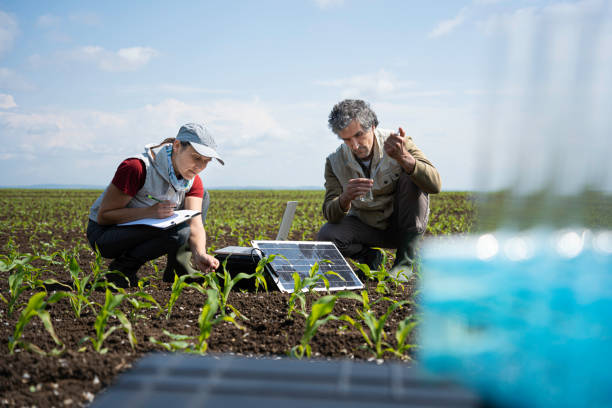
Environmental Auditor

An Environmental Auditor is a professional who specializes in assessing and evaluating the environmental performance of organizations, ensuring compliance with regulations, and promoting sustainable practices. They work in consulting firms, government agencies, private corporations, and non-profit organizations, collaborating with environmental scientists, policy makers, and business leaders. Environmental Auditors play a crucial role in safeguarding the environment by identifying risks, recommending improvements, and ensuring adherence to environmental laws in a world increasingly focused on climate change, resource conservation, and corporate responsibility.

Share :
✨ Radial Mind Map - Environmental Auditor
Nodes arranged in concentric circles

Loading radial mind map...

Overview

An Environmental Auditor is a professional who specializes in assessing and evaluating the environmental performance of organizations, ensuring compliance with regulations, and promoting sustainable practices. They work in consulting firms, government agencies, private corporations, and non-profit organizations, collaborating with environmental scientists, policy makers, and business leaders. Environmental Auditors play a crucial role in safeguarding the environment by identifying risks, recommending improvements, and ensuring adherence to environmental laws in a world increasingly focused on climate change, resource conservation, and corporate responsibility.

Environmental Auditors are experts in environmental management and compliance, responsible for conducting detailed assessments of organizational practices to ensure they meet legal, ethical, and sustainability standards. Their role involves site inspections, data analysis, and stakeholder engagement, often working in diverse settings such as industrial facilities, urban centers, or natural ecosystems. They combine knowledge of environmental science, regulatory frameworks, and risk assessment to address issues like pollution, waste management, and carbon emissions. As vital contributors to sustainability, they help organizations reduce their environmental footprint in an era prioritizing green initiatives, regulatory enforcement, and public accountability.


Roles and Responsibilities

💼
Environmental Auditor
Roles and Responsibilities
Environmental Compliance Assessment
Evaluate organizational operations to ensure adherence to local, national, and international environmental laws.
Identify non-compliance issues and recommend corrective actions to mitigate risks.
Site Inspections and Audits
Conduct on-site evaluations of facilities to assess environmental impact, including air, water, and soil quality.
Inspect waste disposal systems, energy usage, and resource management practices for sustainability.
Data Collection and Analysis
Gather data on emissions, resource consumption, and environmental hazards through monitoring tools and records.
Analyze findings to determine trends, risks, and areas for improvement.
Risk Identification and Mitigation
Detect potential environmental risks such as contamination or habitat destruction during audits.
Develop strategies to minimize risks and prevent environmental damage.
Reporting and Documentation
Prepare comprehensive audit reports detailing findings, violations, and recommendations for stakeholders.
Maintain accurate records for regulatory submissions and future reference.
Stakeholder Engagement
Collaborate with company management, government bodies, and community groups to address environmental concerns.
Communicate audit results and sustainability goals to ensure transparency and cooperation.
Policy and Procedure Development
Assist organizations in creating or updating environmental policies to align with best practices.
Provide guidance on implementing eco-friendly operational changes.
Training and Awareness
Educate employees and management on environmental regulations and sustainable practices.
Conduct workshops to promote a culture of environmental responsibility within organizations.

Roles and Responsibilities

  • Environmental Compliance Assessment
    • Evaluate organizational operations to ensure adherence to local, national, and international environmental laws.
    • Identify non-compliance issues and recommend corrective actions to mitigate risks.
  • Site Inspections and Audits
    • Conduct on-site evaluations of facilities to assess environmental impact, including air, water, and soil quality.
    • Inspect waste disposal systems, energy usage, and resource management practices for sustainability.
  • Data Collection and Analysis
    • Gather data on emissions, resource consumption, and environmental hazards through monitoring tools and records.
    • Analyze findings to determine trends, risks, and areas for improvement.
  • Risk Identification and Mitigation
    • Detect potential environmental risks such as contamination or habitat destruction during audits.
    • Develop strategies to minimize risks and prevent environmental damage.
  • Reporting and Documentation
    • Prepare comprehensive audit reports detailing findings, violations, and recommendations for stakeholders.
    • Maintain accurate records for regulatory submissions and future reference.
  • Stakeholder Engagement
    • Collaborate with company management, government bodies, and community groups to address environmental concerns.
    • Communicate audit results and sustainability goals to ensure transparency and cooperation.
  • Policy and Procedure Development
    • Assist organizations in creating or updating environmental policies to align with best practices.
    • Provide guidance on implementing eco-friendly operational changes.
  • Training and Awareness
    • Educate employees and management on environmental regulations and sustainable practices.
    • Conduct workshops to promote a culture of environmental responsibility within organizations.


Study Route & Eligibility Criteria

Study Route & Eligibility Criteria
Environmental Auditor
Route 1
🎓
1
10+2 with Physics, Chemistry, Biology or Mathematics .
🏛️
2
Bachelor’s degree in Environmental Science, Engineering, or Chemistry .
3-4 years
💼
3
Gain practical experience through internships or field training in environmental firms .
3-6 months
💼
4
Pursue entry-level roles like Junior Environmental Auditor .
1-2 years
Route 2
🎓
1
10+2 with PCB or PCM.
🏛️
2
Bachelor’s degree in Environmental Studies, Geography, or Civil Engineering .
3-4 years
🏛️
3
Master’s degree in Environmental Management or Sustainability Studies .
💼
4
Work in environmental auditing or related roles to gain experience .
1-2 years
🌍
5
Transition to Environmental Auditor roles with enhanced skills and knowledge.
Route 3
🎓
1
10+2 with PCB or PCM.
🏛️
2
Bachelor’s degree in Environmental Science, Engineering, or related field .
3-4 years
🌍
3
Pursue professional certifications like ISO 14001 Lead Auditor or other environmental auditing credentials .
1-2 years
💼
4
Gain hands-on experience through roles in environmental compliance or sustainability analysis .
1-2 years
🌍
5
Establish a career as an Environmental Auditor in consulting firms or industries.
Route 4
🎓
1
10+2 with PCB or PCM.
🏛️
2
Bachelor’s degree from India in Environmental Science, Engineering, or related field .
3-4 years
🏛️
3
Pursue international environmental auditing certifications or advanced degrees abroad .
1-2 years
🌍
4
Gain exposure through roles in global environmental firms or regulatory agencies .
1-2 years
💼
5
Work as an Environmental Auditor in international markets or multinational organizations.
🎯 Environmental Auditor - Professional

Significant Observations (Academic Related Points)

💡
Environmental Auditor
Academic Related Points
1
Interdisciplinary Foundation
Strong knowledge of environmental science, policy, and engineering is essential for effective auditing.
2
Practical Skills
Hands-on training in field assessments and data collection develops core competencies in environmental analysis.
3
Specialized Training
Certifications in environmental auditing or sustainability offer niche expertise.
4
Technical Proficiency
Mastery of environmental monitoring tools and software is vital for audit accuracy.
5
Regulatory Acumen
Understanding environmental laws and compliance standards improves audit effectiveness.
6
Certification Importance
Some roles may require certifications from environmental or auditing bodies for credibility.
7
Continuing Education
Regular workshops are necessary to stay updated on environmental regulations and green technologies.
8
Global Standards
Familiarity with international environmental protocols enhances opportunities for global projects.
9
Attention to Detail
Precision in identifying compliance gaps and environmental risks is critical for impact.
10
Entrance Examination Success
Certain programs may require entrance tests for admission.
11
International Testing Requirements
For global practice, certifications or qualifications from recognized environmental bodies may be needed.

Internships & Practical Exposure

💼
Environmental Auditor
Internships & Practical Experience
1
Mandatory field training during degree programs in environmental or industrial settings.
2
Rotations in environmental consulting firms for hands-on experience with compliance audits.
3
Internships under senior auditors for exposure to real-time environmental assessment projects.
4
Observerships in government environmental agencies for experience in regulatory enforcement.
5
Participation in mock audit simulations for practical skill development in environmental compliance.
6
Training in environmental impact assessment through real-world site engagements.
7
Exposure to monitoring tools like air quality sensors and GIS software during internships.
8
Field projects on pollution control or waste management during training.
9
Community engagement initiatives for educating locals on environmental conservation.
10
International environmental audit attachments for global exposure to sustainability practices.

Courses & Specializations to Enter the Field

📚
Environmental Auditor
Courses & Specializations
📖
Certificate in Environmental Auditing and Compliance
📖
Bachelor’s in Environmental Science, Engineering, or Chemistry
📖
Master’s in Environmental Management, Sustainability Studies, or Policy
📖
Ph.D. in Environmental Science or Sustainable Development
📖
Specialization in Environmental Impact Assessment
📖
Certification in ISO 14001 (Environmental Management Systems)
📖
Workshops on Climate Change Mitigation
📖
Training in Environmental Risk Management
📖
Specialization in Waste Management and Pollution Control
📖
Certification in Sustainability Reporting

Prominent Employers

🏢
Environmental Auditor
🌟 Top Companies & Organizations
🇮🇳 India
🏛️
Tata Consultancy Services (TCS) - Sustainability Division
🏛️
Reliance Industries Limited
🏛️
Adani Green Energy
🏛️
Mahindra Group
🏛️
Indian Oil Corporation (IOC)
🏛️
Oil and Natural Gas Corporation (ONGC)
🏛️
Central Pollution Control Board (CPCB)
🏛️
Ministry of Environment, Forest and Climate Change (MoEFCC)
🏛️
Larsen & Toubro (L&T) - Environment Division
🏛️
NTPC Limited
🌍 International
🌐
Deloitte (Environmental Services), USA
🌐
PricewaterhouseCoopers (PwC), UK
🌐
Ernst & Young (EY), Global
🌐
KPMG, Global
🌐
World Wildlife Fund (WWF), Global
🌐
United Nations Environment Programme (UNEP), Global
🌐
Greenpeace International, Global
🌐
Environmental Resources Management (ERM), USA
🌐
AECOM, USA
🌐
Tetra Tech, USA

Advice for Aspiring Environmental Auditors

💡
Environmental Auditor
🌟 Tips for Students & Parents
1
Build a strong foundation in environmental science, policy, and engineering to understand compliance ecosystems.
2
Seek early exposure to environmental consulting or fieldwork through internships to confirm interest in the field.
3
Prepare thoroughly for entrance exams or certification requirements specific to your chosen program or region.
4
Pursue advanced certifications in environmental auditing, ISO 14001, or sustainability to gain expertise.
5
Stay updated on advancements in environmental regulations by attending industry conferences and expos.
6
Develop hands-on skills in environmental monitoring, data analysis, and risk assessment through practical training.
7
Engage in research projects or sustainability initiatives to build real-world experience.
8
Join professional associations like the Institute of Environmental Management & Assessment (IEMA) for networking and resources.
9
Work on precision and problem-solving to ensure accurate and impactful audit outcomes.
10
Explore international environmental initiatives for exposure to diverse compliance challenges.
11
Volunteer in conservation or pollution control projects to understand community environmental issues.
12
Cultivate adaptability to handle regulatory and operational constraints in environmental settings.
13
Attend continuing education programs to stay abreast of evolving sustainability trends.
14
Build a network with environmental experts, regulators, and industry leaders for collaborative efforts.
15
Develop resilience to manage the strategic and compliance pressures of environmental auditing.
16
Balance technical skills with regulatory application to adapt to rapid advancements in environmental dynamics.
🎓 Final Message
A career as an Environmental Auditor offers a unique opportunity to contribute to environmental protection and sustainability by ensuring organizations adheres to regulations and adopt eco-friendly practices. From conducting audits to integrating cutting-edge monitoring technologies, Environmental Auditors play a pivotal role in modern environmental stewardship and corporate responsibility. This field combines scientific analysis, regulatory expertise, and a commitment to planetary health, offering diverse paths in consulting, government, and industry. For those passionate about shaping sustainability trends, adapting to global environmental challenges, and addressing critical compliance needs in an era of climate urgency, a career as an Environmental Auditor provides an intellectually stimulating and professionally rewarding journey with the potential to make significant contributions to society by enhancing environmental integrity and industry standards worldwide.
Knowledge & Skills You Will Learn
1
Growing Demand: Increasing need for environmental auditors due to stricter regulations and corporate sustainability goals, with employment of environmental scientists and specialists projected to grow 4% from 2024 to 2034 .
2
Circular Economy Practices: Focus on auditing waste management and resource recycling for sustainable operations, aligning with global sustainability trends .
3
Green Certifications: Rise in demand for audits related to ISO 14001 and other sustainability certifications as companies seek to improve their environmental credentials.
4
Global Collaboration: Enhanced international partnerships to standardize environmental auditing practices, fostering cross-border sustainability efforts.
5
Skill Development Needs: Growing necessity for training in environmental tech, data analytics, and regulatory updates to meet evolving industry demands .
6
Corporate Accountability: Increased scrutiny on companies to report and improve environmental performance, pushing the demand for comprehensive audits.
Junior Environmental Auditor

Junior Environmental Auditor

Early-career professionals conduct basic audits and data collection with growing independence in Indian consulting firms or industries. They...

0.0LPA

Senior Environmental Auditor

Senior Environmental Auditor

Experienced professionals oversee complex audit projects with precision, using advanced assessment methods in organizations like Tata Group or...

0.0LPA

Environmental Audit Lead

Environmental Audit Lead

Specialists manage large-scale audit initiatives with exceptional competence in government bodies like the Ministry of Environment, Forest and...

0.0LPA

Interested in this career?

Take the next step and explore more about Environmental Auditor.