Aerospace Engineer
Junior Aerospace Engineer (Entry to Mid-Level)
Explore Career
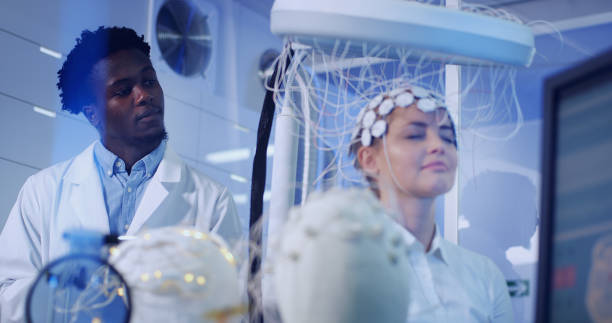
An Electrobiologist studies the electrical phenomena and processes in biological systems. They explore how electrical signals control cellular functions, neural activity, muscle contractions, and bioelectric communication. Electrobiologists apply principles of biology, physics, and engineering to understand and manipulate bioelectrical systems for medical, environmental, and technological applications.
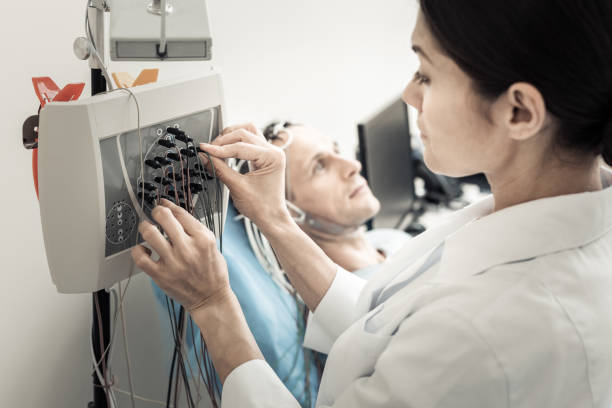
Electrobiologists investigate the role of electrical signals in living organisms at molecular, cellular, and systemic levels. They study how bioelectricity influences physiological processes such as nerve impulses, heart rhythms, and cellular communication. Using experimental techniques and computational models, they analyze electrical properties of cells and tissues, develop biomedical devices, and explore applications in neurobiology, regenerative medicine, and bioengineering. Electrobiologists collaborate with neuroscientists, biophysicists, medical researchers, and engineers to advance understanding of bioelectrical systems and develop innovative therapies and technologies.
| Route | Steps |
|---|---|
| Route 1: Bachelor’s in Biology / Biophysics | 1. Complete a Bachelor’s degree in Biology, Biophysics, or related fields. 2. Pursue Master’s and/or PhD specializing in electrophysiology, bioelectrics, or biomedical engineering. 3. Gain laboratory and research experience through internships. 4. Seek positions in academic, medical, or industrial research. |
| Route 2: Biomedical Engineering + Physiology | 1. Obtain a degree in Biomedical Engineering or Bioengineering. 2. Specialize in bioelectrical systems and medical device development. 3. Participate in internships at hospitals or research labs. 4. Advance through graduate studies and professional roles. |
| Route 3: Neuroscience + Electrophysiology | 1. Earn a degree in Neuroscience or Physiology. 2. Focus on neural electrical activity and signal processing. 3. Engage in research assistantships and technical training. 4. Pursue advanced degrees and specialized certifications. |
| Route 4: Physics + Computational Biology | 1. Complete degrees in Physics or Applied Physics with biological applications. 2. Develop computational and modeling skills. 3. Conduct interdisciplinary research projects. 4. Pursue graduate programs integrating physics, biology, and engineering. |
| Institute | Course / Program | Official Link |
|---|---|---|
| Indian Institute of Science (IISc), Bangalore | Biophysics and Biomedical Engineering | https://iisc.ac.in/ |
| All India Institute of Medical Sciences (AIIMS), Delhi | Neuroscience and Electrophysiology | https://www.aiims.edu/ |
| Indian Institute of Technology (IIT) Bombay | Biomedical Engineering | https://www.iitb.ac.in/ |
| Tata Institute of Fundamental Research (TIFR), Mumbai | Biophysics and Computational Biology | https://www.tifr.res.in/ |
| National Institute of Mental Health and Neurosciences (NIMHANS), Bangalore | Neuroscience and Neurotechnology | https://nimhans.ac.in/ |
| Jawaharlal Nehru University (JNU), Delhi | Biological Sciences and Biophysics | https://www.jnu.ac.in/ |
| University of Hyderabad | Biomedical Sciences | https://www.uohyd.ac.in/ |
| Manipal Academy of Higher Education | Biomedical Engineering | https://manipal.edu/ |
| Amrita Vishwa Vidyapeetham | Biomedical Engineering and Biotechnology | https://www.amrita.edu/ |
| Vellore Institute of Technology (VIT) | Biomedical Engineering | https://vit.ac.in/ |
International
| Institution | Course | Country | Official Link |
|---|---|---|---|
| Massachusetts Institute of Technology (MIT) | Biological Engineering and Neurotechnology | USA | https://mit.edu/ |
| Stanford University | Bioengineering and Neuroscience | USA | https://stanford.edu/ |
| University College London (UCL) | Biomedical Engineering and Electrophysiology | UK | https://www.ucl.ac.uk/ |
| Harvard University | Neurobiology and Biomedical Engineering | USA | https://www.harvard.edu/ |
| ETH Zurich | Biomedical Engineering | Switzerland | https://ethz.ch/ |
| University of Cambridge | Neuroscience and Biophysics | UK | https://cam.ac.uk/ |
| Johns Hopkins University | Biomedical Engineering | USA | https://www.jhu.edu/ |
| Imperial College London | Bioengineering and Neurotechnology | UK | https://www.imperial.ac.uk/ |
| University of Toronto | Biomedical Engineering and Neuroscience | Canada | https://www.utoronto.ca/ |
| Technical University of Munich (TUM) | Biomedical Engineering | Germany | https://www.tum.de/ |
India
International
Laboratory Technician / Research Assistant → Graduate Student (MSc/PhD) → Electrobiologist / Biomedical Researcher → Senior Scientist / Biomedical Engineer → Project Manager / Principal Investigator → Director of Research / Clinical Consultant → Industry Leader / Academic Professor
| India | International |
|---|---|
| Indian Institute of Science (IISc) | Medtronic |
| All India Institute of Medical Sciences (AIIMS) | Boston Scientific |
| Tata Institute of Fundamental Research (TIFR) | Abbott Laboratories |
| National Institute of Mental Health and Neurosciences (NIMHANS) | NeuroPace |
| Indian Institute of Technology (IIT) Bombay | Boston University Medical Campus |
| Manipal Academy of Higher Education | GE Healthcare |
| Amrita Vishwa Vidyapeetham | Philips Healthcare |
| Vellore Institute of Technology (VIT) | Stryker Corporation |
| Centre for Cellular and Molecular Biology (CCMB) | Neuralink |
| National Institute of Biomedical Genomics | Johnson & Johnson |
| Pros | Cons |
|---|---|
| Work at the cutting edge of biology and technology | Requires multidisciplinary expertise and continuous learning |
| Opportunity to develop life-saving medical devices and therapies | Experimental work can be technically challenging |
| Interdisciplinary collaboration fosters innovation | Regulatory and ethical compliance can be complex |
| Diverse career paths in academia, industry, and healthcare | High competition for research funding and positions |
| Contribute to understanding and treating neurological and cardiac disorders | Long hours and precision work required in labs |
| Growing field with expanding technological applications | Rapid technological changes require adaptability |
| Career Level | India (₹ per annum) | International (US$ per annum) |
|---|---|---|
| Entry-Level Technician / Research Assistant | 3,00,000 - 6,00,000 | $45,000 - $65,000 |
| Electrobiologist / Biomedical Researcher | 6,00,000 - 12,00,000 | $65,000 - $95,000 |
| Senior Scientist / Biomedical Engineer | 12,00,000 - 25,00,000 | $95,000 - $140,000 |
| Principal Investigator / Project Manager | 20,00,000 - 40,00,000 | $130,000 - $180,000 |
| Director / Clinical Consultant / Professor | 30,00,000 - 60,00,000+ | $160,000 - $220,000+ |
A career as an Electrobiologist offers the exciting opportunity to explore the electrical foundations of life and develop innovative medical technologies that improve health and wellbeing. This multidisciplinary field bridges biology, physics, and engineering to unravel complex bioelectrical processes and translate discoveries into practical applications. For those passionate about science, technology, and medicine, electrobiology provides a dynamic and impactful career path at the forefront of biomedical innovation.

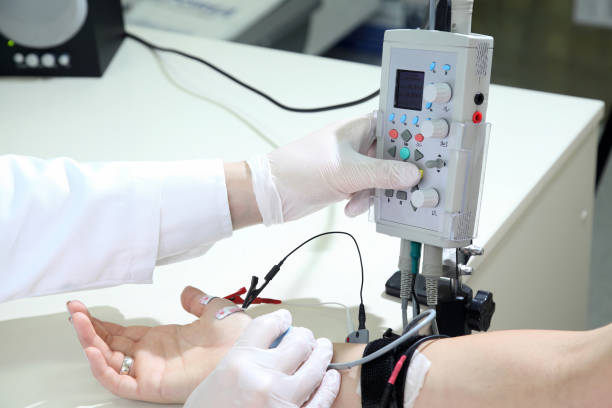
Electrobiologists specialize in studying electrical phenomena in biological systems, such as neural signaling, cardiac electrophysiology, and...
0.0LPA
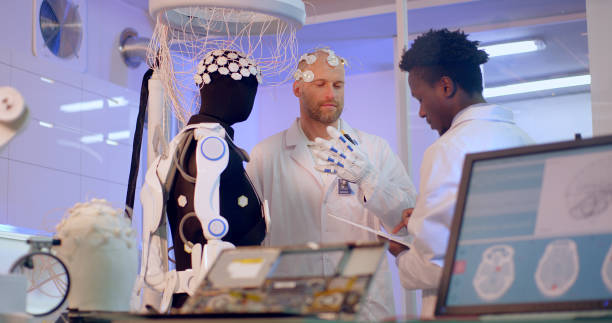
Biomedical Engineers in neuroengineering design and develop medical devices that interface with the nervous system. They work on neural...
0.0LPA
Neurophysiologists study the electrical activity of the nervous system at cellular and systemic levels. They use electrophysiological techniques...
0.0LPA
Take the next step and explore more about Electrobiologist.
Explore similar career paths that might interest you