Dairy Product Manager

Summary

A Dairy Product Manager is a professional responsible for overseeing the development, production, marketing, and distribution of dairy products such as milk, cheese, yogurt, and butter.

Share :
✨ Radial Mind Map - Dairy Product Manager
Nodes arranged in concentric circles

Loading radial mind map...

Overview

A Dairy Product Manager is a professional responsible for overseeing the development, production, marketing, and distribution of dairy products such as milk, cheese, yogurt, and butter. They work in dairy processing companies, food manufacturing firms, agricultural cooperatives, and retail sectors, collaborating with farmers, production teams, marketing specialists, and supply chain managers. Dairy Product Managers play a crucial role in the food industry by ensuring product quality, meeting consumer demands, and driving business growth in a competitive market focused on health, sustainability, and innovation.
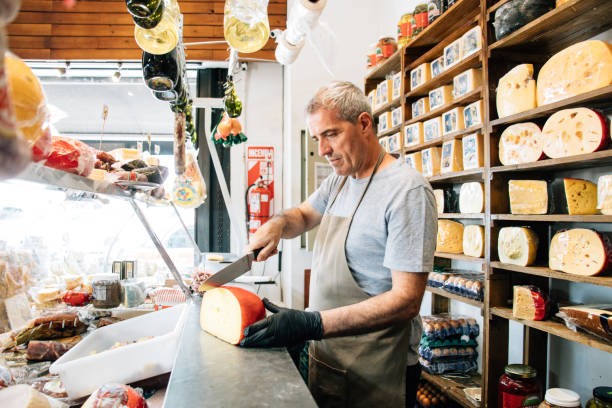
Dairy Product Managers are strategic professionals who manage the lifecycle of dairy products from concept to market. Their role involves coordinating product development, ensuring compliance with food safety regulations, analyzing market trends, and implementing branding strategies, often balancing office-based planning with on-site production oversight. They combine business acumen with technical knowledge of dairy processing to deliver high-quality products that align with consumer preferences. As key contributors to the food sector, they help address challenges like sustainability, nutritional demands, and supply chain efficiency in an industry increasingly focused on innovation and environmental responsibility.

Roles and Responsibilities

💼
Dairy Product Manager
Roles and Responsibilities
Product Development and Innovation
Conceptualize and develop new dairy products based on market trends and consumer needs
Collaborate with research and development teams to create unique recipes and formulations
Quality Assurance and Compliance
Ensure products meet food safety standards and regulatory requirements
Implement quality control measures to maintain consistency in taste, texture, and safety
Market Research and Analysis
Conduct consumer research to identify preferences and emerging trends in dairy consumption
Analyze competitor products to position offerings effectively in the market
Production Oversight
Coordinate with production teams to streamline manufacturing processes
Monitor supply chains for raw materials like milk to ensure timely availability
Marketing and Branding
Develop marketing strategies to promote dairy products through advertising and campaigns
Work with design teams to create appealing packaging that reflects brand identity
Sales and Distribution Management
Collaborate with sales teams to achieve revenue targets and expand market reach
Manage distribution channels to ensure products are available to retailers and consumers
Budget and Cost Management
Prepare budgets for product development, production, and marketing initiatives
Optimize costs without compromising on product quality or safety standards
Sustainability Initiatives
Implement eco-friendly practices in production and packaging to reduce environmental impact
Work with suppliers to promote sustainable farming and sourcing methods
Technical Foundation
: Strong knowledge of dairy science, food processing, and microbiology is essential for product development.
Practical Skills
: Hands-on training in dairy plants develops core competencies in production processes.
Specialized Training
: Certifications in food safety or quality management offer niche expertise.
Business Proficiency
: Understanding of marketing and supply chain management is vital for product success.
Interdisciplinary Knowledge
: Familiarity with nutrition, consumer behavior, and sustainability improves product strategies.
Certification Importance
: Some roles may require certifications like HACCP or ISO for credibility in quality assurance.
Continuing Education
: Regular workshops are necessary to stay updated on dairy technology and market trends.
Global Standards
: Familiarity with international food safety protocols enhances opportunities for export markets.
Attention to Detail
: Precision in product formulation and quality checks is critical for consumer satisfaction.
Entrance Examination Success
: Certain programs may require entrance tests for admission.
International Testing Requirements
: For global roles, certifications or qualifications from recognized food industry bodies may be needed.
ICAR AIEEA (All India Entrance Examination for Admission)
: Conducted by the Indian Council of Agricultural Research for admissions in dairy technology and related programs.
JEE Main (Joint Entrance Examination)
: For admission to B.Tech programs in dairy technology at certain institutes.
State-Level Entrance Exams
: Various states conduct exams for admission to dairy technology programs in state universities.
TOEFL (Test of English as a Foreign Language)
: Minimum score of 80-100 required for non-native speakers applying to programs in English-speaking countries.
IELTS (International English Language Testing System)
: Minimum score of 6.0-7.0 required for admission to universities in the UK, Australia, and other English-speaking regions.
PTE Academic (Pearson Test of English Academic)
: Accepted by many international institutes as an alternative to TOEFL or IELTS for English proficiency.
Duolingo English Test
: Accepted by some institutions as a convenient alternative for English language proficiency testing.
Trainee
: Entry-level individuals undergo basic training in dairy product development under supervision. They acquire practical skills through plant and lab exposure. Their education establishes a foundation for understanding dairy processes. They begin by assisting with fundamental tasks like quality testing while learning industry guidelines.
Junior Dairy Product Manager
: Early-career professionals handle basic product coordination with increasing autonomy. They hone skills in market analysis and production oversight while ensuring product standards. Their practice builds experience through regular projects. They prepare for advanced roles by mastering core processes and adhering to safety protocols in diverse settings.
Senior Dairy Product Manager
: Experienced professionals manage complex product portfolios with high accuracy, using market insights. They offer technical expertise in formulation and branding. Their skills improve precision by mentoring junior staff and resolving production challenges. They are vital for product success, often leading launches during critical phases.
Dairy Brand Manager
: Specialists oversee branding and marketing strategies for dairy lines with exceptional competence. They integrate deep market knowledge with expertise in consumer engagement for impactful outcomes. Their proficiency aids detailed planning through close collaboration with sales teams. They are central to brand success, often focusing on market expansion.
Product Development Head
: Senior professionals specialize in innovation, ensuring product relevance. They provide leadership by establishing development protocols and managing high-priority projects. Their contributions enhance efficiency through research and quality assurance of new offerings. They are essential for product differentiation, often bridging science and market needs.
Supply Chain Manager
: Leaders provide strategic guidance on dairy logistics in organizational settings. They oversee supply chain optimization by aligning sourcing with production goals. Their vision fosters operational growth by integrating efficient solutions into frameworks. They are critical for delivery standards, preparing strategies to meet market demands.
Dairy Operations Director
: Top-tier administrators manage entire dairy production units or companies. They handle budgets, staffing, and operational direction while ensuring regulatory compliance. Their leadership integrates production services into broader systems. They play a key role in operational development, championing efficiency, and driving advancements in dairy processing.
Food Industry Consultant
: Expert advisors offer specialized guidance on dairy strategies to companies and startups. They utilize extensive experience to enhance product accuracy and efficiency on a consultancy basis. Their insights shape industry trends by recommending advanced practices and policies. They are pivotal in advancing standards, often collaborating globally to improve dairy offerings.
Health-Focused Products
: Growing demand for low-fat, organic, and fortified dairy products to meet consumer health preferences.
Rising Demand
: Increasing global consumption of dairy due to population growth and rising disposable incomes, especially in emerging markets.
Sustainable Practices
: Advancements in eco-friendly packaging and energy-efficient production methods to reduce environmental impact.
Technology Integration
: Adoption of automation and IoT in dairy processing for improved efficiency and traceability in supply chains.
Plant-Based Alternatives
: Expansion of dairy-free and vegan options influencing traditional dairy product innovation and market positioning.
Digital Marketing Growth
: Emergence of online platforms and social media for direct-to-consumer sales and brand engagement.
Regulatory Emphasis
: Stricter food safety and labeling regulations driving quality improvements and transparency in dairy production.
Global Trade Opportunities
: Enhanced focus on export markets with rising demand for premium dairy products in international regions.
Skill Development Needs
: Growing necessity for training in digital tools and sustainability practices to address modern industry challenges.
Consumer Education Focus
: Increased efforts to educate consumers on dairy nutrition and sustainable sourcing for brand loyalty.
Dr.VergheseKurien (Historical, India)
: Known as the "Father of the White Revolution" for pioneering Operation Flood. His work transformed India into a leading dairy producer. His contributions impact dairy cooperatives globally.
R.S. Sodhi (Contemporary, India)
: Former Managing Director of Amul, instrumental in expanding its global presence. His strategies shaped modern dairy marketing. His impact strengthens India’s dairy industry.
Emmanuel Besnier (Contemporary, France)
: CEO of Lactalis, leading one of the largest dairy companies worldwide. His vision drives global dairy innovation. His contributions influence international markets.
Theo Spierings (Contemporary, New Zealand)
: Former CEO of Fonterra, known for advancing sustainable dairy practices. His leadership shaped export strategies. His efforts impact global dairy trade.
Hanne Søndergaard (Contemporary, Denmark)
: Executive at Arla Foods, focusing on sustainability in dairy production. Her initiatives promote green practices. Her contributions advance eco-friendly dairy solutions.
Miles Hurrell (Contemporary, New Zealand)
: CEO of Fonterra, driving innovation in dairy product offerings. His strategies enhance market competitiveness. His impact strengthens global dairy leadership.
PederTuborgh (Contemporary, Denmark)
: CEO of Arla Foods, known for expanding organic dairy lines. His focus on consumer health shapes product trends. His efforts influence European dairy markets.
Rick Smith (Contemporary, USA)
: CEO of Dairy Farmers of America, leading cooperative dairy efforts. His policies support farmer livelihoods. His contributions impact American dairy systems.
Sunil Reddy (Contemporary, India)
: Founder of Dodla Dairy, known for scaling regional dairy operations. His business acumen drives growth. His impact bolsters India’s dairy sector.
Devi Lal Bagri (Contemporary, India)
: Chairman of Heritage Foods, advancing dairy product diversity. His leadership fosters market expansion. His efforts strengthen regional dairy presence.

Roles and Responsibilities

  • Product Development and Innovation
    • Conceptualize and develop new dairy products based on market trends and consumer needs
    • Collaborate with research and development teams to create unique recipes and formulations
  • Quality Assurance and Compliance
    • Ensure products meet food safety standards and regulatory requirements
    • Implement quality control measures to maintain consistency in taste, texture, and safety
  • Market Research and Analysis
    • Conduct consumer research to identify preferences and emerging trends in dairy consumption
    • Analyze competitor products to position offerings effectively in the market
  • Production Oversight
    • Coordinate with production teams to streamline manufacturing processes
    • Monitor supply chains for raw materials like milk to ensure timely availability
  • Marketing and Branding
    • Develop marketing strategies to promote dairy products through advertising and campaigns
    • Work with design teams to create appealing packaging that reflects brand identity
  • Sales and Distribution Management
    • Collaborate with sales teams to achieve revenue targets and expand market reach
    • Manage distribution channels to ensure products are available to retailers and consumers
  • Budget and Cost Management
    • Prepare budgets for product development, production, and marketing initiatives
    • Optimize costs without compromising on product quality or safety standards
  • Sustainability Initiatives
    • Implement eco-friendly practices in production and packaging to reduce environmental impact
    • Work with suppliers to promote sustainable farming and sourcing methods


Study Route & Eligibility Criteria

RouteSteps
Route 11. 10+2 with Physics, Chemistry, Biology (PCB) or Agriculture 2. Bachelor’s degree in Dairy Technology or Food Science (3-4 years) 3. Internship or industrial training (3-6 months) 4. Practice as Junior Dairy Product Manager
Route 21. 10+2 with PCB or Agriculture 2. Bachelor’s degree in Dairy Technology or Food Technology (3-4 years) 3. Master’s degree in Dairy Science or Food Business Management (2 years) 4. Work as Dairy Product Manager
Route 31. 10+2 with PCB or Agriculture 2. Bachelor’s degree in Food Science or Dairy Technology (3-4 years) 3. Master’s degree in Dairy Management or Agribusiness (2 years) 4. MBA in Marketing or Supply Chain (1-2 years) 5. Practice as Senior Dairy Product Manager
Route 41. 10+2 with PCB or Agriculture 2. Advanced international training or certification in Dairy Technology (1-2 years) 3. Master’s or MBA as per country requirements 4. Practice abroad or in India


Significant Observations (Academic Related Points)

  • Technical Foundation: Strong knowledge of dairy science, food processing, and microbiology is essential for product development.
  • Practical Skills: Hands-on training in dairy plants develops core competencies in production processes.
  • Specialized Training: Certifications in food safety or quality management offer niche expertise.
  • Business Proficiency: Understanding of marketing and supply chain management is vital for product success.
  • Interdisciplinary Knowledge: Familiarity with nutrition, consumer behavior, and sustainability improves product strategies.
  • Certification Importance: Some roles may require certifications like HACCP or ISO for credibility in quality assurance.
  • Continuing Education: Regular workshops are necessary to stay updated on dairy technology and market trends.
  • Global Standards: Familiarity with international food safety protocols enhances opportunities for export markets.
  • Attention to Detail: Precision in product formulation and quality checks is critical for consumer satisfaction.
  • Entrance Examination Success: Certain programs may require entrance tests for admission.
  • International Testing Requirements: For global roles, certifications or qualifications from recognized food industry bodies may be needed.


Internships & Practical Exposure

  • Mandatory industrial training during degree programs in dairy processing plants
  • Rotations in food manufacturing companies for hands-on experience with production lines
  • Internships under product managers for exposure to real-time product development projects
  • Observerships in quality control labs for experience in safety and compliance testing
  • Participation in mock product launch activities for practical skill development
  • Training in dairy supply chains through real-world sourcing and distribution projects
  • Exposure to sustainable packaging protocols during internships
  • Field projects on new product formulations or market testing during training
  • Community engagement initiatives for promoting dairy nutrition in local programs
  • International dairy industry attachments for global exposure to production practices


Courses & Specializations to Enter the Field

  • Certificate in Dairy Technology or Food Safety Management
  • Bachelor’s in Dairy Technology, Food Science, or Food Technology
  • Master’s in Dairy Science, Food Business Management, or Agribusiness
  • MBA in Marketing, Supply Chain, or Food Industry Management
  • Specialization in Dairy Product Development
  • Certification in Hazard Analysis and Critical Control Points (HACCP)
  • Workshops on Sustainable Dairy Practices
  • Training in Quality Assurance for Food Products
  • Specialization in Dairy Nutrition
  • Certification in Food Packaging Technology


Top Institutes for Dairy Product Manager Education (India)

InstituteCourse/ProgramOfficial Link
National Dairy Research Institute (NDRI), Karnal
  • B.Tech/M.Tech/Ph.D. in Dairy Technology
https://www.ndri.res.in/
Anand Agricultural University (AAU), Gujarat
  • B.Tech/M.Tech in Dairy Science
https://www.aau.in/
Guru Angad Dev Veterinary and Animal Sciences University (GADVASU), Ludhiana
  • B.Tech/M.Tech in Dairy Technology
https://www.gadvasu.in/
Kerala Veterinary and Animal Sciences University (KVASU), Wayanad
  • B.Tech/M.Tech in Dairy Technology
https://www.kvasu.ac.in/
Tamil Nadu Veterinary and Animal Sciences University (TANUVAS), Chennai
  • B.Tech/M.Tech in Food Technology
https://www.tanuvas.ac.in/
University of Agricultural Sciences (UAS), Bangalore
  • B.Tech/M.Tech in Dairy Science
https://www.uasbangalore.edu.in/
Maharashtra Animal and Fishery Sciences University (MAFSU), Nagpur
  • B.Tech/M.Tech in Dairy Technology
https://www.mafsu.in/
Rajasthan University of Veterinary and Animal Sciences (RAJUVAS), Bikaner
  • B.Tech/M.Tech in Dairy Technology
https://www.rajuvas.org/
West Bengal University of Animal and Fishery Sciences (WBUAFS), Kolkata
  • B.Tech/M.Tech in Dairy Technology
https://www.wbuafscl.ac.in/
Amity University, Noida
  • B.Tech/M.Tech in Food Technology
https://www.amity.edu/


Top International Institutes

InstitutionCourseCountryOfficial Link
University of Wisconsin-MadisonDairy Science and Food Science ProgramsUSAhttps://www.wisc.edu/
Cornell UniversityFood Science and Dairy Management ProgramsUSAhttps://www.cornell.edu/
Wageningen University & ResearchDairy Technology and Food Science ProgramsNetherlandshttps://www.wur.nl/
University of CopenhagenFood Science and Dairy Technology ProgramsDenmarkhttps://www.ku.dk/
University of ReadingFood Science and Dairy Management ProgramsUKhttps://www.reading.ac.uk/
Massey UniversityDairy Science and Agribusiness ProgramsNew Zealandhttps://www.massey.ac.nz/
University of GuelphFood Science and Dairy Technology ProgramsCanadahttps://www.uoguelph.ca/
ETH ZurichFood Science ProgramsSwitzerlandhttps://www.ethz.ch/
University of QueenslandFood Science and Technology ProgramsAustraliahttps://www.uq.edu.au/
Swedish University of Agricultural Sciences (SLU)Dairy Science ProgramsSwedenhttps://www.slu.se/


Entrance Tests RequiredIndia:

  • ICAR AIEEA (All India Entrance Examination for Admission): Conducted by the Indian Council of Agricultural Research for admissions in dairy technology and related programs.
  • JEE Main (Joint Entrance Examination): For admission to B.Tech programs in dairy technology at certain institutes.
  • State-Level Entrance Exams: Various states conduct exams for admission to dairy technology programs in state universities.

International:

  • TOEFL (Test of English as a Foreign Language): Minimum score of 80-100 required for non-native speakers applying to programs in English-speaking countries.
  • IELTS (International English Language Testing System): Minimum score of 6.0-7.0 required for admission to universities in the UK, Australia, and other English-speaking regions.
  • PTE Academic (Pearson Test of English Academic): Accepted by many international institutes as an alternative to TOEFL or IELTS for English proficiency.
  • Duolingo English Test: Accepted by some institutions as a convenient alternative for English language proficiency testing.


Ideal Progressing Career Path

 Trainee → Junior Dairy Product Manager → Senior Dairy Product Manager → Dairy Brand Manager → Product Development Head → Supply Chain Manager → Dairy Operations Director → Food Industry Consultant


Leading Professions in a Dairy Product Manager Career

  • Trainee: Entry-level individuals undergo basic training in dairy product development under supervision. They acquire practical skills through plant and lab exposure. Their education establishes a foundation for understanding dairy processes. They begin by assisting with fundamental tasks like quality testing while learning industry guidelines.
  • Junior Dairy Product Manager: Early-career professionals handle basic product coordination with increasing autonomy. They hone skills in market analysis and production oversight while ensuring product standards. Their practice builds experience through regular projects. They prepare for advanced roles by mastering core processes and adhering to safety protocols in diverse settings.
  • Senior Dairy Product Manager: Experienced professionals manage complex product portfolios with high accuracy, using market insights. They offer technical expertise in formulation and branding. Their skills improve precision by mentoring junior staff and resolving production challenges. They are vital for product success, often leading launches during critical phases.
  • Dairy Brand Manager: Specialists oversee branding and marketing strategies for dairy lines with exceptional competence. They integrate deep market knowledge with expertise in consumer engagement for impactful outcomes. Their proficiency aids detailed planning through close collaboration with sales teams. They are central to brand success, often focusing on market expansion.
  • Product Development Head: Senior professionals specialize in innovation, ensuring product relevance. They provide leadership by establishing development protocols and managing high-priority projects. Their contributions enhance efficiency through research and quality assurance of new offerings. They are essential for product differentiation, often bridging science and market needs.
  • Supply Chain Manager: Leaders provide strategic guidance on dairy logistics in organizational settings. They oversee supply chain optimization by aligning sourcing with production goals. Their vision fosters operational growth by integrating efficient solutions into frameworks. They are critical for delivery standards, preparing strategies to meet market demands.
  • Dairy Operations Director: Top-tier administrators manage entire dairy production units or companies. They handle budgets, staffing, and operational direction while ensuring regulatory compliance. Their leadership integrates production services into broader systems. They play a key role in operational development, championing efficiency, and driving advancements in dairy processing.
  • Food Industry Consultant: Expert advisors offer specialized guidance on dairy strategies to companies and startups. They utilize extensive experience to enhance product accuracy and efficiency on a consultancy basis. Their insights shape industry trends by recommending advanced practices and policies. They are pivotal in advancing standards, often collaborating globally to improve dairy offerings.


Major Areas of Employment

  • Dairy processing companies for product development and production management
  • Food manufacturing firms for overseeing dairy product lines
  • Agricultural cooperatives for managing dairy sourcing and farmer relations
  • Retail chains for dairy product merchandising and sales strategies
  • Food safety and regulatory bodies for compliance and quality assurance
  • Marketing agencies for dairy product branding and consumer campaigns
  • Research and development centers for innovation in dairy formulations
  • Export firms for managing international dairy trade and standards
  • Sustainability consultancies for eco-friendly dairy practices
  • Government food departments for policy and industry oversight


Prominent Employers

IndiaInternational
Amul (Gujarat Cooperative Milk Marketing Federation)Nestlé, Global
Mother Dairy, DelhiDanone, France
Nandini (Karnataka Milk Federation)Fonterra, New Zealand
Parag Milk Foods Ltd.Arla Foods, Denmark
Hatsun Agro Product Ltd. (Arokya)Lactalis, France
Britannia Industries Ltd.Saputo Inc., Canada
Heritage Foods Ltd.Dairy Farmers of America, USA
Schreiber Dynamix Dairies Pvt. Ltd.FrieslandCampina, Netherlands
Kwality Ltd.Yili Group, China
Dodla Dairy Ltd.Mengniu Dairy, China


Pros and Cons of the Profession

ProsCons
Opportunity to innovate in a growing food industry with diverse productsHigh pressure to meet strict food safety and regulatory standards
High demand for dairy products due to global nutritional needsIntense competition in a crowded market with established brands
Rewarding impact on consumer health through quality dairy offeringsRisk of supply chain disruptions affecting production timelines
Diverse career paths across production, marketing, and operationsLong working hours during product launches or crisis management
Strong potential for growth with increasing focus on sustainable practicesDependency on fluctuating raw material costs and market trends


Skills Required

  • Technical expertise in dairy technology and food processing with precision
  • Analytical accuracy in market research and consumer trend analysis
  • In-depth knowledge of food safety regulations for effective compliance management
  • Critical thinking to design and implement innovative dairy product solutions
  • Attention to detail to ensure consistent product quality and safety standards
  • Time management to handle multiple product launches and production deadlines
  • Adaptability to work in dynamic market and production environments
  • Interpersonal skills for effective collaboration with teams and stakeholders
  • Problem-solving ability to address supply chain or quality control issues
  • Strategic planning skills to develop marketing and distribution strategies


Industry Trends and Future Outlook

  • Health-Focused Products: Growing demand for low-fat, organic, and fortified dairy products to meet consumer health preferences.
  • Rising Demand: Increasing global consumption of dairy due to population growth and rising disposable incomes, especially in emerging markets.
  • Sustainable Practices: Advancements in eco-friendly packaging and energy-efficient production methods to reduce environmental impact.
  • Technology Integration: Adoption of automation and IoT in dairy processing for improved efficiency and traceability in supply chains.
  • Plant-Based Alternatives: Expansion of dairy-free and vegan options influencing traditional dairy product innovation and market positioning.
  • Digital Marketing Growth: Emergence of online platforms and social media for direct-to-consumer sales and brand engagement.
  • Regulatory Emphasis: Stricter food safety and labeling regulations driving quality improvements and transparency in dairy production.
  • Global Trade Opportunities: Enhanced focus on export markets with rising demand for premium dairy products in international regions.
  • Skill Development Needs: Growing necessity for training in digital tools and sustainability practices to address modern industry challenges.
  • Consumer Education Focus: Increased efforts to educate consumers on dairy nutrition and sustainable sourcing for brand loyalty.


Salary Expectations

Career LevelIndia (₹ per annum)International (USD per annum)
Trainee/Junior Dairy Product Manager (Early Career)3,00,000 - 5,00,00030,000 - 45,000
Senior Dairy Product Manager (Mid-Career)5,00,000 - 8,00,00045,000 - 70,000
Dairy Brand Manager8,00,000 - 12,00,00070,000 - 90,000
Product Development Head/Supply Chain Manager12,00,000 - 18,00,00090,000 - 120,000
Dairy Operations Director/Food Industry Consultant18,00,000+120,000+
Note: Salaries may vary based on location, employer, experience, and specialization.  


Key Software Tools

  • Enterprise Resource Planning (ERP) systems for production and inventory management
  • Market Analysis Tools for consumer trend tracking and competitor benchmarking
  • Quality Control Software for monitoring safety and compliance standards
  • Supply Chain Management Tools for optimizing sourcing and distribution
  • Product Lifecycle Management (PLM) Software for overseeing product development
  • Teleconferencing tools like Zoom for team coordination and client meetings
  • Customer Relationship Management (CRM) Software for sales and marketing strategies
  • Microsoft Office Suite for documentation and report preparation
  • Digital Marketing Platforms for online campaigns and brand promotion
  • Data Analytics Tools for forecasting demand and production planning


Professional Organizations and Networks

  • Indian Dairy Association (IDA)
  • International Dairy Federation (IDF)
  • National Dairy Development Board (NDDB), India
  • Food Industry Association (FIA)
  • All India Food Processors’ Association (AIFPA)
  • Dairy Science Association (DSA)
  • Institute of Food Technologists (IFT)
  • Global Dairy Platform (GDP)
  • Association of Food Industry Professionals (AFIP)
  • World Food Programme (WFP)


Notable Dairy Industry Leaders and Innovators (Top 10)

  • Dr.VergheseKurien (Historical, India): Known as the "Father of the White Revolution" for pioneering Operation Flood. His work transformed India into a leading dairy producer. His contributions impact dairy cooperatives globally.
  • R.S. Sodhi (Contemporary, India): Former Managing Director of Amul, instrumental in expanding its global presence. His strategies shaped modern dairy marketing. His impact strengthens India’s dairy industry.
  • Emmanuel Besnier (Contemporary, France): CEO of Lactalis, leading one of the largest dairy companies worldwide. His vision drives global dairy innovation. His contributions influence international markets.
  • Theo Spierings (Contemporary, New Zealand): Former CEO of Fonterra, known for advancing sustainable dairy practices. His leadership shaped export strategies. His efforts impact global dairy trade.
  • Hanne Søndergaard (Contemporary, Denmark): Executive at Arla Foods, focusing on sustainability in dairy production. Her initiatives promote green practices. Her contributions advance eco-friendly dairy solutions.
  • Miles Hurrell (Contemporary, New Zealand): CEO of Fonterra, driving innovation in dairy product offerings. His strategies enhance market competitiveness. His impact strengthens global dairy leadership.
  • PederTuborgh (Contemporary, Denmark): CEO of Arla Foods, known for expanding organic dairy lines. His focus on consumer health shapes product trends. His efforts influence European dairy markets.
  • Rick Smith (Contemporary, USA): CEO of Dairy Farmers of America, leading cooperative dairy efforts. His policies support farmer livelihoods. His contributions impact American dairy systems.
  • Sunil Reddy (Contemporary, India): Founder of Dodla Dairy, known for scaling regional dairy operations. His business acumen drives growth. His impact bolsters India’s dairy sector.
  • Devi Lal Bagri (Contemporary, India): Chairman of Heritage Foods, advancing dairy product diversity. His leadership fosters market expansion. His efforts strengthen regional dairy presence.


Advice for Aspiring Dairy Product Managers

  • Build a strong foundation in dairy technology, food science, and business management to understand industry systems.
  • Seek early exposure to dairy plants through internships to confirm interest in the field.
  • Prepare thoroughly for entrance exams or certification requirements specific to your chosen program or region.
  • Pursue advanced certifications in food safety or marketing to gain expertise.
  • Stay updated on advancements in dairy processing technology by attending industry expos and seminars.
  • Develop hands-on skills in product testing through practical training in production settings.
  • Engage in market research projects or product launch simulations to build real-world experience.
  • Join professional associations like the Indian Dairy Association (IDA) for networking and resources.
  • Work on precision and problem-solving to ensure accurate product formulations and market strategies.
  • Explore international dairy markets for exposure to diverse production practices and consumer trends.
  • Volunteer in dairy cooperatives or food NGOs to understand supply chain challenges and build experience.
  • Cultivate adaptability to handle fluctuating market demands and production constraints.
  • Attend continuing education programs to stay abreast of evolving dairy innovations and sustainability methods.
  • Build a network with dairy farmers, technologists, and marketing professionals for collaborative efforts.
  • Develop resilience to manage the competitive pressures and regulatory demands of the dairy industry.
  • Balance technical expertise with business skills to adapt to rapid advancements in food industry dynamics.


A career as a Dairy Product Manager offers a unique opportunity to contribute to the food industry by developing and delivering high-quality dairy products that meet consumer needs and nutritional demands. From innovating new product lines to ensuring sustainable practices, Dairy Product Managers play a pivotal role in modern food production and market competitiveness. This field combines technical knowledge, business strategy, and a commitment to quality, offering diverse paths in product development, branding, and operations. For those passionate about shaping food trends, adapting to global market challenges, and addressing critical sustainability needs in an era of evolving consumer preferences, a career as a Dairy Product Manager provides an intellectually stimulating and professionally rewarding journey with the potential to make significant contributions to society by enhancing the quality of dairy offerings and industry standards worldwide.


Study Route & Eligibility Criteria

Study Route & Eligibility Criteria
Dairy Product Manager
Route 1
🎓
1
10+2 with Physics, Chemistry, Biology or Agriculture
🏛️
2
Bachelor’s degree in Dairy Technology or Food Science
3-4 years
💼
3
Internship or industrial training
3-6 months
💼
4
Practice as Junior Dairy Product Manager
Route 2
🎓
1
10+2 with PCB or Agriculture
🏛️
2
Bachelor’s degree in Dairy Technology or Food Technology
3-4 years
🏛️
3
Master’s degree in Dairy Science or Food Business Management
2 years
💼
4
Work as Dairy Product Manager
Route 3
🎓
1
10+2 with PCB or Agriculture
🏛️
2
Bachelor’s degree in Food Science or Dairy Technology
3-4 years
🏛️
3
Master’s degree in Dairy Management or Agribusiness
2 years
🎓
4
MBA in Marketing or Supply Chain
1-2 years
💼
5
Practice as Senior Dairy Product Manager
Route 4
🎓
1
10+2 with PCB or Agriculture
🏛️
2
Advanced international training or certification in Dairy Technology
1-2 years
🎓
3
Master’s or MBA as per country requirements
💼
4
Practice abroad or in India
🎯 Dairy Product Manager - Professional

Significant Observations (Academic Related Points)

💡
Dairy Product Manager
Academic Related Points
1
Technical Foundation
Strong knowledge of dairy science, food processing, and microbiology is essential for product development.
2
Practical Skills
Hands-on training in dairy plants develops core competencies in production processes.
3
Specialized Training
Certifications in food safety or quality management offer niche expertise.
4
Business Proficiency
Understanding of marketing and supply chain management is vital for product success.
5
Interdisciplinary Knowledge
Familiarity with nutrition, consumer behavior, and sustainability improves product strategies.
6
Certification Importance
Some roles may require certifications like HACCP or ISO for credibility in quality assurance.
7
Continuing Education
Regular workshops are necessary to stay updated on dairy technology and market trends.
8
Global Standards
Familiarity with international food safety protocols enhances opportunities for export markets.
9
Attention to Detail
Precision in product formulation and quality checks is critical for consumer satisfaction.
10
Entrance Examination Success
Certain programs may require entrance tests for admission.
11
International Testing Requirements
For global roles, certifications or qualifications from recognized food industry bodies may be needed.
12
ICAR AIEEA (All India Entrance Examination for Admission)
Conducted by the Indian Council of Agricultural Research for admissions in dairy technology and related programs.
13
JEE Main (Joint Entrance Examination)
For admission to B.Tech programs in dairy technology at certain institutes.
14
State-Level Entrance Exams
Various states conduct exams for admission to dairy technology programs in state universities.
15
TOEFL (Test of English as a Foreign Language)
Minimum score of 80-100 required for non-native speakers applying to programs in English-speaking countries.
16
IELTS (International English Language Testing System)
Minimum score of 6.0-7.0 required for admission to universities in the UK, Australia, and other English-speaking regions.
17
PTE Academic (Pearson Test of English Academic)
Accepted by many international institutes as an alternative to TOEFL or IELTS for English proficiency.
18
Duolingo English Test
Accepted by some institutions as a convenient alternative for English language proficiency testing.
19
Trainee
Entry-level individuals undergo basic training in dairy product development under supervision. They acquire practical skills through plant and lab exposure. Their education establishes a foundation for understanding dairy processes. They begin by assisting with fundamental tasks like quality testing while learning industry guidelines.
20
Junior Dairy Product Manager
Early-career professionals handle basic product coordination with increasing autonomy. They hone skills in market analysis and production oversight while ensuring product standards. Their practice builds experience through regular projects. They prepare for advanced roles by mastering core processes and adhering to safety protocols in diverse settings.
21
Senior Dairy Product Manager
Experienced professionals manage complex product portfolios with high accuracy, using market insights. They offer technical expertise in formulation and branding. Their skills improve precision by mentoring junior staff and resolving production challenges. They are vital for product success, often leading launches during critical phases.
22
Dairy Brand Manager
Specialists oversee branding and marketing strategies for dairy lines with exceptional competence. They integrate deep market knowledge with expertise in consumer engagement for impactful outcomes. Their proficiency aids detailed planning through close collaboration with sales teams. They are central to brand success, often focusing on market expansion.
23
Product Development Head
Senior professionals specialize in innovation, ensuring product relevance. They provide leadership by establishing development protocols and managing high-priority projects. Their contributions enhance efficiency through research and quality assurance of new offerings. They are essential for product differentiation, often bridging science and market needs.
24
Supply Chain Manager
Leaders provide strategic guidance on dairy logistics in organizational settings. They oversee supply chain optimization by aligning sourcing with production goals. Their vision fosters operational growth by integrating efficient solutions into frameworks. They are critical for delivery standards, preparing strategies to meet market demands.
25
Dairy Operations Director
Top-tier administrators manage entire dairy production units or companies. They handle budgets, staffing, and operational direction while ensuring regulatory compliance. Their leadership integrates production services into broader systems. They play a key role in operational development, championing efficiency, and driving advancements in dairy processing.
26
Food Industry Consultant
Expert advisors offer specialized guidance on dairy strategies to companies and startups. They utilize extensive experience to enhance product accuracy and efficiency on a consultancy basis. Their insights shape industry trends by recommending advanced practices and policies. They are pivotal in advancing standards, often collaborating globally to improve dairy offerings.
27
Health-Focused Products
Growing demand for low-fat, organic, and fortified dairy products to meet consumer health preferences.
28
Rising Demand
Increasing global consumption of dairy due to population growth and rising disposable incomes, especially in emerging markets.
29
Sustainable Practices
Advancements in eco-friendly packaging and energy-efficient production methods to reduce environmental impact.
30
Technology Integration
Adoption of automation and IoT in dairy processing for improved efficiency and traceability in supply chains.
31
Plant-Based Alternatives
Expansion of dairy-free and vegan options influencing traditional dairy product innovation and market positioning.
32
Digital Marketing Growth
Emergence of online platforms and social media for direct-to-consumer sales and brand engagement.
33
Regulatory Emphasis
Stricter food safety and labeling regulations driving quality improvements and transparency in dairy production.
34
Global Trade Opportunities
Enhanced focus on export markets with rising demand for premium dairy products in international regions.
35
Skill Development Needs
Growing necessity for training in digital tools and sustainability practices to address modern industry challenges.
36
Consumer Education Focus
Increased efforts to educate consumers on dairy nutrition and sustainable sourcing for brand loyalty.
37
Dr.VergheseKurien (Historical, India)
Known as the "Father of the White Revolution" for pioneering Operation Flood. His work transformed India into a leading dairy producer. His contributions impact dairy cooperatives globally.
38
R.S. Sodhi (Contemporary, India)
Former Managing Director of Amul, instrumental in expanding its global presence. His strategies shaped modern dairy marketing. His impact strengthens India’s dairy industry.
39
Emmanuel Besnier (Contemporary, France)
CEO of Lactalis, leading one of the largest dairy companies worldwide. His vision drives global dairy innovation. His contributions influence international markets.
40
Theo Spierings (Contemporary, New Zealand)
Former CEO of Fonterra, known for advancing sustainable dairy practices. His leadership shaped export strategies. His efforts impact global dairy trade.
41
Hanne Søndergaard (Contemporary, Denmark)
Executive at Arla Foods, focusing on sustainability in dairy production. Her initiatives promote green practices. Her contributions advance eco-friendly dairy solutions.
42
Miles Hurrell (Contemporary, New Zealand)
CEO of Fonterra, driving innovation in dairy product offerings. His strategies enhance market competitiveness. His impact strengthens global dairy leadership.
43
PederTuborgh (Contemporary, Denmark)
CEO of Arla Foods, known for expanding organic dairy lines. His focus on consumer health shapes product trends. His efforts influence European dairy markets.
44
Rick Smith (Contemporary, USA)
CEO of Dairy Farmers of America, leading cooperative dairy efforts. His policies support farmer livelihoods. His contributions impact American dairy systems.
45
Sunil Reddy (Contemporary, India)
Founder of Dodla Dairy, known for scaling regional dairy operations. His business acumen drives growth. His impact bolsters India’s dairy sector.
46
Devi Lal Bagri (Contemporary, India)
Chairman of Heritage Foods, advancing dairy product diversity. His leadership fosters market expansion. His efforts strengthen regional dairy presence.

Internships & Practical Exposure

💼
Dairy Product Manager
Internships & Practical Experience
1
Mandatory industrial training during degree programs in dairy processing plants
2
Rotations in food manufacturing companies for hands-on experience with production lines
3
Internships under product managers for exposure to real-time product development projects
4
Observerships in quality control labs for experience in safety and compliance testing
5
Participation in mock product launch activities for practical skill development
6
Training in dairy supply chains through real-world sourcing and distribution projects
7
Exposure to sustainable packaging protocols during internships
8
Field projects on new product formulations or market testing during training
9
Community engagement initiatives for promoting dairy nutrition in local programs
10
International dairy industry attachments for global exposure to production practices
11
Certificate in Dairy Technology or Food Safety Management
12
Bachelor’s in Dairy Technology, Food Science, or Food Technology
13
Master’s in Dairy Science, Food Business Management, or Agribusiness
14
MBA in Marketing, Supply Chain, or Food Industry Management
15
Specialization in Dairy Product Development
16
Certification in Hazard Analysis and Critical Control Points (HACCP)
17
Workshops on Sustainable Dairy Practices
18
Training in Quality Assurance for Food Products
19
Specialization in Dairy Nutrition
20
Certification in Food Packaging Technology
21
B.Tech/M.Tech/Ph.D. in Dairy Technology
22
B.Tech/M.Tech in Dairy Science
23
B.Tech/M.Tech in Dairy Technology
24
B.Tech/M.Tech in Dairy Technology
25
B.Tech/M.Tech in Food Technology
26
B.Tech/M.Tech in Dairy Science
27
B.Tech/M.Tech in Dairy Technology
28
B.Tech/M.Tech in Dairy Technology
29
B.Tech/M.Tech in Dairy Technology
30
B.Tech/M.Tech in Food Technology
31
ICAR AIEEA (All India Entrance Examination for Admission): Conducted by the Indian Council of Agricultural Research for admissions in dairy technology and related programs.
32
JEE Main (Joint Entrance Examination): For admission to B.Tech programs in dairy technology at certain institutes.
33
State-Level Entrance Exams: Various states conduct exams for admission to dairy technology programs in state universities.
34
TOEFL (Test of English as a Foreign Language): Minimum score of 80-100 required for non-native speakers applying to programs in English-speaking countries.
35
IELTS (International English Language Testing System): Minimum score of 6.0-7.0 required for admission to universities in the UK, Australia, and other English-speaking regions.
36
PTE Academic (Pearson Test of English Academic): Accepted by many international institutes as an alternative to TOEFL or IELTS for English proficiency.
37
Duolingo English Test: Accepted by some institutions as a convenient alternative for English language proficiency testing.
38
Trainee: Entry-level individuals undergo basic training in dairy product development under supervision. They acquire practical skills through plant and lab exposure. Their education establishes a foundation for understanding dairy processes. They begin by assisting with fundamental tasks like quality testing while learning industry guidelines.
39
Junior Dairy Product Manager: Early-career professionals handle basic product coordination with increasing autonomy. They hone skills in market analysis and production oversight while ensuring product standards. Their practice builds experience through regular projects. They prepare for advanced roles by mastering core processes and adhering to safety protocols in diverse settings.
40
Senior Dairy Product Manager: Experienced professionals manage complex product portfolios with high accuracy, using market insights. They offer technical expertise in formulation and branding. Their skills improve precision by mentoring junior staff and resolving production challenges. They are vital for product success, often leading launches during critical phases.
41
Dairy Brand Manager: Specialists oversee branding and marketing strategies for dairy lines with exceptional competence. They integrate deep market knowledge with expertise in consumer engagement for impactful outcomes. Their proficiency aids detailed planning through close collaboration with sales teams. They are central to brand success, often focusing on market expansion.
42
Product Development Head: Senior professionals specialize in innovation, ensuring product relevance. They provide leadership by establishing development protocols and managing high-priority projects. Their contributions enhance efficiency through research and quality assurance of new offerings. They are essential for product differentiation, often bridging science and market needs.
43
Supply Chain Manager: Leaders provide strategic guidance on dairy logistics in organizational settings. They oversee supply chain optimization by aligning sourcing with production goals. Their vision fosters operational growth by integrating efficient solutions into frameworks. They are critical for delivery standards, preparing strategies to meet market demands.
44
Dairy Operations Director: Top-tier administrators manage entire dairy production units or companies. They handle budgets, staffing, and operational direction while ensuring regulatory compliance. Their leadership integrates production services into broader systems. They play a key role in operational development, championing efficiency, and driving advancements in dairy processing.
45
Food Industry Consultant: Expert advisors offer specialized guidance on dairy strategies to companies and startups. They utilize extensive experience to enhance product accuracy and efficiency on a consultancy basis. Their insights shape industry trends by recommending advanced practices and policies. They are pivotal in advancing standards, often collaborating globally to improve dairy offerings.
46
Dairy processing companies for product development and production management
47
Food manufacturing firms for overseeing dairy product lines
48
Agricultural cooperatives for managing dairy sourcing and farmer relations
49
Retail chains for dairy product merchandising and sales strategies
50
Food safety and regulatory bodies for compliance and quality assurance
51
Marketing agencies for dairy product branding and consumer campaigns
52
Research and development centers for innovation in dairy formulations
53
Export firms for managing international dairy trade and standards
54
Sustainability consultancies for eco-friendly dairy practices
55
Government food departments for policy and industry oversight
56
Technical expertise in dairy technology and food processing with precision
57
Analytical accuracy in market research and consumer trend analysis
58
In-depth knowledge of food safety regulations for effective compliance management
59
Critical thinking to design and implement innovative dairy product solutions
60
Attention to detail to ensure consistent product quality and safety standards
61
Time management to handle multiple product launches and production deadlines
62
Adaptability to work in dynamic market and production environments
63
Interpersonal skills for effective collaboration with teams and stakeholders
64
Problem-solving ability to address supply chain or quality control issues
65
Strategic planning skills to develop marketing and distribution strategies
66
Health-Focused Products: Growing demand for low-fat, organic, and fortified dairy products to meet consumer health preferences.
67
Rising Demand: Increasing global consumption of dairy due to population growth and rising disposable incomes, especially in emerging markets.
68
Sustainable Practices: Advancements in eco-friendly packaging and energy-efficient production methods to reduce environmental impact.
69
Technology Integration: Adoption of automation and IoT in dairy processing for improved efficiency and traceability in supply chains.
70
Plant-Based Alternatives: Expansion of dairy-free and vegan options influencing traditional dairy product innovation and market positioning.
71
Digital Marketing Growth: Emergence of online platforms and social media for direct-to-consumer sales and brand engagement.
72
Regulatory Emphasis: Stricter food safety and labeling regulations driving quality improvements and transparency in dairy production.
73
Global Trade Opportunities: Enhanced focus on export markets with rising demand for premium dairy products in international regions.
74
Skill Development Needs: Growing necessity for training in digital tools and sustainability practices to address modern industry challenges.
75
Consumer Education Focus: Increased efforts to educate consumers on dairy nutrition and sustainable sourcing for brand loyalty.
76
Enterprise Resource Planning (ERP) systems for production and inventory management
77
Market Analysis Tools for consumer trend tracking and competitor benchmarking
78
Quality Control Software for monitoring safety and compliance standards
79
Supply Chain Management Tools for optimizing sourcing and distribution
80
Product Lifecycle Management (PLM) Software for overseeing product development
81
Teleconferencing tools like Zoom for team coordination and client meetings
82
Customer Relationship Management (CRM) Software for sales and marketing strategies
83
Microsoft Office Suite for documentation and report preparation
84
Digital Marketing Platforms for online campaigns and brand promotion
85
Data Analytics Tools for forecasting demand and production planning
86
Indian Dairy Association (IDA)
87
International Dairy Federation (IDF)
88
National Dairy Development Board (NDDB), India
89
Food Industry Association (FIA)
90
All India Food Processors’ Association (AIFPA)
91
Dairy Science Association (DSA)
92
Institute of Food Technologists (IFT)
93
Global Dairy Platform (GDP)
94
Association of Food Industry Professionals (AFIP)
95
World Food Programme (WFP)
96
Dr.VergheseKurien (Historical, India): Known as the "Father of the White Revolution" for pioneering Operation Flood. His work transformed India into a leading dairy producer. His contributions impact dairy cooperatives globally.
97
R.S. Sodhi (Contemporary, India): Former Managing Director of Amul, instrumental in expanding its global presence. His strategies shaped modern dairy marketing. His impact strengthens India’s dairy industry.
98
Emmanuel Besnier (Contemporary, France): CEO of Lactalis, leading one of the largest dairy companies worldwide. His vision drives global dairy innovation. His contributions influence international markets.
99
Theo Spierings (Contemporary, New Zealand): Former CEO of Fonterra, known for advancing sustainable dairy practices. His leadership shaped export strategies. His efforts impact global dairy trade.
100
Hanne Søndergaard (Contemporary, Denmark): Executive at Arla Foods, focusing on sustainability in dairy production. Her initiatives promote green practices. Her contributions advance eco-friendly dairy solutions.
101
Miles Hurrell (Contemporary, New Zealand): CEO of Fonterra, driving innovation in dairy product offerings. His strategies enhance market competitiveness. His impact strengthens global dairy leadership.
102
PederTuborgh (Contemporary, Denmark): CEO of Arla Foods, known for expanding organic dairy lines. His focus on consumer health shapes product trends. His efforts influence European dairy markets.
103
Rick Smith (Contemporary, USA): CEO of Dairy Farmers of America, leading cooperative dairy efforts. His policies support farmer livelihoods. His contributions impact American dairy systems.
104
Sunil Reddy (Contemporary, India): Founder of Dodla Dairy, known for scaling regional dairy operations. His business acumen drives growth. His impact bolsters India’s dairy sector.
105
Devi Lal Bagri (Contemporary, India): Chairman of Heritage Foods, advancing dairy product diversity. His leadership fosters market expansion. His efforts strengthen regional dairy presence.
106
Build a strong foundation in dairy technology, food science, and business management to understand industry systems.
107
Seek early exposure to dairy plants through internships to confirm interest in the field.
108
Prepare thoroughly for entrance exams or certification requirements specific to your chosen program or region.
109
Pursue advanced certifications in food safety or marketing to gain expertise.
110
Stay updated on advancements in dairy processing technology by attending industry expos and seminars.
111
Develop hands-on skills in product testing through practical training in production settings.
112
Engage in market research projects or product launch simulations to build real-world experience.
113
Join professional associations like the Indian Dairy Association (IDA) for networking and resources.
114
Work on precision and problem-solving to ensure accurate product formulations and market strategies.
115
Explore international dairy markets for exposure to diverse production practices and consumer trends.
116
Volunteer in dairy cooperatives or food NGOs to understand supply chain challenges and build experience.
117
Cultivate adaptability to handle fluctuating market demands and production constraints.
118
Attend continuing education programs to stay abreast of evolving dairy innovations and sustainability methods.
119
Build a network with dairy farmers, technologists, and marketing professionals for collaborative efforts.
120
Develop resilience to manage the competitive pressures and regulatory demands of the dairy industry.
121
Balance technical expertise with business skills to adapt to rapid advancements in food industry dynamics.

Courses & Specializations to Enter the Field

📚
Dairy Product Manager
Courses & Specializations
📖
Certificate in Dairy Technology or Food Safety Management
📖
Bachelor’s in Dairy Technology, Food Science, or Food Technology
📖
Master’s in Dairy Science, Food Business Management, or Agribusiness
📖
MBA in Marketing, Supply Chain, or Food Industry Management
📖
Specialization in Dairy Product Development
📖
Certification in Hazard Analysis and Critical Control Points (HACCP)
📖
Workshops on Sustainable Dairy Practices
📖
Training in Quality Assurance for Food Products
📖
Specialization in Dairy Nutrition
📖
Certification in Food Packaging Technology
📖
B.Tech/M.Tech/Ph.D. in Dairy Technology
📖
B.Tech/M.Tech in Dairy Science
📖
B.Tech/M.Tech in Dairy Technology
📖
B.Tech/M.Tech in Dairy Technology
📖
B.Tech/M.Tech in Food Technology
📖
B.Tech/M.Tech in Dairy Science
📖
B.Tech/M.Tech in Dairy Technology
📖
B.Tech/M.Tech in Dairy Technology
📖
B.Tech/M.Tech in Dairy Technology
📖
B.Tech/M.Tech in Food Technology
📖
ICAR AIEEA (All India Entrance Examination for Admission): Conducted by the Indian Council of Agricultural Research for admissions in dairy technology and related programs.
📖
JEE Main (Joint Entrance Examination): For admission to B.Tech programs in dairy technology at certain institutes.
📖
State-Level Entrance Exams: Various states conduct exams for admission to dairy technology programs in state universities.
📖
TOEFL (Test of English as a Foreign Language): Minimum score of 80-100 required for non-native speakers applying to programs in English-speaking countries.
📖
IELTS (International English Language Testing System): Minimum score of 6.0-7.0 required for admission to universities in the UK, Australia, and other English-speaking regions.
📖
PTE Academic (Pearson Test of English Academic): Accepted by many international institutes as an alternative to TOEFL or IELTS for English proficiency.
📖
Duolingo English Test: Accepted by some institutions as a convenient alternative for English language proficiency testing.
📖
Trainee: Entry-level individuals undergo basic training in dairy product development under supervision. They acquire practical skills through plant and lab exposure. Their education establishes a foundation for understanding dairy processes. They begin by assisting with fundamental tasks like quality testing while learning industry guidelines.
📖
Junior Dairy Product Manager: Early-career professionals handle basic product coordination with increasing autonomy. They hone skills in market analysis and production oversight while ensuring product standards. Their practice builds experience through regular projects. They prepare for advanced roles by mastering core processes and adhering to safety protocols in diverse settings.
📖
Senior Dairy Product Manager: Experienced professionals manage complex product portfolios with high accuracy, using market insights. They offer technical expertise in formulation and branding. Their skills improve precision by mentoring junior staff and resolving production challenges. They are vital for product success, often leading launches during critical phases.
📖
Dairy Brand Manager: Specialists oversee branding and marketing strategies for dairy lines with exceptional competence. They integrate deep market knowledge with expertise in consumer engagement for impactful outcomes. Their proficiency aids detailed planning through close collaboration with sales teams. They are central to brand success, often focusing on market expansion.
📖
Product Development Head: Senior professionals specialize in innovation, ensuring product relevance. They provide leadership by establishing development protocols and managing high-priority projects. Their contributions enhance efficiency through research and quality assurance of new offerings. They are essential for product differentiation, often bridging science and market needs.
📖
Supply Chain Manager: Leaders provide strategic guidance on dairy logistics in organizational settings. They oversee supply chain optimization by aligning sourcing with production goals. Their vision fosters operational growth by integrating efficient solutions into frameworks. They are critical for delivery standards, preparing strategies to meet market demands.
📖
Dairy Operations Director: Top-tier administrators manage entire dairy production units or companies. They handle budgets, staffing, and operational direction while ensuring regulatory compliance. Their leadership integrates production services into broader systems. They play a key role in operational development, championing efficiency, and driving advancements in dairy processing.
📖
Food Industry Consultant: Expert advisors offer specialized guidance on dairy strategies to companies and startups. They utilize extensive experience to enhance product accuracy and efficiency on a consultancy basis. Their insights shape industry trends by recommending advanced practices and policies. They are pivotal in advancing standards, often collaborating globally to improve dairy offerings.
📖
Dairy processing companies for product development and production management
📖
Food manufacturing firms for overseeing dairy product lines
📖
Agricultural cooperatives for managing dairy sourcing and farmer relations
📖
Retail chains for dairy product merchandising and sales strategies
📖
Food safety and regulatory bodies for compliance and quality assurance
📖
Marketing agencies for dairy product branding and consumer campaigns
📖
Research and development centers for innovation in dairy formulations
📖
Export firms for managing international dairy trade and standards
📖
Sustainability consultancies for eco-friendly dairy practices
📖
Government food departments for policy and industry oversight
📖
Technical expertise in dairy technology and food processing with precision
📖
Analytical accuracy in market research and consumer trend analysis
📖
In-depth knowledge of food safety regulations for effective compliance management
📖
Critical thinking to design and implement innovative dairy product solutions
📖
Attention to detail to ensure consistent product quality and safety standards
📖
Time management to handle multiple product launches and production deadlines
📖
Adaptability to work in dynamic market and production environments
📖
Interpersonal skills for effective collaboration with teams and stakeholders
📖
Problem-solving ability to address supply chain or quality control issues
📖
Strategic planning skills to develop marketing and distribution strategies
📖
Health-Focused Products: Growing demand for low-fat, organic, and fortified dairy products to meet consumer health preferences.
📖
Rising Demand: Increasing global consumption of dairy due to population growth and rising disposable incomes, especially in emerging markets.
📖
Sustainable Practices: Advancements in eco-friendly packaging and energy-efficient production methods to reduce environmental impact.
📖
Technology Integration: Adoption of automation and IoT in dairy processing for improved efficiency and traceability in supply chains.
📖
Plant-Based Alternatives: Expansion of dairy-free and vegan options influencing traditional dairy product innovation and market positioning.
📖
Digital Marketing Growth: Emergence of online platforms and social media for direct-to-consumer sales and brand engagement.
📖
Regulatory Emphasis: Stricter food safety and labeling regulations driving quality improvements and transparency in dairy production.
📖
Global Trade Opportunities: Enhanced focus on export markets with rising demand for premium dairy products in international regions.
📖
Skill Development Needs: Growing necessity for training in digital tools and sustainability practices to address modern industry challenges.
📖
Consumer Education Focus: Increased efforts to educate consumers on dairy nutrition and sustainable sourcing for brand loyalty.
📖
Enterprise Resource Planning (ERP) systems for production and inventory management
📖
Market Analysis Tools for consumer trend tracking and competitor benchmarking
📖
Quality Control Software for monitoring safety and compliance standards
📖
Supply Chain Management Tools for optimizing sourcing and distribution
📖
Product Lifecycle Management (PLM) Software for overseeing product development
📖
Teleconferencing tools like Zoom for team coordination and client meetings
📖
Customer Relationship Management (CRM) Software for sales and marketing strategies
📖
Microsoft Office Suite for documentation and report preparation
📖
Digital Marketing Platforms for online campaigns and brand promotion
📖
Data Analytics Tools for forecasting demand and production planning
📖
Indian Dairy Association (IDA)
📖
International Dairy Federation (IDF)
📖
National Dairy Development Board (NDDB), India
📖
Food Industry Association (FIA)
📖
All India Food Processors’ Association (AIFPA)
📖
Dairy Science Association (DSA)
📖
Institute of Food Technologists (IFT)
📖
Global Dairy Platform (GDP)
📖
Association of Food Industry Professionals (AFIP)
📖
World Food Programme (WFP)
📖
Dr.VergheseKurien (Historical, India): Known as the "Father of the White Revolution" for pioneering Operation Flood. His work transformed India into a leading dairy producer. His contributions impact dairy cooperatives globally.
📖
R.S. Sodhi (Contemporary, India): Former Managing Director of Amul, instrumental in expanding its global presence. His strategies shaped modern dairy marketing. His impact strengthens India’s dairy industry.
📖
Emmanuel Besnier (Contemporary, France): CEO of Lactalis, leading one of the largest dairy companies worldwide. His vision drives global dairy innovation. His contributions influence international markets.
📖
Theo Spierings (Contemporary, New Zealand): Former CEO of Fonterra, known for advancing sustainable dairy practices. His leadership shaped export strategies. His efforts impact global dairy trade.
📖
Hanne Søndergaard (Contemporary, Denmark): Executive at Arla Foods, focusing on sustainability in dairy production. Her initiatives promote green practices. Her contributions advance eco-friendly dairy solutions.
📖
Miles Hurrell (Contemporary, New Zealand): CEO of Fonterra, driving innovation in dairy product offerings. His strategies enhance market competitiveness. His impact strengthens global dairy leadership.
📖
PederTuborgh (Contemporary, Denmark): CEO of Arla Foods, known for expanding organic dairy lines. His focus on consumer health shapes product trends. His efforts influence European dairy markets.
📖
Rick Smith (Contemporary, USA): CEO of Dairy Farmers of America, leading cooperative dairy efforts. His policies support farmer livelihoods. His contributions impact American dairy systems.
📖
Sunil Reddy (Contemporary, India): Founder of Dodla Dairy, known for scaling regional dairy operations. His business acumen drives growth. His impact bolsters India’s dairy sector.
📖
Devi Lal Bagri (Contemporary, India): Chairman of Heritage Foods, advancing dairy product diversity. His leadership fosters market expansion. His efforts strengthen regional dairy presence.
📖
Build a strong foundation in dairy technology, food science, and business management to understand industry systems.
📖
Seek early exposure to dairy plants through internships to confirm interest in the field.
📖
Prepare thoroughly for entrance exams or certification requirements specific to your chosen program or region.
📖
Pursue advanced certifications in food safety or marketing to gain expertise.
📖
Stay updated on advancements in dairy processing technology by attending industry expos and seminars.
📖
Develop hands-on skills in product testing through practical training in production settings.
📖
Engage in market research projects or product launch simulations to build real-world experience.
📖
Join professional associations like the Indian Dairy Association (IDA) for networking and resources.
📖
Work on precision and problem-solving to ensure accurate product formulations and market strategies.
📖
Explore international dairy markets for exposure to diverse production practices and consumer trends.
📖
Volunteer in dairy cooperatives or food NGOs to understand supply chain challenges and build experience.
📖
Cultivate adaptability to handle fluctuating market demands and production constraints.
📖
Attend continuing education programs to stay abreast of evolving dairy innovations and sustainability methods.
📖
Build a network with dairy farmers, technologists, and marketing professionals for collaborative efforts.
📖
Develop resilience to manage the competitive pressures and regulatory demands of the dairy industry.
📖
Balance technical expertise with business skills to adapt to rapid advancements in food industry dynamics.

Prominent Employers

🏢
Dairy Product Manager
🌟 Top Companies & Organizations
🇮🇳 India
🏛️
Amul (Gujarat Cooperative Milk Marketing Federation)
🏛️
Mother Dairy, Delhi
🏛️
Nandini (Karnataka Milk Federation)
🏛️
Parag Milk Foods Ltd.
🏛️
Hatsun Agro Product Ltd. (Arokya)
🏛️
Britannia Industries Ltd.
🏛️
Heritage Foods Ltd.
🏛️
Schreiber Dynamix Dairies Pvt. Ltd.
🏛️
Kwality Ltd.
🏛️
Dodla Dairy Ltd.
🌍 International
🌐
Nestlé, Global
🌐
Danone, France
🌐
Fonterra, New Zealand
🌐
Arla Foods, Denmark
🌐
Lactalis, France
🌐
Saputo Inc., Canada
🌐
Dairy Farmers of America, USA
🌐
FrieslandCampina, Netherlands
🌐
Yili Group, China
🌐
Mengniu Dairy, China

Advice for Aspiring Dairy Product Managers

💡
Dairy Product Manager
🌟 Tips for Students & Parents
1
Build a strong foundation in dairy technology, food science, and business management to understand industry systems.
2
Seek early exposure to dairy plants through internships to confirm interest in the field.
3
Prepare thoroughly for entrance exams or certification requirements specific to your chosen program or region.
4
Pursue advanced certifications in food safety or marketing to gain expertise.
5
Stay updated on advancements in dairy processing technology by attending industry expos and seminars.
6
Develop hands-on skills in product testing through practical training in production settings.
7
Engage in market research projects or product launch simulations to build real-world experience.
8
Join professional associations like the Indian Dairy Association (IDA) for networking and resources.
9
Work on precision and problem-solving to ensure accurate product formulations and market strategies.
10
Explore international dairy markets for exposure to diverse production practices and consumer trends.
11
Volunteer in dairy cooperatives or food NGOs to understand supply chain challenges and build experience.
12
Cultivate adaptability to handle fluctuating market demands and production constraints.
13
Attend continuing education programs to stay abreast of evolving dairy innovations and sustainability methods.
14
Build a network with dairy farmers, technologists, and marketing professionals for collaborative efforts.
15
Develop resilience to manage the competitive pressures and regulatory demands of the dairy industry.
16
Balance technical expertise with business skills to adapt to rapid advancements in food industry dynamics.
🎓 Final Message
A career as a Dairy Product Manager offers a unique opportunity to contribute to the food industry by developing and delivering high-quality dairy products that meet consumer needs and nutritional demands. From innovating new product lines to ensuring sustainable practices, Dairy Product Managers play a pivotal role in modern food production and market competitiveness. This field combines technical knowledge, business strategy, and a commitment to quality, offering diverse paths in product development, branding, and operations. For those passionate about shaping food trends, adapting to global market challenges, and addressing critical sustainability needs in an era of evolving consumer preferences, a career as a Dairy Product Manager provides an intellectually stimulating and professionally rewarding journey with the potential to make significant contributions to society by enhancing the quality of dairy offerings and industry standards worldwide.
Knowledge & Skills You Will Learn
1
Technical expertise in dairy technology and food processing with precision
2
In-depth knowledge of food safety regulations for effective compliance management
3
Adaptability to work in dynamic market and production environments
4
Interpersonal skills for effective collaboration with teams and stakeholders
5
Problem-solving ability to address supply chain or quality control issues
6
Strategic planning skills to develop marketing and distribution strategies
7
Technology Integration: Adoption of automation and IoT in dairy processing for improved efficiency and traceability in supply chains.
8
Skill Development Needs: Growing necessity for training in digital tools and sustainability practices to address modern industry challenges.
9
Hanne Søndergaard (Contemporary, Denmark): Executive at Arla Foods, focusing on sustainability in dairy production. Her initiatives promote green practices. Her contributions advance eco-friendly dairy solutions.
10
Pursue advanced certifications in food safety or marketing to gain expertise.
11
Develop hands-on skills in product testing through practical training in production settings.
12
Cultivate adaptability to handle fluctuating market demands and production constraints.
13
Attend continuing education programs to stay abreast of evolving dairy innovations and sustainability methods.
14
Balance technical expertise with business skills to adapt to rapid advancements in food industry dynamics.
Trainee

Trainee

Entry-level individuals undergo basic training in dairy product development under supervision. They acquire practical skills through plant and lab...

0.0LPA

Junior Dairy Product Manager

Junior Dairy Product Manager

Early-career professionals handle basic product coordination with increasing autonomy. They hone skills in market analysis and production...

0.0LPA

Senior Dairy Product Manager

Senior Dairy Product Manager

Experienced professionals manage complex product portfolios with high accuracy, using market insights. They offer technical expertise in...

0.0LPA

Interested in this career?

Take the next step and explore more about Dairy Product Manager.