Climatologist

Summary

A Climatologist studies the long-term patterns and trends of the Earth's climate system. They analyze atmospheric data, investigate natural and human-induced changes, and predict future climate scenarios

Share :
✨ Radial Mind Map - Climatologist
Nodes arranged in concentric circles

Loading radial mind map...

Overview

A Climatologist studies the long-term patterns and trends of the Earth’s climate system. They analyze atmospheric data, investigate natural and human-induced changes, and predict future climate scenarios. Their work is crucial for understanding climate change, guiding environmental policy, and helping societies adapt to shifting weather patterns and extreme events.
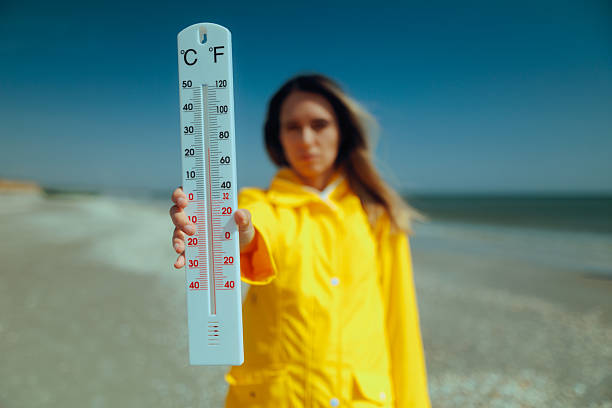
Climatologists collect and analyze data related to temperature, precipitation, wind patterns, and greenhouse gas concentrations to understand how the climate behaves over months, years, or centuries. They use satellite data, weather station records, and climate models to study phenomena such as global warming, El Niño, and ice age cycles. Their research supports efforts in disaster preparedness, agriculture planning, water resource management, and environmental conservation. Climatologists often collaborate with meteorologists, oceanographers, environmental scientists, and policymakers to provide insights that shape climate action plans and sustainable development strategies.

Roles and Responsibilities

💼
Climatologist
Roles and Responsibilities
Data Collection and Analysis
Obtain and interpret climate and atmospheric data from multiple sources including satellites and ground stations.
Climate Modelling and Simulation
Develop and run computational models to simulate climate systems and predict future changes.
Research and Field Studies
Conduct fieldwork to gather environmental samples and validate climate data.
Reporting and Communication
Prepare scientific papers, reports, and presentations for academic, governmental, and public audiences.
Policy Development and Advisory
Provide expert advice to government bodies and organizations on climate mitigation and adaptation policies.
Education and Outreach
Conduct workshops and seminars to raise awareness about climate issues.
Interdisciplinary Collaboration
Work with scientists from diverse fields to integrate climate data with ecological and social impacts.
Technological Application
Utilize GIS, remote sensing, and statistical software for climate data analysis and visualization.
John Tyndall (1820-1893, Ireland/United Kingdom)
: Discovered the greenhouse effect in the 1860s by demonstrating that certain gases trap heat in the atmosphere.
Svante Arrhenius (1859-1927, Sweden)
: Quantified the relationship between atmospheric CO2 levels and global temperature in 1896, linking human activity to climate change.
Milutin Milankovitch (1879-1958, Serbia)
: Developed the Milankovitch Cycles theory, explaining how Earth's orbital variations influence long-term climate patterns.
Charles David Keeling (1928-2005, United States)
: Established the Keeling Curve, providing direct evidence of rising CO2 levels due to human activity.
Syukuro Manabe (1931-, Japan/United States)
: Pioneered climate modeling in the 1960s, earning the Nobel Prize in Physics (2021) for contributions to climate prediction.
James Hansen (1941-, United States)
: Testified before the U.S. Congress in 1988 about global warming, bringing public attention to the issue.
Susan Solomon (1956-, United States)
: Linked chlorofluorocarbons (CFCs) to stratospheric ozone depletion, advancing climate understanding.
Dr. R. R. Kelkar (1943-, India)
: Contributed to monsoon prediction models and climate monitoring in India as former Director General of IMD.
Kerry Emanuel (1955-, United States)
: Developed theories linking hurricane intensity to climate change, deepening insights into extreme weather.
Dr. M. Rajeevan (1961-, India)
: Contributed to monsoon variability studies and climate modeling for the Indian subcontinent.

Roles and Responsibilities

  1. Data Collection and Analysis
    • Obtain and interpret climate and atmospheric data from multiple sources including satellites and ground stations.
  2. Climate Modelling and Simulation
    • Develop and run computational models to simulate climate systems and predict future changes.
  3. Research and Field Studies
    • Conduct fieldwork to gather environmental samples and validate climate data.
  4. Reporting and Communication
    • Prepare scientific papers, reports, and presentations for academic, governmental, and public audiences.
  5. Policy Development and Advisory
    • Provide expert advice to government bodies and organizations on climate mitigation and adaptation policies.
  6. Education and Outreach
    • Conduct workshops and seminars to raise awareness about climate issues.
  7. Interdisciplinary Collaboration
    • Work with scientists from diverse fields to integrate climate data with ecological and social impacts.
  8. Technological Application
    • Utilize GIS, remote sensing, and statistical software for climate data analysis and visualization.


Study Route & Eligibility Criteria

Alternate RouteSteps
Route 1: Bachelor’s in Atmospheric Science / Environmental Science1. Complete a Bachelor’s degree in Atmospheric Science, Environmental Science, Geography, or related fields.
 2. Pursue Master’s and/or PhD specializing in climatology or climate science.
 3. Gain internships or research experience in meteorological or environmental agencies.
 4. Seek employment in research, government, or consultancy roles.
Route 2: Physics / Earth Sciences + Climate Specialization1. Obtain a degree in Physics, Geology, or Earth Sciences.
 2. Specialize in climate-related studies through electives or graduate programs.
 3. Gain practical experience with climate data and modeling.
 4. Advance via research or professional roles in climate science.
Route 3: Meteorology + Climate Science1. Earn a degree in Meteorology or Atmospheric Sciences.
 2. Focus on climate dynamics and long-term weather patterns.
 3. Participate in internships with weather services or climate research centers.
 4. Pursue higher education or professional certifications.
Route 4: Interdisciplinary Science + Data Science Skills1. Complete degrees in environmental science, geography, or related disciplines.
 2. Develop skills in data analysis, GIS, and programming.
 3. Engage in climate research projects and internships.
 4. Pursue advanced degrees or certifications in climate science.


Significant Observations

  • Interdisciplinary field combining atmospheric science, environmental studies, and data analytics.
  • Increasing global importance due to climate change and sustainability challenges.
  • Advanced degrees often required for research and policy roles.
  • Heavy use of computational modelling and large datasets.
  • Strong links to public policy and environmental management.
  • Fieldwork and lab analysis complement computational research.
  • Collaboration with diverse scientific and governmental stakeholders.
  • Effective communication critical for public awareness and policy influence.


Internships & Practical Exposure

  • Meteorological department internships involving data collection and weather forecasting.
  • Research assistantships in climate science labs or universities.
  • Fieldwork collecting environmental samples and climate observations.
  • Training in climate modeling software and statistical analysis tools.
  • Remote sensing and GIS project participation.
  • Collaboration with NGOs or government agencies on climate adaptation projects.
  • Attendance at climate conferences and workshops.
  • Public outreach and educational program involvement.
  • Data science internships focusing on environmental datasets.
  • Participation in interdisciplinary climate research projects.


Courses & Specializations to Enter the Field

  • Bachelor’s degrees in Atmospheric Science, Environmental Science, Geography, Earth Sciences.
  • Master’s and PhD programs specializing in Climatology, Climate Science, Meteorology, Environmental Physics.
  • Courses in Climate Modeling, Remote Sensing, GIS, and Statistical Data Analysis.
  • Training in Programming Languages (Python, R) and Big Data analytics.
  • Environmental Policy and Sustainable Development courses.
  • Climate Change Mitigation and Adaptation studies.
  • Research Methodology and Scientific Communication.
  • Field Techniques in Environmental Sampling and Monitoring.
  • Public Communication and Outreach Skills.
  • Internship and Industry Collaboration Programs.


Top Institutes for Climatology Education and Research (India)

InstituteCourse / ProgramOfficial Link
Indian Institute of Tropical Meteorology (IITM), PuneClimate Science and Meteorologyhttps://www.tropmet.res.in/
Indian Institute of Science (IISc), BangaloreAtmospheric and Climate Sciencehttps://iisc.ac.in/
Jawaharlal Nehru University (JNU)Environmental Sciences with Climate Focushttps://www.jnu.ac.in/
Indian Institute of Technology (IIT) DelhiEarth Sciences and Climate Studieshttps://www.iitd.ac.in/
National Institute of Oceanography (NIO), GoaClimate and Oceanographyhttps://www.nio.org/
University of DelhiGeography and Environmental Studieshttps://www.du.ac.in/
Banaras Hindu University (BHU)Atmospheric Sciencehttps://www.bhu.ac.in/
University of HyderabadEnvironmental Sciencehttps://www.uohyd.ac.in/
Tata Institute of Fundamental Research (TIFR)Earth and Atmospheric Scienceshttps://www.tifr.res.in/
Anna University, ChennaiEnvironmental Engineering and Climate Studieshttps://www.annauniv.edu/


Top International Institutes

InstitutionCourseCountryOfficial Link
Massachusetts Institute of Technology (MIT)Climate ScienceUSAhttps://mit.edu/
University of CambridgeAtmospheric and Climate ScienceUKhttps://cam.ac.uk/
Stanford UniversityEarth System ScienceUSAhttps://stanford.edu/
ETH ZurichEnvironmental and Climate ScienceSwitzerlandhttps://ethz.ch/
University of California, BerkeleyClimate and Atmospheric ScienceUSAhttps://berkeley.edu/-
University of OxfordEnvironmental Change and ManagementUKhttps://www.ox.ac.uk/
National University of Singapore (NUS)Environmental ScienceSingaporehttps://nus.edu.sg/
University of ReadingMeteorology and Climate ScienceUKhttps://www.reading.ac.uk/
Australian National University (ANU)Climate ScienceAustraliahttps://www.anu.edu.au/
University of TokyoEarth and Planetary ScienceJapanhttps://www.u-tokyo.ac.jp/


Entrance Tests Required

India:

  • JEE Advanced for engineering-related programs.
  • GATE for postgraduate environmental and earth sciences.
  • CSIR NET for research fellowships in environmental sciences.
  • State-level entrance exams for regional universities.
  • University-specific entrance tests or interviews.

International:

  • GRE for graduate climate science programs.
  • TOEFL / IELTS for English proficiency.
  • University-specific assessments or interviews.


Ideal Progressing Career Path

Research Assistant / Junior Scientist → Graduate Student (MSc/PhD) → Climatologist → Senior Researcher / Climate Analyst → Project Manager / Policy Advisor → Lead Scientist / Consultant → Director of Climate Research / Environmental Agency Head


Major Areas of Employment

  • Government meteorological and environmental agencies.
  • Climate research institutes and universities.
  • Environmental consulting firms.
  • International organizations (UN, IPCC, WHO).
  • Non-governmental organizations (NGOs) focused on climate and environment.
  • Renewable energy and sustainability companies.
  • Disaster management and emergency response agencies.
  • Agricultural and natural resource management organizations.
  • Media and science communication platforms.
  • Urban planning and infrastructure development firms.


Prominent Employers

IndiaInternational
Indian Meteorological Department (IMD)NASA (National Aeronautics and Space Administration)
Indian Institute of Tropical Meteorology (IITM)NOAA (National Oceanic and Atmospheric Administration)
Centre for Climate Change Research (CCCR)IPCC (Intergovernmental Panel on Climate Change)
Ministry of Environment, Forest and Climate ChangeUNEP (United Nations Environment Programme)
Tata Institute of Fundamental Research (TIFR)ECMWF (European Centre for Medium-Range Weather Forecasts)
National Institute of Oceanography (NIO)WMO (World Meteorological Organization)
Indian Space Research Organisation (ISRO)Environmental Defense Fund
The Energy and Resources Institute (TERI)Climate Central
National Remote Sensing Centre (NRSC)Greenpeace International
Various Universities and Academic InstitutionsEnvironmental consultancies and NGOs globally


Pros and Cons of the Profession

ProsCons
Work at the forefront of addressing global climate challengesRequires advanced education and technical expertise
Opportunity to influence environmental policy and public awarenessData analysis and modeling can be complex and time-consuming
Interdisciplinary and dynamic work environmentFieldwork may involve challenging conditions
Use of cutting-edge technology and scientific toolsClimate science can be politically sensitive
Diverse career opportunities in research, policy, education, and consultancyJob market competition in some regions
Contribution to sustainable development and disaster preparednessLong-term nature of climate trends may delay visible outcomes


Industry Trends and Future Outlook

  • Growing urgency for climate change mitigation and adaptation worldwide.
  • Advances in climate modeling, AI, and big data analytics.
  • Expansion of renewable energy and sustainable development sectors.
  • Strengthening of global climate agreements and cooperation.
  • Increasing public awareness and activism on climate issues.
  • Development of climate-resilient infrastructure and urban planning.
  • Rising investments in climate research and innovation.
  • Emphasis on climate justice and equitable adaptation strategies.
  • Growth of climate risk assessment and consulting industries.
  • Integration of climate science with socio-economic planning and policy.


Salary Expectations

Career LevelIndia (₹ per annum)International (US$ per annum)
Entry-Level Research Assistant / Junior Scientist3,00,000 - 6,00,000$50,000 - $70,000
Climatologist / Climate Analyst6,00,000 - 12,00,000$70,000 - $100,000
Senior Researcher / Project Manager12,00,000 - 25,00,000$100,000 - $140,000
Lead Scientist / Policy Advisor20,00,000 - 40,00,000$130,000 - $180,000
Director / Head of Climate Research30,00,000 - 60,00,000+$160,000 - $220,000+


Key Software Tools

  • MATLAB – for climate data modeling and simulation.
  • ArcGIS / QGIS – for spatial and geographic data analysis.
  • Python / R – for programming, data analysis, and visualization.
  • Climate Modeling Software (e.g., WRF, CCSM) – for atmospheric and climate simulations.
  • Remote Sensing Software (ENVI, ERDAS Imagine) – for satellite imagery processing.
  • Statistical Software (SPSS, SAS) – for data interpretation.
  • Big Data Platforms (Hadoop, Spark) – for handling large datasets.
  • Excel / Tableau – for data management and visualization.
  • IDL (Interactive Data Language) – for scientific data analysis.
  • GIS Mapping and Visualization Tools – for environmental data presentation.


Professional Organizations and Networks

  • American Meteorological Society (AMS).
  • American Geophysical Union (AGU) – Atmospheric Sciences Section.
  • International Association of Meteorology and Atmospheric Sciences (IAMAS).
  • Indian Meteorological Society (IMS).
  • European Geosciences Union (EGU).
  • World Meteorological Organization (WMO).
  • Climate Reality Project.
  • International Society for Environmental Epidemiology (ISEE).
  • International Union of Geodesy and Geophysics (IUGG).
  • Society for Environmental Toxicology and Chemistry (SETAC).


Notable Climatologists and Their Contributions

  1. John Tyndall (1820-1893, Ireland/United Kingdom): Discovered the greenhouse effect in the 1860s by demonstrating that certain gases trap heat in the atmosphere.
     
  2. Svante Arrhenius (1859-1927, Sweden): Quantified the relationship between atmospheric CO2 levels and global temperature in 1896, linking human activity to climate change.
     
  3. Milutin Milankovitch (1879-1958, Serbia): Developed the Milankovitch Cycles theory, explaining how Earth's orbital variations influence long-term climate patterns.
     
  4. Charles David Keeling (1928-2005, United States): Established the Keeling Curve, providing direct evidence of rising CO2 levels due to human activity.
     
  5. Syukuro Manabe (1931-, Japan/United States): Pioneered climate modeling in the 1960s, earning the Nobel Prize in Physics (2021) for contributions to climate prediction.
     
  6. James Hansen (1941-, United States): Testified before the U.S. Congress in 1988 about global warming, bringing public attention to the issue.
     
  7. Susan Solomon (1956-, United States): Linked chlorofluorocarbons (CFCs) to stratospheric ozone depletion, advancing climate understanding.
     
  8. Dr. R. R. Kelkar (1943-, India): Contributed to monsoon prediction models and climate monitoring in India as former Director General of IMD.
     
  9. Kerry Emanuel (1955-, United States): Developed theories linking hurricane intensity to climate change, deepening insights into extreme weather.
     
  10. Dr. M. Rajeevan (1961-, India): Contributed to monsoon variability studies and climate modeling for the Indian subcontinent.


Advice for Aspiring Climatologists

  • Build a strong foundation in physics, mathematics, and environmental sciences.
  • Gain hands-on experience with climate data analysis and modelling tools.
  • Pursue internships and research projects in meteorological or climate research institutions.
  • Develop programming and statistical skills for handling large datasets.
  • Stay updated on climate science advances and global environmental policies.
  • Cultivate communication skills to effectively convey scientific findings.
  • Engage in interdisciplinary collaboration and networking.
  • Consider advanced degrees to enhance research and career opportunities.
  • Participate in public outreach and education to raise climate awareness.
  • Be adaptable and open to continuous learning in this evolving field.


A career as a Climatologist offers the opportunity to study and address one of the most critical challenges facing humanity—climate change. By understanding the Earth’s climate system and predicting future changes, climatologists play a vital role in shaping policies and strategies that protect the environment and society. This interdisciplinary and data-driven field demands strong scientific expertise, analytical skills, and a commitment to sustainability. For those passionate about environmental science and global impact, climatology is a rewarding and future-focused profession.

 

Study Route & Eligibility Criteria

Study Route & Eligibility Criteria
Climatologist
Bachelor’s in Atmospheric Science / Environmental Science
🏛️
1
Complete a Bachelor’s degree in Atmospheric Science, Environmental Science, Geography, or related fields.
Physics / Earth Sciences + Climate Specialization
🏛️
1
Obtain a degree in Physics, Geology, or Earth Sciences.
Meteorology + Climate Science
🏛️
1
Earn a degree in Meteorology or Atmospheric Sciences.
Interdisciplinary Science + Data Science Skills
🏛️
1
Complete degrees in environmental science, geography, or related disciplines.
🎯 Climatologist - Professional

Significant Observations (Academic Related Points)

💡
Climatologist
Academic Related Points
1
John Tyndall (1820-1893, Ireland/United Kingdom)
Discovered the greenhouse effect in the 1860s by demonstrating that certain gases trap heat in the atmosphere.
2
Svante Arrhenius (1859-1927, Sweden)
Quantified the relationship between atmospheric CO2 levels and global temperature in 1896, linking human activity to climate change.
3
Milutin Milankovitch (1879-1958, Serbia)
Developed the Milankovitch Cycles theory, explaining how Earth's orbital variations influence long-term climate patterns.
4
Charles David Keeling (1928-2005, United States)
Established the Keeling Curve, providing direct evidence of rising CO2 levels due to human activity.
5
Syukuro Manabe (1931-, Japan/United States)
Pioneered climate modeling in the 1960s, earning the Nobel Prize in Physics (2021) for contributions to climate prediction.
6
James Hansen (1941-, United States)
Testified before the U.S. Congress in 1988 about global warming, bringing public attention to the issue.
7
Susan Solomon (1956-, United States)
Linked chlorofluorocarbons (CFCs) to stratospheric ozone depletion, advancing climate understanding.
8
Dr. R. R. Kelkar (1943-, India)
Contributed to monsoon prediction models and climate monitoring in India as former Director General of IMD.
9
Kerry Emanuel (1955-, United States)
Developed theories linking hurricane intensity to climate change, deepening insights into extreme weather.
10
Dr. M. Rajeevan (1961-, India)
Contributed to monsoon variability studies and climate modeling for the Indian subcontinent.

Internships & Practical Exposure

💼
Climatologist
Internships & Practical Experience
1
Meteorological department internships involving data collection and weather forecasting.
2
Research assistantships in climate science labs or universities.
3
Fieldwork collecting environmental samples and climate observations.
4
Training in climate modeling software and statistical analysis tools.
5
Remote sensing and GIS project participation.
6
Collaboration with NGOs or government agencies on climate adaptation projects.
7
Attendance at climate conferences and workshops.
8
Public outreach and educational program involvement.
9
Data science internships focusing on environmental datasets.
10
Participation in interdisciplinary climate research projects.
11
Bachelor’s degrees in Atmospheric Science, Environmental Science, Geography, Earth Sciences.
12
Master’s and PhD programs specializing in Climatology, Climate Science, Meteorology, Environmental Physics.
13
Courses in Climate Modeling, Remote Sensing, GIS, and Statistical Data Analysis.
14
Training in Programming Languages (Python, R) and Big Data analytics.
15
Environmental Policy and Sustainable Development courses.
16
Climate Change Mitigation and Adaptation studies.
17
Research Methodology and Scientific Communication.
18
Field Techniques in Environmental Sampling and Monitoring.
19
Public Communication and Outreach Skills.
20
Internship and Industry Collaboration Programs.
21
JEE Advanced for engineering-related programs.
22
GATE for postgraduate environmental and earth sciences.
23
CSIR NET for research fellowships in environmental sciences.
24
State-level entrance exams for regional universities.
25
University-specific entrance tests or interviews.
26
GRE for graduate climate science programs.
27
TOEFL / IELTS for English proficiency.
28
University-specific assessments or interviews.
29
Government meteorological and environmental agencies.
30
Climate research institutes and universities.
31
Environmental consulting firms.
32
International organizations (UN, IPCC, WHO).
33
Non-governmental organizations (NGOs) focused on climate and environment.
34
Renewable energy and sustainability companies.
35
Disaster management and emergency response agencies.
36
Agricultural and natural resource management organizations.
37
Media and science communication platforms.
38
Urban planning and infrastructure development firms.
39
Growing urgency for climate change mitigation and adaptation worldwide.
40
Advances in climate modeling, AI, and big data analytics.
41
Expansion of renewable energy and sustainable development sectors.
42
Strengthening of global climate agreements and cooperation.
43
Increasing public awareness and activism on climate issues.
44
Development of climate-resilient infrastructure and urban planning.
45
Rising investments in climate research and innovation.
46
Emphasis on climate justice and equitable adaptation strategies.
47
Growth of climate risk assessment and consulting industries.
48
Integration of climate science with socio-economic planning and policy.
49
MATLAB – for climate data modeling and simulation.
50
ArcGIS / QGIS – for spatial and geographic data analysis.
51
Python / R – for programming, data analysis, and visualization.
52
Climate Modeling Software (e.g., WRF, CCSM) – for atmospheric and climate simulations.
53
Remote Sensing Software (ENVI, ERDAS Imagine) – for satellite imagery processing.
54
Statistical Software (SPSS, SAS) – for data interpretation.
55
Big Data Platforms (Hadoop, Spark) – for handling large datasets.
56
Excel / Tableau – for data management and visualization.
57
IDL (Interactive Data Language) – for scientific data analysis.
58
GIS Mapping and Visualization Tools – for environmental data presentation.
59
American Meteorological Society (AMS).
60
American Geophysical Union (AGU) – Atmospheric Sciences Section.
61
International Association of Meteorology and Atmospheric Sciences (IAMAS).
62
Indian Meteorological Society (IMS).
63
European Geosciences Union (EGU).
64
World Meteorological Organization (WMO).
65
Climate Reality Project.
66
International Society for Environmental Epidemiology (ISEE).
67
International Union of Geodesy and Geophysics (IUGG).
68
Society for Environmental Toxicology and Chemistry (SETAC).
69
John Tyndall (1820-1893, Ireland/United Kingdom): Discovered the greenhouse effect in the 1860s by demonstrating that certain gases trap heat in the atmosphere.
70
Svante Arrhenius (1859-1927, Sweden): Quantified the relationship between atmospheric CO2 levels and global temperature in 1896, linking human activity to climate change.
71
Milutin Milankovitch (1879-1958, Serbia): Developed the Milankovitch Cycles theory, explaining how Earth's orbital variations influence long-term climate patterns.
72
Charles David Keeling (1928-2005, United States): Established the Keeling Curve, providing direct evidence of rising CO2 levels due to human activity.
73
Syukuro Manabe (1931-, Japan/United States): Pioneered climate modeling in the 1960s, earning the Nobel Prize in Physics (2021) for contributions to climate prediction.
74
James Hansen (1941-, United States): Testified before the U.S. Congress in 1988 about global warming, bringing public attention to the issue.
75
Susan Solomon (1956-, United States): Linked chlorofluorocarbons (CFCs) to stratospheric ozone depletion, advancing climate understanding.
76
Dr. R. R. Kelkar (1943-, India): Contributed to monsoon prediction models and climate monitoring in India as former Director General of IMD.
77
Kerry Emanuel (1955-, United States): Developed theories linking hurricane intensity to climate change, deepening insights into extreme weather.
78
Dr. M. Rajeevan (1961-, India): Contributed to monsoon variability studies and climate modeling for the Indian subcontinent.
79
Build a strong foundation in physics, mathematics, and environmental sciences.
80
Gain hands-on experience with climate data analysis and modelling tools.
81
Pursue internships and research projects in meteorological or climate research institutions.
82
Develop programming and statistical skills for handling large datasets.
83
Stay updated on climate science advances and global environmental policies.
84
Cultivate communication skills to effectively convey scientific findings.
85
Engage in interdisciplinary collaboration and networking.
86
Consider advanced degrees to enhance research and career opportunities.
87
Participate in public outreach and education to raise climate awareness.
88
Be adaptable and open to continuous learning in this evolving field.

Courses & Specializations to Enter the Field

📚
Climatologist
Courses & Specializations
📖
Bachelor’s degrees in Atmospheric Science, Environmental Science, Geography, Earth Sciences.
📖
Master’s and PhD programs specializing in Climatology, Climate Science, Meteorology, Environmental Physics.
📖
Courses in Climate Modeling, Remote Sensing, GIS, and Statistical Data Analysis.
📖
Training in Programming Languages (Python, R) and Big Data analytics.
📖
Environmental Policy and Sustainable Development courses.
📖
Climate Change Mitigation and Adaptation studies.
📖
Research Methodology and Scientific Communication.
📖
Field Techniques in Environmental Sampling and Monitoring.
📖
Public Communication and Outreach Skills.
📖
Internship and Industry Collaboration Programs.
📖
JEE Advanced for engineering-related programs.
📖
GATE for postgraduate environmental and earth sciences.
📖
CSIR NET for research fellowships in environmental sciences.
📖
State-level entrance exams for regional universities.
📖
University-specific entrance tests or interviews.
📖
GRE for graduate climate science programs.
📖
TOEFL / IELTS for English proficiency.
📖
University-specific assessments or interviews.
📖
Government meteorological and environmental agencies.
📖
Climate research institutes and universities.
📖
Environmental consulting firms.
📖
International organizations (UN, IPCC, WHO).
📖
Non-governmental organizations (NGOs) focused on climate and environment.
📖
Renewable energy and sustainability companies.
📖
Disaster management and emergency response agencies.
📖
Agricultural and natural resource management organizations.
📖
Media and science communication platforms.
📖
Urban planning and infrastructure development firms.
📖
Growing urgency for climate change mitigation and adaptation worldwide.
📖
Advances in climate modeling, AI, and big data analytics.
📖
Expansion of renewable energy and sustainable development sectors.
📖
Strengthening of global climate agreements and cooperation.
📖
Increasing public awareness and activism on climate issues.
📖
Development of climate-resilient infrastructure and urban planning.
📖
Rising investments in climate research and innovation.
📖
Emphasis on climate justice and equitable adaptation strategies.
📖
Growth of climate risk assessment and consulting industries.
📖
Integration of climate science with socio-economic planning and policy.
📖
MATLAB – for climate data modeling and simulation.
📖
ArcGIS / QGIS – for spatial and geographic data analysis.
📖
Python / R – for programming, data analysis, and visualization.
📖
Climate Modeling Software (e.g., WRF, CCSM) – for atmospheric and climate simulations.
📖
Remote Sensing Software (ENVI, ERDAS Imagine) – for satellite imagery processing.
📖
Statistical Software (SPSS, SAS) – for data interpretation.
📖
Big Data Platforms (Hadoop, Spark) – for handling large datasets.
📖
Excel / Tableau – for data management and visualization.
📖
IDL (Interactive Data Language) – for scientific data analysis.
📖
GIS Mapping and Visualization Tools – for environmental data presentation.
📖
American Meteorological Society (AMS).
📖
American Geophysical Union (AGU) – Atmospheric Sciences Section.
📖
International Association of Meteorology and Atmospheric Sciences (IAMAS).
📖
Indian Meteorological Society (IMS).
📖
European Geosciences Union (EGU).
📖
World Meteorological Organization (WMO).
📖
Climate Reality Project.
📖
International Society for Environmental Epidemiology (ISEE).
📖
International Union of Geodesy and Geophysics (IUGG).
📖
Society for Environmental Toxicology and Chemistry (SETAC).
📖
John Tyndall (1820-1893, Ireland/United Kingdom): Discovered the greenhouse effect in the 1860s by demonstrating that certain gases trap heat in the atmosphere.
📖
Svante Arrhenius (1859-1927, Sweden): Quantified the relationship between atmospheric CO2 levels and global temperature in 1896, linking human activity to climate change.
📖
Milutin Milankovitch (1879-1958, Serbia): Developed the Milankovitch Cycles theory, explaining how Earth's orbital variations influence long-term climate patterns.
📖
Charles David Keeling (1928-2005, United States): Established the Keeling Curve, providing direct evidence of rising CO2 levels due to human activity.
📖
Syukuro Manabe (1931-, Japan/United States): Pioneered climate modeling in the 1960s, earning the Nobel Prize in Physics (2021) for contributions to climate prediction.
📖
James Hansen (1941-, United States): Testified before the U.S. Congress in 1988 about global warming, bringing public attention to the issue.
📖
Susan Solomon (1956-, United States): Linked chlorofluorocarbons (CFCs) to stratospheric ozone depletion, advancing climate understanding.
📖
Dr. R. R. Kelkar (1943-, India): Contributed to monsoon prediction models and climate monitoring in India as former Director General of IMD.
📖
Kerry Emanuel (1955-, United States): Developed theories linking hurricane intensity to climate change, deepening insights into extreme weather.
📖
Dr. M. Rajeevan (1961-, India): Contributed to monsoon variability studies and climate modeling for the Indian subcontinent.
📖
Build a strong foundation in physics, mathematics, and environmental sciences.
📖
Gain hands-on experience with climate data analysis and modelling tools.
📖
Pursue internships and research projects in meteorological or climate research institutions.
📖
Develop programming and statistical skills for handling large datasets.
📖
Stay updated on climate science advances and global environmental policies.
📖
Cultivate communication skills to effectively convey scientific findings.
📖
Engage in interdisciplinary collaboration and networking.
📖
Consider advanced degrees to enhance research and career opportunities.
📖
Participate in public outreach and education to raise climate awareness.
📖
Be adaptable and open to continuous learning in this evolving field.

Prominent Employers

🏢
Climatologist
🌟 Top Companies & Organizations
🇮🇳 India
🏛️
Indian Meteorological Department (IMD)
🏛️
Indian Institute of Tropical Meteorology (IITM)
🏛️
Centre for Climate Change Research (CCCR)
🏛️
Ministry of Environment, Forest and Climate Change
🏛️
Tata Institute of Fundamental Research (TIFR)
🏛️
National Institute of Oceanography (NIO)
🏛️
Indian Space Research Organisation (ISRO)
🏛️
The Energy and Resources Institute (TERI)
🏛️
National Remote Sensing Centre (NRSC)
🏛️
Various Universities and Academic Institutions
🌍 International
🌐
NASA (National Aeronautics and Space Administration)
🌐
NOAA (National Oceanic and Atmospheric Administration)
🌐
IPCC (Intergovernmental Panel on Climate Change)
🌐
UNEP (United Nations Environment Programme)
🌐
ECMWF (European Centre for Medium-Range Weather Forecasts)
🌐
WMO (World Meteorological Organization)
🌐
Environmental Defense Fund
🌐
Climate Central
🌐
Greenpeace International
🌐
Environmental consultancies and NGOs globally

Advice for Aspiring Climatologists

💡
Climatologist
🌟 Tips for Students & Parents
1
Build a strong foundation in physics, mathematics, and environmental sciences.
2
Gain hands-on experience with climate data analysis and modelling tools.
3
Pursue internships and research projects in meteorological or climate research institutions.
4
Develop programming and statistical skills for handling large datasets.
5
Stay updated on climate science advances and global environmental policies.
6
Cultivate communication skills to effectively convey scientific findings.
7
Engage in interdisciplinary collaboration and networking.
8
Consider advanced degrees to enhance research and career opportunities.
9
Participate in public outreach and education to raise climate awareness.
10
Be adaptable and open to continuous learning in this evolving field.
🎓 Final Message
A career as a Climatologist offers the opportunity to study and address one of the most critical challenges facing humanity—climate change. By understanding the Earth’s climate system and predicting future changes, climatologists play a vital role in shaping policies and strategies that protect the environment and society. This interdisciplinary and data-driven field demands strong scientific expertise, analytical skills, and a commitment to sustainability. For those passionate about environmental science and global impact, climatology is a rewarding and future-focused profession.
Knowledge & Skills You Will Learn
1
Dr. M. Rajeevan (1961-, India): Contributed to monsoon variability studies and climate modeling for the Indian subcontinent.
2
Develop programming and statistical skills for handling large datasets.
3
Cultivate communication skills to effectively convey scientific findings.
Climatologist

Climatologist

Climatologists analyze long-term climate data to understand atmospheric behavior, climate variability, and trends such as global warming. They use...

0.0LPA
Climate Modeller

Climate Modeller

Climate Modelers specialize in designing and running sophisticated computer simulations of the Earth’s climate system. They integrate atmospheric,...

0.0LPA
Meteorologist

Meteorologist

Meteorologists focus on short- and medium-term weather patterns but often contribute to climatology by studying atmospheric dynamics and...

0.0LPA

Interested in this career?

Take the next step and explore more about Climatologist.