Arborist

Summary

An Arborist, also known as a Tree Surgeon or Tree Care Specialist, is a professional who specializes in the cultivation, management, and maintenance of trees, shrubs, and other woody plants.

Share :
✨ Radial Mind Map - Arborist
Nodes arranged in concentric circles

Loading radial mind map...

Overview

An Arborist, also known as a Tree Surgeon or Tree Care Specialist, is a professional who specializes in the cultivation, management, and maintenance of trees, shrubs, and other woody plants. They work in urban and rural settings, including parks, private properties, municipalities, and forestry services, collaborating with landscapers, environmentalists, and property owners. Arborists play a vital role in environmental conservation by preserving tree health, ensuring public safety, and enhancing green spaces in an era where urbanization and climate change pose significant challenges to natural ecosystems.
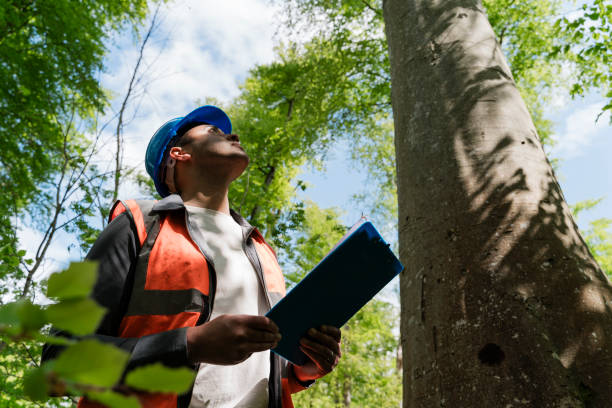
Arborists are skilled experts responsible for the care and maintenance of trees, focusing on their health, safety, and aesthetic value through pruning, disease treatment, and risk assessment. Their role includes planting trees, diagnosing tree issues, performing tree surgery, and removing hazardous trees, often under physically demanding and high-risk conditions. They combine technical knowledge with physical skills, working in outdoor environments using specialized equipment. As key contributors to urban forestry and environmental sustainability, they help maintain ecological balance in a landscape increasingly focused on green infrastructure and climate resilience.

Roles and Responsibilities

💼
Arborist
Roles and Responsibilities
Tree Health Assessment
Diagnose diseases, pest infestations, and structural issues in trees
Recommend treatments or interventions to improve tree vitality
Pruning and Trimming
Trim branches to promote healthy growth and prevent hazards
Shape trees for aesthetic purposes or to meet property requirements
Tree Removal and Surgery
Remove dead, damaged, or hazardous trees safely using specialized equipment
Perform surgical procedures like cabling or bracing to support weak structures
Planting and Transplanting
Select and plant appropriate tree species based on environmental conditions
Transplant mature trees to new locations with minimal stress
Risk Assessment and Safety
Evaluate trees for potential risks to property or public safety
Implement safety measures during tree care operations to protect workers and bystanders
Pest and Disease Management
Apply pesticides or biological controls to manage tree pests and diseases
Monitor tree populations for early signs of infestations or infections
Urban Forestry Planning
Collaborate with city planners to design tree-friendly urban spaces
Advise on tree preservation during construction projects
Documentation and Reporting
Maintain records of tree care activities, health assessments, and treatments
Provide reports to clients or authorities on tree conditions and recommendations
Botanical Foundation
: Basic knowledge of tree biology, ecology, and physiology is essential for effective tree care.
Practical Skills
: Hands-on training in tree climbing and equipment use develops core competencies in arboriculture.
Specialized Training
: Certifications in tree risk assessment or aerial rescue offer niche expertise.
Equipment Proficiency
: Mastery of tools like chainsaws and rigging systems is vital for safe operations.
Interdisciplinary Knowledge
: Understanding soil science and environmental factors improves tree management strategies.
Certification Importance
: Some roles may require certification from arboricultural associations for credibility.
Continuing Education
: Regular workshops are necessary to stay updated on tree care techniques and safety standards.
Global Standards
: Familiarity with international arboricultural practices enhances opportunities for global roles.
Attention to Detail
: Precision in diagnosing tree issues and performing tasks is critical for safety and effectiveness.
Entrance Examination Success
: Certain diploma or degree programs may require entrance tests for admission.
International Testing Requirements
: For global practice, certifications or vocational qualifications from recognized bodies may be needed.
ICAR AIEEA (All India Entrance Examination for Admission)
: Conducted by the Indian Council of Agricultural Research for undergraduate and postgraduate admissions in forestry and horticulture programs related to arboriculture.
State-Level Agricultural Entrance Exams (e.g., EAMCET, KCET)
: For admission to diploma or degree programs in horticulture or forestry in various states.
University-Specific Entrance Tests (e.g., BHU UET)
: Conducted by specific agricultural universities like Banaras Hindu University for relevant courses.
Vocational Training Board Exams
: For certificate courses in arboriculture offered by state agricultural boards or vocational institutes.
TOEFL (Test of English as a Foreign Language)
: Minimum score of 80-100 required for non-native speakers applying to programs in English-speaking countries.
IELTS (International English Language Testing System)
: Minimum score of 6.0-7.0 required for admission to universities in the UK, Australia, and other English-speaking regions.
PTE Academic (Pearson Test of English Academic)
: Accepted by many international institutes as an alternative to TOEFL or IELTS for English proficiency.
Duolingo English Test
: Accepted by some institutions as a convenient alternative for English language proficiency testing.
Dr. Alex Shigo (Historical, USA)
: Known as the "Father of Modern Arboriculture" since the 1960s. His research on tree biology revolutionized tree care practices. His contributions impact global arboriculture.
Dr. M.S. Swaminathan (Contemporary, India)
: Pioneer of the Green Revolution in India since the 1960s. His advocacy for sustainable forestry supports arboriculture indirectly. His legacy influences environmental sustainability worldwide.
Dr. Ram Badan Singh (Contemporary, India)
: Renowned for his contributions to agroforestry since the 1980s. His work on tree integration in agriculture highlights arboricultural importance. His research impacts national tree care practices.
Dr. Francis Hallé (Contemporary, France)
: Botanist and tree canopy expert since the 1970s. His studies on tropical tree architecture inspire arboricultural conservation. His impact continues to guide tree preservation globally.
Dr. Peter Crane (Contemporary, UK/USA)
: Leader in plant conservation since the 1980s. His work on tree diversity shapes arboricultural research. His efforts improve tree protection strategies internationally.
Dr. P.K. Nair (Contemporary, India)
: Pioneer in agroforestry systems since the 1970s. His research on tree-crop integration supports arboricultural practices. His contributions influence regional tree management.
Dr. John Ball (Contemporary, USA)
: Expert in tree risk assessment since the 1990s. His educational initiatives enhance arborist safety and skills. His insights advance arboricultural standards globally.
Dr. S.S. Negi (Contemporary, India)
: Known for his work in Indian forestry since the 1980s. His publications on tree conservation guide local arborists. His impact strengthens community tree care efforts.
Dr. Nina Bassuk (Contemporary, USA)
: Leader in urban forestry since the 1980s. Her research on urban tree planting improves city landscapes. Her contributions support arboriculture in urban environments worldwide.
Dr. Cecil Konijnendijk (Contemporary, Denmark/Netherlands)
: Expert in urban forestry since the 2000s. His work on green infrastructure shapes modern arboricultural policies. His insights advance sustainable tree management globally.

Roles and Responsibilities

  • Tree Health Assessment
    • Diagnose diseases, pest infestations, and structural issues in trees
    • Recommend treatments or interventions to improve tree vitality
  • Pruning and Trimming
    • Trim branches to promote healthy growth and prevent hazards
    • Shape trees for aesthetic purposes or to meet property requirements
  • Tree Removal and Surgery
    • Remove dead, damaged, or hazardous trees safely using specialized equipment
    • Perform surgical procedures like cabling or bracing to support weak structures
  • Planting and Transplanting
    • Select and plant appropriate tree species based on environmental conditions
    • Transplant mature trees to new locations with minimal stress
  • Risk Assessment and Safety
    • Evaluate trees for potential risks to property or public safety
    • Implement safety measures during tree care operations to protect workers and bystanders
  • Pest and Disease Management
    • Apply pesticides or biological controls to manage tree pests and diseases
    • Monitor tree populations for early signs of infestations or infections
  • Urban Forestry Planning
    • Collaborate with city planners to design tree-friendly urban spaces
    • Advise on tree preservation during construction projects
  • Documentation and Reporting
    • Maintain records of tree care activities, health assessments, and treatments
    • Provide reports to clients or authorities on tree conditions and recommendations


Study Route & Eligibility Criteria

RouteSteps
Route 1

1. 10th/12th with any stream or vocational training 

2. Certificate in Arboriculture or Tree Care (3-6 months) 

3. Internship or on-the-job training (1-3 months) 

4. Practice as Arborist

Route 2

1. 10+2 with Physics, Chemistry, Biology (PCB) or Agriculture stream 

2. Diploma in Arboriculture, Horticulture, or Forestry (1-2 years) 

3. Hands-on training or internship 4. Work as Arborist

Route 3

1. 10+2 with PCB or Agriculture stream 

2. Bachelor’s degree in Arboriculture, Forestry, or Horticulture (3-4 years) 

3. Field training or internship 4. Practice as Senior Arborist or Consultant

Route 4

1. 10+2 with any stream or vocational training 

2. Advanced certification or international training in Arboriculture (1-2 years) 

3. Licensure as per country regulations if applicable 

4. Practice abroad or in India


Significant Observations (Academic Related Points)

  • Botanical Foundation: Basic knowledge of tree biology, ecology, and physiology is essential for effective tree care.
  • Practical Skills: Hands-on training in tree climbing and equipment use develops core competencies in arboriculture.
  • Specialized Training: Certifications in tree risk assessment or aerial rescue offer niche expertise.
  • Equipment Proficiency: Mastery of tools like chainsaws and rigging systems is vital for safe operations.
  • Interdisciplinary Knowledge: Understanding soil science and environmental factors improves tree management strategies.
  • Certification Importance: Some roles may require certification from arboricultural associations for credibility.
  • Continuing Education: Regular workshops are necessary to stay updated on tree care techniques and safety standards.
  • Global Standards: Familiarity with international arboricultural practices enhances opportunities for global roles.
  • Attention to Detail: Precision in diagnosing tree issues and performing tasks is critical for safety and effectiveness.
  • Entrance Examination Success: Certain diploma or degree programs may require entrance tests for admission.
  • International Testing Requirements: For global practice, certifications or vocational qualifications from recognized bodies may be needed.


Internships & Practical Exposure

  • Mandatory field training during certificate or diploma programs in tree care settings
  • Rotations in municipal or commercial arboriculture operations for hands-on experience
  • Internships under senior arborists for exposure to real-time tree maintenance tasks
  • Observerships in urban forestry projects for experience in tree planning and assessment
  • Participation in mock tree care activities for practical skill development
  • Training in tree risk management through real-world hazard evaluations
  • Exposure to tree disease control protocols during internships
  • Field projects on tree planting or preservation during training
  • Community tree care initiatives for assisting in local green space programs
  • International arboriculture attachments for global exposure to tree management practices


Courses & Specializations to Enter the Field

  • Certificate in Arboriculture or Tree Care
  • Diploma in Arboriculture, Horticulture, or Forestry
  • Bachelor’s in Arboriculture, Forestry, or Environmental Science
  • Training in Tree Risk Assessment and Management
  • Specialization in Urban Forestry
  • Certification in Aerial Tree Work and Rescue
  • Workshops on Tree Disease Diagnosis and Treatment
  • Training in Tree Planting and Transplanting Techniques
  • Specialization in Tree Surgery and Structural Support
  • Certification in Sustainable Arboricultural Practices


Top Institutes for Arborist Education (India)

InstituteCourse/ProgramOfficial Link
Indian Agricultural Research Institute (IARI), New DelhiDiploma in Horticulture/Forestryhttps://www.iari.res.in/
Tamil Nadu Agricultural University (TNAU), CoimbatoreDiploma in Horticulturehttps://www.tnau.ac.in/
Punjab Agricultural University (PAU), LudhianaDiploma/Certificate in Forestryhttps://www.pau.edu/
University of Agricultural Sciences (UAS), BangaloreDiploma in Horticulture/Forestryhttps://www.uasbangalore.edu.in/
G.B. Pant University of Agriculture & Technology, PantnagarDiploma in Forestry/Horticulturehttps://www.gbpuat.ac.in/
Chaudhary Charan Singh Haryana Agricultural University (CCSHAU), HisarDiploma in Horticulturehttps://www.hau.ac.in/
Acharya N.G. Ranga Agricultural University (ANGRAU), GunturDiploma in Forestry/Horticulturehttps://www.angrau.ac.in/
Mahatma Phule Krishi Vidyapeeth (MPKV), RahuriDiploma in Horticulturehttps://www.mpkv.ac.in/
Kerala Agricultural University (KAU), ThrissurDiploma in Forestry/Horticulturehttps://www.kau.in/
Banaras Hindu University (BHU), VaranasiDiploma in Horticulture/Forestryhttps://www.bhu.ac.in/


Top International Institutes

InstitutionCourseCountryOfficial Link
Wageningen University & ResearchForestry and Arboriculture ProgramsNetherlandshttps://www.wur.nl/
University of California, Davis (UC Davis)Arboriculture and Forestry TrainingUSAhttps://www.ucdavis.edu/
Cornell UniversityForestry and Tree Care CoursesUSAhttps://www.cornell.edu/
University of ReadingArboriculture and Forestry StudiesUKhttps://www.reading.ac.uk/
University of QueenslandArboriculture and Environmental ProgramsAustraliahttps://www.uq.edu.au/
Iowa State UniversityForestry and Tree Care TrainingUSAhttps://www.iastate.edu/
University of CopenhagenArboriculture and Forestry CoursesDenmarkhttps://www.ku.dk/
Swedish University of Agricultural Sciences (SLU)Forestry and Arboriculture ProgramsSwedenhttps://www.slu.se/
University of HohenheimArboriculture and Forestry TrainingGermanyhttps://www.uni-hohenheim.de/
Purdue UniversityForestry and Environmental ProgramsUSAhttps://www.purdue.edu/


Entrance Tests RequiredIndia:

  • ICAR AIEEA (All India Entrance Examination for Admission): Conducted by the Indian Council of Agricultural Research for undergraduate and postgraduate admissions in forestry and horticulture programs related to arboriculture.
  • State-Level Agricultural Entrance Exams (e.g., EAMCET, KCET): For admission to diploma or degree programs in horticulture or forestry in various states.
  • University-Specific Entrance Tests (e.g., BHU UET): Conducted by specific agricultural universities like Banaras Hindu University for relevant courses.
  • Vocational Training Board Exams: For certificate courses in arboriculture offered by state agricultural boards or vocational institutes.


International:

  • TOEFL (Test of English as a Foreign Language): Minimum score of 80-100 required for non-native speakers applying to programs in English-speaking countries.
  • IELTS (International English Language Testing System): Minimum score of 6.0-7.0 required for admission to universities in the UK, Australia, and other English-speaking regions.
  • PTE Academic (Pearson Test of English Academic): Accepted by many international institutes as an alternative to TOEFL or IELTS for English proficiency.
  • Duolingo English Test: Accepted by some institutions as a convenient alternative for English language proficiency testing.


Ideal Progressing Career Path 

Trainee → Junior Arborist → Senior Arborist → Tree Care Supervisor → Urban Forester → Arboriculture Consultant → Tree Risk Assessor → Arborist Trainer


Major Areas of Employment

  • Municipal corporations for urban tree management and public safety
  • Private landscaping companies for residential and commercial tree care
  • Government forestry departments for conservation and reforestation initiatives
  • Environmental consultancies for tree preservation and ecological planning
  • Non-governmental organizations (NGOs) for biodiversity and green space projects
  • Utility companies for tree clearance near power lines and infrastructure
  • Parks and recreation departments for maintaining public green areas
  • Construction firms for tree protection during development projects
  • Private arboricultural services for specialized tree surgery and care
  • International environmental projects for global forestry and tree health programs


Prominent Employers

IndiaInternational
Forest Research Institute (FRI), DehradunInternational Society of Arboriculture (ISA), USA
Ministry of Environment, Forest and Climate Change, IndiaArbor Day Foundation, USA
Municipal Corporation of Delhi (MCD)Tree Care Industry Association (TCIA), USA
Godrej Properties (Landscaping Division)Bartlett Tree Experts, USA
Larsen & Toubro (L&T) ConstructionDavey Tree Expert Company, USA
DLF Limited (Landscaping Services)Asplundh Tree Expert, USA
Tata Projects (Environmental Division)SavATree, USA
National Afforestation Management BoardBrightView Landscapes, USA
Green India MissionTruGreen, USA
State Forest DepartmentsUrban Forestry & Urban Greening (Journal/Research), Global


Pros and Cons of the Profession

ProsCons
Opportunity to contribute to environmental conservation and urban greeningPhysically demanding work with risk of injury from heights or equipment
High demand for arborists in urban planning and landscapingExposure to harsh weather during outdoor tasks
Rewarding impact on public safety and ecological balanceRisk of unpredictable tree behavior during removal or surgery
Diverse career paths across public, private, and consulting rolesLimited public recognition compared to other environmental professions
Strong potential for growth with increasing focus on sustainable citiesDependency on seasonal work and project availability


Industry Trends and Future Outlook

  • Growing integration of technology like drones for tree health assessments
  • Rising demand for arborists due to urbanization and green infrastructure needs
  • Advancements in tree care equipment for safer and more efficient operations
  • Heightened focus on urban forestry with stricter tree preservation policies
  • Expansion of sustainable arboriculture requiring specialized expertise
  • Development of digital tools for tree inventory and management planning
  • Increased emphasis on arborist training for handling modern safety standards
  • Enhanced collaboration between arborists and city planners for green urban design
  • Growing need for continuous skill development to address emerging tree health threats
  • Focus on global conservation standards to align arboricultural practices internationally


Salary Expectations

Career LevelIndia (₹ per annum)International (USD per annum)
Trainee/Junior Arborist (Early Career)2,00,000 - 3,50,00025,000 - 35,000
Senior Arborist (Mid-Career)3,50,000 - 5,50,00035,000 - 50,000
Tree Care Supervisor5,50,000 - 8,00,00050,000 - 65,000
Urban Forester/Arboriculture Consultant8,00,000 - 12,00,00065,000 - 85,000
Tree Risk Assessor/Trainer12,00,000+85,000+
Note: Salaries vary based on location, experience, employer, and specialization. International figures are approximate and depend on the country and sector.  


Key Software Tools

  • Tree Inventory Software for tracking tree health and location data
  • Geographic Information Systems (GIS) for mapping tree populations
  • Tree Health Assessment Apps for diagnosing diseases and pests
  • Weather Forecasting Tools for planning tree care operations
  • Equipment Diagnostic Software for maintaining arboricultural tools
  • Teleconferencing tools like Zoom for client consultations and training
  • Urban Planning Software for integrating trees into city designs
  • Microsoft Office Suite for documentation and report preparation
  • Risk Assessment Tools for evaluating tree hazards
  • Project management software for coordinating tree care projects and resources


Professional Organizations and Networks

  • Indian Society of Agroforestry (ISAF)
  • International Society of Arboriculture (ISA)
  • Tree Care Industry Association (TCIA), USA
  • Arboricultural Association, UK
  • Indian Council of Forestry Research and Education (ICFRE)
  • European Arboricultural Council (EAC)
  • Australian Arborist Association (AAA)
  • Society of American Foresters (SAF)
  • Urban Forestry Network, Global
  • National Arborist Association of India (NAAI)


Notable Arborists and Industry Leaders (Top 10)

  • Dr. Alex Shigo (Historical, USA): Known as the "Father of Modern Arboriculture" since the 1960s. His research on tree biology revolutionized tree care practices. His contributions impact global arboriculture.
     
  • Dr. M.S. Swaminathan (Contemporary, India): Pioneer of the Green Revolution in India since the 1960s. His advocacy for sustainable forestry supports arboriculture indirectly. His legacy influences environmental sustainability worldwide.
     
  • Dr. Ram Badan Singh (Contemporary, India): Renowned for his contributions to agroforestry since the 1980s. His work on tree integration in agriculture highlights arboricultural importance. His research impacts national tree care practices.
     
  • Dr. Francis Hallé (Contemporary, France): Botanist and tree canopy expert since the 1970s. His studies on tropical tree architecture inspire arboricultural conservation. His impact continues to guide tree preservation globally.
     
  • Dr. Peter Crane (Contemporary, UK/USA): Leader in plant conservation since the 1980s. His work on tree diversity shapes arboricultural research. His efforts improve tree protection strategies internationally.
     
  • Dr. P.K. Nair (Contemporary, India): Pioneer in agroforestry systems since the 1970s. His research on tree-crop integration supports arboricultural practices. His contributions influence regional tree management.
     
  • Dr. John Ball (Contemporary, USA): Expert in tree risk assessment since the 1990s. His educational initiatives enhance arborist safety and skills. His insights advance arboricultural standards globally.
     
  • Dr. S.S. Negi (Contemporary, India): Known for his work in Indian forestry since the 1980s. His publications on tree conservation guide local arborists. His impact strengthens community tree care efforts.
     
  • Dr. Nina Bassuk (Contemporary, USA): Leader in urban forestry since the 1980s. Her research on urban tree planting improves city landscapes. Her contributions support arboriculture in urban environments worldwide.
     
  • Dr. Cecil Konijnendijk (Contemporary, Denmark/Netherlands): Expert in urban forestry since the 2000s. His work on green infrastructure shapes modern arboricultural policies. His insights advance sustainable tree management globally.


Advice for Aspiring Arborists

  • Build a strong foundation in tree biology and environmental science to understand arboricultural systems.
  • Seek early exposure to tree care through volunteer programs to confirm interest in the field.
  • Prepare thoroughly for entrance exams or certification requirements specific to your chosen program or region.
  • Pursue advanced certifications in tree risk assessment or aerial work to gain expertise.
  • Stay updated on advancements in arboricultural technology by attending workshops and training sessions.
  • Develop hands-on skills in tree maintenance through practical training in field settings.
  • Engage in urban forestry or community tree planting projects to build real-world experience.
  • Join professional associations like the International Society of Arboriculture (ISA) for networking and resources.
  • Work on precision and problem-solving to ensure accurate tree assessments and safe operations.
  • Explore international training programs for exposure to diverse arboricultural practices and standards.
  • Volunteer with tree care teams or municipalities to understand operational needs and build experience.
  • Cultivate adaptability to handle unpredictable environmental and safety challenges.
  • Attend continuing education programs to stay abreast of evolving tree care methods and safety protocols.
  • Build a network with landscapers, urban planners, and environmentalists for collaborative efforts.
  • Develop physical and mental resilience to manage the demanding nature of fieldwork.
  • Balance field tasks with continuous learning to adapt to rapid advancements in arboricultural technology.


A career as an Arborist offers a unique opportunity to contribute to environmental sustainability and public safety by managing and preserving trees in urban and natural settings. From maintaining tree health to mitigating hazards, Arborists play a pivotal role in modern urban forestry and ecological conservation. This field combines technical expertise, physical application, and a commitment to green spaces, offering diverse paths in municipal services, private landscaping, and consulting roles. For those passionate about protecting natural resources, adapting to urbanization challenges, and enhancing landscapes in an era of increasing environmental concerns, a career as an Arborist provides an intellectually stimulating and professionally rewarding journey with the potential to make significant contributions to society by improving the quality of urban environments and ecological balance worldwide.


Study Route & Eligibility Criteria

Study Route & Eligibility Criteria
Arborist
Route 1
🎓
1
10th/12th with any stream or vocational training
📚
2
Certificate in Arboriculture or Tree Care
3-6 months
💼
3
Internship or on-the-job training
1-3 months
💼
4
Practice as Arborist
Route 2
🎓
1
10+2 with Physics, Chemistry, Biology or Agriculture stream
🎓
2
Diploma in Arboriculture, Horticulture, or Forestry
1-2 years
💼
3
Hands-on training or internship
💼
4
Work as Arborist
Route 3
🎓
1
10+2 with PCB or Agriculture stream
🏛️
2
Bachelor’s degree in Arboriculture, Forestry, or Horticulture
3-4 years
💼
3
Field training or internship
💼
4
Practice as Senior Arborist or Consultant
Route 4
🎓
1
10+2 with any stream or vocational training
🏛️
2
Advanced certification or international training in Arboriculture
1-2 years
📚
3
Licensure as per country regulations if applicable
💼
4
Practice abroad or in India
🎯 Arborist - Professional

Significant Observations (Academic Related Points)

💡
Arborist
Academic Related Points
1
Botanical Foundation
Basic knowledge of tree biology, ecology, and physiology is essential for effective tree care.
2
Practical Skills
Hands-on training in tree climbing and equipment use develops core competencies in arboriculture.
3
Specialized Training
Certifications in tree risk assessment or aerial rescue offer niche expertise.
4
Equipment Proficiency
Mastery of tools like chainsaws and rigging systems is vital for safe operations.
5
Interdisciplinary Knowledge
Understanding soil science and environmental factors improves tree management strategies.
6
Certification Importance
Some roles may require certification from arboricultural associations for credibility.
7
Continuing Education
Regular workshops are necessary to stay updated on tree care techniques and safety standards.
8
Global Standards
Familiarity with international arboricultural practices enhances opportunities for global roles.
9
Attention to Detail
Precision in diagnosing tree issues and performing tasks is critical for safety and effectiveness.
10
Entrance Examination Success
Certain diploma or degree programs may require entrance tests for admission.
11
International Testing Requirements
For global practice, certifications or vocational qualifications from recognized bodies may be needed.
12
ICAR AIEEA (All India Entrance Examination for Admission)
Conducted by the Indian Council of Agricultural Research for undergraduate and postgraduate admissions in forestry and horticulture programs related to arboriculture.
13
State-Level Agricultural Entrance Exams (e.g., EAMCET, KCET)
For admission to diploma or degree programs in horticulture or forestry in various states.
14
University-Specific Entrance Tests (e.g., BHU UET)
Conducted by specific agricultural universities like Banaras Hindu University for relevant courses.
15
Vocational Training Board Exams
For certificate courses in arboriculture offered by state agricultural boards or vocational institutes.
16
TOEFL (Test of English as a Foreign Language)
Minimum score of 80-100 required for non-native speakers applying to programs in English-speaking countries.
17
IELTS (International English Language Testing System)
Minimum score of 6.0-7.0 required for admission to universities in the UK, Australia, and other English-speaking regions.
18
PTE Academic (Pearson Test of English Academic)
Accepted by many international institutes as an alternative to TOEFL or IELTS for English proficiency.
19
Duolingo English Test
Accepted by some institutions as a convenient alternative for English language proficiency testing.
20
Dr. Alex Shigo (Historical, USA)
Known as the "Father of Modern Arboriculture" since the 1960s. His research on tree biology revolutionized tree care practices. His contributions impact global arboriculture.
21
Dr. M.S. Swaminathan (Contemporary, India)
Pioneer of the Green Revolution in India since the 1960s. His advocacy for sustainable forestry supports arboriculture indirectly. His legacy influences environmental sustainability worldwide.
22
Dr. Ram Badan Singh (Contemporary, India)
Renowned for his contributions to agroforestry since the 1980s. His work on tree integration in agriculture highlights arboricultural importance. His research impacts national tree care practices.
23
Dr. Francis Hallé (Contemporary, France)
Botanist and tree canopy expert since the 1970s. His studies on tropical tree architecture inspire arboricultural conservation. His impact continues to guide tree preservation globally.
24
Dr. Peter Crane (Contemporary, UK/USA)
Leader in plant conservation since the 1980s. His work on tree diversity shapes arboricultural research. His efforts improve tree protection strategies internationally.
25
Dr. P.K. Nair (Contemporary, India)
Pioneer in agroforestry systems since the 1970s. His research on tree-crop integration supports arboricultural practices. His contributions influence regional tree management.
26
Dr. John Ball (Contemporary, USA)
Expert in tree risk assessment since the 1990s. His educational initiatives enhance arborist safety and skills. His insights advance arboricultural standards globally.
27
Dr. S.S. Negi (Contemporary, India)
Known for his work in Indian forestry since the 1980s. His publications on tree conservation guide local arborists. His impact strengthens community tree care efforts.
28
Dr. Nina Bassuk (Contemporary, USA)
Leader in urban forestry since the 1980s. Her research on urban tree planting improves city landscapes. Her contributions support arboriculture in urban environments worldwide.
29
Dr. Cecil Konijnendijk (Contemporary, Denmark/Netherlands)
Expert in urban forestry since the 2000s. His work on green infrastructure shapes modern arboricultural policies. His insights advance sustainable tree management globally.

Internships & Practical Exposure

💼
Arborist
Internships & Practical Experience
1
Mandatory field training during certificate or diploma programs in tree care settings
2
Rotations in municipal or commercial arboriculture operations for hands-on experience
3
Internships under senior arborists for exposure to real-time tree maintenance tasks
4
Observerships in urban forestry projects for experience in tree planning and assessment
5
Participation in mock tree care activities for practical skill development
6
Training in tree risk management through real-world hazard evaluations
7
Exposure to tree disease control protocols during internships
8
Field projects on tree planting or preservation during training
9
Community tree care initiatives for assisting in local green space programs
10
International arboriculture attachments for global exposure to tree management practices
11
Certificate in Arboriculture or Tree Care
12
Diploma in Arboriculture, Horticulture, or Forestry
13
Bachelor’s in Arboriculture, Forestry, or Environmental Science
14
Training in Tree Risk Assessment and Management
15
Specialization in Urban Forestry
16
Certification in Aerial Tree Work and Rescue
17
Workshops on Tree Disease Diagnosis and Treatment
18
Training in Tree Planting and Transplanting Techniques
19
Specialization in Tree Surgery and Structural Support
20
Certification in Sustainable Arboricultural Practices
21
ICAR AIEEA (All India Entrance Examination for Admission): Conducted by the Indian Council of Agricultural Research for undergraduate and postgraduate admissions in forestry and horticulture programs related to arboriculture.
22
State-Level Agricultural Entrance Exams (e.g., EAMCET, KCET): For admission to diploma or degree programs in horticulture or forestry in various states.
23
University-Specific Entrance Tests (e.g., BHU UET): Conducted by specific agricultural universities like Banaras Hindu University for relevant courses.
24
Vocational Training Board Exams: For certificate courses in arboriculture offered by state agricultural boards or vocational institutes.
25
TOEFL (Test of English as a Foreign Language): Minimum score of 80-100 required for non-native speakers applying to programs in English-speaking countries.
26
IELTS (International English Language Testing System): Minimum score of 6.0-7.0 required for admission to universities in the UK, Australia, and other English-speaking regions.
27
PTE Academic (Pearson Test of English Academic): Accepted by many international institutes as an alternative to TOEFL or IELTS for English proficiency.
28
Duolingo English Test: Accepted by some institutions as a convenient alternative for English language proficiency testing.
29
Municipal corporations for urban tree management and public safety
30
Private landscaping companies for residential and commercial tree care
31
Government forestry departments for conservation and reforestation initiatives
32
Environmental consultancies for tree preservation and ecological planning
33
Non-governmental organizations (NGOs) for biodiversity and green space projects
34
Utility companies for tree clearance near power lines and infrastructure
35
Parks and recreation departments for maintaining public green areas
36
Construction firms for tree protection during development projects
37
Private arboricultural services for specialized tree surgery and care
38
International environmental projects for global forestry and tree health programs
39
Growing integration of technology like drones for tree health assessments
40
Rising demand for arborists due to urbanization and green infrastructure needs
41
Advancements in tree care equipment for safer and more efficient operations
42
Heightened focus on urban forestry with stricter tree preservation policies
43
Expansion of sustainable arboriculture requiring specialized expertise
44
Development of digital tools for tree inventory and management planning
45
Increased emphasis on arborist training for handling modern safety standards
46
Enhanced collaboration between arborists and city planners for green urban design
47
Growing need for continuous skill development to address emerging tree health threats
48
Focus on global conservation standards to align arboricultural practices internationally
49
Tree Inventory Software for tracking tree health and location data
50
Geographic Information Systems (GIS) for mapping tree populations
51
Tree Health Assessment Apps for diagnosing diseases and pests
52
Weather Forecasting Tools for planning tree care operations
53
Equipment Diagnostic Software for maintaining arboricultural tools
54
Teleconferencing tools like Zoom for client consultations and training
55
Urban Planning Software for integrating trees into city designs
56
Microsoft Office Suite for documentation and report preparation
57
Risk Assessment Tools for evaluating tree hazards
58
Project management software for coordinating tree care projects and resources
59
Indian Society of Agroforestry (ISAF)
60
International Society of Arboriculture (ISA)
61
Tree Care Industry Association (TCIA), USA
62
Arboricultural Association, UK
63
Indian Council of Forestry Research and Education (ICFRE)
64
European Arboricultural Council (EAC)
65
Australian Arborist Association (AAA)
66
Society of American Foresters (SAF)
67
Urban Forestry Network, Global
68
National Arborist Association of India (NAAI)
69
Dr. Alex Shigo (Historical, USA): Known as the "Father of Modern Arboriculture" since the 1960s. His research on tree biology revolutionized tree care practices. His contributions impact global arboriculture.
70
Dr. M.S. Swaminathan (Contemporary, India): Pioneer of the Green Revolution in India since the 1960s. His advocacy for sustainable forestry supports arboriculture indirectly. His legacy influences environmental sustainability worldwide.
71
Dr. Ram Badan Singh (Contemporary, India): Renowned for his contributions to agroforestry since the 1980s. His work on tree integration in agriculture highlights arboricultural importance. His research impacts national tree care practices.
72
Dr. Francis Hallé (Contemporary, France): Botanist and tree canopy expert since the 1970s. His studies on tropical tree architecture inspire arboricultural conservation. His impact continues to guide tree preservation globally.
73
Dr. Peter Crane (Contemporary, UK/USA): Leader in plant conservation since the 1980s. His work on tree diversity shapes arboricultural research. His efforts improve tree protection strategies internationally.
74
Dr. P.K. Nair (Contemporary, India): Pioneer in agroforestry systems since the 1970s. His research on tree-crop integration supports arboricultural practices. His contributions influence regional tree management.
75
Dr. John Ball (Contemporary, USA): Expert in tree risk assessment since the 1990s. His educational initiatives enhance arborist safety and skills. His insights advance arboricultural standards globally.
76
Dr. S.S. Negi (Contemporary, India): Known for his work in Indian forestry since the 1980s. His publications on tree conservation guide local arborists. His impact strengthens community tree care efforts.
77
Dr. Nina Bassuk (Contemporary, USA): Leader in urban forestry since the 1980s. Her research on urban tree planting improves city landscapes. Her contributions support arboriculture in urban environments worldwide.
78
Dr. Cecil Konijnendijk (Contemporary, Denmark/Netherlands): Expert in urban forestry since the 2000s. His work on green infrastructure shapes modern arboricultural policies. His insights advance sustainable tree management globally.
79
Build a strong foundation in tree biology and environmental science to understand arboricultural systems.
80
Seek early exposure to tree care through volunteer programs to confirm interest in the field.
81
Prepare thoroughly for entrance exams or certification requirements specific to your chosen program or region.
82
Pursue advanced certifications in tree risk assessment or aerial work to gain expertise.
83
Stay updated on advancements in arboricultural technology by attending workshops and training sessions.
84
Develop hands-on skills in tree maintenance through practical training in field settings.
85
Engage in urban forestry or community tree planting projects to build real-world experience.
86
Join professional associations like the International Society of Arboriculture (ISA) for networking and resources.
87
Work on precision and problem-solving to ensure accurate tree assessments and safe operations.
88
Explore international training programs for exposure to diverse arboricultural practices and standards.
89
Volunteer with tree care teams or municipalities to understand operational needs and build experience.
90
Cultivate adaptability to handle unpredictable environmental and safety challenges.
91
Attend continuing education programs to stay abreast of evolving tree care methods and safety protocols.
92
Build a network with landscapers, urban planners, and environmentalists for collaborative efforts.
93
Develop physical and mental resilience to manage the demanding nature of fieldwork.
94
Balance field tasks with continuous learning to adapt to rapid advancements in arboricultural technology.

Courses & Specializations to Enter the Field

📚
Arborist
Courses & Specializations
📖
Certificate in Arboriculture or Tree Care
📖
Diploma in Arboriculture, Horticulture, or Forestry
📖
Bachelor’s in Arboriculture, Forestry, or Environmental Science
📖
Training in Tree Risk Assessment and Management
📖
Specialization in Urban Forestry
📖
Certification in Aerial Tree Work and Rescue
📖
Workshops on Tree Disease Diagnosis and Treatment
📖
Training in Tree Planting and Transplanting Techniques
📖
Specialization in Tree Surgery and Structural Support
📖
Certification in Sustainable Arboricultural Practices
📖
ICAR AIEEA (All India Entrance Examination for Admission): Conducted by the Indian Council of Agricultural Research for undergraduate and postgraduate admissions in forestry and horticulture programs related to arboriculture.
📖
State-Level Agricultural Entrance Exams (e.g., EAMCET, KCET): For admission to diploma or degree programs in horticulture or forestry in various states.
📖
University-Specific Entrance Tests (e.g., BHU UET): Conducted by specific agricultural universities like Banaras Hindu University for relevant courses.
📖
Vocational Training Board Exams: For certificate courses in arboriculture offered by state agricultural boards or vocational institutes.
📖
TOEFL (Test of English as a Foreign Language): Minimum score of 80-100 required for non-native speakers applying to programs in English-speaking countries.
📖
IELTS (International English Language Testing System): Minimum score of 6.0-7.0 required for admission to universities in the UK, Australia, and other English-speaking regions.
📖
PTE Academic (Pearson Test of English Academic): Accepted by many international institutes as an alternative to TOEFL or IELTS for English proficiency.
📖
Duolingo English Test: Accepted by some institutions as a convenient alternative for English language proficiency testing.
📖
Municipal corporations for urban tree management and public safety
📖
Private landscaping companies for residential and commercial tree care
📖
Government forestry departments for conservation and reforestation initiatives
📖
Environmental consultancies for tree preservation and ecological planning
📖
Non-governmental organizations (NGOs) for biodiversity and green space projects
📖
Utility companies for tree clearance near power lines and infrastructure
📖
Parks and recreation departments for maintaining public green areas
📖
Construction firms for tree protection during development projects
📖
Private arboricultural services for specialized tree surgery and care
📖
International environmental projects for global forestry and tree health programs
📖
Growing integration of technology like drones for tree health assessments
📖
Rising demand for arborists due to urbanization and green infrastructure needs
📖
Advancements in tree care equipment for safer and more efficient operations
📖
Heightened focus on urban forestry with stricter tree preservation policies
📖
Expansion of sustainable arboriculture requiring specialized expertise
📖
Development of digital tools for tree inventory and management planning
📖
Increased emphasis on arborist training for handling modern safety standards
📖
Enhanced collaboration between arborists and city planners for green urban design
📖
Growing need for continuous skill development to address emerging tree health threats
📖
Focus on global conservation standards to align arboricultural practices internationally
📖
Tree Inventory Software for tracking tree health and location data
📖
Geographic Information Systems (GIS) for mapping tree populations
📖
Tree Health Assessment Apps for diagnosing diseases and pests
📖
Weather Forecasting Tools for planning tree care operations
📖
Equipment Diagnostic Software for maintaining arboricultural tools
📖
Teleconferencing tools like Zoom for client consultations and training
📖
Urban Planning Software for integrating trees into city designs
📖
Microsoft Office Suite for documentation and report preparation
📖
Risk Assessment Tools for evaluating tree hazards
📖
Project management software for coordinating tree care projects and resources
📖
Indian Society of Agroforestry (ISAF)
📖
International Society of Arboriculture (ISA)
📖
Tree Care Industry Association (TCIA), USA
📖
Arboricultural Association, UK
📖
Indian Council of Forestry Research and Education (ICFRE)
📖
European Arboricultural Council (EAC)
📖
Australian Arborist Association (AAA)
📖
Society of American Foresters (SAF)
📖
Urban Forestry Network, Global
📖
National Arborist Association of India (NAAI)
📖
Dr. Alex Shigo (Historical, USA): Known as the "Father of Modern Arboriculture" since the 1960s. His research on tree biology revolutionized tree care practices. His contributions impact global arboriculture.
📖
Dr. M.S. Swaminathan (Contemporary, India): Pioneer of the Green Revolution in India since the 1960s. His advocacy for sustainable forestry supports arboriculture indirectly. His legacy influences environmental sustainability worldwide.
📖
Dr. Ram Badan Singh (Contemporary, India): Renowned for his contributions to agroforestry since the 1980s. His work on tree integration in agriculture highlights arboricultural importance. His research impacts national tree care practices.
📖
Dr. Francis Hallé (Contemporary, France): Botanist and tree canopy expert since the 1970s. His studies on tropical tree architecture inspire arboricultural conservation. His impact continues to guide tree preservation globally.
📖
Dr. Peter Crane (Contemporary, UK/USA): Leader in plant conservation since the 1980s. His work on tree diversity shapes arboricultural research. His efforts improve tree protection strategies internationally.
📖
Dr. P.K. Nair (Contemporary, India): Pioneer in agroforestry systems since the 1970s. His research on tree-crop integration supports arboricultural practices. His contributions influence regional tree management.
📖
Dr. John Ball (Contemporary, USA): Expert in tree risk assessment since the 1990s. His educational initiatives enhance arborist safety and skills. His insights advance arboricultural standards globally.
📖
Dr. S.S. Negi (Contemporary, India): Known for his work in Indian forestry since the 1980s. His publications on tree conservation guide local arborists. His impact strengthens community tree care efforts.
📖
Dr. Nina Bassuk (Contemporary, USA): Leader in urban forestry since the 1980s. Her research on urban tree planting improves city landscapes. Her contributions support arboriculture in urban environments worldwide.
📖
Dr. Cecil Konijnendijk (Contemporary, Denmark/Netherlands): Expert in urban forestry since the 2000s. His work on green infrastructure shapes modern arboricultural policies. His insights advance sustainable tree management globally.
📖
Build a strong foundation in tree biology and environmental science to understand arboricultural systems.
📖
Seek early exposure to tree care through volunteer programs to confirm interest in the field.
📖
Prepare thoroughly for entrance exams or certification requirements specific to your chosen program or region.
📖
Pursue advanced certifications in tree risk assessment or aerial work to gain expertise.
📖
Stay updated on advancements in arboricultural technology by attending workshops and training sessions.
📖
Develop hands-on skills in tree maintenance through practical training in field settings.
📖
Engage in urban forestry or community tree planting projects to build real-world experience.
📖
Join professional associations like the International Society of Arboriculture (ISA) for networking and resources.
📖
Work on precision and problem-solving to ensure accurate tree assessments and safe operations.
📖
Explore international training programs for exposure to diverse arboricultural practices and standards.
📖
Volunteer with tree care teams or municipalities to understand operational needs and build experience.
📖
Cultivate adaptability to handle unpredictable environmental and safety challenges.
📖
Attend continuing education programs to stay abreast of evolving tree care methods and safety protocols.
📖
Build a network with landscapers, urban planners, and environmentalists for collaborative efforts.
📖
Develop physical and mental resilience to manage the demanding nature of fieldwork.
📖
Balance field tasks with continuous learning to adapt to rapid advancements in arboricultural technology.

Prominent Employers

🏢
Arborist
🌟 Top Companies & Organizations
🇮🇳 India
🏛️
Forest Research Institute (FRI), Dehradun
🏛️
Ministry of Environment, Forest and Climate Change, India
🏛️
Municipal Corporation of Delhi (MCD)
🏛️
Godrej Properties (Landscaping Division)
🏛️
Larsen & Toubro (L&T) Construction
🏛️
DLF Limited (Landscaping Services)
🏛️
Tata Projects (Environmental Division)
🏛️
National Afforestation Management Board
🏛️
Green India Mission
🏛️
State Forest Departments
🌍 International
🌐
International Society of Arboriculture (ISA), USA
🌐
Arbor Day Foundation, USA
🌐
Tree Care Industry Association (TCIA), USA
🌐
Bartlett Tree Experts, USA
🌐
Davey Tree Expert Company, USA
🌐
Asplundh Tree Expert, USA
🌐
SavATree, USA
🌐
BrightView Landscapes, USA
🌐
TruGreen, USA
🌐
Urban Forestry & Urban Greening (Journal/Research), Global

Advice for Aspiring Arborists

💡
Arborist
🌟 Tips for Students & Parents
1
Build a strong foundation in tree biology and environmental science to understand arboricultural systems.
2
Seek early exposure to tree care through volunteer programs to confirm interest in the field.
3
Prepare thoroughly for entrance exams or certification requirements specific to your chosen program or region.
4
Pursue advanced certifications in tree risk assessment or aerial work to gain expertise.
5
Stay updated on advancements in arboricultural technology by attending workshops and training sessions.
6
Develop hands-on skills in tree maintenance through practical training in field settings.
7
Engage in urban forestry or community tree planting projects to build real-world experience.
8
Join professional associations like the International Society of Arboriculture (ISA) for networking and resources.
9
Work on precision and problem-solving to ensure accurate tree assessments and safe operations.
10
Explore international training programs for exposure to diverse arboricultural practices and standards.
11
Volunteer with tree care teams or municipalities to understand operational needs and build experience.
12
Cultivate adaptability to handle unpredictable environmental and safety challenges.
13
Attend continuing education programs to stay abreast of evolving tree care methods and safety protocols.
14
Build a network with landscapers, urban planners, and environmentalists for collaborative efforts.
15
Develop physical and mental resilience to manage the demanding nature of fieldwork.
16
Balance field tasks with continuous learning to adapt to rapid advancements in arboricultural technology.
🎓 Final Message
A career as an Arborist offers a unique opportunity to contribute to environmental sustainability and public safety by managing and preserving trees in urban and natural settings. From maintaining tree health to mitigating hazards, Arborists play a pivotal role in modern urban forestry and ecological conservation. This field combines technical expertise, physical application, and a commitment to green spaces, offering diverse paths in municipal services, private landscaping, and consulting roles. For those passionate about protecting natural resources, adapting to urbanization challenges, and enhancing landscapes in an era of increasing environmental concerns, a career as an Arborist provides an intellectually stimulating and professionally rewarding journey with the potential to make significant contributions to society by improving the quality of urban environments and ecological balance worldwide.
Knowledge & Skills You Will Learn
1
Expansion of sustainable arboriculture requiring specialized expertise
2
Growing need for continuous skill development to address emerging tree health threats
3
Dr. M.S. Swaminathan (Contemporary, India): Pioneer of the Green Revolution in India since the 1960s. His advocacy for sustainable forestry supports arboriculture indirectly. His legacy influences environmental sustainability worldwide.
4
Dr. John Ball (Contemporary, USA): Expert in tree risk assessment since the 1990s. His educational initiatives enhance arborist safety and skills. His insights advance arboricultural standards globally.
5
Pursue advanced certifications in tree risk assessment or aerial work to gain expertise.
6
Develop hands-on skills in tree maintenance through practical training in field settings.
7
Cultivate adaptability to handle unpredictable environmental and safety challenges.
Trainee

Trainee

Entry-level individuals undergo basic training in tree care under strict supervision. They acquire practical skills through hands-on exposure in...

0.0LPA
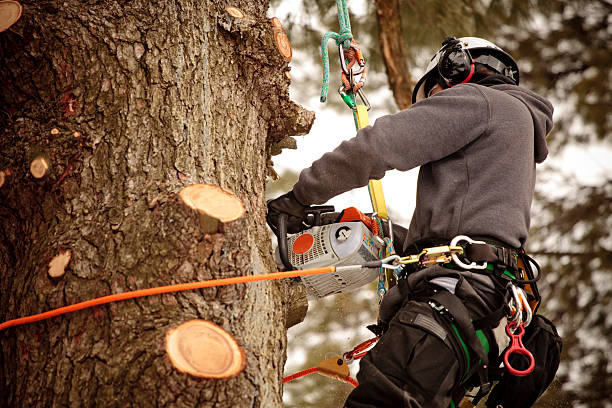
Junior Arborist

Junior Arborist

Early-career professionals manage basic tree care tasks with increasing autonomy. They hone skills in trimming and disease identification while...

0.0LPA

Senior Arborist

Senior Arborist

Experienced professionals handle complex tree care projects with high accuracy, using specialized equipment. They offer technical expertise in...

0.0LPA

Interested in this career?

Take the next step and explore more about Arborist.