Airline Pilot

Airline Pilot is a prestigious and demanding profession within the aviation sector that focuses on operating aircraft to transport passengers and cargo safely and efficiently across domestic and international routes, leveraging advanced technology and engineering systems. In India, becoming an Airline Pilot is a sought-after career path, fueled by the rapid growth of the aviation industry, increasing air travel demand, and the expansion of airline fleets. With innovations in aircraft technology, navigation systems, and safety protocols, this career plays a pivotal role in connecting people and economies globally. Airline Pilots are crucial for ensuring flight safety, adhering to strict regulations, and managing complex flight operations. This profession contributes to industry progress through trends like fuel-efficient flying, automation in cockpits, and enhanced pilot training simulations.
Share :
Career tree mind map (horizontal) — Airline Pilot
Colored branches, hub circles, and underlined topics — same style as counselor course classic (types 18–19 in admin).
Loading mind map…

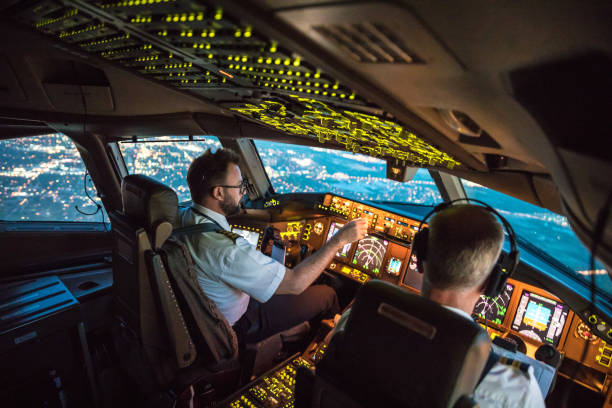
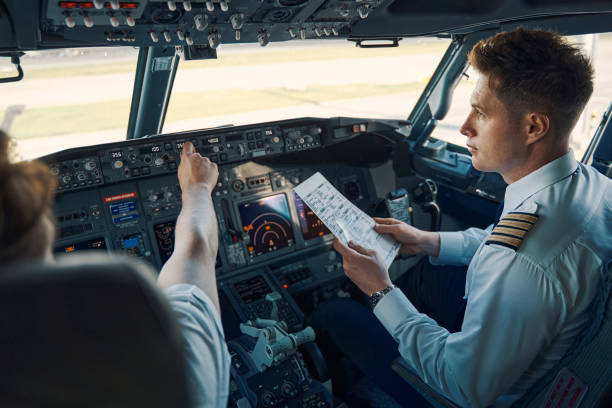
Airline Pilots work in dynamic and high-responsibility environments, operating commercial aircraft for airlines, charter services, or cargo carriers, often collaborating with co-pilots, cabin crew, air traffic controllers, and ground staff. Their responsibilities include conducting pre-flight checks, navigating aircraft through varying weather conditions, and responding to in-flight emergencies to ensure passenger and crew safety. They face challenges such as managing long-haul flights, coping with jet lag, and maintaining peak performance under pressure in India’s increasingly busy airspace. By leveraging expertise in aviation technology, aerodynamics, and regulatory compliance, they deliver seamless travel experiences. As vital contributors to India’s aviation and transportation sectors, they drive progress through trends like eco-friendly flight operations, advanced avionics integration, and digital flight management systems.

  • Flight Planning and Preparation
    • Review flight plans, weather reports, and aircraft performance data to ensure safe and efficient operations.
    • Conduct pre-flight inspections of aircraft systems, fuel levels, and emergency equipment to confirm readiness.
  • Aircraft Operation and Navigation
    • Operate aircraft controls and systems during takeoff, cruising, and landing phases with precision and safety.
    • Navigate using advanced instruments, GPS, and air traffic control guidance to follow designated routes.
  • Safety and Emergency Management
    • Monitor in-flight conditions for potential hazards like turbulence, mechanical issues, or security threats.
    • Execute emergency procedures, such as diversions or evacuations, to protect passengers and crew during crises.
  • Communication with Stakeholders
    • Communicate with air traffic controllers for clearances, updates, and instructions throughout the flight.
    • Coordinate with cabin crew to ensure passenger comfort and compliance with safety protocols during operations.
  • Regulatory Compliance and Documentation
    • Adhere to national and international aviation regulations set by authorities like DGCA (India) and ICAO.
    • Maintain accurate flight logs, incident reports, and other documentation for regulatory and operational purposes.
  • Crew Leadership and Decision-Making
    • Lead the flight crew by providing clear instructions and fostering teamwork during all phases of flight.
    • Make critical decisions under pressure, such as altering routes or managing technical failures, to ensure safety.
  • Fuel and Resource Management
    • Optimize fuel consumption by adjusting flight parameters to enhance efficiency and reduce environmental impact.
    • Manage onboard resources, ensuring adequate supplies for passengers and crew during long-haul flights.
  • Continuous Training and Evaluation
    • Participate in regular simulator training to stay updated on aircraft systems and emergency protocols.
    • Undergo periodic assessments and medical checks to maintain licensing and fitness for flying duties.

RouteSteps
Route 1: Commercial Pilot License (CPL) - Direct Entry

1. Complete 10+2 in Science stream (Physics, Mathematics) with minimum 50% marks.

2. Obtain Student Pilot License (SPL) via DGCA exams.

3. Complete flight training (200-250 hours) at a DGCA-approved flying school for CPL.

4. Join airlines as a First Officer after clearing medicals and licensing.

Route 2: Bachelor’s Degree with CPL Pathway

1. Complete 10+2 in Science and pursue B.Sc. in Aviation or related field (3 years).

2. Enroll in flight training for CPL alongside or post-degree.

3. Obtain necessary flying hours and DGCA licensing.

4. Start as a First Officer with enhanced theoretical knowledge.

Route 3: International Training Path

1. Complete 10+2 and clear language tests (e.g., IELTS, TOEFL) for international programs.

2. Pursue flight training and CPL from globally recognized schools (e.g., USA, Canada).

3. Convert foreign license to DGCA CPL via exams and training.

4. Join Indian or international airlines with global exposure.

Route 4: Military to Civilian Transition

1. Serve as a pilot in the Indian Air Force or Navy with military flight training.

2. Transition to civilian aviation post-service by converting military flying hours to CPL.

3. Clear DGCA exams and medicals for civilian licensing.

4. Join commercial airlines with military-honed skills.

Route 5: Airline Cadet Programs

1. Complete 10+2 in Science and apply for airline-sponsored cadet pilot programs (e.g., IndiGo, Air India).

2. Undergo structured training (flight hours, simulator) funded by the airline.

3. Obtain CPL and type rating for specific aircraft.

4. Join the sponsoring airline as a First Officer upon completion.

  • Student Pilot License (SPL) for initial aviation training and ground school knowledge.
  • Private Pilot License (PPL) for foundational flying skills and solo flight experience.
  • Commercial Pilot License (CPL) for professional flying qualifications to operate commercial aircraft.
  • Bachelor of Science (B.Sc.) in Aviation for broader theoretical knowledge alongside flight training.
  • Instrument Rating (IR) for flying in low-visibility conditions using aircraft instruments.
  • Multi-Engine Rating (MER) for operating aircraft with multiple engines, a requirement for most airlines.
  • Type Rating for specific aircraft models (e.g., Boeing 737, Airbus A320) to qualify for airline operations.
  • Short-term courses on Aviation Safety, Crew Resource Management (CRM), and Emergency Procedures.
  • Certifications in Airline Transport Pilot License (ATPL), Aviation English Proficiency, and Upset Recovery Training for advanced credibility.

InstituteCourse/ProgramOfficial Link
Indira Gandhi Rashtriya Uran Akademi (IGRUA), RaebareliCommercial Pilot License (CPL) Traininghttps://www.igrua.gov.in/
CAE Oxford Aviation Academy, Gondia (National Flying Training Institute)CPL and Airline Pilot Traininghttps://www.cae.com/
Rajiv Gandhi Academy for Aviation Technology, ThiruvananthapuramCPL and PPL Traininghttps://www.rajivgandhiacademy.in/
Bombay Flying Club, MumbaiCPL, PPL, and Instrument Ratinghttps://www.thebombayflyingclub.com/
Ahmedabad Aviation & Aeronautics Ltd., AhmedabadCPL and Flight Traininghttps://www.aaal.co.in/
Chimes Aviation Academy, Sagar (Madhya Pradesh)CPL and Airline Preparation Programhttps://www.chimesaviation.com/
FSTC Flying School, GurugramCPL, Type Rating, and Simulator Traininghttps://www.fstc.in/
Blue Bird Flight Academy, DelhiCPL and PPL Traininghttps://www.bluebirdflightacademy.com/
University of Petroleum and Energy Studies (UPES), DehradunB.Sc. in Aviation Operations (Pilot Focus)https://www.upes.ac.in/
Amity University, NoidaB.Sc. in Aviation (Pilot Training Electives)https://www.amity.edu/

InstitutionCourseCountryOfficial Link
Embry-Riddle Aeronautical University, Daytona BeachB.S. in Aeronautical Science (Flight Training)USAhttps://www.erau.edu/
CAE Global Academy, Multiple LocationsCommercial Pilot License and Type RatingCanada/UK/USAhttps://www.cae.com/
FlightSafety International, Multiple LocationsCPL, ATPL, and Type Rating TrainingUSAhttps://www.flightsafety.com/
Oxford Aviation Academy, OxfordIntegrated Airline Transport Pilot ProgramUKhttps://www.cae.com/
University of North Dakota, Grand ForksB.S. in Commercial Aviation (Flight Training)USAhttps://www.und.edu/
Airways Aviation, Multiple LocationsCPL and Airline Pilot TrainingUK/Australiahttps://www.airwaysaviation.com/
L3Harris Airline Academy, Multiple LocationsIntegrated ATPL and Pilot TrainingUK/USAhttps://www.l3harris.com/
Seneca College, TorontoDiploma in Aviation (Flight Training Focus)Canadahttps://www.senecacollege.ca/
Australian National University (ANU) Aviation, CanberraAviation and Pilot Training ProgramsAustraliahttps://www.anu.edu.au/
Massey University School of Aviation, Palmerston NorthB.Av. in Airline Pilot TrainingNew Zealandhttps://www.massey.ac.nz/

India:

  • DGCA SPL/PPL/CPL Exams: Mandatory for obtaining Student, Private, and Commercial Pilot Licenses through written and practical assessments (Ground Subjects, Flight Tests).
  • Airline Cadet Program Entrance Tests: Conducted by airlines like IndiGo or Air India for cadet pilot selection (Written Test, Psychometric Test, Interview).
  • IGRUA Entrance Exam: Required for admission to Indira Gandhi Rashtriya Uran Akademi for CPL training (Written Test, Pilot Aptitude Test, Interview).
  • JEE Main (Joint Entrance Examination Main): Required for admission to B.Tech or B.Sc. Aviation programs at certain institutes (Written Test).
  • Medical Examination (Class 1): Mandatory DGCA medical test conducted by approved centers to ensure physical and mental fitness for flying.

International (for Relevant Studies or Exposure):

  • IELTS (International English Language Testing System): Minimum score of 6.5-7.0 for non-native speakers applying to programs in the UK, Canada, Australia, etc.
  • TOEFL (Test of English as a Foreign Language): Minimum score of 90-100 for programs in English-speaking countries like the USA.
  • SAT (Scholastic Assessment Test): Often required for undergraduate aviation programs in the USA or Canada (Written Test).
  • Aviation English Proficiency Test (ICAO Level 4 or above): Mandatory for international pilot roles to ensure clear communication skills (Speaking and Listening).
  • Pilot Aptitude Tests: Required by international flight schools or airlines to assess spatial reasoning, multitasking, and reaction times (Psychometric and Simulator Tests).

First Officer → Senior First Officer → Captain → Senior Captain → Chief Pilot

  • Commercial Airlines for operating passenger flights on domestic and international routes.
  • Cargo Airlines for transporting goods and freight across regions with specialized aircraft.
  • Charter Services for providing private or on-demand flight services to clients.
  • Corporate Aviation for flying business jets for executives or high-net-worth individuals.
  • Flight Training Schools for instructing and mentoring aspiring pilots in ground and flight training.
  • Government Aviation for roles in state-owned airlines or military-to-civilian transitions.
  • International Carriers for operating long-haul flights with global airlines based outside India.

Indian OrganizationsInternational Organizations
IndiGo, DelhiEmirates, UAE
Air India, DelhiQatar Airways, Qatar
SpiceJet, GurugramSingapore Airlines, Singapore
Vistara, DelhiBritish Airways, UK
Go First (GoAir), MumbaiDelta Air Lines, USA
AirAsia India, BangaloreAmerican Airlines, USA
Alliance Air, DelhiLufthansa, Germany
TruJet, HyderabadCathay Pacific, Hong Kong
Star Air, BangaloreQantas, Australia
FlyBig, GurugramAir Canada, Canada

ProsCons
High impact through ensuring safe travel for passengers worldwideExtreme pressure due to responsibility for hundreds of lives on every flight
Opportunity to travel globally and experience diverse culturesIrregular schedules with long hours, night flights, and frequent time zone changes
Key role in the growing aviation industry with advanced technologyHigh stress from managing emergencies, weather challenges, or technical issues
Strong demand in India’s expanding airline sector with new fleet additionsStrict medical requirements with risk of grounding due to health issues
Potential for prestige and recognition as a skilled aviation professionalSignificant initial investment for flight training and licensing costs

Career Level (Private/Public Sector Example)India (₹ per annum)International (USD per annum, Tentative)
First Officer (Entry to Mid-Level)12,00,000 - 25,00,00040,000 - 70,000
Senior First Officer (Mid-Level)25,00,000 - 40,00,00070,000 - 100,000
Captain (Senior Level)40,00,000 - 60,00,000100,000 - 150,000
Senior Captain (Top Tier)60,00,000 - 80,00,000150,000 - 200,000
Chief Pilot (Elite Level)80,00,000 - 1,20,00,000+200,000 - 300,000+
Check Pilot (Specialized Role)50,00,000 - 75,00,000120,000 - 180,000
Flight Instructor (Specialized Role)30,00,000 - 50,00,00080,000 - 120,000

Note: Salaries are indicative and vary based on location (metro vs. non-metro for India; country/region for international roles), airline type, aircraft operated, and flight hours. Figures for India are updated estimates based on industry trends as of 2025, reflecting market growth, demand for pilots, and data from sources like Glassdoor and industry reports. International figures are approximate averages based on global aviation trends in countries like the USA, UAE, or Singapore, sourced from recent job portals and market analyses.

  • Electronic Flight Bag (EFB): For digital access to flight charts, manuals, and real-time weather data on tablets.
  • ForeFlight: For flight planning, navigation, and weather updates used by pilots on mobile devices.
  • Jeppesen Mobile FliteDeck: For digital charting and flight management during operations.
  • FlightAware: For real-time flight tracking and situational awareness during flight planning.
  • AeroWeather: For accessing detailed meteorological data critical to flight safety and routing.
  • AvPlan EFB: For electronic flight planning and navigation, popular in training and operational environments.
  • Garmin Pilot: For integrated flight planning, weather data, and cockpit navigation support.
  • SkyDemon: For visual flight rule (VFR) planning and in-flight navigation assistance.
  • Boeing OPT (Onboard Performance Tool): For calculating aircraft performance data like takeoff and landing weights.
  • Airbus FlySmart: For performance calculations and digital documentation specific to Airbus aircraft.

  • Indian Pilots’ Guild (IPG), India.
  • Air Line Pilots Association (ALPA) India Chapter, India.
  • Directorate General of Civil Aviation (DGCA) Forums, India.
  • Indian Commercial Pilots Association (ICPA), India.
  • Aviation Safety Council of India, India.
  • Air Line Pilots Association, International (ALPA), Global.
  • International Federation of Air Line Pilots’ Associations (IFALPA), Global.
  • International Civil Aviation Organization (ICAO), Global.
  • European Cockpit Association (ECA), Europe.
  • Asia Pacific Airline Pilots Association (APAPA), Asia-Pacific.

  • Chesley "Sully" Sullenberger (USA, Contemporary): Chesley Sullenberger is a renowned airline pilot celebrated for the "Miracle on the Hudson," successfully landing US Airways Flight 1549 on the Hudson River in 2009, saving all aboard. His expertise and calm under pressure set a global standard for emergency response. His story continues to inspire pilots worldwide.
     
  • Tammie Jo Shults (USA, Contemporary): Tammie Jo Shults is a former Southwest Airlines Captain who safely landed Flight 1380 in 2018 after an engine failure, demonstrating exceptional skill and leadership. Her actions under crisis saved numerous lives. Her career as a trailblazing female pilot motivates diversity in aviation.
     
  • Arvind Singh (India, Contemporary): Arvind Singh is a respected Air India Captain known for his contributions to pilot training and safety protocols in India. His leadership in long-haul operations has enhanced operational standards. His work supports the growth of Indian aviation on a global stage.
     
  • Ellen Church (USA, Historical): Ellen Church was the first female flight attendant who also trained as a pilot, breaking barriers in the 1930s and advocating for women in aviation. Her pioneering spirit opened doors for gender inclusion in flying roles. Her legacy endures in aviation history.
     
  • Chuck Yeager (USA, Historical): Chuck Yeager was a test pilot and the first to break the sound barrier in 1947, later influencing commercial aviation through his expertise. His groundbreaking achievements shaped modern flight technology. His contributions remain a benchmark for pilot excellence.
     
  • Beverly Bass (USA, Contemporary): Beverly Bass was the first female Captain at American Airlines, commanding flights during the 9/11 crisis with remarkable composure. Her leadership and resilience under extraordinary circumstances inspire pilots globally. Her story highlights perseverance in aviation.
     
  • Rajiv Pratap Rudy (India, Contemporary): Rajiv Pratap Rudy is a former Union Minister and a licensed commercial pilot who has flown for Air India, advocating for aviation policy reforms in India. His dual role in politics and flying bridges operational and regulatory perspectives. His influence shapes Indian aviation development.
     
  • Patricia Toole (Canada, Contemporary): Patricia Toole is a veteran Air Canada Captain known for mentoring young pilots and promoting safety initiatives in North American aviation. Her dedication to training has uplifted industry standards. Her impact fosters a culture of continuous learning among pilots.
     
  • Eric Moody (UK, Historical): Eric Moody was a British Airways Captain who safely landed Flight 9 in 1982 after all engines failed due to volcanic ash, showcasing extraordinary skill. His calm handling of the crisis saved lives and set a precedent for emergency management. His legacy is a lesson in pilot resilience.
     
  • Zoya Agarwal (India, Contemporary): Zoya Agarwal is an Air India Captain who led the first all-female crew on a historic flight over the North Pole in 2021, breaking gender barriers. Her leadership inspires women in aviation across India. Her achievements highlight the potential for diversity in the cockpit.
     

  • Build a strong foundation in physics, mathematics, and aviation theory to excel in flight training and operations.
  • Pursue early exposure through flying clubs, simulator sessions, or mentorship to grasp real-world aviation challenges.
  • Maintain a record of flight hours, training milestones, and certifications to showcase readiness for airline roles.
  • Stay updated on aviation regulations, safety advancements, and aircraft technologies through continuous learning and seminars.
  • Develop proficiency in navigation systems, cockpit instruments, and emergency procedures for a competitive edge in flying.
  • Join reputed flying schools like IGRUA or international programs for quality training and professional networking.
  • Work on resilience to manage long flights, irregular schedules, and high-pressure emergency situations effectively.
  • Explore opportunities with regional airlines or charter services to gain experience if major airline roles are initially out of reach.
  • Network with pilots, flight instructors, and airline recruiters at aviation events to expand career opportunities.
  • Cultivate adaptability to handle changing weather, technical issues, and evolving industry standards with confidence.
  • Focus on societal impact by prioritizing passenger safety, environmental efficiency, and reliability in every flight operation.

A career in Airline Pilot presents an unparalleled opportunity to soar above the clouds by mastering the art of flight and cutting-edge aviation technology, propelling progress through safe and efficient air travel, and connecting the world with every journey. Airline Pilots stand as the courageous navigators of India’s skies, utilizing their precision and dedication to ensure transformative travel experiences across diverse destinations. This field merges intense responsibility with a passion for exploration, offering pathways in commercial aviation, cargo transport, pilot training, and leadership roles. For those driven to conquer the skies through exceptional skill and determination, inspired by the potential to innovate with flight operations, and ready to embrace the rigorous challenges of aviation safety and global connectivity, a career as an Airline Pilot offers a deeply fulfilling path. It empowers individuals to meet critical travel and safety demands, advance aviation standards, and contribute to worldwide mobility through the remarkable expertise of piloting.

Knowledge & Skills You Will Learn
1
Aircraft Operation Proficiency for safely controlling aircraft during takeoff, flight, and landing phases
2
Navigation Expertise to use advanced instruments and GPS for precise route planning and adherence
3
Decision-Making Abilities to make quick, informed choices during emergencies or unexpected conditions
4
Situational Awareness to monitor surroundings, weather, and aircraft systems for potential hazards
5
Communication Skills to interact clearly with air traffic control, crew, and passengers for coordinated operations
6
Stress Management to remain calm and focused under high-pressure situations or long-haul flights
7
Team Leadership to guide cabin crew and co-pilots effectively during all flight stages
8
Technical Knowledge of Aircraft Systems to troubleshoot issues and understand avionics functionality
9
Physical and Mental Endurance to handle long flights, jet lag, and maintain peak performance
10
Adaptability to cope with changing schedules, weather conditions, and evolving aviation technologies
First Officer (Entry to Mid-Level)

First Officer (Entry to Mid-Level)

First Officers are co-pilots who assist the Captain in operating commercial aircraft for airlines in cities like Delhi and Mumbai. They handle...

0.0LPA

Senior First Officer (Mid-Level)

Senior First Officer (Mid-Level)

Senior First Officers are experienced co-pilots who operate alongside Captains on larger aircraft or international routes, often based in hubs...

0.0LPA
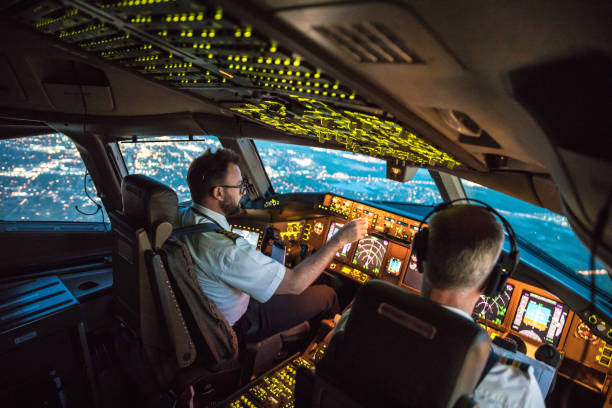
Captain (Senior Level)

Captain (Senior Level)

Captains are the pilots-in-command responsible for the overall safety and operation of the aircraft, frequently flying from major hubs like...

0.0LPA

Interested in this career?

Take the next step and explore more about Airline Pilot.