Agrobiologist

Summary

An Agrobiologist, also known as an Agricultural Biologist or Crop Scientist, is a scientific professional who studies the biological processes of plants, animals, and microorganisms to improve agricultural productivity and sustainability.

Share :
✨ Radial Mind Map - Agrobiologist
Nodes arranged in concentric circles

Loading radial mind map...

Overview

An Agrobiologist, also known as an Agricultural Biologist or Crop Scientist, is a scientific professional who studies the biological processes of plants, animals, and microorganisms to improve agricultural productivity and sustainability. They work in research institutions, universities, agribusinesses, and government agencies, collaborating with farmers, biotechnologists, and policymakers. Agrobiologists play a vital role in modern agriculture by addressing challenges like food security, climate change, and pest resistance in an era where scientific innovation and sustainable farming are paramount.
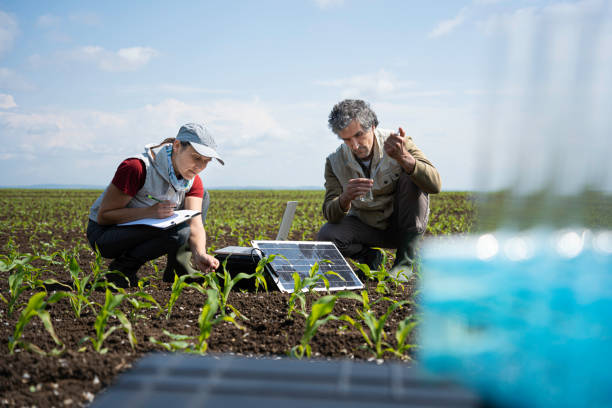
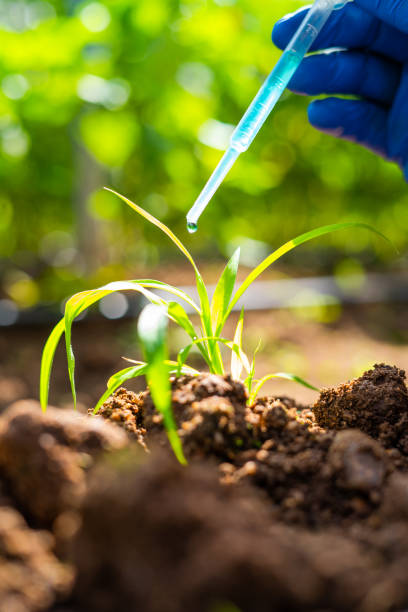
Agrobiologists are research-driven experts responsible for investigating the biological and genetic factors affecting crop growth, livestock health, and soil ecosystems to enhance agricultural outcomes. Their role includes developing disease-resistant crops, improving soil fertility through microbial studies, conducting genetic research, and creating sustainable farming solutions, often under controlled or field conditions. They combine deep scientific knowledge with experimental techniques, working in laboratories and fields to advance agricultural science. As key contributors to food security, they enable breakthroughs in agriculture in a landscape increasingly focused on biotechnology and environmental conservation.

Roles and Responsibilities

💼
Agrobiologist
Roles and Responsibilities
Plant Biology Research
Study plant physiology, genetics, and growth patterns to improve crop yields
Develop genetically modified or hybrid crops for resistance to pests and diseases
Soil Microbiology and Fertility
Analyze soil microbial activity to enhance nutrient availability for plants
Recommend biofertilizers or microbial solutions for sustainable soil health
Pest and Disease Management
Research biological control methods to manage agricultural pests and pathogens
Develop eco-friendly biopesticides and resistant crop varieties
Genetic Engineering and Biotechnology
Conduct experiments to modify plant or animal genomes for desirable traits
Use molecular biology techniques to address agricultural challenges
Environmental Impact Assessment
Study the effects of agricultural practices on ecosystems and biodiversity
Develop strategies to minimize environmental degradation through biological solutions
Livestock Biology and Health
Research animal physiology and genetics to improve livestock productivity
Develop biological interventions for disease prevention in farm animals
Data Analysis and Publication
Analyze experimental data on crop performance, soil health, and genetic outcomes
Publish research findings in scientific journals and present at conferences
Policy and Farmer Support
Advise policymakers on biologically sustainable agricultural practices
Collaborate with farmers to implement research-based biological solutions
Scientific Foundation
: Strong knowledge of biology, genetics, and microbiology is essential for agricultural research.
Practical Skills
: Hands-on training in laboratory techniques and field experiments develops core competencies in agrobiology.
Specialized Training
: Advanced certifications in biotechnology or genetic engineering offer niche expertise.
Technology Proficiency
: Mastery of tools like gene-editing software and lab equipment is vital for research.
Interdisciplinary Knowledge
: Understanding ecology, chemistry, and agronomy improves research outcomes.
Certification Importance
: Registration with scientific or agricultural research bodies may be required for certain roles.
Continuing Education
: Regular workshops and seminars are necessary to stay updated on biotechnological advancements.
Global Standards
: Compliance with international research guidelines enhances opportunities for global collaboration.
Attention to Detail
: Precision in experimental design and data analysis is critical for scientific validity.
Entrance Examination Success
: Certain programs may require entrance tests or specific qualifications for admission.
International Testing Requirements
: For global practice, certifications or qualifications from international scientific bodies may be needed.
ICAR AIEEA (All India Entrance Examination for Admission)
: Conducted by the Indian Council of Agricultural Research for undergraduate and postgraduate admissions in agricultural and biotechnology programs.
JNU CEEB (Combined Entrance Examination for Biotechnology)
: Conducted by Jawaharlal Nehru University for admission to M.Sc. Biotechnology programs across participating universities.
CSIR-UGC NET (National Eligibility Test)
: For postgraduate research roles, junior research fellowships, and lectureship in agricultural biology and biotechnology.
TOEFL (Test of English as a Foreign Language)
: Minimum score of 80-100 required for non-native speakers applying to programs in English-speaking countries.
IELTS (International English Language Testing System)
: Minimum score of 6.0-7.0 required for admission to universities in the UK, Australia, and other English-speaking regions.
PTE Academic (Pearson Test of English Academic)
: Accepted by many international institutes as an alternative to TOEFL or IELTS for English proficiency.
Duolingo English Test
: Accepted by some institutions as a convenient alternative for English language proficiency testing.
Dr. Norman Borlaug (Historical, USA)
: Known as the "Father of the Green Revolution" in the 1960s. His work on high-yield crops laid the foundation for modern agrobiology. His contributions impact global agriculture.
Dr. M.S. Swaminathan (Contemporary, India)
: Pioneer of the Green Revolution in India since the 1960s. His research on crop genetics inspired agrobiological advancements. His legacy influences agricultural science worldwide.
Dr. Deepak Pental (Contemporary, India)
: Renowned for his work on genetically modified mustard since the 1990s. His contributions to agricultural biotechnology are significant in India. His research impacts crop improvement nationally and globally.
Dr. Yuan Longping (Historical, China)
: Developer of hybrid rice in the 1970s. His biological innovations boosted production through genetic research. His impact continues to address food security worldwide.
Dr. Pamela Ronald (Contemporary, USA)
: Leader in agricultural biotechnology since the 1990s. Her research on flood-tolerant rice is a cornerstone of agrobiology. Her efforts improve crop resilience globally.
Dr. Jennifer Doudna (Contemporary, USA)
: Co-developer of CRISPR-Cas9 since the 2010s. Her gene-editing technology revolutionized agricultural biology. Her contributions transform agrobiology internationally.
Dr.Swapan K. Datta (Contemporary, India)
: Known for his work on genetically engineered rice since the 1990s. His research on biofortified crops addresses nutritional challenges. His impact strengthens agricultural biotechnology in India and beyond.
Dr. Agnes Kalibata (Contemporary, Rwanda)
: Champion of African agricultural transformation since the 2010s. Her initiatives rely on agrobiological research for sustainability. Her impact strengthens regional food systems.
Dr.Rajendra Singh Paroda (Contemporary, India)
: Leader in agricultural research since the 1980s. His contributions to biotechnology boost agrobiological innovation. His work influences global agricultural strategies.
Dr. Louise Fresco (Contemporary, Netherlands)
: Expert in sustainable agriculture since the 2000s. Her leadership shapes agrobiological advancements in farming. Her insights advance global agricultural sustainability.

Roles and Responsibilities

  • Plant Biology Research
    • Study plant physiology, genetics, and growth patterns to improve crop yields
    • Develop genetically modified or hybrid crops for resistance to pests and diseases
  • Soil Microbiology and Fertility
    • Analyze soil microbial activity to enhance nutrient availability for plants
    • Recommend biofertilizers or microbial solutions for sustainable soil health
  • Pest and Disease Management
    • Research biological control methods to manage agricultural pests and pathogens
    • Develop eco-friendly biopesticides and resistant crop varieties
  • Genetic Engineering and Biotechnology
    • Conduct experiments to modify plant or animal genomes for desirable traits
    • Use molecular biology techniques to address agricultural challenges
  • Environmental Impact Assessment
    • Study the effects of agricultural practices on ecosystems and biodiversity
    • Develop strategies to minimize environmental degradation through biological solutions
  • Livestock Biology and Health
    • Research animal physiology and genetics to improve livestock productivity
    • Develop biological interventions for disease prevention in farm animals
  • Data Analysis and Publication
    • Analyze experimental data on crop performance, soil health, and genetic outcomes
    • Publish research findings in scientific journals and present at conferences
  • Policy and Farmer Support
    • Advise policymakers on biologically sustainable agricultural practices
    • Collaborate with farmers to implement research-based biological solutions


Study Route & Eligibility Criteria

RouteSteps
Route 1

1. 10+2 with Physics, Chemistry, Biology (PCB) 

2. Bachelor’s degree in Agricultural Biology or Biotechnology (3-4 years) 

3. Internship or research training (3-6 months) 

4. Practice as Junior Agrobiologist

Route 2

1. 10+2 with PCB 

2. Bachelor’s degree in Agriculture or Life Sciences (3-4 years) 

3. Master’s degree in Agricultural Biology or Biotechnology (2 years) 

4. Work as Agrobiologist or Researcher

Route 3

1. 10+2 with PCB 

2. Bachelor’s degree in Biology or Biotechnology (3-4 years) 

3. Master’s degree in Agrobiology or related field (2 years) 

4. Ph.D. in Agricultural Biology or Biotechnology (3-5 years) 

5. Practice as Senior Researcher or Academic

Route 4

1. 10+2 with PCB 

2. Advanced international training or certification in Agricultural Biotechnology (1-2 years) 

3. Master’s or Ph.D. as per country requirements 

4. Practice abroad or in India


Significant Observations (Academic Related Points)

  • Scientific Foundation: Strong knowledge of biology, genetics, and microbiology is essential for agricultural research.
  • Practical Skills: Hands-on training in laboratory techniques and field experiments develops core competencies in agrobiology.
  • Specialized Training: Advanced certifications in biotechnology or genetic engineering offer niche expertise.
  • Technology Proficiency: Mastery of tools like gene-editing software and lab equipment is vital for research.
  • Interdisciplinary Knowledge: Understanding ecology, chemistry, and agronomy improves research outcomes.
  • Certification Importance: Registration with scientific or agricultural research bodies may be required for certain roles.
  • Continuing Education: Regular workshops and seminars are necessary to stay updated on biotechnological advancements.
  • Global Standards: Compliance with international research guidelines enhances opportunities for global collaboration.
  • Attention to Detail: Precision in experimental design and data analysis is critical for scientific validity.
  • Entrance Examination Success: Certain programs may require entrance tests or specific qualifications for admission.
  • International Testing Requirements: For global practice, certifications or qualifications from international scientific bodies may be needed.


Internships & Practical Exposure

  • Mandatory research training during degree programs in laboratories or field stations
  • Rotations in agricultural research centers for hands-on experience with crop and soil studies
  • Internships under senior agrobiologists or biotechnologists for exposure to real-time projects
  • Observerships in genetic engineering labs for experience in molecular biology techniques
  • Participation in mock experiments for practical skill development in research scenarios
  • Training in field trials through real-world crop studies and simulations
  • Exposure to sustainable agriculture protocols during internships
  • Research projects on plant genetics or soil microbiology during training
  • Public outreach initiatives for assisting in community agricultural programs
  • International research attachments for global exposure to agrobiological practices


Courses & Specializations to Enter the Field

  • Certificate in Agricultural Biotechnology or Genetic Engineering
  • Bachelor’s in Agricultural Biology or Biotechnology
  • Master’s in Agrobiology, Plant Biotechnology, or Soil Microbiology
  • Ph.D. in Agricultural Biology or Molecular Genetics
  • Specialization in Crop Genetic Modification
  • Certification in Microbial Biotechnology for Agriculture
  • Workshops on CRISPR and Gene Editing Technologies
  • Training in Plant Pathology and Pest Biology
  • Specialization in Livestock Biotechnology
  • Certification in Sustainable Agricultural Biotechnology


Top Institutes for Agrobiologist Education (India)

InstituteCourse/ProgramOfficial Link
Indian Agricultural Research Institute (IARI), New DelhiM.Sc./Ph.D. in Agricultural Biotechnologyhttps://www.iari.res.in/
Tamil Nadu Agricultural University (TNAU), CoimbatoreM.Sc./Ph.D. in Biotechnologyhttps://www.tnau.ac.in/
Punjab Agricultural University (PAU), LudhianaM.Sc./Ph.D. in Agricultural Biologyhttps://www.pau.edu/
University of Agricultural Sciences (UAS), BangaloreM.Sc./Ph.D. in Biotechnologyhttps://www.uasbangalore.edu.in/
G.B. Pant University of Agriculture & Technology, PantnagarM.Sc./Ph.D. in Agricultural Biotechnologyhttps://www.gbpuat.ac.in/
Chaudhary Charan Singh Haryana Agricultural University (CCSHAU), HisarM.Sc. in Biotechnologyhttps://www.hau.ac.in/
Acharya N.G. Ranga Agricultural University (ANGRAU), GunturM.Sc./Ph.D. in Biotechnologyhttps://www.angrau.ac.in/
Mahatma Phule Krishi Vidyapeeth (MPKV), RahuriM.Sc. in Agricultural Biotechnologyhttps://www.mpkv.ac.in/
Kerala Agricultural University (KAU), ThrissurM.Sc./Ph.D. in Biotechnologyhttps://www.kau.in/
Banaras Hindu University (BHU), VaranasiM.Sc./Ph.D. in Agricultural Biologyhttps://www.bhu.ac.in/


Top International Institutes

InstitutionCourseCountryOfficial Link
Wageningen University & ResearchAgricultural Biotechnology ProgramsNetherlandshttps://www.wur.nl/
University of California, Davis (UC Davis)Agricultural Biology and BiotechnologyUSAhttps://www.ucdavis.edu/
Cornell UniversityPlant Biotechnology and GeneticsUSAhttps://www.cornell.edu/
University of ReadingAgricultural Biology ProgramsUKhttps://www.reading.ac.uk/
University of QueenslandAgricultural BiotechnologyAustraliahttps://www.uq.edu.au/
Iowa State UniversityAgricultural Biology and GeneticsUSAhttps://www.iastate.edu/
University of CopenhagenAgricultural Biotechnology ProgramsDenmarkhttps://www.ku.dk/
Swedish University of Agricultural Sciences (SLU)Agricultural Biology ProgramsSwedenhttps://www.slu.se/
University of HohenheimAgricultural BiotechnologyGermanyhttps://www.uni-hohenheim.de/
Purdue UniversityAgricultural Biology and BiotechnologyUSAhttps://www.purdue.edu/


Entrance Tests RequiredIndia:

  • ICAR AIEEA (All India Entrance Examination for Admission): Conducted by the Indian Council of Agricultural Research for undergraduate and postgraduate admissions in agricultural and biotechnology programs.
  • JNU CEEB (Combined Entrance Examination for Biotechnology): Conducted by Jawaharlal Nehru University for admission to M.Sc. Biotechnology programs across participating universities.
  • CSIR-UGC NET (National Eligibility Test): For postgraduate research roles, junior research fellowships, and lectureship in agricultural biology and biotechnology.


International:

  • TOEFL (Test of English as a Foreign Language): Minimum score of 80-100 required for non-native speakers applying to programs in English-speaking countries.
  • IELTS (International English Language Testing System): Minimum score of 6.0-7.0 required for admission to universities in the UK, Australia, and other English-speaking regions.
  • PTE Academic (Pearson Test of English Academic): Accepted by many international institutes as an alternative to TOEFL or IELTS for English proficiency.
  • Duolingo English Test: Accepted by some institutions as a convenient alternative for English language proficiency testing.


Ideal Progressing Career Path 

Trainee → Junior Agrobiologist → Senior Agrobiologist → Research Scientist → Biotechnology Specialist → Project Manager → Research Director → Agrobiology Consultant


Major Areas of Employment

  • Agricultural research institutions for biological and genetic studies
  • Universities for academic research and teaching in agrobiology
  • Government agricultural departments for policy and research initiatives
  • Agribusiness companies for biotechnology product development
  • Non-governmental organizations (NGOs) for sustainable agriculture projects
  • Biotechnology firms for genetic engineering and crop innovation
  • Environmental agencies for biodiversity and ecological research
  • Food security organizations for global agricultural solutions
  • Private research consultancies for specialized biological advisory
  • International development agencies for agricultural biotechnology projects


Prominent Employers

IndiaInternational
Indian Council of Agricultural Research (ICAR)Food and Agriculture Organization (FAO), Italy
Department of Biotechnology (DBT), IndiaInternational Fund for Agricultural Development (IFAD), Italy
National Institute of Plant Genome Research (NIPGR)World Bank (Agriculture Division), USA
Mahindra Agri SolutionsSyngenta, Switzerland
ITC Agri BusinessMonsanto (Bayer), USA
Godrej AgrovetCorteva Agriscience, USA
Tata Rallis IndiaDuPont Pioneer, USA
UPL LimitedNestlé (Agricultural Division), Switzerland
Jain Irrigation SystemsArcher Daniels Midland (ADM), USA
Kaveri Seed CompanyCargill, USA


Pros and Cons of the Profession

ProsCons
Opportunity to contribute to food security and sustainability through scienceHigh-pressure environment due to research deadlines and funding constraints
High demand for agrobiologists in biotechnology and sustainable agricultureLong hours in labs or fields, often with repetitive experimental tasks
Rewarding impact on global agriculture through innovative biological solutionsRisk of ethical dilemmas in genetic modification and biotechnology
Diverse career paths across research, industry, and policyLimited public recognition compared to other scientific fields
Strong potential for growth with advancements in agricultural biotechnologyDependency on research grants and fluctuating funding availability


Industry Trends and Future Outlook

  • Growing integration of gene-editing technologies like CRISPR for crop improvement
  • Rising demand for agrobiologists due to global food security and climate challenges
  • Advancements in synthetic biology for creating sustainable agricultural solutions
  • Heightened focus on biofortification to address nutritional deficiencies in crops
  • Expansion of microbial biotechnology for eco-friendly fertilizers and pesticides
  • Development of climate-resilient crops through biological and genetic research
  • Increased emphasis on bioinformatics for analyzing agricultural biological data
  • Enhanced collaboration between agrobiologists and industry for biotech innovations
  • Growing need for continuous training to master emerging biotechnological tools
  • Focus on global ethical standards to align agricultural biotechnology practices internationally


Salary Expectations

Career LevelIndia (₹ per annum)International (USD per annum)
Trainee/Junior Agrobiologist (Early Career)3,00,000 - 5,00,00035,000 - 50,000
Senior Agrobiologist (Mid-Career)5,00,000 - 8,00,00050,000 - 70,000
Research Scientist8,00,000 - 12,00,00070,000 - 90,000
Biotechnology Specialist/Project Manager12,00,000 - 18,00,00090,000 - 120,000
Research Director/Consultant18,00,000+120,000+
Note: Salaries vary based on location, experience, employer, and specialization. International figures are approximate and depend on the country and agricultural sector.  


Key Software Tools

  • Bioinformatics Software for genetic sequence analysis (e.g., BLAST, GenBank)
  • Gene-Editing Tools like CRISPR-Cas9 design software for genetic modification
  • Data Analysis Tools like SPSS or R for statistical research analysis
  • Laboratory Information Management Systems (LIMS) for managing experimental data
  • Molecular Modeling Software for studying plant and microbial structures
  • Teleconferencing tools like Zoom for research collaboration and presentations
  • Scientific databases for accessing agricultural biology research (e.g., PubMed)
  • Microsoft Office Suite for documentation and research report preparation
  • Simulation software for modeling agricultural biological processes
  • Project management tools for coordinating research timelines and resources


Professional Organizations and Networks

  • Indian Society of Agricultural Biochemists (ISAB)
  • American Society of Plant Biologists (ASPB)
  • International Society for Molecular Plant-Microbe Interactions (IS-MPMI)
  • Biotechnology Industry Organization (BIO), USA
  • Indian Agricultural Universities Association (IAUA)
  • European Federation of Biotechnology (EFB)
  • International Union of Biological Sciences (IUBS)
  • Society for Biotechnology, India (SBI)
  • Global Forum on Agricultural Research (GFAR)
  • International Society for Plant Pathology (ISPP)


Notable Agrobiologists and Industry Leaders (Top 10)

  • Dr. Norman Borlaug (Historical, USA): Known as the "Father of the Green Revolution" in the 1960s. His work on high-yield crops laid the foundation for modern agrobiology. His contributions impact global agriculture.
     
  • Dr. M.S. Swaminathan (Contemporary, India): Pioneer of the Green Revolution in India since the 1960s. His research on crop genetics inspired agrobiological advancements. His legacy influences agricultural science worldwide.
     
  • Dr. Deepak Pental (Contemporary, India): Renowned for his work on genetically modified mustard since the 1990s. His contributions to agricultural biotechnology are significant in India. His research impacts crop improvement nationally and globally.
     
  • Dr. Yuan Longping (Historical, China): Developer of hybrid rice in the 1970s. His biological innovations boosted production through genetic research. His impact continues to address food security worldwide.
     
  • Dr. Pamela Ronald (Contemporary, USA): Leader in agricultural biotechnology since the 1990s. Her research on flood-tolerant rice is a cornerstone of agrobiology. Her efforts improve crop resilience globally.
     
  • Dr. Jennifer Doudna (Contemporary, USA): Co-developer of CRISPR-Cas9 since the 2010s. Her gene-editing technology revolutionized agricultural biology. Her contributions transform agrobiology internationally.
     
  • Dr.Swapan K. Datta (Contemporary, India): Known for his work on genetically engineered rice since the 1990s. His research on biofortified crops addresses nutritional challenges. His impact strengthens agricultural biotechnology in India and beyond.
     
  • Dr. Agnes Kalibata (Contemporary, Rwanda): Champion of African agricultural transformation since the 2010s. Her initiatives rely on agrobiological research for sustainability. Her impact strengthens regional food systems.
     
  • Dr.Rajendra Singh Paroda (Contemporary, India): Leader in agricultural research since the 1980s. His contributions to biotechnology boost agrobiological innovation. His work influences global agricultural strategies.
     
  • Dr. Louise Fresco (Contemporary, Netherlands): Expert in sustainable agriculture since the 2000s. Her leadership shapes agrobiological advancements in farming. Her insights advance global agricultural sustainability.


Advice for Aspiring Agrobiologists

  • Build a strong foundation in biology, genetics, and biotechnology to understand agricultural systems.
  • Seek early exposure to research environments through internships to confirm interest in the field.
  • Prepare thoroughly for entrance exams or certification requirements specific to your chosen program or region.
  • Pursue advanced certifications in gene editing or microbial biotechnology to gain expertise.
  • Stay updated on advancements in agricultural biotechnology by attending workshops and conferences.
  • Develop hands-on skills in laboratory techniques through practical research training.
  • Engage in sustainability or food security projects to build real-world experience.
  • Join professional associations like the American Society of Plant Biologists (ASPB) for networking and resources.
  • Work on precision and analytical thinking to ensure accurate experiments and research outcomes.
  • Explore international research programs for exposure to diverse agrobiological practices and standards.
  • Volunteer in research labs or field stations to understand biological challenges and build experience.
  • Cultivate adaptability to handle complex scientific and environmental challenges.
  • Attend continuing education programs to stay abreast of evolving biotechnological methods and tools.
  • Build a network with researchers, agriculturalists, and biotech professionals for collaborative efforts.
  • Develop resilience to manage the intellectual and ethical demands of research work.
  • Balance lab work with continuous learning to adapt to rapid advancements in agricultural biology.

A career as an Agrobiologist offers a unique opportunity to contribute to food security and sustainability by leveraging biological and biotechnological innovations to enhance agricultural productivity. From developing disease-resistant crops to improving soil health through microbial research, Agrobiologists play a pivotal role in modern agricultural science. This field combines scientific expertise, experimental research, and a commitment to global well-being, offering diverse paths in research institutions, agribusiness, and policy development. For those passionate about solving agricultural challenges, adapting to climate change, and addressing food scarcity in an era of increasing population and environmental concerns, a career as an Agrobiologist provides an intellectually stimulating and professionally rewarding journey with the potential to make significant contributions to society by enhancing the quality of food production and agricultural sustainability worldwide.
 

Study Route & Eligibility Criteria

Study Route & Eligibility Criteria
Agrobiologist
Route 1
🎓
1
10+2 with Physics, Chemistry, Biology
🏛️
2
Bachelor’s degree in Agricultural Biology or Biotechnology
3-4 years
💼
3
Internship or research training
3-6 months
💼
4
Practice as Junior Agrobiologist
Route 2
🎓
1
10+2 with PCB
🏛️
2
Bachelor’s degree in Agriculture or Life Sciences
3-4 years
🏛️
3
Master’s degree in Agricultural Biology or Biotechnology
2 years
💼
4
Work as Agrobiologist or Researcher
Route 3
🎓
1
10+2 with PCB
🏛️
2
Bachelor’s degree in Biology or Biotechnology
3-4 years
🏛️
3
Master’s degree in Agrobiology or related field
2 years
💼
4
Ph.D. in Agricultural Biology or Biotechnology
3-5 years
💼
5
Practice as Senior Researcher or Academic
Route 4
🎓
1
10+2 with PCB
🏛️
2
Advanced international training or certification in Agricultural Biotechnology
1-2 years
🎓
3
Master’s or Ph.D. as per country requirements
💼
4
Practice abroad or in India
🎯 Agrobiologist - Professional

Significant Observations (Academic Related Points)

💡
Agrobiologist
Academic Related Points
1
Scientific Foundation
Strong knowledge of biology, genetics, and microbiology is essential for agricultural research.
2
Practical Skills
Hands-on training in laboratory techniques and field experiments develops core competencies in agrobiology.
3
Specialized Training
Advanced certifications in biotechnology or genetic engineering offer niche expertise.
4
Technology Proficiency
Mastery of tools like gene-editing software and lab equipment is vital for research.
5
Interdisciplinary Knowledge
Understanding ecology, chemistry, and agronomy improves research outcomes.
6
Certification Importance
Registration with scientific or agricultural research bodies may be required for certain roles.
7
Continuing Education
Regular workshops and seminars are necessary to stay updated on biotechnological advancements.
8
Global Standards
Compliance with international research guidelines enhances opportunities for global collaboration.
9
Attention to Detail
Precision in experimental design and data analysis is critical for scientific validity.
10
Entrance Examination Success
Certain programs may require entrance tests or specific qualifications for admission.
11
International Testing Requirements
For global practice, certifications or qualifications from international scientific bodies may be needed.
12
ICAR AIEEA (All India Entrance Examination for Admission)
Conducted by the Indian Council of Agricultural Research for undergraduate and postgraduate admissions in agricultural and biotechnology programs.
13
JNU CEEB (Combined Entrance Examination for Biotechnology)
Conducted by Jawaharlal Nehru University for admission to M.Sc. Biotechnology programs across participating universities.
14
CSIR-UGC NET (National Eligibility Test)
For postgraduate research roles, junior research fellowships, and lectureship in agricultural biology and biotechnology.
15
TOEFL (Test of English as a Foreign Language)
Minimum score of 80-100 required for non-native speakers applying to programs in English-speaking countries.
16
IELTS (International English Language Testing System)
Minimum score of 6.0-7.0 required for admission to universities in the UK, Australia, and other English-speaking regions.
17
PTE Academic (Pearson Test of English Academic)
Accepted by many international institutes as an alternative to TOEFL or IELTS for English proficiency.
18
Duolingo English Test
Accepted by some institutions as a convenient alternative for English language proficiency testing.
19
Dr. Norman Borlaug (Historical, USA)
Known as the "Father of the Green Revolution" in the 1960s. His work on high-yield crops laid the foundation for modern agrobiology. His contributions impact global agriculture.
20
Dr. M.S. Swaminathan (Contemporary, India)
Pioneer of the Green Revolution in India since the 1960s. His research on crop genetics inspired agrobiological advancements. His legacy influences agricultural science worldwide.
21
Dr. Deepak Pental (Contemporary, India)
Renowned for his work on genetically modified mustard since the 1990s. His contributions to agricultural biotechnology are significant in India. His research impacts crop improvement nationally and globally.
22
Dr. Yuan Longping (Historical, China)
Developer of hybrid rice in the 1970s. His biological innovations boosted production through genetic research. His impact continues to address food security worldwide.
23
Dr. Pamela Ronald (Contemporary, USA)
Leader in agricultural biotechnology since the 1990s. Her research on flood-tolerant rice is a cornerstone of agrobiology. Her efforts improve crop resilience globally.
24
Dr. Jennifer Doudna (Contemporary, USA)
Co-developer of CRISPR-Cas9 since the 2010s. Her gene-editing technology revolutionized agricultural biology. Her contributions transform agrobiology internationally.
25
Dr.Swapan K. Datta (Contemporary, India)
Known for his work on genetically engineered rice since the 1990s. His research on biofortified crops addresses nutritional challenges. His impact strengthens agricultural biotechnology in India and beyond.
26
Dr. Agnes Kalibata (Contemporary, Rwanda)
Champion of African agricultural transformation since the 2010s. Her initiatives rely on agrobiological research for sustainability. Her impact strengthens regional food systems.
27
Dr.Rajendra Singh Paroda (Contemporary, India)
Leader in agricultural research since the 1980s. His contributions to biotechnology boost agrobiological innovation. His work influences global agricultural strategies.
28
Dr. Louise Fresco (Contemporary, Netherlands)
Expert in sustainable agriculture since the 2000s. Her leadership shapes agrobiological advancements in farming. Her insights advance global agricultural sustainability.

Internships & Practical Exposure

💼
Agrobiologist
Internships & Practical Experience
1
Mandatory research training during degree programs in laboratories or field stations
2
Rotations in agricultural research centers for hands-on experience with crop and soil studies
3
Internships under senior agrobiologists or biotechnologists for exposure to real-time projects
4
Observerships in genetic engineering labs for experience in molecular biology techniques
5
Participation in mock experiments for practical skill development in research scenarios
6
Training in field trials through real-world crop studies and simulations
7
Exposure to sustainable agriculture protocols during internships
8
Research projects on plant genetics or soil microbiology during training
9
Public outreach initiatives for assisting in community agricultural programs
10
International research attachments for global exposure to agrobiological practices
11
Certificate in Agricultural Biotechnology or Genetic Engineering
12
Bachelor’s in Agricultural Biology or Biotechnology
13
Master’s in Agrobiology, Plant Biotechnology, or Soil Microbiology
14
Ph.D. in Agricultural Biology or Molecular Genetics
15
Specialization in Crop Genetic Modification
16
Certification in Microbial Biotechnology for Agriculture
17
Workshops on CRISPR and Gene Editing Technologies
18
Training in Plant Pathology and Pest Biology
19
Specialization in Livestock Biotechnology
20
Certification in Sustainable Agricultural Biotechnology
21
ICAR AIEEA (All India Entrance Examination for Admission): Conducted by the Indian Council of Agricultural Research for undergraduate and postgraduate admissions in agricultural and biotechnology programs.
22
JNU CEEB (Combined Entrance Examination for Biotechnology): Conducted by Jawaharlal Nehru University for admission to M.Sc. Biotechnology programs across participating universities.
23
CSIR-UGC NET (National Eligibility Test): For postgraduate research roles, junior research fellowships, and lectureship in agricultural biology and biotechnology.
24
TOEFL (Test of English as a Foreign Language): Minimum score of 80-100 required for non-native speakers applying to programs in English-speaking countries.
25
IELTS (International English Language Testing System): Minimum score of 6.0-7.0 required for admission to universities in the UK, Australia, and other English-speaking regions.
26
PTE Academic (Pearson Test of English Academic): Accepted by many international institutes as an alternative to TOEFL or IELTS for English proficiency.
27
Duolingo English Test: Accepted by some institutions as a convenient alternative for English language proficiency testing.
28
Agricultural research institutions for biological and genetic studies
29
Universities for academic research and teaching in agrobiology
30
Government agricultural departments for policy and research initiatives
31
Agribusiness companies for biotechnology product development
32
Non-governmental organizations (NGOs) for sustainable agriculture projects
33
Biotechnology firms for genetic engineering and crop innovation
34
Environmental agencies for biodiversity and ecological research
35
Food security organizations for global agricultural solutions
36
Private research consultancies for specialized biological advisory
37
International development agencies for agricultural biotechnology projects
38
Growing integration of gene-editing technologies like CRISPR for crop improvement
39
Rising demand for agrobiologists due to global food security and climate challenges
40
Advancements in synthetic biology for creating sustainable agricultural solutions
41
Heightened focus on biofortification to address nutritional deficiencies in crops
42
Expansion of microbial biotechnology for eco-friendly fertilizers and pesticides
43
Development of climate-resilient crops through biological and genetic research
44
Increased emphasis on bioinformatics for analyzing agricultural biological data
45
Enhanced collaboration between agrobiologists and industry for biotech innovations
46
Growing need for continuous training to master emerging biotechnological tools
47
Focus on global ethical standards to align agricultural biotechnology practices internationally
48
Bioinformatics Software for genetic sequence analysis (e.g., BLAST, GenBank)
49
Gene-Editing Tools like CRISPR-Cas9 design software for genetic modification
50
Data Analysis Tools like SPSS or R for statistical research analysis
51
Laboratory Information Management Systems (LIMS) for managing experimental data
52
Molecular Modeling Software for studying plant and microbial structures
53
Teleconferencing tools like Zoom for research collaboration and presentations
54
Scientific databases for accessing agricultural biology research (e.g., PubMed)
55
Microsoft Office Suite for documentation and research report preparation
56
Simulation software for modeling agricultural biological processes
57
Project management tools for coordinating research timelines and resources
58
Indian Society of Agricultural Biochemists (ISAB)
59
American Society of Plant Biologists (ASPB)
60
International Society for Molecular Plant-Microbe Interactions (IS-MPMI)
61
Biotechnology Industry Organization (BIO), USA
62
Indian Agricultural Universities Association (IAUA)
63
European Federation of Biotechnology (EFB)
64
International Union of Biological Sciences (IUBS)
65
Society for Biotechnology, India (SBI)
66
Global Forum on Agricultural Research (GFAR)
67
International Society for Plant Pathology (ISPP)
68
Dr. Norman Borlaug (Historical, USA): Known as the "Father of the Green Revolution" in the 1960s. His work on high-yield crops laid the foundation for modern agrobiology. His contributions impact global agriculture.
69
Dr. M.S. Swaminathan (Contemporary, India): Pioneer of the Green Revolution in India since the 1960s. His research on crop genetics inspired agrobiological advancements. His legacy influences agricultural science worldwide.
70
Dr. Deepak Pental (Contemporary, India): Renowned for his work on genetically modified mustard since the 1990s. His contributions to agricultural biotechnology are significant in India. His research impacts crop improvement nationally and globally.
71
Dr. Yuan Longping (Historical, China): Developer of hybrid rice in the 1970s. His biological innovations boosted production through genetic research. His impact continues to address food security worldwide.
72
Dr. Pamela Ronald (Contemporary, USA): Leader in agricultural biotechnology since the 1990s. Her research on flood-tolerant rice is a cornerstone of agrobiology. Her efforts improve crop resilience globally.
73
Dr. Jennifer Doudna (Contemporary, USA): Co-developer of CRISPR-Cas9 since the 2010s. Her gene-editing technology revolutionized agricultural biology. Her contributions transform agrobiology internationally.
74
Dr.Swapan K. Datta (Contemporary, India): Known for his work on genetically engineered rice since the 1990s. His research on biofortified crops addresses nutritional challenges. His impact strengthens agricultural biotechnology in India and beyond.
75
Dr. Agnes Kalibata (Contemporary, Rwanda): Champion of African agricultural transformation since the 2010s. Her initiatives rely on agrobiological research for sustainability. Her impact strengthens regional food systems.
76
Dr.Rajendra Singh Paroda (Contemporary, India): Leader in agricultural research since the 1980s. His contributions to biotechnology boost agrobiological innovation. His work influences global agricultural strategies.
77
Dr. Louise Fresco (Contemporary, Netherlands): Expert in sustainable agriculture since the 2000s. Her leadership shapes agrobiological advancements in farming. Her insights advance global agricultural sustainability.
78
Build a strong foundation in biology, genetics, and biotechnology to understand agricultural systems.
79
Seek early exposure to research environments through internships to confirm interest in the field.
80
Prepare thoroughly for entrance exams or certification requirements specific to your chosen program or region.
81
Pursue advanced certifications in gene editing or microbial biotechnology to gain expertise.
82
Stay updated on advancements in agricultural biotechnology by attending workshops and conferences.
83
Develop hands-on skills in laboratory techniques through practical research training.
84
Engage in sustainability or food security projects to build real-world experience.
85
Join professional associations like the American Society of Plant Biologists (ASPB) for networking and resources.
86
Work on precision and analytical thinking to ensure accurate experiments and research outcomes.
87
Explore international research programs for exposure to diverse agrobiological practices and standards.
88
Volunteer in research labs or field stations to understand biological challenges and build experience.
89
Cultivate adaptability to handle complex scientific and environmental challenges.
90
Attend continuing education programs to stay abreast of evolving biotechnological methods and tools.
91
Build a network with researchers, agriculturalists, and biotech professionals for collaborative efforts.
92
Develop resilience to manage the intellectual and ethical demands of research work.
93
Balance lab work with continuous learning to adapt to rapid advancements in agricultural biology.

Courses & Specializations to Enter the Field

📚
Agrobiologist
Courses & Specializations
📖
Certificate in Agricultural Biotechnology or Genetic Engineering
📖
Bachelor’s in Agricultural Biology or Biotechnology
📖
Master’s in Agrobiology, Plant Biotechnology, or Soil Microbiology
📖
Ph.D. in Agricultural Biology or Molecular Genetics
📖
Specialization in Crop Genetic Modification
📖
Certification in Microbial Biotechnology for Agriculture
📖
Workshops on CRISPR and Gene Editing Technologies
📖
Training in Plant Pathology and Pest Biology
📖
Specialization in Livestock Biotechnology
📖
Certification in Sustainable Agricultural Biotechnology
📖
ICAR AIEEA (All India Entrance Examination for Admission): Conducted by the Indian Council of Agricultural Research for undergraduate and postgraduate admissions in agricultural and biotechnology programs.
📖
JNU CEEB (Combined Entrance Examination for Biotechnology): Conducted by Jawaharlal Nehru University for admission to M.Sc. Biotechnology programs across participating universities.
📖
CSIR-UGC NET (National Eligibility Test): For postgraduate research roles, junior research fellowships, and lectureship in agricultural biology and biotechnology.
📖
TOEFL (Test of English as a Foreign Language): Minimum score of 80-100 required for non-native speakers applying to programs in English-speaking countries.
📖
IELTS (International English Language Testing System): Minimum score of 6.0-7.0 required for admission to universities in the UK, Australia, and other English-speaking regions.
📖
PTE Academic (Pearson Test of English Academic): Accepted by many international institutes as an alternative to TOEFL or IELTS for English proficiency.
📖
Duolingo English Test: Accepted by some institutions as a convenient alternative for English language proficiency testing.
📖
Agricultural research institutions for biological and genetic studies
📖
Universities for academic research and teaching in agrobiology
📖
Government agricultural departments for policy and research initiatives
📖
Agribusiness companies for biotechnology product development
📖
Non-governmental organizations (NGOs) for sustainable agriculture projects
📖
Biotechnology firms for genetic engineering and crop innovation
📖
Environmental agencies for biodiversity and ecological research
📖
Food security organizations for global agricultural solutions
📖
Private research consultancies for specialized biological advisory
📖
International development agencies for agricultural biotechnology projects
📖
Growing integration of gene-editing technologies like CRISPR for crop improvement
📖
Rising demand for agrobiologists due to global food security and climate challenges
📖
Advancements in synthetic biology for creating sustainable agricultural solutions
📖
Heightened focus on biofortification to address nutritional deficiencies in crops
📖
Expansion of microbial biotechnology for eco-friendly fertilizers and pesticides
📖
Development of climate-resilient crops through biological and genetic research
📖
Increased emphasis on bioinformatics for analyzing agricultural biological data
📖
Enhanced collaboration between agrobiologists and industry for biotech innovations
📖
Growing need for continuous training to master emerging biotechnological tools
📖
Focus on global ethical standards to align agricultural biotechnology practices internationally
📖
Bioinformatics Software for genetic sequence analysis (e.g., BLAST, GenBank)
📖
Gene-Editing Tools like CRISPR-Cas9 design software for genetic modification
📖
Data Analysis Tools like SPSS or R for statistical research analysis
📖
Laboratory Information Management Systems (LIMS) for managing experimental data
📖
Molecular Modeling Software for studying plant and microbial structures
📖
Teleconferencing tools like Zoom for research collaboration and presentations
📖
Scientific databases for accessing agricultural biology research (e.g., PubMed)
📖
Microsoft Office Suite for documentation and research report preparation
📖
Simulation software for modeling agricultural biological processes
📖
Project management tools for coordinating research timelines and resources
📖
Indian Society of Agricultural Biochemists (ISAB)
📖
American Society of Plant Biologists (ASPB)
📖
International Society for Molecular Plant-Microbe Interactions (IS-MPMI)
📖
Biotechnology Industry Organization (BIO), USA
📖
Indian Agricultural Universities Association (IAUA)
📖
European Federation of Biotechnology (EFB)
📖
International Union of Biological Sciences (IUBS)
📖
Society for Biotechnology, India (SBI)
📖
Global Forum on Agricultural Research (GFAR)
📖
International Society for Plant Pathology (ISPP)
📖
Dr. Norman Borlaug (Historical, USA): Known as the "Father of the Green Revolution" in the 1960s. His work on high-yield crops laid the foundation for modern agrobiology. His contributions impact global agriculture.
📖
Dr. M.S. Swaminathan (Contemporary, India): Pioneer of the Green Revolution in India since the 1960s. His research on crop genetics inspired agrobiological advancements. His legacy influences agricultural science worldwide.
📖
Dr. Deepak Pental (Contemporary, India): Renowned for his work on genetically modified mustard since the 1990s. His contributions to agricultural biotechnology are significant in India. His research impacts crop improvement nationally and globally.
📖
Dr. Yuan Longping (Historical, China): Developer of hybrid rice in the 1970s. His biological innovations boosted production through genetic research. His impact continues to address food security worldwide.
📖
Dr. Pamela Ronald (Contemporary, USA): Leader in agricultural biotechnology since the 1990s. Her research on flood-tolerant rice is a cornerstone of agrobiology. Her efforts improve crop resilience globally.
📖
Dr. Jennifer Doudna (Contemporary, USA): Co-developer of CRISPR-Cas9 since the 2010s. Her gene-editing technology revolutionized agricultural biology. Her contributions transform agrobiology internationally.
📖
Dr.Swapan K. Datta (Contemporary, India): Known for his work on genetically engineered rice since the 1990s. His research on biofortified crops addresses nutritional challenges. His impact strengthens agricultural biotechnology in India and beyond.
📖
Dr. Agnes Kalibata (Contemporary, Rwanda): Champion of African agricultural transformation since the 2010s. Her initiatives rely on agrobiological research for sustainability. Her impact strengthens regional food systems.
📖
Dr.Rajendra Singh Paroda (Contemporary, India): Leader in agricultural research since the 1980s. His contributions to biotechnology boost agrobiological innovation. His work influences global agricultural strategies.
📖
Dr. Louise Fresco (Contemporary, Netherlands): Expert in sustainable agriculture since the 2000s. Her leadership shapes agrobiological advancements in farming. Her insights advance global agricultural sustainability.
📖
Build a strong foundation in biology, genetics, and biotechnology to understand agricultural systems.
📖
Seek early exposure to research environments through internships to confirm interest in the field.
📖
Prepare thoroughly for entrance exams or certification requirements specific to your chosen program or region.
📖
Pursue advanced certifications in gene editing or microbial biotechnology to gain expertise.
📖
Stay updated on advancements in agricultural biotechnology by attending workshops and conferences.
📖
Develop hands-on skills in laboratory techniques through practical research training.
📖
Engage in sustainability or food security projects to build real-world experience.
📖
Join professional associations like the American Society of Plant Biologists (ASPB) for networking and resources.
📖
Work on precision and analytical thinking to ensure accurate experiments and research outcomes.
📖
Explore international research programs for exposure to diverse agrobiological practices and standards.
📖
Volunteer in research labs or field stations to understand biological challenges and build experience.
📖
Cultivate adaptability to handle complex scientific and environmental challenges.
📖
Attend continuing education programs to stay abreast of evolving biotechnological methods and tools.
📖
Build a network with researchers, agriculturalists, and biotech professionals for collaborative efforts.
📖
Develop resilience to manage the intellectual and ethical demands of research work.
📖
Balance lab work with continuous learning to adapt to rapid advancements in agricultural biology.

Prominent Employers

🏢
Agrobiologist
🌟 Top Companies & Organizations
🇮🇳 India
🏛️
Indian Council of Agricultural Research (ICAR)
🏛️
Department of Biotechnology (DBT), India
🏛️
National Institute of Plant Genome Research (NIPGR)
🏛️
Mahindra Agri Solutions
🏛️
ITC Agri Business
🏛️
Godrej Agrovet
🏛️
Tata Rallis India
🏛️
UPL Limited
🏛️
Jain Irrigation Systems
🏛️
Kaveri Seed Company
🌍 International
🌐
Food and Agriculture Organization (FAO), Italy
🌐
International Fund for Agricultural Development (IFAD), Italy
🌐
World Bank (Agriculture Division), USA
🌐
Syngenta, Switzerland
🌐
Monsanto (Bayer), USA
🌐
Corteva Agriscience, USA
🌐
DuPont Pioneer, USA
🌐
Nestlé (Agricultural Division), Switzerland
🌐
Archer Daniels Midland (ADM), USA
🌐
Cargill, USA

Advice for Aspiring Agrobiologists

💡
Agrobiologist
🌟 Tips for Students & Parents
1
Build a strong foundation in biology, genetics, and biotechnology to understand agricultural systems.
2
Seek early exposure to research environments through internships to confirm interest in the field.
3
Prepare thoroughly for entrance exams or certification requirements specific to your chosen program or region.
4
Pursue advanced certifications in gene editing or microbial biotechnology to gain expertise.
5
Stay updated on advancements in agricultural biotechnology by attending workshops and conferences.
6
Develop hands-on skills in laboratory techniques through practical research training.
7
Engage in sustainability or food security projects to build real-world experience.
8
Join professional associations like the American Society of Plant Biologists (ASPB) for networking and resources.
9
Work on precision and analytical thinking to ensure accurate experiments and research outcomes.
10
Explore international research programs for exposure to diverse agrobiological practices and standards.
11
Volunteer in research labs or field stations to understand biological challenges and build experience.
12
Cultivate adaptability to handle complex scientific and environmental challenges.
13
Attend continuing education programs to stay abreast of evolving biotechnological methods and tools.
14
Build a network with researchers, agriculturalists, and biotech professionals for collaborative efforts.
15
Develop resilience to manage the intellectual and ethical demands of research work.
16
Balance lab work with continuous learning to adapt to rapid advancements in agricultural biology.
🎓 Final Message
A career as an Agrobiologist offers a unique opportunity to contribute to food security and sustainability by leveraging biological and biotechnological innovations to enhance agricultural productivity. From developing disease-resistant crops to improving soil health through microbial research, Agrobiologists play a pivotal role in modern agricultural science. This field combines scientific expertise, experimental research, and a commitment to global well-being, offering diverse paths in research institutions, agribusiness, and policy development. For those passionate about solving agricultural challenges, adapting to climate change, and addressing food scarcity in an era of increasing population and environmental concerns, a career as an Agrobiologist provides an intellectually stimulating and professionally rewarding journey with the potential to make significant contributions to society by enhancing the quality of food production and agricultural sustainability worldwide.
Knowledge & Skills You Will Learn
1
Dr. Agnes Kalibata (Contemporary, Rwanda): Champion of African agricultural transformation since the 2010s. Her initiatives rely on agrobiological research for sustainability. Her impact strengthens regional food systems.
2
Dr. Louise Fresco (Contemporary, Netherlands): Expert in sustainable agriculture since the 2000s. Her leadership shapes agrobiological advancements in farming. Her insights advance global agricultural sustainability.
3
Pursue advanced certifications in gene editing or microbial biotechnology to gain expertise.
4
Develop hands-on skills in laboratory techniques through practical research training.
5
Engage in sustainability or food security projects to build real-world experience.
6
Cultivate adaptability to handle complex scientific and environmental challenges.
Trainee

Trainee

Entry-level individuals undergo foundational training in agricultural biology under supervision. They acquire practical skills through lab and...

0.0LPA
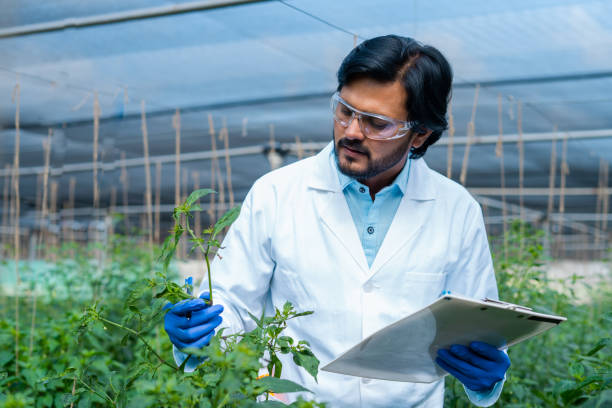
Junior Agrobiologist

Junior Agrobiologist

Early-career professionals conduct basic research with increasing autonomy. They hone technical skills in plant biology and data analysis while...

0.0LPA

Senior Agrobiologist

Senior Agrobiologist

Experienced professionals manage complex research projects with high accuracy, using advanced biotechnological tools. They offer technical...

0.0LPA

Interested in this career?

Take the next step and explore more about Agrobiologist.