
Citriculturist
Aspiring
Explore CareerA Zoologist is a scientist who specializes in the study of animals, their behaviour, physiology, genetics, and interactions with their environments. They operate within research institutions, universities, wildlife conservation organizations, zoos, and government agencies, collaborating with ecologists, veterinarians, and policymakers to advance knowledge of animal species and promote biodiversity. Zoologists play a crucial role in modern science and conservation in an era where habitat loss, climate change, and species extinction are increasingly pressing issues.
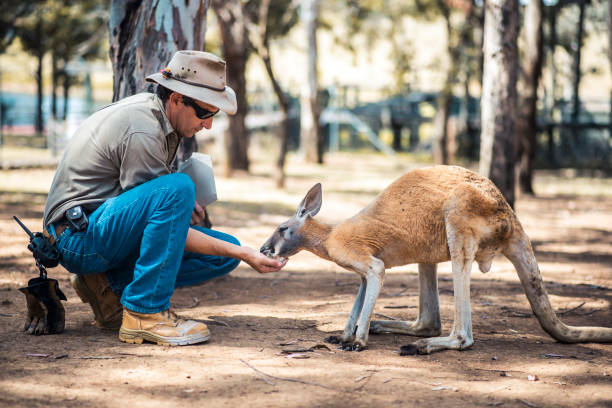
A Zoologist is a scientist who specializes in the study of animals, their behaviour, physiology, genetics, and interactions with their environments. They operate within research institutions, universities, wildlife conservation organizations, zoos, and government agencies, collaborating with ecologists, veterinarians, and policymakers to advance knowledge of animal species and promote biodiversity. Zoologists play a crucial role in modern science and conservation in an era where habitat loss, climate change, and species extinction are increasingly pressing issues.
Zoologists are scientifically trained professionals tasked with researching animal life, from microscopic organisms to large mammals, to understand their biology, evolution, and ecological roles. Their role includes conducting field studies, analyzing data, and contributing to conservation efforts to protect endangered species and habitats. They combine expertise in biology, ecology, and genetics, working in diverse settings such as laboratories, natural reserves, academic institutions, and wildlife sanctuaries. As key contributors to scientific discovery and environmental sustainability, Zoologists drive progress in a landscape increasingly focused on biodiversity preservation, ecosystem health, and climate adaptation.
Roles and Responsibilities
Study Route & Eligibility Criteria
| Route | Steps |
| Route 1 | 1. 10+2 in Science stream (Biology, Physics, Chemistry required) |
| 2. Bachelor’s Degree in Zoology or Biology (3-4 years) | |
| 3. Start as a Junior Zoologist in research or conservation roles | |
| Route 2 | 1. 10+2 in Science stream (Biology, Physics, Chemistry required) |
| 2. Bachelor’s Degree in Zoology or Biology (3-4 years) | |
| 3. Master’s Degree in Zoology or related field (2 years) | |
| 4. Work as a Zoologist in research, conservation, or academia | |
| Route 3 | 1. 10+2 in Science stream (Biology, Physics, Chemistry required) |
| 2. Bachelor’s Degree in Zoology or Biology (3-4 years) | |
| 3. Master’s Degree in Zoology or related field (2 years) | |
| 4. Certification or Short Courses in Wildlife Conservation (6 months-1 year) | |
| 5. Pursue Roles as a Senior Zoologist or Consultant | |
| Route 4 | 1. 10+2 in Science stream (Biology, Physics, Chemistry required) |
| 2. Bachelor’s Degree in Zoology or Biology (3-4 years) | |
| 3. Master’s Degree in Zoology or related field (2 years) | |
| 4. Ph.D. in Zoology or related field (3-5 years) | |
| 5. Serve as a Lead Researcher, Professor, or Zoology Expert |
Significant Observations (Academic Related Points)
Internships & Practical Exposure
Courses & Specializations to Enter the Field
Top Institutes for Zoologist Education (India)
| Institute | Course/Program | Official Link |
| University of Delhi, Delhi | B.Sc., M.Sc., Ph.D. in Zoology | https://www.du.ac.in/ |
| Banaras Hindu University (BHU), Varanasi | B.Sc., M.Sc., Ph.D. in Zoology | https://www.bhu.ac.in/ |
| University of Calcutta, Kolkata | B.Sc., M.Sc., Ph.D. in Zoology | https://www.caluniv.ac.in/ |
| University of Mumbai, Mumbai | B.Sc., M.Sc., Ph.D. in Zoology | https://mu.ac.in/ |
| University of Madras, Chennai | B.Sc., M.Sc., Ph.D. in Zoology | https://www.unom.ac.in/ |
| Wildlife Institute of India (WII), Dehradun | M.Sc., Ph.D. in Wildlife Science | https://www.wii.gov.in/ |
| Aligarh Muslim University (AMU), Aligarh | B.Sc., M.Sc., Ph.D. in Zoology | https://www.amu.ac.in/ |
| University of Pune (Savitribai Phule Pune University), Pune | B.Sc., M.Sc., Ph.D. in Zoology | https://www.unipune.ac.in/ |
| Jawaharlal Nehru University (JNU), New Delhi | M.Sc., Ph.D. in Life Sciences/Zoology | https://www.jnu.ac.in/ |
| University of Hyderabad, Hyderabad | M.Sc., Ph.D. in Animal Biology | https://www.uohyd.ac.in/ |
Top International Institutes
| Institution | Course | Country | Official Link |
| University of Oxford, Oxford | B.A., M.Sc., D.Phil. in Zoology | UK | https://www.ox.ac.uk/ |
| Harvard University, Cambridge | A.B., A.M., Ph.D. in Organismic and Evolutionary Biology | USA | https://www.harvard.edu/ |
| University of Cambridge, Cambridge | B.A., M.Phil., Ph.D. in Zoology | UK | https://www.cam.ac.uk/ |
| Stanford University, Stanford | B.S., M.S., Ph.D. in Biology (Ecology & Evolution) | USA | https://www.stanford.edu/ |
| University of California, Berkeley | B.A., M.A., Ph.D. in Integrative Biology | USA | https://www.berkeley.edu/ |
| Australian National University, Canberra | B.Sc., M.Sc., Ph.D. in Zoology | Australia | https://www.anu.edu.au/ |
| University of British Columbia, Vancouver | B.Sc., M.Sc., Ph.D. in Zoology | Canada | https://www.ubc.ca/ |
| University of Cape Town, Cape Town | B.Sc., M.Sc., Ph.D. in Zoology | South Africa | https://www.uct.ac.za/ |
| University of Tokyo, Tokyo | B.Sc., M.Sc., Ph.D. in Biological Sciences | Japan | https://www.u-tokyo.ac.jp/ |
| ETH Zurich, Zurich | B.Sc., M.Sc., Ph.D. in Biology (Ecology) | Switzerland | https://ethz.ch/ |
Entrance Tests Required
India:
International:
Ideal Progressing Career Path
Aspiring Zoologist → Junior Zoologist → Zoologist → Senior Zoologist → Zoology Specialist → Wildlife Program Director → Zoology Consultant → Wildlife Policy Advisor → Professor → Global Zoology Expert
Major Areas of Employment
Prominent Employers
| India | International |
| Wildlife Institute of India (WII), Dehradun | World Wildlife Fund (WWF), Global |
| Zoological Survey of India (ZSI), Kolkata | International Union for Conservation of Nature (IUCN), Global |
| Bombay Natural History Society (BNHS), Mumbai | Smithsonian Institution, USA |
| Indian Council of Agricultural Research (ICAR) | National Geographic Society, USA |
| Ministry of Environment, Forest and Climate Change, India | Wildlife Conservation Society (WCS), USA |
| State Forest and Wildlife Departments | San Diego Zoo Wildlife Alliance, USA |
| National Centre for Biological Sciences (NCBS), Bangalore | Royal Society for the Protection of Birds (RSPB), UK |
| Wildlife SOS, India | Australian Wildlife Conservancy (AWC), Australia |
| Private Research Institutions | Zoological Society of London (ZSL), UK |
| Local Conservation NGOs | Conservation International, Global |
Pros and Cons of the Profession
| Pros | Cons |
| Opportunity to contribute to biodiversity and wildlife conservation through research | Physically demanding fieldwork, often in remote or harsh environments |
| Potential for societal impact by protecting ecosystems and endangered species | Limited funding or job stability in conservation and research roles |
| Rewarding impact through discovering new species or behaviors and saving habitats | Risk of injury or illness during fieldwork with wild animals or in challenging terrains |
| Diverse career paths across research, conservation, education, and policy | Long hours during field studies or seasonal projects with irregular schedules |
| Strong potential for growth with increasing global focus on climate change and biodiversity | Emotional stress from witnessing species decline or habitat destruction |
Industry Trends and Future Outlook
Salary Expectations
| Career Level | India (₹ per annum) | International (USD per annum) |
| Junior Zoologist (Early Career) | 2,50,000 - 5,00,000 | 30,000 - 50,000 |
| Zoologist (Mid-Career) | 5,00,000 - 10,00,000 | 50,000 - 75,000 |
| Senior Zoologist (Established) | 10,00,000 - 18,00,000 | 75,000 - 100,000 |
| Zoology Specialist/Program Director | 18,00,000 - 25,00,000 | 100,000 - 130,000 |
| Professor/Global Zoology Expert | 25,00,000+ | 130,000+ |
Note: Salaries vary widely based on location, experience, sector (government vs. private vs. research), and region. International figures are approximate and depend on the country and funding. High-profile consultancy or roles in international conservation bodies often yield significantly higher earnings based on impact and demand.
Key Software Tools
Professional Organizations and Networks
Notable Zoologists and Industry Leaders (Top 10)
Advice for Aspiring Zoologists
A career as a Zoologist offers a unique opportunity to contribute to biodiversity, conservation, and scientific discovery by navigating complex ecological challenges for diverse needs. From conducting transformative animal studies to managing conservation programs and advancing biodiversity standards, Zoologists play a pivotal role in scientific and environmental ecosystems. This field combines scientific expertise, analytical skill, and a commitment to solving critical challenges, offering diverse paths in research, conservation, education, and beyond. For those passionate about animals, adapting to dynamic industry trends, and addressing global needs in an era of rising environmental concerns, a career as a Zoologist provides an intellectually stimulating and professionally rewarding journey with the potential to make significant contributions to society by advancing the science and application of zoological knowledge worldwide.


Early-career individuals train in academic or field settings to gain experience. They build skills in animal research while seeking opportunities....
0.0LPA
Professionals assist in research labs or conservation projects under guidance with growing competence. They offer support in data collection and...
0.0LPA
Specialists conduct independent animal studies with notable competence. They integrate science with practical needs for impactful results. Their...
0.0LPA
Take the next step and explore more about Zoologist.
Explore similar career paths that might interest you