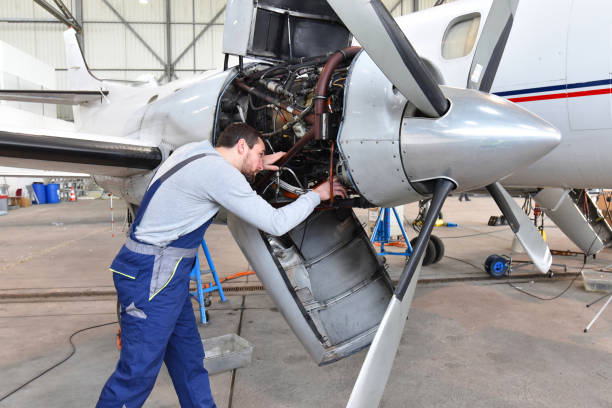
Aerospace Engineer
Junior Aerospace Engineer (Entry to Mid-Level)
Explore Career
Water Resources Engineering is a crucial and specialized field within engineering that focuses on the management, conservation, and sustainable use of water resources through the design and implementation of systems for water supply, flood control, irrigation, and wastewater treatment, utilizing advanced technology to address environmental and societal needs. In India, Water Resources Engineering is a significant career path, driven by the country’s growing population, increasing water scarcity, and the urgent need for sustainable water management amid climate change. With advancements in hydrologic modeling, water treatment technologies, and smart irrigation systems, this career plays a pivotal role in ensuring water security and environmental protection. Water Resources Engineers are essential for developing infrastructure that supports agriculture, urban development, and disaster resilience. This profession contributes to industry progress through trends like integrated water resource management (IWRM), desalination innovations, and climate-adaptive water systems.
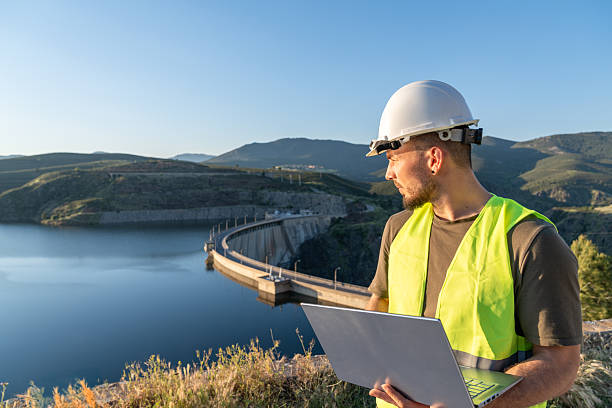
Water Resources Engineers work in diverse environments such as government water departments, environmental consultancies, construction firms, or research institutions, often collaborating with civil engineers, hydrologists, environmental scientists, and policymakers. Their responsibilities include designing water management systems, analyzing hydrological data, and ensuring sustainable water usage while mitigating flood and drought risks. They face challenges like addressing India’s uneven water distribution, managing overexploited groundwater resources, and implementing solutions under budget and regulatory constraints. By applying expertise in hydraulics, hydrology, and environmental engineering, they safeguard one of humanity’s most vital resources. As key contributors to India’s infrastructure and sustainability sectors, they drive advancements through trends like rainwater harvesting, wastewater recycling, and smart water monitoring technologies.
| Route | Steps |
| Route 1: Bachelor’s in Water Resources or Civil Engineering - Direct Entry | 1. Complete 10+2 in Science stream (Physics, Chemistry, Mathematics) with minimum 60% marks. 2. Pursue B.Tech/B.E. in Civil Engineering or Water Resources Engineering (4 years) via entrance exams. 3. Gain experience in water management projects or government roles through entry positions. 4. Progress to Water Resources Engineer with skills or higher studies. |
| Route 2: Bachelor’s to Master’s Pathway | 1. Complete 10+2 and enroll in B.Tech/B.E. in Civil or Water Resources Engineering. 2. Pursue M.Tech/M.E. in Water Resources Engineering or Hydrology via entrance exams. 3. Build expertise through advanced projects or research. 4. Join specialized roles in water system design or research with advanced qualifications. |
| Route 3: Master’s to Ph.D. Specialization | 1. Complete Bachelor’s and Master’s in Water Resources or Civil Engineering. 2. Pursue Ph.D. in Water Resources Engineering or Hydraulics via entrance exams like UGC-NET or GATE. 3. Conduct research on water conservation or flood management. 4. Join senior roles in academia, R&D, or leading organizations. |
| Route 4: International Education Path | 1. Complete 10+2 and clear relevant entrance exams or language tests (e.g., IELTS, TOEFL). 2. Pursue degrees in Water Resources Engineering from international universities (e.g., USA, UK). 3. Gain global exposure through international projects or internships. 4. Return to India or work internationally in water resources roles. |
| Route 5: Diploma to Degree Pathway | 1. Complete 10th standard and enroll in Diploma in Civil Engineering (3 years). 2. Transition to B.Tech/B.E. via lateral entry programs. 3. Work in assistant roles for practical learning. 4. Build expertise and network to secure engineer positions with experience. |
| Institute | Course/Program | Official Link |
| Indian Institute of Technology (IIT), Bombay | B.Tech/M.Tech in Civil Engineering with Water Resources Focus | https://www.iitb.ac.in/ |
| Indian Institute of Technology (IIT), Delhi | B.Tech/M.Tech in Civil Engineering with Water Resources Focus | https://www.iitd.ac.in/ |
| Indian Institute of Technology (IIT), Roorkee | B.Tech/M.Tech in Civil Engineering & Water Resources Engineering | https://www.iitr.ac.in/ |
| Indian Institute of Technology (IIT), Kharagpur | B.Tech/M.Tech in Civil Engineering with Water Resources Focus | https://www.iitkgp.ac.in/ |
| National Institute of Technology (NIT), Trichy | B.Tech/M.Tech in Civil Engineering with Water Resources Focus | https://www.nitt.edu/ |
| Anna University, Chennai | B.E./M.E. in Civil Engineering & Water Resources Engineering | https://www.annauniv.edu/ |
| Vellore Institute of Technology (VIT), Vellore | B.Tech in Civil Engineering with Water Resources Focus | https://www.vit.ac.in/ |
| Malaviya National Institute of Technology (MNIT), Jaipur | B.Tech/M.Tech in Civil Engineering with Water Resources Focus | https://www.mnit.ac.in/ |
| Jadavpur University, Kolkata | B.E./M.E. in Civil Engineering with Water Resources Focus | https://www.jaduniv.edu.in/ |
| College of Engineering, Pune (COEP) | B.Tech/M.Tech in Civil Engineering with Water Resources Focus | https://www.coep.org.in/ |
| Institution | Course | Country | Official Link |
| Massachusetts Institute of Technology (MIT), Cambridge | B.S./M.S./Ph.D. in Civil & Environmental Engineering (Water Focus) | USA | https://www.mit.edu/ |
| Stanford University, Stanford | B.S./M.S./Ph.D. in Civil & Environmental Engineering (Water Focus) | USA | https://www.stanford.edu/ |
| University of California, Berkeley | B.S./M.S./Ph.D. in Civil & Environmental Engineering (Water Resources) | USA | https://www.berkeley.edu/ |
| University of Cambridge, Cambridge | M.Eng./Ph.D. in Civil Engineering & Water Resources | UK | https://www.cam.ac.uk/ |
| Imperial College London, London | M.Eng./Ph.D. in Civil & Environmental Engineering (Water Focus) | UK | https://www.imperial.ac.uk/ |
| ETH Zurich, Zurich | B.Sc./M.Sc./Ph.D. in Civil Engineering & Water Resources | Switzerland | https://www.ethz.ch/ |
| National University of Singapore (NUS), Singapore | B.Eng./M.Eng./Ph.D. in Civil & Environmental Engineering (Water Focus) | Singapore | https://www.nus.edu.sg/ |
| University of Melbourne, Melbourne | B.Eng./M.Eng./Ph.D. in Civil Engineering & Water Resources | Australia | https://www.unimelb.edu.au/ |
| Technical University of Delft, Delft | B.Sc./M.Sc./Ph.D. in Civil Engineering & Water Management | Netherlands | https://www.tudelft.nl/ |
| University of Toronto, Toronto | B.A.Sc./M.A.Sc./Ph.D. in Civil Engineering & Water Resources | Canada | https://www.utoronto.ca/ |
India:
International (for Relevant Studies or Exposure):
Water Resources Engineer → Senior Water Resources Engineer → Water Resources Project Manager → Director of Water Resources Engineering → Chief Hydrologist
| Indian Organizations | International Organizations |
| Central Water Commission (CWC), Delhi | World Bank (Water Projects), Global |
| National Water Development Agency (NWDA), Delhi | AECOM (Water Division), USA |
| Jal Shakti Ministry, Government of India, Delhi | Jacobs Engineering Group (Water), USA |
| Larsen & Toubro (L&T) - Water Division, Mumbai | Stantec, Canada |
| Tata Projects (Water Infrastructure), Mumbai | Arcadis, Netherlands |
| Hindustan Construction Company (HCC), Mumbai | Black & Veatch, USA |
| Narmada Valley Development Authority, Bhopal | Mott MacDonald (Water), UK |
| Krishna River Management Board, Hyderabad | GHD Group, Australia |
| Irrigation & Water Resources Department, Various States | HDR, Inc. (Water Resources), USA |
| WAPCOS Limited, Gurugram | SUEZ (Water Technologies), France |
| Pros | Cons |
| High impact through ensuring water security and sustainability for communities | High pressure due to managing critical water shortages or flood emergencies |
| Opportunity to work on essential infrastructure for agriculture and urban growth | Long hours during project execution, field assessments, or crisis response |
| Key role in combating climate change with adaptive water management solutions | Challenges in balancing diverse stakeholder needs and limited resources |
| Growing demand in India’s water-scarce regions and infrastructure initiatives | Stress from ensuring compliance with strict environmental and safety regulations |
| Potential for recognition through innovative water conservation or flood control designs | Risk of physical strain during fieldwork in remote or harsh environmental conditions |
| Career Level (Private/Public Sector Example) | India (₹ per annum) | International (USD per annum, Tentative) |
| Water Resources Engineer (Entry to Mid-Level) | 3,50,000 - 7,00,000 | 35,000 - 50,000 |
| Senior Water Resources Engineer (Mid-Level) | 7,00,000 - 12,00,000 | 50,000 - 75,000 |
| Water Resources Project Manager (Senior Level) | 12,00,000 - 20,00,000 | 75,000 - 100,000 |
| Director of Water Resources Engineering (Top Tier) | 20,00,000 - 30,00,000 | 100,000 - 130,000 |
| Chief Hydrologist (Elite Level) | 30,00,000 - 45,00,000+ | 130,000 - 160,000+ |
| Hydraulic Engineer (Specialized Role) | 4,00,000 - 8,50,000 | 40,000 - 60,000 |
| Irrigation Engineer (Specialized Role) | 4,50,000 - 9,00,000 | 40,000 - 60,000 |
| Flood Control Engineer (Specialized Role) | 5,00,000 - 10,00,000 | 45,000 - 65,000 |
Note: Salaries are indicative and vary based on location (metro vs. non-metro for India; country/region for international roles), organization type, and project scope (e.g., urban vs. rural water systems). Figures for India are updated estimates based on industry trends as of 2025, reflecting market growth, demand for water resources engineering expertise, and data from sources like Glassdoor and industry reports. International figures are approximate averages based on global water resources engineering trends in countries like the USA, UK, or Australia, sourced from recent job portals and market analyses.
A career in Water Resources Engineering presents a profound opportunity to steward one of Earth’s most precious resources by merging technical precision with a commitment to sustainability, crafting systems that secure water for future generations, and fortifying societies against environmental challenges with every project undertaken. Water Resources Engineers stand as the dedicated custodians of India’s aquatic lifeline, employing their analytical acumen and innovative spirit to manage and conserve water in ways that sustain life and growth. This field combines engineering rigor with a mission for public good, opening pathways in water supply design, flood mitigation, irrigation systems, and wastewater treatment. For those compelled to protect and distribute nature’s essence through engineering excellence, inspired by the chance to address water scarcity and enhance resilience, and equipped to confront the complex demands of resource management, ecological balance, and technological progress, a career as a Water Resources Engineer offers a deeply meaningful pursuit. It enables individuals to tackle urgent water challenges, support vital human and agricultural needs, and contribute to a sustainable planet through the remarkable discipline of water resources engineering.

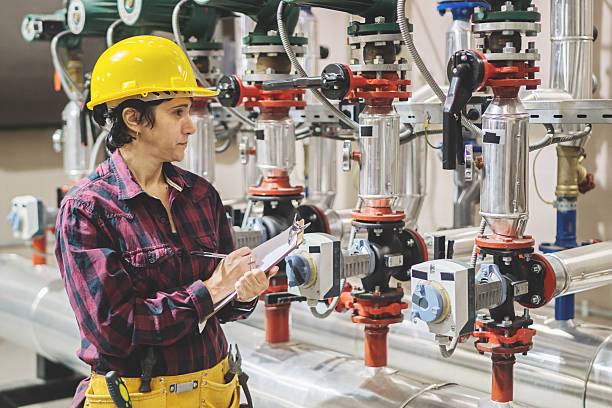
Water Resources Engineers design and analyze water systems like dams and irrigation networks in cities like Bangalore and Delhi. They focus on...
0.0LPA

Senior Water Resources Engineers lead complex water projects in hubs like Mumbai or Chennai, mentoring junior staff. They optimize system designs....
0.0LPA

Water Resources Project Managers oversee large-scale projects in metro cities like Hyderabad or Pune, managing budgets and teams. They ensure...
0.0LPA
Take the next step and explore more about Water Resources Engineer.
Explore similar career paths that might interest you