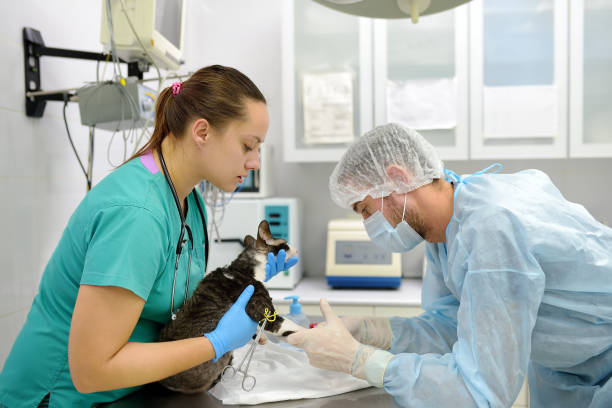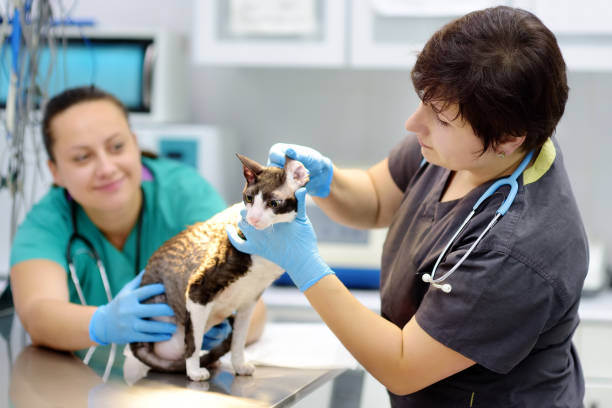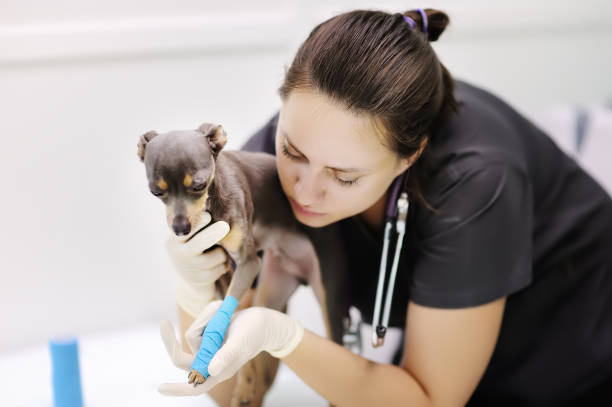
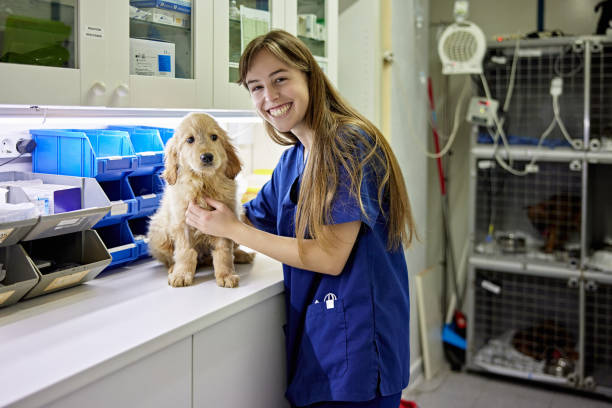
Veterinary Technicians are skilled caregivers who handle a wide range of responsibilities, including administering medications, conducting diagnostic tests, assisting in surgeries, and educating pet owners on animal care. Their work ensures that animals receive timely and accurate medical attention while supporting veterinarians in managing caseloads efficiently. Operating in clinical environments, emergency settings, or field locations, they combine a deep compassion for animals with technical expertise to address challenges in animal health and recovery. As vital contributors to the Veterinary & Fishery Sciences career cluster, Veterinary Technicians meet the growing demand for quality animal healthcare, driven by rising pet ownership, advancements in veterinary medicine, and the need for skilled support in diverse animal care scenarios.
- Clinical Support and Patient Care:
- Assist veterinarians in examining animals, recording vital signs, and preparing them for medical procedures or treatments.
- Administer medications, vaccines, or treatments as prescribed, ensuring accurate dosage and monitoring for adverse reactions.
- Diagnostic and Laboratory Tasks:
- Collect samples such as blood, urine, or tissue for diagnostic testing, and perform lab analyses like microscopy or blood counts.
- Operate diagnostic equipment, including X-ray machines or ultrasound devices, to aid in identifying health issues.
- Surgical Assistance:
- Prepare surgical suites, sterilize instruments, and assist during procedures by monitoring anesthesia and providing surgical support.
- Provide post-operative care, including wound management, monitoring recovery, and ensuring patient comfort.
- Animal Handling and Restraint:
- Safely restrain animals during examinations or treatments to prevent injury to the animal, staff, or veterinarians.
- Handle a variety of species, from small pets to large livestock, adapting techniques to ensure safety and reduce stress.
- Client Communication and Education:
- Interact with pet owners to explain treatment plans, provide post-care instructions, and address concerns about animal health.
- Educate clients on preventive care, nutrition, and behavior to promote long-term animal well-being.
- Record-Keeping and Administrative Duties:
- Maintain accurate medical records, documenting treatments, test results, and patient progress for veterinary reference.
- Manage inventory of medical supplies, schedule appointments, and handle billing or other clerical tasks in clinics.
- Emergency and Critical Care:
- Provide immediate care in emergency situations, stabilizing injured or critically ill animals until a veterinarian can intervene.
- Monitor intensive care patients, adjusting treatments or life-support measures as needed under veterinary guidance.
- Specialized Support in Diverse Settings:
- Assist in research facilities by supporting animal studies, ensuring proper care and compliance with ethical standards.
- Work in zoos or shelters to provide routine health checks, vaccinations, or rehabilitation support for exotic or rescued animals.
| Route | Steps |
| Route 1 | 1. 10+2 in Science stream (Physics, Chemistry, Biology preferred) |
| 2. Certificate or Diploma in Veterinary Technology or Animal Husbandry (6 months-2 years) from a recognized institute | |
| 3. Gain hands-on experience through internships or on-the-job training in veterinary clinics | |
| 4. Work as a Veterinary Technician in clinics, hospitals, or shelters | |
| Route 2 | 1. 10+2 in Science stream (Physics, Chemistry, Biology preferred) |
| 2. Bachelor’s Degree in Veterinary Science and Animal Husbandry (BVSc & AH) (5-5.5 years) or Animal Science (3-4 years) | |
| 3. Pursue additional short courses or certifications in Veterinary Technology (3-6 months) | |
| 4. Build experience through clinical internships or assistant roles | |
| 5. Establish as a Veterinary Technician with advanced clinical skills | |
| Route 3 | 1. 10+2 in Science stream (Physics, Chemistry, Biology preferred) |
| 2. Diploma in Veterinary Technology or Animal Care (1-2 years) | |
| 3. Associate Degree or Advanced Certification in Veterinary Technology (optional, 1-2 years) for specialization | |
| 4. Gain practical experience in veterinary settings or research facilities | |
| 5. Serve as a Veterinary Technician in specialized areas like emergency care or research | |
| Route 4 | 1. 10+2 in any stream (Science preferred) |
| 2. On-the-job training with experienced Veterinary Technicians or veterinarians at clinics or farms (no formal education required) | |
| 3. Attend workshops or online courses on Veterinary Technology or Animal Care (1-2 weeks) | |
| 4. Build practical skills through hands-on roles in animal care settings | |
| 5. Work as a Veterinary Technician in entry-level clinical or support roles |
- Participation in internships at veterinary clinics or hospitals for hands-on experience in assisting with examinations, surgeries, and diagnostics.
- Involvement in animal shelters or rescue organizations to assist with routine care, vaccinations, and rehabilitation under supervision during training.
- Assisting veterinarians or experienced Veterinary Technicians in private practices to learn clinical skills like sample collection and patient monitoring.
- Observerships at zoos or wildlife rehabilitation centers for exposure to handling and caring for exotic or wild animals in medical settings.
- Participation in veterinary workshops or short-term training programs on clinical techniques or emergency care for skill enhancement and networking.
- Training through collaborative projects like community spay/neuter drives to provide hands-on support in real-world veterinary scenarios.
- Exposure to research facilities by shadowing technicians in lab animal care or experimental support to understand diverse veterinary roles.
- Project-based learning in specialized areas like emergency response or dental care for animals to build focused expertise.
- Community service initiatives at local farms or pet events to assist with health checks or vaccinations, gaining diverse experience.
- Online tutorials or virtual mentorships for exposure to global veterinary care trends, innovative tools, and advanced clinical practices.
- Certificate in Veterinary Technology or Animal Care.
- Diploma in Veterinary Technology or Animal Husbandry.
- Bachelor of Veterinary Science and Animal Husbandry (BVSc & AH).
- Associate Degree in Veterinary Technology (where available).
- Short Courses in Veterinary Nursing or Clinical Skills.
- Specialization in Small Animal Care (e.g., dogs, cats).
- Specialization in Large Animal Care (e.g., cattle, horses).
- Specialization in Emergency and Critical Care for Animals.
- Workshops on Veterinary Diagnostics and Laboratory Techniques.
- Certification in Exotic Animal Care or Wildlife Rehabilitation.
| Institute | Course/Program | Official Link |
| Indian Veterinary Research Institute (IVRI), Izatnagar | BVSc & AH, Diploma in Veterinary Technology | https://www.ivri.nic.in/ |
| Guru Angad Dev Veterinary and Animal Sciences University (GADVASU), Ludhiana | BVSc & AH, Certificate in Veterinary Skills | https://www.gadvasu.in/ |
| Tamil Nadu Veterinary and Animal Sciences University (TANUVAS), Chennai | BVSc & AH, Diploma in Veterinary Technology | https://www.tanuvas.ac.in/ |
| Maharashtra Animal and Fishery Sciences University (MAFSU), Nagpur | BVSc & AH, Certificate in Animal Care | https://www.mafsu.in/ |
| West Bengal University of Animal and Fishery Sciences (WBUAFS), Kolkata | BVSc & AH, Diploma in Veterinary Technology | https://wbuafscl.ac.in/ |
| Rajasthan University of Veterinary and Animal Sciences (RAJUVAS), Bikaner | BVSc & AH, Certificate in Veterinary Skills | https://rajuvas.org/ |
| Kerala Veterinary and Animal Sciences University (KVASU), Pookode | BVSc & AH, Diploma in Veterinary Technology | https://www.kvasu.ac.in/ |
| Assam Agricultural University (AAU), Jorhat | BVSc & AH, Certificate in Animal Husbandry | https://www.aau.ac.in/ |
| Lala Lajpat Rai University of Veterinary and Animal Sciences (LUVAS), Hisar | BVSc & AH, Diploma in Veterinary Skills | https://www.luvas.edu.in/ |
| Bombay Veterinary College, Mumbai | BVSc & AH, Short Courses in Veterinary Care | https://mafsu.in/bvc_mumbai.html |
| Institution | Course | Country | Official Link |
| Purdue University, College of Veterinary Medicine, Indiana | Associate Degree in Veterinary Technology | USA | https://vet.purdue.edu/ |
| Penn Foster College, Online/USA | Associate Degree in Veterinary Technology | USA | https://www.pennfoster.edu/ |
| Royal Veterinary College (RVC), London | BSc in Veterinary Nursing | UK | https://www.rvc.ac.uk/ |
| University of Melbourne, School of Veterinary Science | Certificate in Veterinary Nursing | Australia | https://www.unimelb.edu.au/ |
| Algonquin College, Ottawa | Diploma in Veterinary Technician | Canada | https://www.algonquincollege.com/ |
| Utrecht University, Faculty of Veterinary Medicine | Certificate in Veterinary Technology | Netherlands | https://www.uu.nl/en |
| Massey University, School of Veterinary Medicine, Palmerston North | Diploma in Veterinary Nursing | New Zealand | https://www.massey.ac.nz/ |
| Hartpury University, Gloucestershire | BSc in Veterinary Nursing | UK | https://www.hartpury.ac.uk/ |
| University of Pretoria, Faculty of Veterinary Science, Onderstepoort | Diploma in Veterinary Nursing | South Africa | https://www.up.ac.za/ |
| Tokyo University of Agriculture and Technology, Veterinary Science | Certificate in Veterinary Technology | Japan | https://www.tuat.ac.jp/en/ |
India:
- NEET (National Eligibility cum Entrance Test): Mandatory for admission to BVSc & AH programs at most veterinary colleges in India.
- AIPVT (All India Pre-Veterinary Test): Previously used, now integrated with NEET for undergraduate veterinary admissions.
- State-Level Veterinary Entrance Exams: Some states like Tamil Nadu or Kerala conduct separate exams or counseling based on NEET scores.
- ICAR AIEEA (All India Entrance Examination for Admission): For admission to central universities or specific veterinary programs under ICAR.
- Institute-Specific Assessments: Certain diploma or certificate programs may require basic interviews or aptitude tests for entry.
International:
- SAT (Scholastic Assessment Test): Required for undergraduate admissions in the USA and some other countries for veterinary technology programs.
- ACT (American College Testing): Alternative to SAT for undergraduate admissions in the USA.
- TOEFL (Test of English as a Foreign Language): Minimum score of 80-100 required for non-native speakers applying to programs in English-speaking countries.
- IELTS (International English Language Testing System): Minimum score of 6.0-6.5 required for admission to universities in the UK, Australia, and other English-speaking regions.
- Program-Specific Tests: Some international programs may require entrance exams or practical assessments for veterinary technology diplomas or degrees.
Veterinary Technician → Senior Veterinary Technician → Veterinary Technician Specialist → Veterinary Technology Supervisor → Veterinary Practice Manager
- Veterinary clinics and hospitals for assisting with routine and emergency care for companion animals like dogs and cats.
- Animal shelters for providing medical support, vaccinations, and rehabilitation to rescued or stray animals.
- Zoos and wildlife rehabilitation centers for caring for exotic or injured wild animals under veterinary supervision.
- Research facilities for supporting animal studies, ensuring proper care, and assisting with experimental procedures.
- Livestock farms for aiding in health checks, vaccinations, and reproductive care for cattle, sheep, or poultry.
- Emergency veterinary services for providing critical care during off-hours or in crisis situations for injured animals.
- Government veterinary services for assisting in public health programs, disease control, or livestock inspections.
- Pet boarding and daycare facilities for monitoring animal health and providing basic care during stays.
- Mobile veterinary units for supporting on-location care in rural areas or for large animal operations.
- Educational institutions for training aspiring veterinary technicians or assisting in veterinary science programs.
| India | International |
| Blue Cross of India, Chennai | Banfield Pet Hospital, USA |
| People for Animals (PFA), Multiple Locations | VCA Animal Hospitals, USA |
| Wildlife SOS, Multiple Locations | BluePearl Veterinary Partners, USA |
| Indian Veterinary Research Institute (IVRI), Izatnagar | Royal College of Veterinary Surgeons (RCVS), UK |
| Guru Angad Dev Veterinary and Animal Sciences University (GADVASU), Ludhiana | MedVet, USA |
| Tamil Nadu Veterinary and Animal Sciences University (TANUVAS), Chennai | VetPartners, UK |
| Pawsitive Pet Care, Bangalore | Greencross Vets, Australia |
| Happy Paws Veterinary Clinic, Delhi | AniCura, Europe |
| Animal Husbandry Departments (State Governments), Multiple Locations | PetVet Care Centers, USA |
| Bombay Society for the Prevention of Cruelty to Animals (BSPCA), Mumbai | RSPCA (Royal Society for the Prevention of Cruelty to Animals), UK |
| Pros | Cons |
| Opportunity to work directly with animals, providing essential care and improving their quality of life | Physically demanding with long hours on feet, frequent lifting of animals, and risk of bites or scratches |
| Potential for meaningful impact by supporting animal recovery and assisting veterinarians in life-saving procedures | Emotionally taxing due to exposure to sick, injured, or euthanized animals, leading to compassion fatigue |
| Rewarding career with visible results, seeing animals regain health or owners’ relief after successful treatments | Risk of exposure to zoonotic diseases, allergens, or hazardous materials like anesthetics in clinical settings |
| Diverse opportunities across clinics, shelters, zoos, research, and emergency care, allowing for varied experiences | Lower compensation compared to veterinarians, despite significant responsibilities and skill requirements |
| Growing demand driven by increasing pet ownership, advancements in veterinary care, and focus on animal welfare globally | High stress in emergency or understaffed settings, often requiring quick decisions under pressure with limited resources |
- Increasing demand for Veterinary Technicians due to rising pet ownership and greater investment in animal healthcare services worldwide.
- Growing adoption of advanced veterinary technologies, such as digital imaging and telemedicine, requiring technicians to learn new tools.
- Advancements in specialized veterinary care, creating opportunities for technicians in fields like oncology, dentistry, or rehabilitation.
- Rising focus on preventive care and wellness, with technicians playing key roles in educating owners and supporting routine checkups.
- Expansion of emergency and critical care services, increasing the need for skilled technicians in 24/7 veterinary facilities.
- Development of mobile veterinary practices, offering technicians roles in on-location care for rural or underserved areas.
- Heightened emphasis on animal welfare, pushing technicians to advocate for ethical treatment and humane practices in all settings.
- Enhanced collaboration between Veterinary Technicians and veterinarians for integrated care, improving efficiency in busy practices.
- Growing need for technician training programs, creating opportunities for experienced professionals to mentor or teach future technicians.
- Focus on global veterinary standards, with technicians contributing to international animal health initiatives or disaster response efforts.
(Figures are approximate and based on latest available data as of 2026, subject to change. Salaries vary based on location, experience, specialization, and type of employment.)
| Career Level | India (₹ per annum) | International (USD per annum) |
| Veterinary Technician (Early to Mid-Career) | 2,50,000 - 5,00,000 | 30,000 - 45,000 |
| Senior Veterinary Technician (Mid-Career) | 5,00,000 - 8,00,000 | 45,000 - 60,000 |
| Veterinary Technician Specialist (Established) | 8,00,000 - 12,00,000 | 60,000 - 75,000 |
| Veterinary Technology Supervisor | 12,00,000 - 15,00,000 | 75,000 - 90,000 |
| Veterinary Practice Manager | 15,00,000+ | 90,000+ |
- Veterinary Practice Management Software like ezyVet for scheduling appointments, managing patient records, and billing.
- Electronic Medical Record (EMR) Systems like Cornerstone for documenting treatments, test results, and animal health histories.
- Diagnostic Software for interpreting lab results or imaging data from X-rays, ultrasounds, or blood tests in clinical settings.
- Client Communication Apps like PetDesk for updating owners on treatment plans, reminders, or post-care instructions.
- Inventory Management Software like VetInventory for tracking medical supplies, medications, or surgical tools in clinics.
- Telemedicine Platforms like Vetster for assisting with remote consultations or follow-ups with pet owners.
- Scheduling Tools like Calendly for organizing technician shifts, client visits, or emergency care availability.
- Data Entry Software for maintaining accurate logs of patient care, vaccinations, or surgical procedures.
- Communication Platforms like Slack for coordinating with veterinary teams or sharing updates on patient status.
- Online Learning Platforms like Coursera for accessing continuing education courses or certifications in veterinary technology.
- Indian Veterinary Association (IVA), India.
- World Veterinary Association (WVA), Global.
- Veterinary Council of India (VCI), India.
- National Association of Veterinary Technicians in America (NAVTA), USA.
- British Veterinary Nursing Association (BVNA), UK.
- Australian Veterinary Nurses and Technicians (AVNAT), Australia.
- Canadian Association of Veterinary Technicians (CAVT), Canada.
- European Veterinary Nurses Association (EVNA), Europe.
- New Zealand Veterinary Nursing Association (NZVNA), New Zealand.
- International Veterinary Nurses and Technicians Association (IVNTA), Global.
- Dr. Anil Kumar Sharma (India, Contemporary): A respected figure since the 1990s, associated with IVRI, he has trained numerous technicians and contributed to veterinary care standards in India.
- SumanthRao (India, Contemporary): A prominent Veterinary Technician since the 2000s, based in Bangalore, he works with Pawsitive Pet Care and mentors aspiring technicians in India.
- Priya Nair (India, Contemporary): A dedicated professional since the 2010s, affiliated with Blue Cross of India in Chennai, she focuses on shelter animal care and technician training.
- Vikram Singh (India, Contemporary): A notable Veterinary Technician since the 2000s, based in Delhi with Happy Paws, he specializes in emergency care support in India.
- Ramesh Patel (India, Contemporary): A leading figure since the 1990s, working with Wildlife SOS in multiple locations, he supports wildlife rehabilitation as a technician in India.
- Kara M. Burns (USA, Contemporary): A renowned Veterinary Technician since the 1990s, past president of NAVTA, she advocates for technician education and recognition globally.
- Julie Legred (USA, Contemporary): A prominent Veterinary Technician since the 1980s, known for her leadership in NAVTA and contributions to technician certification standards in the USA.
- Louise O’Dwyer (UK, Contemporary): A leading Veterinary Nurse since the 2000s, specializing in emergency and critical care, she influences technician training through publications in Europe.
- Anne McBride (Australia, Contemporary): A notable Veterinary Technician since the 1990s, associated with AVNAT, she focuses on small animal care and education in Australia.
- Heather Prendergast (Canada, Contemporary): A distinguished Veterinary Technician since the 1990s, known for her work in anesthesia and pain management education globally through CAVT.
- Build a solid foundation in animal care and basic sciences to understand the fundamentals of veterinary support and clinical tasks.
- Seek early hands-on experience through internships at clinics or shelters to develop practical skills in animal handling and diagnostics.
- Enroll in certificate or diploma programs in veterinary technology to gain professional training and credibility in clinical settings.
- Pursue specialized certifications in areas like emergency care or dentistry to address niche needs and enhance career prospects.
- Stay updated on veterinary advancements by attending workshops, following industry trends, or joining professional technician communities.
- Develop expertise by assisting veterinarians in real-world clinical environments or community animal health initiatives for diverse exposure.
- Engage in wildlife or large animal care projects to apply skills in unique settings and build a versatile skill set.
- Join professional networks like NAVTA or IVA for connections, resources, and opportunities to grow your reputation in the field.
- Cultivate emotional strength and patience to manage challenging cases and support owners during difficult health decisions.
- Explore roles in research or mobile veterinary services to understand varied care needs across different environments and species.
- Volunteer at local shelters or farms to assist with animal care, gaining experience while contributing to community welfare.
- Sharpen technical and observational skills to ensure precision in diagnostics, treatments, and patient monitoring under pressure.
- Participate in continuous learning to master new clinical tools, care protocols, and animal welfare standards.
- Build relationships with veterinarians, pet owners, and colleagues to foster trust and create a supportive professional network.
- Maintain dedication to navigate the physically and emotionally demanding but deeply rewarding landscape of veterinary support.
- Balance practical training with client interaction skills to adapt to the evolving demands of animal healthcare delivery.
Stepping into a career as a Veterinary Technician unveils a heartfelt and impactful opportunity to be at the forefront of animal healthcare, ensuring the well-being of creatures through skilled support and compassionate care. From aiding in life-saving surgeries to nurturing recovery in pets and wildlife, Veterinary Technicians stand as indispensable allies to veterinarians, bridging clinical expertise with genuine concern for animal lives. This role merges a profound affection for animals, technical proficiency in medical procedures, and a steadfast dedication to welfare, opening pathways for significant contributions in clinics, shelters, and beyond. For those motivated by the mission to heal and protect animals, equipped to embrace evolving veterinary practices and challenges, and eager to carve a meaningful mark in the realm of animal care, a career as a Veterinary Technician offers an extraordinarily enriching and purpose-driven professional journey, with the potential to transform how we support and cherish the health of animals in the years to come.