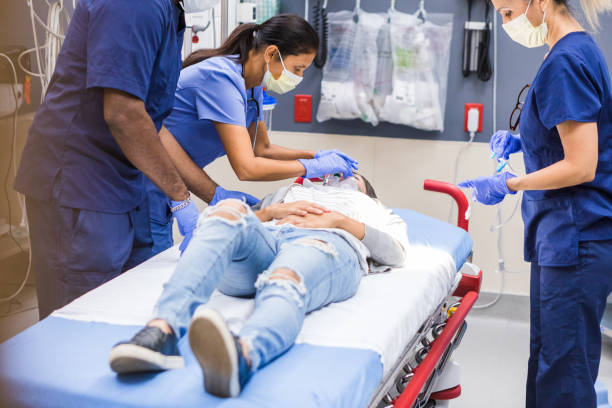
Veterinary Surgeon


A Veterinary Surgeon is a highly trained medical professional specializing in the surgical treatment of animals, addressing injuries, diseases, and health conditions through operative procedures to improve animal welfare. They work in diverse environments such as veterinary hospitals, clinics, zoos, research facilities, or private practices, collaborating with veterinarians, animal owners, and other specialists to provide advanced care for domestic pets, livestock, and wildlife. Veterinary Surgeons play a critical role in advancing animal health in an era where pet ownership, livestock production, and wildlife conservation are increasingly prioritized.
Share :
Career tree mind map (horizontal) — Veterinary Surgeon
Colored branches, hub circles, and underlined topics — same style as counselor course classic (types 18–19 in admin).
Loading mind map…

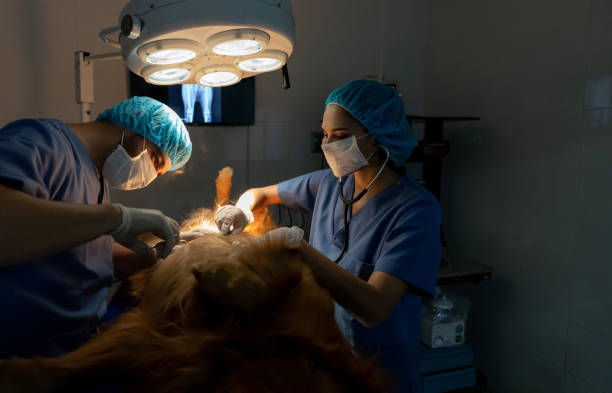
Veterinary Surgeons are skilled practitioners who perform complex surgical interventions on animals, ranging from routine spaying and neutering to intricate orthopedic or emergency surgeries, ensuring the recovery and well-being of their patients. Their work involves diagnosing conditions requiring surgical solutions, conducting pre-operative assessments, executing precise procedures, and managing post-operative care to prevent complications. Operating in clinical settings, farms, or field environments, they combine a deep commitment to animal health with expertise in surgical techniques and medical science to address diverse health challenges. As essential contributors to the Veterinary & Fishery Sciences career cluster, Veterinary Surgeons enhance the quality of life for animals in a landscape driven by growing awareness of animal rights, sustainable farming, and biodiversity preservation.

  • Surgical Diagnosis and Planning:
    • Assess animals through physical exams, imaging (X-rays, ultrasounds), and lab tests to determine the need for surgical intervention.
    • Develop detailed surgical plans, considering the animal’s health status, age, and specific condition to ensure optimal outcomes.
  • Performing Surgical Procedures:
    • Conduct a wide range of surgeries, including soft tissue operations, orthopedic repairs, dental extractions, and emergency trauma interventions.
    • Utilize specialized tools and techniques to perform precise operations while minimizing risks to the animal during procedures.
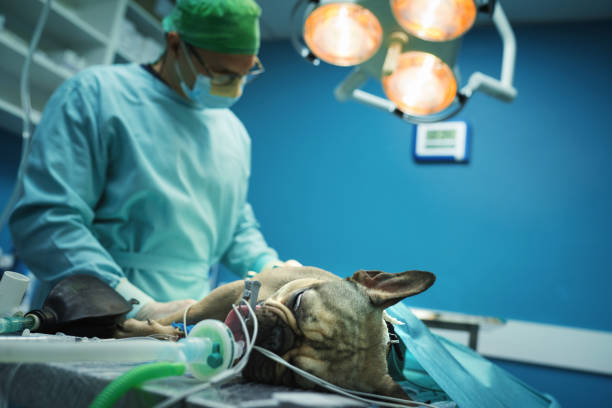
  • Administer anesthesia and monitor vital signs during surgery to ensure the animal’s safety and comfort under sedation.
  • Provide post-operative care, including pain management, wound care, and rehabilitation plans, to support recovery and prevent infections.
  • Client Communication and Education:
    • Consult with animal owners to explain surgical needs, risks, costs, and expected outcomes, fostering trust and informed decision-making.
    • Educate clients on post-surgical care instructions, follow-up visits, and preventive measures to maintain their animal’s health.
  • Collaboration with Veterinary Teams:
    • Work alongside general veterinarians, nurses, and specialists to coordinate comprehensive care plans for surgical patients.
    • Refer complex cases to other specialists or collaborate on multi-disciplinary treatments for holistic animal health management.
  • Emergency Response and Critical Care:
    • Respond to urgent cases, such as trauma from accidents or acute conditions, performing life-saving surgeries under time-sensitive conditions.
    • Manage critical care post-surgery, ensuring stabilization of animals in intensive care units or emergency settings.
  • Research and Continuing Education:
    • Stay updated on advancements in veterinary surgical techniques, equipment, and treatments through continuous professional development.
    • Contribute to research on animal surgery or health, publishing findings to improve practices and outcomes in veterinary medicine.
  • Compliance and Ethical Practice:
    • Adhere to veterinary laws, ethical guidelines, and animal welfare standards during surgical procedures and patient care.
    • Maintain accurate medical records, ensuring transparency and accountability in treatment processes and client interactions.

RouteSteps
Route 11. 10+2 in Science stream (Physics, Chemistry, Biology mandatory)
 2. Bachelor of Veterinary Science and Animal Husbandry (BVSc & AH) (5-5.5 years, including internship)
 3. Start as a Veterinary Surgeon in clinics or hospitals after licensing
Route 21. 10+2 in Science stream (Physics, Chemistry, Biology mandatory)
 2. Bachelor of Veterinary Science and Animal Husbandry (BVSc & AH) (5-5.5 years, including internship)
 3. Master of Veterinary Science (MVSc) in Veterinary Surgery or related specialization (2 years)
 4. Work as a Veterinary Surgeon with advanced expertise in specialized fields
Route 31. 10+2 in Science stream (Physics, Chemistry, Biology mandatory)
 2. Bachelor of Veterinary Science and Animal Husbandry (BVSc & AH) (5-5.5 years, including internship)
 3. Master of Veterinary Science (MVSc) in Veterinary Surgery or related specialization (2 years)
 4. Ph.D. in Veterinary Surgery or related field (3-5 years) for research or academic roles
 5. Pursue roles as a Senior Veterinary Surgeon or Academician in specialized surgery
Route 41. 10+2 in Science stream (Physics, Chemistry, Biology mandatory)
 2. Bachelor of Veterinary Science and Animal Husbandry (BVSc & AH) (5-5.5 years, including internship)
 3. Postgraduate Diploma or Certification in Veterinary Surgery or Anesthesia (1-2 years)
 4. Gain experience through clinical practice in surgical roles
 5. Establish as a Veterinary Surgeon in private practice or specialty hospitals

  • Participation in mandatory internships during BVSc & AH programs at veterinary hospitals or clinics for hands-on surgical experience.
  • Involvement in university-affiliated animal treatment centers to practice surgical techniques under supervision during academic training.
  • Assisting experienced Veterinary Surgeons in private practices or government facilities to learn advanced operative and post-operative care.
  • Observerships at wildlife rehabilitation centers or zoos for exposure to surgical needs of exotic and wild animals.
  • Participation in veterinary surgical workshops or seminars for skill enhancement and networking with industry professionals.
  • Training through collaborative projects like community animal health camps to perform surgeries in field conditions.
  • Exposure to industry-standard practices such as using surgical equipment, imaging tools, and anesthesia protocols during clinical rotations.
  • Project-based learning in specialized areas like orthopedic surgery, soft tissue surgery, or equine care for focused expertise.
  • Community veterinary service programs to apply surgical skills in practical settings like rural livestock care or pet clinics.
  • International veterinary volunteering or online courses for exposure to global surgical standards and innovative animal health practices.

  • Bachelor of Veterinary Science and Animal Husbandry (BVSc & AH).
  • Master of Veterinary Science (MVSc) in Veterinary Surgery and Radiology.
  • Ph.D. in Veterinary Surgery or related fields for research and academic roles.
  • Postgraduate Diploma in Veterinary Surgery or Anesthesia.
  • Specialization in Small Animal Surgery, Large Animal Surgery, or Orthopedics.
  • Certification in Veterinary Anesthesia and Pain Management.
  • Training in Diagnostic Imaging for Surgical Planning.
  • Workshops on Minimally Invasive Veterinary Surgery.
  • Short Courses in Emergency and Critical Care Surgery.
  • Advanced Training in Wildlife and Exotic Animal Surgery.

InstituteCourse/ProgramOfficial Link
Indian Veterinary Research Institute (IVRI), IzatnagarBVSc & AH, MVSc in Veterinary Surgeryhttps://www.ivri.nic.in/
Guru Angad Dev Veterinary and Animal Sciences University (GADVASU), LudhianaBVSc & AH, MVSc in Surgeryhttps://www.gadvasu.in/
Tamil Nadu Veterinary and Animal Sciences University (TANUVAS), ChennaiBVSc & AH, MVSc in Surgeryhttps://www.tanuvas.ac.in/
Maharashtra Animal and Fishery Sciences University (MAFSU), NagpurBVSc & AH, MVSc in Surgeryhttps://www.mafsu.in/
West Bengal University of Animal and Fishery Sciences (WBUAFS), KolkataBVSc & AH, MVSc in Surgeryhttps://wbuafscl.ac.in/
Rajasthan University of Veterinary and Animal Sciences (RAJUVAS), BikanerBVSc & AH, MVSc in Surgeryhttps://rajuvas.org/
Kerala Veterinary and Animal Sciences University (KVASU), PookodeBVSc & AH, MVSc in Surgeryhttps://www.kvasu.ac.in/
Assam Agricultural University (AAU), JorhatBVSc & AH, MVSc in Veterinary Surgeryhttps://www.aau.ac.in/
Lala Lajpat Rai University of Veterinary and Animal Sciences (LUVAS), HisarBVSc & AH, MVSc in Surgeryhttps://www.luvas.edu.in/
Karnataka Veterinary, Animal and Fisheries Sciences University (KVAFSU), BidarBVSc & AH, MVSc in Surgeryhttps://www.kvafsu.edu.in/

InstitutionCourseCountryOfficial Link
Royal Veterinary College (RVC), LondonBVetMed, MVetMed in Veterinary SurgeryUKhttps://www.rvc.ac.uk/
Cornell University College of Veterinary Medicine, IthacaDVM, MS in Veterinary SurgeryUSAhttps://www.vet.cornell.edu/
University of California, Davis School of Veterinary MedicineDVM, MS in SurgeryUSAhttps://www.vetmed.ucdavis.edu/
University of Melbourne, School of Veterinary ScienceDVM, MVSc in SurgeryAustraliahttps://www.unimelb.edu.au/
University of Guelph, Ontario Veterinary CollegeDVM, DVSc in Veterinary SurgeryCanadahttps://www.uoguelph.ca/ovc/
Utrecht University, Faculty of Veterinary MedicineDVM, MS in SurgeryNetherlandshttps://www.uu.nl/en
University of Edinburgh, Royal (Dick) School of Veterinary StudiesBVMS, MVM in SurgeryUKhttps://www.ed.ac.uk/vet
Massey University, School of Veterinary Medicine, Palmerston NorthBVSc, MVSc in SurgeryNew Zealandhttps://www.massey.ac.nz/
University of Pretoria, Faculty of Veterinary Science, OnderstepoortBVSc, MMedVet in SurgerySouth Africahttps://www.up.ac.za/
Ludwig-Maximilians-Universität München, Veterinary FacultyDVM, Specialization in SurgeryGermanyhttps://www.en.vetmed.uni-muenchen.de/

India:

  • NEET (National Eligibility cum Entrance Test): Mandatory for admission to BVSc & AH programs at most veterinary colleges in India.
  • AIPVT (All India Pre-Veterinary Test): Previously used, now integrated with NEET for undergraduate veterinary admissions.
  • State-Level Veterinary Entrance Exams: Some states like Tamil Nadu or Kerala conduct separate exams or counseling based on NEET scores.
  • ICAR AIEEA (All India Entrance Examination for Admission): For admission to central universities or specific veterinary programs under ICAR.
  • University-Specific Exams: Certain institutes like IVRI or GADVASU may have additional tests or interviews for postgraduate programs.


International:

  • SAT (Scholastic Assessment Test): Required for undergraduate admissions in the USA and some other countries for pre-veterinary programs.
  • ACT (American College Testing): Alternative to SAT for undergraduate admissions in the USA.
  • GRE (Graduate Record Examination): Required for postgraduate veterinary programs or specializations in surgery globally.
  • TOEFL (Test of English as a Foreign Language): Minimum score of 80-100 required for non-native speakers applying to programs in English-speaking countries.
  • IELTS (International English Language Testing System): Minimum score of 6.5-7.0 required for admission to universities in the UK, Australia, and other English-speaking regions.

Veterinary Surgeon → Specialized Veterinary Surgeon → Senior Veterinary Surgeon → Veterinary Surgical Consultant → Veterinary Hospital Director → Veterinary Research Leader

  • Private veterinary clinics for performing surgeries on pets and companion animals.
  • Veterinary hospitals for handling complex surgical cases and emergency interventions.
  • Government veterinary services for livestock surgery and public animal health programs.
  • Zoos and wildlife sanctuaries for surgical care of exotic and wild animals.
  • Research institutions for developing new surgical techniques and contributing to veterinary science.
  • Academic institutions for teaching veterinary surgery and mentoring future professionals.
  • Animal welfare organizations for providing surgical care to rescued or stray animals.
  • Livestock farms for surgical interventions related to breeding, injury, or disease in farm animals.
  • Equine centers for specialized surgery on horses, often related to sports or racing injuries.
  • International animal health organizations for contributing to global veterinary surgical standards and programs.

IndiaInternational
Indian Veterinary Research Institute (IVRI), IzatnagarWorld Organisation for Animal Health (OIE), France
Animal Husbandry Departments (State Governments), Multiple LocationsAmerican Veterinary Medical Association (AVMA), USA
Guru Angad Dev Veterinary and Animal Sciences University (GADVASU), LudhianaRoyal College of Veterinary Surgeons (RCVS), UK
Tamil Nadu Veterinary and Animal Sciences University (TANUVAS), ChennaiZoetis, USA
Blue Cross of India, ChennaiIDEXX Laboratories, USA
People for Animals (PFA), Multiple LocationsBanfield Pet Hospital, USA
Bombay Veterinary College, MumbaiVCA Animal Hospitals, USA
Karnataka Veterinary, Animal and Fisheries Sciences University (KVAFSU), BidarRSPCA (Royal Society for the Prevention of Cruelty to Animals), UK
Wildlife SOS, Multiple LocationsWorld Wildlife Fund (WWF), Global
PETA India, Multiple LocationsInternational Fund for Animal Welfare (IFAW), Global

ProsCons
Opportunity to save animal lives and improve welfare through skilled surgical interventionsEmotionally taxing due to dealing with sick or injured animals and sometimes euthanasia decisions
Potential for significant impact by contributing to pet health, livestock productivity, and wildlife conservationPhysically demanding with long hours, often requiring on-call availability for emergencies
Rewarding career through direct involvement in healing animals and supporting ownersHigh stress from performing complex surgeries under pressure, with risks of complications
Diverse opportunities across private practice, government roles, wildlife care, and researchExposure to zoonotic diseases and potential injuries from handling distressed or large animals
Growing demand driven by increasing pet ownership, livestock needs, and animal welfare awarenessHigh educational costs and lengthy training period before achieving financial stability

(Figures are approximate and based on latest available data as of 2026, subject to change. Salaries vary based on location, experience, specialization, and type of employment.)

Career LevelIndia (₹ per annum)International (USD per annum)
Veterinary Surgeon (Early to Mid-Career)5,00,000 - 10,00,00050,000 - 80,000
Specialized Veterinary Surgeon (Mid-Career)10,00,000 - 18,00,00080,000 - 120,000
Senior Veterinary Surgeon (Established)18,00,000 - 25,00,000120,000 - 160,000
Veterinary Surgical Consultant/Hospital Director25,00,000 - 40,00,000160,000 - 200,000
Veterinary Research Leader40,00,000+200,000+

  • Veterinary Practice Management Software like ezyVet for scheduling surgeries, managing patient records, and billing.
  • Diagnostic Imaging Software like VetBlue for analyzing X-rays, ultrasounds, or CT scans in surgical planning.
  • Surgical Planning Tools like VetCAD for creating 3D models or simulations for complex veterinary surgeries.
  • Electronic Medical Record (EMR) Systems like Cornerstone for maintaining accurate surgical and treatment histories.
  • Anesthesia Monitoring Software like VetMonitor for tracking vital signs during surgical procedures.
  • Data Analysis Tools like SPSS for research-oriented Veterinary Surgeons analyzing surgical outcomes or trends.
  • Client Communication Apps like PetDesk for updating owners on surgical progress and aftercare instructions.
  • Inventory Management Software like VetInventory for tracking surgical supplies, medications, and equipment.
  • Collaboration Tools like Microsoft Teams for coordinating with veterinary teams or specialists on surgical cases.

  • Indian Veterinary Association (IVA), India.
  • World Veterinary Association (WVA), Global.
  • Veterinary Council of India (VCI), India.
  • American Veterinary Medical Association (AVMA), USA.
  • Association of Veterinary Surgeons of India (AVSI), India.
  • Royal College of Veterinary Surgeons (RCVS), UK.
  • European Veterinary Federation (FVE), Europe.
  • Australian Veterinary Association (AVA), Australia.
  • Federation of Veterinarians of Europe (FVE), Europe.
  • International Veterinary Officers Council (IVOC), Global.

  • Dr. K. N. Sharma (India, Contemporary): A distinguished Veterinary Surgeon since the 1980s, associated with IVRI, he has pioneered advancements in livestock surgery and veterinary education in India.
     
  • Dr. S. K. Ranjhan (India, Contemporary): A respected figure since the 1970s, known for contributions to veterinary surgery and animal nutrition, shaping surgical practices for farm animals in India.
     
  • Dr. P. K. Kapoor (India, Contemporary): A prominent Veterinary Surgeon since the 1990s, based at GADVASU, he specializes in small animal surgery and mentors future veterinarians in India.
     
  • Dr. A. S. Atwal (India, Contemporary): A leading Veterinary Surgeon since the 1980s, affiliated with veterinary universities, he focuses on surgical innovations for equine and livestock care in India.
     
  • Dr. Naveen Kumar (India, Contemporary): A notable Veterinary Surgeon since the 2000s, working with TANUVAS, he advances surgical techniques for companion animals and wildlife in India.
     
  • Dr. James Herriot (UK, Historical): A legendary Veterinary Surgeon from the mid-20th century, author of "All Creatures Great and Small," he inspired generations with his work on farm animal surgery in the UK (deceased 1995).
     
  • Dr. Temple Grandin (USA, Contemporary): A renowned animal scientist and Veterinary Surgeon since the 1970s, she revolutionized livestock handling and surgical welfare practices globally.
     
  • Dr. Sophia Yin (USA, Historical/Contemporary): A pioneering Veterinary Surgeon since the 1990s, known for low-stress handling and surgical care techniques for pets until her passing in 2014.
     
  • Dr. David Taylor (UK, Contemporary): A celebrated Veterinary Surgeon since the 1960s, founder of the International Zoo Veterinary Group, he specialized in exotic animal surgery and conservation globally.
     
  • Dr. Chris Brown (Australia, Contemporary): A well-known Veterinary Surgeon since the 2000s, host of "Bondi Vet," he promotes small animal surgery and public awareness of veterinary care worldwide.
     

  • Establish a solid foundation in biological sciences and animal health to excel in surgical interventions.
  • Seek early clinical exposure through internships or volunteer roles at veterinary facilities to develop practical skills.
  • Prepare rigorously for entrance exams like NEET to secure admission to reputable veterinary programs.
  • Pursue specialized training in surgical fields like orthopedics or emergency care for a competitive edge.
  • Stay updated on veterinary advancements by attending conferences and following research in animal surgery.
  • Build hands-on skills by assisting in real-world surgical cases or community animal health initiatives.
  • Engage in university clinics or rural veterinary programs to apply surgical knowledge in diverse settings.
  • Join professional networks like IVA or WVA for connections and access to essential veterinary resources.
  • Cultivate emotional strength to handle the challenges of animal suffering and high-pressure surgical scenarios.
  • Explore international opportunities or wildlife surgery to understand varied species and global health contexts.
  • Volunteer at local shelters or farms to gain experience in surgical care for different animal populations.
  • Sharpen diagnostic and technical skills to perform precise surgeries and manage complex cases effectively.
  • Participate in ongoing education to keep pace with innovations in veterinary surgical tools and techniques.
  • Build relationships with veterinary professionals and animal owners for collaborative growth and trust.
  • Maintain dedication to navigate the demanding and emotionally intense landscape of veterinary surgery.
  • Balance academic learning with extensive clinical practice to adapt to the evolving field of animal healthcare.


Embarking on a career as a Veterinary Surgeon offers a profound opportunity to heal and protect animals, weaving together medical expertise with a heartfelt dedication to enhancing their lives through surgical care. From restoring the health of beloved pets to safeguarding livestock and wildlife, Veterinary Surgeons stand as guardians of animal well-being in a vital field. This profession blends a deep-rooted compassion for creatures, rigorous scientific training, and a steadfast commitment to health outcomes, opening doors to impactful roles in clinics, research, and conservation efforts. For those inspired by the mission to mend and nurture animal lives, ready to master cutting-edge surgical methods, and driven to create a lasting difference in the realm of veterinary medicine, a career as a Veterinary Surgeon presents an extraordinarily meaningful and influential professional odyssey, with the power to transform how animal health is preserved and cherished for future generations.

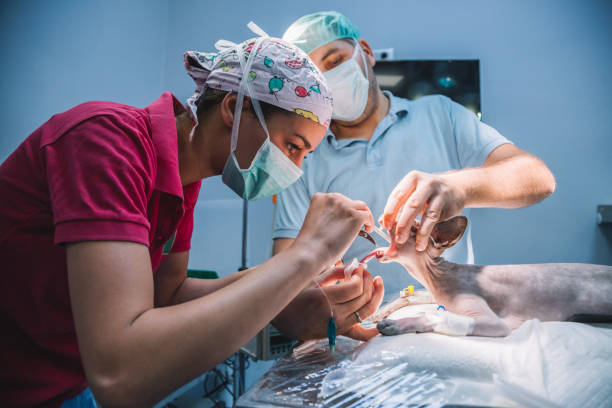
Knowledge & Skills You Will Learn
1
Growing need for emergency surgical expertise as natural disasters and accidents impact animal populations.
Veterinary Surgeon

Veterinary Surgeon

Professionals perform a wide range of surgical procedures on animals, from routine operations to complex interventions, in clinics or hospitals,...

0.0LPA
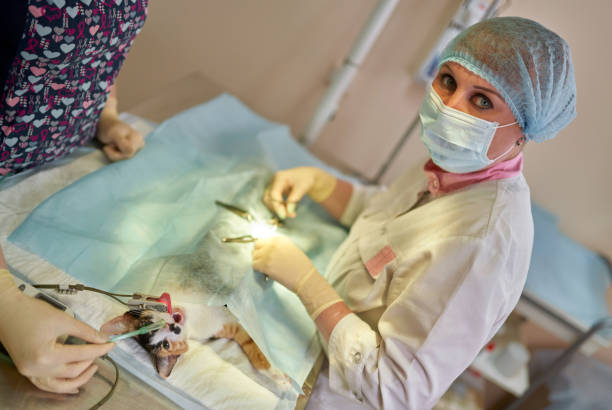
Specialized Veterinary Surgeon

Specialized Veterinary Surgeon

Experienced surgeons focus on specific areas such as orthopedics, neurology, or oncology, handling advanced cases in referral hospitals or...

0.0LPA
Senior Veterinary Surgeon

Senior Veterinary Surgeon

Seasoned professionals lead surgical teams, oversee multiple cases, and mentor other veterinarians in large hospitals or academic settings,...

0.0LPA

Interested in this career?

Take the next step and explore more about Veterinary Surgeon.