Veterinary Nutritionist

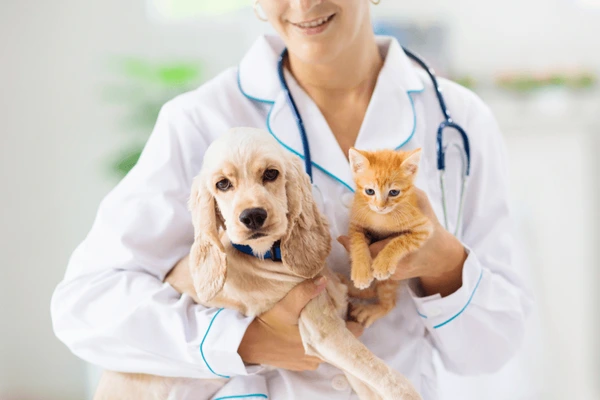
A Veterinary Nutritionist is a specialized veterinary professional who focuses on the dietary needs and nutritional health of animals, designing tailored feeding plans to optimize their well-being, growth, and performance. They work in diverse settings such as veterinary clinics, animal feed companies, research institutions, zoos, or private consultancies, collaborating with veterinarians, pet owners, farmers, and industry experts to address nutritional requirements for companion animals, livestock, and exotic species. Veterinary Nutritionists play a critical role in enhancing animal health in an era where the importance of diet in disease prevention, recovery, and overall vitality is increasingly recognized.
Share :
โœจ Radial Mind Map - Veterinary Nutritionist
Nodes arranged in concentric circles

Loading radial mind map...

Overview

A Veterinary Nutritionist is a specialized veterinary professional who focuses on the dietary needs and nutritional health of animals, designing tailored feeding plans to optimize their well-being, growth, and performance. They work in diverse settings such as veterinary clinics, animal feed companies, research institutions, zoos, or private consultancies, collaborating with veterinarians, pet owners, farmers, and industry experts to address nutritional requirements for companion animals, livestock, and exotic species. Veterinary Nutritionists play a critical role in enhancing animal health in an era where the importance of diet in disease prevention, recovery, and overall vitality is increasingly recognized.

Veterinary Nutritionists are expert advisors who assess the nutritional status of animals, formulate balanced diets, and recommend dietary interventions to manage health conditions, support recovery, or improve productivity. Their work involves analyzing nutritional content, addressing deficiencies or excesses, and creating specialized feeding regimens for animals with specific needs, such as those with chronic illnesses, during pregnancy, or in high-performance roles. Operating in clinical environments, agricultural settings, or corporate offices, they blend a profound dedication to animal welfare with in-depth knowledge of nutrition science to tackle dietary challenges. As essential contributors to the Veterinary & Fishery Sciences career cluster, Veterinary Nutritionists elevate animal care standards in a landscape where the demand for customized nutrition plans and sustainable feeding practices continues to grow.

Roles and Responsibilities

๐Ÿ’ผ
Veterinary Nutritionist
Roles and Responsibilities
Nutritional Assessment and Analysis:
Evaluate the dietary needs of animals through physical assessments, medical history reviews, and laboratory analyses to identify nutritional gaps or imbalances.
Analyze feed composition, quality, and suitability to ensure it meets the specific requirements of different species, ages, or health conditions.
Diet Formulation and Planning:
Design customized nutrition plans, including commercial diets, homemade recipes, or supplements, tailored to individual animal needs or group requirements.
Recommend dietary adjustments to address medical conditions like obesity, diabetes, kidney disease, or allergies, improving health outcomes.
Consultation and Education:
Advise pet owners, farmers, or zoo caretakers on proper feeding practices, portion control, and the importance of nutrition for animal health and performance.
Educate clients on reading pet food labels, understanding nutritional claims, and selecting appropriate diets for their animalsโ€™ life stages.
Management of Clinical Nutrition Cases:
Collaborate with veterinarians to integrate nutritional therapy into treatment plans for animals recovering from illness, surgery, or injury.
Monitor the impact of dietary interventions on health, adjusting plans based on progress or changing needs to ensure optimal recovery.
Research and Product Development:
Conduct research on animal nutrition to develop new feed formulations, supplements, or dietary guidelines that enhance health or productivity.
Work with pet food or livestock feed companies to innovate products, ensuring compliance with safety and nutritional standards.
Specialized Care Across Species:
Provide nutritional guidance for a wide range of species, including companion animals, livestock, aquaculture species, and exotics, adapting plans to unique metabolic needs.
Address specific dietary challenges in performance animals like racehorses or zoo animals, contributing to their stamina and longevity.
Sustainability and Industry Standards:
Promote sustainable feeding practices by recommending locally sourced or eco-friendly feed options to reduce environmental impact.
Ensure compliance with regulatory standards for animal feed production and nutritional labeling in collaboration with industry stakeholders.
Professional Development and Advocacy:
Stay updated on advancements in veterinary nutrition through continuous learning, adopting new scientific findings into practice.
Advocate for the importance of nutrition in animal health through workshops, publications, or public awareness campaigns.

Roles and Responsibilities:

  • Nutritional Assessment and Analysis:
    • Evaluate the dietary needs of animals through physical assessments, medical history reviews, and laboratory analyses to identify nutritional gaps or imbalances.
    • Analyze feed composition, quality, and suitability to ensure it meets the specific requirements of different species, ages, or health conditions.
  • Diet Formulation and Planning:
    • Design customized nutrition plans, including commercial diets, homemade recipes, or supplements, tailored to individual animal needs or group requirements.
    • Recommend dietary adjustments to address medical conditions like obesity, diabetes, kidney disease, or allergies, improving health outcomes.
  • Consultation and Education:
    • Advise pet owners, farmers, or zoo caretakers on proper feeding practices, portion control, and the importance of nutrition for animal health and performance.
    • Educate clients on reading pet food labels, understanding nutritional claims, and selecting appropriate diets for their animalsโ€™ life stages.
  • Management of Clinical Nutrition Cases:
    • Collaborate with veterinarians to integrate nutritional therapy into treatment plans for animals recovering from illness, surgery, or injury.
    • Monitor the impact of dietary interventions on health, adjusting plans based on progress or changing needs to ensure optimal recovery.
  • Research and Product Development:
    • Conduct research on animal nutrition to develop new feed formulations, supplements, or dietary guidelines that enhance health or productivity.
    • Work with pet food or livestock feed companies to innovate products, ensuring compliance with safety and nutritional standards.
  • Specialized Care Across Species:
    • Provide nutritional guidance for a wide range of species, including companion animals, livestock, aquaculture species, and exotics, adapting plans to unique metabolic needs.
    • Address specific dietary challenges in performance animals like racehorses or zoo animals, contributing to their stamina and longevity.
  • Sustainability and Industry Standards:
    • Promote sustainable feeding practices by recommending locally sourced or eco-friendly feed options to reduce environmental impact.
    • Ensure compliance with regulatory standards for animal feed production and nutritional labeling in collaboration with industry stakeholders.
  • Professional Development and Advocacy:
    • Stay updated on advancements in veterinary nutrition through continuous learning, adopting new scientific findings into practice.
    • Advocate for the importance of nutrition in animal health through workshops, publications, or public awareness campaigns.

ย 

Study Route & Eligibility Criteria

Study Route & Eligibility Criteria
Veterinary Nutritionist
Route 1
๐ŸŽ“
1
10+2 in Science stream
Route 2
๐ŸŽ“
1
10+2 in Science stream
Route 3
๐ŸŽ“
1
10+2 in Science stream
Route 4
๐ŸŽ“
1
10+2 in Science stream
๐ŸŽฏ Veterinary Nutritionist - Professional

Significant Observations (Academic Related Points)

๐Ÿ’ก
Veterinary Nutritionist
Academic Related Points
1
Scientific Base:
A solid background in biology, chemistry, and physiology is essential for understanding animal metabolism and nutritional requirements.
2
Veterinary Knowledge:
Comprehensive understanding of animal health and dietary impacts on physiology is critical for effective nutritional planning.
3
Specialized Nutrition Training:
Postgraduate degrees or certifications in animal nutrition provide advanced skills for formulating diets and managing health conditions.
4
Clinical and Practical Skills:
Hands-on training during internships or field experience is key to applying nutritional science in real-world scenarios.
5
Interdisciplinary Insight:
Familiarity with veterinary medicine, biochemistry, and feed technology enhances the ability to address complex dietary needs.
6
Licensing Consideration:
Veterinary licensure may be required for clinical roles, though not always mandatory for industry or research positions in nutrition.
7
Continuing Education:
Regular participation in nutrition-focused seminars or courses is necessary to stay updated on feed innovations and dietary research.
8
Ethical Awareness:
Understanding animal welfare principles ensures responsible and sustainable nutritional recommendations.
9
Practical Exposure:
Fieldwork or industry experience during education builds expertise in handling diverse nutritional challenges across species.
10
Career Preparation:
Competitive roles in veterinary nutrition often require a strong portfolio of dietary plans or research in animal health.
11
Global Opportunities:
Skills in international feed standards and language proficiency can lead to roles in global animal nutrition initiatives.

Internships & Practical Exposure

๐Ÿ’ผ
Veterinary Nutritionist
Internships & Practical Experience
1
Participation in internships during BVSc & AH or related programs at veterinary clinics or farms for initial exposure to animal dietary needs.
2
Involvement in university-affiliated research centers or animal husbandry units to assist in nutritional assessments under supervision during academic training.
3
Assisting veterinarians or nutritionists in private practices or feed companies to learn diet formulation and client consultation techniques.
4
Observerships at zoos or aquaculture facilities for exposure to nutritional requirements of exotic or aquatic species with unique dietary challenges.
5
Participation in veterinary nutrition workshops or continuing education programs for skill enhancement and networking with industry professionals.
6
Training through collaborative projects like community livestock health programs to design feeding plans in field conditions.
7
Exposure to industry-standard practices such as feed analysis or ration balancing during clinical or industrial rotations.
8
Project-based learning in specialized areas like therapeutic diets for chronic diseases or performance nutrition for focused expertise.
9
Community veterinary service initiatives to apply nutritional skills in practical settings like shelters or rural farming communities.
10
International veterinary or agricultural volunteering for exposure to global nutritional standards and innovative feeding practices.

Courses & Specializations to Enter the Field

๐Ÿ“š
Veterinary Nutritionist
Courses & Specializations
๐Ÿ“–
Bachelor of Veterinary Science and Animal Husbandry (BVSc & AH).
๐Ÿ“–
Bachelorโ€™s in Animal Science or Dairy Science.
๐Ÿ“–
Master of Veterinary Science (MVSc) in Animal Nutrition.
๐Ÿ“–
Ph.D. in Animal Nutrition or related fields for research and academic roles.
๐Ÿ“–
Postgraduate Diploma or Certification in Veterinary Nutrition.
๐Ÿ“–
Specialization in Small Animal Nutrition, Livestock Feed Management, or Exotic Animal Dietary Planning.
๐Ÿ“–
Certification in Clinical Nutrition for Veterinary Patients.
๐Ÿ“–
Training in Feed Formulation and Nutritional Analysis.
๐Ÿ“–
Workshops on Therapeutic Diets for Disease Management in Animals.
๐Ÿ“–
Short Courses in Sustainable Animal Feeding Practices.

Prominent Employers

๐Ÿข
Veterinary Nutritionist
๐ŸŒŸ Top Companies & Organizations
๐Ÿ‡ฎ๐Ÿ‡ณ India
๐Ÿ›๏ธ
Indian Veterinary Research Institute (IVRI), Izatnagar
๐Ÿ›๏ธ
Animal Husbandry Departments (State Governments), Multiple Locations
๐Ÿ›๏ธ
Guru Angad Dev Veterinary and Animal Sciences University (GADVASU), Ludhiana
๐Ÿ›๏ธ
Tamil Nadu Veterinary and Animal Sciences University (TANUVAS), Chennai
๐Ÿ›๏ธ
Amul (Gujarat Cooperative Milk Marketing Federation), Multiple Locations
๐Ÿ›๏ธ
National Dairy Development Board (NDDB), Anand
๐Ÿ›๏ธ
Bombay Veterinary College, Mumbai
๐Ÿ›๏ธ
Karnataka Veterinary, Animal and Fisheries Sciences University (KVAFSU), Bidar
๐Ÿ›๏ธ
Wildlife SOS, Multiple Locations
๐Ÿ›๏ธ
Blue Cross of India, Chennai
๐ŸŒ International
๐ŸŒ
World Organisation for Animal Health (OIE), France
๐ŸŒ
American Veterinary Medical Association (AVMA), USA
๐ŸŒ
Royal College of Veterinary Surgeons (RCVS), UK
๐ŸŒ
Zoetis, USA
๐ŸŒ
Hillโ€™s Pet Nutrition, USA
๐ŸŒ
Royal Canin, France
๐ŸŒ
Purina (Nestlรฉ), USA
๐ŸŒ
Mars Petcare, Global
๐ŸŒ
World Wildlife Fund (WWF), Global
๐ŸŒ
International Fund for Animal Welfare (IFAW), Global

Advice for Aspiring Veterinary Nutritionists

๐Ÿ’ก
Veterinary Nutritionist
๐ŸŒŸ Tips for Students & Parents
1
Build a strong foundation in biological sciences and veterinary medicine to excel in animal dietary care.
2
Seek early practical exposure through internships or volunteer roles at farms or veterinary facilities to develop nutritional skills.
3
Prepare thoroughly for entrance exams like NEET to gain admission into reputable veterinary or animal science programs.
4
Pursue specialized training in veterinary nutrition to establish a competitive edge in this essential field.
5
Stay updated on dietary advancements by attending workshops and following research in animal nutrition science.
6
Develop hands-on expertise by assisting in real-world diet formulation or community animal health initiatives.
7
Engage in university research projects or agricultural programs to apply nutritional knowledge in diverse settings.
8
Join professional networks like ACVN or IVA for connections and access to key veterinary nutrition resources.
9
Cultivate patience to educate clients and see long-term results from nutritional interventions.
10
Explore international opportunities or exotic animal nutrition to understand varied dietary health needs.
11
Volunteer at local pet care events or rural farms to gain experience in nutritional planning for different populations.
12
Sharpen analytical and formulation skills to create precise dietary plans addressing complex health or performance goals.
13
Participate in continuous learning to keep pace with innovations in feed technology and nutritional guidelines.
14
Build relationships with veterinary peers and industry stakeholders to foster trust and collaborative progress in nutrition.
15
Maintain dedication to navigate the sometimes underappreciated but vital landscape of veterinary nutrition.
16
Balance academic preparation with extensive field practice to adapt to the evolving demands of animal dietary healthcare.
๐ŸŽ“ Final Message
Embarking on a career as a Veterinary Nutritionist unveils a unique and impactful avenue to enhance animal health by harnessing the power of diet, crafting nutritional solutions that support vitality and prevent disease. From optimizing feeding plans for cherished pets to boosting productivity in livestock and ensuring wellness in wildlife, Veterinary Nutritionists are instrumental in shaping the foundation of animal well-being. This profession combines a genuine passion for animals, detailed scientific understanding, and a specialized focus on nutrition, paving the way for meaningful contributions in clinical, industrial, and research domains. For those motivated by the goal of improving animal lives through expertly designed diets, ready to embrace cutting-edge nutritional science, and driven to create a lasting influence on veterinary and agricultural practices, a career as a Veterinary Nutritionist offers a deeply satisfying and forward-thinking professional journey, with the potential to revolutionize how dietary care for animals is understood and applied in the future.
Knowledge & Skills You Will Learn
1
Expertise in veterinary nutrition to assess and design diets that meet the specific needs of various animal species
2
Strong analytical skills to evaluate nutritional content, deficiencies, and the impact of diet on animal health
3
Proficiency in animal diet formulation, balancing nutrients for health, growth, or therapeutic purposes
4
Precision and attention to detail to create accurate feeding plans
5
Knowledge of biochemistry and physiology to understand how nutrients affect animal metabolism and disease states
6
Communication skills to explain nutritional plans, dietary benefits, and feeding practices to pet owners
7
Problem-solving ability to address complex nutritional challenges
8
Collaboration skills to work with veterinarians, feed manufacturers, or researchers
9
Understanding of animal welfare and sustainability
10
Adaptability to incorporate new research, feed technologies, and industry trends into nutritional practices
Veterinary Nutritionist

Veterinary Nutritionist

Professionals assess and design dietary plans for animals, focusing on health, growth, or recovery in clinics, farms, or industry settings. They...

0.0LPA

Specialized Veterinary Nutritionist

Specialized Veterinary Nutritionist

Experienced nutritionists focus on niche areas like clinical nutrition for diseased animals, performance diets, or exotic species feeding, often...

0.0LPA
Senior Veterinary Nutritionist

Senior Veterinary Nutritionist

Seasoned experts lead nutrition programs, oversee diverse projects, and mentor others in large veterinary practices, academic settings, or...

0.0LPA

Interested in this career?

Take the next step and explore more about Veterinary Nutritionist.