Veterinary Cardiologist


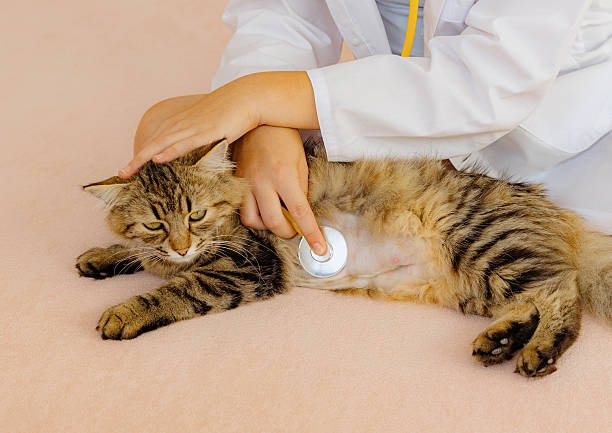
A Veterinary Cardiologist is a highly specialized veterinary professional who focuses on diagnosing, treating, and managing heart and cardiovascular conditions in animals, ensuring their longevity and quality of life through expert medical intervention. They operate in settings such as specialty veterinary hospitals, referral clinics, research institutions, or private practices, collaborating with general veterinarians, pet owners, and other animal health experts to address cardiac issues in companion animals, livestock, and exotic species. Veterinary Cardiologists are essential in advancing animal health in an era where pet longevity, advanced diagnostics, and specialized care are increasingly valued.
Share :
โœจ Radial Mind Map - Veterinary Cardiologist
Nodes arranged in concentric circles

Loading radial mind map...

Overview


A Veterinary Cardiologist is a highly specialized veterinary professional who focuses on diagnosing, treating, and managing heart and cardiovascular conditions in animals, ensuring their longevity and quality of life through expert medical intervention. They operate in settings such as specialty veterinary hospitals, referral clinics, research institutions, or private practices, collaborating with general veterinarians, pet owners, and other animal health experts to address cardiac issues in companion animals, livestock, and exotic species. Veterinary Cardiologists are essential in advancing animal health in an era where pet longevity, advanced diagnostics, and specialized care are increasingly valued.

Veterinary Cardiologists are skilled clinicians dedicated to the cardiovascular health of animals, employing advanced diagnostic tools like echocardiography, electrocardiography (ECG), and cardiac catheterization to identify and treat conditions such as heart murmurs, congestive heart failure, and arrhythmias. Their work involves conducting detailed cardiac assessments, designing personalized treatment plans, and performing or guiding complex interventions to stabilize and improve heart function. Working in clinical environments or specialized cardiac units, they combine a profound dedication to animal welfare with cutting-edge expertise in cardiology to tackle intricate heart-related challenges. As vital contributors to the Veterinary & Fishery Sciences career cluster, Veterinary Cardiologists raise the bar for animal care in a landscape where the demand for specialized veterinary services and comprehensive health management continues to grow.


Roles and Responsibilities

๐Ÿ’ผ
Veterinary Cardiologist
Roles and Responsibilities
Cardiac Diagnosis and Assessment:
Perform thorough cardiovascular evaluations using diagnostic tools like echocardiograms, ECGs, and blood pressure monitoring to detect heart abnormalities.
Identify underlying causes of cardiac symptoms, such as congenital defects, acquired diseases, or systemic conditions affecting the heart.
Treatment and Management of Heart Conditions:
Develop and implement treatment strategies, including medications, dietary modifications, or surgical referrals, to manage cardiac diseases effectively.
Monitor long-term cardiac health through follow-up assessments, adjusting therapies to optimize outcomes and prevent deterioration.
Advanced Cardiac Procedures:
Conduct or assist in specialized interventions like pacemaker implantation, balloon valvuloplasty, or other minimally invasive procedures to address severe heart issues.
Collaborate with veterinary surgeons for complex cardiac surgeries when non-invasive treatments are insufficient.
Client Communication and Education:
Explain cardiac diagnoses, treatment options, and prognoses to animal owners, ensuring they understand the condition and care requirements.
Provide guidance on lifestyle adjustments, exercise restrictions, and preventive measures to support their animalโ€™s heart health at home.
Collaboration with Veterinary Teams:
Work alongside general veterinarians and other specialists to integrate cardiac care into a holistic health plan for animals.
Refer cases with multi-system involvement to relevant experts, coordinating comprehensive treatment approaches for the best results.
Specialized Care for Diverse Species:
Offer tailored cardiac care for a variety of species, including small pets, large animals, and exotics, adapting techniques to unique physiological needs.
Address specific heart health challenges in performance animals like racehorses or zoo animals, contributing to their endurance and survival.
Research and Professional Development:
Stay informed about advancements in veterinary cardiology through continuous learning, adopting innovative diagnostic or therapeutic methods.
Contribute to research on animal heart health, publishing findings to improve clinical practices and expand knowledge in the field.
Compliance and Ethical Standards:
Adhere to veterinary laws and animal welfare guidelines, ensuring ethical practices in all cardiac treatments and client interactions.
Maintain meticulous medical records of diagnoses, procedures, and communications for accountability and legal compliance.

Roles and Responsibilities:

  • Cardiac Diagnosis and Assessment:
    • Perform thorough cardiovascular evaluations using diagnostic tools like echocardiograms, ECGs, and blood pressure monitoring to detect heart abnormalities.
    • Identify underlying causes of cardiac symptoms, such as congenital defects, acquired diseases, or systemic conditions affecting the heart.
  • Treatment and Management of Heart Conditions:
    • Develop and implement treatment strategies, including medications, dietary modifications, or surgical referrals, to manage cardiac diseases effectively.
    • Monitor long-term cardiac health through follow-up assessments, adjusting therapies to optimize outcomes and prevent deterioration.
  • Advanced Cardiac Procedures:
    • Conduct or assist in specialized interventions like pacemaker implantation, balloon valvuloplasty, or other minimally invasive procedures to address severe heart issues.
    • Collaborate with veterinary surgeons for complex cardiac surgeries when non-invasive treatments are insufficient.
  • Client Communication and Education:
    • Explain cardiac diagnoses, treatment options, and prognoses to animal owners, ensuring they understand the condition and care requirements.
    • Provide guidance on lifestyle adjustments, exercise restrictions, and preventive measures to support their animalโ€™s heart health at home.
  • Collaboration with Veterinary Teams:
    • Work alongside general veterinarians and other specialists to integrate cardiac care into a holistic health plan for animals.
    • Refer cases with multi-system involvement to relevant experts, coordinating comprehensive treatment approaches for the best results.
  • Specialized Care for Diverse Species:
    • Offer tailored cardiac care for a variety of species, including small pets, large animals, and exotics, adapting techniques to unique physiological needs.
    • Address specific heart health challenges in performance animals like racehorses or zoo animals, contributing to their endurance and survival.
  • Research and Professional Development:
    • Stay informed about advancements in veterinary cardiology through continuous learning, adopting innovative diagnostic or therapeutic methods.
    • Contribute to research on animal heart health, publishing findings to improve clinical practices and expand knowledge in the field.
  • Compliance and Ethical Standards:
    • Adhere to veterinary laws and animal welfare guidelines, ensuring ethical practices in all cardiac treatments and client interactions.
    • Maintain meticulous medical records of diagnoses, procedures, and communications for accountability and legal compliance.

ย 

Study Route & Eligibility Criteria

Study Route & Eligibility Criteria
Veterinary Cardiologist
Route 1
๐ŸŽ“
1
10+2 in Science stream
Route 2
๐ŸŽ“
1
10+2 in Science stream
Route 3
๐ŸŽ“
1
10+2 in Science stream
Route 4
๐ŸŽ“
1
10+2 in Science stream
๐ŸŽฏ Veterinary Cardiologist - Professional

Significant Observations (Academic Related Points)

๐Ÿ’ก
Veterinary Cardiologist
Academic Related Points
1
Scientific Foundation:
A robust background in biology, chemistry, and physics is crucial for understanding animal physiology and cardiovascular systems.
2
Veterinary Knowledge:
In-depth comprehension of animal anatomy, particularly the heart and circulatory system, is essential for accurate cardiac diagnosis.
3
Specialized Cardiology Training:
Postgraduate certifications or residencies in veterinary cardiology equip professionals with advanced skills for complex heart conditions.
4
Clinical Proficiency:
Extensive practical training during internships or residencies is key to mastering cardiac diagnostic tools and treatment techniques.
5
Interdisciplinary Insight:
Familiarity with internal medicine, anesthesia, and diagnostic imaging enhances the ability to manage cardiac cases holistically.
6
Licensing Necessity:
Obtaining veterinary licensure through national or state exams is mandatory, with additional credentials often required for cardiology specialization.
7
Continuing Education:
Regular attendance at cardiology-focused conferences or courses is necessary to stay abreast of evolving technologies and treatments.
8
Ethical Commitment:
Awareness of animal welfare principles ensures compassionate and responsible care in cardiac practice.
9
Practical Exposure:
Real-world clinical experience during education builds confidence in handling diverse cardiac cases across species.
10
Career Preparation:
Competitive roles in veterinary cardiology often require a demonstrated record of successful treatments and specialized training.
11
Global Opportunities:
Proficiency in international veterinary standards and language skills can open pathways to global animal cardiac care roles.

Internships & Practical Exposure

๐Ÿ’ผ
Veterinary Cardiologist
Internships & Practical Experience
1
Participation in mandatory internships during BVSc & AH programs at veterinary clinics or hospitals for initial exposure to animal cardiac conditions.
2
Involvement in university-affiliated veterinary centers to observe and assist in cardiac assessments under supervision during academic training.
3
Assisting experienced veterinarians or specialists in referral practices to learn advanced cardiac diagnostics like echocardiography and ECG interpretation.
4
Observerships at equine facilities or zoos for exposure to cardiac care needs of large or exotic animals with unique cardiovascular challenges.
5
Participation in veterinary cardiology workshops or continuing education programs for skill enhancement and networking with industry professionals.
6
Training through collaborative projects like community pet health screenings to identify cardiac issues in field settings.
7
Exposure to industry-standard practices such as using Doppler ultrasound or Holter monitoring during clinical rotations.
8
Project-based learning in specialized areas like congenital heart defects or heart failure management for focused expertise.
9
Community veterinary service initiatives to apply cardiac skills in practical settings like shelters or rural animal care programs.
10
International veterinary volunteering or online courses for exposure to global cardiac care standards and innovative practices in animal health.

Courses & Specializations to Enter the Field

๐Ÿ“š
Veterinary Cardiologist
Courses & Specializations
๐Ÿ“–
Bachelor of Veterinary Science and Animal Husbandry (BVSc & AH).
๐Ÿ“–
Master of Veterinary Science (MVSc) in Veterinary Medicine with a focus on Cardiology.
๐Ÿ“–
Ph.D. in Veterinary Cardiology or related fields for research and academic roles.
๐Ÿ“–
Postgraduate Diploma or Certification in Veterinary Cardiology.
๐Ÿ“–
Specialization in Small Animal Cardiology, Equine Cardiac Care, or Exotic Animal Cardiovascular Health.
๐Ÿ“–
Certification in Veterinary Echocardiography and Electrocardiography.
๐Ÿ“–
Training in Cardiac Diagnostics and Imaging Techniques.
๐Ÿ“–
Workshops on Advanced Management of Heart Failure in Animals.
๐Ÿ“–
Short Courses in Veterinary Interventional Cardiology.
๐Ÿ“–
Advanced Training in Congenital and Acquired Heart Diseases in Animals.

Prominent Employers

๐Ÿข
Veterinary Cardiologist
๐ŸŒŸ Top Companies & Organizations
๐Ÿ‡ฎ๐Ÿ‡ณ India
๐Ÿ›๏ธ
Indian Veterinary Research Institute (IVRI), Izatnagar
๐Ÿ›๏ธ
Animal Husbandry Departments (State Governments), Multiple Locations
๐Ÿ›๏ธ
Guru Angad Dev Veterinary and Animal Sciences University (GADVASU), Ludhiana
๐Ÿ›๏ธ
Tamil Nadu Veterinary and Animal Sciences University (TANUVAS), Chennai
๐Ÿ›๏ธ
Blue Cross of India, Chennai
๐Ÿ›๏ธ
People for Animals (PFA), Multiple Locations
๐Ÿ›๏ธ
Bombay Veterinary College, Mumbai
๐Ÿ›๏ธ
Karnataka Veterinary, Animal and Fisheries Sciences University (KVAFSU), Bidar
๐Ÿ›๏ธ
Wildlife SOS, Multiple Locations
๐Ÿ›๏ธ
PETA India, Multiple Locations
๐ŸŒ International
๐ŸŒ
World Organisation for Animal Health (OIE), France
๐ŸŒ
American Veterinary Medical Association (AVMA), USA
๐ŸŒ
Royal College of Veterinary Surgeons (RCVS), UK
๐ŸŒ
Zoetis, USA
๐ŸŒ
IDEXX Laboratories, USA
๐ŸŒ
Banfield Pet Hospital, USA
๐ŸŒ
VCA Animal Hospitals, USA
๐ŸŒ
RSPCA (Royal Society for the Prevention of Cruelty to Animals), UK
๐ŸŒ
World Wildlife Fund (WWF), Global
๐ŸŒ
International Fund for Animal Welfare (IFAW), Global

Advice for Aspiring Veterinary Cardiologists

๐Ÿ’ก
Veterinary Cardiologist
๐ŸŒŸ Tips for Students & Parents
1
Build a solid foundation in biological sciences and veterinary medicine to excel in animal cardiovascular care.
2
Seek early clinical exposure through internships or volunteer roles at veterinary facilities to develop practical cardiac skills.
3
Prepare rigorously for entrance exams like NEET to gain admission into prestigious veterinary programs.
4
Pursue specialized training in veterinary cardiology to establish a competitive edge in this niche field.
5
Stay informed about heart health advancements by attending seminars and tracking research in animal cardiology.
6
Develop hands-on expertise by assisting in real-world cardiac cases or community pet health initiatives.
7
Engage in university clinics or animal shelters to apply cardiac knowledge in varied clinical environments.
8
Join professional networks like ACVIM or IVA for connections and access to essential veterinary cardiology resources.
9
Cultivate emotional fortitude to manage high-stakes cardiac cases while maintaining professional demeanor.
10
Explore international opportunities or exotic animal cardiology to understand diverse cardiovascular health needs.
11
Volunteer at local pet care events or rural clinics to gain experience in cardiac assessments for different populations.
12
Sharpen diagnostic and therapeutic skills to address complex heart conditions with precision and effectiveness.
13
Participate in continuous learning to stay updated on innovations in cardiac diagnostic tools and treatment approaches.
14
Build relationships with veterinary peers and pet owners to foster trust and collaborative advancement in care.
15
Maintain perseverance to navigate the highly specialized and sometimes limited landscape of veterinary cardiology.
16
Balance academic preparation with extensive clinical practice to adapt to the evolving demands of animal heart healthcare.
๐ŸŽ“ Final Message
Embarking on a career as a Veterinary Cardiologist offers a remarkable and impactful pathway to safeguard animal lives by focusing on the vital realm of cardiovascular health, delivering expert interventions that enhance their well-being. From diagnosing critical heart conditions in beloved pets to ensuring the endurance of performance animals and wildlife, Veterinary Cardiologists stand as key protectors of animal vitality. This profession merges a deep-rooted passion for animals, rigorous scientific training, and a specialized focus on cardiology, creating avenues for meaningful contributions in clinical settings, research, and species-specific care. For those inspired by the mission to heal animal hearts through advanced medical solutions, equipped to adopt state-of-the-art cardiac techniques, and determined to leave a lasting imprint on veterinary medicine, a career as a Veterinary Cardiologist provides an immensely fulfilling and consequential professional odyssey, with the capacity to transform how animal cardiovascular care is approached and valued in the future.
Knowledge & Skills You Will Learn
1
Expertise in veterinary cardiology to diagnose and treat heart and cardiovascular disorders across diverse animal species
2
Strong diagnostic skills to evaluate cardiac health using tools like echocardiography, ECG, and blood pressure monitoring
3
Proficiency in cardiac treatments, including medication management, lifestyle recommendations, and procedural interventions
4
Precision and analytical ability to interpret complex diagnostic data and perform delicate cardiac procedures with accuracy
5
Knowledge of pharmacology to prescribe appropriate cardiac medications while minimizing risks or side effects
6
Communication skills to explain intricate cardiac conditions, treatment plans, and prognoses to animal owners with clarity
7
Emotional resilience to handle high-stakes cases or distressed animals while maintaining professional composure
8
Collaboration abilities to work with veterinary teams or specialists for integrated animal health management
9
Understanding of animal welfare ethics to ensure humane treatment and compliance with veterinary regulations
10
Adaptability to incorporate new cardiac technologies and research findings into practice for enhanced outcomes
Veterinary Cardiologist

Veterinary Cardiologist

Professionals diagnose and treat heart and cardiovascular conditions in animals, using advanced tools like echocardiography in specialty clinics...

0.0LPA

Specialized Veterinary Cardiologist

Specialized Veterinary Cardiologist

Experienced cardiologists focus on complex areas such as interventional cardiology, congenital defects, or heart failure management, often in...

0.0LPA
Senior Veterinary Cardiologist

Senior Veterinary Cardiologist

Seasoned experts lead cardiology departments, oversee high-volume caseloads, and mentor others in large veterinary hospitals or academic settings,...

0.0LPA

Interested in this career?

Take the next step and explore more about Veterinary Cardiologist.