Thoracic Surgeon

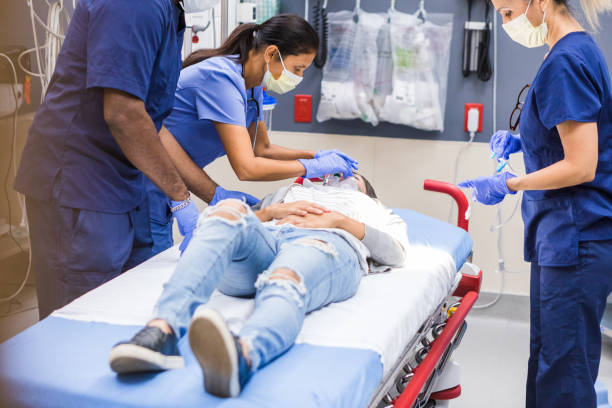
A Thoracic Surgeon is a specialized medical professional who performs surgical procedures on the organs within the chest, including the heart, lungs, esophagus, and other structures in the thoracic cavity. They treat conditions such as lung cancer, heart disease, and esophageal disorders, often managing life-threatening situations. Working in hospitals, cardiac centers, and specialized surgical units, Thoracic Surgeons are pivotal in saving lives and improving respiratory and cardiovascular health. This career falls under the Health Sciences career cluster, emphasizing advanced surgical intervention and critical care.

Share :
Career tree mind map (horizontal) — Thoracic Surgeon
Colored branches, hub circles, and underlined topics — same style as counselor course classic (types 18–19 in admin).
Loading mind map…

Thoracic Surgeons undertake complex surgeries to address diseases and injuries affecting the chest, employing techniques ranging from open-heart surgeries like coronary artery bypass to minimally invasive procedures like video-assisted thoracoscopic surgery (VATS) for lung conditions. They diagnose issues using advanced imaging, plan intricate operations, and provide post-operative care to ensure recovery. Their expertise is vital in treating cancers, congenital defects, and trauma within the thoracic region, blending precision with life-saving urgency. By focusing on the heart and lungs, they significantly enhance patients’ survival and quality of life.

  • Diagnostic Assessment:
    • Evaluate patients with thoracic conditions using imaging tools like CT scans and MRIs.
    • Determine the severity of diseases such as lung cancer or heart valve defects for surgical planning.
  • Surgical Interventions:
    • Perform major surgeries like lobectomies for lung cancer or heart transplants.
    • Conduct minimally invasive procedures to reduce recovery time and complications.
  • Emergency Response:
    • Manage acute thoracic emergencies such as traumatic chest injuries or cardiac tamponade.
    • Provide immediate surgical solutions to stabilize critical patients.
  • Post-Operative Management:
    • Monitor patients in intensive care units post-surgery for complications like infections.
    • Develop recovery plans including rehabilitation and medication regimens.
  • Patient Consultation:
    • Discuss surgical risks, benefits, and expected outcomes with patients and families.
    • Educate on lifestyle changes to prevent further thoracic health issues.
  • Interdisciplinary Collaboration:
    • Work with cardiologists, oncologists, and pulmonologists for comprehensive treatment.
    • Coordinate with anesthesiologists and critical care teams during surgeries.
  • Research and Innovation:
    • Engage in clinical studies to advance thoracic surgical techniques and outcomes.
    • Stay updated on technologies like robotic surgery for enhanced precision.
  • Documentation and Follow-Up:
    • Maintain detailed surgical records and patient progress reports.
    • Schedule regular check-ups to assess long-term surgical success and health.

RouteSteps
Route 11. 10+2 with Physics, Chemistry, Biology (PCB)
 2. MBBS degree (5.5 years including internship)
 3. MS in General Surgery (3 years)
 4. MCh/DNB in Cardiothoracic Surgery (3 years)
 5. Certification from relevant medical board
Route 21. 10+2 with Physics, Chemistry, Biology (PCB)
 2. MBBS degree (5.5 years including internship)
 3. DNB in General Surgery (3 years)
 4. Fellowship in Thoracic Surgery (1-2 years)
Route 31. 10+2 with Physics, Chemistry, Biology (PCB)
 2. MBBS degree (5.5 years including internship)
 3. MS in General Surgery (3 years)
 4. Super-specialty training in Minimally Invasive Thoracic Surgery (1-2 years)
Route 4 (International)1. 10+2 with Physics, Chemistry, Biology (PCB)
 2. MBBS from India (5.5 years including internship)
 3. USMLE/PLAB or equivalent international licensing exams
 4. Residency in General Surgery followed by Cardiothoracic Surgery Fellowship in US/UK/Australia (5-7 years)
 5. Board certification in Thoracic Surgery (e.g., American Board of Thoracic Surgery)

  • Extensive Training Timeline: Requires 12-15 years of education and training after high school.
  • Life-Critical Role: Involves high-stakes surgeries with direct impact on survival.
  • Technological Reliance: Utilizes advanced tools like robotic systems and imaging for accuracy.
  • Emergency Demands: Often deals with urgent cases requiring immediate surgical action.
  • Multidisciplinary Integration: Collaborates closely with other specialists for holistic care.
  • Preventive Focus: Aims to avert fatal outcomes through timely thoracic interventions.
  • Evolving Practices: Rapid growth in minimally invasive and robotic surgical techniques.
  • Emotional Weight: Carries significant responsibility for patient outcomes in critical conditions.
  • Rising Need: Increasing thoracic diseases due to aging populations and lifestyle factors.
  • International Scope: High demand for skilled thoracic surgeons across global healthcare systems.

  • Surgical rotations in general surgery departments during MBBS internship.
  • Hands-on training in cardiothoracic procedures during postgraduate and super-specialty studies.
  • Participation in emergency thoracic surgeries for trauma and cardiac events.
  • Exposure to minimally invasive techniques in advanced surgical labs.
  • Observerships with esteemed thoracic surgeons for cutting-edge procedural learning.
  • Involvement in managing thoracic oncology cases with multidisciplinary teams.
  • Training in post-operative critical care for thoracic surgery patients.
  • Attendance at cardiothoracic surgery conferences and workshops for professional growth.
  • Collaboration with pulmonologists and cardiologists on complex case management.
  • Experience in using surgical simulation platforms for thoracic procedure practice.

  • MBBS (Bachelor of Medicine and Bachelor of Surgery)
  • MS/DNB in General Surgery
  • MCh/DNB in Cardiothoracic Surgery
  • Fellowship in Thoracic Surgery
  • Fellowship in Minimally Invasive Thoracic Surgery
  • Certification in Robotic Cardiothoracic Surgery
  • Training in Lung Transplant Surgery
  • Specialized courses in Esophageal Surgery
  • Certification in Pediatric Cardiothoracic Surgery
  • Continuing Medical Education in Advanced Thoracic Surgical Techniques

InstituteCourse/ProgramOfficial Link
All India Institute of Medical Sciences (AIIMS), New DelhiMCh in Cardiothoracic Surgeryhttps://www.aiims.edu/
Postgraduate Institute of Medical Education and Research (PGIMER), ChandigarhMCh in Cardiothoracic Surgeryhttps://pgimer.edu.in/
Christian Medical College (CMC), VelloreMCh in Cardiothoracic Surgeryhttps://www.cmch-vellore.edu/
King George's Medical University, LucknowMCh in Cardiothoracic Surgeryhttps://www.kgmu.org/
Jawaharlal Institute of Postgraduate Medical Education and Research (JIPMER), PuducherryMCh in Cardiothoracic Surgeryhttps://jipmer.edu.in/
Seth GS Medical College and KEM Hospital, MumbaiMCh in Cardiothoracic Surgeryhttps://www.kem.edu/
Madras Medical College, ChennaiMCh in Cardiothoracic Surgeryhttps://www.mmc.ac.in/
Sanjay Gandhi Postgraduate Institute of Medical Sciences, LucknowMCh in Cardiothoracic Surgeryhttps://www.sgpgi.ac.in/
Sree Chitra Tirunal Institute for Medical Sciences and Technology, TrivandrumMCh in Cardiothoracic Surgeryhttps://www.sctimst.ac.in/
Narayana Institute of Cardiac Sciences, BangaloreFellowship in Cardiothoracic Surgeryhttps://www.narayanahealth.org/

InstitutionCourseCountryOfficial Link
Johns Hopkins University School of MedicineCardiothoracic Surgery Residency/FellowshipUSAhttps://www.hopkinsmedicine.org/
Harvard Medical School - Massachusetts General HospitalCardiothoracic Surgery FellowshipUSAhttps://hms.harvard.edu/
University of Oxford - John Radcliffe HospitalCardiothoracic Surgery TrainingUKhttps://www.ox.ac.uk/
University of Toronto Faculty of MedicineCardiothoracic Surgery ResidencyCanadahttps://www.utoronto.ca/
University of Melbourne - Royal Melbourne HospitalCardiothoracic Surgery TrainingAustraliahttps://www.unimelb.edu.au/
Mayo Clinic College of Medicine and ScienceCardiothoracic Surgery FellowshipUSAhttps://college.mayo.edu/
University College London (UCL) HospitalsCardiothoracic Surgery FellowshipUKhttps://www.ucl.ac.uk/
Karolinska University HospitalCardiothoracic Surgery SpecializationSwedenhttps://ki.se/en
Stanford University School of MedicineCardiothoracic Surgery FellowshipUSAhttps://www.stanford.edu/
McGill University Health CentreCardiothoracic Surgery FellowshipCanadahttps://www.mcgill.ca/

India:

  • National Eligibility cum Entrance Test (NEET-UG) for MBBS programs.
  • National Eligibility cum Entrance Test for Postgraduate courses (NEET-PG) for MS/DNB programs.
  • National Eligibility cum Entrance Test for Superspeciality courses (NEET-SS) for MCh/DNB programs.
  • AIIMS Entrance Examination for MCh programs at AIIMS.
  • PGIMER Entrance Examination for postgraduate and super-specialty courses.
  • JIPMER Entrance Examination for MCh programs.
  • State-level entrance exams for medical institutions.
  • National Board of Examinations Diplomate of National Board (DNB) entrance tests.
  • Institute-specific exams for fellowships in Cardiothoracic Surgery.

International:

  • United States Medical Licensing Examination (USMLE) for practice in the USA.
  • Medical College Admission Test (MCAT) for medical school admission in North America.
  • Professional and Linguistic Assessments Board (PLAB) test for practice in the UK.
  • International English Language Testing System (IELTS) with a minimum score of 7.0-7.5.
  • Test of English as a Foreign Language (TOEFL) with a minimum score of 100-110 for US programs.
  • American Board of Thoracic Surgery (ABTS) Certification Examination.
  • Royal College of Surgeons (RCS) exams in the UK for cardiothoracic surgery focus.
  • Australian Medical Council Examination for practice in Australia.
  • Medical Council of Canada Qualifying Examination for practice in Canada.

Medical Student → General Surgery Resident → Cardiothoracic Surgery Resident → Thoracic Surgeon → Senior Thoracic Surgeon → Head of Thoracic Surgery Department → Thoracic Surgery Consultant/Professor

  • Tertiary care hospitals for complex cardiothoracic surgeries and critical care.
  • Specialized cardiac and thoracic centers for elective and emergency procedures.
  • Trauma centers for acute chest injury management and surgical interventions.
  • Academic medical institutions for teaching and research in thoracic surgery.
  • Cancer treatment centers for thoracic oncology surgeries like lung resections.
  • Government hospitals for public health thoracic and cardiac services.
  • Private practice for personalized thoracic surgical treatments.
  • Military hospitals for managing combat-related thoracic injuries.
  • Transplant centers for lung and heart-lung transplant surgeries.
  • International health organizations for thoracic care in underserved populations.

IndiaInternational
All India Institute of Medical Sciences (AIIMS)Mayo Clinic, USA
Apollo HospitalsJohns Hopkins Hospital, USA
Fortis HealthcareCleveland Clinic, USA
Max HealthcareRoyal Brompton Hospital, UK
Medanta - The MedicityMassachusetts General Hospital, USA
Narayana Institute of Cardiac SciencesToronto General Hospital, Canada
Sir Ganga Ram HospitalThe Alfred Hospital, Australia
Kokilaben Dhirubhai Ambani HospitalCharité - Universitätsmedizin, Germany
Manipal HospitalsSingapore General Hospital, Singapore
Christian Medical College (CMC), VelloreTexas Heart Institute, USA

ProsCons
Profound impact on saving lives through critical surgeriesExtremely long and demanding training duration
Opportunity to work with cutting-edge surgical technologiesHigh stress due to life-or-death surgical outcomes
High demand with rising thoracic and cardiovascular diseasesRisk of patient complications or mortality in complex cases
Diverse scope covering heart, lungs, and esophageal surgeriesLong, irregular hours with frequent on-call emergencies
Potential for significant patient recovery and gratitudeEmotional toll from managing critical and terminal conditions

(Figures are approximate and based on latest available data as of 2026, subject to change.)

Career LevelIndia (₹ per annum)International (US$ per annum)
Thoracic Surgeon (Entry-Level)20,00,000 - 35,00,000$300,000 - $400,000
Senior Thoracic Surgeon40,00,000 - 70,00,000$400,000 - $550,000
Head of Thoracic Surgery Department80,00,000 - 1,30,00,000$550,000 - $750,000
Thoracic Surgery Consultant/Professor90,00,000 - 1,60,00,000$600,000 - $850,000
Specialized Lung Transplant Surgeon60,00,000 - 1,00,00,000$500,000 - $700,000

  • Thoracic Imaging Software for analyzing CT, MRI, and PET scans of the chest.
  • Surgical Simulation Platforms for practicing complex cardiothoracic procedures.
  • 3D Surgical Planning Tools for mapping intricate thoracic surgeries pre-operatively.
  • Electronic Medical Records (EMR) for documenting patient history and surgical details.
  • Robotic Surgery Systems for assisting in precise thoracic and cardiac interventions.
  • Telehealth Platforms for remote consultations and post-surgical follow-ups.
  • Intraoperative Navigation Software for real-time guidance during thoracic surgeries.
  • Patient Monitoring Systems for tracking recovery in intensive care post-surgery.
  • Thoracic Oncology Databases for accessing research on lung and esophageal cancers.
  • AI-Based Risk Assessment Tools for predicting surgical outcomes in thoracic cases.

  • Indian Association of Cardiovascular and Thoracic Surgeons (IACTS)
  • Society of Thoracic Surgeons (STS), USA
  • European Association for Cardio-Thoracic Surgery (EACTS)
  • British Thoracic Society (BTS)
  • International Association for the Study of Lung Cancer (IASLC)
  • Australian and New Zealand Society of Cardiac and Thoracic Surgeons (ANZSCTS)
  • Canadian Association of Thoracic Surgeons (CATS)
  • World Society for Cardiothoracic Surgery (WSCTS)
  • Asian Society for Cardiovascular and Thoracic Surgery (ASCVTS)

  • Dr. Devi Shetty (India): Founder of Narayana Health, Dr. Shetty has revolutionized affordable cardiac surgery in India since the 1980s. His expertise in thoracic and cardiac procedures has saved countless lives.
     
  • Dr.Naresh Trehan (India): A leading cardiothoracic surgeon at Medanta, Gurgaon, Dr. Trehan has performed pioneering heart surgeries since the 1970s. His contributions have elevated thoracic surgery standards in India.
     
  • Dr.Ramakanta Panda (India): Known for high-risk cardiac surgeries, Dr. Panda has been a prominent thoracic surgeon at Asian Heart Institute, Mumbai, since the 1990s. His work on bypass surgeries is globally recognized.
     
  • Dr. Y. K. Mishra (India): A renowned thoracic surgeon at Manipal Hospitals, Delhi, Dr. Mishra has advanced robotic and minimally invasive cardiac surgeries since the 1980s. His expertise is widely celebrated in India.
     
  • Dr. Norman Shumway (USA, Historical): Known as the “father of heart transplantation,” Dr. Shumway performed the first successful human heart transplant in the US in 1968 at Stanford. His work transformed thoracic surgery.
     
  • Dr.Christiaan Barnard (South Africa, Historical): Famous for the world’s first human-to-human heart transplant in 1967, Dr. Barnard pioneered thoracic surgery. His groundbreaking work at Groote Schuur Hospital inspired global advancements.
     
  • Dr.Magdi Yacoub (Egypt/UK): A leading cardiothoracic surgeon since the 1960s, Sir Magdi Yacoub developed heart-lung transplant techniques at Harefield Hospital, UK. His humanitarian efforts have global impact.
     
  • Dr. Alain Carpentier (France): Known for developing the Carpentier-Edwards heart valve, Dr. Carpentier has advanced thoracic surgery since the 1960s. His innovations in valve repair are used worldwide.
     
  • Dr. David Sugarbaker (USA): A pioneer in thoracic oncology, Dr. Sugarbaker specialized in mesothelioma treatment since the 1980s at Baylor College of Medicine. His surgical techniques improved lung cancer care globally.
     

  • Build a robust foundation in anatomy and surgical skills during early medical training.
  • Gain broad surgical experience in general surgery before specializing in thoracic care.
  • Focus on mastering diagnostic tools to assess complex thoracic conditions accurately.
  • Pursue super-specialty training in cardiothoracic surgery for advanced expertise.
  • Stay informed about innovations like robotic and minimally invasive thoracic techniques.
  • Develop resilience to manage the intense pressure of critical thoracic emergencies.
  • Network with cardiologists and oncologists for collaborative learning and case management.
  • Enhance rapid decision-making skills for life-saving interventions in urgent scenarios.
  • Explore subspecialties like lung transplantation or thoracic oncology for niche focus.
  • Commit to lifelong learning to keep pace with evolving thoracic surgical advancements.

Venturing into the realm of a Thoracic Surgeon presents a remarkable chance to preserve life by navigating the vital intricacies of the chest’s core organs. These experts serve as champions of survival, employing surgical artistry to mend hearts and lungs under the most demanding circumstances. With opportunities spanning emergency rescues to pioneering research, this discipline appeals to those driven by a relentless pursuit of precision and patient recovery. For anyone eager to embrace the profound responsibility of safeguarding vital functions, thoracic surgery offers an immensely rewarding and dynamic professional voyage.


Knowledge & Skills You Will Learn
1
Surgical mastery to execute precise and complex thoracic procedures with accuracy
2
Diagnostic proficiency to interpret imaging and tests for thoracic condition assessment
3
Technical expertise in using robotic systems and minimally invasive surgical tools
4
Critical decision-making to handle emergencies and unexpected surgical challenges
5
Patient communication to explain high-risk procedures and recovery processes clearly
6
Physical stamina to endure extended hours in intense operating room environments
7
Team collaboration to work effectively with other specialists in multidisciplinary care
8
Problem-solving ability to address intraoperative complications swiftly and effectively
9
Continuous adaptation to incorporate new thoracic surgical techniques and innovations
10
Emotional fortitude to cope with the high-pressure nature of life-saving surgeries
Thoracic Surgeon (General)

Thoracic Surgeon (General)

A General Thoracic Surgeon performs surgeries on the lungs, esophagus, and other chest organs, addressing conditions like lung cancer and...

0.0LPA

Cardiothoracic Surgeon

Cardiothoracic Surgeon

A Cardiothoracic Surgeon specializes in surgeries involving both the heart and thoracic cavity, such as coronary artery bypass grafting and valve...

0.0LPA
Senior Thoracic Surgeon

Senior Thoracic Surgeon

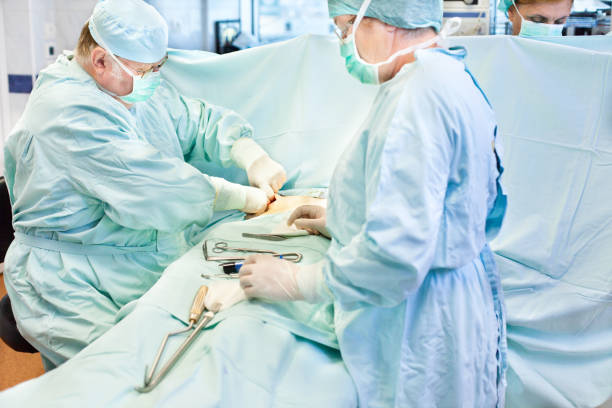
A Senior Thoracic Surgeon handles intricate cases, mentors junior surgeons, and often leads surgical teams in major medical centers. They bring...

0.0LPA

Interested in this career?

Take the next step and explore more about Thoracic Surgeon.