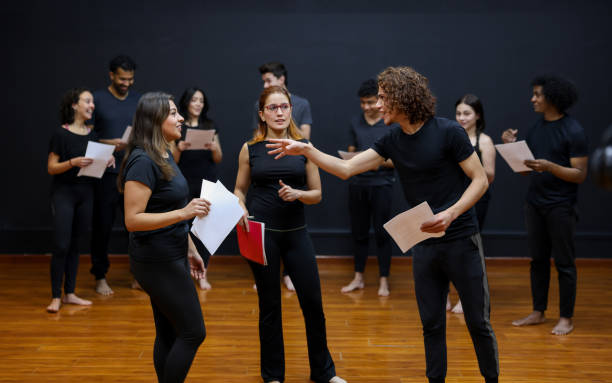
Stand-up Comedian

A Stand-up Comedian is a dynamic professional in the performing arts industry who entertains audiences through live or recorded comedic performances, delivering original jokes, stories, or observations often centered on everyday life, culture, or social issues. They perform in comedy clubs, theatres, festivals, or digital platforms, captivating crowds with humor and wit. Stand-up Comedians play a vital role in providing laughter, social commentary, and cultural reflection through their craft. This career falls under the Performing Arts career cluster, focusing on live entertainment and audience engagement through comedic expression.

Share :
Career tree mind map (horizontal) — Stand-up Comedian
Colored branches, hub circles, and underlined topics — same style as counselor course classic (types 18–19 in admin).
Loading mind map…

Stand-up Comedians are creative performers who write, refine, and present comedic material, using timing, delivery, and personal style to elicit laughter and connect with diverse audiences. They craft sets that range from short open mic appearances to full-length specials, often drawing from personal experiences or societal quirks to create relatable or provocative content. Beyond performance, they navigate the challenges of building a fan base, handling hecklers, and adapting to varied cultural contexts. In a digital age where social media and streaming services expand their reach, Stand-up Comedians leverage online platforms to share content, grow their brand, and engage with global viewers while continuing to hone their live performance skills.

  • Material Creation and Writing:
    • Write original jokes, monologues, or comedic stories based on personal insights or societal trends.
    • Continuously refine material through testing in front of live audiences and adjusting based on reactions.
  • Live Performance Delivery:
    • Perform stand-up routines in comedy clubs, theatres, corporate events, or festivals with engaging delivery.
    • Use timing, tone, body language, and improvisation to maximize humor and audience connection.
  • Audience Interaction:
    • Engage with audiences through crowd work, responding to hecklers, or tailoring content to the room’s vibe.
    • Build rapport by reading audience energy and adapting performance style on the spot.
  • Content Development for Digital Platforms:
    • Create and share comedic content on social media, YouTube, or streaming services to reach wider audiences.
    • Record specials or short clips to build a digital presence and attract new fans or opportunities.
  • Event Booking and Logistics:
    • Secure gigs through comedy promoters, agents, or personal networking with event organizers.
    • Manage travel, scheduling, and performance logistics for shows in different locations or venues.
  • Brand Building and Marketing:
    • Promote shows and content through social media, podcasts, or collaborations with other comedians.
    • Develop a unique comedic persona or style to stand out in a competitive industry.
  • Social and Cultural Commentary:
    • Use humor to comment on current events, cultural norms, or social issues, balancing satire with sensitivity.
    • Address diverse topics to resonate with varied audiences while maintaining authenticity.
  • Career Management and Networking:
    • Build relationships with comedy clubs, producers, and media to secure better gigs or media appearances.
    • Handle contracts, payments, and career growth strategies, often independently or with a manager.

RouteSteps
Route 11. Basic education (10+2 or equivalent in any stream)
 2. Short-term courses or workshops in stand-up comedy, improvisation, or writing (3-6 months)
 3. Practical experience through open mic nights or local comedy events
 4. Work as a Stand-up Comedian in small venues or online platforms
Route 21. Basic education (10+2 or equivalent in any stream)
 2. Diploma in Performing Arts, Theatre, or Creative Writing (1-2 years)
 3. Hands-on experience in comedy clubs or theatre groups focusing on humor
 4. Work as a Stand-up Comedian in professional comedy circuits
Route 31. Basic education (10+2 or equivalent in any stream)
 2. Bachelor’s degree in Theatre, Performing Arts, or Communication (3-4 years)
 3. Internship or participation in comedy festivals, improv troupes, or media projects
 4. Work as a Stand-up Comedian across varied venues and media
Route 4 (International)1. Basic education (10+2 or equivalent in any stream)
 2. Diploma or Bachelor’s in Performing Arts/Comedy from India or abroad (2-4 years)
 3. Advanced certification or workshops in stand-up comedy or scriptwriting (6 months-1 year)
 4. Build experience through international comedy circuits or digital content creation
 5. Work as a Stand-up Comedian globally or in India

  • Performing at open mic nights in local comedy clubs to test material and build stage confidence under real audience scrutiny.
  • Involvement in improv comedy troupes to gain experience in spontaneous humor and audience interaction.
  • Internships with comedy festivals or production companies to understand event logistics and networking with industry insiders.
  • Exposure to content creation by contributing comedic sketches or shorts for online platforms or local media.
  • Collaboration in comedy writing groups to refine material and learn from peer feedback on joke structure.
  • Training in crowd work by performing at varied venues, adapting to diverse audience demographics and reactions.
  • Experience in high-pressure settings by participating in comedy competitions or roast events for visibility.
  • Practical tasks like writing and testing sets during mentorships with established comedians or comedy collectives.
  • Community comedy initiatives to perform at charity events or local gatherings, building grassroots fan bases.
  • International comedy workshops or festivals for exposure to global humor trends and cross-cultural performance styles.

  • Certificate in Stand-up Comedy or Improvisation
  • Diploma in Performing Arts or Creative Writing with Comedy Focus
  • Bachelor’s in Theatre Studies or Communication (Performance Emphasis)
  • Workshops on Joke Writing and Stand-up Performance
  • Training in Public Speaking and Stage Presence
  • Specialization in Satire and Social Commentary through Humor
  • Certification in Acting for Comedy or Sketch Writing
  • Masterclasses on Audience Interaction and Crowd Work
  • Training in Media and Digital Content Creation for Comedians
  • Continuing Education in Comedy Trends and Online Performance

InstituteCourse/ProgramOfficial Link
National School of Drama (NSD), New DelhiDiploma in Dramatic Arts (Performance Focus)https://nsd.gov.in/
Whistling Woods International, MumbaiDiploma in Acting and Performance Artshttps://www.whistlingwoods.net/
Barry John Acting Studio, Mumbai/DelhiCertificate in Acting and Improvisationhttps://www.bjas.in/
Drama School Mumbai, MumbaiCertificate in Theatre and Performancehttps://www.thedramaschoolmumbai.in/
Annapurna College of Film and Media, HyderabadCourses in Acting and Media Performancehttps://www.annapurnacollege.edu.in/
Symbiosis Institute of Media and Communication (SIMC), PuneMBA in Communication (Performance Focus)https://www.simc.edu/
Xavier Institute of Communications (XIC), MumbaiDiploma in Public Relations and Mediahttps://www.xaviercomm.org/
Indian Institute of Mass Communication (IIMC), New DelhiDiploma in Journalism and Media Studieshttps://iimc.nic.in/
AJK Mass Communication Research Centre, Jamia Millia Islamia, DelhiMA in Mass Communication (Performance)https://www.jmi.ac.in/
Mumbai Digital Films Academy, MumbaiCourses in Acting and Performance Skillshttps://www.mdfa.in/

InstitutionCourseCountryOfficial Link
Second City Training CenterImprov and Comedy Writing ProgramsUSAhttps://www.secondcity.com/
Upright Citizens Brigade (UCB) TheatreImprov and Sketch Comedy TrainingUSAhttps://ucbtheatre.com/
Groundlings SchoolImprov and Comedy Performance CoursesUSAhttps://www.groundlings.com/
Royal Academy of Dramatic Art (RADA)Short Courses in Acting and ComedyUKhttps://www.rada.ac.uk/
New York University (NYU) Tisch School of the ArtsBFA/MFA in Dramatic Writing and PerformanceUSAhttps://tisch.nyu.edu/
IO Theatre (ImprovOlympic)Improv Comedy Training ProgramsUSAhttps://ioimprov.com/
Royal Central School of Speech and DramaShort Courses in Acting for ComedyUKhttps://www.cssd.ac.uk/
Toronto Second City Training CentreImprov and Stand-up Comedy CoursesCanadahttps://www.secondcity.com/toronto/
Les Cours FlorentActing and Comedy Performance WorkshopsFrancehttps://www.coursflorent.fr/
National Institute of Dramatic Art (NIDA)Short Courses in Performance and ComedyAustraliahttps://www.nida.edu.au/

India:

  • Auditions, practical demonstrations, or portfolio submissions for admission to performance programs like those at NSD or Whistling Woods.
  • Institution-specific entrance exams or interviews to assess performance skills and comedic potential.
  • No mandatory national-level entrance for most programs; admission often based on talent and prior experience.

International:

  • Auditions or practical assessments for comedy and performance programs at most international institutes.
  • Specific entrance requirements or prerequisites as per institute guidelines, including prior performance or writing experience.
  • Test of English as a Foreign Language (TOEFL) with a minimum score of 80-100 for non-native speakers (if applicable).
  • International English Language Testing System (IELTS) with a minimum score of 6.0-7.0 (if applicable).
  • Pearson Test of English Academic (PTE Academic) or Duolingo English Test (accepted by some institutions).

Open Mic Comedian → Club Circuit Comedian → Touring Comedian → Headlining Comedian → Comedy Special Creator → Comedy Content Producer

  • Comedy clubs for performing regular stand-up sets to local or visiting audiences.
  • Theatres for headlining larger shows or participating in comedy festivals.
  • Corporate events for delivering tailored comedic performances at private functions.
  • Comedy festivals for showcasing talent at national or international events.
  • Digital platforms like YouTube or Instagram for sharing short comedic content or full sets.
  • Streaming services like Netflix or Amazon Prime for producing and releasing comedy specials.
  • Television networks for appearances on comedy shows, late-night programs, or panel discussions.
  • Radio and podcasts for hosting or guesting on humor-focused audio content.
  • Colleges and universities for performing at student events or campus comedy nights.
  • Independent tours for organizing personal shows across cities or regions for direct fan engagement.

IndiaInternational
Canvas Laugh Club, Mumbai/DelhiComedy Store, USA
The Comedy Store, MumbaiLaugh Factory, USA
Habitat Comedy Club, DelhiGotham Comedy Club, USA
Punchliners, Multiple LocationsThe Improv, USA
Standup Comedy India, Online/MultipleJust for Laughs Festival, Canada
East India Comedy, MumbaiEdinburgh Fringe Festival, UK
Weirdass Comedy, MumbaiMelbourne International Comedy Festival, Australia
Schitzengiggles Comedy, BangaloreComedy Central, USA
The Cuckoo Club, MumbaiNetflix (Comedy Specials), USA
That Comedy Club, BangaloreHBO (Comedy Specials), USA

ProsCons
Creative liberty to craft unique humor and connect with audiences through laughterFinancial uncertainty, especially in early stages with inconsistent or low pay for gigs
Potential for viral fame through digital platforms, specials, or memorable live showsHigh pressure to constantly create fresh material and adapt to varied audience tastes
Opportunity to provide social commentary or cultural insights through comedic lensFrequent travel and late-night performances, leading to physical and mental exhaustion
Flexibility to perform in diverse venues, from clubs to online spaces, based on preferenceRisk of heckling, negative feedback, or public criticism for controversial or edgy content
Chance to build a personal brand and loyal fan base in a vibrant entertainment fieldCompetitive industry with many aspiring comedians vying for limited high-profile opportunities

(Figures are approximate and based on latest available data as of 2026, subject to change. Salaries vary based on location, experience, recognition, and gig frequency.)

Career LevelIndia (₹ per annum)International (US$ per annum)
Open Mic Comedian (Entry-Level)1,00,000 - 2,50,000$15,000 - $30,000
Club Circuit Comedian2,50,000 - 5,00,000$30,000 - $50,000
Touring Comedian5,00,000 - 10,00,000$50,000 - $80,000
Headlining Comedian10,00,000 - 20,00,000$80,000 - $150,000
Comedy Special Creator20,00,000 - 50,00,000$150,000 - $500,000
Comedy Content Producer50,00,000+$500,000+

  • Writing Software like Scrivener for drafting and organizing comedic material or scripts.
  • Audio Recording Tools like Audacity for creating podcast episodes or refining vocal delivery.
  • Video Editing Software like Adobe Premiere for producing and editing digital comedy content.
  • Live Streaming Platforms like OBS Studio for broadcasting live sets or virtual comedy shows.
  • Social Media Tools like Canva for designing promotional graphics for gigs or online content.
  • Project Management Apps like Trello for scheduling performances, tours, or content release timelines.
  • Digital Audio Platforms like Spotify for hosting or promoting comedy podcasts to wider audiences.
  • Content Sharing Platforms like YouTube for uploading stand-up clips and building an online fan base.
  • Online Payment Platforms like PayPal for managing gig fees or crowdfunding for personal projects.
  • Virtual Event Platforms like Zoom for hosting online comedy shows or interactive fan sessions.

  • Indian Stand-up Comedy Association (ISCA)
  • All India Bakchod (AIB) Network, India
  • International Society for Humor Studies (ISHS)
  • Association for Applied and Therapeutic Humor (AATH), USA
  • National Comedy Center, USA
  • British Comedy Guide, UK
  • Australian Comedy Association (ACA)
  • Canadian Association of Stand-up, Sketch and Improv Comedians (CASSIC)
  • European Comedy Network (ECN)
  • World Comedy Network (WCN)

  • Kapil Sharma (India, Contemporary): A leading comedian since the 2000s, known for “The Kapil Sharma Show,” blending stand-up with sketch comedy for massive Indian audiences.
     
  • Zakir Khan (India, Contemporary): Renowned since the 2010s for relatable humor and storytelling, with specials like “Haq Se Single” resonating with younger generations.
     
  • Vir Das (India, Contemporary): A global name since the 2000s, known for Netflix specials like “For India,” addressing cultural satire with international appeal.
     
  • Kanan Gill (India, Contemporary): Popular since the 2010s, known for observational humor and specials like “Keep It Real,” engaging urban Indian audiences.
     
  • Biswa Kalyan Rath (India, Contemporary): Influential since the 2010s, with specials like “Biswa Mast Aadmi,” combining intellectual humor with digital content creation.
     
  • Dave Chappelle (USA, Contemporary): Iconic since the 1990s, his raw, thought-provoking specials like “Sticks & Stones” on Netflix redefined modern stand-up.
     
  • Ali Wong (USA, Contemporary): Trailblazer since the 2010s, known for specials like “Baby Cobra,” bringing fresh perspectives on motherhood and gender.
     
  • Eddie Izzard (UK, Contemporary): Innovative since the 1990s, known for surreal humor and storytelling in shows like “Dress to Kill,” blending comedy with activism.
     
  • Hannah Gadsby (Australia, Contemporary): Groundbreaking since the 2010s, with “Nanette” redefining comedy through personal trauma and social critique.
     
  • Trevor Noah (South Africa/USA, Contemporary): Global star since the 2010s, known for “The Daily Show” and specials like “Son of Patricia,” blending cultural humor with insight.
     

  • Develop a unique comedic voice by drawing from personal experiences and testing material at open mics.
  • Gain stage time early by performing at local venues or events to build confidence and refine delivery.
  • Create a portfolio of recorded sets to showcase talent and attract bookings or digital followers.
  • Seek feedback from seasoned comedians or mentors to improve joke structure and performance style.
  • Stay updated on cultural trends and digital platforms to keep material relevant and accessible.
  • Build resilience to handle tough crowds, slow career starts, or negative feedback with persistence.
  • Network with comedy club owners, promoters, and peers to secure gigs and collaborative opportunities.
  • Record and share content online to grow a fan base and catch the eye of producers or agents.
  • View every performance, good or bad, as a chance to learn and sharpen comedic instincts.
  • Combine humor with dedication to carve out a sustainable and impactful career in comedy.

Stepping into the world of a Stand-up Comedian presents an incredible opportunity to spark joy and reflection, captivating audiences with humor that mirrors life’s quirks and truths. These vibrant entertainers wield wit and charisma, igniting laughter in clubs, theatres, and across digital screens. With paths stretching from humble open mic stages to crafting globally streamed specials within an ever-evolving entertainment arena, this pursuit draws those passionate about connection and creativity. For anyone eager to spin relatable tales into comedy gold, forge bonds through shared laughter, and leave a distinctive imprint on the sphere of live performance, a career as a Stand-up Comedian offers a lively, challenging, and profoundly gratifying professional journey.

Knowledge & Skills You Will Learn
1
Comedic writing to create original, relatable, and funny material for diverse audiences
2
Performance delivery to master timing, tone, and stage presence for maximum comedic impact
3
Improvisation skills to handle unexpected audience reactions, hecklers, or on-the-spot content adjustments
4
Audience reading to gauge crowd energy and adapt material or delivery style accordingly
5
Storytelling ability to weave personal or observational anecdotes into engaging comedic narratives
6
Resilience to cope with rejection, poor audience response, or the grind of frequent performances
7
Public speaking confidence to command attention and project humor effectively on stage
8
Digital content creation to produce and share comedic material on social media or streaming platforms
9
Networking proficiency to build connections with promoters, clubs, and media for gig opportunities
10
Cultural sensitivity to craft humour that resonates across demographics without offending unnecessarily
Interested in this career?

Take the next step and explore more about Stand-up Comedian.