Sports Physiotherapy

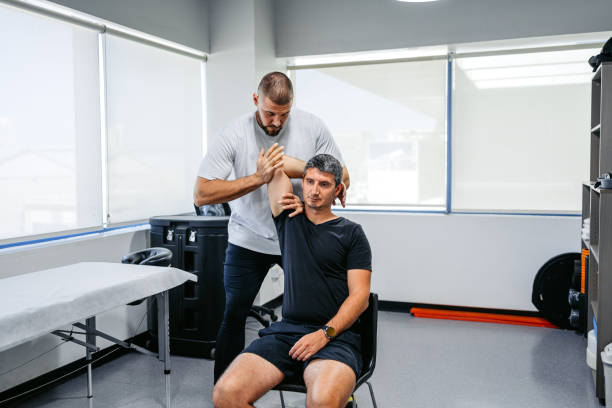
A Sports Physiotherapist is a healthcare professional who specializes in the prevention, assessment, treatment, and rehabilitation of injuries related to sports and physical activity. They work in settings such as sports teams, clinics, hospitals, or private practice, collaborating with athletes, coaches, and medical teams. Sports Physiotherapists play a crucial role in optimizing athletic performance, ensuring injury recovery, and promoting long-term physical health in a field driven by biomechanics, evidence-based practice, and athlete-centered care.
Share :
โœจ Radial Mind Map - Sports Physiotherapy
Nodes arranged in concentric circles

Loading radial mind map...

Overview

A Sports Physiotherapist is a healthcare professional who specializes in the prevention, assessment, treatment, and rehabilitation of injuries related to sports and physical activity. They work in settings such as sports teams, clinics, hospitals, or private practice, collaborating with athletes, coaches, and medical teams. Sports Physiotherapists play a crucial role in optimizing athletic performance, ensuring injury recovery, and promoting long-term physical health in a field driven by biomechanics, evidence-based practice, and athlete-centered care.

Sports Physiotherapists are dedicated and skilled professionals who operate in dynamic environments like training facilities, sidelines at sports events, or clinical settings, using tools such as therapeutic equipment, diagnostic technology, and rehabilitation protocols. Their role involves assessing injuries, designing recovery programs, and providing hands-on treatment, often facing challenges like time-sensitive recovery goals or complex injury cases. They combine expertise in musculoskeletal health, exercise science, and sports-specific demands to support athletes at all levels. As key contributors to the sports and healthcare industries, they help shape the future of injury prevention, performance enhancement, and athlete well-being in a sector increasingly driven by technology, personalized care, and global sports demands.

Roles and Responsibilities

๐Ÿ’ผ
Sports Physiotherapy
Roles and Responsibilities
Injury Assessment and Diagnosis
Evaluate athletesโ€™ injuries through physical examinations, movement analysis, and diagnostic tools.
Identify the root causes of pain or dysfunction to develop targeted treatment plans.
Treatment and Rehabilitation
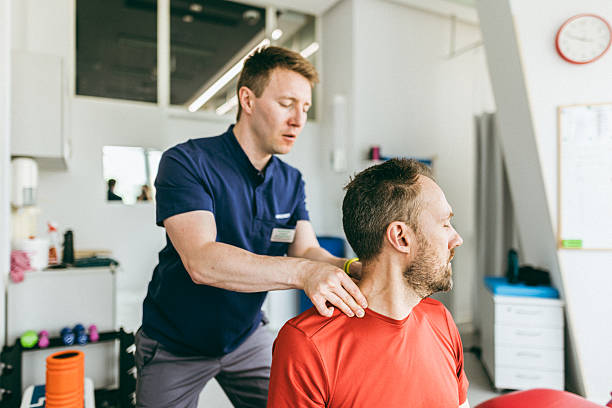
Administer manual therapy, electrotherapy, or other modalities to alleviate pain and promote healing.
Design and oversee rehabilitation programs to restore strength, mobility, and function.
Injury Prevention Strategies
Develop conditioning programs to minimize the risk of injuries in athletes.
Educate athletes and coaches on proper techniques, warm-ups, and injury prevention protocols.
Performance Optimization
Collaborate with coaches to enhance athletesโ€™ physical capabilities through tailored exercise plans.
Use biomechanical analysis to improve movement efficiency and reduce strain.
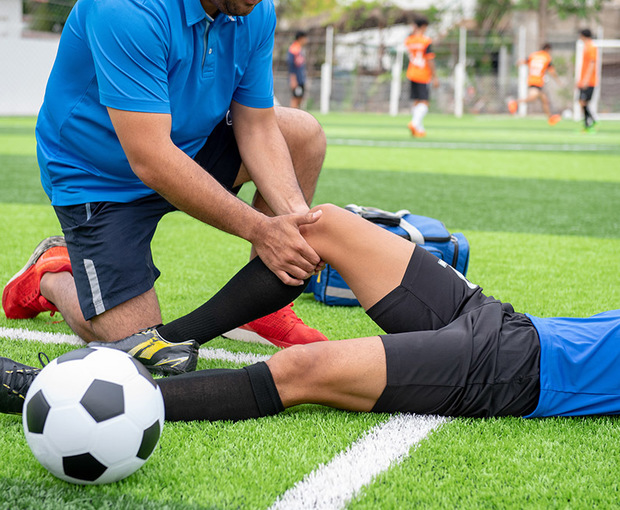
On-Field Emergency Care
Provide immediate care for acute injuries during sports events, including first aid and stabilization.
Assess whether an athlete can continue playing or requires further medical attention.
Post-Injury Recovery Monitoring
Track athletesโ€™ progress during rehabilitation and adjust treatment plans as needed.
Ensure safe return-to-play by conducting fitness and functional tests.
Collaboration with Multidisciplinary Teams
Work with doctors, nutritionists, and sports psychologists to provide holistic athlete care.
Communicate recovery timelines and restrictions to coaches and team management.
Education and Research
Stay updated on the latest sports medicine research to apply evidence-based practices.
Conduct workshops or training sessions for athletes and staff on injury management.

Roles and Responsibilities

  • Injury Assessment and Diagnosis
    • Evaluate athletesโ€™ injuries through physical examinations, movement analysis, and diagnostic tools.
    • Identify the root causes of pain or dysfunction to develop targeted treatment plans.
  • Treatment and Rehabilitation
    • Administer manual therapy, electrotherapy, or other modalities to alleviate pain and promote healing.
    • Design and oversee rehabilitation programs to restore strength, mobility, and function.
  • Injury Prevention Strategies
    • Develop conditioning programs to minimize the risk of injuries in athletes.
    • Educate athletes and coaches on proper techniques, warm-ups, and injury prevention protocols.
  • Performance Optimization
    • Collaborate with coaches to enhance athletesโ€™ physical capabilities through tailored exercise plans.
    • Use biomechanical analysis to improve movement efficiency and reduce strain.
  • On-Field Emergency Care
    • Provide immediate care for acute injuries during sports events, including first aid and stabilization.
    • Assess whether an athlete can continue playing or requires further medical attention.
  • Post-Injury Recovery Monitoring
    • Track athletesโ€™ progress during rehabilitation and adjust treatment plans as needed.
    • Ensure safe return-to-play by conducting fitness and functional tests.
  • Collaboration with Multidisciplinary Teams
    • Work with doctors, nutritionists, and sports psychologists to provide holistic athlete care.
    • Communicate recovery timelines and restrictions to coaches and team management.
  • Education and Research
    • Stay updated on the latest sports medicine research to apply evidence-based practices.
    • Conduct workshops or training sessions for athletes and staff on injury management.

ย 

Study Route & Eligibility Criteria

Study Route & Eligibility Criteria
Sports Physiotherapy
Route 1
๐ŸŽ“
1
10+2 in Science stream
๐Ÿ›๏ธ
2
Bachelorโ€™s degree in Physiotherapy
๐Ÿ’ผ
3
Internship or assistant role in sports clinics or teams
๐Ÿ’ผ
4
Practice as Junior Sports Physiotherapist
Route 2
๐ŸŽ“
1
10+2 in Science stream
๐Ÿ›๏ธ
2
Bachelorโ€™s degree in Physiotherapy
๐Ÿ›๏ธ
3
Masterโ€™s degree in Sports Physiotherapy or Sports Medicine
2 years
๐Ÿ’ผ
4
Gain practical experience with sports teams or clinics
๐Ÿ’ผ
5
Work as Sports Physiotherapist or Specialist
Route 3
๐ŸŽ“
1
10+2 in Science stream
๐ŸŽ“
2
Diploma in Physiotherapy
2-3 years
๐Ÿ“š
3
Certificate in Sports Rehabilitation or Sports Therapy
๐Ÿ’ผ
4
Internship in sports injury clinics
๐Ÿ’ผ
5
Practice as Sports Physiotherapy Assistant
Route 4
๐ŸŽ“
1
10+2 in Science stream
๐Ÿ›๏ธ
2
Bachelorโ€™s degree in Physiotherapy
๐Ÿ›๏ธ
3
Masterโ€™s degree in Sports Physiotherapy
2 years
๐Ÿ’ผ
4
Ph.D. in Sports Rehabilitation or related field
3-5 years
๐Ÿ’ผ
5
Practice as Senior Sports Physiotherapist or Research Lead
๐ŸŽฏ Sports Physiotherapy - Professional

Significant Observations (Academic Related Points)

๐Ÿ’ก
Sports Physiotherapy
Academic Related Points
1
Scientific Foundation:
Strong understanding of anatomy, physiology, and biomechanics is essential for sports therapy.
2
Practical Skills:
Training in manual therapy and rehabilitation techniques develops core competencies.
3
Specialized Training:
Certifications in sports rehabilitation or taping are critical for niche roles.
4
Technology Proficiency:
Familiarity with diagnostic tools and wearable tech is vital for modern practice.
5
Interdisciplinary Knowledge:
Understanding sports psychology and nutrition enhances athlete outcomes.
6
Certification Importance:
Recognized credentials from bodies like CSP or IAP boost professional credibility.
7
Continuing Education:
Regular updates on sports injury research and techniques are necessary to stay relevant.
8
Global Standards:
Familiarity with international sports medicine guidelines enhances opportunities for global roles.
9
Attention to Detail:
Precision in injury assessment and treatment planning is critical for athlete safety.
10
Entrance Examination Success:
Competitive exams are often required for admission to top physiotherapy programs.
11
International Testing Requirements:
Language proficiency tests like IELTS may be needed for global opportunities.

Internships & Practical Exposure

๐Ÿ’ผ
Sports Physiotherapy
Internships & Practical Experience
1
Mandatory internships during BPT or MPT programs at hospitals, sports clinics, or teams for real-world experience.
2
Rotations in orthopedic, sports injury, and rehabilitation departments for hands-on exposure to diverse cases.
3
Internships under experienced Sports Physiotherapists for training in athlete assessment and recovery planning.
4
Observerships at sports events or training camps for applied injury management insights.
5
Participation in mock rehabilitation sessions for skill development in therapeutic techniques.
6
Training in diagnostic technology through real-world projects like using ultrasound for injury assessment.
7
Exposure to on-field emergency care during internships for skills in acute injury response.
8
Volunteer roles in community sports programs or marathons to build a portfolio.
9
Community engagement projects for promoting physical health awareness in local areas.
10
International physiotherapy attachments for global exposure to advanced sports rehab practices.

Courses & Specializations to Enter the Field

๐Ÿ“š
Sports Physiotherapy
Courses & Specializations
๐Ÿ“–
Certificate in Sports Rehabilitation or Athletic Taping.
๐Ÿ“–
Diploma in Physiotherapy with a focus on Sports Injuries.
๐Ÿ“–
Bachelorโ€™s in Physiotherapy (BPT).
๐Ÿ“–
Masterโ€™s in Sports Physiotherapy, Sports Medicine, or Orthopedic Physiotherapy.
๐Ÿ“–
Specialization in Biomechanical Analysis, Sports Injury Prevention, or Post-Surgical Rehabilitation.
๐Ÿ“–
Workshops on Manual Therapy Techniques or Kinesiology Taping for Sports.
๐Ÿ“–
Training in Sports Emergency Care or Functional Movement Screening.
๐Ÿ“–
Specialization in Pediatric Sports Physiotherapy or Elite Athlete Rehabilitation.
๐Ÿ“–
Certification in Dry Needling or Hydrotherapy for Sports Injuries.
๐Ÿ“–
Short courses in Wearable Technology for Athlete Monitoring.

Prominent Employers

๐Ÿข
Sports Physiotherapy
๐ŸŒŸ Top Companies & Organizations
๐Ÿ‡ฎ๐Ÿ‡ณ India
๐Ÿ›๏ธ
Sports Authority of India (SAI), Multiple Locations
๐Ÿ›๏ธ
Board of Control for Cricket in India (BCCI), Mumbai
๐Ÿ›๏ธ
Indian Premier League (IPL) Teams, Multiple Locations
๐Ÿ›๏ธ
Pro Kabaddi League Teams, Multiple Locations
๐Ÿ›๏ธ
Khelo India Initiative, Multiple Locations
๐Ÿ›๏ธ
Fortis Healthcare, Multiple Locations
๐Ÿ›๏ธ
Apollo Hospitals, Multiple Locations
๐Ÿ›๏ธ
Max Healthcare, Multiple Locations
๐Ÿ›๏ธ
Manipal Hospitals, Multiple Locations
๐Ÿ›๏ธ
Narayana Health, Multiple Locations
๐ŸŒ International
๐ŸŒ
International Olympic Committee (IOC), Global
๐ŸŒ
FIFA Medical Network, Global
๐ŸŒ
NFL (National Football League), USA
๐ŸŒ
NBA (National Basketball Association), USA
๐ŸŒ
Premier League Clubs, UK
๐ŸŒ
Mayo Clinic Sports Medicine, USA
๐ŸŒ
Aspetar Orthopaedic and Sports Medicine Hospital, Qatar
๐ŸŒ
Andrews Sports Medicine & Orthopaedic Center, USA
๐ŸŒ
La Trobe Sport and Exercise Medicine Research Centre, Australia
๐ŸŒ
British Olympic Association, UK

Advice for Aspiring Sports Physiotherapys

๐Ÿ’ก
Sports Physiotherapy
๐ŸŒŸ Tips for Students & Parents
1
Build a strong foundation in anatomy and physiology to understand sports injury mechanisms.
2
Seek early exposure to clinical roles through internships to confirm interest in sports physiotherapy.
3
Prepare thoroughly for competitive exams like NEET or AIIMS Paramedical with structured study plans.
4
Pursue certifications in sports rehab or taping to gain expertise in key therapeutic areas.
5
Stay updated on industry trends by following journals like the British Journal of Sports Medicine.
6
Develop hands-on skills in injury assessment and rehab design through practical experience.
7
Engage in internships at sports clinics or with teams for real-world athlete care exposure.
8
Join professional associations like IFSPT or IAP for networking and resources.
9
Work on precision in diagnosis and treatment to ensure athlete trust and recovery results.
10
Explore international opportunities for exposure to global sports health standards and practices.
11
Volunteer in community sports events or marathons to understand diverse athlete needs.
12
Cultivate adaptability to handle varying injury types and evolving sports health innovations.
13
Attend continuing education programs to stay abreast of rehab tools and research.
14
Build a network with sports doctors and coaches for collaborative athlete care growth.
15
Develop resilience to manage the physical and emotional demands of athlete recovery support.
16
Balance scientific knowledge with empathy to adapt to evolving sports health landscapes.
๐ŸŽ“ Final Message
A career as a Sports Physiotherapist offers a profound opportunity to transform athletesโ€™ lives, driving progress through clinical expertise and personalized care, fostering resilience with every recovery. Sports Physiotherapists are the architects of athletic health, using their skills to empower athletes, address injury challenges, and promote well-being across diverse sports settings. This profession blends scientific precision with a passion for sports, providing pathways in teams, clinics, research, and beyond. For those passionate about health and athletics, driven by a desire to restore performance, and eager to embrace the evolving landscape of digital tools and holistic care, becoming a Sports Physiotherapist is a deeply rewarding journey. It empowers individuals to shape recovery outcomes, address critical health needs, and advance human progress through the transformative power of sports physiotherapy.
Knowledge & Skills You Will Learn
1
Rising Demand:Growing need for Sports Physiotherapists skilled in personalized and preventive care.
2
Skill Development Needs:Growing necessity for training in digital tools and advanced rehab tech.
3
Sustainability Focus:Increased efforts to promote eco-friendly practices in sports health facilities.
Sports Physiotherapist

Sports Physiotherapist

Early-career professionals who independently treat athletes, design rehab plans, and provide on-field support under guidance. They focus on...

0.0LPA
Senior Sports Physiotherapist

Senior Sports Physiotherapist

Mid-level professionals who lead complex injury cases, oversee rehabilitation, and ensure treatment efficacy for athletes. They implement advanced...

0.0LPA
Sports Physiotherapy Specialist

Sports Physiotherapy Specialist

Experienced professionals who focus on niche areas like biomechanical analysis or elite athlete rehab, providing advanced care or consultation....

0.0LPA

Interested in this career?

Take the next step and explore more about Sports Physiotherapy.