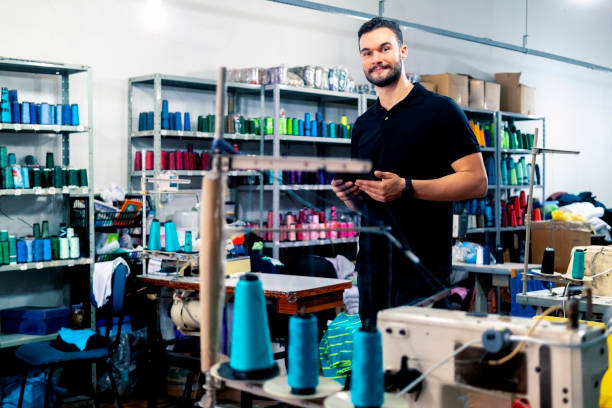
Sports Equipment Manager

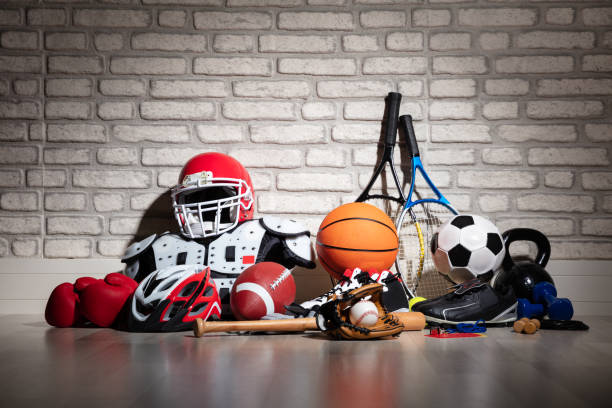
A Sports Equipment Manager is a professional responsible for overseeing the procurement, maintenance, inventory, and distribution of sports gear and equipment for athletes, teams, or organizations, often working in schools, clubs, professional teams, or sports facilities. They operate in diverse environments such as locker rooms, training facilities, stadiums, and administrative offices. Sports Equipment Managers apply expertise in equipment functionality, safety standards, and logistics to ensure athletes have access to high-quality, well-maintained gear. By combining technical knowledge with organizational and interpersonal skills, they play a crucial role in supporting athletic performance and safety in a world increasingly focused on competitive excellence and operational efficiency.
Share :
Career tree mind map (horizontal) — Sports Equipment Manager
Colored branches, hub circles, and underlined topics — same style as counselor course classic (types 18–19 in admin).
Loading mind map…

Sports Equipment Managers are specialists who focus on managing the lifecycle of sports gear by sourcing, maintaining, and distributing equipment, applying their knowledge to ensure optimal performance and safety for athletes. Their work involves inventory management, equipment repair, and collaboration with coaches and athletes to meet specific needs. They often operate in educational, recreational, or professional sports environments, balancing logistical expertise with attention to detail. Sports Equipment Managers are vital to fields like competitive sports, athlete safety, team operations, and facility management, serving as key contributors to seamless athletic programs through tailored solutions, advancing equipment standards, and ensuring accessibility. They tackle critical operational challenges through systematic approaches and improve outcomes through evidence-based management in a landscape where athletic success and safety remain essential for organizational success.

  • Equipment Procurement and Selection
    • Source and purchase sports gear, ensuring compliance with safety standards and team requirements.
    • Research and recommend equipment based on athlete needs, sport specifications, and budget constraints.
  • Inventory Management
    • Maintain accurate records of equipment stock, tracking usage, availability, and replenishment needs.
    • Organize storage systems to ensure easy access and efficient distribution of gear.
  • Equipment Maintenance and Repair
    • Inspect equipment regularly for wear and tear, performing minor repairs or coordinating with specialists for major fixes.
    • Ensure cleanliness and hygiene of gear, such as uniforms and protective equipment, to meet health standards.
  • Distribution and Fitting
    • Distribute equipment to athletes and teams, ensuring proper sizing and fit for optimal performance.
    • Assist in customizing gear, such as adjusting protective pads or fitting specialized footwear.
  • Safety Compliance
    • Ensure all equipment meets regulatory and safety standards to minimize injury risks.
    • Stay updated on safety guidelines and educate athletes and staff on proper equipment use.
  • Collaboration with Coaches and Staff
    • Work with coaches to identify specific equipment needs for training and competitions.
    • Coordinate with facility managers to align equipment availability with event schedules.
  • Budget Management
    • Monitor expenditure on equipment purchases and repairs, adhering to allocated budgets.
    • Negotiate with vendors for cost-effective deals and bulk purchases.
  • Event Preparation
    • Prepare and transport equipment for games, tournaments, and training sessions, ensuring readiness.
    • Set up equipment on-site during events and address immediate needs or malfunctions.
  • Record Keeping and Reporting
    • Document equipment usage, maintenance schedules, and inventory turnover for accountability.
    • Provide reports to management on equipment status, needs, and budgetary requirements.
  • Professional Development and Advocacy
    • Stay informed about advancements in sports equipment technology and industry trends.
    • Advocate for athlete safety and operational efficiency through improved equipment practices.

RouteSteps
Route 11. 10+2 in any stream (preferably with Physical Education or Commerce).
2. Bachelor's degree in Sports Management or Physical Education (3 years).
3. Master's degree in Sports Administration or Management (2 years, optional).
4. PhD in Sports Management (3-5 years, optional).
5. Specialized certifications in equipment management or logistics (optional).
Route 21. 10+2 in any stream.
2. Diploma in Sports Management or Facility Management (1-2 years).
3. Bachelor's degree in Sports Management (lateral entry, 2-3 years, optional).
4. Certification in inventory or equipment management (6 months-1 year).
5. Practical experience through internships with sports teams or facilities.
Route 31. 10+2 in any stream.
2. Bachelor's degree in any field with a focus on sports participation (3 years).
3. Diploma or Certificate in Sports Equipment Management (1-2 years).
4. Practical training under experienced managers or at sports organizations.
5. Industry-specific certification for professional credibility.
Route 41. 10+2 in any stream.
2. Bachelor's degree from India in relevant field (3 years).
3. Master's or specialized certification in Sports Management abroad (2-3 years).
4. Training or licensure for international equipment management standards (1-2 years).
5. Specialized courses in advanced logistics or sports technology (if applicable).

  • Internships with sports clubs or teams assisting with equipment inventory and maintenance.
  • Placements with school or college athletic departments focusing on gear distribution and safety checks.
  • Observerships under experienced equipment managers in professional leagues or national teams.
  • Participation in sports facility management projects for hands-on learning.
  • Training in equipment repair and maintenance at sports gear workshops or with vendors.
  • Experience in organizing equipment logistics for sports events, camps, or tournaments.
  • Involvement in community sports initiatives to gain experience with diverse equipment needs.
  • Attendance at sports management conferences, workshops, and certification programs.
  • Exposure to inventory management software and digital tracking tools for modern practices.
  • Collaborative fieldwork in international sports equipment projects or exchange programs for global exposure.

  • Bachelor’s in Sports Management with a focus on Equipment Logistics.
  • Bachelor’s in Physical Education with electives in Facility Management.
  • Diploma in Sports Management or Equipment Handling.
  • Master’s in Sports Administration or Facility Management.
  • PhD in Sports Management or Operations.
  • Certification courses in Inventory Management and Safety Standards.
  • Training in Sports Logistics and Vendor Negotiation.
  • Specialized courses in Equipment Maintenance Techniques.
  • Master’s in Business Administration with Sports Focus.
  • Continuing Education courses in Digital Inventory Tools.

InstituteCourse/ProgramOfficial Link
National Institute of Sports (NIS), PatialaDiploma in Sports Managementhttps://www.nsnis.org/
Lakshmibai National Institute of Physical Education (LNIPE), GwaliorBachelor’s/Master’s in Sports Managementhttps://www.lnipe.edu.in/
Sports Authority of India (SAI), New DelhiSports Management Certification Programshttps://sportsauthorityofindia.nic.in/
University of Delhi, New DelhiBachelor’s in Physical Educationhttps://www.du.ac.in/
Banaras Hindu University (BHU), VaranasiMaster’s in Sports Managementhttps://www.bhu.ac.in/
Amity School of Physical Education & Sports Sciences, NoidaBachelor’s/Master’s in Sports Managementhttps://www.amity.edu/
Christ University, BangaloreBachelor’s in Sports Managementhttps://www.christuniversity.in/
University of Mumbai, MumbaiBachelor’s/Master’s in Sports Managementhttps://mu.ac.in/
Annamalai University, Tamil NaduDiploma/Master’s in Sports Managementhttps://annamalaiuniversity.ac.in/
IGNOU (Indira Gandhi National Open University), New DelhiCertificate/Diploma in Sports Managementhttps://www.ignou.ac.in/

InstitutionCourseCountryOfficial Link
University of Southern California (USC)BS in Sports BusinessUSAhttps://www.usc.edu/
Loughborough UniversityBSc/MSc in Sport ManagementUKhttps://www.lboro.ac.uk/
University of QueenslandBachelor of Sports StudiesAustraliahttps://www.uq.edu.au/
University of TorontoBachelor of Kinesiology (Management Track)Canadahttps://www.utoronto.ca/
Australian Institute of Sport (AIS)Sports Management ProgramsAustraliahttps://www.ais.gov.au/
University of FloridaBS in Sport ManagementUSAhttps://www.ufl.edu/
University of BirminghamBSc in Sport and Exercise ManagementUKhttps://www.birmingham.ac.uk/
University of British ColumbiaBachelor of Management (Sports Focus)Canadahttps://www.ubc.ca/
German Sport University CologneBA/MA in Sport ManagementGermanyhttps://www.dshs-koeln.de/en/
University of OtagoBachelor of Commerce (Sports Management)New Zealandhttps://www.otago.ac.nz/

India:

  • University-specific entrance exams for Bachelor's and Master's programs in Sports Management or Physical Education.
  • Sports Authority of India (SAI) selection tests for specialized management programs.
  • Common Entrance Test (CET) for Diploma and Degree programs in certain states or institutes.
  • UGC-NET for eligibility to pursue PhD or academic roles in sports management.
  • National-level management certification exams for professional credentials.

International:

  • Graduate Record Examination (GRE) for postgraduate programs in Sports Management in the USA and Canada.
  • International English Language Testing System (IELTS) with a minimum score of 6.5-7.0 for international programs.
  • Test of English as a Foreign Language (TOEFL) with a minimum score of 90-100 for programs in English-speaking countries.
  • University-specific entrance exams for international Master's or certification programs in related fields.
  • Australian Education Assessment Services for programs in Australia.
  • Specific licensure or certification exams for international sports management practice.

Undergraduate/Diploma Student → Equipment Assistant → Junior Equipment Manager → Established Equipment Manager → Senior Equipment Manager → Equipment Director/Facility Manager

  • Schools and colleges managing equipment for student-athletes.
  • Sports clubs and academies focusing on gear maintenance and inventory.
  • Professional sports teams providing logistical support for equipment needs.
  • National sports federations overseeing equipment for elite athletes and teams.
  • Private sports facilities managing gear for training and events.
  • Community sports programs ensuring equipment availability for youth engagement.
  • Corporate sports initiatives handling gear for wellness and team-building activities.
  • Sports equipment manufacturers collaborating on product testing and feedback.
  • Event management companies preparing equipment for tournaments and competitions.
  • Recreational centers managing gear for amateurs and hobbyists in sports activities.

IndiaInternational
Sports Authority of India (SAI), New DelhiInternational Olympic Committee (IOC), Global
Board of Control for Cricket in India (BCCI)FIFA, Switzerland
Indian Premier League (IPL), Pan-IndiaNational Basketball Association (NBA), USA
All India Football Federation (AIFF), New DelhiUnion of European Football Associations (UEFA), Switzerland
Athletics Federation of India (AFI), New DelhiInternational Tennis Federation (ITF), UK
Hockey India, New DelhiWorld Athletics, Monaco
Pro Kabaddi League, Pan-IndiaAustralian Institute of Sport (AIS), Australia
Badminton Association of India, New DelhiUnited States Olympic & Paralympic Committee (USOPC), USA
Wrestling Federation of India, New DelhiBritish Olympic Association, UK
Indian Olympic Association (IOA), New DelhiCanadian Sport Institute, Canada

ProsCons
Significant contribution to athlete safety and performance through well-managed equipment.Physically demanding role involving lifting heavy gear and long hours during events.
Intellectually stimulating work combining logistical planning, technical knowledge, and teamwork.Limited recognition compared to coaching or playing roles in sports organizations.
High demand across schools, clubs, and professional teams for skilled equipment managers.Irregular working hours, including evenings, weekends, and travel for competitions.
Opportunities for specialization in diverse areas like safety compliance, logistics, or repair.Pressure to ensure equipment readiness under tight deadlines, especially during major events.
Growing relevance due to increasing focus on sports safety and operational efficiency in society.Financial constraints in regions with limited sports funding or for non-elite management roles.

Career LevelIndia (₹ per annum)International (US$ per annum)
Trainee/Equipment Assistant1,20,000 - 2,50,000$18,000 - $25,000
Junior Equipment Manager2,50,000 - 4,00,000$25,000 - $35,000
Established Equipment Manager4,00,000 - 6,50,000$35,000 - $50,000
Senior Equipment Manager6,50,000 - 10,00,000$50,000 - $70,000
Equipment Director/Facility Manager10,00,000 - 18,00,000$70,000 - $100,000

  • Inventory Management Platforms: Tools like Sortly and Asset Panda for tracking equipment stock and usage.
  • Maintenance Scheduling Software: Applications like UpKeep for planning and monitoring equipment repairs.
  • Team Logistics Systems: Software like TeamSnap for coordinating equipment distribution with event schedules.
  • Procurement Platforms: Tools like SAP Ariba for managing vendor relationships and bulk purchases.
  • Digital Communication Tools: Platforms like Slack for collaborating with coaches, athletes, and support staff.
  • Safety Compliance Apps: Resources like SafetyCulture for conducting equipment safety inspections and audits.
  • Data Analysis Software: Applications like Excel for evaluating inventory trends and budgeting needs.
  • Event Management Tools: Platforms like Eventbrite for organizing equipment logistics during sports events.
  • Project Management Software: Tools like Trello for managing tasks related to equipment preparation and distribution.
  • Barcode Scanning Apps: Applications like Scan to Web for quick inventory updates and gear tracking.

  • Athletic Equipment Managers Association (AEMA), USA
  • International Sports Management Association (ISMA)
  • National Association of Sports and Physical Education (NASPE), India
  • Sports and Fitness Industry Association (SFIA), Global
  • European Sports Management Association (ESMA)
  • Australian Sports Commission (ASC), Australia
  • Indian Association of Sports Management (IASM)
  • Sports Equipment and Technology Association (SETA), Global
  • North American Society for Sport Management (NASSM)
  • World Federation of the Sporting Goods Industry (WFSGI)

  • Mike Aldrich (Contemporary, USA): Known for managing equipment for the Dallas Cowboys (NFL), active since the 1990s.
     
  • Patty Gasso (Contemporary, USA): Recognized for equipment oversight alongside coaching softball at the University of Oklahoma, active since the 1990s.
     
  • Robbie Ftorek (Historical/Contemporary, USA): Noted for equipment management roles in early hockey career before coaching, active since the 1970s.
     
  • Sanjay Sharma (Contemporary, India): Known for managing equipment logistics for Indian Premier League (IPL) teams, active since the 2000s.
     
  • Vijay Kumar (Contemporary, India): Recognized for equipment management with the Sports Authority of India (SAI), active since the 1990s.
     
  • Anil Gupta (Contemporary, India): Noted for overseeing gear for national hockey teams under Hockey India, active since the 2000s.
     
  • Rajesh Patel (Contemporary, India): Known for managing equipment for cricket academies and BCCI events, active since the 2010s.
     
  • Dave Andrews (Contemporary, Canada): Recognized for equipment management in the National Hockey League (NHL), active since the 1980s.
     
  • Emma Hayes (Contemporary, UK): Noted for equipment coordination alongside coaching in women’s football, active since the 2000s.
     
  • Chris Burke (Contemporary, Australia): Known for managing equipment for Australian rugby teams, active since the 2000s.
     

  • Build a strong foundation in sports management or physical education during undergraduate studies to prepare for equipment roles.
  • Seek early exposure through assistant positions, internships, or volunteer work with sports teams or facilities to gain practical experience.
  • Develop skills in inventory management, equipment repair, and safety compliance during academic programs for a competitive edge.
  • Engage in sport-specific learning by focusing on gear requirements for particular sports to build expertise and credibility.
  • Pursue mentorship opportunities under experienced managers to learn practical logistics and build professional networks.
  • Stay updated with advancements in equipment technology, safety standards, and inventory software.
  • Obtain certifications in inventory management, safety protocols, or logistics to enhance operational capabilities.
  • Publish articles or share insights on equipment trends through blogs or journals to establish thought leadership.
  • Consider international exposure through sports management clinics, exchange programs, or certifications abroad to broaden perspectives.
  • Balance technical expertise with organizational and communication skills to connect with athletes and ensure operational success.


A career as a Sports Equipment Manager offers a unique opportunity to impact individual lives and organizational progress by ensuring athletes have access to safe, high-quality gear. From managing inventories in schools to overseeing equipment for professional teams and strategizing logistical efficiency, Sports Equipment Managers play a pivotal role in fostering athletic performance and safety for diverse populations. This field combines technical knowledge, practical management techniques, and operational leadership, offering diverse paths in educational institutions, clubs, professional teams, and sports facilities. For those passionate about sports, logistics, and supporting competitive excellence, a career as a Sports Equipment Manager provides a deeply rewarding journey with significant potential for making meaningful contributions to society in an era where athletic performance and operational efficiency continue to shape sports strategies, technological innovations, and global responses across all sectors.
Knowledge & Skills You Will Learn
1
Safety Standard Evolution:Stricter regulations and innovations in protective equipment driving the need for specialized knowledge.
2
E-Commerce Procurement:Greater reliance on online platforms for purchasing equipment, necessitating skills in digital vendor management.
3
Specialization in Equipment Types:Increasing demand for managers with expertise in specific sports gear or advanced repair techniques.
Established Equipment Manager

Established Equipment Manager

Mid-career professionals maintain active roles in sports organizations, often developing subspecialty interests within management such as safety...

0.0LPA
Senior Equipment Manager

Senior Equipment Manager

Experienced professionals often take leadership roles, overseeing equipment operations for large teams or facilities while mentoring assistants...

0.0LPA
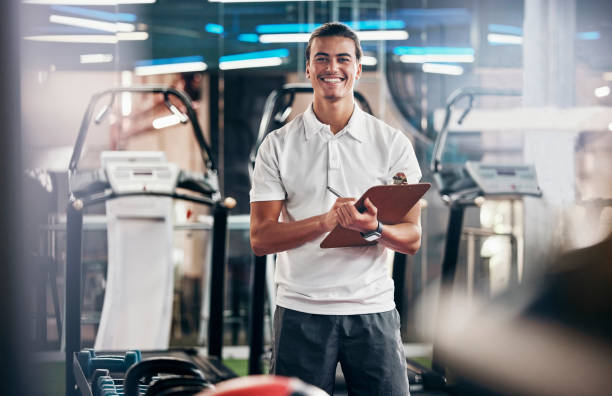
Equipment Director/Facility Manager

Equipment Director/Facility Manager

Top-level professionals may direct equipment programs or oversee entire sports facilities, combining expertise with strategic leadership and...

0.0LPA

Interested in this career?

Take the next step and explore more about Sports Equipment Manager.