
Accomodation manager
Hotel Accommodation Manager
Explore Career
Apparel Production Management is a pivotal field that combines operational expertise, technical knowledge, and leadership to oversee the manufacturing of clothing and accessories, ensuring efficiency, quality, and timely delivery. In India, apparel production is a cornerstone of the thriving textile and fashion industry, supported by the country’s vast manufacturing hubs, rich craftsmanship heritage, and growing global export demand. With advancements in automation, supply chain logistics, and sustainable production practices, this career plays a crucial role in modernizing garment creation and distribution. Apparel Production Managers are instrumental in merging technical precision with managerial skills, optimizing workflows, and addressing market needs. This profession contributes to industry progress through trends like lean manufacturing, eco-friendly production, and digital process tracking.
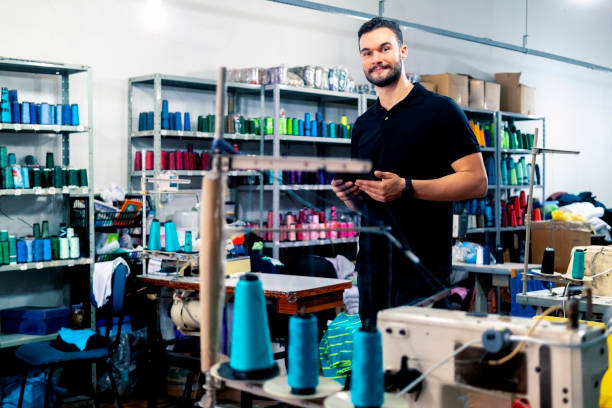
Apparel Production Managers operate in varied environments such as garment factories, export houses, fashion brands, retail supply chains, or as independent consultants, frequently working alongside designers, suppliers, and quality control teams. Their responsibilities encompass planning production schedules, managing resources, supervising manufacturing processes, and ensuring adherence to quality and delivery standards. They tackle challenges like production bottlenecks, fluctuating raw material costs, and stringent timelines in India’s highly competitive apparel sector. By applying proficiency in manufacturing techniques, supply chain coordination, and workforce management, they deliver high-quality garments that meet both aesthetic and functional demands. As vital contributors to India’s apparel and textile industry, they propel advancements through trends like automated production lines, sustainable material sourcing, and just-in-time manufacturing.
| Route | Steps |
| Route 1: Bachelor’s in Fashion Technology - Direct Entry | 1. Complete 10+2 in any stream (Science preferred) with minimum 50% marks. 2. Pursue B.Tech/B.FTech/B.Des in Fashion Technology or Apparel Production (3-4 years). 3. Join apparel firms or manufacturing units after gaining initial experience. 4. Progress to Apparel Production Manager through technical and leadership roles. |
| Route 2: Diploma to Degree Pathway | 1. Complete 10+2 and enroll in a 1-3 year Diploma in Apparel Production or Textile Technology. 2. Gain lateral entry into degree programs (if eligible) or start working in production roles. 3. Build skills through hands-on projects or certifications. 4. Join firms or pursue advanced studies for career advancement. |
| Route 3: Master’s Specialization (M.Tech/MBA) | 1. Complete Bachelor’s in Fashion Technology, Textile Engineering, or related field. 2. Pursue M.Tech in Apparel Production or MBA in Fashion Management via entrance exams like GATE/CAT. 3. Gain advanced skills through postgraduate projects or industry exposure. 4. Join senior roles in apparel production or start own ventures. |
| Route 4: International Education Path | 1. Complete 10+2 and clear relevant entrance exams or language tests (e.g., IELTS, TOEFL). 2. Pursue fashion technology or apparel production degree from international universities (e.g., USA, UK). 3. Gain global exposure through international internships or projects. 4. Return to India or work internationally with apparel brands. |
| Route 5: Short-Term Courses and Practical Entry | 1. Complete 10+2 or basic education in any stream. 2. Enroll in short-term certificate courses (3-6 months) in Apparel Production or Garment Manufacturing. 3. Work as assistants in production units for hands-on learning. 4. Build experience and network to establish roles in firms or freelance work. |
| Institute | Course/Program | Official Link |
| National Institute of Fashion Technology (NIFT), Delhi | B.FTech/M.FTech in Apparel Production | https://www.nift.ac.in/ |
| National Institute of Fashion Technology (NIFT), Mumbai | B.FTech/M.FTech in Apparel Production | https://www.nift.ac.in/mumbai/ |
| National Institute of Fashion Technology (NIFT), Bangalore | B.FTech/M.FTech in Apparel Production | https://www.nift.ac.in/bengaluru/ |
| Pearl Academy, Delhi | B.Des in Fashion & Apparel Production | https://pearlacademy.com/ |
| Amity School of Fashion Technology, Noida | B.FTech in Apparel Production | https://www.amity.edu/ |
| Anna University, Chennai | B.E. in Apparel Technology | https://www.annauniv.edu/ |
| Sardar Vallabhbhai Patel Institute of Textile Management, Coimbatore | MBA in Apparel Management | https://svpitm.ac.in/ |
| PSG College of Technology, Coimbatore | B.E. in Fashion Technology | https://www.psgtech.edu/ |
| DKTE Society’s Textile & Engineering Institute, Ichalkaranji | B.Tech in Fashion Technology | https://www.dktes.com/ |
| Symbiosis Institute of Design, Pune | B.Des in Fashion Technology | https://www.sid.edu.in/ |
| Institution | Course | Country | Official Link |
| Fashion Institute of Technology (FIT), New York | BS in Production Management: Fashion & Related Industries | USA | https://www.fitnyc.edu/ |
| London College of Fashion (LCF), London | BA/MA in Fashion Design Technology (Production Focus) | UK | https://www.arts.ac.uk/colleges/london-college-of-fashion |
| Parsons School of Design, New York | BBA in Strategic Design and Management (Production Focus) | USA | https://www.newschool.edu/parsons/ |
| Politecnico di Milano, Milan | MS in Fashion System Design (Production Track) | Italy | https://www.polimi.it/ |
| Royal Melbourne Institute of Technology (RMIT), Melbourne | Bachelor of Fashion (Technology) | Australia | https://www.rmit.edu.au/ |
| University of the Arts London (UAL), London | BA in Fashion Design Technology (Menswear/Womenswear) | UK | https://www.arts.ac.uk/ |
| Savannah College of Art and Design (SCAD), Savannah | BFA/MA in Fashion (Production Focus) | USA | https://www.scad.edu/ |
| Hong Kong Polytechnic University, Hong Kong | BA/MA in Fashion & Textile Technology (Production) | Hong Kong | https://www.polyu.edu.hk/ |
| Drexel University, Philadelphia | BS in Fashion Design (Production & Management) | USA | https://www.drexel.edu/ |
| Manchester Metropolitan University, Manchester | BA in Fashion Business & Technology | UK | https://www.mmu.ac.uk/ |
India:
International (for Relevant Studies or Exposure):
Production Assistant → Production Supervisor → Apparel Production Manager → Senior Production Manager → Factory Head → Director of Operations
| India (Firms/Brands) | International Collaborations |
| Shahi Exports Pvt. Ltd., Bangalore | Global Apparel Supply Chains (e.g., H&M, Zara) |
| Gokaldas Exports Limited, Bangalore | International Fast Fashion Networks (e.g., Gap Inc.) |
| Arvind Limited (Apparel Division), Ahmedabad | Sustainable Apparel Production, USA (e.g., Levi’s) |
| Aditya Birla Fashion and Retail Limited, Mumbai | Global Fashion Retail Partnerships (e.g., Forever 21) |
| Raymond Limited (Apparel Division), Mumbai | Luxury Apparel Manufacturing, Europe (e.g., LVMH) |
| Page Industries Limited (Jockey), Bangalore | International Sportswear Supply, USA (e.g., Jockey Global) |
| KPR Mill Limited, Coimbatore | Global Textile and Apparel Trade, Asia-Pacific |
| International (Firms/Brands) | Focus Area |
| H&M, Stockholm (Sweden) | Global Fast Fashion Production |
| Zara (Inditex), Arteixo (Spain) | International Apparel Manufacturing |
| Nike, Beaverton (USA) | Sportswear Production Management |
| Adidas, Herzogenaurach (Germany) | Global Athleisure Production |
| Gap Inc., San Francisco (USA) | Casual Apparel Production |
| Uniqlo (Fast Retailing), Tokyo (Japan) | Functional Apparel Manufacturing |
| Primark, Dublin (Ireland) | Affordable Fashion Production |
| Pros | Cons |
| High impact through managing apparel production for domestic and global markets | High pressure due to strict deadlines and production targets in fast-paced environments |
| Opportunity to streamline operations with cutting-edge automation and lean practices | High physical and mental strain from long factory hours and operational challenges |
| Leadership role in driving efficiency and quality in garment manufacturing | Challenges in managing labor issues, supply chain disruptions, and cost fluctuations |
| Growing demand in India’s expansive apparel and textile export industry | Need for constant adaptation to new technologies and sustainability requirements |
| Potential for global exposure by working with international brands and supply chains | Limited immediate visibility of impact as production results take time to reflect in markets |
| Career Level (Private Sector Example) | India (₹ per annum) | International (USD per annum, Tentative) |
| Production Assistant (Entry) | 2,00,000 - 3,50,000 | 18,000 - 25,000 |
| Production Supervisor (Early-Mid) | 3,50,000 - 5,50,000 | 25,000 - 35,000 |
| Apparel Production Manager (Mid-Level) | 5,50,000 - 8,50,000 | 35,000 - 50,000 |
| Senior Production Manager (Senior) | 8,50,000 - 12,50,000 | 50,000 - 70,000 |
| Factory Head (Top Tier) | 12,50,000 - 17,00,000 | 70,000 - 90,000 |
| Director of Operations and Above | 17,00,000 - 25,00,000+ | 90,000 - 130,000+ |
Note: Salaries are indicative and vary based on location (metro vs. non-metro for India; country/region for international roles), firm size, and production scale. Figures for India are updated estimates based on industry trends as of 2025, reflecting inflation and market variations. International figures are approximate averages based on global apparel production trends in countries like the USA, UK, or Bangladesh, sourced from industry reports and job portals.
A career in Apparel Production Management offers a unique opportunity to shape the future of fashion by mastering operational excellence and innovation, fostering progress through efficient manufacturing solutions, and empowering industries with every garment produced. Apparel Production Managers are the backbone of India’s textile and retail landscape, using their expertise and dedication to ensure seamless production across diverse contexts. This profession blends technical precision with leadership prowess, providing pathways in garment manufacturing, quality assurance, supply chain optimization, and sustainable production practices. For those passionate about transforming apparel through operational mastery, driven by a desire to innovate through efficiency, and eager to embrace the evolving landscape of production challenges, a career as an Apparel Production Manager is a deeply rewarding journey. It empowers individuals to address functional and commercial needs, enhance manufacturing outcomes, and advance societal progress through the transformative power of well-crafted apparel.

Entry-level individuals who assist in basic production tasks like scheduling, material tracking, and quality checks in garment units. They support...
0.0LPA

Early-to-mid-level supervisors who manage specific production lines or shifts for companies like Shahi Exports, ensuring output targets are met....
0.0LPA
Mid-level managers who oversee entire production processes, from planning to delivery, for firms like Gokaldas Exports, managing teams and quality...
0.0LPA
Take the next step and explore more about Apparel Production Manager.
Explore similar career paths that might interest you