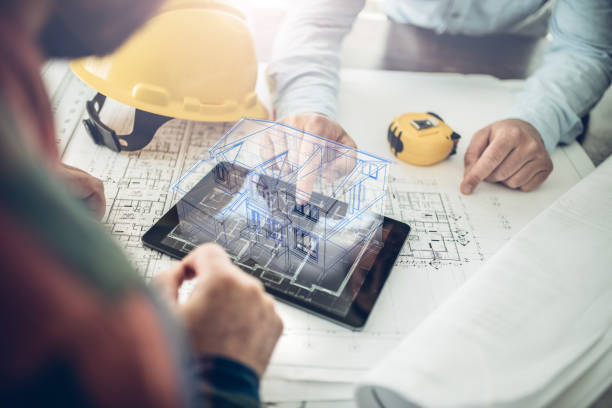
Spatial Designer

Summary

A Spatial Designer is a creative professional who specializes in designing and organizing spaces to optimize functionality, aesthetics, and user experience, often working on interiors, exhibitions, retail environments, and public spaces.

Share :
✨ Radial Mind Map - Spatial Designer
Nodes arranged in concentric circles

Loading radial mind map...

Overview

A Spatial Designer is a creative professional who specializes in designing and organizing spaces to optimize functionality, aesthetics, and user experience, often working on interiors, exhibitions, retail environments, and public spaces. They work for design firms, architectural practices, event companies, or as freelancers, collaborating with architects, clients, and contractors. Spatial Designers play a crucial role in shaping how people interact with environments by creating innovative and practical designs in a sector focused on user-centric design, sustainability, and experiential spaces.
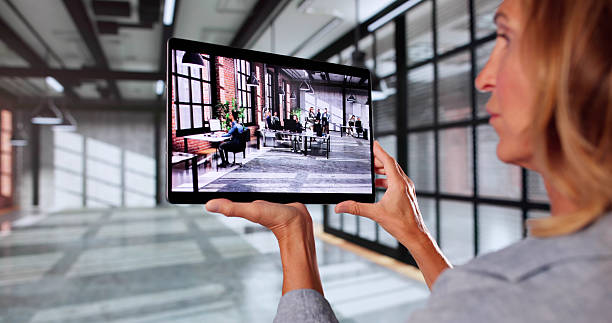
Spatial Designers are artistic and technical experts responsible for conceptualizing and executing designs for a variety of spaces, ensuring they meet both aesthetic and functional needs while enhancing the user’s interaction with the environment. Their role involves client consultations, site assessments, and the use of design software, often working in studios, offices, or on-site. They combine knowledge of architecture, interior design, and psychology to address challenges like space optimization, accessibility, and cultural relevance. As key contributors to experiential design, they help create memorable and efficient spaces in an industry increasingly focused on sustainability, technology integration, and adaptive environments.

Roles and Responsibilities

💼
Spatial Designer
Roles and Responsibilities
Space Planning and Conceptualization
Analyze spatial requirements and develop design concepts based on client needs and site constraints
Create layouts that maximize functionality, flow, and aesthetic appeal for diverse environments
Design Development and Visualization
Produce detailed drawings, 3D models, and renderings to communicate design ideas to clients
Use software to simulate spatial experiences and refine designs before implementation
Material and Finish Selection
Choose appropriate materials, colors, textures, and furnishings to align with design vision and budget
Ensure selections meet durability, sustainability, and aesthetic goals for the space
User Experience and Accessibility
Design spaces that prioritize user comfort, safety, and accessibility for diverse populations
Incorporate ergonomic principles and behavioral psychology to enhance interaction with environments
Collaboration with Stakeholders
Work closely with clients, architects, and contractors to align designs with project goals
Coordinate with vendors and suppliers to source materials and ensure timely delivery
Project Management and Execution
Oversee the implementation of designs, ensuring adherence to timelines and budgets
Address on-site challenges and adapt designs as needed during construction or installation
Sustainability and Innovation
Integrate eco-friendly materials and energy-efficient solutions into spatial designs
Explore innovative technologies like VR or smart systems to enhance spatial functionality
Cultural and Contextual Sensitivity
Incorporate cultural, historical, or thematic elements relevant to the space’s purpose or location
Design spaces that resonate with the intended audience or community
Design Foundation
: Strong knowledge of design principles, spatial theory, and aesthetics is essential for effective solutions.
Practical Skills
: Hands-on training in drafting, modeling, and material selection develops core competencies in spatial design.
Specialized Training
: Certifications in sustainable design or digital tools offer niche expertise.
Technology Proficiency
: Mastery of CAD, 3D modeling, and rendering software is vital for design visualization.
Interdisciplinary Knowledge
: Understanding psychology, architecture, and cultural studies improves design outcomes.
Certification Importance
: Some roles may require certifications from design or architectural bodies for credibility.
Continuing Education
: Regular workshops are necessary to stay updated on design trends and technologies.
Global Standards
: Familiarity with international design codes and accessibility standards enhances opportunities for global projects.
Attention to Detail
: Precision in measurements and material choices is critical for functional and aesthetic designs.
Entrance Examination Success
: Certain programs may require entrance tests for admission.
International Testing Requirements
: For global practice, certifications or qualifications from recognized design bodies may be needed.
UCEED (Undergraduate Common Entrance Examination for Design)
: For admission to B.Des programs at IITs and other institutes.
NATA (National Aptitude Test in Architecture)
: For admission to architecture-related programs with spatial design components.
CEED (Common Entrance Examination for Design)
: For admission to postgraduate design programs.
TOEFL (Test of English as a Foreign Language)
: Minimum score of 80-100 required for non-native speakers applying to programs in English-speaking countries.
IELTS (International English Language Testing System)
: Minimum score of 6.0-7.0 required for admission to universities in the UK, Australia, and other English-speaking regions.
PTE Academic (Pearson Test of English Academic)
: Accepted by many international institutes as an alternative to TOEFL or IELTS for English proficiency.
Experiential Design
: Growing emphasis on creating immersive and interactive spaces for users.
Rising Demand
: Increasing need for spatial designers due to urbanization and commercial growth.
Digital Transformation
: Adoption of VR, AR, and 3D modeling for design visualization and client approvals.
Sustainability Focus
: Expansion of eco-friendly materials and energy-efficient spatial solutions.
Retail Evolution
: Emergence of innovative store designs to enhance customer engagement.
Global Collaboration
: Enhanced focus on international partnerships for cross-cultural design projects.
Smart Spaces
: Integration of IoT and smart technologies into spatial environments.
Interdisciplinary Design
: Combining spatial design with fields like psychology and technology.
Skill Development Needs
: Growing necessity for training in digital tools and sustainable practices.
Public Space Innovation
: Increased efforts to design inclusive and adaptive urban environments.
Kelly Hoppen (Contemporary, UK)
: Renowned interior and spatial designer known for neutral palettes and luxurious spaces. Her work defines elegance. Her impact shapes modern interiors.
Philippe Starck (Contemporary, France)
: Innovative designer creating iconic spatial experiences in hotels and public spaces. His vision pushes boundaries. His influence drives creativity.
Patricia Urquiola (Contemporary, Spain/Italy)
: Designer known for playful and functional spatial designs in commercial and residential projects. Her concepts inspire comfort. Her contributions redefine spaces.
Tom Dixon (Contemporary, UK)
: Designer and creative director whose spatial work blends industrial design with experiential aesthetics. His designs innovate environments. His impact transforms retail.
Zaha Hadid (Historical, Iraq/UK)
: Architect whose spatial designs, like the Heydar Aliyev Center, revolutionized fluid forms. Her vision reshaped spaces. Her legacy inspires globally.
Brinda Somaya (Contemporary, India)
: Architect and designer known for creating culturally sensitive spatial designs in institutional and commercial projects. Her work blends tradition. Her influence promotes thoughtful design.
Sunita Kohli (Contemporary, India)
: Pioneering interior designer celebrated for luxurious and heritage-inspired spatial designs in India. Her projects revive history. Her impact shapes elite interiors.
Ilse Crawford (Contemporary, UK)
: Designer focusing on human-centric spatial design for emotional well-being. Her philosophy prioritizes users. Her impact enhances experiences.
Marcel Wanders (Contemporary, Netherlands)
: Designer known for whimsical and bold spatial interiors like the Mondrian Doha. His creativity captivates audiences. His work redefines luxury.
Gauri Khan (Contemporary, India)
: Designer and entrepreneur creating high-profile residential and commercial spaces with modern aesthetics. Her style defines glamour. Her contributions elevate Indian design.

Roles and Responsibilities

  • Space Planning and Conceptualization
    • Analyze spatial requirements and develop design concepts based on client needs and site constraints
    • Create layouts that maximize functionality, flow, and aesthetic appeal for diverse environments
  • Design Development and Visualization
    • Produce detailed drawings, 3D models, and renderings to communicate design ideas to clients
    • Use software to simulate spatial experiences and refine designs before implementation
  • Material and Finish Selection
    • Choose appropriate materials, colors, textures, and furnishings to align with design vision and budget
    • Ensure selections meet durability, sustainability, and aesthetic goals for the space
  • User Experience and Accessibility
    • Design spaces that prioritize user comfort, safety, and accessibility for diverse populations
    • Incorporate ergonomic principles and behavioral psychology to enhance interaction with environments
  • Collaboration with Stakeholders
    • Work closely with clients, architects, and contractors to align designs with project goals
    • Coordinate with vendors and suppliers to source materials and ensure timely delivery
  • Project Management and Execution
    • Oversee the implementation of designs, ensuring adherence to timelines and budgets
    • Address on-site challenges and adapt designs as needed during construction or installation
  • Sustainability and Innovation
    • Integrate eco-friendly materials and energy-efficient solutions into spatial designs
    • Explore innovative technologies like VR or smart systems to enhance spatial functionality
  • Cultural and Contextual Sensitivity
    • Incorporate cultural, historical, or thematic elements relevant to the space’s purpose or location
    • Design spaces that resonate with the intended audience or community


Study Route & Eligibility Criteria

RouteSteps
Route 11. 10+2 in any stream (preferably with Art or Design subjects)
2. Bachelor’s degree in Interior Design, Architecture, or Spatial Design (3-5 years)
3. Internship or field training (3-6 months)
4. Practice as Junior Spatial Designer
Route 21. 10+2 in any stream
2. Bachelor’s degree in Interior Design or Architecture (3-5 years)
3. Master’s degree in Spatial Design, Interior Architecture, or Exhibition Design (1-2 years)
4. Work as Spatial Designer
Route 31. 10+2 in any stream
2. Bachelor’s degree in Interior Design or related field (3-5 years)
3. Master’s degree in Spatial Design or related field (1-2 years)
4. Ph.D. in Design Studies or Environmental Design (3-5 years)
5. Practice as Senior Designer or Academic
Route 41. 10+2 in any stream
2. Advanced international training or certification in Spatial Design (1-2 years)
3. Master’s or further studies as per country requirements
4. Practice abroad or in India


Significant Observations (Academic Related Points)

  • Design Foundation: Strong knowledge of design principles, spatial theory, and aesthetics is essential for effective solutions.
  • Practical Skills: Hands-on training in drafting, modeling, and material selection develops core competencies in spatial design.
  • Specialized Training: Certifications in sustainable design or digital tools offer niche expertise.
  • Technology Proficiency: Mastery of CAD, 3D modeling, and rendering software is vital for design visualization.
  • Interdisciplinary Knowledge: Understanding psychology, architecture, and cultural studies improves design outcomes.
  • Certification Importance: Some roles may require certifications from design or architectural bodies for credibility.
  • Continuing Education: Regular workshops are necessary to stay updated on design trends and technologies.
  • Global Standards: Familiarity with international design codes and accessibility standards enhances opportunities for global projects.
  • Attention to Detail: Precision in measurements and material choices is critical for functional and aesthetic designs.
  • Entrance Examination Success: Certain programs may require entrance tests for admission.
  • International Testing Requirements: For global practice, certifications or qualifications from recognized design bodies may be needed.


Internships & Practical Exposure

  • Mandatory field training during degree programs in design firms or architectural practices
  • Rotations in interior or exhibition design projects for hands-on experience with spatial concepts
  • Internships under senior spatial designers for exposure to real-time client projects
  • Observerships in retail or event design companies for experience in temporary spaces
  • Participation in mock design challenges for practical skill development
  • Training in digital design tools through real-world 3D modeling or rendering tasks
  • Exposure to material sourcing and vendor coordination during internships
  • Field projects on public space or commercial design during training
  • Community engagement initiatives for designing culturally relevant spaces
  • International design attachments for global exposure to innovative spatial trends


Courses & Specializations to Enter the Field

  • Certificate in Spatial Design or Interior Design
  • Bachelor’s in Interior Design, Architecture, or Industrial Design
  • Master’s in Spatial Design, Interior Architecture, or Exhibition Design
  • Ph.D. in Design Studies, Environmental Design, or Spatial Analysis
  • Specialization in Retail and Exhibition Design
  • Certification in Building Information Modeling (BIM)
  • Workshops on Sustainable Spatial Design
  • Training in 3D Visualization and Virtual Reality (VR) for Design
  • Specialization in Public Space Design
  • Certification in Ergonomics and Accessibility Design


Top Institutes for Spatial Designer Education (India)

InstituteCourse/ProgramOfficial Link
National Institute of Design (NID), AhmedabadB.Des/M.Des in Interior Designhttps://www.nid.edu/
School of Planning and Architecture (SPA), New DelhiB.Arch/M.Arch in Interior Designhttps://www.spa.ac.in/
CEPT University, AhmedabadB.Des/M.Des in Interior Designhttps://www.cept.ac.in/
Sir JJ College of Architecture, MumbaiB.Arch/M.Arch in Interior Designhttps://www.sirjjarchitecture.org/
Pearl Academy, Delhi/MumbaiBA/MA in Interior and Spatial Designhttps://www.pearlacademy.com/
Indian Institute of Technology (IIT), BombayB.Des/M.Des in Industrial Designhttps://www.iitb.ac.in/
Srishti Manipal Institute of Art, Design and Technology, BangaloreB.Des/M.Des in Spatial Designhttps://www.srishti.ac.in/
MIT Institute of Design, PuneB.Des/M.Des in Interior Space Designhttps://www.mitid.edu.in/
Amity School of Design, NoidaB.Des/M.Des in Interior Designhttps://www.amity.edu/
Raffles Design International, MumbaiBA in Interior Designhttps://www.rafflesmumbai.com/


Top International Institutes

InstitutionCourseCountryOfficial Link
Royal College of Art (RCA)MA in Interior DesignUKhttps://www.rca.ac.uk/
Parsons School of Design, The New SchoolBFA/MFA in Interior DesignUSAhttps://www.newschool.edu/parsons/
Rhode Island School of Design (RISD)BFA/MFA in Interior ArchitectureUSAhttps://www.risd.edu/
Politecnico di MilanoMSc in Interior and Spatial DesignItalyhttps://www.polimi.it/
University of the Arts London (UAL)BA/MA in Interior and Spatial DesignUKhttps://www.arts.ac.uk/
Design Academy EindhovenBA/MA in Spatial DesignNetherlandshttps://www.designacademy.nl/
Aalto UniversityMA in Interior, Spatial and Furniture DesignFinlandhttps://www.aalto.fi/
RMIT UniversityBachelor/Master of Interior DesignAustraliahttps://www.rmit.edu.au/
National University of Singapore (NUS)BA in Industrial Design (Spatial Focus)Singaporehttps://www.nus.edu.sg/
University of TorontoMaster of Interior DesignCanadahttps://www.utoronto.ca/


Entrance Tests Required

India:

  • UCEED (Undergraduate Common Entrance Examination for Design): For admission to B.Des programs at IITs and other institutes.
  • NATA (National Aptitude Test in Architecture): For admission to architecture-related programs with spatial design components.
  • CEED (Common Entrance Examination for Design): For admission to postgraduate design programs.


International:

  • TOEFL (Test of English as a Foreign Language): Minimum score of 80-100 required for non-native speakers applying to programs in English-speaking countries.
  • IELTS (International English Language Testing System): Minimum score of 6.0-7.0 required for admission to universities in the UK, Australia, and other English-speaking regions.
  • PTE Academic (Pearson Test of English Academic): Accepted by many international institutes as an alternative to TOEFL or IELTS for English proficiency.


Ideal Progressing Career Path 

Junior Spatial Designer → Senior Spatial Designer → Design Lead → Creative Director → Design Consultant → Academician/Professor → Independent Design Entrepreneur


Major Areas of Employment

  • Interior design firms for residential and commercial space planning
  • Architectural practices for integrated spatial and building design
  • Retail design companies for store and showroom layouts
  • Exhibition and event companies for temporary and experiential spaces
  • Film and theater production for set and stage design
  • Hospitality industry for designing hotels, restaurants, and lounges
  • Public sector for urban and civic space design projects
  • Real estate developers for model home and sales office designs
  • Museums and cultural institutions for gallery and exhibition layouts
  • Freelance or independent studios for bespoke spatial design projects


Prominent Employers

IndiaInternational
Morphogenesis, New DelhiGensler, USA
HCP Design, Planning and Management Pvt. Ltd., AhmedabadPerkins+Will, USA
Space Matrix, MumbaiZaha Hadid Architects, UK
Design Plus Architects, New DelhiFoster + Partners, UK
Studio Lotus, New DelhiBjarke Ingels Group (BIG), Denmark
ZZ Architects, MumbaiHerzog & de Meuron, Switzerland
Talati and Partners, MumbaiOMA (Office for Metropolitan Architecture), Netherlands
Sanjay Puri Architects, MumbaiSnøhetta, Norway
Quirk Studio, MumbaiStudio Gang, USA
Edifice Consultants Pvt. Ltd., MumbaiDiller Scofidio + Renfro, USA


Pros and Cons of the Profession

ProsCons
Opportunity to create impactful and memorable spaces that influence user experiencesHigh pressure to meet client expectations and tight project deadlines
High demand for spatial designers due to growth in retail, hospitality, and urban sectorsRequires continuous learning to keep up with evolving design trends and technologies
Rewarding impact on society through designing functional and aesthetically pleasing environmentsProjects can be resource-intensive, often requiring coordination with multiple stakeholders
Diverse career paths across interior, exhibition, retail, and public space designRisk of creative burnout due to repetitive client demands or budget constraints
Strong potential for growth with increasing emphasis on experiential and sustainable designCompetitive field with fluctuating income, especially in freelance or early career stages


Industry Trends and Future Outlook

  • Experiential Design: Growing emphasis on creating immersive and interactive spaces for users.
  • Rising Demand: Increasing need for spatial designers due to urbanization and commercial growth.
  • Digital Transformation: Adoption of VR, AR, and 3D modeling for design visualization and client approvals.
  • Sustainability Focus: Expansion of eco-friendly materials and energy-efficient spatial solutions.
  • Retail Evolution: Emergence of innovative store designs to enhance customer engagement.
  • Global Collaboration: Enhanced focus on international partnerships for cross-cultural design projects.
  • Smart Spaces: Integration of IoT and smart technologies into spatial environments.
  • Interdisciplinary Design: Combining spatial design with fields like psychology and technology.
  • Skill Development Needs: Growing necessity for training in digital tools and sustainable practices.
  • Public Space Innovation: Increased efforts to design inclusive and adaptive urban environments.


Salary Expectations

Career LevelIndia (₹ per annum)International (USD per annum)
Trainee/Junior Spatial Designer (Early Career)2,50,000 - 5,00,00025,000 - 40,000
Senior Spatial Designer (Mid-Career)5,00,000 - 8,00,00040,000 - 60,000
Design Lead8,00,000 - 12,00,00060,000 - 80,000
Creative Director/Design Consultant12,00,000 - 18,00,00080,000 - 100,000
Academician/Professor/Independent Entrepreneur18,00,000+100,000+
Note: Salaries may vary based on location, employer, experience, and specialization.  


Key Software Tools

  • CAD Software (e.g., AutoCAD, Revit) for precise spatial planning and drafting
  • 3D Modeling Tools (e.g., SketchUp, Rhino) for creating detailed spatial visualizations
  • Rendering Software (e.g., Lumion, V-Ray) for realistic design presentations
  • Building Information Modeling (BIM) Tools (e.g., Autodesk BIM 360) for integrated project design
  • Virtual Reality (VR) Tools (e.g., Unreal Engine) for immersive design walkthroughs
  • Teleconferencing tools like Zoom for client presentations and remote collaboration
  • Graphic Design Software (e.g., Adobe Photoshop, Illustrator) for mood boards and concept art
  • Microsoft Office Suite for documentation and project reporting
  • Project Management Software (e.g., Trello, Asana) for coordinating design projects
  • Mobile Apps for real-time design inspiration and on-site measurements


Professional Organizations and Networks

  • Indian Institute of Interior Designers (IIID)
  • Council of Architecture (COA), India
  • Indian Design Council (IDC)
  • International Interior Design Association (IIDA)
  • American Society of Interior Designers (ASID)
  • British Institute of Interior Design (BIID)
  • Interior Designers of Canada (IDC)
  • European Council of Interior Architects (ECIA)
  • Society of British and International Interior Design (SBID)
  • Asia Pacific Interior Design Association (APIDA)


Notable Spatial Designers and Industry Leaders (Top 10)

  • Kelly Hoppen (Contemporary, UK): Renowned interior and spatial designer known for neutral palettes and luxurious spaces. Her work defines elegance. Her impact shapes modern interiors.
     
  • Philippe Starck (Contemporary, France): Innovative designer creating iconic spatial experiences in hotels and public spaces. His vision pushes boundaries. His influence drives creativity.
     
  • Patricia Urquiola (Contemporary, Spain/Italy): Designer known for playful and functional spatial designs in commercial and residential projects. Her concepts inspire comfort. Her contributions redefine spaces.
     
  • Tom Dixon (Contemporary, UK): Designer and creative director whose spatial work blends industrial design with experiential aesthetics. His designs innovate environments. His impact transforms retail.
     
  • Zaha Hadid (Historical, Iraq/UK): Architect whose spatial designs, like the Heydar Aliyev Center, revolutionized fluid forms. Her vision reshaped spaces. Her legacy inspires globally.
     
  • Brinda Somaya (Contemporary, India): Architect and designer known for creating culturally sensitive spatial designs in institutional and commercial projects. Her work blends tradition. Her influence promotes thoughtful design.
     
  • Sunita Kohli (Contemporary, India): Pioneering interior designer celebrated for luxurious and heritage-inspired spatial designs in India. Her projects revive history. Her impact shapes elite interiors.
     
  • Ilse Crawford (Contemporary, UK): Designer focusing on human-centric spatial design for emotional well-being. Her philosophy prioritizes users. Her impact enhances experiences.
     
  • Marcel Wanders (Contemporary, Netherlands): Designer known for whimsical and bold spatial interiors like the Mondrian Doha. His creativity captivates audiences. His work redefines luxury.
     
  • Gauri Khan (Contemporary, India): Designer and entrepreneur creating high-profile residential and commercial spaces with modern aesthetics. Her style defines glamour. Her contributions elevate Indian design.
     

Advice for Aspiring Spatial Designers

  • Build a strong foundation in design principles, spatial theory, and user psychology to create impactful environments.
  • Seek early exposure to design firms or studios through internships to confirm interest in the field.
  • Prepare thoroughly for entrance exams or certification requirements specific to your chosen program or region.
  • Pursue advanced certifications in digital tools or sustainable design to gain expertise.
  • Stay updated on design trends and technologies by attending industry expos and workshops.
  • Develop hands-on skills in 3D modeling, rendering, and material selection through practical training.
  • Engage in real-world design projects or competitions to build a strong portfolio.
  • Join professional associations like IIDA or IIID for networking and resources.
  • Work on creativity and problem-solving to ensure innovative and practical design outcomes.
  • Explore international design initiatives for exposure to diverse spatial challenges.
  • Volunteer in community or public space projects to understand practical societal needs.
  • Cultivate adaptability to handle creative and logistical constraints in design projects.
  • Attend continuing education programs to stay abreast of evolving design methods and technologies.
  • Build a network with architects, clients, and vendors for collaborative design efforts.
  • Develop resilience to manage the creative and client pressures of design projects.
  • Balance aesthetic innovation with functional needs to adapt to rapid advancements in spatial design dynamics.


A career as a Spatial Designer offers a unique opportunity to contribute to the way people experience environments by creating functional, aesthetic, and innovative spaces. From designing retail stores to crafting public spaces, Spatial Designers play a pivotal role in modern experiential design. This field combines creativity, technical expertise, and a commitment to user well-being, offering diverse paths in interiors, exhibitions, and urban design. For those passionate about shaping spatial interactions, adapting to global design challenges, and addressing critical user needs in an era of rapid technological and cultural change, a career as a Spatial Designer provides an intellectually stimulating and professionally rewarding journey with the potential to make significant contributions to society by enhancing the functionality and beauty of built environments and industry standards worldwide.


Study Route & Eligibility Criteria

Study Route & Eligibility Criteria
Spatial Designer
Route 1
🎓
1
10+2 in any stream
🏛️
2
Bachelor’s degree in Interior Design, Architecture, or Spatial Design
3-5 years
💼
3
Internship or field training
3-6 months
💼
4
Practice as Junior Spatial Designer
Route 2
🎓
1
10+2 in any stream
🏛️
2
Bachelor’s degree in Interior Design or Architecture
3-5 years
🏛️
3
Master’s degree in Spatial Design, Interior Architecture, or Exhibition Design
1-2 years
💼
4
Work as Spatial Designer
Route 3
🎓
1
10+2 in any stream
🏛️
2
Bachelor’s degree in Interior Design or related field
3-5 years
🏛️
3
Master’s degree in Spatial Design or related field
1-2 years
💼
4
Ph.D. in Design Studies or Environmental Design
3-5 years
💼
5
Practice as Senior Designer or Academic
Route 4
🎓
1
10+2 in any stream
🏛️
2
Advanced international training or certification in Spatial Design
1-2 years
🎓
3
Master’s or further studies as per country requirements
💼
4
Practice abroad or in India
🎯 Spatial Designer - Professional

Significant Observations (Academic Related Points)

💡
Spatial Designer
Academic Related Points
1
Design Foundation
Strong knowledge of design principles, spatial theory, and aesthetics is essential for effective solutions.
2
Practical Skills
Hands-on training in drafting, modeling, and material selection develops core competencies in spatial design.
3
Specialized Training
Certifications in sustainable design or digital tools offer niche expertise.
4
Technology Proficiency
Mastery of CAD, 3D modeling, and rendering software is vital for design visualization.
5
Interdisciplinary Knowledge
Understanding psychology, architecture, and cultural studies improves design outcomes.
6
Certification Importance
Some roles may require certifications from design or architectural bodies for credibility.
7
Continuing Education
Regular workshops are necessary to stay updated on design trends and technologies.
8
Global Standards
Familiarity with international design codes and accessibility standards enhances opportunities for global projects.
9
Attention to Detail
Precision in measurements and material choices is critical for functional and aesthetic designs.
10
Entrance Examination Success
Certain programs may require entrance tests for admission.
11
International Testing Requirements
For global practice, certifications or qualifications from recognized design bodies may be needed.
12
UCEED (Undergraduate Common Entrance Examination for Design)
For admission to B.Des programs at IITs and other institutes.
13
NATA (National Aptitude Test in Architecture)
For admission to architecture-related programs with spatial design components.
14
CEED (Common Entrance Examination for Design)
For admission to postgraduate design programs.
15
TOEFL (Test of English as a Foreign Language)
Minimum score of 80-100 required for non-native speakers applying to programs in English-speaking countries.
16
IELTS (International English Language Testing System)
Minimum score of 6.0-7.0 required for admission to universities in the UK, Australia, and other English-speaking regions.
17
PTE Academic (Pearson Test of English Academic)
Accepted by many international institutes as an alternative to TOEFL or IELTS for English proficiency.
18
Experiential Design
Growing emphasis on creating immersive and interactive spaces for users.
19
Rising Demand
Increasing need for spatial designers due to urbanization and commercial growth.
20
Digital Transformation
Adoption of VR, AR, and 3D modeling for design visualization and client approvals.
21
Sustainability Focus
Expansion of eco-friendly materials and energy-efficient spatial solutions.
22
Retail Evolution
Emergence of innovative store designs to enhance customer engagement.
23
Global Collaboration
Enhanced focus on international partnerships for cross-cultural design projects.
24
Smart Spaces
Integration of IoT and smart technologies into spatial environments.
25
Interdisciplinary Design
Combining spatial design with fields like psychology and technology.
26
Skill Development Needs
Growing necessity for training in digital tools and sustainable practices.
27
Public Space Innovation
Increased efforts to design inclusive and adaptive urban environments.
28
Kelly Hoppen (Contemporary, UK)
Renowned interior and spatial designer known for neutral palettes and luxurious spaces. Her work defines elegance. Her impact shapes modern interiors.
29
Philippe Starck (Contemporary, France)
Innovative designer creating iconic spatial experiences in hotels and public spaces. His vision pushes boundaries. His influence drives creativity.
30
Patricia Urquiola (Contemporary, Spain/Italy)
Designer known for playful and functional spatial designs in commercial and residential projects. Her concepts inspire comfort. Her contributions redefine spaces.
31
Tom Dixon (Contemporary, UK)
Designer and creative director whose spatial work blends industrial design with experiential aesthetics. His designs innovate environments. His impact transforms retail.
32
Zaha Hadid (Historical, Iraq/UK)
Architect whose spatial designs, like the Heydar Aliyev Center, revolutionized fluid forms. Her vision reshaped spaces. Her legacy inspires globally.
33
Brinda Somaya (Contemporary, India)
Architect and designer known for creating culturally sensitive spatial designs in institutional and commercial projects. Her work blends tradition. Her influence promotes thoughtful design.
34
Sunita Kohli (Contemporary, India)
Pioneering interior designer celebrated for luxurious and heritage-inspired spatial designs in India. Her projects revive history. Her impact shapes elite interiors.
35
Ilse Crawford (Contemporary, UK)
Designer focusing on human-centric spatial design for emotional well-being. Her philosophy prioritizes users. Her impact enhances experiences.
36
Marcel Wanders (Contemporary, Netherlands)
Designer known for whimsical and bold spatial interiors like the Mondrian Doha. His creativity captivates audiences. His work redefines luxury.
37
Gauri Khan (Contemporary, India)
Designer and entrepreneur creating high-profile residential and commercial spaces with modern aesthetics. Her style defines glamour. Her contributions elevate Indian design.

Internships & Practical Exposure

💼
Spatial Designer
Internships & Practical Experience
1
Mandatory field training during degree programs in design firms or architectural practices
2
Rotations in interior or exhibition design projects for hands-on experience with spatial concepts
3
Internships under senior spatial designers for exposure to real-time client projects
4
Observerships in retail or event design companies for experience in temporary spaces
5
Participation in mock design challenges for practical skill development
6
Training in digital design tools through real-world 3D modeling or rendering tasks
7
Exposure to material sourcing and vendor coordination during internships
8
Field projects on public space or commercial design during training
9
Community engagement initiatives for designing culturally relevant spaces
10
International design attachments for global exposure to innovative spatial trends
11
Certificate in Spatial Design or Interior Design
12
Bachelor’s in Interior Design, Architecture, or Industrial Design
13
Master’s in Spatial Design, Interior Architecture, or Exhibition Design
14
Ph.D. in Design Studies, Environmental Design, or Spatial Analysis
15
Specialization in Retail and Exhibition Design
16
Certification in Building Information Modeling (BIM)
17
Workshops on Sustainable Spatial Design
18
Training in 3D Visualization and Virtual Reality (VR) for Design
19
Specialization in Public Space Design
20
Certification in Ergonomics and Accessibility Design
21
UCEED (Undergraduate Common Entrance Examination for Design): For admission to B.Des programs at IITs and other institutes.
22
NATA (National Aptitude Test in Architecture): For admission to architecture-related programs with spatial design components.
23
CEED (Common Entrance Examination for Design): For admission to postgraduate design programs.
24
TOEFL (Test of English as a Foreign Language): Minimum score of 80-100 required for non-native speakers applying to programs in English-speaking countries.
25
IELTS (International English Language Testing System): Minimum score of 6.0-7.0 required for admission to universities in the UK, Australia, and other English-speaking regions.
26
PTE Academic (Pearson Test of English Academic): Accepted by many international institutes as an alternative to TOEFL or IELTS for English proficiency.
27
Interior design firms for residential and commercial space planning
28
Architectural practices for integrated spatial and building design
29
Retail design companies for store and showroom layouts
30
Exhibition and event companies for temporary and experiential spaces
31
Film and theater production for set and stage design
32
Hospitality industry for designing hotels, restaurants, and lounges
33
Public sector for urban and civic space design projects
34
Real estate developers for model home and sales office designs
35
Museums and cultural institutions for gallery and exhibition layouts
36
Freelance or independent studios for bespoke spatial design projects
37
Experiential Design: Growing emphasis on creating immersive and interactive spaces for users.
38
Rising Demand: Increasing need for spatial designers due to urbanization and commercial growth.
39
Digital Transformation: Adoption of VR, AR, and 3D modeling for design visualization and client approvals.
40
Sustainability Focus: Expansion of eco-friendly materials and energy-efficient spatial solutions.
41
Retail Evolution: Emergence of innovative store designs to enhance customer engagement.
42
Global Collaboration: Enhanced focus on international partnerships for cross-cultural design projects.
43
Smart Spaces: Integration of IoT and smart technologies into spatial environments.
44
Interdisciplinary Design: Combining spatial design with fields like psychology and technology.
45
Skill Development Needs: Growing necessity for training in digital tools and sustainable practices.
46
Public Space Innovation: Increased efforts to design inclusive and adaptive urban environments.
47
CAD Software (e.g., AutoCAD, Revit) for precise spatial planning and drafting
48
3D Modeling Tools (e.g., SketchUp, Rhino) for creating detailed spatial visualizations
49
Rendering Software (e.g., Lumion, V-Ray) for realistic design presentations
50
Building Information Modeling (BIM) Tools (e.g., Autodesk BIM 360) for integrated project design
51
Virtual Reality (VR) Tools (e.g., Unreal Engine) for immersive design walkthroughs
52
Teleconferencing tools like Zoom for client presentations and remote collaboration
53
Graphic Design Software (e.g., Adobe Photoshop, Illustrator) for mood boards and concept art
54
Microsoft Office Suite for documentation and project reporting
55
Project Management Software (e.g., Trello, Asana) for coordinating design projects
56
Mobile Apps for real-time design inspiration and on-site measurements
57
Indian Institute of Interior Designers (IIID)
58
Council of Architecture (COA), India
59
Indian Design Council (IDC)
60
International Interior Design Association (IIDA)
61
American Society of Interior Designers (ASID)
62
British Institute of Interior Design (BIID)
63
Interior Designers of Canada (IDC)
64
European Council of Interior Architects (ECIA)
65
Society of British and International Interior Design (SBID)
66
Asia Pacific Interior Design Association (APIDA)
67
Kelly Hoppen (Contemporary, UK): Renowned interior and spatial designer known for neutral palettes and luxurious spaces. Her work defines elegance. Her impact shapes modern interiors.
68
Philippe Starck (Contemporary, France): Innovative designer creating iconic spatial experiences in hotels and public spaces. His vision pushes boundaries. His influence drives creativity.
69
Patricia Urquiola (Contemporary, Spain/Italy): Designer known for playful and functional spatial designs in commercial and residential projects. Her concepts inspire comfort. Her contributions redefine spaces.
70
Tom Dixon (Contemporary, UK): Designer and creative director whose spatial work blends industrial design with experiential aesthetics. His designs innovate environments. His impact transforms retail.
71
Zaha Hadid (Historical, Iraq/UK): Architect whose spatial designs, like the Heydar Aliyev Center, revolutionized fluid forms. Her vision reshaped spaces. Her legacy inspires globally.
72
Brinda Somaya (Contemporary, India): Architect and designer known for creating culturally sensitive spatial designs in institutional and commercial projects. Her work blends tradition. Her influence promotes thoughtful design.
73
Sunita Kohli (Contemporary, India): Pioneering interior designer celebrated for luxurious and heritage-inspired spatial designs in India. Her projects revive history. Her impact shapes elite interiors.
74
Ilse Crawford (Contemporary, UK): Designer focusing on human-centric spatial design for emotional well-being. Her philosophy prioritizes users. Her impact enhances experiences.
75
Marcel Wanders (Contemporary, Netherlands): Designer known for whimsical and bold spatial interiors like the Mondrian Doha. His creativity captivates audiences. His work redefines luxury.
76
Gauri Khan (Contemporary, India): Designer and entrepreneur creating high-profile residential and commercial spaces with modern aesthetics. Her style defines glamour. Her contributions elevate Indian design.
77
Build a strong foundation in design principles, spatial theory, and user psychology to create impactful environments.
78
Seek early exposure to design firms or studios through internships to confirm interest in the field.
79
Prepare thoroughly for entrance exams or certification requirements specific to your chosen program or region.
80
Pursue advanced certifications in digital tools or sustainable design to gain expertise.
81
Stay updated on design trends and technologies by attending industry expos and workshops.
82
Develop hands-on skills in 3D modeling, rendering, and material selection through practical training.
83
Engage in real-world design projects or competitions to build a strong portfolio.
84
Join professional associations like IIDA or IIID for networking and resources.
85
Work on creativity and problem-solving to ensure innovative and practical design outcomes.
86
Explore international design initiatives for exposure to diverse spatial challenges.
87
Volunteer in community or public space projects to understand practical societal needs.
88
Cultivate adaptability to handle creative and logistical constraints in design projects.
89
Attend continuing education programs to stay abreast of evolving design methods and technologies.
90
Build a network with architects, clients, and vendors for collaborative design efforts.
91
Develop resilience to manage the creative and client pressures of design projects.
92
Balance aesthetic innovation with functional needs to adapt to rapid advancements in spatial design dynamics.

Courses & Specializations to Enter the Field

📚
Spatial Designer
Courses & Specializations
📖
Certificate in Spatial Design or Interior Design
📖
Bachelor’s in Interior Design, Architecture, or Industrial Design
📖
Master’s in Spatial Design, Interior Architecture, or Exhibition Design
📖
Ph.D. in Design Studies, Environmental Design, or Spatial Analysis
📖
Specialization in Retail and Exhibition Design
📖
Certification in Building Information Modeling (BIM)
📖
Workshops on Sustainable Spatial Design
📖
Training in 3D Visualization and Virtual Reality (VR) for Design
📖
Specialization in Public Space Design
📖
Certification in Ergonomics and Accessibility Design
📖
UCEED (Undergraduate Common Entrance Examination for Design): For admission to B.Des programs at IITs and other institutes.
📖
NATA (National Aptitude Test in Architecture): For admission to architecture-related programs with spatial design components.
📖
CEED (Common Entrance Examination for Design): For admission to postgraduate design programs.
📖
TOEFL (Test of English as a Foreign Language): Minimum score of 80-100 required for non-native speakers applying to programs in English-speaking countries.
📖
IELTS (International English Language Testing System): Minimum score of 6.0-7.0 required for admission to universities in the UK, Australia, and other English-speaking regions.
📖
PTE Academic (Pearson Test of English Academic): Accepted by many international institutes as an alternative to TOEFL or IELTS for English proficiency.
📖
Interior design firms for residential and commercial space planning
📖
Architectural practices for integrated spatial and building design
📖
Retail design companies for store and showroom layouts
📖
Exhibition and event companies for temporary and experiential spaces
📖
Film and theater production for set and stage design
📖
Hospitality industry for designing hotels, restaurants, and lounges
📖
Public sector for urban and civic space design projects
📖
Real estate developers for model home and sales office designs
📖
Museums and cultural institutions for gallery and exhibition layouts
📖
Freelance or independent studios for bespoke spatial design projects
📖
Experiential Design: Growing emphasis on creating immersive and interactive spaces for users.
📖
Rising Demand: Increasing need for spatial designers due to urbanization and commercial growth.
📖
Digital Transformation: Adoption of VR, AR, and 3D modeling for design visualization and client approvals.
📖
Sustainability Focus: Expansion of eco-friendly materials and energy-efficient spatial solutions.
📖
Retail Evolution: Emergence of innovative store designs to enhance customer engagement.
📖
Global Collaboration: Enhanced focus on international partnerships for cross-cultural design projects.
📖
Smart Spaces: Integration of IoT and smart technologies into spatial environments.
📖
Interdisciplinary Design: Combining spatial design with fields like psychology and technology.
📖
Skill Development Needs: Growing necessity for training in digital tools and sustainable practices.
📖
Public Space Innovation: Increased efforts to design inclusive and adaptive urban environments.
📖
CAD Software (e.g., AutoCAD, Revit) for precise spatial planning and drafting
📖
3D Modeling Tools (e.g., SketchUp, Rhino) for creating detailed spatial visualizations
📖
Rendering Software (e.g., Lumion, V-Ray) for realistic design presentations
📖
Building Information Modeling (BIM) Tools (e.g., Autodesk BIM 360) for integrated project design
📖
Virtual Reality (VR) Tools (e.g., Unreal Engine) for immersive design walkthroughs
📖
Teleconferencing tools like Zoom for client presentations and remote collaboration
📖
Graphic Design Software (e.g., Adobe Photoshop, Illustrator) for mood boards and concept art
📖
Microsoft Office Suite for documentation and project reporting
📖
Project Management Software (e.g., Trello, Asana) for coordinating design projects
📖
Mobile Apps for real-time design inspiration and on-site measurements
📖
Indian Institute of Interior Designers (IIID)
📖
Council of Architecture (COA), India
📖
Indian Design Council (IDC)
📖
International Interior Design Association (IIDA)
📖
American Society of Interior Designers (ASID)
📖
British Institute of Interior Design (BIID)
📖
Interior Designers of Canada (IDC)
📖
European Council of Interior Architects (ECIA)
📖
Society of British and International Interior Design (SBID)
📖
Asia Pacific Interior Design Association (APIDA)
📖
Kelly Hoppen (Contemporary, UK): Renowned interior and spatial designer known for neutral palettes and luxurious spaces. Her work defines elegance. Her impact shapes modern interiors.
📖
Philippe Starck (Contemporary, France): Innovative designer creating iconic spatial experiences in hotels and public spaces. His vision pushes boundaries. His influence drives creativity.
📖
Patricia Urquiola (Contemporary, Spain/Italy): Designer known for playful and functional spatial designs in commercial and residential projects. Her concepts inspire comfort. Her contributions redefine spaces.
📖
Tom Dixon (Contemporary, UK): Designer and creative director whose spatial work blends industrial design with experiential aesthetics. His designs innovate environments. His impact transforms retail.
📖
Zaha Hadid (Historical, Iraq/UK): Architect whose spatial designs, like the Heydar Aliyev Center, revolutionized fluid forms. Her vision reshaped spaces. Her legacy inspires globally.
📖
Brinda Somaya (Contemporary, India): Architect and designer known for creating culturally sensitive spatial designs in institutional and commercial projects. Her work blends tradition. Her influence promotes thoughtful design.
📖
Sunita Kohli (Contemporary, India): Pioneering interior designer celebrated for luxurious and heritage-inspired spatial designs in India. Her projects revive history. Her impact shapes elite interiors.
📖
Ilse Crawford (Contemporary, UK): Designer focusing on human-centric spatial design for emotional well-being. Her philosophy prioritizes users. Her impact enhances experiences.
📖
Marcel Wanders (Contemporary, Netherlands): Designer known for whimsical and bold spatial interiors like the Mondrian Doha. His creativity captivates audiences. His work redefines luxury.
📖
Gauri Khan (Contemporary, India): Designer and entrepreneur creating high-profile residential and commercial spaces with modern aesthetics. Her style defines glamour. Her contributions elevate Indian design.
📖
Build a strong foundation in design principles, spatial theory, and user psychology to create impactful environments.
📖
Seek early exposure to design firms or studios through internships to confirm interest in the field.
📖
Prepare thoroughly for entrance exams or certification requirements specific to your chosen program or region.
📖
Pursue advanced certifications in digital tools or sustainable design to gain expertise.
📖
Stay updated on design trends and technologies by attending industry expos and workshops.
📖
Develop hands-on skills in 3D modeling, rendering, and material selection through practical training.
📖
Engage in real-world design projects or competitions to build a strong portfolio.
📖
Join professional associations like IIDA or IIID for networking and resources.
📖
Work on creativity and problem-solving to ensure innovative and practical design outcomes.
📖
Explore international design initiatives for exposure to diverse spatial challenges.
📖
Volunteer in community or public space projects to understand practical societal needs.
📖
Cultivate adaptability to handle creative and logistical constraints in design projects.
📖
Attend continuing education programs to stay abreast of evolving design methods and technologies.
📖
Build a network with architects, clients, and vendors for collaborative design efforts.
📖
Develop resilience to manage the creative and client pressures of design projects.
📖
Balance aesthetic innovation with functional needs to adapt to rapid advancements in spatial design dynamics.

Prominent Employers

🏢
Spatial Designer
🌟 Top Companies & Organizations
🇮🇳 India
🏛️
Morphogenesis, New Delhi
🏛️
HCP Design, Planning and Management Pvt. Ltd., Ahmedabad
🏛️
Space Matrix, Mumbai
🏛️
Design Plus Architects, New Delhi
🏛️
Studio Lotus, New Delhi
🏛️
ZZ Architects, Mumbai
🏛️
Talati and Partners, Mumbai
🏛️
Sanjay Puri Architects, Mumbai
🏛️
Quirk Studio, Mumbai
🏛️
Edifice Consultants Pvt. Ltd., Mumbai
🌍 International
🌐
Gensler, USA
🌐
Perkins+Will, USA
🌐
Zaha Hadid Architects, UK
🌐
Foster + Partners, UK
🌐
Bjarke Ingels Group (BIG), Denmark
🌐
Herzog & de Meuron, Switzerland
🌐
OMA (Office for Metropolitan Architecture), Netherlands
🌐
Snøhetta, Norway
🌐
Studio Gang, USA
🌐
Diller Scofidio + Renfro, USA

Advice for Aspiring Spatial Designers

💡
Spatial Designer
🌟 Tips for Students & Parents
1
Build a strong foundation in design principles, spatial theory, and user psychology to create impactful environments.
2
Seek early exposure to design firms or studios through internships to confirm interest in the field.
3
Prepare thoroughly for entrance exams or certification requirements specific to your chosen program or region.
4
Pursue advanced certifications in digital tools or sustainable design to gain expertise.
5
Stay updated on design trends and technologies by attending industry expos and workshops.
6
Develop hands-on skills in 3D modeling, rendering, and material selection through practical training.
7
Engage in real-world design projects or competitions to build a strong portfolio.
8
Join professional associations like IIDA or IIID for networking and resources.
9
Work on creativity and problem-solving to ensure innovative and practical design outcomes.
10
Explore international design initiatives for exposure to diverse spatial challenges.
11
Volunteer in community or public space projects to understand practical societal needs.
12
Cultivate adaptability to handle creative and logistical constraints in design projects.
13
Attend continuing education programs to stay abreast of evolving design methods and technologies.
14
Build a network with architects, clients, and vendors for collaborative design efforts.
15
Develop resilience to manage the creative and client pressures of design projects.
16
Balance aesthetic innovation with functional needs to adapt to rapid advancements in spatial design dynamics.
🎓 Final Message
A career as a Spatial Designer offers a unique opportunity to contribute to the way people experience environments by creating functional, aesthetic, and innovative spaces. From designing retail stores to crafting public spaces, Spatial Designers play a pivotal role in modern experiential design. This field combines creativity, technical expertise, and a commitment to user well-being, offering diverse paths in interiors, exhibitions, and urban design. For those passionate about shaping spatial interactions, adapting to global design challenges, and addressing critical user needs in an era of rapid technological and cultural change, a career as a Spatial Designer provides an intellectually stimulating and professionally rewarding journey with the potential to make significant contributions to society by enhancing the functionality and beauty of built environments and industry standards worldwide.
Knowledge & Skills You Will Learn
1
Sustainability Focus: Expansion of eco-friendly materials and energy-efficient spatial solutions.
2
Skill Development Needs: Growing necessity for training in digital tools and sustainable practices.
3
Pursue advanced certifications in digital tools or sustainable design to gain expertise.
4
Develop hands-on skills in 3D modeling, rendering, and material selection through practical training.
5
Cultivate adaptability to handle creative and logistical constraints in design projects.
Junior Spatial Designer

Junior Spatial Designer

Early-career professionals handle basic design and visualization tasks with increasing autonomy. They hone skills in material selection and client...

0.0LPA

Senior Spatial Designer

Senior Spatial Designer

Experienced professionals manage complex spatial design projects with high accuracy, using advanced methodologies. They offer technical expertise...

0.0LPA

Design Lead

Design Lead

Specialists oversee specific design projects with exceptional competence. They integrate deep design knowledge with expertise in execution for...

0.0LPA

Interested in this career?

Take the next step and explore more about Spatial Designer.