Indian Railway Service of Mechanical Engineers (IRSME)
Assistant Divisional Mechanical Engineer (Entry Level)
Explore CareerThe Railway Recruitment Board (RRB) oversees recruitment for various roles in Indian Railways, one of the largest employers in the world, with over 1.3 million employees as of 2023 (Ministry of Railways data). RRB roles are categorized into Group A, B, C, and D, each representing different levels of responsibility, qualifications, and pay scales within the railway ecosystem. Indian Railways, handling over 8 billion passenger trips annually and contributing 1.2% to India’s GDP (Economic Survey 2022-23), relies on these roles for operational efficiency, safety, and modernization. Rooted in transportation management, engineering, and public service principles, and driven by trends such as high-speed rail projects (e.g., Vande Bharat), digital ticketing, and safety enhancements, RRB careers are central to India’s mobility framework. Professionals in these roles work across railway zones, stations, and administrative units, contributing to infrastructure development, passenger services, and freight logistics. This career drives progress through innovations like electrification (100% target by 2024), smart stations, and sustainable rail operations.
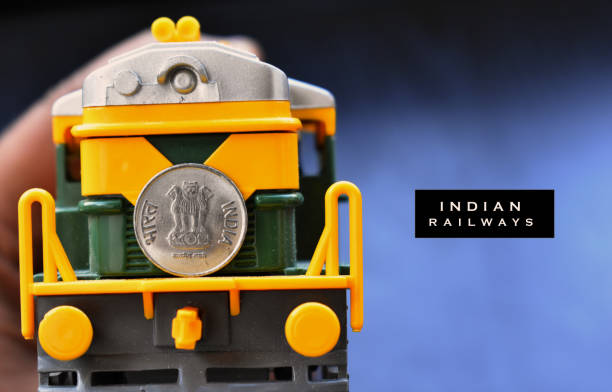
The Railway Recruitment Board (RRB) oversees recruitment for various roles in Indian Railways, one of the largest employers in the world, with over 1.3 million employees as of 2023 (Ministry of Railways data). RRB roles are categorized into Group A, B, C, and D, each representing different levels of responsibility, qualifications, and pay scales within the railway ecosystem. Indian Railways, handling over 8 billion passenger trips annually and contributing 1.2% to India’s GDP (Economic Survey 2022-23), relies on these roles for operational efficiency, safety, and modernization. Rooted in transportation management, engineering, and public service principles, and driven by trends such as high-speed rail projects (e.g., Vande Bharat), digital ticketing, and safety enhancements, RRB careers are central to India’s mobility framework. Professionals in these roles work across railway zones, stations, and administrative units, contributing to infrastructure development, passenger services, and freight logistics. This career drives progress through innovations like electrification (100% target by 2024), smart stations, and sustainable rail operations.
RRB professionals work in diverse environments, including railway stations, zonal headquarters, divisional offices, workshops, and field operations across India’s 17 railway zones. They collaborate with central government bodies, contractors, passengers, and other stakeholders within the railway ecosystem. Their roles include managing train operations, ensuring safety, maintaining infrastructure, and addressing challenges like overcrowding, delays, and resource constraints. They face issues such as high-pressure environments during peak travel seasons, adapting to rapid technological upgrades, and ensuring safety amidst aging infrastructure. By leveraging expertise in engineering, administration, and customer service, they ensure seamless rail connectivity and operational efficiency. As key contributors to India’s largest public transport network, they propel progress through trends like digitalization, electrification, and passenger-centric services.
Roles and Responsibilities
Study Route & Eligibility Criteria
| Route | Steps |
| Route 1: Group A (Gazetted Officers - Through UPSC/Direct Recruitment) | 1. Complete 10+2 with Science/Engineering stream (for technical roles). 2. Pursue a Bachelor’s degree in Engineering/Medicine/related fields (3-5 years). 3. Clear UPSC Civil Services Exam (CSE) or Engineering Services Exam (ESE) for IRMS (Indian Railway Management Service). 4. Undergo training at LBSNAA or railway institutes like IRITM. |
| Route 2: Group B (Gazetted Officers - Promotion/Direct Recruitment) | 1. Complete 10+2 in any stream. 2. Pursue a Bachelor’s degree in any discipline (3-4 years). 3. Join through promotion from Group C or limited direct recruitment via RRB exams. 4. Receive training at zonal training centers post-selection. |
| Route 3: Group C (Non-Gazetted - Technical/Non-Technical Roles via RRB Exams) | 1. Complete 10+2 or ITI/Diploma for technical roles, or Bachelor’s for non-technical roles. 2. Clear RRB NTPC (Non-Technical Popular Categories) or JE (Junior Engineer) exams. 3. Undergo training at zonal centers post-selection for roles like Station Master or Technician. |
| Route 4: Group D (Non-Gazetted - Entry-Level Roles via RRB Exams) | 1. Complete 10th standard or ITI certification. 2. Clear RRB Group D exams for roles like Track Maintainer or Helper. 3. Join after basic training at railway centers for operational duties. |
| Route 5: Lateral Entry/Promotion Across Groups (Limited Scope) | 1. Start in Group D/C with minimum qualifications. 2. Gain experience and clear departmental exams for promotion to higher groups (C to B, B to A in rare cases). 3. Receive additional training for elevated roles post-promotion. |
Significant Observations (Academic Related Points)
Internships & Practical Exposure
Courses & Specializations to Enter the Field
Top Institutes for RRB Preparation and Related Studies (India)
| Institute | Course/Program | Official Link |
| Indian Railway Institute of Transport Management (IRITM), Lucknow | Training for Railway Officers (Group A/B) | https://iritm.indianrailways.gov.in/ |
| Zonal Railway Training Institute (ZRTI), Multiple Locations | Training for Group C/D Staff | https://indianrailways.gov.in/ |
| Indian Railways Institute of Civil Engineering (IRICEN), Pune | Engineering Training for Railway Staff | https://iricen.indianrailways.gov.in/ |
| Made Easy, Delhi | RRB JE/NTPC Exam Preparation | https://www.madeeasy.in/ |
| Engineers Academy, Jaipur | RRB JE/Group D Coaching | https://www.engineersacademy.org/ |
| Adda247, Delhi | RRB NTPC/Group D Exam Preparation | https://www.adda247.com/ |
| Indian Institute of Technology (IIT), Multiple Locations | B.Tech/M.Tech in Engineering (for Group A/B) | https://www.iit.ac.in/ |
| National Institute of Technology (NIT), Multiple Locations | B.Tech in Engineering (for Group A/B/C) | https://www.nit.ac.in/ |
| Indian School of Business (ISB), Hyderabad | Management Courses for Railway Leadership (Group A) | https://www.isb.edu/ |
| IGNOU, Delhi | Diploma/Certificate in Public Administration | https://www.ignou.ac.in/ |
Entrance Tests Required
India:
Ideal Progressing Career Path (for RRB Roles)
Group D: Helper/Track Maintainer (Entry Level) → Senior Helper/Track Supervisor (Early Level) → Promotion to Group C via Departmental Exam (Mid-Level).
Group C: Technician/Station Master (Entry Level) → Senior Technician/Assistant Station Master (Early Level) → Chief Technician/Station Superintendent (Mid-Level) → Promotion to Group B (Senior Level).
Group B: Section Officer/Inspector (Entry Level) → Senior Section Officer/Chief Inspector (Early-Mid Level) → Departmental Head (Mid-Senior Level).
Group A (IRMS): Assistant Divisional Officer (Entry Level) → Divisional Officer (Early-Mid Level) → Senior Divisional Officer (Mid-Senior Level) → General Manager/Chief Engineer (Senior Level) → Member/Chairman Railway Board (Apex Level).
Major Areas of Employment
Prominent Employers/Associated Organizations
| India (Government Bodies/Organizations) | Key Roles/Areas |
| Railway Recruitment Boards (RRBs, 21 across India) | Recruitment for Group C/D Roles |
| Union Public Service Commission (UPSC) | Recruitment for Group A (IRMS) Roles |
| Ministry of Railways, Government of India | Policy Formulation and Oversight |
| Indian Railways (17 Zones, 68 Divisions) | Operations, Safety, and Infrastructure Management |
| Zonal Railway Training Institutes (ZRTI) | Training for Group C/D Staff |
| Indian Railway Institute of Transport Management (IRITM) | Training for Group A/B Officers |
| Dedicated Freight Corridor Corporation of India (DFCCIL) | Freight Logistics and Corridor Development |
| Rail Vikas Nigam Limited (RVNL) | Infrastructure Projects and Modernization |
| Indian Railway Catering and Tourism Corporation (IRCTC) | Ticketing and Tourism Services |
| Konkan Railway Corporation Limited (KRCL) | Regional Railway Operations and Projects |
Pros and Cons of the Profession
| Pros | Cons |
| High societal impact through ensuring safe and efficient public transport | High stress due to operational demands and safety responsibilities |
| Stable government job with benefits like pension, housing, and medical facilities | Frequent transfers and postings, often to remote areas |
| Diverse roles across technical, administrative, and operational domains | Long and irregular working hours, especially during peak seasons |
| Opportunity to contribute to national projects like high-speed rail and electrification | Risk of accidents or public criticism during service disruptions |
| Job security and structured career progression through promotions | Limited work-life balance due to on-call duties and emergency response |
Industry Trends and Future Outlook
Salary Expectations
| Career Level (RRB Roles - Public Sector) | India (₹ per annum, Approx., as per 7th CPC) |
| Group D - Helper/Track Maintainer (Entry Level) | 2,16,000 - 3,00,000 (Level 1) |
| Group C - Technician/Station Master (Entry Level) | 3,00,000 - 4,80,000 (Level 2-6) |
| Group C - Senior Technician/ASM (Early-Mid Level) | 4,80,000 - 6,00,000 (Level 6-7) |
| Group B - Section Officer/Inspector (Entry Level) | 5,40,000 - 7,20,000 (Level 8-9) |
| Group A - Assistant Divisional Officer (Entry Level) | 6,60,000 - 9,00,000 (Level 10-11) |
| Group A - Divisional Officer (Early-Mid Level) | 9,00,000 - 12,00,000 (Level 12-13) |
| Group A - General Manager (Senior Level) | 14,40,000 - 18,00,000+ (Level 14-15) |
| Note: Salaries include basic pay, dearness allowance (DA), house rent allowance (HRA), and other benefits; they vary based on pay levels, posting location, and seniority under the 7th Central Pay Commission (CPC). |
Key Software Tools and Resources
Professional Organizations and Networks
Notable Railway Professionals and Leaders
Advice for Aspiring RRB Professionals
A career in Railway Recruitment Board roles offers a transformative opportunity to shape India’s public transport backbone by managing operations, ensuring safety, and enhancing passenger experiences across diverse regions. RRB professionals are the pillars of Indian Railways, using their technical expertise, operational skills, and commitment to build a robust foundation for mobility, support economic growth, and improve connectivity across the nation. This profession blends a passion for public service with leadership in transportation, providing diverse pathways in engineering, operations, safety, administration, and beyond. For those passionate about railway development, driven by a desire to serve millions through efficient transport, and eager to navigate the evolving landscape of digital and high-speed rail systems, joining Indian Railways through RRB roles is a deeply rewarding journey. It empowers individuals to address critical mobility needs, maintain operational integrity, and advance national well-being through the transformative power of responsible, impactful, and accessible railway governance.


Entry-level workers handling track maintenance and basic support tasks, focusing on infrastructure upkeep. They build foundational skills. Their...
0.0LPA
Pointsman (Group D - Entry Level) : Entry-level staff assisting with luggage handling and signaling at stations, ensuring smooth train movements....
0.0LPA
Operational staff managing technical repairs or station operations, ensuring train schedules and safety. Their work ensures reliability. Their...
0.0LPA
Take the next step and explore more about Railway Recruitment Board (RRB) Roles (Group A, B, C, D).
Explore similar career paths that might interest you
Assistant Divisional Mechanical Engineer (Entry Level)
Explore CareerJunior Legal Officer/Assistant Legal Advisor (Junior Level - Entry Level)
Explore CareerAssistant Divisional Railway Manager (ADRM) (Traffic/Operations):
Explore Career