
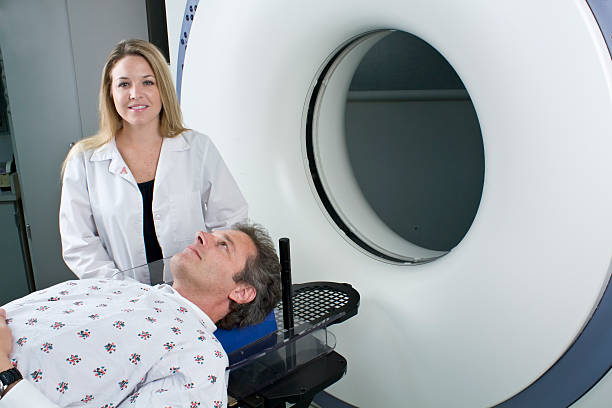
Radiotherapy Technologists are skilled professionals responsible for operating radiation equipment, such as linear accelerators, to deliver therapeutic doses of radiation to patients as part of their treatment plans. Their role includes preparing patients for therapy, ensuring accurate positioning, and monitoring patient responses during procedures. They combine technical expertise with patient care skills, often working in emotionally charged environments to ensure treatment efficacy and safety. As key contributors to oncology care, they enable life-saving treatments in a landscape increasingly reliant on advanced radiation technologies to combat cancer and improve patient outcomes.
- Patient Preparation
- Explain radiation therapy procedures to patients to alleviate fears and ensure cooperation.
- Position patients accurately using immobilization devices to target treatment areas effectively.
- Radiation Delivery
- Administer prescribed doses of radiation using equipment like linear accelerators or brachytherapy devices.
- Follow treatment plans developed by radiation oncologists to target tumours while protecting healthy tissues.
- Equipment Operation
- Operate and maintain radiotherapy equipment to ensure precise delivery of radiation doses.
- Perform quality assurance checks on machines to guarantee safety and accuracy during treatments.
- Patient Monitoring and Support
- Observe patients during therapy sessions for any adverse reactions or discomfort.
- Provide emotional support to patients coping with the stress of cancer treatment.
- Data and Record Keeping
- Document treatment details, including radiation doses and patient responses, for medical records.
- Update treatment charts and communicate progress to the oncology team for ongoing care planning.
- Safety and Compliance
- Adhere to strict safety protocols to protect patients, staff, and themselves from unnecessary radiation exposure.
- Ensure compliance with regulatory standards for radiation use and equipment maintenance.
- Collaboration
- Work closely with radiation oncologists, medical physicists, and nurses to coordinate patient care.
- Assist in simulation processes to map treatment areas using imaging technologies like CT or MRI.
- Patient Education
- Educate patients on potential side effects of radiation therapy and self-care strategies.
- Provide guidance on follow-up care and lifestyle adjustments during and after treatment.
| Route | Steps |
| Route 1 | 1. 10+2 with Physics, Chemistry, Biology (PCB) or equivalent 2. Certificate in Radiotherapy Technology (6 months-1 year) 3. Internship or practical training (3-6 months) 4. Practice as Radiotherapy Technologist |
| Route 2 | 1. 10+2 with PCB 2. Diploma in Radiotherapy Technology or Radiology (1-2 years) 3. Hands-on training or internship in hospitals 4. Work as Radiotherapy Technologist |
| Route 3 | 1. 10+2 with PCB 2. Bachelor’s degree in Radiotherapy Technology or Radiology & Imaging Technology (3-4 years) 3. Training in radiotherapy techniques 4. Practice as Radiotherapy Technologist |
| Route 4 | 1. 10+2 with PCB 2. Master’s degree or international certification in Radiotherapy Technology (2-3 years) 3. Licensure as per country regulations 4. Practice abroad or in India |
- Mandatory practical training during certificate or degree programs in radiotherapy departments or cancer centers.
- Rotations in oncology units for hands-on experience with radiation therapy delivery.
- Internships under senior radiation therapists or oncologists for exposure to real-time patient treatments.
- Observerships in radiotherapy units for experience in diverse treatment techniques.
- Participation in clinical simulations for practical skill development in radiation planning and delivery.
- Training in radiation safety and patient care protocols through real-world case studies and mock scenarios.
- Exposure to high-stakes scenarios during internships in cancer treatment facilities.
- Clinical projects on improving treatment accuracy or patient comfort during training.
- Public health initiatives for assisting in cancer awareness or screening programs.
- International radiotherapy center attachments for global exposure to treatment practices.
- Certificate in Radiotherapy Technology
- Diploma in Radiotherapy Technology or Radiology
- Bachelor’s in Radiotherapy Technology or Radiology & Imaging Technology
- Training in Radiation Therapy Simulation
- Specialization in Brachytherapy
- Certification in Stereotactic Radiosurgery (SRS) and Stereotactic Body Radiotherapy (SBRT)
- Workshops on Intensity-Modulated Radiation Therapy (IMRT)
- Training in Image-Guided Radiation Therapy (IGRT)
- Specialization in Paediatric Radiotherapy
- Certification in Basic Life Support (BLS) for emergency response
| Institute | Course/Program | Official Link |
| All India Institute of Medical Sciences (AIIMS), New Delhi | Diploma and B.Sc. in Radiology & Radiotherapy | https://www.aiims.edu/ |
| Christian Medical College (CMC), Vellore | Diploma and B.Sc. in Radiotherapy Technology | https://www.cmch-vellore.edu/ |
| Tata Memorial Centre, Mumbai | Diploma and Advanced Training in Radiotherapy | https://tmc.gov.in/ |
| Manipal Academy of Higher Education, Manipal | B.Sc. in Radiotherapy Technology | https://www.manipal.edu/ |
| Sri Ramachandra Institute of Higher Education, Chennai | B.Sc. in Radiology & Imaging Technology | https://www.sriramachandra.edu.in/ |
| King George’s Medical University (KGMU), Lucknow | Diploma and B.Sc. in Radiotherapy Technology | https://www.kgmu.org/ |
| Postgraduate Institute of Medical Education and Research (PGIMER), Chandigarh | Diploma in Radiotherapy Technology | https://pgimer.edu.in/ |
| Amrita Institute of Medical Sciences, Kochi | B.Sc. in Radiotherapy Technology | https://www.amrita.edu/ |
| Jawaharlal Institute of Postgraduate Medical Education & Research (JIPMER), Puducherry | Diploma in Radiotherapy Technology | https://www.jipmer.edu.in/ |
| Rajiv Gandhi Cancer Institute & Research Centre, Delhi | Training in Radiotherapy Technology | https://www.rgcirc.org/ |
| Institution | Course | Country | Official Link |
| University of Texas MD Anderson Cancer Center | Radiation Therapy Programs | USA | https://www.mdanderson.org/ |
| University of Toronto | Radiation Therapy Programs | Canada | https://www.utoronto.ca/ |
| King’s College London | Radiotherapy and Oncology | UK | https://www.kcl.ac.uk/ |
| University of Melbourne | Radiation Therapy Training | Australia | https://www.unimelb.edu.au/ |
| Memorial Sloan Kettering Cancer Center | Radiation Therapy Programs | USA | https://www.mskcc.org/ |
| University of Manchester | Radiotherapy and Oncology | UK | https://www.manchester.ac.uk/ |
| University of British Columbia | Radiation Therapy Programs | Canada | https://www.ubc.ca/ |
| Monash University | Radiation Therapy Training | Australia | https://www.monash.edu/ |
| University of Amsterdam | Radiotherapy Programs | Netherlands | https://www.uva.nl/ |
| Johns Hopkins University | Radiation Therapy Programs | USA | https://www.jhu.edu/ |
India:
- AIIMS Allied Health Entrance Exam
- CMC Vellore Entrance Test for Allied Health Programs
- Tata Memorial Centre Entrance Exam for Radiotherapy Programs
- State-level entrance exams for radiotherapy or allied health programs
- University-specific entrance tests for radiotherapy technology programs
International:
- Specific entrance exams or prerequisites as per institute for radiotherapy programs
- Test of English as a Foreign Language (TOEFL) with a minimum score of 80-100 for non-native speakers
- International English Language Testing System (IELTS) with a minimum score of 6.0-7.0
- Pearson Test of English Academic (PTE Academic)
- Duolingo English Test (accepted by some institutions)
- Graduate Record Examinations (GRE) for certain international postgraduate programs
Trainee → Certified Radiotherapy Technologist → Senior Radiotherapy Technologist → Lead Radiotherapy Specialist → Radiotherapy Department Supervisor/Manager → Radiotherapy Educator → Radiotherapy Department Director → Radiotherapy Consultant
- Hospitals for cancer treatment and radiation therapy
- Cancer treatment centers for specialized radiotherapy services
- Outpatient clinics for routine radiation treatments
- Research institutions for advancements in radiotherapy technology
- Private oncology practices for personalized patient care
- Rehabilitation centers for post-treatment recovery support
- Academic centers for training future radiotherapy professionals
- Government healthcare facilities for public cancer care programs
- Trauma centers for emergency radiotherapy support
- Non-governmental organizations for cancer health initiatives
| India | International |
| Tata Memorial Centre, Mumbai | MD Anderson Cancer Center, USA |
| All India Institute of Medical Sciences (AIIMS) | Memorial Sloan Kettering Cancer Center, USA |
| Christian Medical College (CMC), Vellore | Princess Margaret Cancer Centre, Canada |
| Apollo Hospitals | Royal Marsden Hospital, UK |
| Fortis Healthcare | Peter MacCallum Cancer Centre, Australia |
| Max Healthcare | Dana-Farber Cancer Institute, USA |
| Medanta - The Medicity | Christie NHS Foundation Trust, UK |
| Narayana Health | Stanford Cancer Institute, USA |
| Rajiv Gandhi Cancer Institute & Research Centre | Gustave Roussy, France |
| Adyar Cancer Institute, Chennai | Johns Hopkins Sidney Kimmel Comprehensive Cancer Center, USA |
| Pros | Cons |
| Opportunity to contribute to cancer treatment through radiation therapy | High-pressure environment due to the critical nature of cancer care |
| High demand for Radiotherapy Technologists in oncology settings | Emotional strain from working with patients facing life-threatening illnesses |
| Rewarding impact on patient recovery through precise treatments | Risk of radiation exposure if safety protocols are not strictly followed |
| Diverse career paths across hospitals, clinics, and research sectors | Need for continuous learning to keep up with evolving radiotherapy technologies |
| Strong potential for growth with advanced certifications in radiotherapy | Long and irregular hours, especially during intensive treatment schedules |
- Growing adoption of advanced radiotherapy technologies like proton therapy for precise tumor targeting.
- Rising demand for Radiotherapy Technologists due to increasing cancer incidence globally.
- Advancements in image-guided radiation therapy (IGRT) for improved treatment accuracy.
- Heightened focus on personalized radiation plans using AI and machine learning tools.
- Expansion of stereotactic radiosurgery (SRS) for non-invasive treatment of brain and body tumors.
- Development of integrated systems for real-time sharing of treatment data across oncology networks.
- Increased emphasis on specialized training for emerging fields like pediatric radiotherapy or proton therapy.
- Enhanced collaboration between technologists and oncologists for optimized patient outcomes.
- Growing need for continuous education to master advanced radiotherapy systems.
- Focus on global certification standards to align radiotherapy practices internationally.
| Career Level | India (₹ per annum) | International (USD per annum) |
| Trainee/Certified Radiotherapy Technologist (Early Career) | 2,00,000 - 3,50,000 | 40,000 - 55,000 |
| Senior Radiotherapy Technologist (Mid-Career) | 3,50,000 - 6,00,000 | 55,000 - 75,000 |
| Lead Radiotherapy Specialist | 6,00,000 - 9,00,000 | 75,000 - 95,000 |
| Radiotherapy Department Supervisor/Manager | 9,00,000 - 12,00,000 | 95,000 - 120,000 |
| Educator/Radiotherapy Department Director | 12,00,000+ | 120,000+ |
Note: Salaries vary based on location, experience, employer, and specialization. International figures are approximate and depend on the country and healthcare sector.
- Radiotherapy Treatment Planning Software for designing patient-specific radiation plans
- Electronic Medical Record (EMR) Systems for tracking patient treatment data
- Equipment Calibration Software for maintaining radiotherapy machines
- Image-Guided Radiation Therapy (IGRT) Software for precise targeting
- Data Visualization Software for presenting treatment plans to oncology teams
- Teleconferencing tools like Zoom for collaboration with healthcare teams
- Radiotherapy databases for accessing reference data or research
- Microsoft Office Suite for documentation and report preparation
- Secure messaging tools for coordinating with radiotherapy department staff
- Simulation software for training on treatment planning and delivery scenarios
- Indian Association of Radiation Therapists (IART)
- American Society for Radiation Oncology (ASTRO)
- American Registry of Radiologic Technologists (ARRT)
- European Society for Radiotherapy and Oncology (ESTRO)
- Canadian Association of Radiation Oncology (CARO)
- British Institute of Radiology (BIR)
- International Society for Radiation Oncology (ISRO)
- Australasian College of Physical Scientists and Engineers in Medicine (ACPSEM)
- Association of Radiotherapy Technologists of India (ARTI)
- World Health Organization (WHO) Cancer Control Programs
- Dr. Gilbert H. Fletcher (Historical, USA): Pioneer in radiation oncology since the 1940s. His work on radiotherapy techniques for cancer treatment laid foundational principles for the field. His impact shapes therapeutic practices globally.
- Dr. Juan A. delRegato (Historical, USA): Innovator in radiotherapy since the 1950s. His contributions to radiation dosing and cancer treatment protocols advanced clinical outcomes. His influence extends internationally.
- Dr. Eric J. Hall (Contemporary, USA): Leader in radiation biology since the 1960s. His research on radiation effects and therapeutic optimization has transformed radiotherapy practices. His contributions impact standards worldwide.
- Dr. Jay Loeffler (Contemporary, USA): Expert in stereotactic radiosurgery since the 1980s. His advancements in precision radiotherapy for brain tumors have improved patient outcomes. His work influences global radiotherapy techniques.
- Dr.Vinay Kumar Kapoor (Contemporary, India): Specialist in oncology and radiotherapy since the 1980s. His leadership in cancer treatment at institutions like AIIMS has shaped training in India. His efforts guide national practices.
- Dr. Siddhartha Laskar (Contemporary, India): Expert in radiation oncology since the 1990s. His work at Tata Memorial Centre on pediatric radiotherapy and advanced techniques has elevated clinical care. His contributions influence Indian radiotherapy standards.
- Dr.Tejpal Gupta (Contemporary, India): Leader in radiation therapy research since the 2000s. His advancements in image-guided radiotherapy at Tata Memorial Centre have improved treatment precision. His impact strengthens national oncology care.
- Dr. Mary Gospodarowicz (Contemporary, Canada): Renowned radiation oncologist since the 1980s. Her contributions to global radiotherapy guidelines and cancer staging have set benchmarks in the field. Her influence is recognized internationally.
- Dr. Nancy Lee (Contemporary, USA): Innovator in head and neck radiotherapy since the 1990s. Her work on intensity-modulated radiation therapy (IMRT) has enhanced treatment accuracy. Her efforts shape global practices.
- Dr. David Jaffray (Contemporary, Canada): Expert in image-guided radiation therapy since the 1990s. His innovations in treatment imaging and delivery systems have revolutionized radiotherapy. His impact resonates in international oncology communities.
- Build a strong foundation in physics, biology, and anatomy to understand radiation therapy principles.
- Seek early exposure to radiotherapy departments or cancer centers through volunteer programs to confirm interest in the field.
- Prepare thoroughly for entrance exams or certification requirements specific to your chosen program or region.
- Pursue advanced certifications in specialized areas like IMRT, IGRT, or proton therapy to gain expertise.
- Stay updated on advancements in radiotherapy technology by attending workshops and seminars.
- Develop hands-on skills in radiation delivery and patient care through practical training.
- Engage in oncology or radiotherapy projects to build real-world experience.
- Join professional associations like the Indian Association of Radiation Therapists (IART) for networking and resources.
- Work on precision and attention to detail to ensure accurate treatment delivery and patient safety.
- Explore international training programs for exposure to diverse radiotherapy practices and standards.
- Volunteer in cancer treatment units or radiotherapy centers to understand clinical needs and build experience.
- Cultivate patience and empathy to handle patients undergoing challenging cancer treatments.
- Attend continuing education programs to stay abreast of evolving therapeutic methods and technologies.
- Build a network with oncologists, medical physicists, and healthcare professionals for collaborative treatment efforts.
- Develop resilience to handle emotionally challenging patient scenarios and high-stakes environments.
- Balance clinical work with continuous learning to adapt to rapid advancements in radiotherapy systems.
A career as a Radiotherapy Technologist offers a unique opportunity to contribute to cancer care and patient recovery by delivering precise radiation treatments in collaboration with oncology teams. From administering life-saving therapies in hospitals to supporting patients through emotionally intense treatment journeys in dynamic clinical environments, Radiotherapy Technologists play a pivotal role in modern healthcare systems. This field combines technical expertise, patient interaction, and a commitment to precision, offering diverse paths in cancer centers, hospitals, and research facilities. For those passionate about advancing cancer treatment, supporting life-saving therapies, and addressing the growing prevalence of cancer in an era of advanced technology and healthcare challenges, a career as a Radiotherapy Technologist provides an intellectually stimulating and professionally rewarding journey with the potential to make significant contributions to society by enhancing the accuracy of therapeutic services and patient outcomes worldwide.