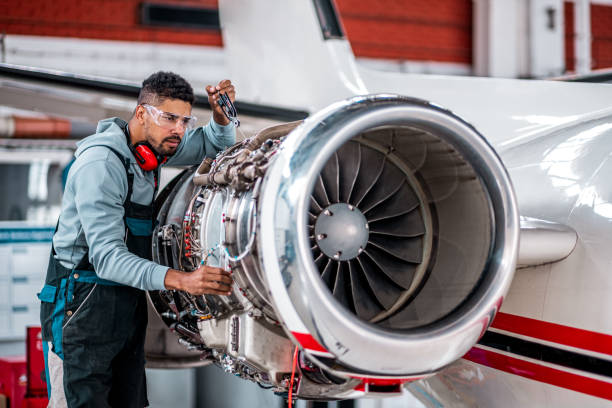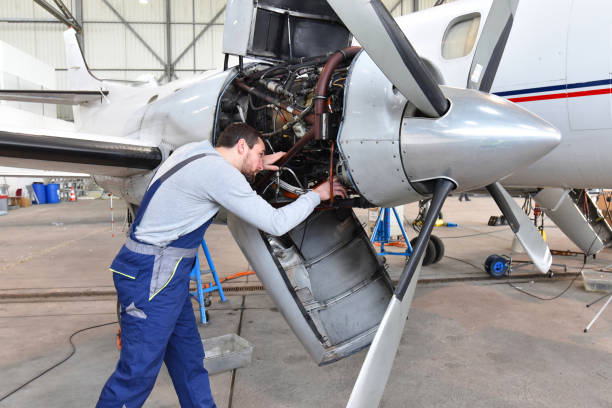
Production Engineer

They work in industries such as automotive, aerospace, electronics, food processing, pharmaceuticals, and consumer goods to ensure efficient production of high-quality products. Production Engineers combine technical knowledge of machinery, materials, and processes with problem-solving skills to enhance productivity, reduce costs, and maintain safety and quality standards in manufacturing environments.

Share :
Career tree mind map (horizontal) — Production Engineer
Colored branches, hub circles, and underlined topics — same style as counselor course classic (types 18–19 in admin).
Loading mind map…

Production Engineers oversee the planning, design, and implementation of manufacturing processes to ensure smooth and efficient production. Their work involves analyzing production workflows, designing equipment layouts, optimizing resource utilization, and implementing automation solutions. They collaborate with design engineers, quality control teams, and plant managers to integrate new technologies, troubleshoot issues, and meet production targets. Production Engineers also focus on improving operational efficiency, ensuring compliance with safety and environmental regulations, and driving continuous improvement initiatives in manufacturing facilities.

  • Process Design and Optimization
    • Develop and implement manufacturing processes to maximize efficiency and output.
    • Optimize workflows, equipment usage, and production schedules for cost-effectiveness.
  • Equipment Selection and Maintenance
    • Select and install appropriate machinery and tools for production needs.
    • Plan and oversee maintenance schedules to minimize downtime and ensure equipment reliability.
  • Production Planning and Control
    • Create production plans and schedules to meet demand and delivery timelines.
    • Monitor production progress and adjust plans to address bottlenecks or delays.
  • Quality Assurance and Control
    • Establish quality standards and inspection processes to ensure product consistency.
    • Analyze defects and implement corrective actions to maintain quality benchmarks.
  • Cost Management and Efficiency
    • Identify cost-saving opportunities through process improvements and waste reduction.
    • Monitor production costs and implement lean manufacturing principles.
  • Safety and Compliance
    • Ensure adherence to occupational health, safety, and environmental regulations.
    • Develop and enforce safety protocols for workers and equipment operation.
  • Automation and Technology Integration
    • Implement automation and digital tools to enhance production capabilities.
    • Stay updated on emerging technologies like robotics and Industry 4.0 solutions.
  • Team Coordination and Training
    • Supervise production staff and provide training on processes and safety practices.
    • Collaborate with cross-functional teams to resolve production challenges.

RouteSteps
Route 11. 10+2 with Physics, Chemistry, Mathematics (PCM) stream.
2. B.Tech/B.E. (4 yrs) in Production Engineering, Mechanical Engineering, or Industrial Engineering.
3. Industrial training in manufacturing or production facilities.
4. Optional M.Tech (2 yrs) for specialization and career advancement.
Route 21. 10+2 with Physics, Chemistry, Mathematics (PCM) stream.
2. B.Sc. (3 yrs) in Physics or Engineering-related fields.
3. M.Sc./M.Tech (2 yrs) in Industrial Engineering or Production Technology.
4. Industry internships and practical projects in manufacturing.
5. Optional PhD (3-5 yrs) for research and academic roles.
Route 31. 10+2 with Physics, Chemistry, Mathematics (PCM) stream.
2. B.Tech (4 yrs) in Mechanical or Manufacturing Engineering.
3. M.Tech (2 yrs) specializing in Production Engineering or Industrial Management.
4. Professional certifications and hands-on training in production systems.
5. Industry experience in manufacturing environments.
Route 41. 10+2 with Physics, Chemistry, Mathematics (PCM) stream.
2. Bachelor's degree (3-4 yrs) in Engineering (Mechanical, Industrial, or related fields).
3. Master's (2 yrs) in Production Engineering or Manufacturing Systems.
4. PhD (3-5 yrs) in Production or Industrial Engineering.
5. Postdoctoral research and advanced industrial training.
6. Research publications and industry collaboration experience.

  • Entrance Exam Requirements: JEE Main/Advanced mandatory for engineering admissions in India, GATE for postgraduate programs, and GRE for international studies.
  • Strong Engineering Foundation: Requires a solid understanding of mechanical systems, materials, and manufacturing principles.
  • Practical Skills Essential: Hands-on experience with production equipment and processes is critical for success.
  • Software Proficiency Required: Mastery of CAD, CAM, and production management software is increasingly important.
  • Advanced Education Preferred: Postgraduate degrees enhance opportunities in specialized roles and leadership positions.
  • Interdisciplinary Knowledge: Combines mechanical engineering, industrial management, and emerging technologies like automation.
  • Continuous Learning Necessity: Rapid advancements in manufacturing tech require staying updated with Industry 4.0 trends.
  • Industry Exposure Valued: Internships, projects, and certifications significantly boost employability and credibility.

  • Industrial placements in manufacturing plants and production facilities.
  • Hands-on projects in process optimization and equipment handling.
  • Training with production machinery, robotics, and automation systems.
  • Exposure to quality control and lean manufacturing practices.
  • Participation in production planning and workflow analysis projects.
  • Collaboration with engineering and operations teams in real-world settings.
  • Attendance at manufacturing expos and industry workshops.
  • Involvement in safety audits and compliance training.
  • Experience with supply chain and inventory management systems.
  • Engagement in continuous improvement initiatives like Six Sigma projects.

  • Bachelor's degrees in Production Engineering, Mechanical Engineering, Industrial Engineering.
  • Master's and PhD programs in Production Engineering, Manufacturing Systems, Industrial Management.
  • Courses in Manufacturing Processes, Operations Research, Quality Control, Automation.
  • Training in CAD/CAM Software and Production Simulation Tools.
  • Lean Manufacturing and Six Sigma certification programs.
  • Industrial Safety and Environmental Management modules.
  • Business and Operations Management for production oversight.
  • Robotics and Industry 4.0 specializations.
  • Industrial Training and Cooperative Education Programs.
  • Professional Development and Industry Certifications (e.g., Certified Production Technician).

InstituteCourse/ProgramOfficial Link
Indian Institute of Technology (IIT) DelhiMechanical Engineering with Production Focushttps://www.iitd.ac.in/
Indian Institute of Technology (IIT) BombayMechanical/Industrial Engineeringhttps://www.iitb.ac.in/
Indian Institute of Technology (IIT) KanpurIndustrial and Management Engineeringhttps://www.iitk.ac.in/
Indian Institute of Technology (IIT) MadrasMechanical Engineeringhttps://www.iitm.ac.in/
Indian Institute of Science (IISc), BangaloreMechanical Engineeringhttps://iisc.ac.in/
Anna University, ChennaiProduction Engineeringhttps://www.annauniv.edu/
National Institute of Technology (NIT) TrichyProduction Engineeringhttps://www.nitt.edu/
National Institute of Technology (NIT) WarangalMechanical Engineeringhttps://www.nitw.ac.in/
Birla Institute of Technology and Science (BITS) PilaniMechanical Engineeringhttps://www.bits-pilani.ac.in/
Jadavpur University, KolkataProduction Engineeringhttps://www.jaduniv.edu.in/

InstitutionCourseCountryOfficial Link
Massachusetts Institute of Technology (MIT)Mechanical EngineeringUSAhttps://mit.edu/
Stanford UniversityMechanical EngineeringUSAhttps://stanford.edu/
University of California, BerkeleyIndustrial EngineeringUSAhttps://berkeley.edu/
Georgia Institute of TechnologyIndustrial and Systems EngineeringUSAhttps://gatech.edu/
University of MichiganIndustrial and Operations EngineeringUSAhttps://umich.edu/
ETH ZurichMechanical and Process EngineeringSwitzerlandhttps://ethz.ch/
University of CambridgeEngineering (Manufacturing Focus)UKhttps://www.cam.ac.uk/
Imperial College LondonMechanical EngineeringUKhttps://www.imperial.ac.uk/
National University of SingaporeIndustrial Systems EngineeringSingaporehttps://nus.edu.sg/
Nanyang Technological UniversityMechanical EngineeringSingaporehttps://ntu.edu.sg/

India

  • JEE Main: For admission to undergraduate engineering programs in NITs, IIITs, and other institutions.
  • JEE Advanced: For admission to undergraduate programs at IITs.
  • GATE: For postgraduate production or industrial engineering courses.
  • State-Level Engineering Entrance Exams: For regional universities and state colleges.
  • Institute-Specific Entrance Tests: For specialized programs in production engineering.


International

  • GRE: For admission to graduate programs in production or industrial engineering.
  • TOEFL/IELTS: For English proficiency in international universities.
  • University-Specific Entrance Tests: May include interviews or technical assessments.

Graduate Trainee → Production Engineer → Senior Production Engineer → Production Manager → Plant Manager → Director of Operations → Consultant/Entrepreneur

  • Automotive and transportation industries.
  • Aerospace and defense sectors.
  • Electronics and semiconductor manufacturing.
  • Food and beverage processing companies.
  • Pharmaceutical and medical device industries.
  • Consumer goods and packaging firms.
  • Heavy machinery and equipment manufacturing.
  • Energy and power generation sectors.
  • Textile and apparel production.
  • Research institutions and consulting firms.

IndiaInternational
Tata MotorsFord Motor Company
Mahindra & MahindraGeneral Motors
Larsen & ToubroSiemens
Bharat Heavy Electricals Limited (BHEL)General Electric
Ashok LeylandToyota
Hindustan Aeronautics Limited (HAL)Boeing
Godrej IndustriesAirbus
Bajaj AutoTesla
Reliance IndustriesVolkswagen
Hero MotoCorpBosch

ProsCons
High demand across diverse industries.High-pressure environment with tight deadlines.
Opportunities to work with cutting-edge technology.Long working hours during production peaks.
Potential for career growth into management roles.Exposure to industrial hazards if safety is neglected.
Competitive salaries with experience.Need for constant upskilling due to tech advancements.
Impactful role in improving efficiency and innovation.Limited job opportunities in some regions.

Career LevelIndia (₹ per annum)International (US$ per annum)
Graduate Engineer / Trainee3,00,000 - 5,50,000$50,000 - $65,000
Production Engineer5,50,000 - 10,00,000$65,000 - $85,000
Senior Production Engineer10,00,000 - 18,00,000$85,000 - $110,000
Production Manager18,00,000 - 30,00,000$100,000 - $140,000
Director of Operations / Plant Manager30,00,000 - 50,00,000+$130,000 - $200,000+

  • AutoCAD: For designing production layouts and equipment schematics.
  • SolidWorks: For 3D modeling of manufacturing components.
  • SAP: For production planning and enterprise resource management.
  • MATLAB: For data analysis and process simulation.
  • Siemens NX: For integrated CAD/CAM in production design.
  • Arena Simulation: For modeling production workflows.
  • Minitab: For statistical analysis and quality control.
  • Microsoft Project: For production scheduling and project management.
  • ANSYS: For finite element analysis of production equipment.
  • ERP Systems: For managing production resources and supply chains.

  • Indian Institution of Industrial Engineering (IIIE).
  • Confederation of Indian Industry (CII).
  • National Productivity Council (NPC), India.
  • American Society of Mechanical Engineers (ASME).
  • Institute of Industrial and Systems Engineers (IISE).
  • International Federation of Automatic Control (IFAC).
  • Society of Automotive Engineers (SAE International).
  • Manufacturing Technology Institute (MTI).
  • International Society of Automation (ISA).

  • Henry Ford (1863-1947, United States): Revolutionized production engineering by introducing the assembly line in 1913, drastically reducing manufacturing time for automobiles and pioneering mass production techniques.
     
  • Taiichi Ohno (1912-1990, Japan): Developed the Toyota Production System in the mid-20th century, laying the foundation for lean manufacturing and just-in-time production, which transformed global manufacturing efficiency.
     
  • Eliyahu M. Goldratt (1947-2011, Israel): Introduced the Theory of Constraints in the 1980s, a methodology for identifying and managing production bottlenecks, widely adopted in manufacturing optimization.
     
  • W. Edwards Deming (1900-1993, United States): Pioneered quality control and statistical process control post-World War II, helping Japanese industries rebuild with his 14 Points for Management, shaping modern production standards.
     
  • Shigeo Shingo (1909-1990, Japan): Contributed to the Toyota Production System by developing the SMED (Single-Minute Exchange of Die) method in the 1950s, reducing setup times and enhancing production flexibility.
     
  • Dr. A.P.J. Abdul Kalam (1931-2015, India): As an aerospace engineer, contributed to production systems for India’s missile and space programs at DRDO and ISRO, emphasizing indigenous manufacturing capabilities.
     
  • Ratan Tata (1937-, India): While primarily a business leader, his oversight of Tata Motors’ production innovations, like the Tata Nano in 2008, reshaped affordable car manufacturing processes in India.
     
  • James P. Womack (1948-, United States): Co-authored The Machine That Changed the World in 1990, popularizing lean manufacturing principles based on Toyota’s model, influencing global production strategies.
     
  • Kaoru Ishikawa (1915-1989, Japan): Developed the Ishikawa Diagram (fishbone diagram) in the 1960s for root cause analysis in production, becoming a staple in quality control and process improvement.
     
  • N.R. Narayana Murthy (1946-, India): As a founder of Infosys, influenced production engineering indirectly by integrating IT solutions into manufacturing processes, promoting efficiency through software in Indian industries.
     

  • Build a strong foundation in mechanical and industrial engineering concepts.
  • Gain hands-on experience through internships in manufacturing environments.
  • Develop proficiency in CAD/CAM and production management software early on.
  • Stay updated with emerging trends like Industry 4.0, automation, and sustainable manufacturing.
  • Participate in workshops, seminars, and industry expos for networking and learning.
  • Consider certifications in lean manufacturing, Six Sigma, or project management to stand out.
  • Focus on developing problem-solving and analytical skills for process optimization.
  • Pursue postgraduate education for advanced roles in research or management.
  • Cultivate teamwork and communication skills to effectively coordinate with diverse teams.
  • Maintain a proactive approach to safety and compliance in industrial settings.

A career as a Production Engineer offers the opportunity to play a pivotal role in the heart of manufacturing industries, ensuring the seamless creation of products that impact daily life. From optimizing assembly lines to integrating cutting-edge automation, Production Engineers drive efficiency, quality, and innovation in diverse sectors. This field combines technical expertise with strategic thinking, offering varied career paths in process design, quality control, plant management, and beyond. For those passionate about transforming raw materials into finished goods while solving complex operational challenges, Production Engineering provides a dynamic and rewarding career with significant growth potential in an increasingly technology-driven industrial landscape.

Knowledge & Skills You Will Learn
1
Strong foundation in mechanical and industrial engineering principles
2
Knowledge of manufacturing processes and production systems
3
Proficiency in CAD/CAM and production management software
4
Analytical skills for process optimization and troubleshooting
5
Project management and organizational abilities
6
Understanding of quality control and lean manufacturing techniques
7
Communication skills for team coordination and reporting
8
Awareness of safety standards and environmental regulations
9
Problem-solving and decision-making under pressure
10
Adaptability to evolving technologies like automation and IoT
Process Engineer

Process Engineer

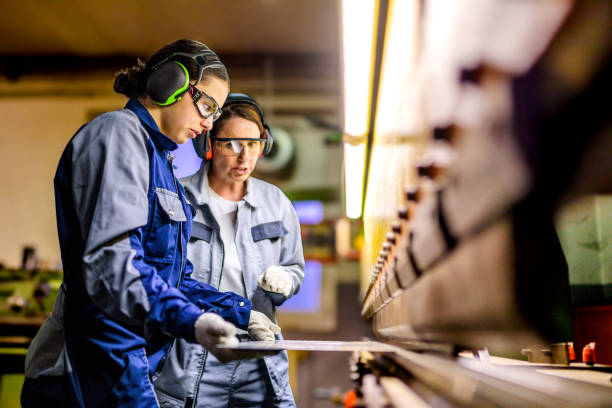
Process Engineers are critical in designing and optimizing manufacturing processes to achieve maximum efficiency and cost reduction. They...

0.0LPA
Manufacturing Engineer

Manufacturing Engineer

Manufacturing Engineers specialize in the design, implementation, and operation of production systems, ensuring that goods are produced...

0.0LPA
Quality Control Engineer

Quality Control Engineer

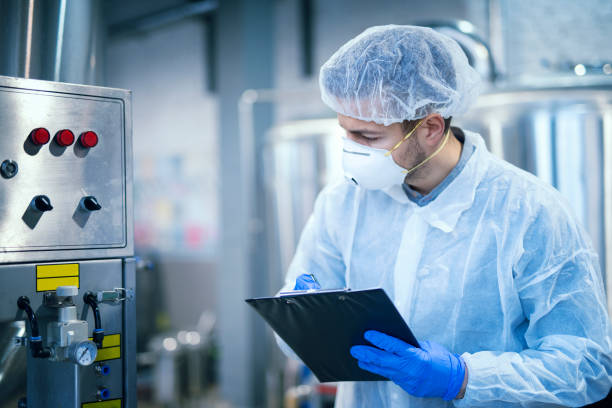
Quality Control Engineers are tasked with ensuring that products meet stringent quality standards before reaching the market. They develop and...

0.0LPA

Interested in this career?

Take the next step and explore more about Production Engineer.