Pet Groomer

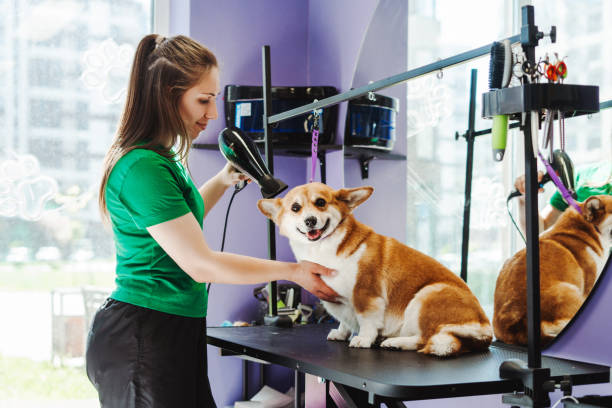
A Pet Groomer is a skilled professional who specializes in the grooming, hygiene, and aesthetic care of pets, primarily dogs and cats, ensuring their physical well-being and enhancing their appearance. They work in settings such as pet salons, veterinary clinics, mobile grooming units, pet stores, or as independent contractors, collaborating with pet owners, veterinarians, and other pet care professionals to maintain the health and comfort of animals. Pet Groomers play a significant role in supporting animal welfare within the Veterinary & Fishery Sciences career cluster by addressing hygiene needs, which contribute to overall pet health in an era of increasing pet ownership and focus on pet pampering.
Share :
✨ Radial Mind Map - Pet Groomer
Nodes arranged in concentric circles

Loading radial mind map...

Overview

A Pet Groomer is a skilled professional who specializes in the grooming, hygiene, and aesthetic care of pets, primarily dogs and cats, ensuring their physical well-being and enhancing their appearance. They work in settings such as pet salons, veterinary clinics, mobile grooming units, pet stores, or as independent contractors, collaborating with pet owners, veterinarians, and other pet care professionals to maintain the health and comfort of animals. Pet Groomers play a significant role in supporting animal welfare within the Veterinary & Fishery Sciences career cluster by addressing hygiene needs, which contribute to overall pet health in an era of increasing pet ownership and focus on pet pampering.

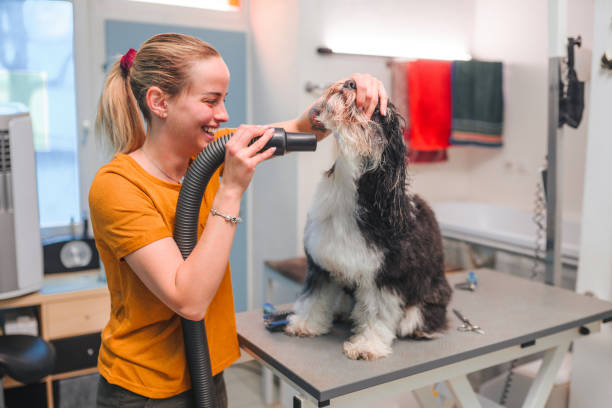
Pet Groomers are dedicated experts who perform a variety of grooming tasks, including bathing, brushing, trimming fur, clipping nails, cleaning ears, and styling pets to meet owner preferences or breed standards. Their work goes beyond aesthetics, as they often identify skin issues, parasites, or other health concerns during grooming sessions, alerting owners or veterinarians for further care. Operating in salons, mobile vans, or home-based setups, they combine a love for animals with technical grooming skills to provide services that keep pets clean, comfortable, and visually appealing. As valuable members of the Veterinary & Fishery Sciences career cluster, Pet Groomers contribute to the growing pet care industry, where the demand for professional grooming services is on the rise due to heightened awareness of pet hygiene and wellness.

Roles and Responsibilities

💼
Pet Groomer
Roles and Responsibilities
Grooming and Hygiene Maintenance:
Bathe pets using appropriate shampoos and conditioners to clean fur, remove dirt, and maintain skin health.
Brush and comb fur to detangle mats, remove loose hair, and prevent skin irritations or matting.
Hair Trimming and Styling:
Trim or shave fur according to breed standards, owner preferences, or seasonal needs using clippers and scissors.
Style pets for aesthetic appeal, such as creating specific cuts for show dogs or seasonal trims for comfort.
Nail and Ear Care:
Clip nails to prevent overgrowth, discomfort, or injury, ensuring safe and precise handling to avoid stress or pain.
Clean ears to remove wax buildup or debris, reducing the risk of infections and checking for abnormalities.
Health Observation and Reporting:
Inspect pets for signs of skin conditions, parasites, lumps, or injuries during grooming, reporting concerns to owners or veterinarians.
Monitor pet behavior for stress or discomfort, adjusting techniques to ensure a calm and safe grooming experience.
Client Interaction and Education:
Communicate with pet owners to understand grooming preferences, discuss pet needs, and provide aftercare advice.
Educate clients on maintaining pet hygiene between sessions, recommending products or routines for home care.
Equipment Maintenance and Safety:
Clean and sanitize grooming tools, workstations, and bathing areas to prevent infections and maintain a hygienic environment.
Follow safety protocols to protect both pets and themselves from injuries during grooming procedures.
Specialized Grooming Services:
Offer additional services such as de-shedding treatments, teeth brushing, or pet-safe dyeing for owners seeking extra care or unique styles.
Cater to specific breeds or pet types (e.g., long-haired cats, large dogs) with tailored grooming techniques.
Business and Record-Keeping:
Manage appointments, maintain client records, and handle payments or invoicing for grooming services in independent or salon settings.
Market services through social media or local networks to build a client base and promote grooming packages.

Roles and Responsibilities:

  • Grooming and Hygiene Maintenance:
    • Bathe pets using appropriate shampoos and conditioners to clean fur, remove dirt, and maintain skin health.
    • Brush and comb fur to detangle mats, remove loose hair, and prevent skin irritations or matting.
  • Hair Trimming and Styling:
    • Trim or shave fur according to breed standards, owner preferences, or seasonal needs using clippers and scissors.
    • Style pets for aesthetic appeal, such as creating specific cuts for show dogs or seasonal trims for comfort.
  • Nail and Ear Care:
    • Clip nails to prevent overgrowth, discomfort, or injury, ensuring safe and precise handling to avoid stress or pain.
    • Clean ears to remove wax buildup or debris, reducing the risk of infections and checking for abnormalities.
  • Health Observation and Reporting:
    • Inspect pets for signs of skin conditions, parasites, lumps, or injuries during grooming, reporting concerns to owners or veterinarians.
    • Monitor pet behavior for stress or discomfort, adjusting techniques to ensure a calm and safe grooming experience.
  • Client Interaction and Education:
    • Communicate with pet owners to understand grooming preferences, discuss pet needs, and provide aftercare advice.
    • Educate clients on maintaining pet hygiene between sessions, recommending products or routines for home care.
  • Equipment Maintenance and Safety:
    • Clean and sanitize grooming tools, workstations, and bathing areas to prevent infections and maintain a hygienic environment.
    • Follow safety protocols to protect both pets and themselves from injuries during grooming procedures.
  • Specialized Grooming Services:
    • Offer additional services such as de-shedding treatments, teeth brushing, or pet-safe dyeing for owners seeking extra care or unique styles.
    • Cater to specific breeds or pet types (e.g., long-haired cats, large dogs) with tailored grooming techniques.
  • Business and Record-Keeping:
    • Manage appointments, maintain client records, and handle payments or invoicing for grooming services in independent or salon settings.
    • Market services through social media or local networks to build a client base and promote grooming packages.


Study Route & Eligibility Criteria

Study Route & Eligibility Criteria
Pet Groomer
Route 1
🎓
1
10th or 12th pass
Route 2
🎓
1
10th or 12th pass
Route 3
🎓
1
10th or 12th pass
Route 4
🎓
1
10th or 12th pass
🎯 Pet Groomer - Professional

Significant Observations (Academic Related Points)

💡
Pet Groomer
Academic Related Points
1
Minimal Academic Barrier:
Formal education beyond high school is not mandatory; practical skills and short-term training are often sufficient for entry.
2
Practical Skill Focus:
Hands-on training in grooming techniques, pet handling, and safety is critical for success in this field.
3
Specialized Grooming Courses:
Short-term certificates or diplomas in pet grooming provide essential skills for professional practice and client trust.
4
Animal Care Knowledge:
Basic understanding of pet anatomy, behavior, and health (through veterinary or animal science studies) enhances grooming quality.
5
Apprenticeship Value:
Learning under experienced groomers through internships or on-the-job training is a common and effective path to mastery.
6
No Licensing Mandate:
Unlike veterinary roles, pet grooming typically does not require formal licensure, though certifications add credibility.
7
Continuing Education:
Workshops or online courses on advanced styling or pet safety keep groomers updated on trends and techniques.
8
Ethical Awareness:
Knowledge of animal welfare ensures gentle, stress-free grooming practices that prioritize pet comfort.
9
Client Interaction Training:
Developing communication skills through experience or courses aids in managing owner expectations and building loyalty.
10
Career Preparation:
Building a portfolio of grooming work or gaining positive client reviews often matters more than formal degrees for advancement.
11
Entrepreneurial Opportunities:
Skills in business management or marketing can help groomers establish independent or mobile grooming ventures.

Internships & Practical Exposure

💼
Pet Groomer
Internships & Practical Experience
1
Participation in apprenticeships or internships at pet salons or grooming centers for hands-on experience in bathing, trimming, and styling pets.
2
Involvement in pet care facilities or veterinary clinics to assist with basic grooming tasks under supervision during training periods.
3
Assisting experienced Pet Groomers in private businesses to learn breed-specific cuts, tool handling, and client interaction techniques.
4
Observerships at pet shows or competitions to gain exposure to advanced styling and grooming standards for show animals.
5
Participation in pet grooming workshops or short-term training programs for skill enhancement and networking with industry professionals.
6
Training through collaborative projects like community pet care drives to offer free or discounted grooming services for practical experience.
7
Exposure to mobile grooming setups by shadowing professionals to understand logistics, safety, and client service in on-the-go environments.
8
Project-based learning in specialized areas like grooming for pets with medical conditions or unique coat types for focused expertise.
9
Community service initiatives at animal shelters to groom rescued pets, gaining experience while contributing to welfare efforts.
10
Online tutorials or virtual mentorships for exposure to global grooming trends, innovative tools, and creative styling techniques.

Courses & Specializations to Enter the Field

📚
Pet Groomer
Courses & Specializations
📖
Certificate in Pet Grooming (Basic and Advanced).
📖
Diploma in Pet Grooming and Styling.
📖
Vocational Training in Animal Care with Grooming Focus.
📖
Short Courses in Breed-Specific Grooming Techniques.
📖
Workshops on Pet Safety and Handling During Grooming.
📖
Specialization in Mobile Pet Grooming Services.
📖
Training in Grooming for Show Dogs and Competition Standards.
📖
Courses in Pet Skin and Coat Care.
📖
Online Modules in Pet Grooming Business Management.
📖
Certification in Grooming Pets with Special Needs (e.g., elderly or anxious pets).

Prominent Employers

🏢
Pet Groomer
🌟 Top Companies & Organizations
🇮🇳 India
🏛️
PawSpace, Bangalore
🏛️
Scooby Scrub, Mumbai
🏛️
Pet Palace, Delhi
🏛️
Wags & Whiskers, Hyderabad
🏛️
Bark & Bath, Chennai
🏛️
Pawsitive Pet Care, Pune
🏛️
PetZone, Kolkata
🏛️
Furry Tails, Ahmedabad
🏛️
Happy Paws, Gurgaon
🏛️
Canine Care, Coimbatore
🌍 International
🌐
PetSmart, USA
🌐
Petco, USA
🌐
Groomingdales, UK
🌐
Aussie Pooch Mobile, Australia
🌐
Bark Avenue Pet Spa, Canada
🌐
Wag ‘n’ Wash, USA
🌐
The Groom Room (Pets at Home), UK
🌐
Pet Valu, Canada
🌐
Squeaky Clean Pets, Australia
🌐
Petbarn Grooming, Australia

Advice for Aspiring Pet Groomers

💡
Pet Groomer
🌟 Tips for Students & Parents
1
Build a foundation in basic pet care and handling to understand animal needs and ensure safe grooming practices.
2
Seek early hands-on experience through apprenticeships or volunteering at salons to develop practical grooming skills.
3
Enroll in short-term grooming courses or certifications to gain professional credibility and learn industry-standard techniques.
4
Pursue training in breed-specific grooming to cater to diverse pet types and owner expectations effectively.
5
Stay updated on grooming trends by attending workshops, following online tutorials, or joining professional grooming communities.
6
Develop expertise by assisting experienced groomers in real-world settings or community pet care events.
7
Engage in pet shows or styling competitions to apply creative skills and gain visibility in the grooming industry.
8
Join professional networks like IPGA or NDGAA for connections, resources, and opportunities to showcase your work.
9
Cultivate patience and empathy to manage challenging pets and build trust with both animals and their owners.
10
Explore mobile grooming or independent setups to understand flexible service models and expand career options.
11
Volunteer at shelters to groom rescued pets, gaining diverse experience while contributing to animal welfare.
12
Sharpen technical skills with grooming tools and safety protocols to ensure precision and prevent pet injuries.
13
Participate in continuous learning to master new products, styling trends, and pet health considerations.
14
Build relationships with pet owners and local businesses to foster a loyal client base and grow referrals.
15
Maintain dedication to navigate the physically demanding but rewarding landscape of pet grooming.
16
Balance practical training with client service skills to adapt to the evolving demands of the pet care market.
🎓 Final Message
Stepping into a career as a Pet Groomer offers a delightful and hands-on opportunity to nurture the health and beauty of pets, transforming their appearance while fostering their comfort and happiness. From meticulously grooming household companions to crafting show-stopping styles for competitive arenas, Pet Groomers play a cherished role in the lives of animals and their owners. This profession blends a heartfelt affection for pets, honed technical artistry, and a commitment to hygiene, creating pathways for impactful work in salons, mobile services, and educational roles. For those driven by the joy of caring for animals through grooming, prepared to master innovative techniques and tools, and eager to leave a positive mark on the pet care industry, a career as a Pet Groomer provides a uniquely gratifying and vibrant professional adventure, with the promise to influence how pet wellness and aesthetics are cherished in the years ahead.
Knowledge & Skills You Will Learn
1
Expertise in pet grooming techniques to bathe, trim, style, and maintain pet hygiene across various breeds and coat types
2
Strong pet handling skills to manage animals safely and calmly, minimizing stress during grooming sessions
3
Proficiency in using grooming tools like clippers, scissors, and brushes with precision and care to avoid injury
4
Observation skills to detect skin issues, parasites, or abnormalities during grooming, reporting concerns to owners or vets
5
Physical stamina and dexterity to stand for long periods, lift pets, and perform repetitive grooming tasks without strain
6
Communication skills to understand client preferences, explain services, and provide aftercare advice effectively
7
Patience and empathy to work with nervous or uncooperative pets, ensuring a positive and gentle grooming experience
8
Creativity and attention to detail for styling pets according to breed standards or owner-requested designs
9
Knowledge of pet health and safety to maintain hygiene standards and prevent infections in grooming environments
10
Business and marketing skills for independent groomers to build a client base, manage bookings, and promote services
Pet Groomer

Pet Groomer

Professionals provide grooming services like bathing, trimming, and styling pets in salons, clinics, or mobile units, ensuring hygiene and...

0.0LPA

Senior Pet Groomer

Senior Pet Groomer

Experienced groomers handle complex cases, mentor newer staff, and often specialize in breed-specific or show-quality grooming in established...

0.0LPA
Pet Grooming Salon Manager

Pet Grooming Salon Manager

Leaders oversee salon operations, manage staff, handle client relations, and ensure quality standards in grooming facilities, driving business...

0.0LPA

Interested in this career?

Take the next step and explore more about Pet Groomer.