Paleontologist

A Paleontologist is a scientific professional who studies ancient life forms through fossils, rocks, and geological records to understand the history of life on Earth, evolutionary processes, and past environments. They work in academic institutions, museums, research organizations, and government agencies, collaborating with geologists, biologists, and archaeologists to uncover insights into prehistoric ecosystems and contribute to knowledge about biodiversity and climate change over millions of years. Paleontologists are vital in advancing scientific understanding in an era where historical data informs current environmental challenges and conservation efforts.
Share :
โœจ Radial Mind Map - Paleontologist
Nodes arranged in concentric circles

Loading radial mind map...

Overview

A Paleontologist is a scientific professional who studies ancient life forms through fossils, rocks, and geological records to understand the history of life on Earth, evolutionary processes, and past environments. They work in academic institutions, museums, research organizations, and government agencies, collaborating with geologists, biologists, and archaeologists to uncover insights into prehistoric ecosystems and contribute to knowledge about biodiversity and climate change over millions of years. Paleontologists are vital in advancing scientific understanding in an era where historical data informs current environmental challenges and conservation efforts.

Paleontologists are dedicated researchers who investigate the remains of ancient organisms, such as dinosaurs, plants, and early mammals, using field excavations, laboratory analysis, and advanced imaging technologies to reconstruct past life and environments. Their work involves discovering and cataloging fossils, dating geological strata, and interpreting evolutionary relationships to piece together Earthโ€™s biological timeline. Operating in diverse settings from remote dig sites to modern labs, they combine meticulous observation, analytical rigor, and specialized expertise to reveal the story of lifeโ€™s development. As key contributors to pure sciences and research, Paleontologists drive discoveries in a landscape increasingly focused on understanding long-term ecological shifts and species adaptation.
Roles and Responsibilities

๐Ÿ’ผ
Paleontologist
Roles and Responsibilities
Fieldwork and Fossil Excavation:
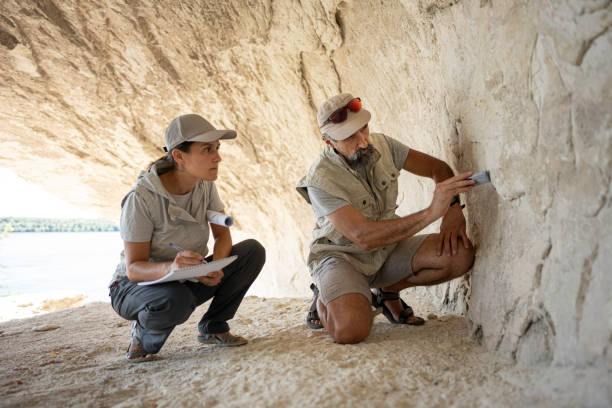
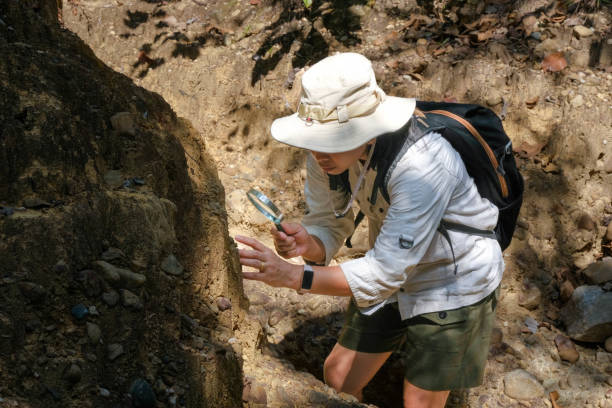
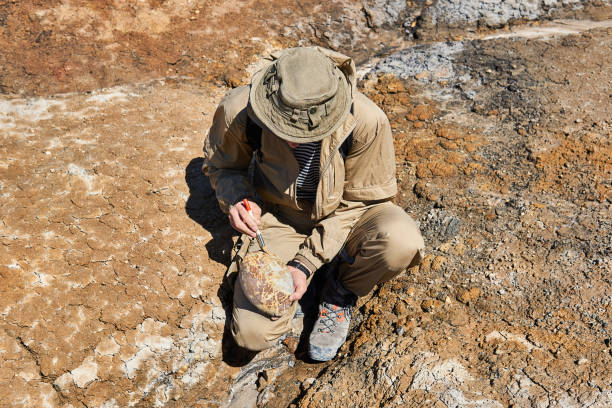
Conduct field expeditions to locate and excavate fossils from sedimentary rock formations or other geological sites.
Use tools like chisels, brushes, and GPS mapping to carefully extract and document fossil finds in their environmental context.
Fossil Analysis and Classification:
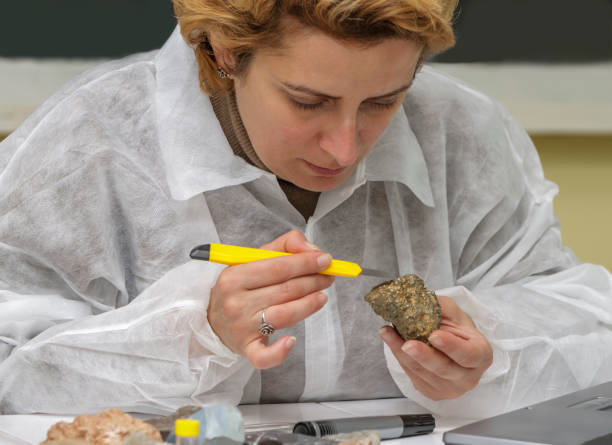
Analyze fossils in laboratories to determine species, age, and evolutionary significance using microscopy, CT scans, or chemical testing.
Classify specimens and contribute to taxonomic databases to enhance understanding of ancient biodiversity.
Geological Dating and Stratigraphy:
Employ radiometric dating and stratigraphic analysis to determine the age of fossils and surrounding rock layers.
Reconstruct past environments by studying sediment composition and fossil distribution.
Collaboration with Scientific Teams:
Work with geologists, ecologists, and other scientists to integrate paleontological data with broader Earth science research.
Collaborate on interdisciplinary projects to study mass extinctions, climate shifts, or evolutionary trends.
Publication and Knowledge Sharing:
Publish findings in scientific journals and write grant proposals to fund paleontological research or expeditions.
Present discoveries at conferences or public exhibitions to educate peers, students, and the general public.
Museum Curation and Public Education:
Curate fossil collections in museums, ensuring proper preservation and display for educational purposes.
Develop outreach programs or exhibits to communicate the significance of paleontological findings to non-specialists.
Application to Modern Challenges:
Apply paleontological data to understand long-term climate patterns or extinction events relevant to current environmental issues.
Advise on conservation strategies by studying historical biodiversity and ecosystem resilience.
Technological Innovation in Research:
Utilize or develop new technologies like 3D modeling or isotopic analysis to enhance fossil study and reconstruction.
Stay updated on advancements in paleontological methods to improve accuracy in dating or species identification.

Roles and Responsibilities:

  • Fieldwork and Fossil Excavation:
    • Conduct field expeditions to locate and excavate fossils from sedimentary rock formations or other geological sites.
    • Use tools like chisels, brushes, and GPS mapping to carefully extract and document fossil finds in their environmental context.
  • Fossil Analysis and Classification:
    • Analyze fossils in laboratories to determine species, age, and evolutionary significance using microscopy, CT scans, or chemical testing.
    • Classify specimens and contribute to taxonomic databases to enhance understanding of ancient biodiversity.
  • Geological Dating and Stratigraphy:
    • Employ radiometric dating and stratigraphic analysis to determine the age of fossils and surrounding rock layers.
    • Reconstruct past environments by studying sediment composition and fossil distribution.
  • Collaboration with Scientific Teams:
    • Work with geologists, ecologists, and other scientists to integrate paleontological data with broader Earth science research.
    • Collaborate on interdisciplinary projects to study mass extinctions, climate shifts, or evolutionary trends.
  • Publication and Knowledge Sharing:
    • Publish findings in scientific journals and write grant proposals to fund paleontological research or expeditions.
    • Present discoveries at conferences or public exhibitions to educate peers, students, and the general public.
  • Museum Curation and Public Education:
    • Curate fossil collections in museums, ensuring proper preservation and display for educational purposes.
    • Develop outreach programs or exhibits to communicate the significance of paleontological findings to non-specialists.
  • Application to Modern Challenges:
    • Apply paleontological data to understand long-term climate patterns or extinction events relevant to current environmental issues.
    • Advise on conservation strategies by studying historical biodiversity and ecosystem resilience.
  • Technological Innovation in Research:
    • Utilize or develop new technologies like 3D modeling or isotopic analysis to enhance fossil study and reconstruction.
    • Stay updated on advancements in paleontological methods to improve accuracy in dating or species identification.

ย 

Study Route & Eligibility Criteria

Study Route & Eligibility Criteria
Paleontologist
Route 1
๐ŸŽ“
1
10+2 in Science stream
Route 2
๐ŸŽ“
1
10+2 in Science stream
Route 3
๐ŸŽ“
1
10+2 in Science stream
Route 4
๐ŸŽ“
1
10+2 in Science stream
๐ŸŽฏ Paleontologist - Professional

Significant Observations (Academic Related Points)

๐Ÿ’ก
Paleontologist
Academic Related Points
1
Scientific Foundation:
A strong base in geology, biology, and earth sciences is crucial for Paleontologists.
2
Analytical Mindset:
Skills in data interpretation and problem-solving are essential for reconstructing ancient environments.
3
Specialized Training:
Advanced degrees or courses in fossil analysis or stratigraphy provide niche expertise.
4
Fieldwork Competence:
Practical experience in excavation and geological mapping enhances research capabilities.
5
Interdisciplinary Knowledge:
Familiarity with ecology, chemistry, or anthropology enriches paleontological studies.
6
Certification Value:
Recognized academic credentials or field training boost professional credibility.
7
Continuing Education:
Workshops on new dating techniques or imaging technologies are necessary to stay relevant.
8
Global Standards:
Understanding international paleontological protocols and ethics opens broader opportunities.
9
Attention to Detail:
Precision in fossil documentation and geological analysis ensures accurate findings.
10
Research Preparation:
Competitive roles often demand published work, field experience, or grant-writing proficiency.
11
International Opportunities:
Adaptability to global research environments and language skills expand career prospects.

Internships & Practical Exposure

๐Ÿ’ผ
Paleontologist
Internships & Practical Experience
1
Participation in field expeditions during or after academic programs for hands-on experience in fossil excavation and site mapping.
2
Involvement in university paleontology projects focusing on fossil identification or geological dating for practical learning.
3
Assisting senior researchers in museum labs or field digs to gain insights into paleontological research workflows.
4
Observerships with geological surveys or research institutes for exposure to applied paleontology in resource exploration.
5
Participation in scientific conferences or paleontology workshops for skill development and professional networking.
6
Training through collaborative digs or fossil cataloging projects for diverse technical and analytical exposure.
7
Exposure to industry-standard practices such as using stratigraphic tools or preparing fossil specimens for study.
8
Project-based learning in specialized areas like vertebrate paleontology, micropaleontology, or paleoecology for focused experience.
9
Community or museum outreach initiatives to engage with public education on ancient life and fossil preservation.
10
International field programs or online paleontology courses for exposure to global fossil records and research methodologies.

Courses & Specializations to Enter the Field

๐Ÿ“š
Paleontologist
Courses & Specializations
๐Ÿ“–
Bachelor of Science (B.Sc.) in Geology, Earth Sciences, or Biology with Paleontology focus.
๐Ÿ“–
Master of Science (M.Sc.) in Paleontology, Geology, or Earth Sciences.
๐Ÿ“–
Ph.D. in Paleontology or related disciplines.
๐Ÿ“–
Specialization in Vertebrate Paleontology or Micropaleontology.
๐Ÿ“–
Certification in Stratigraphy or Geochronology.
๐Ÿ“–
Training in Fossil Preparation and Conservation Techniques.
๐Ÿ“–
Workshops on Paleoecology or Evolutionary Paleobiology.
๐Ÿ“–
Short Courses in Radiometric Dating and Isotope Analysis.
๐Ÿ“–
Advanced Training in Paleoclimatology.
๐Ÿ“–
Courses in Digital Paleontology and 3D Fossil Modeling.

Prominent Employers

๐Ÿข
Paleontologist
๐ŸŒŸ Top Companies & Organizations
๐Ÿ‡ฎ๐Ÿ‡ณ India
๐Ÿ›๏ธ
Geological Survey of India (GSI)
๐Ÿ›๏ธ
Wadia Institute of Himalayan Geology
๐Ÿ›๏ธ
Birbal Sahni Institute of Palaeosciences, Lucknow
๐Ÿ›๏ธ
Indian National Science Academy (INSA)
๐Ÿ›๏ธ
Physical Research Laboratory (PRL), Ahmedabad
๐Ÿ›๏ธ
National Museum of Natural History, Delhi
๐Ÿ›๏ธ
University of Delhi, Geology Department
๐Ÿ›๏ธ
Banaras Hindu University, Geology Department
๐Ÿ›๏ธ
Jawaharlal Nehru University (JNU)
๐Ÿ›๏ธ
Indian Institute of Science (IISc)
๐ŸŒ International
๐ŸŒ
Smithsonian Institution, USA
๐ŸŒ
Natural History Museum, UK
๐ŸŒ
American Museum of Natural History, USA
๐ŸŒ
Royal Tyrrell Museum of Palaeontology, Canada
๐ŸŒ
Field Museum, USA
๐ŸŒ
Museum of the Rockies, USA
๐ŸŒ
Dinosaur National Monument, USA
๐ŸŒ
University of Bristol, UK
๐ŸŒ
Australian Museum, Australia
๐ŸŒ
Paleontological Institute, Russia

Advice for Aspiring Paleontologists

๐Ÿ’ก
Paleontologist
๐ŸŒŸ Tips for Students & Parents
1
Develop a robust foundation in geology and biology to grasp the complexities of ancient life research.
2
Seek early field exposure through digs or university projects to confirm passion for paleontology.
3
Prepare diligently for entrance exams like GATE or GRE to gain entry into top academic programs.
4
Pursue specialized training in areas like vertebrate paleontology or stratigraphy for a distinct edge.
5
Stay informed on scientific developments by attending conferences and reading paleontological journals.
6
Build practical skills by participating in small-scale fossil excavations or lab assistant roles.
7
Engage in community or museum outreach to apply paleontological knowledge in educational contexts.
8
Join professional groups like SVP or PSI for networking and access to valuable resources.
9
Cultivate resilience to manage fieldwork challenges, funding uncertainties, or research setbacks.
10
Explore international field opportunities to encounter diverse fossil records and global challenges.
11
Volunteer in geological surveys or paleontological digs to understand real-world research dynamics.
12
Sharpen analytical skills to address intricate questions about ancient ecosystems and species.
13
Participate in continuing education to keep pace with innovative paleontological tools and methods.
14
Forge connections with researchers, curators, and field experts for collaborative opportunities.
15
Maintain perseverance to navigate the unpredictability of fossil discoveries and funding cycles.
16
Balance academic rigor with ongoing learning to adapt to evolving trends in paleontological science.
๐ŸŽ“ Final Message
Venturing into a career as a Paleontologist offers a unique privilege to unravel the mysteries of Earthโ€™s distant past, piecing together the saga of ancient life through fossils and geological traces. From excavating long-lost species to shedding light on evolutionary pathways, Paleontologists stand as custodians of historyโ€™s deepest chapters. This field blends meticulous fieldwork, analytical depth, and a profound dedication to decoding lifeโ€™s ancient narrative, presenting diverse avenues in research, curation, and education. For those enchanted by the allure of prehistoric worlds, eager to adapt to emerging scientific methodologies, and committed to illuminating humanityโ€™s origins, a career as a Paleontologist promises an intellectually captivating and deeply enriching professional voyage with the power to reshape our understanding of lifeโ€™s grand timeline.
Knowledge & Skills You Will Learn
1
Expertise in fossil identification, excavation techniques, and geological analysis with precision
2
Analytical ability to interpret complex stratigraphic data and evolutionary relationships
3
In-depth knowledge of paleobiology, geology, and ancient ecosystems for comprehensive research
4
Critical thinking to formulate hypotheses about ancient life based on incomplete fossil records
5
Attention to detail for meticulous documentation of fossil finds and geological contexts
6
Physical stamina for enduring challenging fieldwork conditions during excavations or surveys
7
Adaptability to integrate new technologies like 3D imaging or isotopic dating into research
8
Collaboration skills for working with multidisciplinary teams of scientists and field crews
9
Problem-solving ability to address challenges in fossil preservation or site accessibility
10
Communication skills to present findings through scientific papers, lectures, or public exhibits
Field Assistant

Field Assistant

Early-career individuals support fossil excavations and site documentation under supervision, gaining hands-on experience in field techniques....

0.0LPA
Paleontological Researcher

Paleontological Researcher

Specialists conduct independent or collaborative studies on fossils, focusing on specific eras or species, contributing to scientific papers or...

0.0LPA
Senior Paleontologist

Senior Paleontologist

Experienced professionals lead research on complex paleontological questions, often specializing in areas like dinosaur morphology or...

0.0LPA

Interested in this career?

Take the next step and explore more about Paleontologist.