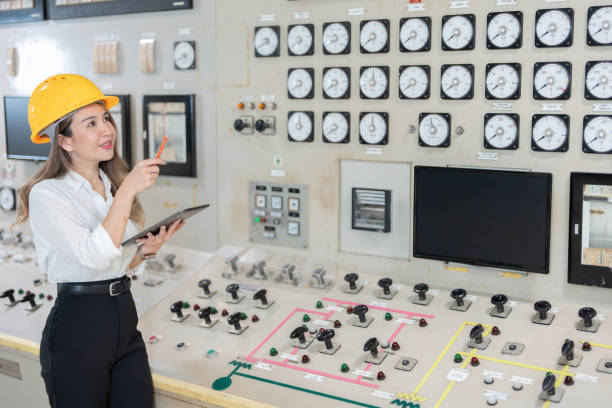
Nuclear Physicist

A Nuclear Physicist is a specialized scientific professional who studies the fundamental properties and interactions of atomic nuclei, exploring phenomena such as nuclear reactions, radioactivity, and particle behavior to advance knowledge in energy production, medical applications, and fundamental physics. They work in academic institutions, research laboratories, government agencies, and industries like energy and healthcare, collaborating with engineers, chemists, and other scientists to address challenges in nuclear technology, radiation safety, and theoretical physics. Nuclear Physicists are instrumental in pushing the boundaries of scientific discovery in an era where nuclear energy, medical therapies, and quantum research play critical roles in global progress and sustainability.

Share :
โœจ Radial Mind Map - Nuclear Physicist
Nodes arranged in concentric circles

Loading radial mind map...

Overview

A Nuclear Physicist is a specialized scientific professional who studies the fundamental properties and interactions of atomic nuclei, exploring phenomena such as nuclear reactions, radioactivity, and particle behavior to advance knowledge in energy production, medical applications, and fundamental physics. They work in academic institutions, research laboratories, government agencies, and industries like energy and healthcare, collaborating with engineers, chemists, and other scientists to address challenges in nuclear technology, radiation safety, and theoretical physics. Nuclear Physicists are instrumental in pushing the boundaries of scientific discovery in an era where nuclear energy, medical therapies, and quantum research play critical roles in global progress and sustainability.

Nuclear Physicists are rigorous researchers who delve into the intricacies of nuclear structure and dynamics, employing advanced experimental techniques, particle accelerators, and computational simulations to investigate nuclear forces, decay processes, and energy transformations. Their work spans from developing cleaner nuclear energy solutions to pioneering radiation therapies for cancer treatment, often involving the analysis of complex data to uncover insights into the subatomic world. Operating in high-security labs, universities, or industrial facilities, they blend analytical precision, innovative methodologies, and deep expertise to solve intricate problems at the frontier of physics. As essential contributors to pure sciences and research, Nuclear Physicists fuel advancements in a landscape increasingly driven by the need for sustainable energy, medical innovation, and a deeper understanding of the universeโ€™s fundamental laws.

Roles and Responsibilities

๐Ÿ’ผ
Nuclear Physicist
Roles and Responsibilities
Experimental Research and Data Collection:
Conduct experiments using particle accelerators, detectors, and other specialized equipment to study nuclear reactions and particle interactions.
Measure properties like nuclear mass, spin, or decay rates to understand subatomic behavior under controlled conditions.
Theoretical Analysis and Modeling:
Develop theoretical models to explain nuclear phenomena, using quantum mechanics and computational tools to predict outcomes.
Simulate nuclear processes to test hypotheses about nuclear stability, fusion, or fission reactions.
Nuclear Energy and Technology Development:
Research and design nuclear reactors or fusion technologies for sustainable energy production with minimal environmental impact.
Innovate safety protocols and waste management solutions for nuclear power facilities.
Medical Applications of Nuclear Physics:
Apply nuclear techniques in medical imaging (e.g., PET scans) and radiation therapy for diagnosing and treating diseases like cancer.
Develop isotopes for medical use, ensuring safety and efficacy in clinical settings.
Collaboration with Multidisciplinary Teams:
Work with engineers, medical physicists, and other scientists to integrate nuclear research into practical applications or interdisciplinary studies.
Partner on projects involving nuclear security, particle physics, or astrophysics research.
Publication and Knowledge Dissemination:
Publish findings in peer-reviewed journals and write grant proposals to secure funding for nuclear physics research.
Present results at scientific conferences or seminars to advance global understanding and collaboration.
Safety and Regulatory Compliance:
Ensure adherence to strict safety standards and regulations when handling radioactive materials or operating nuclear facilities.
Advise on radiation protection measures for workers, patients, or the public in nuclear-related projects.
Innovation in Nuclear Instrumentation:
Design or improve detectors, accelerators, and other tools to enhance precision in nuclear experiments.
Stay abreast of cutting-edge technologies like quantum computing for nuclear simulations or data analysis.

Roles and Responsibilities:

  • Experimental Research and Data Collection:
    • Conduct experiments using particle accelerators, detectors, and other specialized equipment to study nuclear reactions and particle interactions.
    • Measure properties like nuclear mass, spin, or decay rates to understand subatomic behavior under controlled conditions.
  • Theoretical Analysis and Modeling:
    • Develop theoretical models to explain nuclear phenomena, using quantum mechanics and computational tools to predict outcomes.
    • Simulate nuclear processes to test hypotheses about nuclear stability, fusion, or fission reactions.
  • Nuclear Energy and Technology Development:
    • Research and design nuclear reactors or fusion technologies for sustainable energy production with minimal environmental impact.
    • Innovate safety protocols and waste management solutions for nuclear power facilities.
  • Medical Applications of Nuclear Physics:
    • Apply nuclear techniques in medical imaging (e.g., PET scans) and radiation therapy for diagnosing and treating diseases like cancer.
    • Develop isotopes for medical use, ensuring safety and efficacy in clinical settings.
  • Collaboration with Multidisciplinary Teams:
    • Work with engineers, medical physicists, and other scientists to integrate nuclear research into practical applications or interdisciplinary studies.
    • Partner on projects involving nuclear security, particle physics, or astrophysics research.
  • Publication and Knowledge Dissemination:
    • Publish findings in peer-reviewed journals and write grant proposals to secure funding for nuclear physics research.
    • Present results at scientific conferences or seminars to advance global understanding and collaboration.
  • Safety and Regulatory Compliance:
    • Ensure adherence to strict safety standards and regulations when handling radioactive materials or operating nuclear facilities.
    • Advise on radiation protection measures for workers, patients, or the public in nuclear-related projects.
  • Innovation in Nuclear Instrumentation:
    • Design or improve detectors, accelerators, and other tools to enhance precision in nuclear experiments.
    • Stay abreast of cutting-edge technologies like quantum computing for nuclear simulations or data analysis.

ย 

Study Route & Eligibility Criteria

Study Route & Eligibility Criteria
Nuclear Physicist
Route 1
๐ŸŽ“
1
10+2 in Science stream
Route 2
๐ŸŽ“
1
10+2 in Science stream
Route 3
๐ŸŽ“
1
10+2 in Science stream
Route 4
๐ŸŽ“
1
10+2 in Science stream
๐ŸŽฏ Nuclear Physicist - Professional

Significant Observations (Academic Related Points)

๐Ÿ’ก
Nuclear Physicist
Academic Related Points
1
Scientific Foundation:
A deep grasp of physics, mathematics, and quantum mechanics is indispensable for Nuclear Physicists.
2
Analytical Mindset:
Exceptional skills in data analysis and problem-solving are vital for interpreting complex nuclear phenomena.
3
Specialized Training:
Advanced degrees or certifications in nuclear engineering or particle physics provide targeted expertise.
4
Technological Proficiency:
Mastery of experimental equipment like accelerators and detectors enhances research precision.
5
Interdisciplinary Knowledge:
Understanding chemistry, engineering, or medical physics broadens application areas.
6
Certification Value:
Recognized academic credentials or professional training elevate career standing in a competitive field.
7
Continuing Education:
Regular workshops on emerging nuclear technologies or safety protocols are essential to stay relevant.
8
Global Standards:
Familiarity with international nuclear safety regulations and research ethics opens broader prospects.
9
Attention to Detail:
Precision in experimental design and data recording ensures credible and reproducible results.
10
Research Preparation:
Competitive positions often require published research, lab experience, or grant-writing capabilities.
11
International Opportunities:
Adaptability to global research environments and language skills expand career avenues.

Internships & Practical Exposure

๐Ÿ’ผ
Nuclear Physicist
Internships & Practical Experience
1
Participation in nuclear physics lab internships during or after academic programs for hands-on experience with radiation detectors or particle accelerators.
2
Involvement in university research projects focusing on nuclear reactions or quantum simulations for practical learning.
3
Assisting senior researchers in government or academic labs to gain insights into nuclear data analysis and experimental design.
4
Observerships with nuclear facilities or medical physics units for exposure to applied nuclear science in energy or healthcare.
5
Participation in scientific conferences or nuclear physics workshops for skill enhancement and professional networking.
6
Training through collaborative projects like nuclear reactor simulations or isotope production for diverse technical exposure.
7
Exposure to industry-standard practices such as using radiation safety protocols or operating spectrometry equipment.
8
Project-based learning in specialized areas like nuclear astrophysics, fusion research, or radiation therapy for focused experience.
9
Community or safety initiatives to apply nuclear knowledge in practical settings like radiation awareness programs.
10
International research programs or online nuclear physics courses for exposure to global nuclear challenges and methodologies.

Courses & Specializations to Enter the Field

๐Ÿ“š
Nuclear Physicist
Courses & Specializations
๐Ÿ“–
Bachelor of Science (B.Sc.) in Physics or Applied Physics.
๐Ÿ“–
Master of Science (M.Sc.) in Nuclear Physics or Applied Physics.
๐Ÿ“–
Ph.D. in Nuclear Physics or related disciplines.
๐Ÿ“–
Specialization in Nuclear Energy or Particle Physics.
๐Ÿ“–
Certification in Radiation Safety or Nuclear Instrumentation.
๐Ÿ“–
Training in Nuclear Medicine or Reactor Physics.
๐Ÿ“–
Workshops on Quantum Mechanics for Nuclear Applications.
๐Ÿ“–
Short Courses in Nuclear Data Analysis and Simulation.
๐Ÿ“–
Advanced Training in Nuclear Astrophysics.
๐Ÿ“–
Courses in Fusion Technology and Plasma Physics.

Prominent Employers

๐Ÿข
Nuclear Physicist
๐ŸŒŸ Top Companies & Organizations
๐Ÿ‡ฎ๐Ÿ‡ณ India
๐Ÿ›๏ธ
Bhabha Atomic Research Centre (BARC), Mumbai
๐Ÿ›๏ธ
Tata Institute of Fundamental Research (TIFR), Mumbai
๐Ÿ›๏ธ
Variable Energy Cyclotron Centre (VECC), Kolkata
๐Ÿ›๏ธ
Saha Institute of Nuclear Physics (SINP), Kolkata
๐Ÿ›๏ธ
Indira Gandhi Centre for Atomic Research (IGCAR), Kalpakkam
๐Ÿ›๏ธ
Nuclear Power Corporation of India Limited (NPCIL)
๐Ÿ›๏ธ
Department of Atomic Energy (DAE), India
๐Ÿ›๏ธ
Indian Space Research Organisation (ISRO)
๐Ÿ›๏ธ
Physical Research Laboratory (PRL), Ahmedabad
๐Ÿ›๏ธ
Raja Ramanna Centre for Advanced Technology (RRCAT), Indore
๐ŸŒ International
๐ŸŒ
Lawrence Livermore National Laboratory (LLNL), USA
๐ŸŒ
European Organization for Nuclear Research (CERN), Switzerland
๐ŸŒ
Los Alamos National Laboratory (LANL), USA
๐ŸŒ
International Atomic Energy Agency (IAEA), Austria
๐ŸŒ
Oak Ridge National Laboratory (ORNL), USA
๐ŸŒ
Japan Atomic Energy Agency (JAEA), Japan
๐ŸŒ
French Alternative Energies and Atomic Energy Commission (CEA), France
๐ŸŒ
Max Planck Institute for Nuclear Physics, Germany
๐ŸŒ
Canadian Nuclear Laboratories (CNL), Canada
๐ŸŒ
Australian Nuclear Science and Technology Organisation (ANSTO), Australia

Advice for Aspiring Nuclear Physicists

๐Ÿ’ก
Nuclear Physicist
๐ŸŒŸ Tips for Students & Parents
1
Build a robust foundation in physics and mathematics to master the complexities of nuclear research.
2
Gain early lab exposure through internships or university projects to affirm interest in nuclear physics.
3
Prepare thoroughly for entrance exams like JEE, GATE, or GRE to secure spots in prestigious programs.
4
Seek specialized training in areas like nuclear energy or medical physics for a competitive advantage.
5
Stay updated on scientific progress by attending conferences and engaging with nuclear physics journals.
6
Develop hands-on skills by assisting in small-scale nuclear experiments or data analysis tasks.
7
Participate in community or safety initiatives to apply nuclear expertise in real-world contexts.
8
Join professional bodies like APS or IPA for networking and access to valuable resources.
9
Cultivate resilience to manage high-stakes research, safety constraints, or funding challenges.
10
Explore international research opportunities to address diverse nuclear science questions and innovations.
11
Volunteer in nuclear labs or safety programs to understand practical research and regulatory dynamics.
12
Sharpen analytical skills to tackle intricate problems in nuclear interactions and technologies.
13
Engage in continuing education to keep pace with cutting-edge nuclear tools and methodologies.
14
Forge connections with researchers, engineers, and industry leaders for collaborative prospects.
15
Maintain determination to navigate the uncertainties of research breakthroughs and funding cycles.
16
Balance academic pursuits with continuous learning to adapt to rapid advancements in nuclear science.
๐ŸŽ“ Final Message
Embarking on a career as a Nuclear Physicist presents an extraordinary opportunity to probe the deepest secrets of matter, leveraging scientific exploration to revolutionize energy, medicine, and our grasp of the cosmos. From crafting sustainable power solutions to enhancing life-saving therapies, Nuclear Physicists stand at the forefront of transformative innovation. This discipline integrates meticulous analysis, pioneering technology, and an unwavering commitment to unraveling the subatomic realm, offering diverse pathways in research, industry, and education. For those intrigued by the mysteries of the nucleus, prepared to embrace evolving scientific frontiers, and dedicated to addressing critical global needs, a career as a Nuclear Physicist provides a profoundly stimulating and immensely consequential professional odyssey, with the potential to shape the future of human progress through the power of nuclear science.
Knowledge & Skills You Will Learn
1
Expertise in nuclear experimental techniques using accelerators, detectors, and radiation measurement tools with precision
2
Analytical proficiency to interpret intricate nuclear data and model subatomic interactions
3
In-depth understanding of quantum mechanics, nuclear structure, and reaction dynamics for rigorous research
4
Computational skills to simulate nuclear processes using specialized software and high-performance computing
5
Critical thinking to develop theories or solutions for complex nuclear physics problems with limited data
6
Attention to safety protocols to handle radioactive materials and ensure compliance with strict regulations
7
Adaptability to incorporate emerging technologies like quantum computing into nuclear research workflows
8
Collaboration skills for working with multidisciplinary teams of physicists, engineers, and medical professionals
9
Problem-solving ability to troubleshoot experimental challenges or equipment failures under constrained conditions
10
Communication skills to present highly technical findings through papers, lectures, or policy recommendations
Junior Research Assistant

Junior Research Assistant

Early-career individuals assist in nuclear experiments and data collection under supervision, gaining hands-on experience with lab equipment and...

0.0LPA
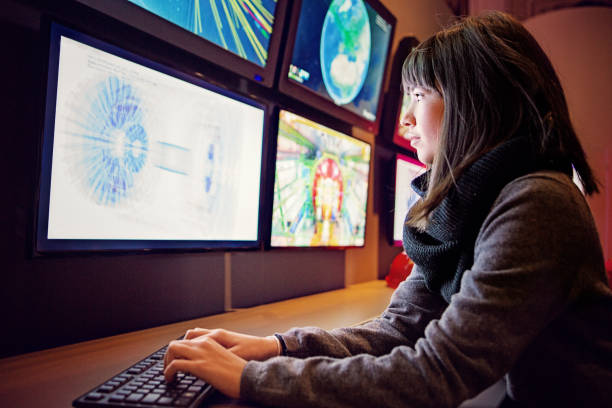
Nuclear Physicist

Nuclear Physicist

Specialists conduct independent research on nuclear phenomena, focusing on areas like nuclear reactions or radiation effects, contributing to...

0.0LPA

Senior Nuclear Physicist

Senior Nuclear Physicist

Experienced professionals lead complex nuclear studies, often specializing in fusion, fission, or medical applications, guiding teams and...

0.0LPA

Interested in this career?

Take the next step and explore more about Nuclear Physicist.