Mycologist

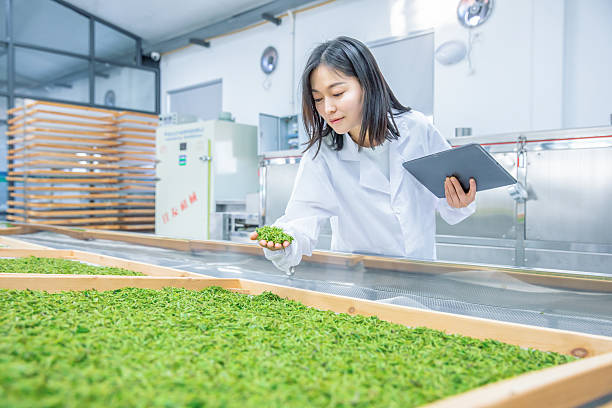
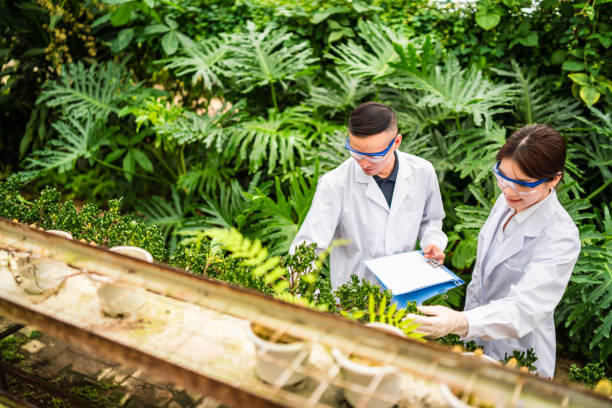
A Mycologist is a specialized scientist who studies fungi, including mushrooms, molds, yeasts, and lichens, focusing on their biology, ecology, genetics, and interactions with other organisms and environments. They work in research institutions, universities, pharmaceutical companies, agricultural organizations, and conservation agencies. Mycologists apply biological, chemical, and molecular techniques to understand fungal diversity, behaviour, and applications, developing medical treatments, agricultural solutions, and environmental remediation strategies. Combining expertise in biology, biochemistry, and ecology, they play a crucial role in advancing fields like medicine, agriculture, and conservation in a world where fungi impact every aspect of life, from disease treatment to food production, industrial processes, and ecosystem health.
Share :
Career tree mind map (horizontal) — Mycologist
Colored branches, hub circles, and underlined topics — same style as counselor course classic (types 18–19 in admin).
Loading mind map…

Mycologists are experts who focus on the study of fungi, their roles in ecosystems, and their applications to solve problems related to health, agriculture, and environmental sustainability. Their work involves analyzing fungal samples in laboratories, conducting field studies, and applying findings to industries like healthcare, food production, and conservation. They often operate in academic, governmental, or industrial settings, balancing technical research with practical applications and interdisciplinary collaboration. Mycologists are essential to fields like natural product discovery, plant pathology, and ecosystem management, serving as experts in fungal science, contributing to solutions for global challenges, advancing technological innovations, and protecting scientific integrity. They address pressing issues through rigorous research and improve outcomes through evidence-based strategies in a scientific landscape where mycology's relevance continues to grow due to emerging applications in medicine, biotechnology, and environmental restoration.

  • Fungal Analysis and Identification
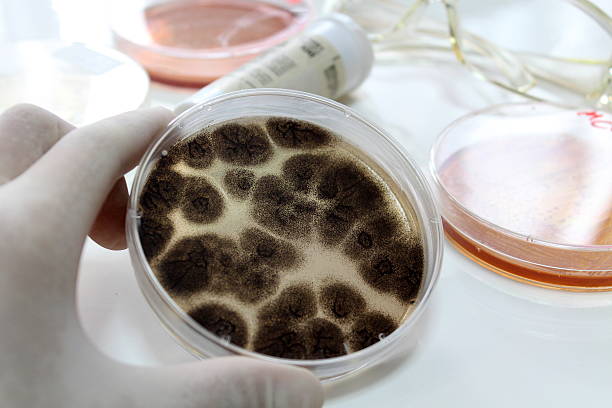
    • Analyze fungal samples using techniques like microscopy, culturing, and molecular sequencing to identify species and characteristics.
    • Study fungal growth, reproduction, metabolism, and genetic properties for scientific and applied purposes.
  • Medicinal Research and Development
    • Investigate fungi for bioactive compounds with potential pharmaceutical applications.
    • Research fungal-derived antibiotics, immunosuppressants, and other therapeutic agents.
  • Environmental Mycology
    • Study fungi in soil, water, and air to assess ecosystem health and biodiversity.
    • Research fungal roles in nutrient cycling, decomposition, and symbiotic relationships.
  • Biotechnology and Product Development
    • Utilize fungi to produce enzymes, organic acids, and other valuable compounds.
    • Engineer fungi for industrial applications like biofuel production or waste treatment.
  • Food Safety and Production
    • Study edible mushrooms and their cultivation techniques for food production.
    • Identify and control harmful fungi that cause food spoilage or produce mycotoxins.
  • Plant Pathology
    • Research fungal plant diseases and develop control strategies for agricultural crops.
    • Support sustainable agriculture through fungal disease management approaches.
  • Conservation Mycology
    • Document fungal biodiversity and work to preserve endangered fungal species.
    • Study the impacts of climate change and habitat loss on fungal communities.
  • Education and Outreach
    • Teach courses on mycology, fungal biology, or applied mycology in academic institutions.
    • Educate communities and policymakers on the importance of fungi in ecosystems.
  • Policy and Regulation
    • Advise on regulations related to fungal conservation, biosafety, and food safety.
    • Contribute to guidelines for handling and utilizing fungi in various applications.
  • Interdisciplinary Collaboration
    • Work with ecologists, botanists, and microbiologists to integrate mycological data into broader projects.
    • Collaborate with industry to apply research in practical contexts like drug development or agriculture.

RouteSteps
Route 11. 10+2 with Physics, Chemistry, and Biology (PCB).
2. Bachelor's degree in Botany, Microbiology, or Life Sciences (3-4 years).
3. Master's degree in Mycology or Applied Mycology (2 years).
4. PhD in Mycology or related field (3-5 years, optional).
5. Postdoctoral research or lab experience in fungal science (optional).
Route 21. 10+2 with Physics, Chemistry, and Biology (PCB).
2. Bachelor's degree in Biology or Biochemistry (3-4 years).
3. Master's degree in Botany or Microbiology with specialization in Mycology (2 years).
4. Specialized training in mycological techniques (6 months-1 year).
5. Practical experience in mycology labs or field studies.
Route 31. 10+2 with Physics, Chemistry, and Biology (PCB).
2. Bachelor's degree in Environmental Science or Agricultural Sciences (3-4 years).
3. Master's degree in Mycology or Plant Pathology (2 years).
4. Internship or fellowship in mycology research labs (1-2 years).
5. Certification in advanced fungal analysis techniques (optional).
Route 41. 10+2 with Physics, Chemistry, and Biology (PCB).
2. Bachelor's degree from India in relevant field (3-4 years).
3. Master's or PhD in Mycology abroad (2-5 years).
4. Training or postdoctoral research in international mycology programs (1-3 years).
5. Certification or licensure for international practice (if applicable).

  • Lab internships in mycology focusing on fungal culturing and molecular analysis.
  • Research apprenticeships with conservation organizations for fungal biodiversity studies.
  • Observerships in clinical labs studying fungal pathogens and antifungal resistance.
  • Participation in environmental projects assessing fungal impacts on ecosystems.
  • Training in advanced fungal sequencing technologies under supervision.
  • Experience in pharmaceutical companies applying mycology to drug discovery.
  • Involvement in data collection for mushroom cultivation and forest ecology studies.
  • Attendance at mycology or conservation biology conferences and workshops.
  • Exposure to interdisciplinary projects with botanists or soil scientists.
  • Collaborative research in international mycology labs for global exposure.

  • Bachelor's in Botany, Microbiology, or Life Sciences.
  • Bachelor's in Biology or Biochemistry.
  • Master's in Mycology or Applied Mycology.
  • PhD in Mycology or Fungal Biology.
  • Certification courses in Medical Mycology and Fungal Identification.
  • Training in Environmental Mycology and Conservation.
  • Specialized courses in Industrial Mycology.
  • Master's in Plant Pathology with Mycology focus.
  • Continuing Education courses in Ethnomycology and Mushroom Cultivation.
  • Short-term courses in Fungal Genomics and Proteomics.

InstituteCourse/ProgramOfficial Link
Indian Agricultural Research Institute (IARI), New DelhiMSc/PhD in Plant Pathology with Mycologyhttps://www.iari.res.in/
University of Delhi, DelhiMSc/PhD in Botany with Mycology specializationhttps://www.du.ac.in/
Banaras Hindu University (BHU), VaranasiMSc/PhD in Botany with Mycologyhttps://www.bhu.ac.in/
Indian Institute of Science (IISc), BangaloreMSc/PhD in Biological Scienceshttps://www.iisc.ac.in/
Jawaharlal Nehru University (JNU), New DelhiMSc/PhD in Life Scienceshttps://www.jnu.ac.in/
University of Calcutta, KolkataMSc/PhD in Botany with Mycologyhttps://www.caluniv.ac.in/
Savitribai Phule Pune University, PuneMSc/PhD in Botanyhttps://www.unipune.ac.in/
Kerala Forest Research Institute, ThrissurResearch programs in Forest Mycologyhttps://www.kfri.res.in/
University of Hyderabad, HyderabadMSc/PhD in Plant Scienceshttps://www.uohyd.ac.in/
National Botanical Research Institute (NBRI), LucknowResearch programs in Mycologyhttps://www.nbri.res.in/

InstitutionCourseCountryOfficial Link
Royal Botanic Gardens, KewMSc/PhD in Fungal TaxonomyUKhttps://www.kew.org/
University of California, BerkeleyMSc/PhD in MycologyUSAhttps://www.berkeley.edu/
University of OxfordDPhil in Plant SciencesUKhttps://www.ox.ac.uk/
University of HelsinkiMSc/PhD in Fungal BiologyFinlandhttps://www.helsinki.fi/en
ETH ZurichMSc/PhD in Plant and Microbial BiologySwitzerlandhttps://www.ethz.ch/
University of TorontoMSc/PhD in Ecology and Evolutionary BiologyCanadahttps://www.utoronto.ca/
Imperial College LondonMSc/PhD in Ecology and ConservationUKhttps://www.imperial.ac.uk/
Cornell UniversityMSc/PhD in Plant Pathology and Plant-Microbe BiologyUSAhttps://www.cornell.edu/
University of Western AustraliaMSc/PhD in MycologyAustraliahttps://www.uwa.edu.au/
University of CopenhagenMSc/PhD in Biology with Mycology focusDenmarkhttps://www.ku.dk/english/

India:

  • Graduate Aptitude Test in Engineering (GATE) for Master's programs in Biotechnology at IITs and other institutes.
  • Council of Scientific and Industrial Research (CSIR) NET for research fellowships and PhD programs.
  • University-specific entrance exams for Master's and PhD programs in Botany or Life Sciences (e.g., JNU CEEB, DUET).
  • State-level entrance examinations for postgraduate programs in Life Sciences.
  • Indian Institute of Science Entrance Test (IISc) for research programs.


International:

  • Graduate Record Examination (GRE) for postgraduate programs in Biological Sciences in the USA and Canada.
  • International English Language Testing System (IELTS) with a minimum score of 6.5-7.0 for international programs.
  • Test of English as a Foreign Language (TOEFL) with a minimum score of 90-100 for programs in English-speaking countries.
  • University-specific entrance exams for international Master's or PhD programs in related fields.
  • Australian Education Assessment Services for programs in Australia.
  • Specific fellowship or scholarship exams for international research opportunities.

Undergraduate Student → Graduate Trainee (Master's) → Junior Mycologist → Established Mycologist → Senior Mycologist/Research Lead → Program Director/Professor

  • Academic institutions conducting research and teaching in mycology and botanical sciences.
  • Conservation organizations documenting and protecting fungal biodiversity.
  • Pharmaceutical industries researching fungal compounds for drug development.
  • Agricultural agencies addressing fungal plant diseases and promoting beneficial fungi.
  • Government bodies overseeing natural resource management and biodiversity conservation.
  • Research institutions studying fungal ecology and genetics.
  • Food and beverage industries working with edible fungi and fermentation processes.
  • International collaborations addressing global biodiversity and conservation challenges.
  • Biotechnology firms utilizing fungi for industrial applications.
  • Forestry sectors studying forest fungi and ecosystem health.

IndiaInternational
Indian Council of Agricultural Research (ICAR)Royal Botanic Gardens, Kew, UK
Council of Scientific and Industrial Research (CSIR)United States Department of Agriculture (USDA)
National Botanical Research Institute (NBRI), LucknowFood and Agriculture Organization (FAO)
Department of Biotechnology (DBT), Government of IndiaMycological Society of America (MSA)
Forest Research Institute (FRI), DehradunInternational Mycological Association (IMA)
Indian Institute of Horticultural Research (IIHR)Centers for Disease Control and Prevention (CDC), USA
National Centre for Biological Sciences (NCBS)Fungal Biodiversity Centre, Netherlands
Mushroom Research and Training Centre, SolanBritish Mycological Society, UK
Biotech Consortium India LimitedNovozymes (Enzyme Company), Denmark
Central Food Technological Research Institute (CFTRI)Conservation International (Biodiversity Programs)

ProsCons
Significant contribution to conservation and sustainability through fungal research.Requires continuous learning to keep up with rapidly evolving fungal taxonomy and molecular techniques.
Intellectually stimulating work combining biology, ecology, and genetics in mycological analysis.Competitive field for academic positions, often requiring extensive fieldwork and publications.
High impact on agriculture and forestry by contributing to plant disease management and ecosystem health.Field-intensive role with potential exposure to harsh environments and sometimes toxic fungi.
Opportunities for innovation in natural product discovery, bioremediation, and conservation mycology.Limited public awareness of mycology as a career, leading to fewer mainstream opportunities in some regions.
Growing relevance due to increasing concerns over biodiversity loss, climate change, and sustainable agriculture.Funding constraints for research projects can limit scope and career progression in academia or conservation.

Career LevelIndia (₹ per annum)International (US$ per annum)
Trainee/Graduate Student2,00,000 - 4,00,000$20,000 - $30,000
Junior Mycologist4,00,000 - 7,00,000$35,000 - $50,000
Established Mycologist7,00,000 - 12,00,000$50,000 - $70,000
Senior Mycologist/Research Lead12,00,000 - 20,00,000$70,000 - $90,000
Program Director/Professor20,00,000 - 35,00,000$90,000 - $130,000

  • Bioinformatics Tools: Software like BLAST and MEGA for analyzing fungal DNA and RNA sequences.
  • Geographic Information Systems (GIS): Platforms for mapping fungal distributions and habitat relationships.
  • Statistical Analysis Tools: Software like R and SPSS for processing large datasets from mycological research.
  • Genomic Sequencing Software: Tools such as Illumina BaseSpace for interpreting fungal genome data.
  • Fungal Imaging Software: Programs like ImageJ for analyzing microscopic images of fungi.
  • Data Visualization Tools: Software like Tableau or MATLAB for presenting mycological data graphically.
  • Molecular Modeling Software: Tools such as PyMOL for studying fungal protein structures.
  • Database Management Platforms: For organizing extensive records of fungal specimens and field data.
  • Field Data Collection Apps: Mobile tools for real-time data entry during fungal surveys.
  • Collaboration Platforms: For interdisciplinary teamwork and data sharing with botanists and ecologists.

  • International Mycological Association (IMA)
  • Mycological Society of America (MSA)
  • British Mycological Society (BMS)
  • Mycological Society of India (MSI)
  • European Mycological Association (EMA)
  • International Society for Fungal Conservation (ISFC)
  • Indian Society of Mycology and Plant Pathology (ISMPP)
  • Asia-Pacific Mycological Association (APMA)
  • International Commission on the Taxonomy of Fungi (ICTF)
  • North American Mycological Association (NAMA)

  • Dr. E.J.H. Corner (Historical, UK): Renowned for foundational work in tropical mycology and forest fungi, active from the 1920s to 1990s.
     
  • Dr. Alexander H. Smith (Historical, USA): Known for extensive work on North American mushrooms and fungal taxonomy, active from the 1930s to 1980s.
     
  • Dr. Meredith Blackwell (Contemporary, USA): Noted for research on insect-fungal relationships and fungal diversity, active since the 1970s at Louisiana State University.
     
  • Dr. David Hawksworth (Contemporary, UK): Recognized for work on fungal biodiversity and conservation, active since the 1960s at Royal Botanic Gardens, Kew.
     
  • Dr. Tom Volk (Contemporary, USA): Known for mycology education and fungal pathology research, active since the 1980s at the University of Wisconsin.
     
  • Dr. Paul Stamets (Contemporary, USA): Noted for research on medicinal mushrooms and mycoremediation, active since the 1970s as founder of Fungi Perfecti.
     
  • Dr. K. Natarajan (Contemporary, India): Recognized for contributions to Indian mycology and fungal taxonomy, active since the 1970s at the University of Madras.
     
  • Dr. Lynne Boddy (Contemporary, UK): Known for work on fungal ecology and wood decomposition, active since the 1980s at Cardiff University.
     
  • Dr. T.N. Srinivasan (Contemporary, India): Noted for contributions to medical mycology in India, active since the 1970s at various research institutes.
     
  • Dr. Anne Pringle (Contemporary, USA): Recognized for research on fungal ecology and evolution, active since the 1990s at the University of Wisconsin-Madison.
     

  • Build a strong foundation in botany, biology, and ecology during undergraduate studies to prepare for specialized learning.
  • Seek early exposure through internships or field work in mycology to gain practical experience in fungal identification and ecology.
  • Develop technical skills in fungal genomics, bioinformatics, and lab techniques during Master's or PhD programs for a competitive edge.
  • Engage in interdisciplinary learning by exploring conservation biology, plant pathology, and environmental science alongside mycology.
  • Pursue research opportunities or fellowships to deepen expertise in niche areas like medical mycology or fungal conservation.
  • Cultivate mentoring relationships with established mycologists for career guidance and networking opportunities.
  • Stay updated with advancements in fungal taxonomy, molecular identification techniques, and ecological applications.
  • Publish research findings or field studies in scientific journals to establish credibility and contribute to the field.
  • Consider international exposure through collaborative projects, conferences, or advanced research abroad to broaden perspectives.
  • Balance technical expertise with practical applications to address real-world challenges like biodiversity conservation and sustainable agriculture.


A career as a Mycologist offers a unique opportunity to impact conservation, agriculture, medicine, and environmental sustainability by studying the fascinating world of fungi. From conducting detailed field and laboratory research to developing solutions for ecosystem health and human wellbeing, Mycologists play a pivotal role in addressing some of the world's most pressing challenges related to biodiversity loss, sustainable food production, and natural product discovery. This field combines rigorous scientific inquiry, ecological awareness, and interdisciplinary collaboration, offering diverse paths in academia, conservation, and applied research. For those passionate about biological sciences, environmental protection, and scientific discovery, a career as a Mycologist provides a deeply rewarding journey with significant potential for making meaningful contributions to society in an era where fungal research continues to shape conservation priorities, agricultural practices, and biotechnological innovations.
Knowledge & Skills You Will Learn
1
Traditional Knowledge Integration:Expansion of ethnomycology to document indigenous fungal knowledge.
Junior Mycologist

Junior Mycologist

Early-career mycologists establish roles in research labs, conservation organizations, or agricultural firms while developing their expertise and...

0.0LPA
Senior Mycologist/Research Lead

Senior Mycologist/Research Lead

Experienced mycologists often take leadership roles, overseeing research teams or fungal conservation programs while mentoring junior staff and...

0.0LPA

Medical Mycologist (Specialized Role)

Medical Mycologist (Specialized Role)

Specialists focus exclusively on fungi affecting human health, developing expertise in diagnostics and treatment strategies. They focus on...

0.0LPA

Interested in this career?

Take the next step and explore more about Mycologist.