Algologist

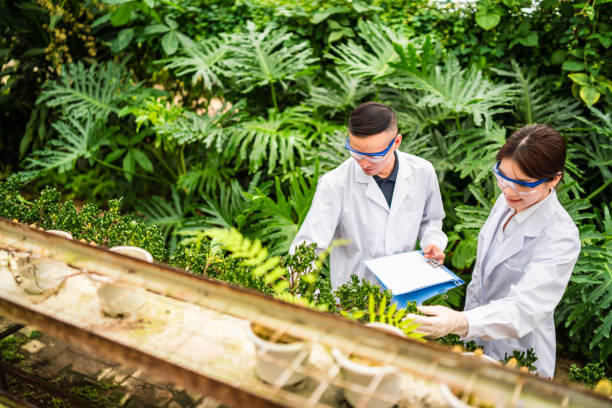
An Algologist, also known as a Phycologist, is a specialized scientist who studies algae, their biology, ecology, and applications in various fields. They work within research institutions, environmental organizations, academic centers, and industries such as biotechnology, agriculture, and aquaculture. Algologists investigate algae for purposes ranging from environmental conservation and biofuel production to food, pharmaceuticals, and wastewater treatment. Combining expertise in biology, chemistry, and environmental science, they play a crucial role in addressing global challenges like climate change, food security, and sustainable energy by harnessing the potential of algae, which are vital to aquatic ecosystems and contribute significantly to oxygen production and carbon sequestration in a world where sustainable solutions are increasingly critical.
Share :
Career tree mind map (horizontal) — Algologist
Colored branches, hub circles, and underlined topics — same style as counselor course classic (types 18–19 in admin).
Loading mind map…

Algologists are scientists who focus on the study of algae, encompassing their taxonomy, physiology, genetics, and ecological roles. Their work involves conducting field studies to collect algal samples, performing laboratory experiments to analyze their biochemical properties, developing applications for algae in industries like biofuel, nutrition, and environmental remediation, and educating stakeholders on sustainable practices. They often operate in academic, governmental, or industrial settings, balancing research with practical applications and interdisciplinary collaboration. Algologists are essential to sustainability efforts, serving as experts in algal biotechnology, contributing to solutions for pollution control, renewable energy, and food production, addressing pressing environmental issues through innovative research, and improving ecological balance through evidence-based strategies in a scientific landscape where algae's potential as a resource continues to grow due to environmental, economic, and technological factors.

  • Research and Analysis
    • Conduct field and laboratory research on algal species, growth conditions, and reproduction.
    • Analyze biochemical composition of algae for applications in food, medicine, and energy.
  • Environmental Monitoring
    • Study algal blooms to assess water quality and ecosystem health.
    • Monitor harmful algal blooms (HABs) and their impact on aquatic life and human health.
  • Biotechnological Applications
    • Develop algal strains for biofuel production, carbon capture, and wastewater treatment.
    • Innovate algae-based products for nutrition, cosmetics, and pharmaceuticals.
  • Conservation and Ecology
    • Investigate the role of algae in aquatic ecosystems and biodiversity.
    • Contribute to conservation efforts by studying algae in relation to climate change.
  • Data Collection and Reporting
    • Collect and analyze data on algal distribution, abundance, and environmental impact.
    • Publish research findings in scientific journals and present at conferences.
  • Industry Collaboration
    • Work with industries to scale up algal cultivation for commercial purposes.
    • Provide consultancy on sustainable practices using algal technologies.
  • Education and Outreach
    • Teach courses on phycology or marine biology in academic institutions.
    • Educate the public and policymakers on the importance of algae in sustainability.
  • Policy and Regulation
    • Advise on environmental policies related to algal blooms and water management.
    • Develop guidelines for safe and sustainable algal cultivation practices.

RouteSteps
Route 11. 10+2 with Physics, Chemistry, Biology (PCB).
2. Bachelor’s degree in Biology, Botany, or Environmental Science (3-4 years).
3. Master’s degree in Phycology (Algology), Marine Biology, or Microbiology (2 years).
4. PhD in Algology or related field for research roles (3-5 years).
5. Postdoctoral research or certification in specialized techniques (optional).
Route 21. 10+2 with Physics, Chemistry, Biology (PCB).
2. Bachelor’s degree in Biotechnology or Life Sciences (3-4 years).
3. Master’s degree in Applied Phycology or Environmental Biology (2 years).
4. Specialized training or diploma in Algology (1-2 years).
5. Research or industry experience in algae studies.
Route 31. 10+2 with Physics, Chemistry, Biology (PCB).
2. Bachelor’s degree in Marine Science or Environmental Science (3-4 years).
3. Master’s degree in Aquatic Ecology or Oceanography (2 years).
4. Fellowship or research project in Algology (1-3 years).
5. Certification in algal biotechnology or related fields.
Route 41. 10+2 with Physics, Chemistry, Biology (PCB).
2. Bachelor’s degree from India in relevant field (3-4 years).
3. International Master’s or PhD program in Phycology or Marine Biology.
4. Research or training abroad in specialized algology labs (2-5 years).
5. Certification or licensure for international practice (if applicable).

  • Fieldwork in aquatic environments for algal sample collection.
  • Internships in research labs focusing on algal biotechnology.
  • Observerships with environmental organizations studying algal blooms.
  • Research assistantships in algal cultivation or ecological monitoring projects.
  • Participation in projects related to algae-based biofuel or food production.
  • Training in laboratory techniques for algal analysis under supervision.
  • Experience in water quality assessment using algal indicators.
  • Involvement in data collection for algal biodiversity studies.
  • Attendance at phycology or marine science conferences and workshops.
  • Exposure to industrial applications of algae in biotechnology firms.

  • Bachelor’s in Biology, Botany, or Environmental Science.
  • Bachelor’s in Biotechnology or Marine Science.
  • Master’s in Phycology (Algology) or Marine Biology.
  • Master’s in Environmental Biology or Biotechnology (Algal focus).
  • PhD in Algology or Aquatic Ecology.
  • Certification courses in Algal Biotechnology.
  • Training in Algal Cultivation and Harvesting Techniques.
  • Specialized courses in Environmental Remediation using Algae.
  • Diploma in Applied Phycology.
  • Continuing Education courses in Sustainable Algal Technologies.

InstituteCourse/ProgramOfficial Link
University of Madras, ChennaiM.Sc. in Botany (Phycology focus)https://www.unom.ac.in/
Annamalai University, Tamil NaduM.Sc. in Marine Biologyhttps://annamalaiuniversity.ac.in/
Cochin University of Science and Technology (CUSAT), KochiM.Sc. in Marine Biologyhttps://cusat.ac.in/
University of Kerala, ThiruvananthapuramM.Sc. in Aquatic Biologyhttps://www.keralauniversity.ac.in/
Banaras Hindu University (BHU), VaranasiM.Sc. in Botany (Phycology focus)https://www.bhu.ac.in/
University of Calcutta, KolkataM.Sc. in Botanyhttps://www.caluniv.ac.in/
Savitribai Phule Pune University, PuneM.Sc. in Botanyhttps://www.unipune.ac.in/
Andhra University, VisakhapatnamM.Sc. in Marine Biotechnologyhttps://www.andhrauniversity.edu.in/
Aligarh Muslim University (AMU), AligarhM.Sc. in Botanyhttps://www.amu.ac.in/
National Institute of Oceanography (NIO), GoaResearch Programs in Marine Biologyhttps://www.nio.org/

InstitutionCourseCountryOfficial Link
University of California, Santa BarbaraPhD in Marine Science (Algal focus)USAhttps://www.ucsb.edu/
University of Hawaii at ManoaMS/PhD in Botany (Phycology)USAhttps://manoa.hawaii.edu/
University of British ColumbiaMSc/PhD in OceanographyCanadahttps://www.ubc.ca/
University of CopenhagenMSc in Aquatic Science (Algal focus)Denmarkhttps://www.ku.dk/
University of PlymouthMSc in Marine BiologyUKhttps://www.plymouth.ac.uk/
Australian National UniversityPhD in Environmental BiologyAustraliahttps://www.anu.edu.au/
University of TokyoPhD in Aquatic BiosciencesJapanhttps://www.u-tokyo.ac.jp/
Sorbonne UniversityMSc in Marine BiologyFrancehttps://www.sorbonne-universite.fr/
University of AucklandMSc in Marine ScienceNew Zealandhttps://www.auckland.ac.nz/
Stockholm UniversityMSc in Marine EcologySwedenhttps://www.su.se/

India:

  • National Eligibility cum Entrance Test (NEET-UG) for related undergraduate programs.
  • University-specific entrance exams for Bachelor’s and Master’s programs (e.g., CUSAT CAT, BHU PET).
  • Graduate Aptitude Test in Engineering (GATE) for some biotechnology programs.
  • Joint Admission Test for Masters (JAM) for science programs at IITs and IISc.
  • Council of Scientific and Industrial Research (CSIR) NET for research fellowships.
  • Indian Council of Agricultural Research (ICAR) AIEEA for related programs.
  • State-level entrance examinations for various science institutions.
  • Institute-specific entrance examinations for specialized programs.
  • National Board of Examinations for certain diploma courses.
  • Entrance tests for PhD programs at specific universities.


International:

  • Graduate Record Examination (GRE) for postgraduate programs in the USA and Canada.
  • International English Language Testing System (IELTS) with a minimum score of 6.5-7.0 for international programs.
  • Test of English as a Foreign Language (TOEFL) with a minimum score of 90-100 for programs in English-speaking countries.
  • Subject-specific GRE tests for certain graduate programs.
  • University-specific entrance exams for international Master’s and PhD programs.
  • Australian Education Assessment Services for programs in Australia.
  • European Union standardized tests for specific programs in Europe.
  • Japanese Language Proficiency Test (JLPT) for programs in Japan, if applicable.
  • Canadian Academic English Language (CAEL) test for programs in Canada.
  • Specific fellowship or scholarship exams for international research opportunities.

Undergraduate Student → Graduate Researcher (Master’s) → Doctoral Researcher (PhD) → Junior Algologist → Established Algologist → Senior Algologist/Research Head → Program Director/Professor of Phycology

  • Research institutions studying algal biology and ecology.
  • Government agencies focused on environmental conservation and water management.
  • Universities and academic centers for teaching and research in phycology.
  • Biotechnology companies developing algae-based products.
  • Environmental organizations monitoring aquatic ecosystems and algal blooms.
  • Aquaculture and agriculture sectors using algae for feed and fertilizers.
  • Renewable energy firms innovating algae-based biofuels.
  • Pharmaceutical industries exploring algal compounds for drug development.
  • Non-governmental organizations (NGOs) working on sustainability and climate change.
  • International bodies addressing global environmental and food security challenges.

IndiaInternational
Indian Council of Agricultural Research (ICAR)World Wildlife Fund (WWF)
Council of Scientific and Industrial Research (CSIR)National Oceanic and Atmospheric Administration (NOAA), USA
National Institute of Oceanography (NIO), GoaEuropean Marine Board (EMB)
Central Marine Fisheries Research Institute (CMFRI)International Energy Agency (IEA) Bioenergy Task Force
Ministry of Environment, Forest and Climate ChangeUnited Nations Environment Programme (UNEP)
University of MadrasUniversity of California, Santa Barbara, USA
The Energy and Resources Institute (TERI)CSIRO (Commonwealth Scientific and Industrial Research Organisation), Australia
Annamalai UniversityMarine Biological Association (MBA), UK
Indian Institute of Science (IISc)Woods Hole Oceanographic Institution (WHOI), USA
Cochin University of Science and Technology (CUSAT)Sorbonne University, France

ProsCons
Significant contribution to sustainability through algae-based solutions for energy and pollution.Extended academic journey requiring 8-12 years for advanced roles, demanding time and resources.
Intellectually stimulating work combining biology, chemistry, and environmental science.Competitive research funding, often requiring persistent effort to secure grants.
High impact on global challenges like climate change and food security.Fieldwork risks, including exposure to harsh aquatic environments during sample collection.
Opportunities for innovation in biotechnology and renewable energy sectors.Limited public awareness of algology, leading to fewer mainstream job opportunities in some regions.
Growing relevance due to increasing demand for sustainable resources.Technological and economic barriers in scaling up algal production for commercial use.

Career LevelIndia (₹ per annum)International (US$ per annum)
Research Scholar (PhD)3,00,000 - 6,00,000$30,000 - $40,000
Junior Algologist5,00,000 - 10,00,000$50,000 - $70,000
Established Algologist10,00,000 - 20,00,000$70,000 - $100,000
Senior Algologist/Research Lead20,00,000 - 35,00,000$100,000 - $130,000
Program Director/Professor35,00,000 - 50,00,000$130,000 - $160,000

  • Data Analysis Software: Tools like R and SPSS for statistical analysis of algal research data.
  • Geographic Information Systems (GIS): For mapping algal distribution and ecological impact.
  • Bioinformatics Software: For genetic analysis and sequencing of algal strains.
  • Laboratory Management Tools: For organizing experimental data and protocols.
  • Environmental Modeling Software: For simulating algal growth and ecosystem interactions.
  • Image Analysis Software: For microscopy studies of algal structures.
  • Research Publication Tools: Software like EndNote or Mendeley for managing references and publications.
  • Algal Cultivation Software: Tools for monitoring and optimizing growth conditions in bioreactors.
  • Collaboration Platforms: For interdisciplinary teamwork and data sharing.
  • Mobile Apps: For real-time monitoring of water quality and algal blooms during fieldwork.

  • International Phycological Society (IPS)
  • British Phycological Society (BPS)
  • Phycological Society of America (PSA)
  • Indian Phycological Society (IPS India)
  • European Phycological Society (EPS)
  • Asia-Pacific Phycological Association (APPA)
  • International Society for Applied Phycology (ISAP)
  • Algae Biomass Organization (ABO)
  • Marine Biological Association (MBA)
  • Global Algae Network (GAN)

  • Dr. C.R.K. Reddy (Contemporary, India): Renowned for research on seaweed cultivation and biotechnology at CSIR-Central Salt & Marine Chemicals Research Institute since the 1990s.
     
  • Dr. Susan Blackburn (Contemporary, Australia): Expert in algal biotechnology and curator of the Australian National Algae Culture Collection, contributing since the 1980s.
     
  • Dr. Sammy Boussiba (Contemporary, Israel): Professor at Ben-Gurion University, known for pioneering work on microalgal biotechnology and biofuel production since the 1990s.
     
  • Dr. E.B. Fred (Historical, USA): Early 20th-century researcher who laid foundational work in algal physiology and nitrogen fixation studies.
     
  • Dr. Carole A. Lembi (Contemporary, USA): Professor at Purdue University, recognized for contributions to freshwater algal ecology and education since the 1970s.
     
  • Dr.DinabandhuSahoo (Contemporary, India): Professor at University of Delhi, noted for research on seaweed diversity and sustainable cultivation since the 1990s.
     
  • Dr. René H. Wijffels (Contemporary, Netherlands): Leader in algal bioprocess engineering at Wageningen University, advancing large-scale cultivation since the 1990s.
     
  • Dr. Alison G. Smith (Contemporary, UK): Professor at University of Cambridge, known for algal metabolism and genetic engineering research since the 1980s.
     
  • Dr. John A. Raven (Contemporary, UK): Fellow of the Royal Society, influential in algal photosynthesis and carbon fixation studies since the 1970s.
     
  • Dr. M. Dennis Hanisak (Contemporary, USA): Researcher at Harbor Branch Oceanographic Institute, recognized for seaweed ecology and aquaculture since the 1980s.
     

  • Build a strong foundation in biology, chemistry, and environmental sciences during undergraduate studies to prepare for specialized learning.
  • Seek early exposure through internships or research projects in algal biology or aquatic ecology to gain practical experience.
  • Develop technical skills in laboratory techniques, fieldwork, and data analysis during graduate studies for a competitive edge.
  • Engage in interdisciplinary learning by exploring biotechnology, marine science, and sustainability concepts alongside algology.
  • Pursue research opportunities or fellowships to deepen expertise in niche areas like algal biofuels or environmental remediation.
  • Cultivate mentoring relationships with established algologists for career guidance and networking opportunities.
  • Stay updated with advancements in algal cultivation technologies, genetic engineering, and sustainability trends.
  • Publish research findings in reputed journals to establish credibility and contribute to the scientific community.
  • Consider international exposure through collaborative projects, conferences, or advanced studies abroad to broaden perspectives.
  • Balance academic pursuits with practical applications to address real-world challenges like climate change and resource scarcity.

A career as an Algologist offers a unique opportunity to impact environmental sustainability, energy innovation, and human well-being by studying and harnessing the potential of algae, which are fundamental to aquatic ecosystems and global ecological balance. From conducting detailed field and laboratory research to developing algae-based solutions for biofuels, food, and pollution control, Algologists play a pivotal role in addressing some of the world’s most pressing challenges. This field combines scientific inquiry, technological innovation, and interdisciplinary collaboration, offering diverse paths in research, industry, policy, and education. For those passionate about biology, environmental science, and sustainable development, a career as an Algologist provides a deeply rewarding journey with significant potential for making meaningful contributions to society in an era where renewable resources, climate adaptation, and ecological preservation continue to shape global priorities.
Knowledge & Skills You Will Learn
1
Commercial Scalability: Innovations in photobioreactors and cultivation systems to make algal production economically viable on a large scale.
Junior Algologist

Junior Algologist

Early-career algologists establish research or applied roles, often joining academic groups, government bodies, or industries while developing...

0.0LPA
Established Algologist

Established Algologist

Mid-career specialists maintain active research portfolios, often developing subspecialty interests within algology such as algal biotechnology or...

0.0LPA
Senior Algologist/Research Head

Senior Algologist/Research Head

Experienced algologists often take leadership roles, overseeing research teams or programs while mentoring junior researchers and shaping...

0.0LPA

Interested in this career?

Take the next step and explore more about Algologist.