Mineralogist

Summary

A Mineralogist is a specialized scientist who studies minerals, their composition, structure, properties, and distribution in the Earth's crust.

Share :
✨ Radial Mind Map - Mineralogist
Nodes arranged in concentric circles

Loading radial mind map...

Overview

A Mineralogist is a specialized scientist who studies minerals, their composition, structure, properties, and distribution in the Earth's crust. They work in research institutions, mining industries, universities, environmental agencies, and geological surveys. Mineralogists apply geological, chemical, and physical techniques to understand mineral formation, identify resources, and assess environmental impacts, contributing to fields like mining, materials science, and planetary exploration. Combining expertise in geology, chemistry, and crystallography, they play a crucial role in discovering mineral deposits, advancing industrial applications, and addressing scientific questions in a world where minerals are vital to technology, economies, and environmental sustainability.
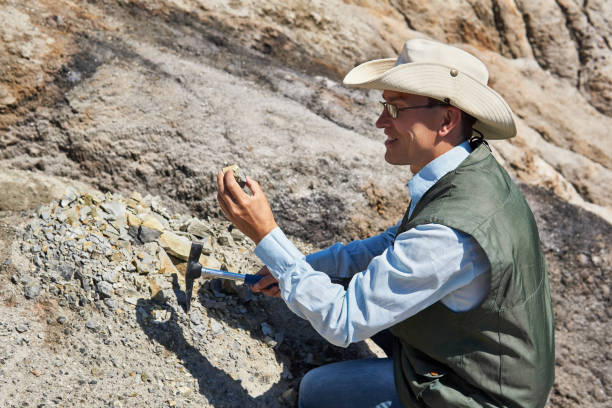
Mineralogists are experts who focus on the study of minerals, their origins, and their applications to solve problems related to resource extraction, environmental conservation, and scientific discovery. Their work involves analyzing mineral samples in laboratories, conducting field surveys, and applying findings to industries like mining, energy, and manufacturing. They often operate in academic, governmental, or industrial settings, balancing technical research with practical applications and interdisciplinary collaboration. Mineralogists are essential to fields like resource exploration, materials development, and geological research, serving as experts in mineral science, contributing to solutions for sustainable mining, advancing technological innovations, and protecting scientific integrity, addressing pressing global issues through rigorous research, and improving outcomes through evidence-based strategies in a scientific landscape where mineralogy’s relevance continues to grow due to resource demands and environmental concerns.

Roles and Responsibilities

💼
Mineralogist
Roles and Responsibilities
Mineral Identification and Classification
Analyze mineral samples using techniques like X-ray diffraction, spectroscopy, and microscopy to identify composition and structure.
Classify minerals based on physical and chemical properties for scientific and industrial purposes.
Resource Exploration
Conduct field surveys to locate mineral deposits and assess their economic potential.
Collaborate with mining companies to develop sustainable extraction methods.
Environmental Impact Assessment
Study the environmental effects of mining activities on soil, water, and ecosystems.
Recommend mitigation strategies to reduce pollution and habitat destruction.
Materials Development
Investigate mineral properties for use in technology, construction, and manufacturing industries.
Develop new materials or improve existing ones based on mineral characteristics.
Geological Research
Explore the formation and distribution of minerals to understand Earth’s history and tectonic processes.
Contribute to studies on planetary geology, including analysis of extraterrestrial minerals.
Conservation and Restoration
Assess mineral resources in protected areas to balance conservation with industrial needs.
Support efforts to restore mined lands through geological and environmental analysis.
Forensic Mineralogy
Analyze mineral evidence in legal cases, such as soil samples in criminal investigations.
Provide expert testimony on mineral-related findings in court.
Education and Outreach
Teach courses on mineralogy, petrology, or geology in academic institutions.
Educate communities and policymakers on the importance of sustainable mineral use.
Policy and Regulation
Advise on regulations related to mining practices and mineral resource management.
Contribute to guidelines for environmental protection in mining areas.
Interdisciplinary Collaboration
Work with geologists, chemists, and engineers to integrate mineralogical data into broader projects.
Collaborate with industry to apply research in practical contexts like energy production or technology.
Competitive Entrance Examinations:
Clearing university-specific entrance tests for Bachelor’s and Master’s programs or national-level exams for research fellowships in India and abroad is critical for entry into relevant programs.
Variable Academic Commitment:
Requires a journey of 5-10 years post-high school for most roles, with additional years for PhD or postdoctoral research in Mineralogy.
Strong Foundation in Core Subjects:
Academic excellence in subjects like Geology, Chemistry, and Physics during undergraduate studies is essential for understanding mineral systems.
Practical Performance:
Hands-on training during Master’s or PhD programs in field sampling and lab techniques is crucial for securing competitive positions in Mineralogy.
Research and Publications:
Engaging in mineralogical research projects and publishing findings during academic or professional programs can enhance prospects for academic and industry roles.
Fellowship Selection:
Securing research fellowships or grants often requires a strong academic record, practical skills, and relevant project experience in mineral studies.
Continuous Education:
Mandatory participation in workshops, seminars, and short courses to stay updated with evolving mineral analysis and exploration techniques.
Specialization Certification:
Obtaining certifications in niche areas like gemology or economic geology can provide a competitive edge in the field.
Subspecialty Training:
Pursuing additional training in areas like environmental mineralogy or planetary geology can enhance career prospects.
Language Proficiency for International Practice:
Clearing language proficiency tests like IELTS or TOEFL with high scores is often necessary for pursuing opportunities abroad.
Dr. James Dwight Dana (Historical, USA):
Renowned for foundational work in mineral classification and systematic mineralogy, active from the 1830s to 1890s at Yale University.
Dr. Victor Goldschmidt (Historical, Norway):
Known for pioneering research in crystal chemistry and geochemistry, active from the 1910s to 1940s at the University of Oslo.
Dr. Norman L. Bowen (Historical, Canada/USA):
Noted for studies on mineral formation and igneous petrology, active from the 1910s to 1950s at the Carnegie Institution for Science.
Dr.Georgius Agricola (Historical, Germany):
Recognized as the "Father of Mineralogy" for early systematic studies, active in the 1500s, author ofDe Re Metallica.
Dr. Robert M. Hazen (Contemporary, USA):
Known for research on mineral evolution and deep carbon cycles, active since the 1970s at the Carnegie Institution for Science.
Dr. Barbara Dutrow (Contemporary, USA):
Noted for contributions to mineral thermodynamics and petrology, active since the 1980s at Louisiana State University.
Dr. M. Santosh (Contemporary, India):
Recognized for studies on mineral resources and crustal evolution, active since the 1980s at the University of Science and Technology Beijing (formerly at Cochin University, India).
Dr. Jillian Banfield (Contemporary, USA):
Known for work on environmental mineralogy and geomicrobiology, active since the 1990s at the University of California, Berkeley.
Dr. R.K. Sinha (Contemporary, India):
Noted for research on mineral exploration and economic geology, active since the 1980s at the Geological Survey of India.
Dr. Alexandra Navrotsky (Contemporary, USA):
Recognized for contributions to mineral thermodynamics and materials science, active since the 1960s at the University of California, Davis.

Roles and Responsibilities:

  • Mineral Identification and Classification
    • Analyze mineral samples using techniques like X-ray diffraction, spectroscopy, and microscopy to identify composition and structure.
    • Classify minerals based on physical and chemical properties for scientific and industrial purposes.
  • Resource Exploration
    • Conduct field surveys to locate mineral deposits and assess their economic potential.
    • Collaborate with mining companies to develop sustainable extraction methods.
  • Environmental Impact Assessment
    • Study the environmental effects of mining activities on soil, water, and ecosystems.
    • Recommend mitigation strategies to reduce pollution and habitat destruction.
  • Materials Development
    • Investigate mineral properties for use in technology, construction, and manufacturing industries.
    • Develop new materials or improve existing ones based on mineral characteristics.
  • Geological Research
    • Explore the formation and distribution of minerals to understand Earth’s history and tectonic processes.
    • Contribute to studies on planetary geology, including analysis of extraterrestrial minerals.
  • Conservation and Restoration
    • Assess mineral resources in protected areas to balance conservation with industrial needs.
    • Support efforts to restore mined lands through geological and environmental analysis.
  • Forensic Mineralogy
    • Analyze mineral evidence in legal cases, such as soil samples in criminal investigations.
    • Provide expert testimony on mineral-related findings in court.
  • Education and Outreach
    • Teach courses on mineralogy, petrology, or geology in academic institutions.
    • Educate communities and policymakers on the importance of sustainable mineral use.
  • Policy and Regulation
    • Advise on regulations related to mining practices and mineral resource management.
    • Contribute to guidelines for environmental protection in mining areas.
  • Interdisciplinary Collaboration
    • Work with geologists, chemists, and engineers to integrate mineralogical data into broader projects.
    • Collaborate with industry to apply research in practical contexts like energy production or technology.


Study Route & Eligibility Criteria:

RouteSteps
Route 11. 10+2 with Physics, Chemistry, and Mathematics (PCM) or Biology (PCB).
2. Bachelor’s degree in Geology, Earth Sciences, or Mineralogy (3-4 years).
3. Master’s degree in Mineralogy, Petrology, or Applied Geology (2 years).
4. PhD in Mineralogy or related field (3-5 years, optional).
5. Postdoctoral research or field experience in mineral science labs (optional).
Route 21. 10+2 with Physics, Chemistry, and Mathematics (PCM) or Biology (PCB).
2. Bachelor’s degree in Chemistry or Physics (3-4 years).
3. Master’s degree in Mineralogy or Geochemistry (2 years).
4. Specialized training in mineral analysis techniques (6 months-1 year).
5. Practical experience in geological research labs or field studies.
Route 31. 10+2 with Physics, Chemistry, and Mathematics (PCM) or Biology (PCB).
2. Bachelor’s degree in Environmental Science or Materials Science (3-4 years).
3. Master’s degree in Mineralogy or Applied Geology (2 years).
4. Internship or fellowship in mineral research labs (1-2 years).
5. Certification in advanced mineral exploration techniques (optional).
Route 41. 10+2 with Physics, Chemistry, and Mathematics (PCM) or Biology (PCB).
2. Bachelor’s degree from India in relevant field (3-4 years).
3. Master’s or PhD in Mineralogy abroad (2-5 years).
4. Training or postdoctoral research in international mineral science programs (1-3 years).
5. Certification or licensure for international practice (if applicable).


Significant Observations (Academic Related Points):

  • Competitive Entrance Examinations: Clearing university-specific entrance tests for Bachelor’s and Master’s programs or national-level exams for research fellowships in India and abroad is critical for entry into relevant programs.
  • Variable Academic Commitment: Requires a journey of 5-10 years post-high school for most roles, with additional years for PhD or postdoctoral research in Mineralogy.
  • Strong Foundation in Core Subjects: Academic excellence in subjects like Geology, Chemistry, and Physics during undergraduate studies is essential for understanding mineral systems.
  • Practical Performance: Hands-on training during Master’s or PhD programs in field sampling and lab techniques is crucial for securing competitive positions in Mineralogy.
  • Research and Publications: Engaging in mineralogical research projects and publishing findings during academic or professional programs can enhance prospects for academic and industry roles.
  • Fellowship Selection: Securing research fellowships or grants often requires a strong academic record, practical skills, and relevant project experience in mineral studies.
  • Continuous Education: Mandatory participation in workshops, seminars, and short courses to stay updated with evolving mineral analysis and exploration techniques.
  • Specialization Certification: Obtaining certifications in niche areas like gemology or economic geology can provide a competitive edge in the field.
  • Subspecialty Training: Pursuing additional training in areas like environmental mineralogy or planetary geology can enhance career prospects.
  • Language Proficiency for International Practice: Clearing language proficiency tests like IELTS or TOEFL with high scores is often necessary for pursuing opportunities abroad.


Internships & Practical Exposure:

  • Field internships in mineral exploration focusing on sample collection and geological mapping.
  • Research apprenticeships with geological surveys for mineral deposit studies.
  • Observerships in mineralogy labs studying crystal structures and compositions.
  • Participation in environmental projects assessing mining impacts.
  • Training in advanced mineral analysis techniques under supervision.
  • Experience in mining companies applying mineral data to resource extraction.
  • Involvement in data collection for mineral resource and geological studies.
  • Attendance at geology or mineralogy conferences and workshops.
  • Exposure to interdisciplinary projects with chemists or materials scientists.
  • Collaborative research in international mineral science labs for global exposure.


Courses & Specializations to Enter the Field:

  • Bachelor’s in Geology, Earth Sciences, or Chemistry.
  • Bachelor’s in Physics or Environmental Science.
  • Master’s in Mineralogy or Applied Geology.
  • PhD in Mineralogy or Geochemistry.
  • Certification courses in Gemology and Mineral Exploration.
  • Training in Environmental Mineralogy and Resource Management.
  • Specialized courses in Economic Geology.
  • Master’s in Materials Science with Mineralogy focus.
  • Continuing Education courses in Planetary Geology.
  • Short-term courses in Crystallography and Mineral Analysis.


Top Institutes for Mineralogist Education (India):

InstituteCourse/ProgramOfficial Link
Indian Institute of Science (IISc), BangaloreMSc/PhD in Earth Scienceshttps://www.iisc.ac.in/
Jawaharlal Nehru University (JNU), New DelhiMSc/PhD in Environmental Scienceshttps://www.jnu.ac.in/
University of Delhi, DelhiMSc/PhD in Geologyhttps://www.du.ac.in/
Banaras Hindu University (BHU), VaranasiMSc/PhD in Geologyhttps://www.bhu.ac.in/
Indian Institute of Technology (IIT), KharagpurMSc/PhD in Geology and Geophysicshttps://www.iitkgp.ac.in/
University of Calcutta, KolkataMSc/PhD in Geologyhttps://www.caluniv.ac.in/
Savitribai Phule Pune University, PuneMSc/PhD in Geologyhttps://www.unipune.ac.in/
Anna University, ChennaiMSc/PhD in Applied Geologyhttps://www.annauniv.edu/
University of Hyderabad, HyderabadMSc/PhD in Earth Scienceshttps://www.uohyd.ac.in/
Indian School of Mines (ISM), DhanbadMSc/PhD in Applied Geologyhttps://www.iitism.ac.in/


Top International Institutes:

InstitutionCourseCountryOfficial Link
Massachusetts Institute of Technology (MIT)MSc/PhD in Earth, Atmospheric, and Planetary SciencesUSAhttps://www.mit.edu/
University of California, BerkeleyMSc/PhD in Earth and Planetary ScienceUSAhttps://www.berkeley.edu/
University of OxfordDPhil in Earth SciencesUKhttps://www.ox.ac.uk/
University of QueenslandMSc/PhD in Earth SciencesAustraliahttps://www.uq.edu.au/
ETH ZurichMSc/PhD in Earth SciencesSwitzerlandhttps://www.ethz.ch/
University of TorontoMSc/PhD in Earth SciencesCanadahttps://www.utoronto.ca/
Imperial College LondonMSc/PhD in Earth Science and EngineeringUKhttps://www.imperial.ac.uk/
California Institute of Technology (Caltech)MSc/PhD in Geological and Planetary SciencesUSAhttps://www.caltech.edu/
University of Western AustraliaMSc/PhD in GeologyAustraliahttps://www.uwa.edu.au/
University of CambridgePhD in Earth SciencesUKhttps://www.cam.ac.uk/


Entrance Tests Required:

India:

  • Graduate Aptitude Test in Engineering (GATE) for Master’s programs in Geology at IITs and other institutes.
  • Council of Scientific and Industrial Research (CSIR) NET for research fellowships and PhD programs.
  • University-specific entrance exams for Master’s and PhD programs in Geology (e.g., JNU CEEB, DUET).
  • State-level entrance examinations for postgraduate programs in Earth Sciences.
  • Indian School of Mines (ISM) Entrance Test for Geology programs.


International:

  • Graduate Record Examination (GRE) for postgraduate programs in Earth Sciences in the USA and Canada.
  • International English Language Testing System (IELTS) with a minimum score of 6.5-7.0 for international programs.
  • Test of English as a Foreign Language (TOEFL) with a minimum score of 90-100 for programs in English-speaking countries.
  • University-specific entrance exams for international Master’s or PhD programs in related fields.
  • Australian Education Assessment Services for programs in Australia.
  • Specific fellowship or scholarship exams for international research opportunities.


Ideal Progressing Career Path

Undergraduate Student → Graduate Trainee (Master’s) → Junior Mineralogist → Established Mineralogist → Senior Mineralogist/Research Lead → Program Director/Professor


Major Areas of Employment:

  • Academic institutions conducting research and teaching in geology and mineralogy.
  • Mining industries exploring and extracting mineral resources.
  • Geological surveys mapping and assessing mineral deposits.
  • Environmental agencies monitoring the impact of mining on ecosystems.
  • Government bodies overseeing mineral policies and resource management.
  • Research institutions studying mineral formation and planetary geology.
  • Materials science industries developing mineral-based products.
  • International collaborations addressing global mineral resource challenges.
  • Forensic laboratories analyzing mineral evidence for legal investigations.
  • Jewelry and gemstone industries evaluating and trading precious minerals.


Prominent Employers:

IndiaInternational
Geological Survey of India (GSI)United States Geological Survey (USGS), USA
Indian Bureau of Mines (IBM)British Geological Survey (BGS), UK
Ministry of Mines, Government of IndiaNatural Resources Canada (NRC)
National Mineral Development Corporation (NMDC)Geological Survey of Australia (GA)
Oil and Natural Gas Corporation (ONGC)European Geosciences Union (EGU)
Coal India Limited (CIL)International Mineralogical Association (IMA)
Hindustan Copper Limited (HCL)Smithsonian Institution, USA
National Aluminium Company Limited (NALCO)International Union of Geological Sciences (IUGS)
Central Mine Planning & Design Institute (CMPDI)Rio Tinto (Mining Company), Australia
Wildlife Institute of India (WII)BHP (Mining Company), Australia


Pros and Cons of the Profession:

ProsCons
Significant contribution to resource discovery and sustainable development through mineral research.Requires continuous learning to keep up with evolving mineral analysis and exploration technologies.
Intellectually stimulating work combining geology, chemistry, and physics in mineralogical analysis.Competitive field for academic and industrial positions, often requiring extensive fieldwork and publications.
High impact on global economies by contributing to mining and materials industries.Fieldwork-intensive role with potential exposure to hazardous conditions in remote mining areas.
Opportunities for innovation in mineral exploration and environmental mitigation technologies.Limited public awareness of mineralogy as a career, leading to fewer mainstream opportunities in some regions.
Growing relevance due to increasing demand for rare minerals in technology and renewable energy.Funding constraints for research projects can limit scope and career progression in academia or exploration.


Industry Trends and Future Outlook:

  • Sustainable Mining Practices: Increasing focus on environmentally friendly extraction techniques to reduce ecological damage.
  • Rare Earth Elements: Growing demand for mineralogists in discovering and processing minerals critical to technology and renewable energy.
  • Digital Data Integration: Enhanced use of GIS and AI for mapping mineral deposits and predicting resource locations.
  • Planetary Exploration: Rising interest in studying extraterrestrial minerals through space missions and meteorite analysis.
  • Interdisciplinary Applications: Greater emphasis on combining mineralogy with materials science for industrial innovations.
  • Automation in Exploration: Increased adoption of drones and automated systems for efficient mineral surveys.
  • Mineral Recycling: Development of techniques to recover minerals from waste and electronic scrap.
  • Global Resource Scarcity: Growing role of mineralogical research in addressing shortages of critical minerals through exploration and recycling.
  • Environmental Remediation: Increasing focus on using mineralogy to mitigate pollution and restore mined areas.
  • Policy and Advocacy: Rising influence of mineralogists in shaping international agreements on sustainable mining and resource management.


Salary Expectations:

Career LevelIndia (₹ per annum)International (US$ per annum)
Trainee/Graduate Student2,00,000 - 4,00,000$20,000 - $30,000
Junior Mineralogist4,00,000 - 7,00,000$35,000 - $50,000
Established Mineralogist7,00,000 - 12,00,000$50,000 - $70,000
Senior Mineralogist/Research Lead12,00,000 - 20,00,000$70,000 - $90,000
Program Director/Professor20,00,000 - 35,00,000$90,000 - $130,000


Key Software Tools:

  • Geographic Information Systems (GIS): Tools like ArcGIS and QGIS for mapping mineral deposits and geological formations.
  • Mineral Analysis Software: Programs such as PANalytical X’Pert for X-ray diffraction data analysis.
  • Statistical Analysis Tools: Software like R and SPSS for processing large datasets from mineral research.
  • Crystallography Software: Tools such as CrystalMaker and VESTA for visualizing mineral structures.
  • Remote Sensing Software: Platforms like ENVI for analyzing satellite data on mineral exploration sites.
  • Petrographic Analysis Tools: Software like ImageJ for studying thin sections of rocks and minerals.
  • Visualization Software: Tools like Origin or MATLAB for presenting mineralogical data graphically.
  • Database Management Platforms: For organizing extensive records of mineral samples and geological metadata.
  • Field Data Collection Apps: Mobile tools for real-time data entry during mineral surveys.
  • Collaboration Platforms: For interdisciplinary teamwork and data sharing with geologists and materials scientists.


Professional Organizations and Networks:

  • International Mineralogical Association (IMA)
  • Mineralogical Society of America (MSA)
  • Mineralogical Society of Great Britain and Ireland (MinSoc)
  • Geological Society of India (GSI)
  • Society of Economic Geologists (SEG)
  • Indian Association of Sedimentologists (IAS)
  • European Mineralogical Union (EMU)
  • Australian Institute of Geoscientists (AIG)
  • International Union of Geological Sciences (IUGS)
  • Gemological Institute of America (GIA)


Notable Mineralogists and Industry Leaders (Top 10):

  • Dr. James Dwight Dana (Historical, USA): Renowned for foundational work in mineral classification and systematic mineralogy, active from the 1830s to 1890s at Yale University.
     
  • Dr. Victor Goldschmidt (Historical, Norway): Known for pioneering research in crystal chemistry and geochemistry, active from the 1910s to 1940s at the University of Oslo.
     
  • Dr. Norman L. Bowen (Historical, Canada/USA): Noted for studies on mineral formation and igneous petrology, active from the 1910s to 1950s at the Carnegie Institution for Science.
     
  • Dr.Georgius Agricola (Historical, Germany): Recognized as the "Father of Mineralogy" for early systematic studies, active in the 1500s, author of De Re Metallica.
     
  • Dr. Robert M. Hazen (Contemporary, USA): Known for research on mineral evolution and deep carbon cycles, active since the 1970s at the Carnegie Institution for Science.
     
  • Dr. Barbara Dutrow (Contemporary, USA): Noted for contributions to mineral thermodynamics and petrology, active since the 1980s at Louisiana State University.
     
  • Dr. M. Santosh (Contemporary, India): Recognized for studies on mineral resources and crustal evolution, active since the 1980s at the University of Science and Technology Beijing (formerly at Cochin University, India).
     
  • Dr. Jillian Banfield (Contemporary, USA): Known for work on environmental mineralogy and geomicrobiology, active since the 1990s at the University of California, Berkeley.
     
  • Dr. R.K. Sinha (Contemporary, India): Noted for research on mineral exploration and economic geology, active since the 1980s at the Geological Survey of India.
     
  • Dr. Alexandra Navrotsky (Contemporary, USA): Recognized for contributions to mineral thermodynamics and materials science, active since the 1960s at the University of California, Davis.
     

Advice for Aspiring Mineralogists:

  • Build a strong foundation in geology, chemistry, and physics during undergraduate studies to prepare for specialized learning.
  • Seek early exposure through internships or fieldwork in mineral exploration to gain practical experience in sample collection and analysis.
  • Develop technical skills in mineral analysis, crystallography, and GIS during Master’s or PhD programs for a competitive edge.
  • Engage in interdisciplinary learning by exploring materials science, environmental science, and engineering alongside mineralogy.
  • Pursue research opportunities or fellowships to deepen expertise in niche areas like economic geology or planetary mineralogy.
  • Cultivate mentoring relationships with established mineralogists for career guidance and networking opportunities.
  • Stay updated with advancements in mineral exploration technologies, data analytics, and sustainable mining practices.
  • Publish research findings or case studies in scientific journals to establish credibility and contribute to the field.
  • Consider international exposure through collaborative projects, conferences, or advanced research abroad to broaden perspectives.
  • Balance technical expertise with practical applications to address real-world challenges like resource scarcity and environmental sustainability.


A career as a Mineralogist offers a unique opportunity to impact resource discovery, industrial innovation, and environmental sustainability by studying the intricate properties and origins of minerals. From conducting detailed laboratory analyses to exploring mineral deposits in the field, Mineralogists play a pivotal role in addressing some of the world’s most pressing challenges related to resource management and technological advancement. This field combines rigorous scientific inquiry, technological innovation, and interdisciplinary collaboration, offering diverse paths in academia, industry, and applied sciences. For those passionate about Earth’s natural resources, geological processes, and scientific discovery, a career as a Mineralogist provides a deeply rewarding journey with significant potential for making meaningful contributions to society in an era where mineral research continues to shape global economies, technology, and environmental priorities.


Study Route & Eligibility Criteria

Study Route & Eligibility Criteria
Mineralogist
Route 1
🎓
1
10+2 with Physics, Chemistry, and Mathematics or Biology .
🏛️
2
Bachelor’s degree in Geology, Earth Sciences, or Mineralogy .
3-4 years
🏛️
3
Master’s degree in Mineralogy, Petrology, or Applied Geology .
2 years
💼
4
PhD in Mineralogy or related field .
💼
5
Postdoctoral research or field experience in mineral science labs .
Route 2
🎓
1
10+2 with Physics, Chemistry, and Mathematics or Biology .
🏛️
2
Bachelor’s degree in Chemistry or Physics .
3-4 years
🏛️
3
Master’s degree in Mineralogy or Geochemistry .
2 years
💼
4
Specialized training in mineral analysis techniques .
💼
5
Practical experience in geological research labs or field studies.
Route 3
🎓
1
10+2 with Physics, Chemistry, and Mathematics or Biology .
🏛️
2
Bachelor’s degree in Environmental Science or Materials Science .
3-4 years
🏛️
3
Master’s degree in Mineralogy or Applied Geology .
2 years
💼
4
Internship or fellowship in mineral research labs .
1-2 years
🌍
5
Certification in advanced mineral exploration techniques .
Route 4
🎓
1
10+2 with Physics, Chemistry, and Mathematics or Biology .
🏛️
2
Bachelor’s degree from India in relevant field .
3-4 years
🎓
3
Master’s or PhD in Mineralogy abroad .
2-5 years
📚
4
Training or postdoctoral research in international mineral science programs .
1-3 years
💼
5
Certification or licensure for international practice .
🎯 Mineralogist - Professional

Significant Observations (Academic Related Points)

💡
Mineralogist
Academic Related Points
1
Competitive Entrance Examinations:
Clearing university-specific entrance tests for Bachelor’s and Master’s programs or national-level exams for research fellowships in India and abroad is critical for entry into relevant programs.
2
Variable Academic Commitment:
Requires a journey of 5-10 years post-high school for most roles, with additional years for PhD or postdoctoral research in Mineralogy.
3
Strong Foundation in Core Subjects:
Academic excellence in subjects like Geology, Chemistry, and Physics during undergraduate studies is essential for understanding mineral systems.
4
Practical Performance:
Hands-on training during Master’s or PhD programs in field sampling and lab techniques is crucial for securing competitive positions in Mineralogy.
5
Research and Publications:
Engaging in mineralogical research projects and publishing findings during academic or professional programs can enhance prospects for academic and industry roles.
6
Fellowship Selection:
Securing research fellowships or grants often requires a strong academic record, practical skills, and relevant project experience in mineral studies.
7
Continuous Education:
Mandatory participation in workshops, seminars, and short courses to stay updated with evolving mineral analysis and exploration techniques.
8
Specialization Certification:
Obtaining certifications in niche areas like gemology or economic geology can provide a competitive edge in the field.
9
Subspecialty Training:
Pursuing additional training in areas like environmental mineralogy or planetary geology can enhance career prospects.
10
Language Proficiency for International Practice:
Clearing language proficiency tests like IELTS or TOEFL with high scores is often necessary for pursuing opportunities abroad.
11
Dr. James Dwight Dana (Historical, USA):
Renowned for foundational work in mineral classification and systematic mineralogy, active from the 1830s to 1890s at Yale University.
12
Dr. Victor Goldschmidt (Historical, Norway):
Known for pioneering research in crystal chemistry and geochemistry, active from the 1910s to 1940s at the University of Oslo.
13
Dr. Norman L. Bowen (Historical, Canada/USA):
Noted for studies on mineral formation and igneous petrology, active from the 1910s to 1950s at the Carnegie Institution for Science.
14
Dr.Georgius Agricola (Historical, Germany):
Recognized as the "Father of Mineralogy" for early systematic studies, active in the 1500s, author ofDe Re Metallica.
15
Dr. Robert M. Hazen (Contemporary, USA):
Known for research on mineral evolution and deep carbon cycles, active since the 1970s at the Carnegie Institution for Science.
16
Dr. Barbara Dutrow (Contemporary, USA):
Noted for contributions to mineral thermodynamics and petrology, active since the 1980s at Louisiana State University.
17
Dr. M. Santosh (Contemporary, India):
Recognized for studies on mineral resources and crustal evolution, active since the 1980s at the University of Science and Technology Beijing (formerly at Cochin University, India).
18
Dr. Jillian Banfield (Contemporary, USA):
Known for work on environmental mineralogy and geomicrobiology, active since the 1990s at the University of California, Berkeley.
19
Dr. R.K. Sinha (Contemporary, India):
Noted for research on mineral exploration and economic geology, active since the 1980s at the Geological Survey of India.
20
Dr. Alexandra Navrotsky (Contemporary, USA):
Recognized for contributions to mineral thermodynamics and materials science, active since the 1960s at the University of California, Davis.

Internships & Practical Exposure

💼
Mineralogist
Internships & Practical Experience
1
Field internships in mineral exploration focusing on sample collection and geological mapping.
2
Research apprenticeships with geological surveys for mineral deposit studies.
3
Observerships in mineralogy labs studying crystal structures and compositions.
4
Participation in environmental projects assessing mining impacts.
5
Training in advanced mineral analysis techniques under supervision.
6
Experience in mining companies applying mineral data to resource extraction.
7
Involvement in data collection for mineral resource and geological studies.
8
Attendance at geology or mineralogy conferences and workshops.
9
Exposure to interdisciplinary projects with chemists or materials scientists.
10
Collaborative research in international mineral science labs for global exposure.
11
Bachelor’s in Geology, Earth Sciences, or Chemistry.
12
Bachelor’s in Physics or Environmental Science.
13
Master’s in Mineralogy or Applied Geology.
14
PhD in Mineralogy or Geochemistry.
15
Certification courses in Gemology and Mineral Exploration.
16
Training in Environmental Mineralogy and Resource Management.
17
Specialized courses in Economic Geology.
18
Master’s in Materials Science with Mineralogy focus.
19
Continuing Education courses in Planetary Geology.
20
Short-term courses in Crystallography and Mineral Analysis.
21
Graduate Aptitude Test in Engineering (GATE) for Master’s programs in Geology at IITs and other institutes.
22
Council of Scientific and Industrial Research (CSIR) NET for research fellowships and PhD programs.
23
University-specific entrance exams for Master’s and PhD programs in Geology (e.g., JNU CEEB, DUET).
24
State-level entrance examinations for postgraduate programs in Earth Sciences.
25
Indian School of Mines (ISM) Entrance Test for Geology programs.
26
Graduate Record Examination (GRE) for postgraduate programs in Earth Sciences in the USA and Canada.
27
International English Language Testing System (IELTS) with a minimum score of 6.5-7.0 for international programs.
28
Test of English as a Foreign Language (TOEFL) with a minimum score of 90-100 for programs in English-speaking countries.
29
University-specific entrance exams for international Master’s or PhD programs in related fields.
30
Australian Education Assessment Services for programs in Australia.
31
Specific fellowship or scholarship exams for international research opportunities.
32
Academic institutions conducting research and teaching in geology and mineralogy.
33
Mining industries exploring and extracting mineral resources.
34
Geological surveys mapping and assessing mineral deposits.
35
Environmental agencies monitoring the impact of mining on ecosystems.
36
Government bodies overseeing mineral policies and resource management.
37
Research institutions studying mineral formation and planetary geology.
38
Materials science industries developing mineral-based products.
39
International collaborations addressing global mineral resource challenges.
40
Forensic laboratories analyzing mineral evidence for legal investigations.
41
Jewelry and gemstone industries evaluating and trading precious minerals.
42
Sustainable Mining Practices: Increasing focus on environmentally friendly extraction techniques to reduce ecological damage.
43
Rare Earth Elements: Growing demand for mineralogists in discovering and processing minerals critical to technology and renewable energy.
44
Digital Data Integration: Enhanced use of GIS and AI for mapping mineral deposits and predicting resource locations.
45
Planetary Exploration: Rising interest in studying extraterrestrial minerals through space missions and meteorite analysis.
46
Interdisciplinary Applications: Greater emphasis on combining mineralogy with materials science for industrial innovations.
47
Automation in Exploration: Increased adoption of drones and automated systems for efficient mineral surveys.
48
Mineral Recycling: Development of techniques to recover minerals from waste and electronic scrap.
49
Global Resource Scarcity: Growing role of mineralogical research in addressing shortages of critical minerals through exploration and recycling.
50
Environmental Remediation: Increasing focus on using mineralogy to mitigate pollution and restore mined areas.
51
Policy and Advocacy: Rising influence of mineralogists in shaping international agreements on sustainable mining and resource management.
52
Geographic Information Systems (GIS): Tools like ArcGIS and QGIS for mapping mineral deposits and geological formations.
53
Mineral Analysis Software: Programs such as PANalytical X’Pert for X-ray diffraction data analysis.
54
Statistical Analysis Tools: Software like R and SPSS for processing large datasets from mineral research.
55
Crystallography Software: Tools such as CrystalMaker and VESTA for visualizing mineral structures.
56
Remote Sensing Software: Platforms like ENVI for analyzing satellite data on mineral exploration sites.
57
Petrographic Analysis Tools: Software like ImageJ for studying thin sections of rocks and minerals.
58
Visualization Software: Tools like Origin or MATLAB for presenting mineralogical data graphically.
59
Database Management Platforms: For organizing extensive records of mineral samples and geological metadata.
60
Field Data Collection Apps: Mobile tools for real-time data entry during mineral surveys.
61
Collaboration Platforms: For interdisciplinary teamwork and data sharing with geologists and materials scientists.
62
International Mineralogical Association (IMA)
63
Mineralogical Society of America (MSA)
64
Mineralogical Society of Great Britain and Ireland (MinSoc)
65
Geological Society of India (GSI)
66
Society of Economic Geologists (SEG)
67
Indian Association of Sedimentologists (IAS)
68
European Mineralogical Union (EMU)
69
Australian Institute of Geoscientists (AIG)
70
International Union of Geological Sciences (IUGS)
71
Gemological Institute of America (GIA)
72
Dr. James Dwight Dana (Historical, USA):Renowned for foundational work in mineral classification and systematic mineralogy, active from the 1830s to 1890s at Yale University.
73
Dr. Victor Goldschmidt (Historical, Norway):Known for pioneering research in crystal chemistry and geochemistry, active from the 1910s to 1940s at the University of Oslo.
74
Dr. Norman L. Bowen (Historical, Canada/USA):Noted for studies on mineral formation and igneous petrology, active from the 1910s to 1950s at the Carnegie Institution for Science.
75
Dr.Georgius Agricola (Historical, Germany):Recognized as the "Father of Mineralogy" for early systematic studies, active in the 1500s, author ofDe Re Metallica.
76
Dr. Robert M. Hazen (Contemporary, USA):Known for research on mineral evolution and deep carbon cycles, active since the 1970s at the Carnegie Institution for Science.
77
Dr. Barbara Dutrow (Contemporary, USA):Noted for contributions to mineral thermodynamics and petrology, active since the 1980s at Louisiana State University.
78
Dr. M. Santosh (Contemporary, India):Recognized for studies on mineral resources and crustal evolution, active since the 1980s at the University of Science and Technology Beijing (formerly at Cochin University, India).
79
Dr. Jillian Banfield (Contemporary, USA):Known for work on environmental mineralogy and geomicrobiology, active since the 1990s at the University of California, Berkeley.
80
Dr. R.K. Sinha (Contemporary, India):Noted for research on mineral exploration and economic geology, active since the 1980s at the Geological Survey of India.
81
Dr. Alexandra Navrotsky (Contemporary, USA):Recognized for contributions to mineral thermodynamics and materials science, active since the 1960s at the University of California, Davis.
82
Build a strong foundation in geology, chemistry, and physics during undergraduate studies to prepare for specialized learning.
83
Seek early exposure through internships or fieldwork in mineral exploration to gain practical experience in sample collection and analysis.
84
Develop technical skills in mineral analysis, crystallography, and GIS during Master’s or PhD programs for a competitive edge.
85
Engage in interdisciplinary learning by exploring materials science, environmental science, and engineering alongside mineralogy.
86
Pursue research opportunities or fellowships to deepen expertise in niche areas like economic geology or planetary mineralogy.
87
Cultivate mentoring relationships with established mineralogists for career guidance and networking opportunities.
88
Stay updated with advancements in mineral exploration technologies, data analytics, and sustainable mining practices.
89
Publish research findings or case studies in scientific journals to establish credibility and contribute to the field.
90
Consider international exposure through collaborative projects, conferences, or advanced research abroad to broaden perspectives.
91
Balance technical expertise with practical applications to address real-world challenges like resource scarcity and environmental sustainability.

Courses & Specializations to Enter the Field

📚
Mineralogist
Courses & Specializations
📖
Bachelor’s in Geology, Earth Sciences, or Chemistry.
📖
Bachelor’s in Physics or Environmental Science.
📖
Master’s in Mineralogy or Applied Geology.
📖
PhD in Mineralogy or Geochemistry.
📖
Certification courses in Gemology and Mineral Exploration.
📖
Training in Environmental Mineralogy and Resource Management.
📖
Specialized courses in Economic Geology.
📖
Master’s in Materials Science with Mineralogy focus.
📖
Continuing Education courses in Planetary Geology.
📖
Short-term courses in Crystallography and Mineral Analysis.
📖
Graduate Aptitude Test in Engineering (GATE) for Master’s programs in Geology at IITs and other institutes.
📖
Council of Scientific and Industrial Research (CSIR) NET for research fellowships and PhD programs.
📖
University-specific entrance exams for Master’s and PhD programs in Geology (e.g., JNU CEEB, DUET).
📖
State-level entrance examinations for postgraduate programs in Earth Sciences.
📖
Indian School of Mines (ISM) Entrance Test for Geology programs.
📖
Graduate Record Examination (GRE) for postgraduate programs in Earth Sciences in the USA and Canada.
📖
International English Language Testing System (IELTS) with a minimum score of 6.5-7.0 for international programs.
📖
Test of English as a Foreign Language (TOEFL) with a minimum score of 90-100 for programs in English-speaking countries.
📖
University-specific entrance exams for international Master’s or PhD programs in related fields.
📖
Australian Education Assessment Services for programs in Australia.
📖
Specific fellowship or scholarship exams for international research opportunities.
📖
Academic institutions conducting research and teaching in geology and mineralogy.
📖
Mining industries exploring and extracting mineral resources.
📖
Geological surveys mapping and assessing mineral deposits.
📖
Environmental agencies monitoring the impact of mining on ecosystems.
📖
Government bodies overseeing mineral policies and resource management.
📖
Research institutions studying mineral formation and planetary geology.
📖
Materials science industries developing mineral-based products.
📖
International collaborations addressing global mineral resource challenges.
📖
Forensic laboratories analyzing mineral evidence for legal investigations.
📖
Jewelry and gemstone industries evaluating and trading precious minerals.
📖
Sustainable Mining Practices: Increasing focus on environmentally friendly extraction techniques to reduce ecological damage.
📖
Rare Earth Elements: Growing demand for mineralogists in discovering and processing minerals critical to technology and renewable energy.
📖
Digital Data Integration: Enhanced use of GIS and AI for mapping mineral deposits and predicting resource locations.
📖
Planetary Exploration: Rising interest in studying extraterrestrial minerals through space missions and meteorite analysis.
📖
Interdisciplinary Applications: Greater emphasis on combining mineralogy with materials science for industrial innovations.
📖
Automation in Exploration: Increased adoption of drones and automated systems for efficient mineral surveys.
📖
Mineral Recycling: Development of techniques to recover minerals from waste and electronic scrap.
📖
Global Resource Scarcity: Growing role of mineralogical research in addressing shortages of critical minerals through exploration and recycling.
📖
Environmental Remediation: Increasing focus on using mineralogy to mitigate pollution and restore mined areas.
📖
Policy and Advocacy: Rising influence of mineralogists in shaping international agreements on sustainable mining and resource management.
📖
Geographic Information Systems (GIS): Tools like ArcGIS and QGIS for mapping mineral deposits and geological formations.
📖
Mineral Analysis Software: Programs such as PANalytical X’Pert for X-ray diffraction data analysis.
📖
Statistical Analysis Tools: Software like R and SPSS for processing large datasets from mineral research.
📖
Crystallography Software: Tools such as CrystalMaker and VESTA for visualizing mineral structures.
📖
Remote Sensing Software: Platforms like ENVI for analyzing satellite data on mineral exploration sites.
📖
Petrographic Analysis Tools: Software like ImageJ for studying thin sections of rocks and minerals.
📖
Visualization Software: Tools like Origin or MATLAB for presenting mineralogical data graphically.
📖
Database Management Platforms: For organizing extensive records of mineral samples and geological metadata.
📖
Field Data Collection Apps: Mobile tools for real-time data entry during mineral surveys.
📖
Collaboration Platforms: For interdisciplinary teamwork and data sharing with geologists and materials scientists.
📖
International Mineralogical Association (IMA)
📖
Mineralogical Society of America (MSA)
📖
Mineralogical Society of Great Britain and Ireland (MinSoc)
📖
Geological Society of India (GSI)
📖
Society of Economic Geologists (SEG)
📖
Indian Association of Sedimentologists (IAS)
📖
European Mineralogical Union (EMU)
📖
Australian Institute of Geoscientists (AIG)
📖
International Union of Geological Sciences (IUGS)
📖
Gemological Institute of America (GIA)
📖
Dr. James Dwight Dana (Historical, USA):Renowned for foundational work in mineral classification and systematic mineralogy, active from the 1830s to 1890s at Yale University.
📖
Dr. Victor Goldschmidt (Historical, Norway):Known for pioneering research in crystal chemistry and geochemistry, active from the 1910s to 1940s at the University of Oslo.
📖
Dr. Norman L. Bowen (Historical, Canada/USA):Noted for studies on mineral formation and igneous petrology, active from the 1910s to 1950s at the Carnegie Institution for Science.
📖
Dr.Georgius Agricola (Historical, Germany):Recognized as the "Father of Mineralogy" for early systematic studies, active in the 1500s, author ofDe Re Metallica.
📖
Dr. Robert M. Hazen (Contemporary, USA):Known for research on mineral evolution and deep carbon cycles, active since the 1970s at the Carnegie Institution for Science.
📖
Dr. Barbara Dutrow (Contemporary, USA):Noted for contributions to mineral thermodynamics and petrology, active since the 1980s at Louisiana State University.
📖
Dr. M. Santosh (Contemporary, India):Recognized for studies on mineral resources and crustal evolution, active since the 1980s at the University of Science and Technology Beijing (formerly at Cochin University, India).
📖
Dr. Jillian Banfield (Contemporary, USA):Known for work on environmental mineralogy and geomicrobiology, active since the 1990s at the University of California, Berkeley.
📖
Dr. R.K. Sinha (Contemporary, India):Noted for research on mineral exploration and economic geology, active since the 1980s at the Geological Survey of India.
📖
Dr. Alexandra Navrotsky (Contemporary, USA):Recognized for contributions to mineral thermodynamics and materials science, active since the 1960s at the University of California, Davis.
📖
Build a strong foundation in geology, chemistry, and physics during undergraduate studies to prepare for specialized learning.
📖
Seek early exposure through internships or fieldwork in mineral exploration to gain practical experience in sample collection and analysis.
📖
Develop technical skills in mineral analysis, crystallography, and GIS during Master’s or PhD programs for a competitive edge.
📖
Engage in interdisciplinary learning by exploring materials science, environmental science, and engineering alongside mineralogy.
📖
Pursue research opportunities or fellowships to deepen expertise in niche areas like economic geology or planetary mineralogy.
📖
Cultivate mentoring relationships with established mineralogists for career guidance and networking opportunities.
📖
Stay updated with advancements in mineral exploration technologies, data analytics, and sustainable mining practices.
📖
Publish research findings or case studies in scientific journals to establish credibility and contribute to the field.
📖
Consider international exposure through collaborative projects, conferences, or advanced research abroad to broaden perspectives.
📖
Balance technical expertise with practical applications to address real-world challenges like resource scarcity and environmental sustainability.

Prominent Employers

🏢
Mineralogist
🌟 Top Companies & Organizations
🇮🇳 India
🏛️
Geological Survey of India (GSI)
🏛️
Indian Bureau of Mines (IBM)
🏛️
Ministry of Mines, Government of India
🏛️
National Mineral Development Corporation (NMDC)
🏛️
Oil and Natural Gas Corporation (ONGC)
🏛️
Coal India Limited (CIL)
🏛️
Hindustan Copper Limited (HCL)
🏛️
National Aluminium Company Limited (NALCO)
🏛️
Central Mine Planning & Design Institute (CMPDI)
🏛️
Wildlife Institute of India (WII)
🌍 International
🌐
United States Geological Survey (USGS), USA
🌐
British Geological Survey (BGS), UK
🌐
Natural Resources Canada (NRC)
🌐
Geological Survey of Australia (GA)
🌐
European Geosciences Union (EGU)
🌐
International Mineralogical Association (IMA)
🌐
Smithsonian Institution, USA
🌐
International Union of Geological Sciences (IUGS)
🌐
Rio Tinto (Mining Company), Australia
🌐
BHP (Mining Company), Australia

Advice for Aspiring Mineralogists

💡
Mineralogist
🌟 Tips for Students & Parents
1
Build a strong foundation in geology, chemistry, and physics during undergraduate studies to prepare for specialized learning.
2
Seek early exposure through internships or fieldwork in mineral exploration to gain practical experience in sample collection and analysis.
3
Develop technical skills in mineral analysis, crystallography, and GIS during Master’s or PhD programs for a competitive edge.
4
Engage in interdisciplinary learning by exploring materials science, environmental science, and engineering alongside mineralogy.
5
Pursue research opportunities or fellowships to deepen expertise in niche areas like economic geology or planetary mineralogy.
6
Cultivate mentoring relationships with established mineralogists for career guidance and networking opportunities.
7
Stay updated with advancements in mineral exploration technologies, data analytics, and sustainable mining practices.
8
Publish research findings or case studies in scientific journals to establish credibility and contribute to the field.
9
Consider international exposure through collaborative projects, conferences, or advanced research abroad to broaden perspectives.
10
Balance technical expertise with practical applications to address real-world challenges like resource scarcity and environmental sustainability.
🎓 Final Message
A career as a Mineralogist offers a unique opportunity to impact resource discovery, industrial innovation, and environmental sustainability by studying the intricate properties and origins of minerals. From conducting detailed laboratory analyses to exploring mineral deposits in the field, Mineralogists play a pivotal role in addressing some of the world’s most pressing challenges related to resource management and technological advancement. This field combines rigorous scientific inquiry, technological innovation, and interdisciplinary collaboration, offering diverse paths in academia, industry, and applied sciences. For those passionate about Earth’s natural resources, geological processes, and scientific discovery, a career as a Mineralogist provides a deeply rewarding journey with significant potential for making meaningful contributions to society in an era where mineral research continues to shape global economies, technology, and environmental priorities.
Knowledge & Skills You Will Learn
1
Develop technical skills in mineral analysis, crystallography, and GIS during Master’s or PhD programs for a competitive edge.
2
Pursue research opportunities or fellowships to deepen expertise in niche areas like economic geology or planetary mineralogy.
3
Balance technical expertise with practical applications to address real-world challenges like resource scarcity and environmental sustainability.
Undergraduate Student:

Undergraduate Student:

Undergraduate students complete foundational education in geology or earth sciences, learning basic sciences such as chemistry and physics while...

0.0LPA

Graduate Trainee (Master’s):

Graduate Trainee (Master’s):

Trainees in Master’s programs focus on advanced studies in mineralogy, learning mineral identification and analysis techniques under supervision....

0.0LPA

Junior Mineralogist:

Junior Mineralogist:

Early-career mineralogists establish roles in research labs, mining industries, or geological surveys while developing their expertise and project...

0.0LPA

Interested in this career?

Take the next step and explore more about Mineralogist.