Aerospace Engineer
Junior Aerospace Engineer (Entry to Mid-Level)
Explore Career
A Metallurgical Engineer specializes in the study, development, and processing of metals and alloys. They apply principles of chemistry, physics, and engineering to extract, refine, and enhance metals used in various industries. Their work ensures the production of metals with desired properties for applications in construction, automotive, aerospace, electronics, and energy sectors, contributing to innovations in material strength, durability, and sustainability.
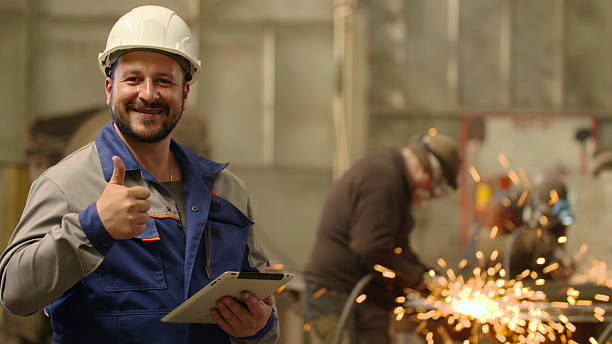
Metallurgical Engineers investigate the physical and chemical behavior of metallic elements and their alloys. They develop and optimize processes such as smelting, casting, forging, welding, and heat treatment to produce metals with specific mechanical and chemical properties. Metallurgical Engineers conduct failure analysis to determine causes of metal fatigue or corrosion and recommend improvements. They collaborate with manufacturing teams, researchers, and quality control specialists to ensure metals meet technical and regulatory standards. Their work supports industries including steel production, automotive manufacturing, aerospace, power generation, and nanotechnology.
| Route | Steps |
|---|---|
| Route 1: Bachelor’s in Metallurgical Engineering | 1. Complete a Bachelor’s degree in Metallurgical Engineering or Materials Science with specialization in metallurgy. 2. Pursue internships or cooperative education in metallurgical plants or research labs. 3. Gain practical experience in metal processing or testing. 4. Seek employment in metallurgical engineering roles or pursue advanced studies. |
| Route 2: Materials Science + Metallurgy Focus | 1. Obtain a degree in Materials Science or Engineering. 2. Specialize in metallurgy through electives or postgraduate studies. 3. Participate in metallurgical research projects or internships. 4. Transition into metallurgical engineering roles. |
| Route 3: Mechanical / Chemical Engineering + Metallurgical Training | 1. Earn a degree in Mechanical or Chemical Engineering. 2. Gain metallurgical knowledge through specialized courses or training. 3. Acquire experience in metal manufacturing or processing industries. 4. Work in metallurgical or materials engineering positions. |
| Route 4: Mining Engineering + Metallurgical Processing | 1. Complete a degree in Mining Engineering. 2. Focus on mineral processing and extractive metallurgy. 3. Gain experience in ore beneficiation and metal extraction. 4. Pursue roles in metallurgical plants or mining companies. |
| Institute | Course / Program | Official Link |
|---|---|---|
| Indian Institute of Technology (IIT) Bombay | Metallurgical Engineering | https://www.iitb.ac.in/ |
| Indian Institute of Technology (IIT) Kharagpur | Metallurgical and Materials Engineering | https://www.iitkgp.ac.in/ |
| Indian Institute of Technology (IIT) Madras | Metallurgical and Materials Engineering | https://www.iitm.ac.in/ |
| National Institute of Technology (NIT) Rourkela | Metallurgical and Materials Engineering | https://www.nitrkl.ac.in/ |
| Birla Institute of Technology and Science (BITS), Pilani | Metallurgical Engineering | https://www.bits-pilani.ac.in/ |
| Indian Institute of Science (IISc), Bangalore | Metallurgy and Materials Engineering | https://iisc.ac.in/ |
| Anna University, Chennai | Metallurgical Engineering | https://www.annauniv.edu/ |
| Manipal Institute of Technology | Metallurgical Engineering | https://manipal.edu/mit.html |
| National Metallurgical Laboratory (NML), Jamshedpur | Metallurgical Research | https://www.nmlindia.org/ |
| Banaras Hindu University (BHU) | Metallurgical Engineering | https://www.bhu.ac.in/ |
International
| Institution | Course | Country | Official Link |
|---|---|---|---|
| Massachusetts Institute of Technology (MIT) | Metallurgical Engineering | USA | https://mit.edu/ |
| University of Cambridge | Materials Science and Metallurgy | UK | https://cam.ac.uk/ |
| Stanford University | Materials Science and Engineering | USA | https://stanford.edu/ |
| University of California, Berkeley | Materials Science and Metallurgy | USA | https://berkeley.edu/ |
| Technical University of Munich (TUM) | Metallurgy and Materials Engineering | Germany | https://www.tum.de/ |
| University of Oxford | Materials Science and Metallurgy | UK | https://www.ox.ac.uk/ |
| ETH Zurich | Metallurgical Engineering | Switzerland | https://ethz.ch/ |
| National University of Singapore (NUS) | Metallurgical Engineering | Singapore | https://www.nus.edu.sg/ |
| University of Toronto | Metallurgical and Materials Engineering | Canada | https://www.utoronto.ca/ |
| Delft University of Technology | Metallurgical Engineering | Netherlands | https://www.tudelft.nl/ |
India
International
Undergraduate Student → Graduate Student (MSc/PhD) → Junior Metallurgical Engineer / Analyst → Metallurgical Engineer → Senior Metallurgical Engineer / Project Manager → Plant Manager / R&D Manager → Director of Metallurgy / Chief Metallurgical Officer
| India | International |
|---|---|
| Tata Steel | ArcelorMittal |
| Steel Authority of India Limited (SAIL) | Nucor Corporation |
| Bharat Heavy Electricals Limited (BHEL) | General Electric (GE) |
| Larsen & Toubro (L&T) | Alcoa Corporation |
| Hindustan Zinc Limited | Rio Tinto |
| JSW Steel | Boeing |
| Indian Oil Corporation | Thyssenkrupp |
| National Aluminium Company (NALCO) | POSCO |
| Indian Space Research Organisation (ISRO) | Honeywell |
| Bharat Electronics Limited (BEL) | 3M |
| Pros | Cons |
|---|---|
| Involvement in critical industries like steel, aerospace, and automotive | Work environments can be industrial and physically demanding |
| Opportunities to innovate new materials and processes | Exposure to high temperatures and hazardous materials in some roles |
| High demand for skilled metallurgical engineers globally | Can involve shift work or extended hours in plants |
| Contribution to sustainability through recycling and efficient processing | Failure analysis and troubleshooting can be complex |
| Blend of laboratory research and industrial application | Some roles require working in remote or heavy industrial sites |
| Potential for career growth in R&D, manufacturing, and management | Regulatory compliance and safety protocols can be stringent |
| Career Level | India (₹ per annum) | International (US$ per annum) |
|---|---|---|
| Entry-Level Metallurgical Engineer | 3,50,000 - 7,00,000 | $55,000 - $75,000 |
| Mid-Level Metallurgical Engineer | 7,00,000 - 15,00,000 | $75,000 - $110,000 |
| Senior Metallurgical Engineer / Project Manager | 15,00,000 - 30,00,000 | $110,000 - $160,000 |
| Director of Metallurgy / Chief Metallurgical Officer | 30,00,000 - 50,00,000+ | $160,000 - $220,000+ |
A career as a Metallurgical Engineer offers the opportunity to work at the core of industries that rely on metals and alloys, driving innovation in material properties, processing, and sustainability. By combining scientific knowledge with practical engineering skills, metallurgical engineers contribute to advancements in aerospace, automotive, construction, and energy sectors. For those passionate about metals, materials innovation, and industrial processes, metallurgical engineering provides a challenging, dynamic, and rewarding career path with strong global demand.
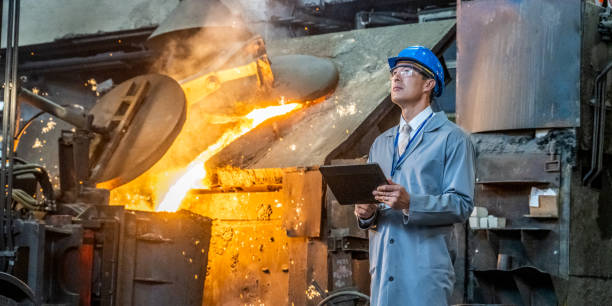
Metallurgical Engineers develop and optimize processes for extracting, refining, and fabricating metals and alloys. They ensure metals meet...
0.0LPA
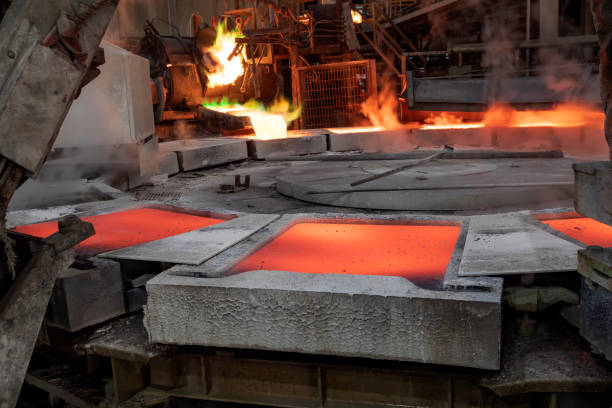
Extractive Metallurgists specialize in the extraction of metals from ores through chemical and physical processes. They design and operate...
0.0LPA

Physical Metallurgists study the structure and properties of metals at the microscopic and atomic levels. They analyze phase transformations,...
0.0LPA
Take the next step and explore more about Metallurgical Engineer.
Explore similar career paths that might interest you